REVIEW · MARRAKECH
Day Trip to Atlas Mountains and Berber Villages
Book on Viator →Operated by Marrakech Activités · Bookable on Viator
A day in the Ourika Valley feels like a reset button. You’ll ride out of Marrakech in an air-conditioned van, meet Berber communities, and hike toward the Setti Fatma waterfalls with a local guide who explains what you’re seeing along the way. It’s the kind of trip that trades city noise for mountain air and real-life village rhythms.
What I like most is how the day mixes culture and movement: a visit to a Berber house and crafts stops, then a hike that gets you up close to the falls. I also appreciate the practical touches—WiFi on board and bottled water—so you can focus on the day instead of logistics. The main consideration: the waterfall hike can feel fast-paced and steep for slower walkers, and meals are handled in a set way during the outing.
In This Review
- Key Points You’ll Care About
- Marrakech to Ourika Valley: The Comfort and Timing That Matter
- The Atlas Scenery Stop: A Quick Reset on the Way Out
- Ourika Valley Arrival: Berber Villages With Context
- Crafts, Cooperatives, and a Berber House Visit
- Lunch by the River: Nice Break, Fixed Setup
- Setti Fatma Waterfalls: The Hike You’ll Remember
- Pottery Observation Workshop: Culture in a Quieter Moment
- Price and Value: What $17.42 Covers (and What Doesn’t)
- Who This Day Trip Is Best For
- Should You Book This Ourika and Berber Villages Trip?
- FAQ
- What time does the day trip start in Marrakech?
- Where is the meeting point for the tour?
- How long is the experience?
- Is pickup from hotels in Marrakech included?
- What’s included in the tour price?
- Is a camel ride included?
- What’s the group size?
- Can I cancel for free if my plans change?
Key Points You’ll Care About
- Small group size (max 17) helps you get questions answered and stay together
- Pickup in Marrakech means less hassle before the ride starts
- Berber village and house visit gives context beyond just photos
- Setti Fatma hike to waterfalls is the physical highlight of the day
- Pottery observation workshop adds a slower, hands-on cultural moment
Marrakech to Ourika Valley: The Comfort and Timing That Matter
This is a full-day mountain escape that starts with a 9:00 am departure from the Café de France area (72 Rue des Banques). The trip runs about 7 hours 30 minutes, and you’re not left guessing where to go—your day ends back at the same meeting point.
The ride itself is the first quality-of-life win. You get an air-conditioned vehicle, plus bottled water and WiFi onboard, which is great when you’re traveling from Marrakech and want your phone to last for maps and photos. There’s also a driver/guide with you, which usually means fewer gaps in communication and smoother transitions between stops.
If you’re deciding between “just a transfer” and “a day with real stops,” this is the second kind. The schedule is built around multiple experiences, not only a long drive out and back.
A few more Marrakech tours and experiences worth a look
The Atlas Scenery Stop: A Quick Reset on the Way Out
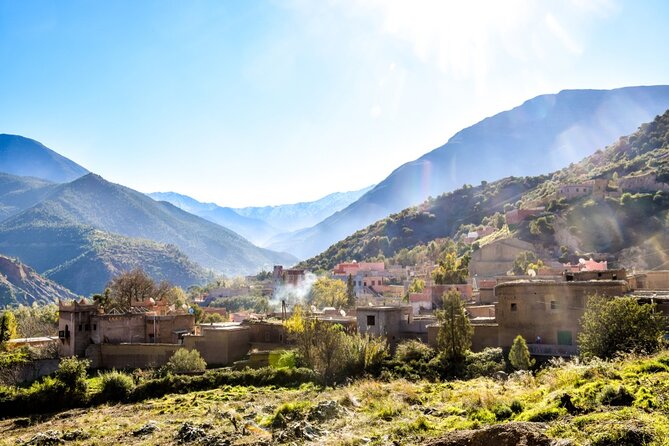
Halfway through the day, you’ll pause to admire the Atlas Mountains scenery. The stop is short (about 45 minutes), which is intentional: it’s enough time to stretch your legs, look around, and take a few photos without turning the day into a travel marathon.
You’ll also visit craftsmen along the way. This matters because it sets the tone early: you’re moving from city life toward mountain livelihoods, and the day keeps building that connection. Even if you’re not shopping, it’s useful to see how crafts show up in daily life rather than in a showroom.
Practical tip: bring a layer. Mountain air can shift quickly, and a cool breeze is one thing you don’t want to fight during a hike later.
Ourika Valley Arrival: Berber Villages With Context
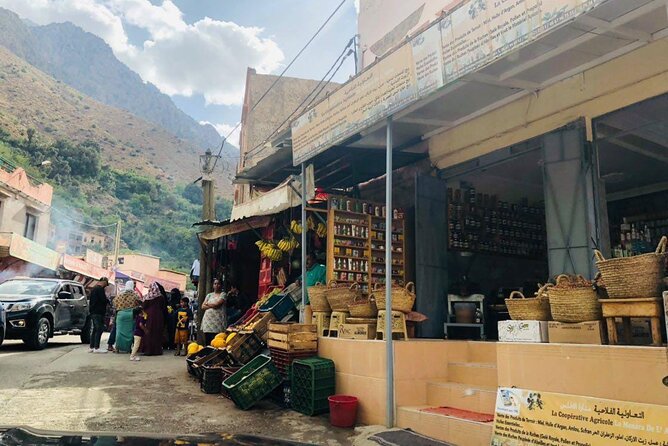
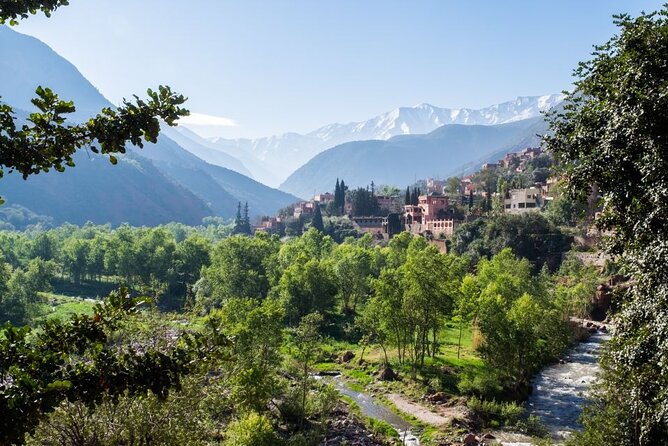
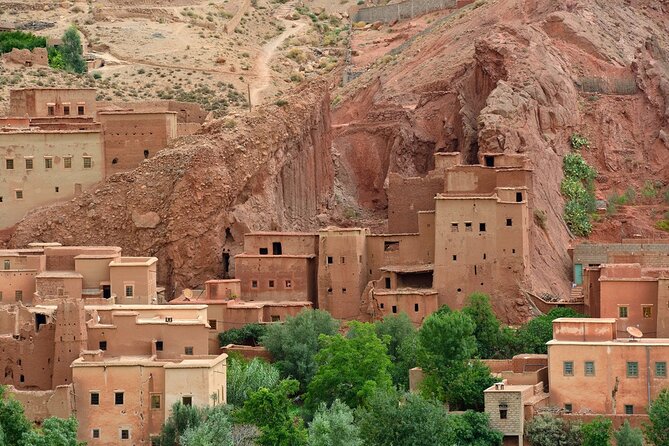
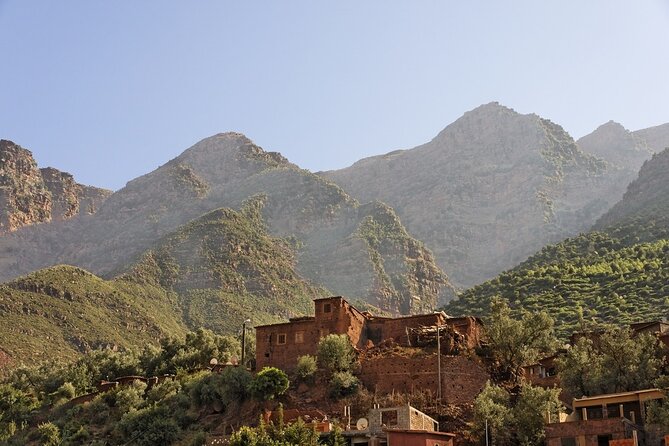
Once you arrive in the Ourika Valley, the day shifts from road time to valley time. You’ll travel along mountain paths and see Berber villages clinging to the slopes—homes shaped by terrain, with daily life adapted to the valley’s pace.
One of the most valuable parts here is the way the guide frames what you’re looking at. You’ll cross a local river during the outing, and then you’ll spend time with local villages and cooperatives. This is not just wandering for sightseeing—it’s a chance to understand how Berber culture connects to the land and work.
You’ll also visit a Berber house. That kind of stop helps you picture what village life looks like beyond the exterior view of houses on a hillside. Even if you don’t understand every detail at first, you’ll leave with a clearer sense of how people organize their homes, routines, and community spaces.
Crafts, Cooperatives, and a Berber House Visit
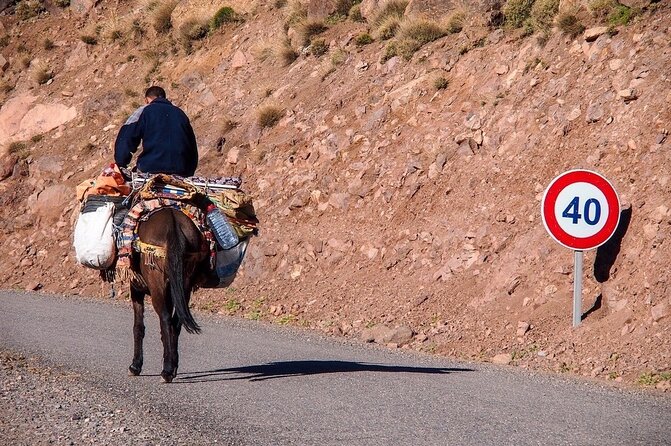
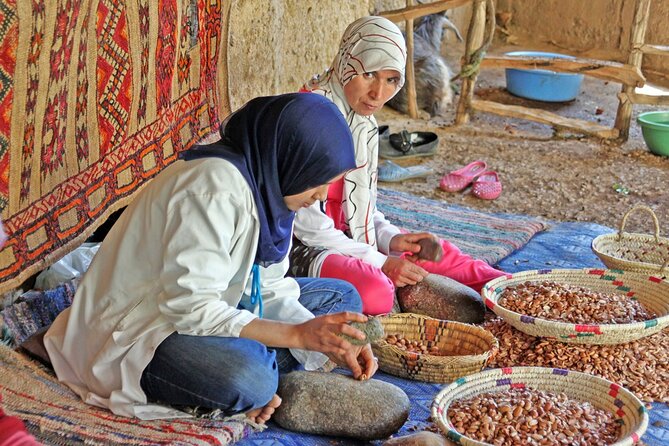
This day mixes formal stops (organized visits) with informal learning (watching how things are made or traded). You’ll see craftsmen and cooperatives as part of the experience, which gives you a more grounded view of local skills.
A Berber house visit is especially good for anyone who feels uneasy about “tourist culture” that only shows you the surface. A home visit tends to focus on everyday life—how people live, how space is used, and how traditions show up in plain, practical ways.
Just remember: you’re in someone’s environment. Keep your voice low near homes, ask before taking close photos, and don’t treat the visit like a theme park.
Lunch by the River: Nice Break, Fixed Setup
Lunch happens near the river, which is a big part of why this outing feels like a true day away. Eating outside in valley air beats grabbing something quick back in Marrakech, especially after time spent traveling.
That said, there’s one caution worth taking seriously. One past participant complained that the meal is handled in a way where you’re expected to eat where the group goes, and they felt it wasn’t flexible. I can’t promise your day will match that exact situation, but it does suggest you should treat lunch as part of the program rather than a free choice.
Practical move: come hungry, and keep your expectations aligned with a guided format. If you have strong dietary requirements, try to confirm what you can realistically handle ahead of time through your booking channel.
Also, if you’re used to paying by card everywhere, do a quick reality check. The negative feedback included a question about card payment during the day. So it’s smart to carry some cash just in case.


Setti Fatma Waterfalls: The Hike You’ll Remember
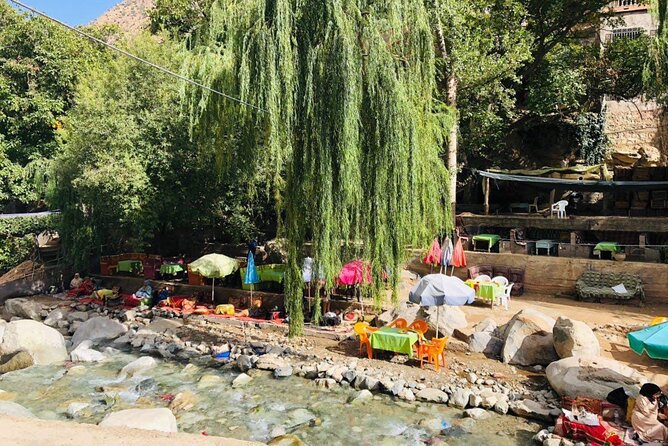
The signature activity is the hike toward Setti Fatma and the waterfalls. This is where the day becomes physical. You’ll go with a local guide who explains the area, including history related to the Berbers and the valley communities.
The waterfalls are the payoff, but the journey is the point. Expect uneven footing and steep sections, since you’re moving through mountain paths. In one written review, a participant said the pace up to the cascade felt too fast for some people and that not everyone could keep up.
So here’s the honest way to plan:
- If you’re a confident hiker and steady on slopes, you’ll likely enjoy it.
- If you’re slower, have knee issues, or need frequent pauses, consider going with a mindset of “manage my pace early.” Tell your guide you’ll move carefully so you don’t feel rushed.
What to bring: comfortable shoes with grip. The day gives you plenty of photo moments, but your feet do the heavy lifting.
Pottery Observation Workshop: Culture in a Quieter Moment
After the hike and valley time, the day doesn’t end with another sprint. You’ll head to a pottery observation workshop. Even though it’s described as observation (not necessarily a full make-your-own class), it’s a meaningful cultural pause.
Why it works: pottery is one of those crafts where you can connect technique to everyday life. Watching the process helps you understand that crafts aren’t only souvenirs—they’re skills built over time.
If you’re hoping to buy something, keep your budget in mind. Observation workshops can lead to sales because the activity naturally puts you near finished products and makers’ work.
Price and Value: What $17.42 Covers (and What Doesn’t)
At about $17.42 per person, this is low-cost for a full day with transport, guide support, and multiple stops. The overall value comes from the combination: you’re not just paying for a drive. You’re paying for a guided experience that includes entry/admission for the Ourika portion and a packed schedule of culture plus the waterfall hike.
Included highlights:
- Air-conditioned transport
- WiFi and bottled water
- Driver/guide support
- A mountain day with guided village time and admissions tied to the Ourika stop
Not included:
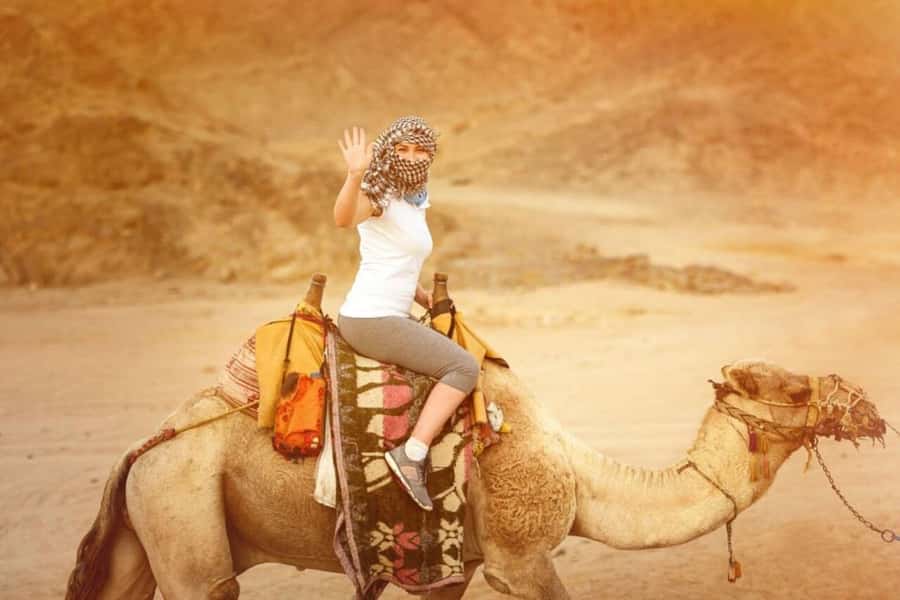
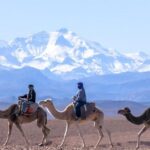
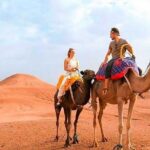
- Camel ride (listed as extra)
That camel-ride note matters because it’s easy to assume it’s part of the “mountain experience.” If you want it, plan extra cash and time. If you’re okay skipping it, you can still get plenty out of the village visits and waterfall hike without adding another activity.
For best value, go in with a flexible attitude: the trip is structured, not a self-guided wander. If you like that style, the price makes sense.
Who This Day Trip Is Best For
I think this works best for:
- People who want a real guided day outside Marrakech, not just a quick countryside stop
- Travelers who enjoy mixing culture with walking
- First-timers who want a clearer intro to Berber village life and crafts
It’s also fine if you’re comfortable on moderate hikes. The day is not described as a stroll, and the waterfall segment is where you’ll feel it.
If you’re traveling with someone who needs a slower pace, have a plan. Speak up early about your walking comfort so you’re not stuck trying to match a group pace later.
Should You Book This Ourika and Berber Villages Trip?
Yes, you should book it if you want an efficient day that checks the major boxes: mountain scenery, Berber village context, a river-area lunch, and a guided hike toward the waterfalls. The high overall rating (4.7) and strong recommendation rate (92%) suggest most people leave feeling the schedule delivers.
I’d skip or rethink it if you know you struggle with steep or fast hikes and you don’t want any pressure to keep up. Also, if you have strict dietary needs or strong requirements for meal choices, confirm those details before you go, since lunch appears tied to the program.
If you’re a mix of curious and active—this is a great way to trade Marrakech’s pace for the Ourika Valley’s mountain rhythm for one day.
FAQ
What time does the day trip start in Marrakech?
It starts at 9:00 am.
Where is the meeting point for the tour?
The tour starts at Café de France, 72 Rue des Banques, Marrakech 40000, Morocco.
How long is the experience?
The duration is approximately 7 hours 30 minutes.
Is pickup from hotels in Marrakech included?
Yes. Pickup is offered.
What’s included in the tour price?
The tour includes an air-conditioned vehicle, WiFi on board, bottled water, and a driver/guide. Admission is included for the Ourika Valley part of the experience.
Is a camel ride included?
No, a camel ride is extra.
What’s the group size?
The maximum group size is 17 travelers.
Can I cancel for free if my plans change?
Yes. You can cancel up to 24 hours in advance for a full refund.