REVIEW · MARRAKESH
Authentic Moroccan Crafts Tour in the Marrakech Souks
Book on GetYourGuide →Operated by Marrakech Lifestyle · Bookable on GetYourGuide
Marrakech souks can feel loud, hot, and confusing fast, so this private route makes the medina make sense while keeping it hands-on. I especially like the focus on real artisans and the chance to learn materials and techniques during a mint tea pause.
One thing to consider: the tour starts and ends in the medina, and transportation isn’t included, so you’ll want to plan an easy meet-up inside the old walls.
In This Review
- Key highlights worth your attention
- Why This Marrakech Souk Tour Works When the Medina Feels Like Chaos
- Start at Koutoubia and Jemaa el-Fnaa: Getting Oriented Before You Shop
- Souk Semmarine: Traditional Trades in a Portion You Can Actually Enjoy
- Artisan Stops and Designer Workshops: Where Classic Craft Meets Modern Taste
- The Mint Tea Pause With a Master Craftsman: Why It’s Not Just a Break
- View Point Moment, Workshop Time, and Souk Des Épices: Smells, Stories, and Practical Ordering
- Souk des Teinturiers and Souk des Tapis: Dyes and Carpets You Can Compare
- Designing Your Own Pieces: The Real Value of “Tailor-Made,” With Real Timelines
- Bargaining Help That Keeps It Friendly (and Helps You Spend Smarter)
- Price and Time: Is $48 Worth It for a 4–6 Hour Private Tour?
- Logistics You Should Plan Before You Go (So You Don’t Lose Time)
- Who This Tour Suits Best (and Who Might Prefer Something Else)
- Should You Book This Souk Craft Tour?
- FAQ
- How long is the Marrakech souks crafts tour?
- How much does the tour cost?
- Where does the tour meet and where does it end?
- Is transportation included?
- What’s included in the tour price?
- Are the souks chosen based on my interests?
- Are there any discounts for purchases?
Key highlights worth your attention
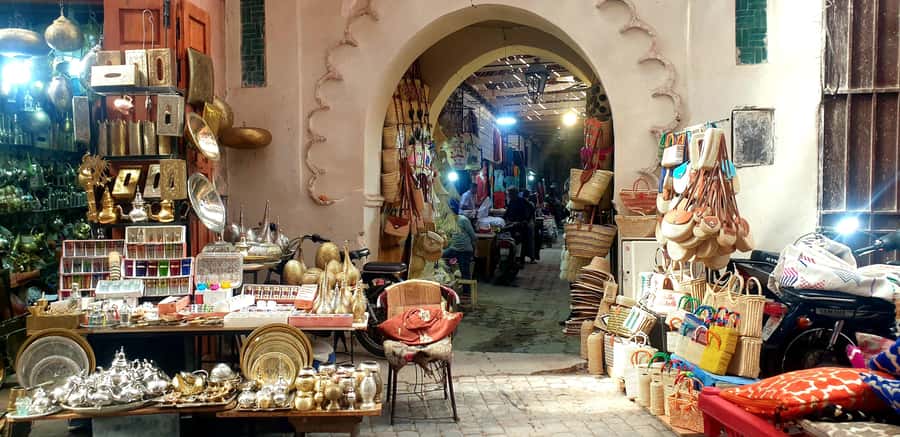
- Private medina route chosen around the handicrafts you care about
- Artisan mint tea pause with a local master craftsperson
- Designed-to-order possibilities, from sandals to bigger leather items
- Bargaining coaching so you can shop with confidence, not confusion
- Contemporary makers + classic trades, including designer workshops
- Comfort breaks built in, so you don’t get worn down by sensory overload
Why This Marrakech Souk Tour Works When the Medina Feels Like Chaos
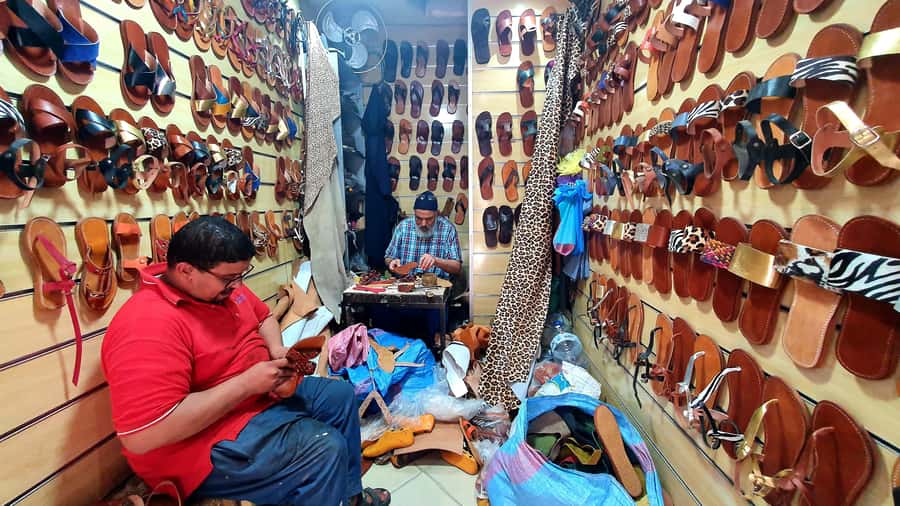
The Marrakech medina has a way of overwhelming your senses immediately. You’ll catch baking bread smells and spice aromas in the same breath as tanneries, and you’ll hear donkey and mule traffic threading through narrow lanes. Add merchants calling out deals and you can feel like the maze is grabbing you by the shoulders—whether you want shopping or not.
This tour is built for that reality. Instead of wandering randomly, you follow a guided path that connects the dots: where traditional trades used to be grouped by craft, where modern designers collaborate with older techniques, and where you can still meet makers rather than only see mass copies. If your goal is to buy something meaningful (or at least understand what you’re looking at), this structure matters.
The other big reason I like it: you get a private format. In a crowded souk, personal space is rare, but it’s what lets you ask real questions—about leather types, dye methods, carpet quality, or why one workshop’s pricing is totally different from the next.
You can also read our reviews of more tours and experiences in Marrakesh.



Start at Koutoubia and Jemaa el-Fnaa: Getting Oriented Before You Shop
Most days in Marrakech begin with a hit of landmarks, and this one starts near the Koutoubia Minaret by the UNESCO-listed Jamaa el-Fnaa area. You get a short photo stop and an easy guided orientation so you don’t spend the first hour trying to read signs and streets like a cartographer.
Then you move into Jemaa el-Fnaa with a guided walk-by and a bit of time to settle your bearings. This matters because the square is not just scenic—it’s a transition point. Once you can mentally place it, the souk lanes stop feeling like a single chaotic river and start feeling like connected neighborhoods.
Practical note: expect brief, on-foot segments early. The tour is active but not exhausting by design. It’s paced so you can look, ask, and keep walking without getting mentally fried too soon.
Souk Semmarine: Traditional Trades in a Portion You Can Actually Enjoy
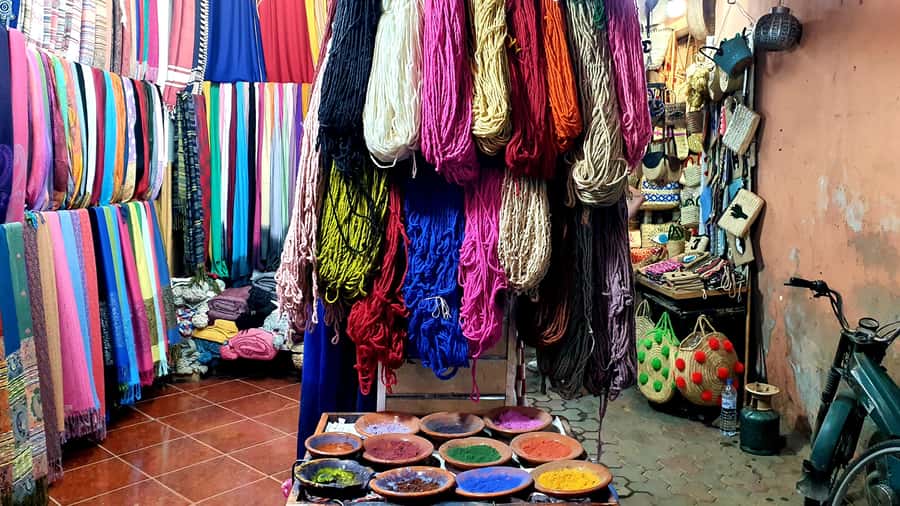
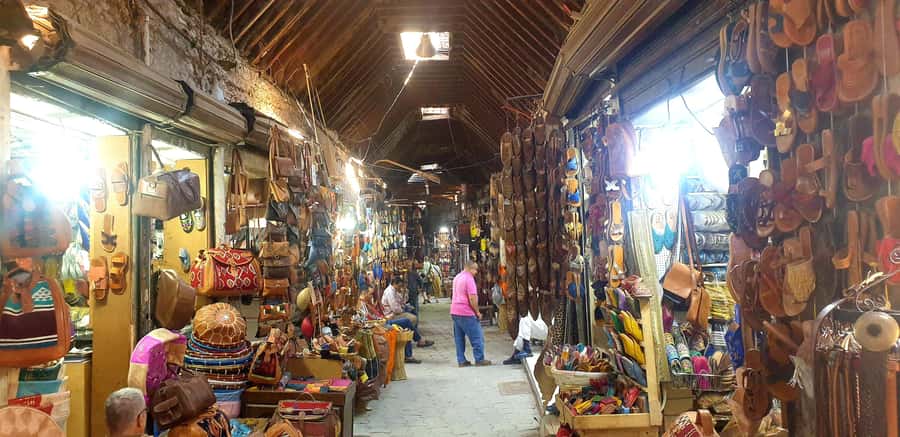
After you settle near Jemaa el-Fnaa, the route heads to Souk Semmarine. This is where you get your first taste of how Marrakech organizes crafts. Historically, the souks were set up by trade—dyers, saddle-makers, olives, leather, spices, silver, wool, silk, cedar and thuya wood, and even bronze and copper.
What you’ll notice today is that some streets skew more tourist-oriented, while others still carry a real workshop vibe. In Souk Semmarine, the goal is not to sprint through. You get guided time plus free time, which is the sweet spot for first contact: you can listen to the guide’s context, then try your own questions with less guessing.
If you’re worried about getting sold to the second you arrive, this portion helps. With a guide in your corner, you’re more likely to notice whether a stall is an actual production space or just a resale counter.
Artisan Stops and Designer Workshops: Where Classic Craft Meets Modern Taste
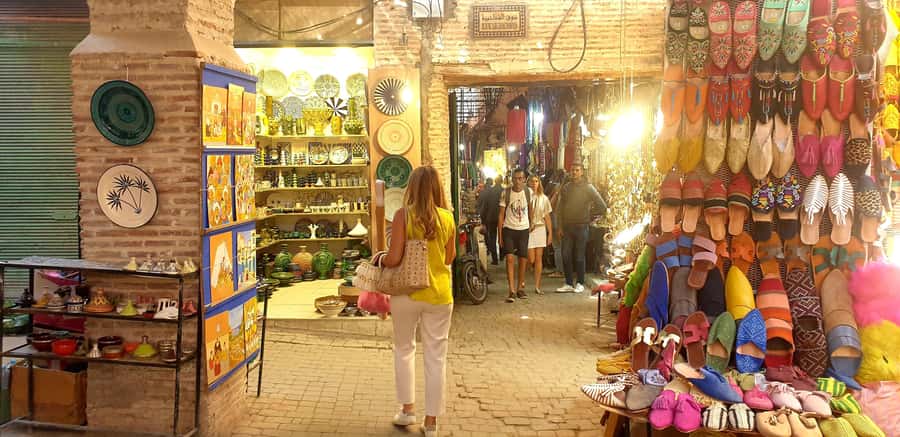
Marrakech’s reputation isn’t only about old-school crafts. Over the last 50+ years, contemporary artists and designers have worked alongside traditional craftsmen, turning the city into something like Morocco’s design hub. That’s why this tour doesn’t treat the souks as a single shopping floor—it treats them as a network of workshops and galleries with different styles.
At the mid-tour points, you’ll hit workshop-style stops where you can see original creations and learn why they’re made that way. The tour is flexible: you can choose the handicrafts that interest you most, and your route can shift toward those areas. That’s one of the smartest aspects for value. You’re not forcing yourself to buy something you don’t care about just to justify time.
This is also where you should pay attention to materials. You’re likely to see things made from different woods (including cedar and thuya) and different approaches to leather and textiles. Even if you don’t buy, asking what something is made from—and how long it takes—helps you shop with better instincts later.
The Mint Tea Pause With a Master Craftsman: Why It’s Not Just a Break
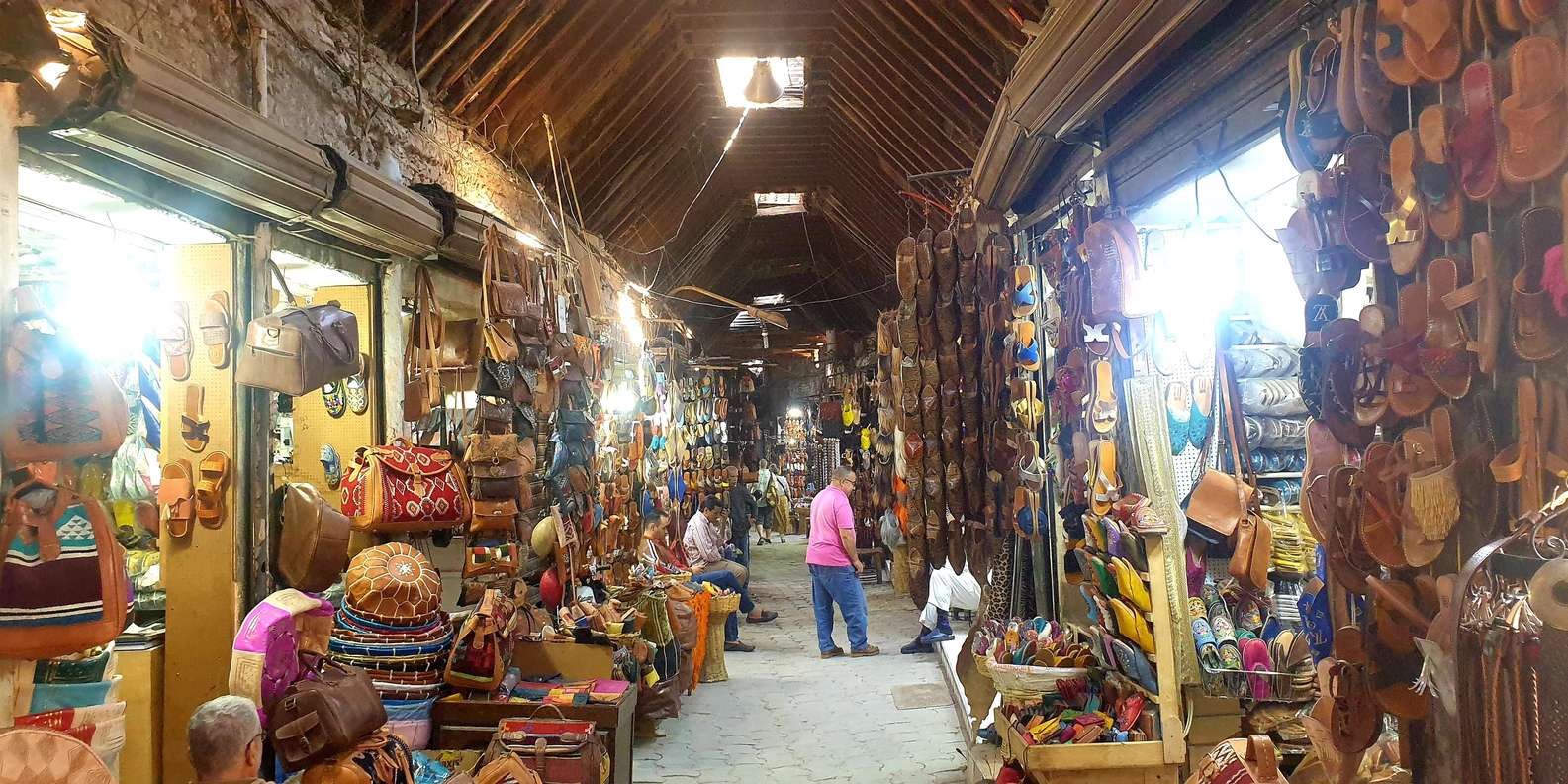
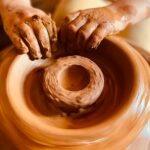
One scheduled pause stands out for me: mint tea with a local master craftsman (or artist). This isn’t an “every tour stops for tea” moment. The point is to learn how makers think.
You’ll hear about materials and techniques—why one leather or fabric behaves differently, what dye processes they use, and how craft is shaped by day-to-day life in the medina. You also get a sense of inspiration: what they look at, what they copy from older methods, and what they modernize.
This matters because bargaining in Marrakech isn’t only about price. If you understand process, you’ll better judge fair value. You’ll also understand why a skilled maker might refuse a bargain that a reseller would happily accept.
The tea pause also helps with pacing. Your feet will thank you, and your head will reset before the next shopping area.


View Point Moment, Workshop Time, and Souk Des Épices: Smells, Stories, and Practical Ordering
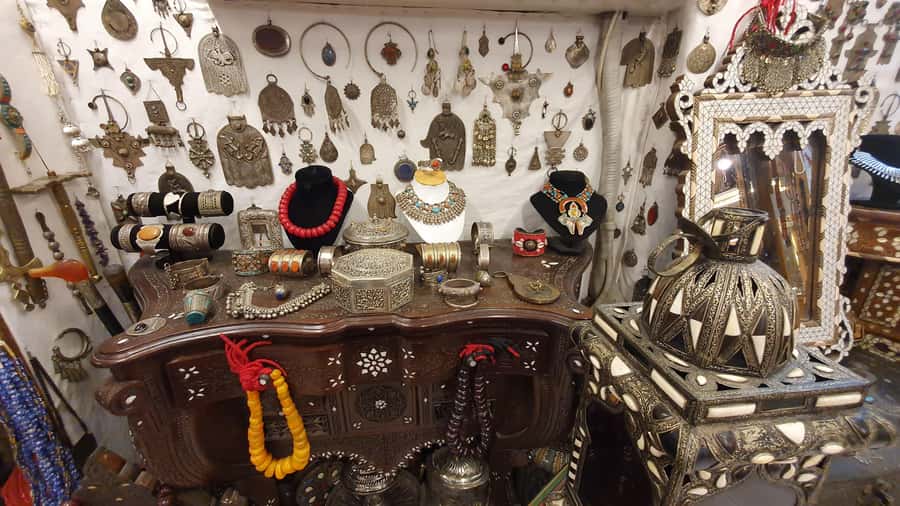
Later you reach a viewpoint photo stop that includes tea ceremony and a short workshop. It’s brief, but it breaks up the day so you don’t only associate the medina with shopping pressure.
Then comes Souk des Epices. This is one of the most recognizable places for visitors, but with a guide, it becomes more than a photo stop. You’ll get guided time plus free time, and you’ll also spend a little time at the food market area—the kind of stop that helps you understand how spices are used, not only sold.
Expect sensory intensity. Spices are beautiful, but they’re also strong-smelling and messy in small ways. The guide’s role is to keep you oriented and help you avoid common buying mistakes, like paying premium prices for blends that aren’t really special, or buying quantities you can’t realistically pack.
Also: this is where bargaining skill becomes useful. If you can handle a friendly back-and-forth here, later purchases feel easier.
Souk des Teinturiers and Souk des Tapis: Dyes and Carpets You Can Compare
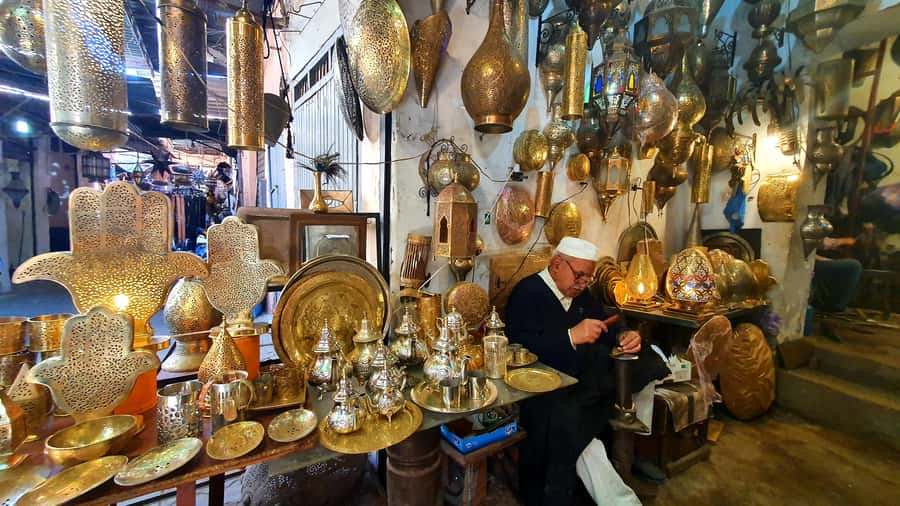
Next, the tour moves to Souk des teinturiers (dyers). Dyers are an essential part of Marrakech’s craft ecosystem, and the dye process is one of those topics where visuals and explanations help more than reading about it later.
Then you’ll head to Souk des Tapis, where you’ll get time for shopping and a guided component. Carpets sound simple from far away—just color and pattern—but you’ll get a better sense of what separates a decorative piece from one that’s actually well made. Even if you don’t buy, you’ll learn what questions to ask.
This section is practical because it gives you comparison. Instead of only seeing one stall and walking away unsure, you get contextual guidance and time to look.
One small consideration: carpet and textile shopping can take longer than you expect. This tour gives structured time, but if you fall in love with something, you may need to decide whether to buy now or keep shopping for alternatives.
Designing Your Own Pieces: The Real Value of “Tailor-Made,” With Real Timelines
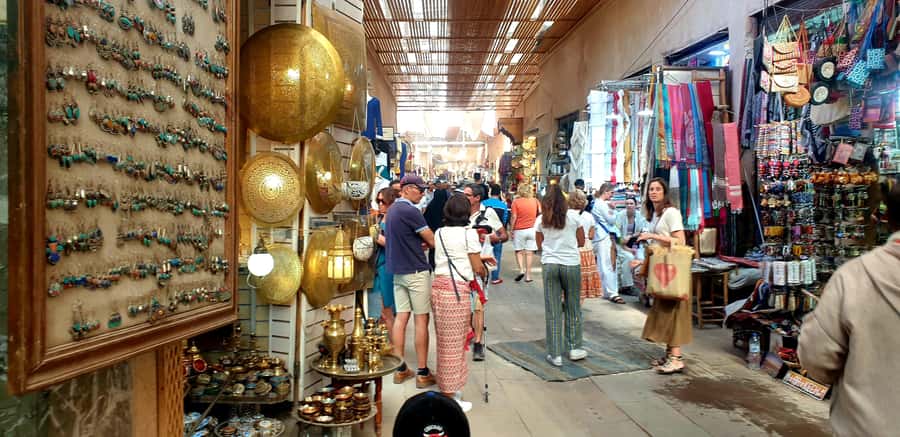
This tour doesn’t only teach you how to shop—it gives you a chance to do it your way. Depending on time, artisans can create tailor-made items.
The practical part is the timeline:
- Sandals or shoes can often be made in only a few hours.
- For bigger items like leather jackets, bags, or lanterns, expect at least 48 hours.
That detail changes your planning. If you’re on a tight schedule, you’ll likely be happiest with the faster items. If you’re staying long enough, it can be worth ordering something bigger, because custom work is more satisfying than buying off-the-shelf.
And yes, you’ll still shop. But it’s shopping with a goal: you’re not just collecting souvenirs—you’re learning how something is made and then seeing whether you can shape the result.
Bargaining Help That Keeps It Friendly (and Helps You Spend Smarter)
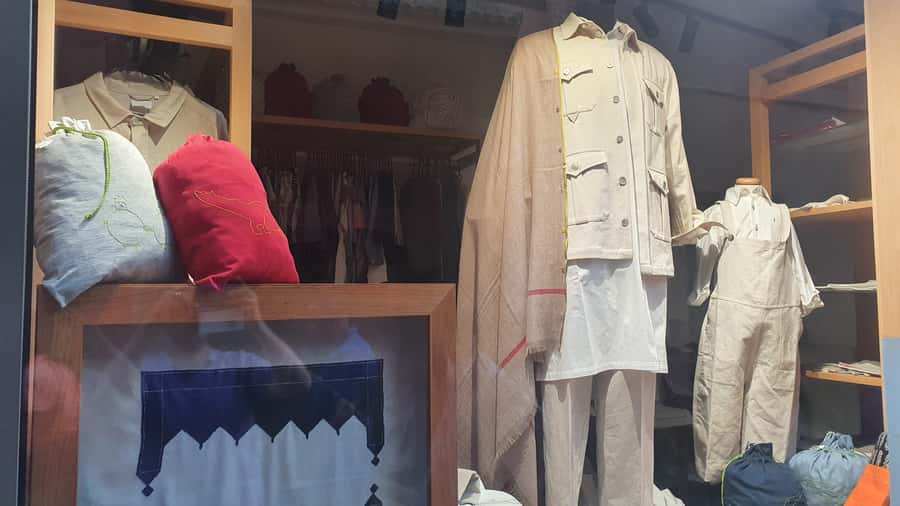
Bargaining is part skill, part attitude. This tour is designed to teach you the art of negotiation so you can get good deals while avoiding that awkward feeling of being pushed around.
Here’s what I think makes the bargaining instruction useful:
- The guide helps you understand what you’re looking at, so you know what costs make sense.
- You learn how to ask questions without sounding confrontational.
- You’re less likely to panic when a seller names a high first price.
Also, the tour includes a 15% discount for purchases at select official craft centers and/or local co-operatives. That’s not a random coupon—it’s a helpful way to reduce the risk of overpaying when you’re ready to buy.
If bargaining stresses you out, you don’t have to go full negotiator. Even simple guidance on how to respond politely can turn a tense interaction into a conversation.
Price and Time: Is $48 Worth It for a 4–6 Hour Private Tour?
At $48 per person for 4–6 hours, the value hinges on what you want from the medina.
If you just want to snap photos and drift, you could do it on your own. But Marrakech’s souks aren’t only about shopping; they’re about craft understanding, route intelligence, and introductions to makers. Paying for a private guide pays off when:
- you want to find better artisan-focused areas instead of repeatedly hitting low-quality stalls,
- you’d like to compare products with guidance,
- you want time to ask about technique and materials,
- you’re interested in custom options and want help navigating them.
You also get included extras that matter in practical terms: bottled water and a mint tea pause with a local master craftsperson, plus an English/French-speaking guide. Transportation isn’t included, but pickup within the medina makes the start workable if you’re staying inside the old walls.
Bottom line: if your goal is craft, not chaos, this price can feel fair. If your goal is simply shopping with no interest in process or negotiation, you might prefer a shorter, more flexible option.
Logistics You Should Plan Before You Go (So You Don’t Lose Time)
A tour like this lives inside the medina, which is exactly why the start point matters.
A few practical realities:
- Pickup is included only within the old city walls (medina). There’s no transportation provided, so you’ll want your riad or hotel location to match the pickup zone.
- If your accommodation is outside the medina, the guide can adapt and you can meet near Koutoubia Mosque and/or Jamaa Fna square, which are easier to reach by taxi or public transport.
- Bring comfortable shoes. You’ll be on your feet for multiple short segments.
Also, this is a private group, so it’s well suited for couples, small families, and friends who want a less generic route. The tour is described as wheelchair accessible, but since there’s no transport and it’s inside dense streets, you’ll want to think about how comfortable you’ll be moving around on foot.
Who This Tour Suits Best (and Who Might Prefer Something Else)
This tour is ideal if you:
- care about handicrafts beyond surface shopping,
- want help navigating a sensory-heavy maze,
- enjoy asking questions and learning how things are made,
- want to negotiate without feeling like you’re in a constant fight.
It might be less ideal if you:
- dislike bargaining or any shopping focus at all,
- expect a totally relaxing, low-walking experience,
- are short on time and need fast, minimal steps.
If you want to buy something meaningful, or if you’re the kind of person who likes to understand craft before spending money, you’re in the right place.
Should You Book This Souk Craft Tour?
I’d book it if you want the medina to feel like a guided education as much as a shopping trip. The combination of artisan access, a mint tea learning break, and practical bargaining help is what turns the souks from random noise into purposeful browsing.
Before you book, think about two things:
- Are you staying inside the medina walls (or close enough to meet easily near Koutoubia/Jamaa el-Fna)?
- Do you want either to buy with confidence or to create something custom within realistic timelines?
If yes to both, this tour is a strong value at $48—not because it’s cheap, but because it gives you more than shopping. It gives you a cleaner path through Marrakech’s craft world.
FAQ
How long is the Marrakech souks crafts tour?
The duration is typically 4 to 6 hours.
How much does the tour cost?
The price is $48 per person.
Where does the tour meet and where does it end?
You meet in the medina near Koutoubia Minaret / Jamaa el-Fnaa area and the tour finishes at Jemaa el-Fna.
Is transportation included?
No. Transportation is not included, but hotel/riad pickup is included if it’s within the old city walls (medina).
What’s included in the tour price?
Included items are bottled water and a mint tea pause with a local master craftsman, plus the services of an English/French speaking local guide.
Are the souks chosen based on my interests?
Yes. It’s described as a private tour where you can choose the handicrafts/souks you want to focus on to meet local artisans.
Are there any discounts for purchases?
Yes. You get a 15% discount for purchases at select official craft centers and/or local co-operatives.