REVIEW · MARRAKECH
Atlas Mountains and Three Valleys & Waterfalls Guided Day Trip from Marrakech
Book on Viator →Operated by The craftsman of your trip · Bookable on Viator
The High Atlas starts with a camel, then turns into hiking. This day trip mixes Imlil Valley scenery, Berber village life, and a homemade mountain lunch—without feeling like a rush-job. I especially love the small-group size (max 15), and the chance to learn about argan oil through a women’s cooperative. One thing to keep in mind: it’s weather-dependent and includes walking, so you’ll want to plan for a long day outdoors.
The itinerary is built around “see, taste, walk, eat, repeat” energy. You’ll start in Marrakech at 8:30 am, head into the High Atlas, enjoy a camel ride (with mint tea), learn how argan oil is extracted during a tasting with Moroccan tea, and then spend time on foot around Imlil and a waterfall area. It ends back in Marrakech around 5:30 pm, which is a big plus if you want your mountains time without losing your whole evening.
If you’re the type who likes quiet viewpoints and a guide who can answer questions, this format fits. If you’re expecting a summit-style trek to Mount Toubkal’s peak, adjust your expectations: from the tour description, you’ll be passing by the Toubkal area and seeing it from scenic stops rather than doing a high-altitude climb.
In This Review
- Key things to know before you go
- From Café Argana at 8:30 to the High Atlas drive
- Camel ride and Berber clothing, then argan tasting with Moroccan tea
- Imlil Valley at 1740 m: river, walnut trees, and village walking
- Lunch at a family home: rooftop views and Berber cooking
- Waterfall time and the Mount Toubkal viewpoint effect
- Price, small-group format, and what $70.68 buys you
- Who should book this day trip (and who should skip it)
- Should you book Atlas Mountains and Three Valleys & Waterfalls?
- FAQ
- FAQ
- Where is the meeting point for the tour?
- What time does the day trip start?
- How long is the experience?
- Is pickup from my accommodation included?
- How big is the group?
- What activities are included during the day?
- Is lunch included, and what is it like?
- Does the tour include a farmer’s market?
- What happens if weather is bad or I need to cancel?
Key things to know before you go
- Maximum 15 people means you’re less likely to feel lost in a crowd.
- Argan cooperative tasting includes bread and oil with Moroccan tea, plus the chance to see how the process works.
- Imlil at 1740 m is the starting point for a walk through river edges, walnut trees, and traditional villages.
- A Berber family lunch is served from a home with a rooftop view, using fresh and organic ingredients.
- A waterfall stop breaks up the day and adds a classic Atlas photo moment.
- Saturday and Tuesday include a local Berber farmer’s market visit.
From Café Argana at 8:30 to the High Atlas drive
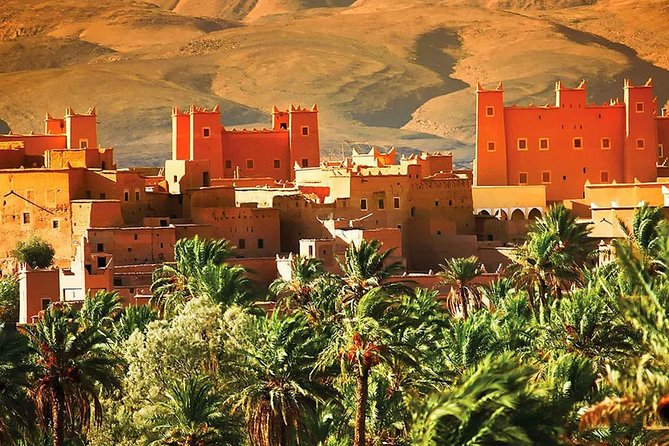
Your morning starts at the Café Argana meeting point in the Jamaa el-Fna area (8:30 am). Even if you choose the pickup option, you may still need to walk a short distance in Marrakech, since it can be hard to get right to every door.
Once everyone’s together, the drive up toward the High Atlas does two useful things. First, it gets you out of the city early while the day is still calm. Second, it sets the tone: you’re not just hopping between “stops,” you’re traveling through the same mountain approach roads that locals use to reach valleys and villages.
Expect a full day of moving. The pacing is spread out by breaks—camel ride, argan tasting, lunch, then walking and a waterfall—so it doesn’t feel like you’re stuck on a bus for hours without breaks. Still, plan your body for a lot of daylight outdoors.
You can also read our reviews of more guided tours in Marrakech
Camel ride and Berber clothing, then argan tasting with Moroccan tea
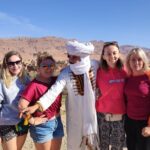
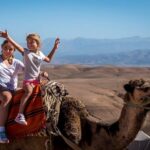
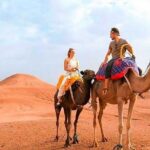
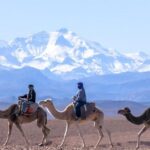
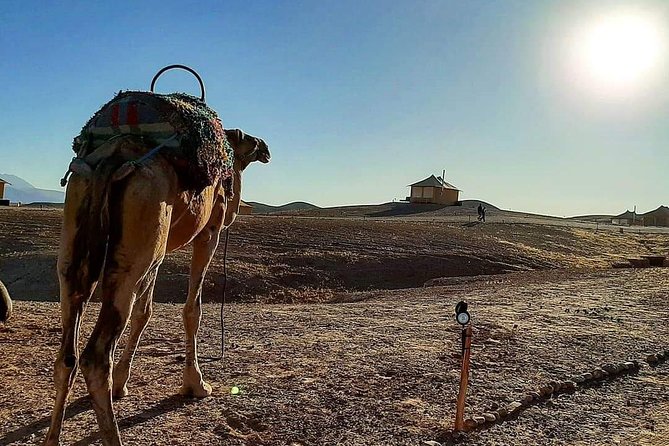
The first activity is a peaceful stop where you’ll be dressed in traditional Berber clothes and then take a camel ride. In one account of the experience, mint tea showed up here too, which makes sense: it’s a simple way to slow things down before you head deeper into the mountains.
After the camel ride, you’ll drive to a women’s argan oil cooperative. This is one of the most valuable parts of the day because it’s hands-on, and it turns a product you’ve probably seen in bottles into a real process.
During the cooperative stop, you get bread and oil tasting along with Moroccan tea. You also learn how argan oil is extracted and why the cooperative model matters. Even if you already know the basics, it’s worth paying attention—because the whole point is to connect the oil to the people and work behind it, not just the final souvenir.
A practical note: this portion is a great time to ask questions. If your guide is good (names like Wassim, Mohammed, and Hisham show up with this trip), they can usually explain what you’re seeing in plain terms and help you spot what’s being highlighted for visitors.
Imlil Valley at 1740 m: river, walnut trees, and village walking
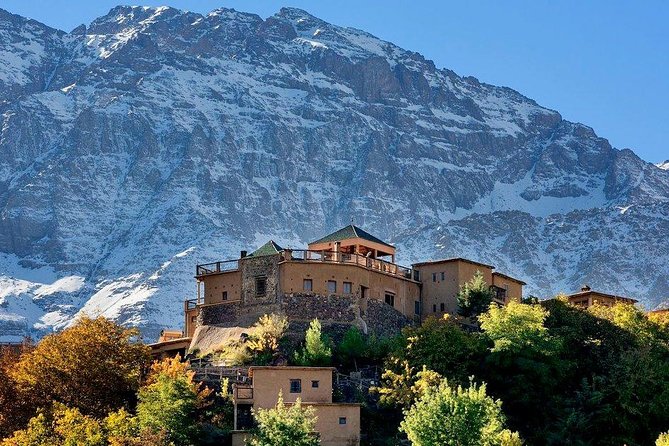
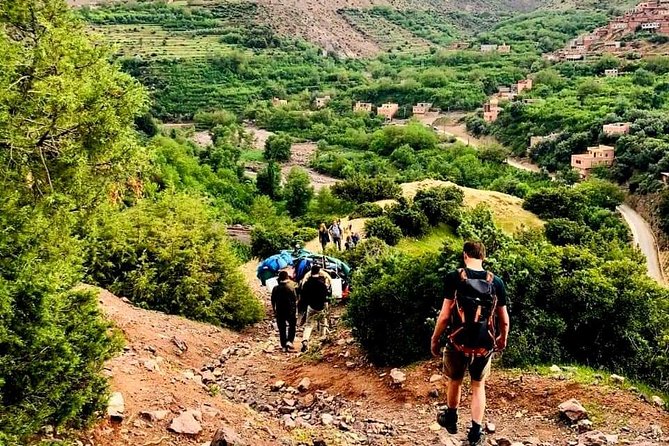
The walk starts in Imlil, at about 1740 meters. Imlil is described as lively and picturesque, with a fast-flowing river, walnut trees, and traditional Berber villages spread throughout. That matters because it shapes the hiking vibe: you’re not walking through empty space, you’re moving through a lived-in valley where daily life is close by.
The walk is described as leisurely, with time to pause and absorb the setting. You’ll pass traditional villages as you go, which helps explain the “Three Valleys” idea without turning the day into a punishing distance hike.
What I like about this part of the day is that it feels like a real valley visit, not just a quick “look and leave.” Even if your hiking experience is limited, the itinerary is built around breaks and scenic stops. The trade-off is that you’ll still be walking for several hours total across the day, so comfortable shoes matter.
If you’re sensitive to altitude, this doesn’t sound like a summit trek, but you’re still in the High Atlas zone. Take it slow, drink water, and don’t treat it like a sprint.
Lunch at a family home: rooftop views and Berber cooking
Lunch is a standout, and it’s not served in a formal restaurant setting. You’ll stop at a charming home where you can take in the view from a rooftop terrace, then enjoy a homemade Berber meal prepared by the local family.
The description emphasizes fresh and organic ingredients, and that’s the practical value here: you’re tasting food that fits the valley and its rhythms, not a mass-market menu designed for groups. This is also where the day becomes more personal. Eating with a local family turns the tour from sightseeing into something closer to cultural conversation.
If you care about value, this is where the price starts to justify itself. A tour that gives you scenic walking but skims on food can feel disappointing. Here, lunch is a core feature, with mountain views and a home-cooked approach.
Also, timing works in your favor. Eating mid-day after the main valley walk means you’re less likely to feel rushed or hungry later during the waterfall portion.
Waterfall time and the Mount Toubkal viewpoint effect
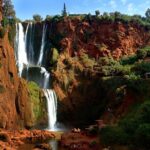
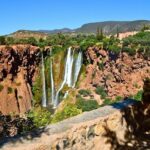
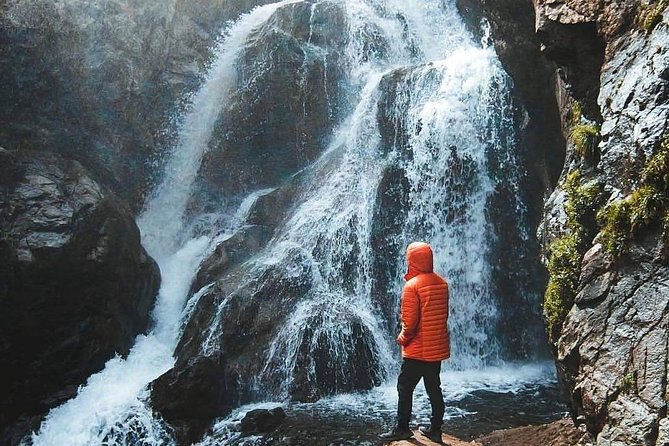
After lunch, you continue walking through Berber villages and head toward a spectacular waterfall. This is the kind of stop that gives you that classic Atlas moment—photos, cool air near the water, and a visual payoff for the walking so far.
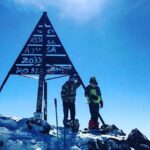
Then comes the Mount Toubkal angle. The tour is framed around exploring the Atlas Mountains and Mount Toubkal, North Africa’s highest peak. Based on how the day is described, you’re not doing a full ascent to the summit; instead, you’re in the region and passing by scenic areas connected to Toubkal’s presence.
That’s not a weakness—it’s just a different promise. If you want a high-altitude climb, you’d need a different type of trek. If you want to see and feel what the Toubkal area is like from a guided day-trip perspective, this format is built for that.
One consideration: waterfalls and mountain viewpoints depend on conditions. When weather is off, the day can shift, and in poor weather the experience can be canceled and rescheduled.
A few more Marrakech tours and experiences worth a look

Price, small-group format, and what $70.68 buys you
At $70.68 per person, this trip sits in the “reasonable day-trip” range for Marrakech excursions that include more than just driving and photos. The best value shows up when you look at what’s bundled:
- transport up into the mountains
- guided walking time in Imlil and village areas
- camel ride experience
- an argan cooperative tasting with tea
- a Berber lunch made by a local family
Add to that the small-group cap of 15 travelers, and it’s easier to ask questions, get help with pacing, and stay aware of where everyone is. Big-group bus days can feel like watching a show from the back row. Here, the setup is meant to keep the guide’s attention closer to you.
It’s also booked about 19 days in advance on average, which usually means the experience is popular but not so booked that you’re always stuck with the worst time slot. Still, if you’re set on the trip, don’t wait until the last minute.
If you’re traveling as a couple, this kind of group size can feel especially comfortable. If you’re traveling solo, it’s also a good way to meet people without joining a huge crowd.
Who should book this day trip (and who should skip it)
This tour is a strong fit if you want a guided mountain day with real local touches: argan oil learning, Berber village walking, and a family-style lunch. It’s also ideal if you like structure—start at 8:30, do a camel/argan intro, hike in Imlil, eat, walk again, then return to Marrakech by late afternoon.
You might want to look elsewhere if you’re looking for a long, rugged trekking goal or if you don’t do well with all-day outdoor time. Even though the walks are described as “leisurely,” you’re still spending hours on foot across the day.
It’s also a good match for people who enjoy learning through seeing and tasting rather than only listening to facts. The argan cooperative stop and the lunch are both built around that “try it, understand it, then move on” rhythm.
And if you’re visiting on Saturday or Tuesday, you can get one extra layer: a local Berber farmer’s market visit is included on those days. That adds a practical local lens to the day beyond the valley and village scenery.
Should you book Atlas Mountains and Three Valleys & Waterfalls?
I’d book this trip if your goal is a high-value day that blends scenery + culture + food without requiring serious hiking skills. The small group size, the argan cooperative tasting, and the homemade lunch are the three things that most clearly justify the time and money.
Book it with a realistic mindset, though. This is a guided valley day with mountain views and Toubkal-area context, not a summit expedition. If you show up comfortable walking and ready for an early start, you’ll likely feel like you got a full Atlas experience for a single day.
FAQ
FAQ
Where is the meeting point for the tour?
The meeting point is Café Argana in the Jamaa el-Fna area, with the listed location near Jamaa el-fnna square (Number 18, Znikat Rahba, Marrakech).
What time does the day trip start?
The start time is 8:30 am.
How long is the experience?
It runs about 8 hours 30 minutes. You’ll return to Marrakech at approximately 5:30 pm.
Is pickup from my accommodation included?
Pickup is offered. The tour also notes that you may need to walk a short distance to reach the meeting point in Marrakech.
How big is the group?
The maximum group size is 15 travelers.
What activities are included during the day?
You’ll have a camel ride, a visit to a women’s argan cooperative for bread & oil tasting with Moroccan tea, a walk starting in Imlil, a waterfall stop, and you’ll pass by Mount Toubkal.
Is lunch included, and what is it like?
Lunch is included. You’ll have a homemade Berber meal prepared by a local family, described as using fresh and organic ingredients, and you eat with a view from a rooftop terrace.
Does the tour include a farmer’s market?
Yes. Saturday and Tuesday tours include a visit to a local Berber farmer’s market.
What happens if weather is bad or I need to cancel?
The experience requires good weather. If it’s canceled due to poor weather, you’ll be offered a different date or a full refund. You can cancel for a full refund up to 24 hours in advance.