REVIEW · MARRAKECH
Atlas Mountains 3Valley &Sahara Camel ride Waterfalls Day Trip
Book on Viator →Operated by Atlas Desert Expeditions · Bookable on Viator
A morning out of Marrakech feels like a reset. You head into the High Atlas with a smooth driver-led transfer, then spend time in Berber villages around Ourika, with tea, a guided walk, and even a camel ride later. It is the kind of day where you go from city noise to mountain air without needing to plan a thing.
I especially loved two parts: the stop for tea with a local family and breakfast at a Berber cooperative, where you get to see the argan oil process up close. I also liked how the experience is guided by people like Omar Imzilen, who’s known for clear English and smart Morocco context, so the day feels more meaningful than just scenic photo stops.
One thing to consider: lunch isn’t included, so you’ll want to plan for food timing (and you may not want to rely on grabbing something at the last minute during a busy sightseeing day).
In This Review
- Key highlights at a glance
- From 9AM pickup to High Atlas views: the ride that sets the tone
- Berber attire and the first mountain stop: more than a photo stop
- Ourika Valley at 1740 meters: village walk, river views, and real mountain life
- Tea at a local home: the human moment you’ll remember
- Breakfast at a Berber cooperative and the argan oil moment
- Waterfalls and a camel ride: planning your energy for the last stretch
- Price and what $29 actually buys you in the real world
- What to bring, what to wear, and how to pace yourself
- Who should book this day trip (and who might want a different plan)
- Should you book this Atlas Mountains 3Valley and Sahara camel ride day trip?
- FAQ
- What time does the tour pick up from my hotel or riad?
- How long is the Atlas Mountains and waterfall day trip?
- Is pickup and drop-off included?
- Does the tour include tea or breakfast?
- Is lunch included?
- What activities are included besides sightseeing?
- Where is the Ourika stop, and what altitude is it?
- How many people are in a group?
- Do I need good weather for the tour to run?
- Are air-conditioned vehicles provided?
- When do I receive confirmation after booking?
Key highlights at a glance
- Hotel/Riad pickup from Marrakech around 9AM, with a comfortable air-conditioned vehicle
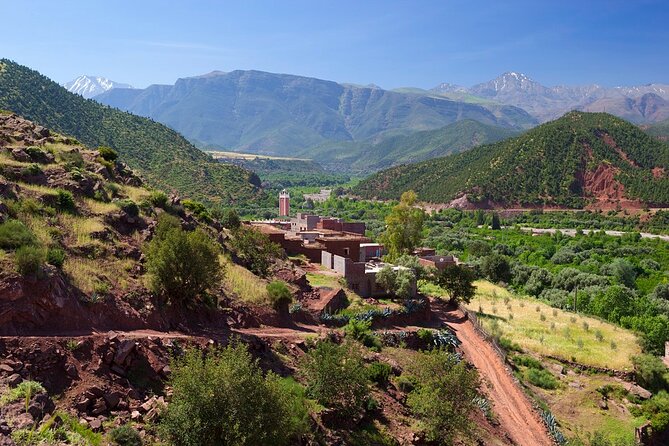
- Ourika (1740 meters) for a guided village walk with mountain river and walnut-tree views
- Berber tea at a home and breakfast at a Berber cooperative (plus bottled water)
- Camel ride included, built into a 6–8 hour day trip
- Waterfalls stop named as part of the day, with guides like Rachid known for keeping things organized and enjoyable
From 9AM pickup to High Atlas views: the ride that sets the tone
This is a classic half-day escape: you’re picked up from your hotel or riad at about 9AM and taken into the High Atlas by driver and guide. The value here is practical—having pickup handled means you avoid the friction of taxis, directions, and figuring out where to wait.
Once you’re moving out of Marrakech, the day changes shape quickly. The road journey isn’t just travel time; it’s part of the “why” of the trip. You get that first shift from city streets to mountain air, and it helps you settle into a slower rhythm before you start meeting people and walking.
Also, the group size tops out at 20 travelers, which matters. Bigger crowds can turn village time into a traffic jam. Smaller groups make it easier to ask questions, take photos without feeling rushed, and actually hear what your guide is explaining.
A few more Marrakech tours and experiences worth a look
Berber attire and the first mountain stop: more than a photo stop
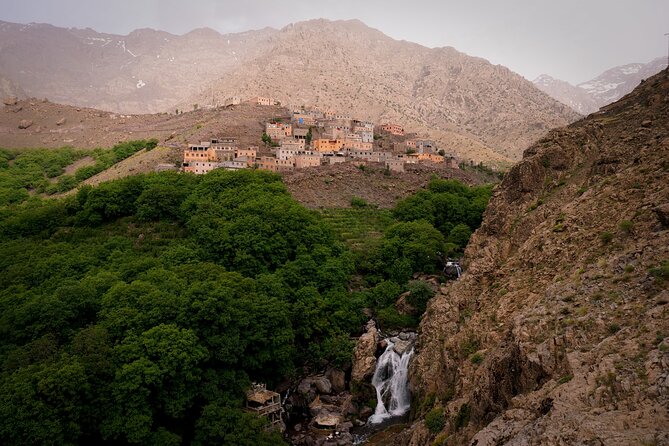
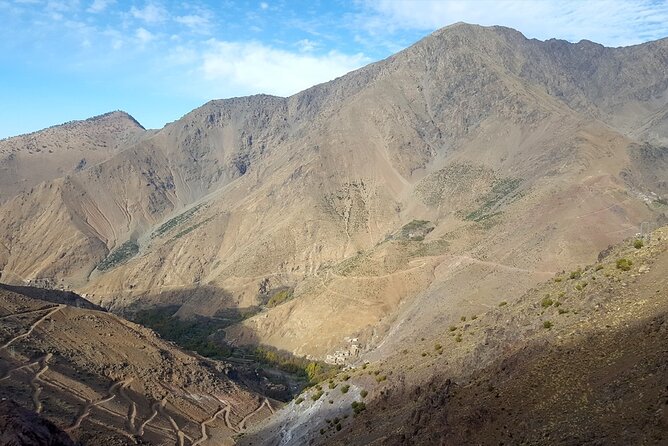
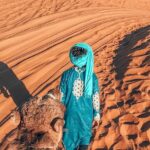
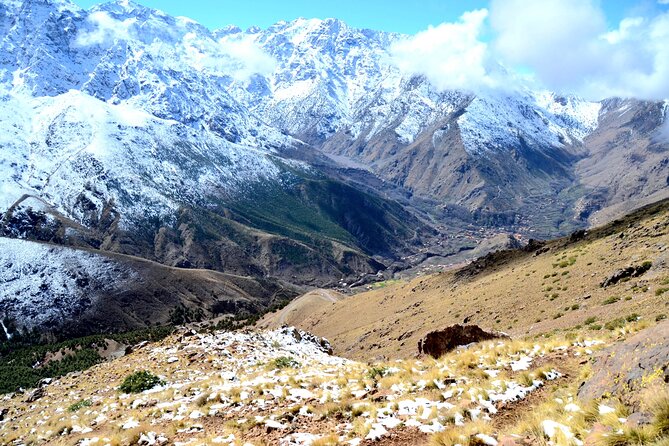
Your first main stop is a calm spot with a view of the High Atlas area. It’s where you’ll dress in traditional Berber attire and spend a bit of time absorbing the scenery at a mountainside setting.
That part sounds simple, but it works well for two reasons. First, it breaks the “tourist mode” right away. You’re not just watching from the outside—you’re participating in a small cultural moment. Second, it’s usually a good reset before the walking begins, so you don’t feel like you’re jumping straight from pickup into a full activity.
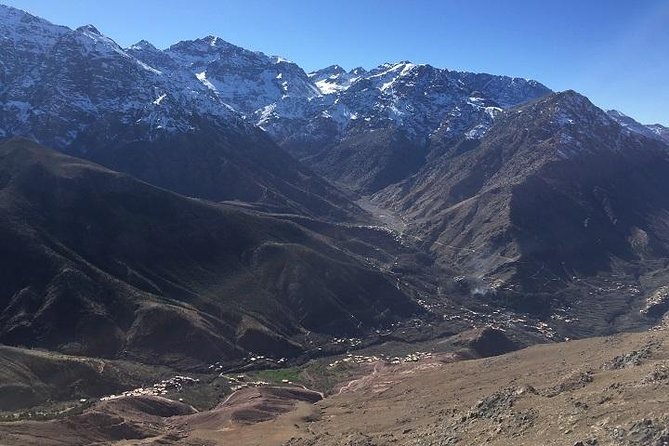
If you care about meaningful context, pay attention here. Guides on this route often connect what you’re seeing—valleys, rivers, and how communities live at altitude—to everyday Berber life. It’s the kind of setup that makes the later Ourika and tea stops feel linked, not random.
Ourika Valley at 1740 meters: village walk, river views, and real mountain life
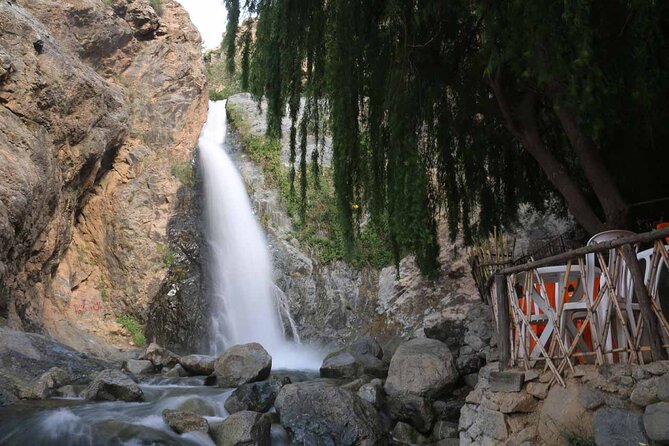
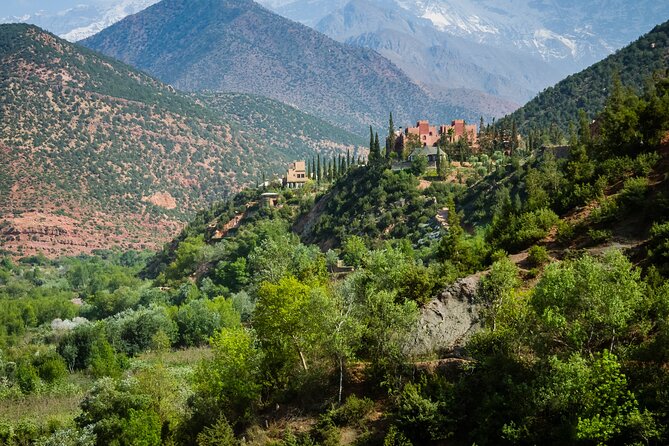
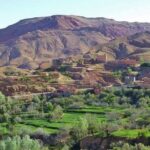
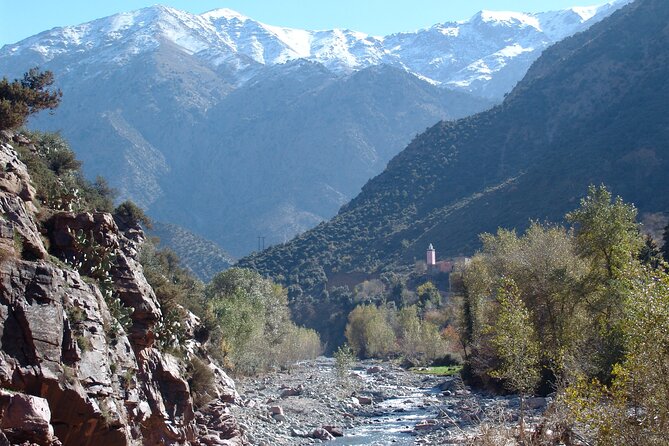
After the early mountain stop, the day shifts to Ourika, a valley town at 1740 meters. The setting is described as a place with fast-flowing rivers and lush walnut trees, which is a big part of the appeal. It feels different from the dry, dusty edges people imagine when they picture Morocco.
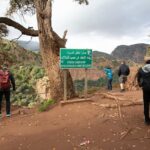
Then comes the guided walk: about a half-hour hike through Berber villages. This is not an all-day trek. It’s a short, manageable walk that still puts you close to daily life—paths through village areas, people going about their routine, and the sense that the valley is a living home, not an open-air museum.
A practical note: wear comfortable shoes. Even a half-hour walk can be muddy or uneven depending on weather and season. Bring water if you run thirsty easily, though bottled water is included.
One more reason this stop is worth it: it gives you contrast. Marrakech is all about sights and motion. Ourika gives you breathing room—time to look, ask, and notice details you’d miss if you stayed in the city.
Tea at a local home: the human moment you’ll remember
One of the most standout inclusions is tea at the home of a local family. This is where the day becomes personal. You’re not only learning about culture through talk; you’re sharing a ritual that has real social weight in Morocco.
Tea stops can sometimes feel rushed on tours, but the structure here helps. It’s built after the morning movement, so people are calmer and more open. And because your guide is there, you’ll usually understand what’s happening instead of just watching the performance.
If you like asking questions, this is the time. You’ll likely have chances to learn about daily life, hospitality, and how communities relate to the valley and mountains. This is also a good moment to ask for advice on what to do in Marrakech afterward—your guide has a better read on the city’s neighborhoods and practical tips than most printed guides.
Breakfast at a Berber cooperative and the argan oil moment
Breakfast is included, and it’s not just bread and jam. You’ll have breakfast at a Berber cooperative, plus you get a front-row seat for the process of argan oil production—including seeing the ladies go through how it’s made.
That’s one of the highest-value parts of the day because it shows you something with purpose. Cooperatives like this exist to keep income and knowledge local. Watching the work happen turns argan oil from a souvenir into a real craft with people behind it.
If you’re curious about Morocco’s beauty products and food uses, you’ll probably leave with a better understanding of why argan oil matters beyond its label. It’s hands-on knowledge you can share later.
And yes, it’s also fuel. You need the energy for the rest of the day, including the waterfalls stop and camel ride that are part of the tour theme.
Waterfalls and a camel ride: planning your energy for the last stretch
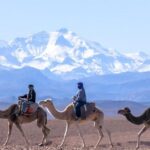
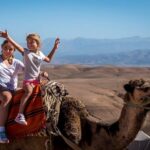
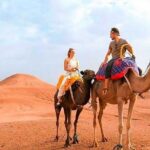
The tour is clearly marketed as a waterfalls day trip, and it also includes a camel ride. The exact pacing and timing can vary with the day’s conditions, but the overall idea is consistent: you’ll finish with more scenery and a memorable animal experience.
Waterfalls stops are a great fit for this itinerary because they naturally cool down the day. After a morning of village walking and cultural stops, the payoff is visual and relaxing. If the day is hot, you’ll appreciate the chance to slow down near water.
For the camel ride, here’s how to set expectations without overpromising details. You’re likely mounting and riding for a short portion as part of a broader sightseeing schedule. Wear clothing you feel okay getting dusty, and keep small valuables secure. Camel rides can be a little bumpy, so don’t wear anything too fragile you’d be worried about.
This is also where the tone of the guide matters. Names like Rachid come up for helping people connect the valley scenery with what they’re seeing, including the waterfall part. A good guide keeps transitions smooth and helps you make sense of what’s happening, so you enjoy the ride instead of thinking about logistics.
Price and what $29 actually buys you in the real world
At $29 per person, the value is tied to what’s included. For this price, you get:
- Pickup and drop-off from your hotel/riad
- An air-conditioned vehicle
- Tea at a local home
- Breakfast at a Berber cooperative
- Bottled water
- A guide
- A camel ride
- And an admission ticket included note in the trip details
What’s not included is lunch, so you should mentally budget for at least one meal outside the tour. Still, even with that extra cost, you’re not paying separately for transport, a guide, and multiple cultural stops.
Timing also matters for value. This is 6 to 8 hours, meaning you’re not burning a full day. It’s a great option if you want a Morocco experience beyond Marrakech but still want downtime in the evening.
One more reason the price feels fair: the max group size is 20, and reviews-style highlights include guides who work hard on safety and clarity—especially when the English is strong and the day stays organized.
What to bring, what to wear, and how to pace yourself
You’re doing a mix of sitting, walking, tea, and a camel ride. That means packing smart matters more than packing lots.
- Comfortable shoes for the half-hour village walk
- Light layers: mornings can feel cooler in the mountains than the city
- A hat and sunscreen if the sun is strong
- Small cash/card for snacks or drinks if you want extras (since lunch isn’t included)
- Water habits: bottled water is provided, but bring a refill mindset if you tend to drink a lot
Pacing tips: eat breakfast, take it easy on the walk, and treat the camel ride as a fun bonus—not an endurance challenge. If you’re sensitive to animals or uneasy on rides, it’s worth thinking twice before committing. But if you’re open to trying something different, this is one of those Morocco moments that sticks.
Who should book this day trip (and who might want a different plan)
You’ll likely love this tour if:
- You want Berber culture in a structured but not overly formal way
- You enjoy meeting people and learning through conversation and included meals
- You want a short walk rather than a long hike
- You like the idea of a camel ride plus a waterfalls stop in one go
- You appreciate guides who explain history and daily life clearly (Omar Imzilen and Rachid are names people associate with excellent guiding)
You might consider a different plan if:
- You strongly prefer tours with all meals included
- You want only low-effort sightseeing with no walking at all
- You feel uncomfortable on camel rides or on uneven paths
If you’re on the fence, I’d still say this is a smart fit for most first-time Marrakech visitors who want real-life Morocco beyond the medina.
Should you book this Atlas Mountains 3Valley and Sahara camel ride day trip?
Yes, I’d book it if you want a solid mix of mountain scenery, Berber village time, and culture-forward inclusions at a price that doesn’t nickel-and-dime you.
It’s especially worth it when you want more than a quick bus ride: you’re getting tea with a local family, breakfast at a cooperative, a guided village walk, and an included camel ride—all in about 6–8 hours. Just plan for lunch on your own, bring the right shoes, and keep your expectations friendly and flexible with weather. When the day works, it’s one of the best ways to feel Morocco’s mountain rhythm without sacrificing your evening in Marrakech.
FAQ
What time does the tour pick up from my hotel or riad?
Pickup is scheduled for around 9AM in Marrakech.
How long is the Atlas Mountains and waterfall day trip?
It lasts about 6 to 8 hours.
Is pickup and drop-off included?
Yes. Pick-up and drop-off are included.
Does the tour include tea or breakfast?
Yes. You’ll have tea at a local family home and breakfast at a Berber cooperative.
Is lunch included?
No. Lunch is not included.
What activities are included besides sightseeing?
The tour includes a half-hour hike through Berber villages and a camel ride.
Where is the Ourika stop, and what altitude is it?
Ourika is at about 1740 meters altitude.
How many people are in a group?
The tour has a maximum group size of 20 travelers.
Do I need good weather for the tour to run?
Yes. This experience requires good weather. If it’s canceled due to poor weather, you’ll be offered a different date or a full refund.
Are air-conditioned vehicles provided?
Yes. The tour includes an air-conditioned vehicle.
When do I receive confirmation after booking?
Confirmation is received at the time of booking.