REVIEW · MARRAKECH
artistic and cultural private half day tour, Marrakech
Book on Viator →Operated by HAPPY EARTH TRAVEL · Bookable on Viator
Marrakech makes sense on foot. This private half day tour strings together the city’s key layers—Koutoubia, Bahia Palace, the Mellah, the medina souks, and Jemaa el-Fnaa—with a guide who helps you connect the sights to the stories behind them.
I especially like the start at Koutoubia Mosque, with its famous 69-meter minaret and the way it gives you an instant sense of the city’s layout. And I like the Bahia Palace stop: you get time to slow down in a former palace museum built in Moorish-Islamic style, with courtyards and gardens surrounded by about 150 rooms.
One consideration: you’ll do real walking in the medina and souks, and you should plan for monument entrance costs (Bahia Palace is typically ticketed). Also, souk sales pressure is real, so go in expecting that and not taking it personally.
In This Review
- Key points you’ll care about
- Koutoubia Mosque: a 69-meter skyline compass
- Bahia Palace Museum: Moorish-Islamic design with room to breathe
- Mellah: the Jewish quarter and the city’s commerce
- Medina souks: your walking route through spices, dye, and craft
- Jemaa el-Fnaa: UNESCO square with performers and evening food
- What $40.65 buys you in Marrakech (and why private helps)
- Tips so the walk feels fun, not stressful
- Who this tour is best for
- Should you book this Marrakech private tour?
- FAQ
- How long is this private half-day Marrakech tour?
- What is the price per person?
- Which stops are included in the tour?
- Are entrance fees included for the monuments?
- Is food or transportation included?
- Can I cancel and get a full refund?
Key points you’ll care about
- Koutoubia’s minaret (69m): a great orientation moment for first-timers.
- Bahia Palace time to wander: 45 minutes in a museum with 19th-century Moorish-Islamic design.
- Mellah isn’t just a landmark: it’s tied to the city’s commercial life and one of Morocco’s historic Jewish quarters.
- Souks with a plan: spices and olives, dyeing, ironworks, Berber weaving, slippers, copper—covered in a logical route.
- Jemaa el-Fnaa after dark: UNESCO-listed square with performers, henna, and food stalls in the evening.
- Private format with two guides: a professional guide plus a local guide for better context and smoother navigation.
Koutoubia Mosque: a 69-meter skyline compass
Your tour begins at Koutoubia Mosque, one of Marrakech’s big religious and historical anchors. The standout feature is the minaret, which rises to 69 meters. Even if you’re not a mosque-architecture nerd, the height matters. It acts like a vertical landmark that helps you understand where things are in the old city.
This stop is short—about 15 minutes—so think of it as a quick orientation hit rather than a long museum visit. You’ll also get a sense of the area’s rhythm: people moving around the mosque grounds, everyday city life, and the calm that comes right before the medina gets louder.
Practical tip: if you’re tempted to take endless photos from every angle, save some time. The value here is using Koutoubia to set your bearings, then letting your guide steer you into the lesser-known corners right after.
You can also read our reviews of more private tours in Marrakech


Bahia Palace Museum: Moorish-Islamic design with room to breathe
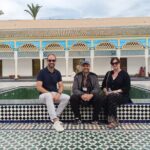
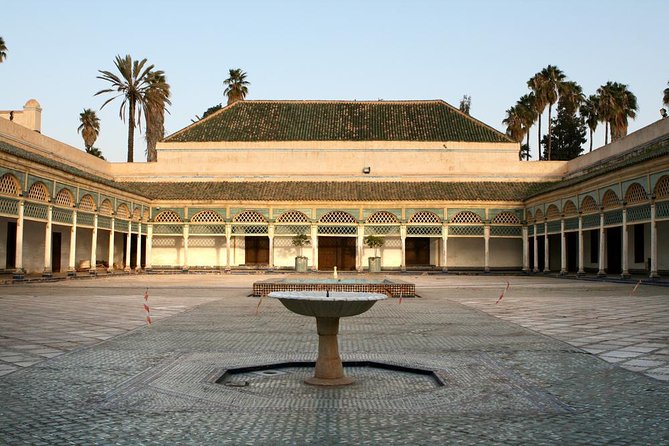
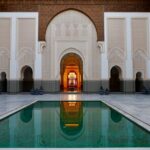
Next comes Bahia Palace, where the vibe shifts from street view to interior courtyards and gardens. This is a 19th-century palace museum with Moorish-Islamic architecture, built on about eight hectares and laid out around interior spaces. The numbers are part of the wonder: it’s described as having 150 rooms overlooking different courtyards and gardens.
You’ll have around 45 minutes. That’s enough time to see more than just the first hall. You can actually slow down, notice how the design channels light, and understand why palaces in this style feel cool and sheltered compared to the heat and noise outside.
The drawback is simple: the entrance ticket isn’t included. The tour notes an average monument cost of about 7 euros, so Bahia Palace should fit into that planning. If you hate surprise fees, keep a little cash or card buffer ready.
If you enjoy places where architecture tells you about power and taste—who lived where, how spaces were organized—this is the stop that tends to convert people from seeing Marrakech as a maze into understanding it as an organized world.
Mellah: the Jewish quarter and the city’s commerce
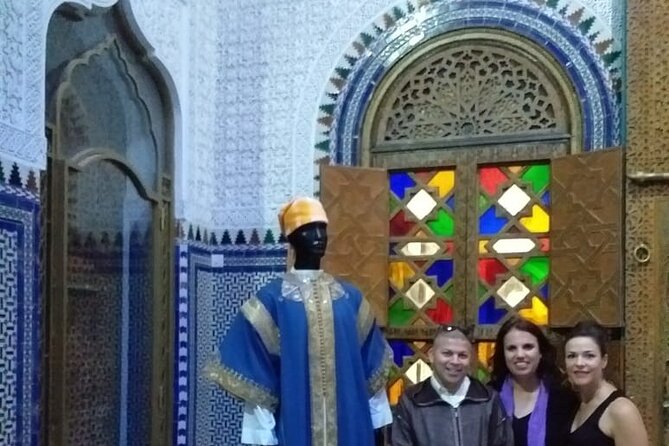
After Bahia Palace, you move to the Mellah, Marrakech’s historic Jewish quarter. In this part of the medina, you’re not only looking at history—you’re watching daily life and commercial activity. The Mellah is also described as one of the main commercial areas, and its history is said to mirror other Mellahs across Morocco.
This stop lasts about 20 minutes, so it’s not a deep historical lecture that lasts for hours. Instead, it works like a window. You’ll get enough context to see the neighborhood as more than a photo stop. It helps you understand how Marrakech layered communities over time and how economic life kept those communities woven into the city.
What I like about placing this stop before the full souk walk: it gives you a broader view of Marrakech than “shopping streets.” You’ll step into the markets with a sense that the city’s people and trades have long timelines.
Practical tip: keep your expectations flexible. In the Mellah, you’ll likely pass through areas where the focus is commerce, not tourism, so keep your pace respectful and your questions ready for your guide.
Medina souks: your walking route through spices, dye, and craft
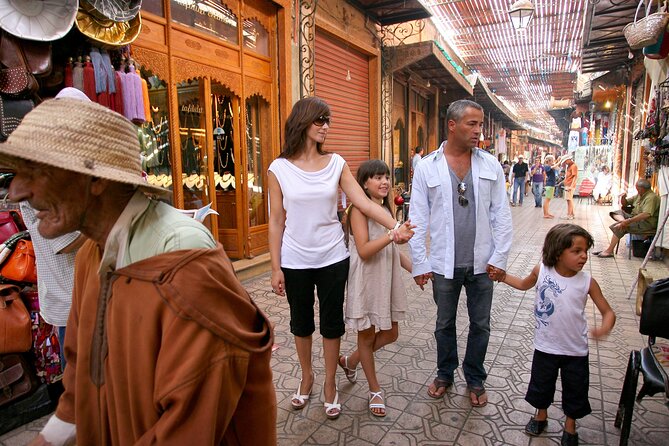
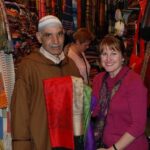
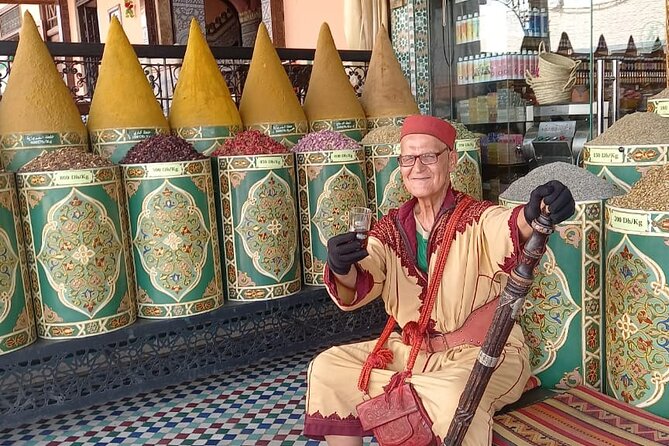
The biggest chunk of the tour happens in the medina, where the city becomes a working maze—thousand-year-old streets where people still do the jobs you see. Your time here is about one hour, and it’s built around artisan districts and market themes.
This is where you’ll feel Marrakech’s craft culture most clearly. Your guide will lead you through areas connected to everyday things people actually make and sell, including:
- spice and olive markets
- the dyers’ district
- the ironworks souk
- Berber weaving workshops
- the slipper souk
- copper work areas
I like that the route is not random. You’re not just walking from one pretty shopfront to another. You’re seeing how different crafts cluster together, and that makes the medina feel less chaotic.
Now, a realistic note: souks are also shopping zones, and salespeople are skilled. In my experience, the best way to enjoy this part is to treat the shopping as part of the theater. Decide early what you want—then let your guide help you communicate. If you’re unsure, ask for a short “how to shop smart” moment. This tour’s guided format tends to make that easier.
Good to know: this portion is listed with no ticket admission, so you’re paying for the guidance and the route, not entry fees.
Jemaa el-Fnaa: UNESCO square with performers and evening food
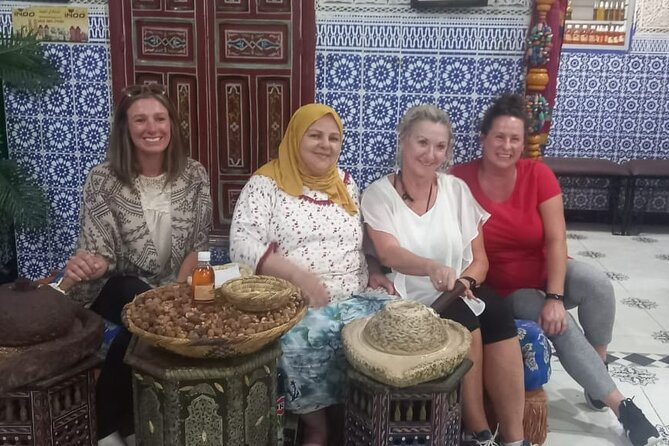
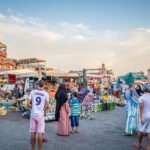
Your final stop is Jemaa el-Fnaa, the famous main square. It’s UNESCO-classified as a world heritage site, and it’s one of the most energetic places in Marrakech, both day and night.
This stop runs about 20 minutes. Don’t expect a long sit-and-stare. Instead, your guide helps you connect what you’re seeing—fairgrounds, hawkers, street artists—to why this square matters culturally.
What you can expect in the square includes performers like fire eaters and also people offering services such as henna tattoos and fortune telling. In the evening, you’ll also find mobile restaurants, which is where the square starts to feel like the city’s outdoor dining room.
My advice: if you want the full effect, time your visit so you can experience at least part of the evening atmosphere. The tour’s structure points you toward that payoff.
Even if you’re not into crowds, Jemaa el-Fnaa has a unique advantage for first-timers: it’s a natural gathering point. Your guide can help you avoid getting lost in the surrounding streets while still soaking up the energy.




What $40.65 buys you in Marrakech (and why private helps)
The price is $40.65 per person for a private half day tour lasting about 3 to 4 hours. That private piece matters more than it sounds, especially in Marrakech. In a busy old city, having a guide who can keep your group moving—without turning your time into a wandering guess session—changes the whole experience.
This is a private tour only for your group, and it includes a professional guide plus a local guide. That double-guide setup is a big deal for value. One person can focus on narrative and structure; the local guide can handle the street logic and practical navigation.
You’ll also see a couple of helpful features noted with the tour: group discounts and a mobile ticket. If you’re traveling with friends or family, the group discount angle can make this feel like a smart use of paid time.
And you’re not just paying for a checklist of monuments. The tour is built to teach you how Marrakech works: landmark to neighborhood to working souks to the main cultural square.
A small real-world note: one guide-led walk can run closer to 4.5 hours depending on your pace and how long you spend in places like Bahia Palace and the medina. The structure is still short enough to keep your day flexible.
Tips so the walk feels fun, not stressful
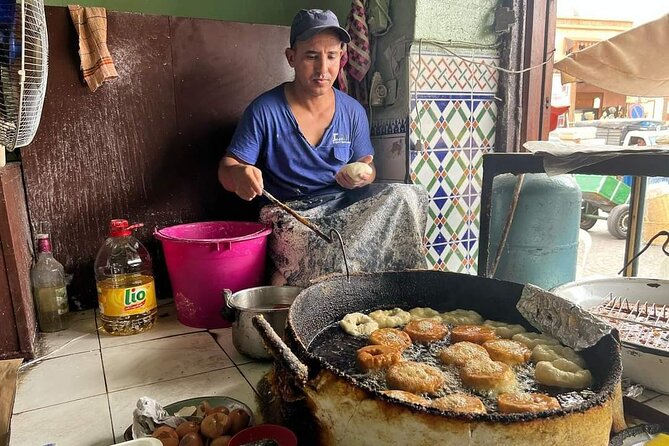
This tour is most enjoyable if you walk with the right mindset. You’ll be in markets where people work and shop. You’ll also pass through areas that are active, not staged.
Here are the things I’d plan for:
- Souk sales pressure: if you hate haggling or the feeling of being “handled,” go in with a calm script. Ask your guide for help with what to say and when to move on.
- Entrance costs: monuments average around 7 euros, and Bahia Palace is listed as ticketed. If you’d rather not think about money mid-walk, bring a small budget buffer.
- No food or drink included: plan your schedule so you can eat afterward. In fact, the tour format usually ends with enough time to follow your guide’s recommendations for lunch.
- Comfy shoes: because the medina is a labyrinth by design. Even a one-hour walk feels like more when streets get twisty.
One more thing: I’ve met guides in Marrakech who give you facts and then leave you to it. This guide team approach feels different. In one case, the guide named Jaouad was praised for sharing history while also bringing the group to the parts that feel best on the ground, with souks often becoming the favorite moment.
Who this tour is best for
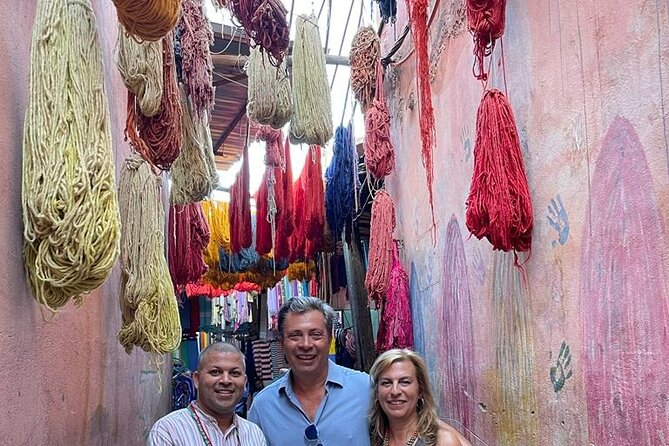
This half-day plan is ideal if you:
- want a quick orientation to Marrakech’s old city without spending hours figuring out where to go
- enjoy architecture and palace interiors as much as street markets
- like guided context—so the medina doesn’t feel like random clutter
- are visiting for the first time and want a clean route that covers several major “zones” in a short time
It can also suit repeat visitors who want someone to reframe what they’ve seen. The Medina souks segment plus Jemaa el-Fnaa is especially good for people who have wandered before but didn’t fully understand the craft neighborhoods.
Should you book this Marrakech private tour?
Yes—if you want a guided route that connects Marrakech landmarks to real neighborhoods and working crafts in just a few hours. The biggest reasons to book are the Koutoubia orientation, the chance to spend time inside Bahia Palace, and the medina souks plan that covers multiple craft areas instead of just drifting.
Skip it or switch expectations if you:
- want a long, sit-down history lecture (this is more movement and street context than a day-long academic tour)
- hate shopping pressure so much that you’d rather avoid souks entirely
- want guaranteed no extra fees (Bahia Palace ticket costs are not included)
If you like structure, a bit of storytelling, and a guided route through the parts that most people miss when they go alone, this is a solid value. For Marrakech, paid guidance often saves you time, and in the end, time is the most expensive currency you have.
FAQ
How long is this private half-day Marrakech tour?
It runs about 3 to 4 hours (approx.), and it loops back to the starting meeting point.
What is the price per person?
The price is $40.65 per person.
Which stops are included in the tour?
You’ll visit Koutoubia, Bahia Palace, the Mellah, the Medina souks area, and end at Jemaa el-Fnaa.
Are entrance fees included for the monuments?
Entrance fees are not included. Bahia Palace has admission tickets, while Koutoubia, Mellah, the medina segment, and Jemaa el-Fnaa are listed as free admissions.
Is food or transportation included?
Food and drink are not included, and private transportation is not included.
Can I cancel and get a full refund?
Yes, you can cancel for a full refund if you cancel at least 24 hours before the experience’s start time.