REVIEW · MARRAKECH
a day in the High Atlas and discovery of Berber culture
Book on Viator →Operated by LynxTrip · Bookable on Viator
Atlas mornings beat Marrakech chaos. This High Atlas outing pairs the Imlil Valley with hands-on Berber culture and big mountain scenery, so you’re not just watching from a bus. Imlil becomes the calm counterpoint to Marrakech’s fast pace, with guided stops that actually explain local life.
I love the Tahnaout argan oil cooperative stop, because you see the work behind Morocco’s famous products instead of buying them blindly. I also like the Imlil welcome moment—your visit starts with mint tea at a Berber family, then your guide helps you choose how long to walk.
One consideration: this is for people with moderate physical fitness, and the day includes mountain walking options plus plenty of time on the road.
In This Review
- Key highlights I think you’ll care about
- From Marrakech to Imlil Valley: the rhythm, the road, and your first views
- Tahnaout argan cooperative: what you learn before you buy
- Asni on Saturday: catching a Berber souk without turning it into a shopping sprint
- Mint tea in Imlil: where the culture shift feels real
- The valley walk: choosing your pace toward the biggest high village
- Food coverage and timing: lunches, dinners, and how the pace stays manageable
- Camel ride and the Sahara night: how the program changes gears
- Marrakech guide tour and Ait Ben Haddou: why the bigger route may save your time
- Price and value: what $67.28 per person really covers
- Who this trip fits best (and who may not love it)
- Should you book this High Atlas + Berber culture experience?
- FAQ
- Where does the trip start?
- How long can I explore the Imlil Valley?
- What meals are included?
- Is a camel ride included?
- What fitness level is required, and are service animals allowed?
- What if the weather is bad or I need to cancel?
Key highlights I think you’ll care about
- Tahnaout argan cooperative: watch women process argan nuts into oil and related products
- Berber mint tea start in Imlil: a simple, real introduction before you head out
- Adjustable walking time (1–3 hours): your guide helps set the pace in the valley
- Mount Toubkal views: you’ll admire the 4.1 km peak tied to the region’s identity
- Camel ride and Sahara night: the program doesn’t end in the Atlas
- Small group size (max 17): easier questions and a smoother day on the route
From Marrakech to Imlil Valley: the rhythm, the road, and your first views
This experience is built around escaping Marrakech without losing comfort. You meet your guide in the morning at your accommodation, then you’re transferred out into the High Atlas. That transfer matters more than it sounds: it’s your first taste of how Morocco changes with altitude, from city textures to valley roads and working farmland.
I like that the tour is structured but not rigid. You’re not trapped on a stopwatch from the moment you leave. Instead, the day is paced with real stops: argan production, possible market time, then a proper arrival into Imlil where you slow down and get oriented.
One practical tip: wear shoes you trust. Even when you choose the shorter walking option, you’ll be moving on uneven village paths. Also pack something light for dust and sun—this is a mountain-to-desert style route, and the weather can shift.
Group size is capped at 17 travelers, which usually means you can hear the guide, ask questions, and keep moving without constant crowd pressure. And if you end up with a guide like Hicham (a name that keeps showing up for being organized, friendly, and prepared), that helps a lot. One guide feedback even noted fluent Spanish, which can be a big deal if you want more than the basics.
You can also read our reviews of more tours and experiences in Marrakech.

Tahnaout argan cooperative: what you learn before you buy
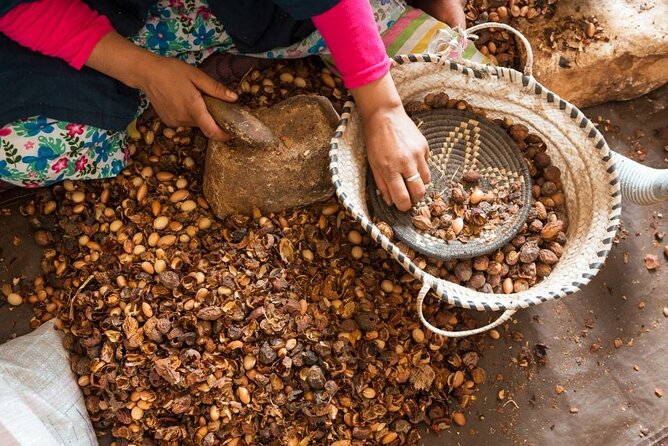
The stop in Tahnaout is one of the most meaningful parts of the whole outing. You’ll visit an argan oil cooperative, and you’ll learn how women turn argan nuts into the oil and related products Morocco is known for.
Why this matters for your trip: argan oil is everywhere in tourist shops. But most people only see bottles and labels. Here, you’re seeing the process. That changes how you shop later, because you understand that you’re paying for labor and tradition—not just packaging.
The cooperative setting also adds a human layer. You’re not just collecting photos. You’re witnessing work and learning the practical steps that turn something small (nuts) into something widely used (oil and products). If you care about ethical shopping, this stop gives you context fast.
If you want to make the most of it, ask simple questions. What’s the basic process? Who does what? When do they harvest? Even if your guide keeps answers short, you’ll come away with a clearer mental picture of where these products come from.
Asni on Saturday: catching a Berber souk without turning it into a shopping sprint
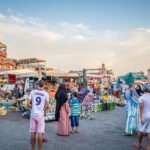
On Saturdays, the route passes through Asni with a planned chance to visit a traditional Berber souk and market. That means you might get a short window into local trade: food stalls, everyday goods, and the busy flow of people doing business.
This is a good add-on if you like real street energy and everyday life. It’s not a museum stop. It’s active commerce—so expect noise, motion, and lots of bargaining culture.
A reasonable way to handle this part: go with curiosity, not a list. If you’re shopping, keep it light and pay attention to what’s actually useful for you later. If you’re not shopping, still wander for 20–40 minutes and just watch how locals move through the market.
Also remember: market timing depends on the day you go. If your trip includes a Saturday, you have the potential for this stop. If it’s not Saturday, you still get the mountain program and Imlil arrival—so you’re not losing the core experience.
Mint tea in Imlil: where the culture shift feels real
After you arrive in Imlil, the day slows down in the best way. You get a welcome glass of mint tea and you meet your guide before starting the regional walk.
This is more than a refreshment break. Tea is a cultural handshake. It’s the moment where you stop being a visitor-by-vehicle and start being a person-with-questions. You’ll often learn what the next section of the route looks like—plus how long you want to spend on the trail.
The tour is flexible here: your guide helps you decide how much time to spend in the valley, with options between 1 and 3 hours. That’s a smart setup. If you want a calmer stroll and photos, pick the shorter time. If you want more village-to-view time and can handle mountain walking, choose longer.
One more practical point: ask what to wear before you start walking. If you’re heading deeper into villages, you’ll want to feel comfortable moving and taking photos.
The valley walk: choosing your pace toward the biggest high village
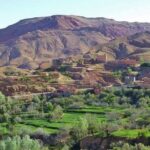
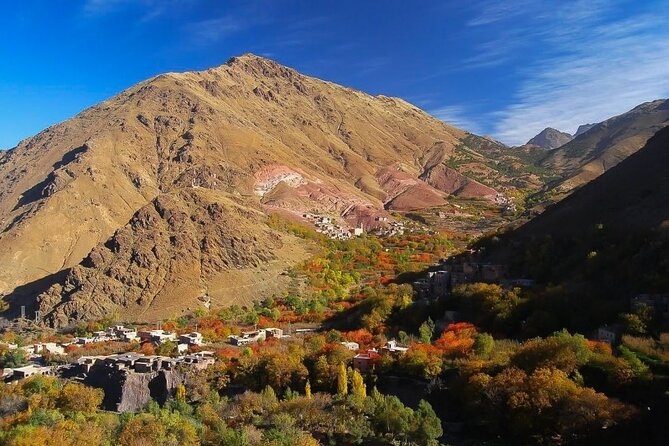
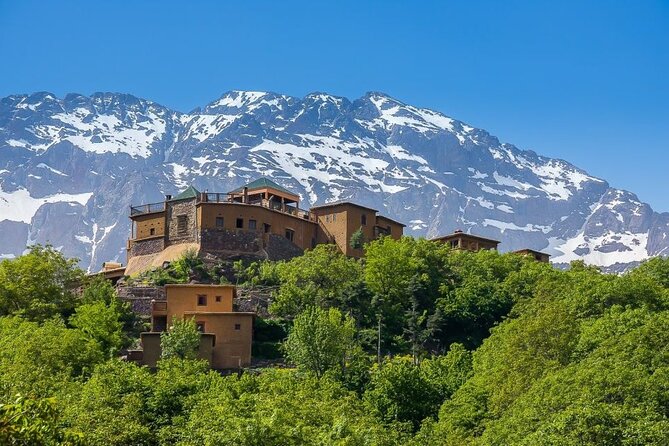
From Imlil, you head toward the largest and highest village in the valley. This part is where you feel the daily reality of Berber village life—houses tucked into the valley, footpaths connecting homes, and views that gradually open as you climb.
The best way to think about this section is as a menu. You choose the length (1–3 hours), and your guide helps adjust based on your comfort and interest. That makes the experience work for different ages and hiking styles, as long as you’re comfortable with uneven ground and a bit of uphill effort.
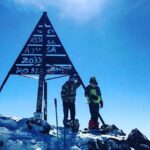
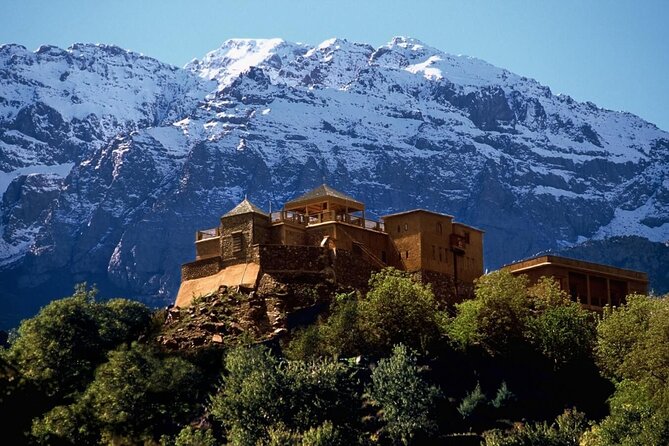
You’ll also have the chance to admire Mount Toubkal, described as the highest peak in North Africa and set at about 4.1 km. Even if you’re not trekking for summit time, seeing the peak from the valley adds meaning to the whole region. It turns your day into more than a culture stop. It becomes geography you can feel.
If you’re someone who likes structure, lean into your guide’s pacing. If you’re more independent, still stay close enough to hear explanations. In this setting, the guide’s narration is often what makes a view memorable later.
Food coverage and timing: lunches, dinners, and how the pace stays manageable
Even though this experience is built around the High Atlas day and village walk, the full package stretches across multiple days. The included list covers 4 lunches and 2 dinners, plus transportation and accommodation during your stay.
That meal coverage matters for value. You’re less likely to get hit with constant small bills while you’re moving between regions. It also helps keep the day moving without long waits to find food.
What I’d do in your shoes: keep one small snack on hand anyway. Sometimes you’ll want water during walking time, and having a backup can save you stress if you’re delayed.
Also, when the itinerary shifts from mountains toward the Sahara portion, your schedule rhythm can feel different—more rides, more changing scenery, and a different kind of day length. If you’re someone who likes a slow travel pace, plan to rest a bit between activities when the program allows it.
Camel ride and the Sahara night: how the program changes gears
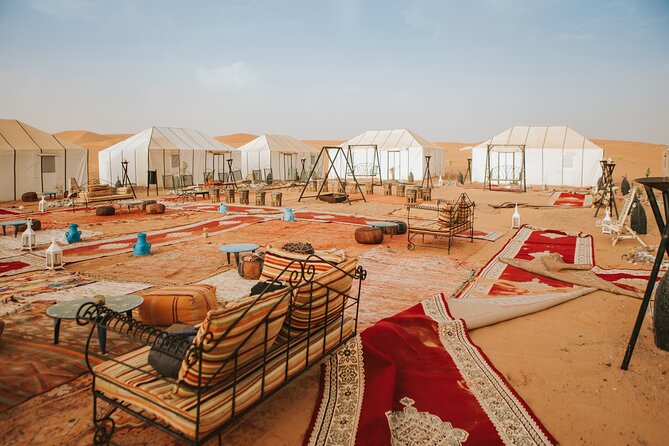
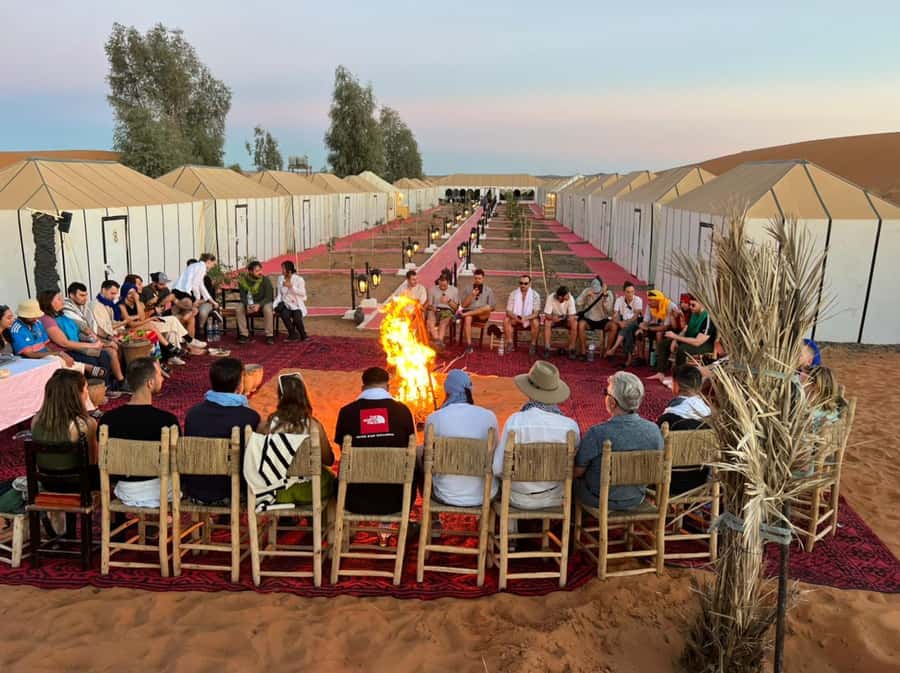
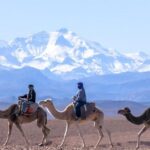
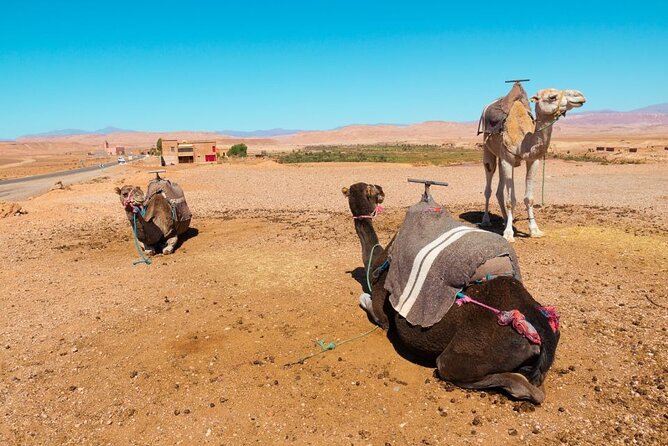
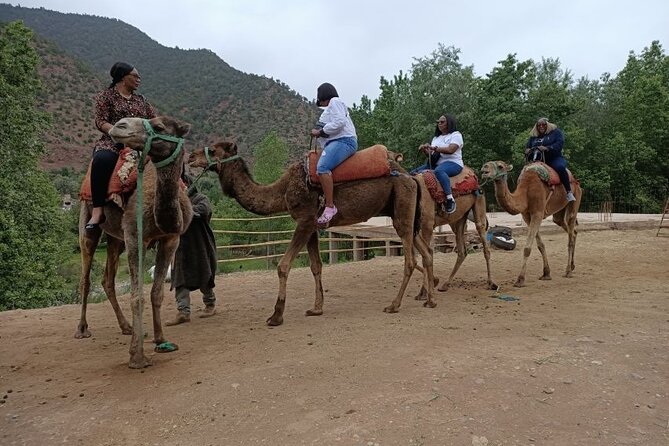
This package doesn’t stop at the High Atlas. You’ll also have a camel ride, spend a night in the Sahara, and attend a festival in the Sahara, with two dinners included across the overall itinerary.
I like that the experience doesn’t treat the Sahara as a separate, disconnected thing. It’s presented as part of a broader route that connects mountain culture to desert life. That makes the whole trip feel like one story with different chapters.
Since the data doesn’t list specifics about camp setup or the exact festival format, the smartest move is simple: ask your guide what the evening usually includes before you go. But you can feel confident about the big picture: you’re getting a night in the desert and a cultural show, plus you’ll be on camels as part of that transition.
Bring practical desert items if you have them: sunglasses, a light layer for evening temperature changes, and something to cover your head from dust.
Marrakech guide tour and Ait Ben Haddou: why the bigger route may save your time
Your package also includes a Marrakech guide tour and a guided visit tied to Ait Ben Haddou. That matters because it reduces the number of separate bookings you’d have to manage on your own.
It also gives you context. Marrakech shows you the start of the journey—markets, crafts, and the urban rhythm. Then the route shifts into the mountains and villages, and finally the desert. Ait Ben Haddou fits neatly into that arc as a well-known stop along the broader Moroccan travel circuit.
If you’re short on time, this bundled approach can be a smart use of days. You’re not just doing one outing. You’re stitching together several regions with one organized flow.
Price and value: what $67.28 per person really covers
At $67.28 per person, this option looks like a strong deal on paper, especially because so much is bundled: transport, pickup, lunch coverage, dinners, accommodation during your stay, an airport transfer, a camel ride, and even a Sahara festival.
Now, value isn’t only about the headline price. You should also ask yourself what you want from the trip:
- If you want a guided cultural route with minimal planning and clear inclusions, this kind of bundle usually pays off.
- If you prefer total freedom to choose your own timing and stops, you might find a fixed schedule less satisfying.
One more value note: personal expenses aren’t included. That’s normal, but it means you should budget for shopping, extra drinks, tips, and any optional add-ons. If you go into the trip knowing that, you’ll feel in control instead of surprised.
Who this trip fits best (and who may not love it)
This experience is a good match if you want:
- Guided Berber culture with practical stops like the argan cooperative
- A flexible walk in Imlil (1–3 hours)
- Mountain views tied to Mount Toubkal
- A multi-day route that also includes a Sahara night, camel ride, and a festival
It may be less ideal if you:
- Hate early mornings or long road time
- Don’t enjoy walking on uneven paths, even for the shorter option
- Want a purely city-based Marrakech break rather than a change of scenery
Should you book this High Atlas + Berber culture experience?
If you’re coming to Morocco and you want your days to connect—Marrakech to the Atlas to Berber village life, then onward to the Sahara—this package is a solid way to do it. The included meals, transport, and accommodation reduce decision fatigue, and the cultural stops (argan cooperative, mint tea welcome, village walk) are the kind of moments that tend to stick.
I’d book it if you like guided explanations and you’re comfortable with moderate walking. I’d skip it if you prefer to hike on your own timetable, want lots of free time with no structure, or you’re not interested in camel-and-desert evenings.
FAQ
Where does the trip start?
You meet your guide in the morning at your accommodation in Marrakech. Pickup is also offered.
How long can I explore the Imlil Valley?
Once you arrive in Imlil, your guide helps you choose how long to visit, with options between 1 and 3 hours.
What meals are included?
The experience includes 4 lunches and 2 dinners.
Is a camel ride included?
Yes. A camel ride is included as part of the program.
What fitness level is required, and are service animals allowed?
You should have a moderate physical fitness level. Service animals are allowed.
What if the weather is bad or I need to cancel?
You can cancel for a full refund up to 24 hours in advance. The experience requires good weather, and if it’s canceled due to poor weather, you’ll be offered a different date or a full refund.