REVIEW · MARRAKECH
7D Desert Private Tour From Marrakech By Fes And Blue Chefchaouen
Book on Viator →Operated by DesertTrips · Bookable on Viator
A week in Morocco moves fast. This private route strings together Atlas Mountains, UNESCO Kasbahs, and a real Sahara camel trek with a night in the dunes. You’ll also see Fes, Rabat, and Chefchaouen’s blue streets without the stress of planning between cities.
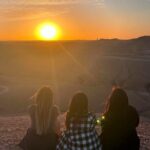
What I like most is the way the trip is set up around comfortable logistics: pickup and drop-off, a private air-conditioned vehicle, and a driver who keeps transfers smooth. A second big win is the desert part—camel time, a camp in Erg Chebbi’s golden sand, plus dinners and the chance to slow down with sunrise and sunset views.
One thing to consider: it’s a packed itinerary with lots of long road days, and entrance fees for several sites are not included. If you hate rushing or prefer to linger, build extra buffer time on either end of the week.
In This Review
- Key highlights at a glance
- Riding the High Atlas: Tizi n’Tichka to Dades Valley
- Ait Ben Haddou and Ouarzazate: Kasbahs and movie magic
- Skoura, Ameridhil, and Kalaat M’Gouna: the oasis-and-roses day
- Todra Gorge to Merzouga: from canyon walls to Erg Chebbi dunes
- Camel trek night camp: private tent, toilets, and real sand time
- Midelt and Ifrane on the way to Fes: apples, cedar forest, and Monkeys
- Fes el-Bali with a licensed local guide: where the medina makes sense
- Meknes, Volubilis, and the long Roman pause
- Chefchaouen’s blue streets, plus Rabat and Casablanca’s finish
- Price and value: what $1,107.05 per person really buys
- Who this tour fits best (and who should rethink it)
- Book it or skip it: my call
- FAQ
- What cities does this private tour cover?
- How long is the tour?
- What is the price per person?
- Does the tour include pickup and drop-off?
- Is this a private tour?
- What does the desert experience include?
- Are meals included?
- Are entrance fees included?
- What’s the cancellation policy?
- Is the tour dependent on weather?
Key highlights at a glance
- Door-to-door private transport with airport/hotel pickup and drop-off
- High Atlas pass views via Tizi n’Tichka (2260m) and Berber villages along the way
- Ait Ben Haddou UNESCO Kasbah plus lunch by the Kasbah after a guided visit
- Todra Gorge hike time and the climb into Erg Chebbi dunes
- Camel trek to a luxury desert camp with a private tent, toilet, and shower
- Full-day Fes el-Bali guided tour with a fully licensed local guide
Riding the High Atlas: Tizi n’Tichka to Dades Valley
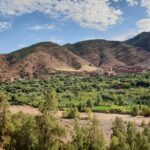
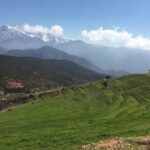
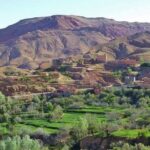
Day 1 is your on-ramp to Morocco’s big scenery. You start with pickup wherever you’re staying, then head through the High Atlas Mountains via Tizi n’Tichka Pass (2260m). Along the route, you’ll pass Berber villages and keep getting that step-by-step feeling that the road is climbing while the views widen.
After the mountain stretch, the itinerary builds momentum with stops that are easy to picture and fun to photograph. That matters because Day 1 can otherwise feel like “just driving.” Here, you get real anchors—one fortified place, one cinema-shaped city, and one oasis stop as you move toward Dades Valley.
If you want to make this day work best, keep water handy (the tour provides bottled water on board) and plan on comfortable shoes. Some viewpoints are quick stops, so you’ll want to move fast and take photos without aching later.
You can also read our reviews of more private tours in Marrakech


Ait Ben Haddou and Ouarzazate: Kasbahs and movie magic
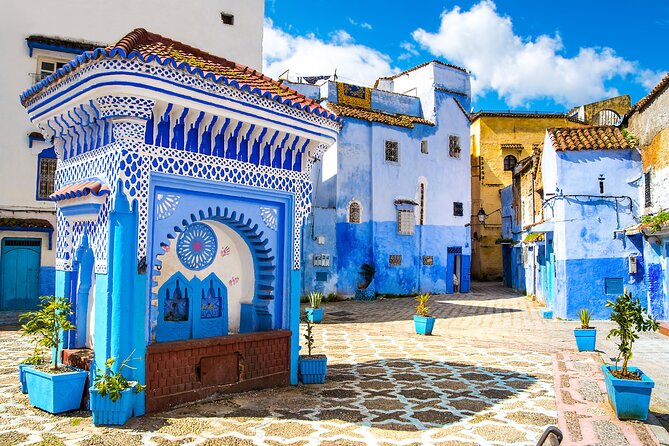
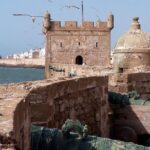
Your first major cultural stop is Ait Ben Haddou Kasbah, described as Morocco’s largest kasbah. It’s tied to the late 13th century and the Glaoui family story, and it’s now a UNESCO historical site. You’ll take a guided visit inside this fortified village, and lunch is served by the Kasbah.
This is the kind of place where the details matter. Kasbah life is all about walls, wind, and layered architecture, and a guided explanation helps you read what you’re seeing instead of just snapping pictures. The tour also frames it as a “movie star” moment—because the area really has that look.
Then you move to Ouarzazate, a city famous for film sets and productions. You’ll see why it’s a magnet for international crews, and the drives here—especially along the route often called the road of the Thousand Kasbahs—are built for photo stops. You finish Day 1 heading toward the Dades region, with a mix of roadside views and small town pauses.
Skoura, Ameridhil, and Kalaat M’Gouna: the oasis-and-roses day
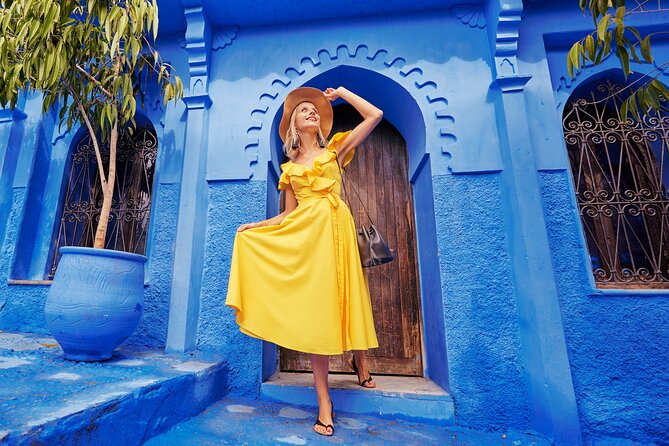
Day 1 doesn’t just mean “big sights.” You also get a quieter rhythm as you work your way toward Dades Valley.
In the route, there’s time to stop in and around oasis areas, including Skoura and the birds valley area. One highlighted moment is the standing 18th-century Kasbah of Ameridhil. Even if you’re not the type to tour every building, kasbah ruins and preserved structures give you a sense of how people shaped this region around water.
The day also points you toward Kalaat Mgouna, known for roses and its annual rose harvest festival in May. Even if your dates aren’t in festival season, the stop is useful because it breaks up the desert-city pattern. Morocco isn’t one texture for a whole week—you get fruit orchards, oasis towns, and mountain valleys before you head north.
Todra Gorge to Merzouga: from canyon walls to Erg Chebbi dunes
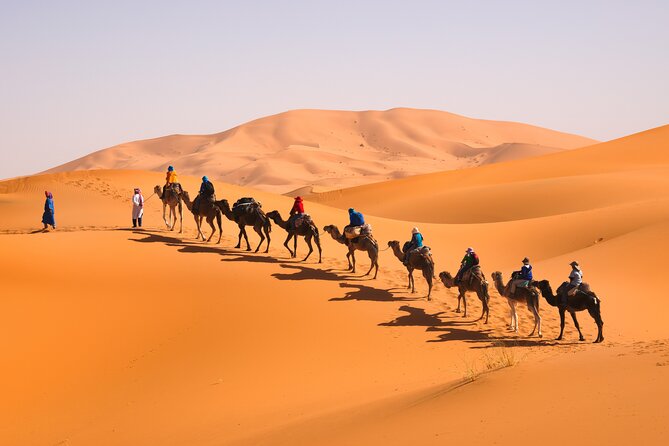
Day 2 is where the trip tilts toward the dramatic. You start with Tinghir and Todra Gorge, where the cliffs are high (up to about 300m) and the canyon narrows dramatically. The schedule gives you time to hike in the gorge, including a chance to walk the canyon that locals still treat as a signature place in the region.
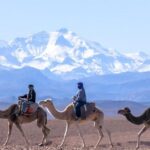
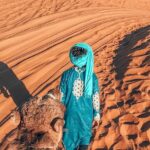
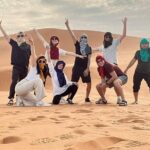
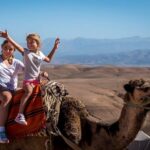
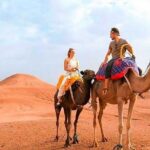
Then it’s off to Merzouga and Erg Chebbi, the large wind-blown dune system in southern Morocco. You’ll meet the camels and head out on a trek to the camp. The plan is roughly 1 hour 30 minutes from Merzouga town to the nomadic camp, and the idea is to keep that “desert pacing” rather than treating it like a photo standstill.
For timing, think in terms of heat and sun management. This is the day where sunscreen and a hat stop being optional. Also, because the camp includes dinner and a desert night program (including a fire gathering and traditional Berber drumming as an option), you’ll want to plan for a full evening, not just a quick stop.
Camel trek night camp: private tent, toilets, and real sand time
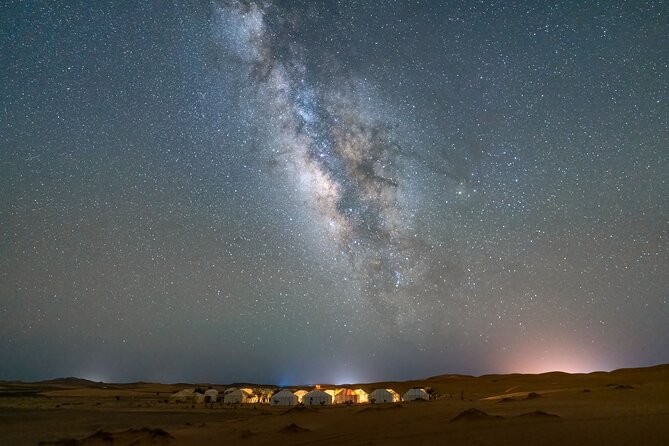
This is the most memorable part for many people, and it’s built into the itinerary rather than being a last-minute add-on. Your camp night is in Erg Chebbi dunes, and you’ll have a luxury night camp setup with a private tent that includes a toilet and shower.
The camp is also described as having a restaurant and kitchen and using western toilets, which is a big practical comfort detail compared with the rougher versions of desert camping. You’ll have dinner, then gather around a fire, and you can enjoy the desert night—often with traditional music.
One small consideration: you should expect this night to be more “experience” than “hotel.” That’s the point, but it’s worth saying. If you need hotel-level quiet, you may find desert nights and camp routines a bit lively.
Midelt and Ifrane on the way to Fes: apples, cedar forest, and Monkeys
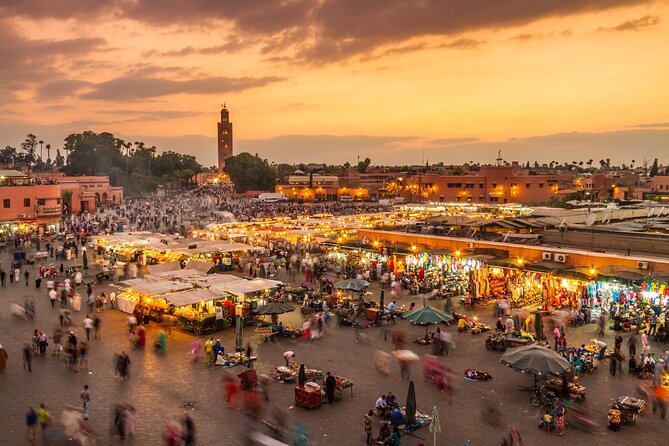
Day 3 moves the week north, and it does it with contrast. After breakfast, you head toward Fes via views that include long stretches of Ziz palm trees. There’s a lunch stop in Midelt, described as the apple capital, at the foot of the Ayachi Mountain.
Then you shift into a cooler-feeling zone around Ifrane. The itinerary includes time in Azrou Cedar Forest for a pet stop with monkeys, then a visit to Ifrane, often nicknamed Moroccan Switzerland. The intent is clear: you get a change of atmosphere before you reach the oldest parts of Fes.
This is one of those “in-between” days that can either feel like wasted time or like a breather. Here, it’s the breather. It helps you arrive in Fes not exhausted from non-stop driving, because you’ve got pauses built in.
Fes el-Bali with a licensed local guide: where the medina makes sense
Day 4 is built around one of Morocco’s headline cities: Fes el-Bali, the old medina and UNESCO World Heritage area. You’ll get a guided full-day Fes tour, and importantly, the tour includes a fully licensed local guide.
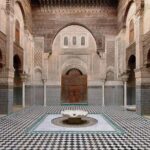
You start with a royal stop: the Royal Palace area for its giant gates and architecture. Then you move to the Mellah (the ancient Jewish quarter) and the Andalusian-style Jnane Sbile Gardens. The schedule also includes the Batha Museum and the tall towers, followed by the old medina experience.
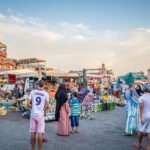
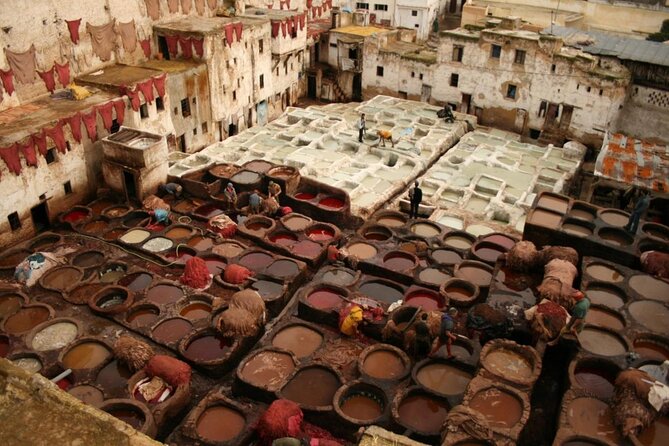
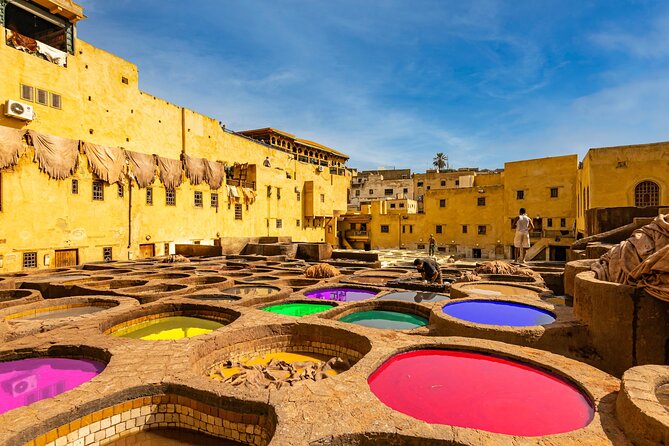
This part matters because Fes can overwhelm you if you’re wandering with no map. Your guided route aims to connect key spots: the Al-Karaouine University, the Najjarine Fountain, the Chouara Tannery, and the blue-tiled Bab Boujloud gate. You’ll also see shop streets tied to crafts like carpets and silver work, so you get context for what people are selling and why certain items show up again and again.
Entrance fees here are marked as not included in the tour details, so expect to pay separately for some sights. Still, the structure is valuable: it’s not just walking; it’s walking with explanations.
Meknes, Volubilis, and the long Roman pause
Day 5 takes you to two very different kinds of history: imperial Morocco and Roman ruins.
First is Meknes Medina, tied to Moulay Ismail’s era. The tour focuses on monumental gates and sites including Bab Mansour and El Heri es-Souan, plus the Moulay Ismail Mausoleum. You also get a chance to see underground water channels that bring fresh water from the Middle Atlas Mountains. That kind of practical detail helps you understand the city as a machine, not just a pretty backdrop.
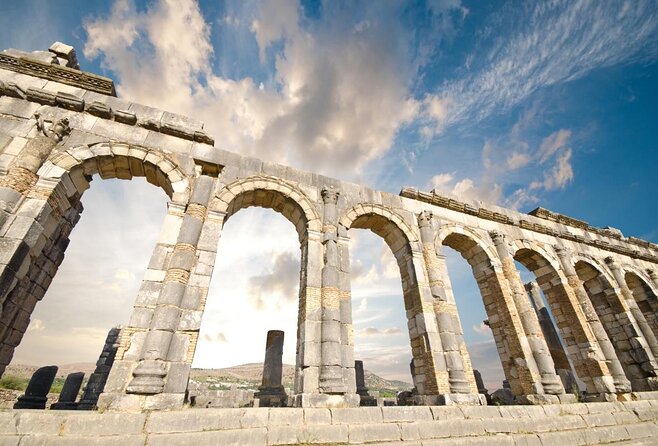
From Meknes, you drive to Volubilis, a preserved Roman site. You’ll look at features like the Arch of Caracalla, Basilica, and the Capitoline Temple. Volubilis is a useful change of pace after Fes because it lets you see Morocco through a different timeline.
Then you continue north toward Chefchaouen, passing into the beginning of the Rif Mountains. You end Day 5 in Chefchaouen, which sets up the next day perfectly.
Chefchaouen’s blue streets, plus Rabat and Casablanca’s finish
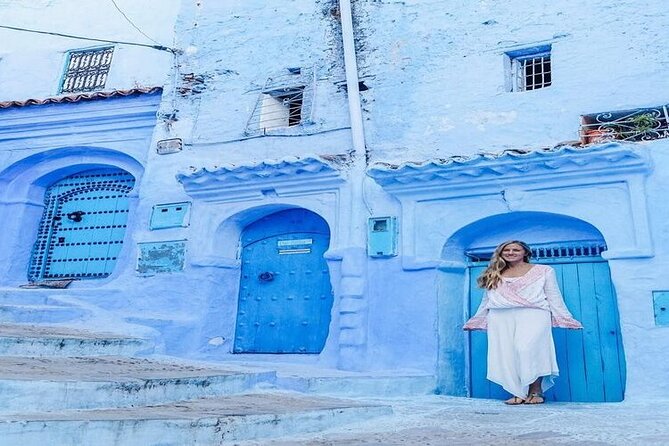
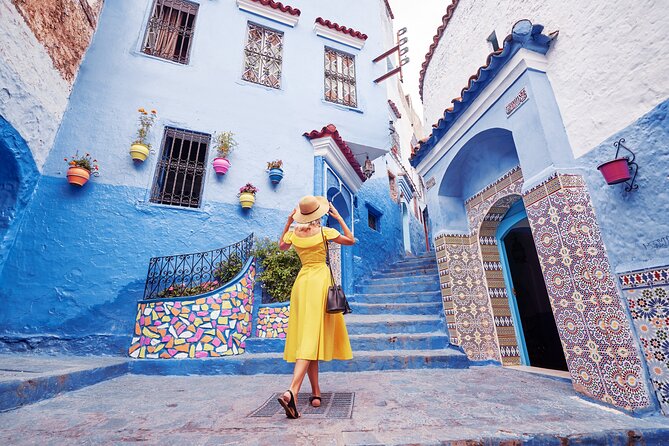
Day 6 starts with Chefchaouen proper. You’ll stroll Chefchaouen Medina, famous for its blue look—blue doors and windows, white-washed walls, and mountain backdrops. The itinerary points to key public spaces like Plaza Utta Hammas, plus time to wander narrow streets and visit local souks.
One practical note: Chefchaouen’s charm comes from getting slow and looking down at details. That said, this tour doesn’t give you a full day to “wander forever.” You also head to Rabat the same day.
In Rabat, you visit major sights including the Kasbah of Oudayas, Hassan Tower (the uncompleted minaret), Mausoleum of Mohammed V, and Hassan 2. Then you transfer onward toward Casablanca for a visit to the Hassan II Mosque, highlighted as the second largest in the world with sea views.
This is a lot for one day, even for a short trip. But it’s also efficient. By the end of Day 6, you’ll have covered the coast-city power hitters—Rabat’s royal zone and Casablanca’s iconic mosque—before Day 7 wraps with an airport or hotel transfer.
Price and value: what $1,107.05 per person really buys
At $1,107.05 per person, you’re paying for more than a checklist. You’re paying for private transport, a desert camp night with private facilities, and guided time in key cultural zones.
Here’s what stands out on the value side:
- Private, air-conditioned vehicle for the full route with fuel included, plus airport/hotel pickup and drop-off.
- Accommodation for 6 nights in hotels or traditional riads.
- Desert adventure with camel ride and a night camp described as luxury, including a private tent with toilet and shower.
- Breakfasts (6) and dinners (2) are included, which reduces food planning stress.
On the cost downside, the tour data makes it clear that entrance fees aren’t included overall, and not all meals are listed beyond the included breakfast and the two dinners. So if you budget like a careful traveler, plan some extra money for tickets in Fes, Volubilis, and Rabat/Chefchaouen sights.
Also, this itinerary is in demand. The average booking lead time listed is 81 days, which suggests you’ll do best booking early, especially if you have fixed dates.
Who this tour fits best (and who should rethink it)
This tour is a great fit if you want a first-time Morocco route with a strong mix of nature, history, and cities, and you don’t want to piece together transport on your own. The private format also helps if you’re traveling as a couple, a small family, or a group that wants one vehicle and one plan.
It’s also a solid choice if you value smooth communication. Many recent comments highlight responsiveness during planning and support while you’re on the ground, including the use of WhatsApp for staying in touch.
You might want to rethink it if you hate long drives or you’re sensitive to busy days. With the itinerary style here, the week can feel like a constant motion game—mountains, kasbahs, gorge, dunes, then imperial cities.
Book it or skip it: my call
I’d book this if your priorities are: private comfort, seeing both the desert and the imperial cities, and getting guided time where wandering without help would be frustrating.
I’d hold off if you’re traveling at a time when weather is unpredictable for the desert portion, because the tour notes it needs good weather. In that case, you may be offered a different date or a full refund, but it’s still a risk to factor in.
If you go, pack for sun, bring walking shoes, and plan your budget for entrance fees. Then let the driving days do their job: they’re not wasted, they’re how you earn the big variety in just one week.
FAQ
What cities does this private tour cover?
It starts in Marrakech, then includes stops in the Atlas region, Ait Ben Haddou, Ouarzazate, Dades Valley, Merzouga/Erg Chebbi desert, Fes, Meknes, Volubilis, Chefchaouen, Rabat, and ends in Casablanca (with airport or hotel drop-off).
How long is the tour?
The tour is listed as 7 days (approx.).
What is the price per person?
The price is $1,107.05 per person.
Does the tour include pickup and drop-off?
Yes. Airport/hotel pickup and drop-off are included.
Is this a private tour?
Yes. It’s a private tour/activity, and only your group participates.
What does the desert experience include?
The desert adventure includes a camel ride and a luxury night camp with a private tent that has a toilet and shower, plus dinner and a desert night program.
Are meals included?
Breakfast is included for 6 days. Dinner is included for 2 days. Meals not listed are not included.
Are entrance fees included?
No. Entrance fees are listed as not included.
What’s the cancellation policy?
Free cancellation is allowed up to 24 hours in advance for a full refund. Within 24 hours, the amount paid isn’t refunded.
Is the tour dependent on weather?
Yes. The experience requires good weather. If it’s canceled due to poor weather, you’ll be offered a different date or a full refund.