REVIEW · MHAMID
From Zagora: Overnight Desert Tour to Erg Chigaga Camel ride
Book on GetYourGuide →Operated by Caravane Du Grand Erg Desert Tours · Bookable on GetYourGuide
Sand, stars, and a long 4×4 push south. This overnight Erg Chigaga tour mixes Erg Chigaga camel trek with a private desert camp and live Berber music by the campfire, plus that sunrise moment the dunes do best. One note: nights cool down fast, so you’ll want warm layers for the early wake-up.
You’ll start from Zagora (or sometimes from Tamegroute), leaving around 13:00 and heading south in a 4WD vehicle. The drive is part adventure—off-road time, a stop at a calm oasis, and plenty of photo breaks—before you reach Erg Chigaga just before sunset.
In This Review
- Key things I think you’ll care about
- Why Erg Chigaga feels like the real deal (even with a short trip)
- Zagora pickup and the 13:00 departure: where the day really starts
- The 4×4 safari to M’Hamid: off-road time that you’ll feel in your bones
- A small comfort reality check
- M’Hamid, oases, and viewpoint stops: the desert gets personal between the dunes
- Arriving at Erg Chigaga before sunset: the camel ride is the centerpiece
- Private tent camp at night: dinner, stargazing, and music by the fire
- About stargazing
- Sunrise the next morning: why the early start is worth it
- Tamegroute return: Koranic school, underground kasbah, and green pottery
- Price and value for $230: what you’re paying for, and what you’ll still need to cover
- Practical tips: packing for dunes, cold nights, and dusty roads
- What to bring (stick to the basics that are actually useful)
- How to dress for sunrise
- Toilets and showers
- Money and drinks
- Who should book this overnight Erg Chigaga tour
- Should you book this Overnight Desert Tour to Erg Chigaga?
Key things I think you’ll care about
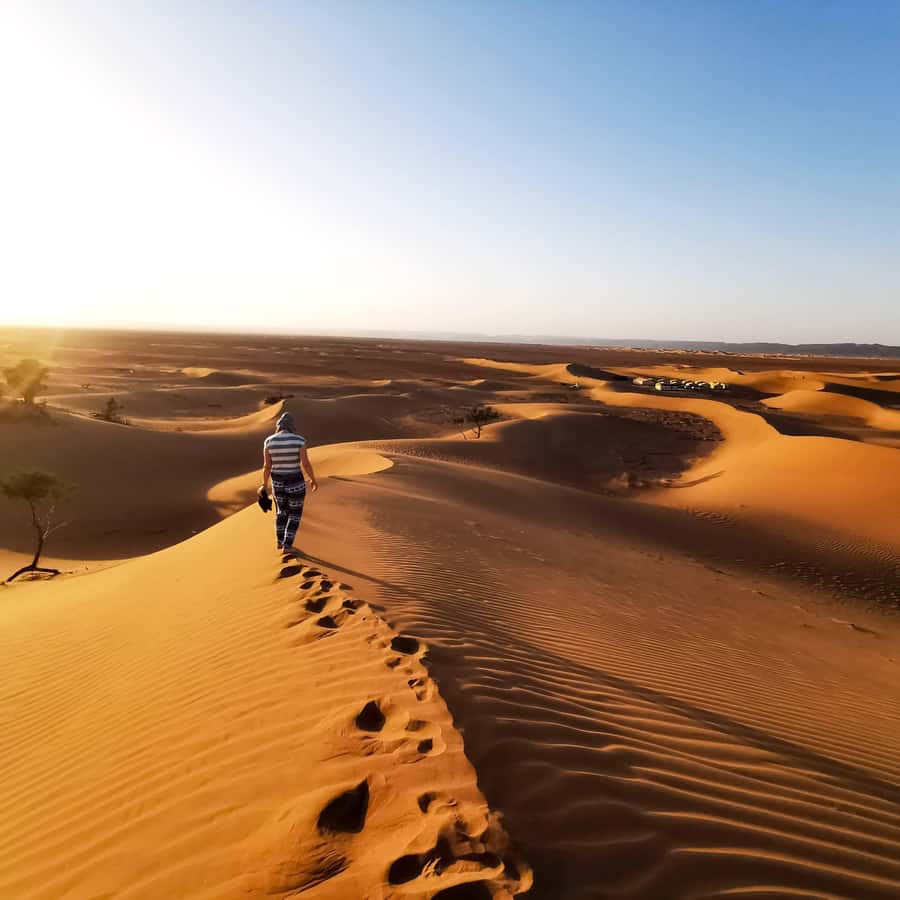
- Erg Chigaga in golden hour: you’ll time your camel ride for sunset and photos
- A private tent overnight: dinner, breakfast, and time under the stars instead of a quick pass-through
- 4×4 off-road from M’Hamid: you’ll trade paved roads for stony plains, dried riverbeds, and dunes
- Campfire night with Berber music: drumming and music after dinner at the desert camp
- Tamegroute on the way back: a stop for the Koranic school, underground kasbah, and green pottery craft
Why Erg Chigaga feels like the real deal (even with a short trip)
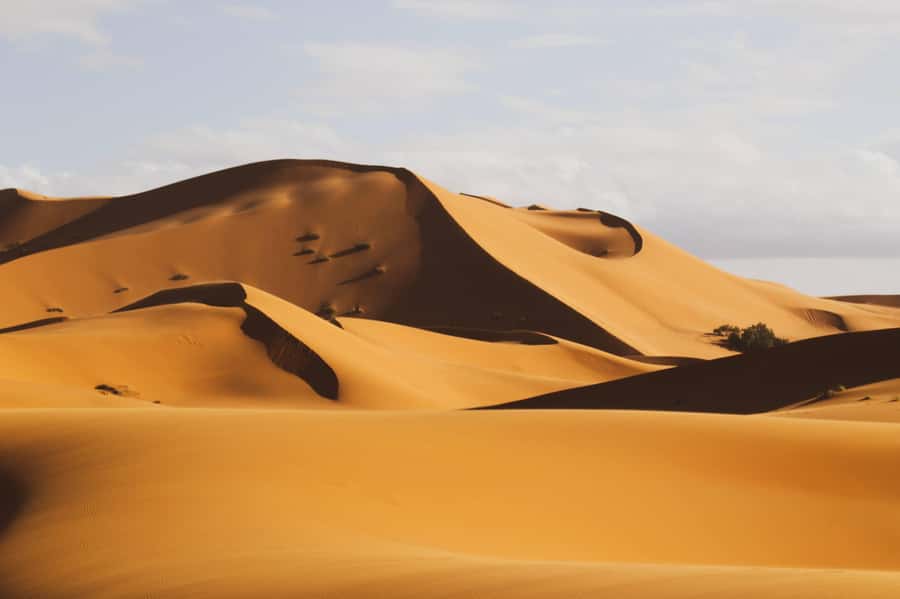
Erg Chigaga is not the only set of dunes you can reach from Zagora, but it’s one of the most satisfying for an overnight because it’s about time as much as it is about place. You’re not just there for a couple of hours in the late day. You reach the dunes before sunset, sleep right out in the desert camp zone, then return to the dunes for sunrise.
That matters because dunes change fast. At sunset, you’re dealing with warm light and long shadows; at sunrise, the colors flip and the whole area looks new. I like that this tour basically gives you both moments on purpose: golden hour camel time, then a second “wow” window the next morning.
The other reason it feels special is distance from the main tourist route. Your route includes off-road driving from around M’Hamid, plus stops like a tranquil oasis and the viewpoint breaks that break up the ride. It’s the kind of trip that feels like you’re moving with the desert, not just checking it off from the edge.
You can also read our reviews of more tours and experiences in Mhamid.
Zagora pickup and the 13:00 departure: where the day really starts
The tour day starts in the early afternoon. You’re picked up at about 13:00 from your accommodation in Zagora or from the agency office. If you’re staying in the Tamegroute area, your pickup can be there instead—so you can match the trip to your plans without forcing an extra long transfer.
In practical terms, the timing is smart. You avoid an all-day scramble. You get a full desert night plus a morning sunrise, and you’re back by around 12:00 the next day.
The ride from Zagora south passes recognizable highlights first—like the Tizi Anagame Pass and the Ben Selman Mountains—before the trip switches gears off-road. If you care about comfort, this matters: the early part is still “road travel,” then the real adventure starts when the vehicle leaves the paved route.
The 4×4 safari to M’Hamid: off-road time that you’ll feel in your bones
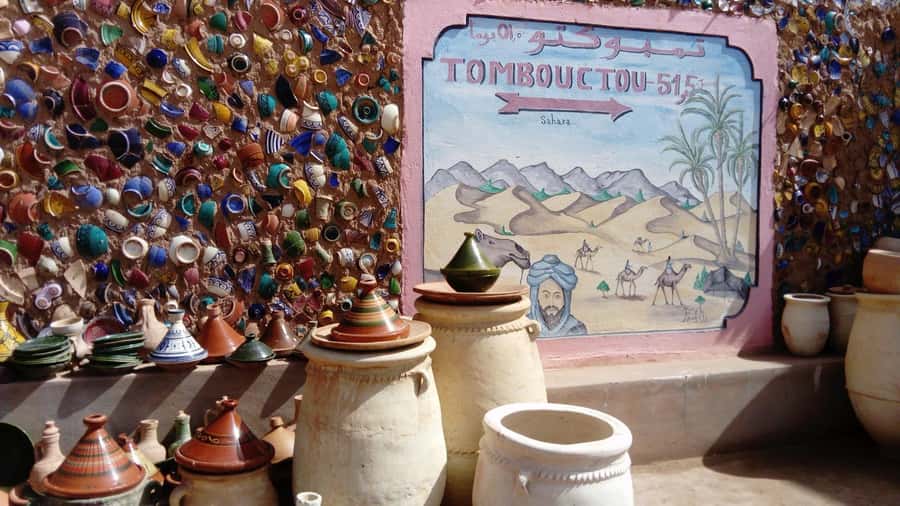
Once you’re past M’Hamid, the tour intentionally leaves the paved roads. From there, it’s about two hours of off-road driving, crossing stony plains, dried riverbeds, and sand dunes. That’s a big part of why the trip is rated so highly: you’re getting movement and variety, not just sitting in a vehicle and waiting for the camp.
And you’re not doing it blindly. There are stops for the things that make the desert travel feel alive:
- A calm oasis visit on the way
- A viewpoint stop (about 30 minutes)
- Short stops during the drive for photos and quick breaks
These breaks matter, especially if you’re prone to feeling restless in long rides. They also make the day feel less like transit and more like you’re traveling through the desert rather than into it.
Language support is another practical plus. Guides and drivers may speak English, Spanish, Italian, or French, depending on who you’re assigned. Past guests have specifically praised guides like Rachid, Salah, and Younes, plus drivers such as Hassan and Abdulah. If you’re hoping for animal spotting, ask your guide to keep an eye out—one guide is known for spotting wild desert animals along the way.
A small comfort reality check
This is desert travel. Even with a capable 4×4, off-road roads mean dust and bumps. If you’re sensitive to rough rides, pack scarf-and-sunglasses like it’s part of the uniform (more on that below).
M’Hamid, oases, and viewpoint stops: the desert gets personal between the dunes
The desert doesn’t only start at the big sand seas. The trip is structured so you see the “in-between” zones that most quick day tours skip.
After the mountain-pass driving and before Erg Chigaga, you’ll visit:
- A tranquil oasis stop: a welcome change of pace from sand and stone
- A viewpoint area: a chance to pause and see how the dunes sit in their wider region
This is also where your guide’s story-telling can make the trip feel more meaningful. Some guides share anecdotes and help you connect what you’re seeing with how people live nearby. You’ll also likely get practical orientation—like when to watch for shapes in the dunes and when the light is best for photos.
If you’re the type who loves small details, this portion is where you’ll find it. And if you’re not, it still does a job: it keeps the day from feeling like a straight line from pickup to camel ride.
Arriving at Erg Chigaga before sunset: the camel ride is the centerpiece
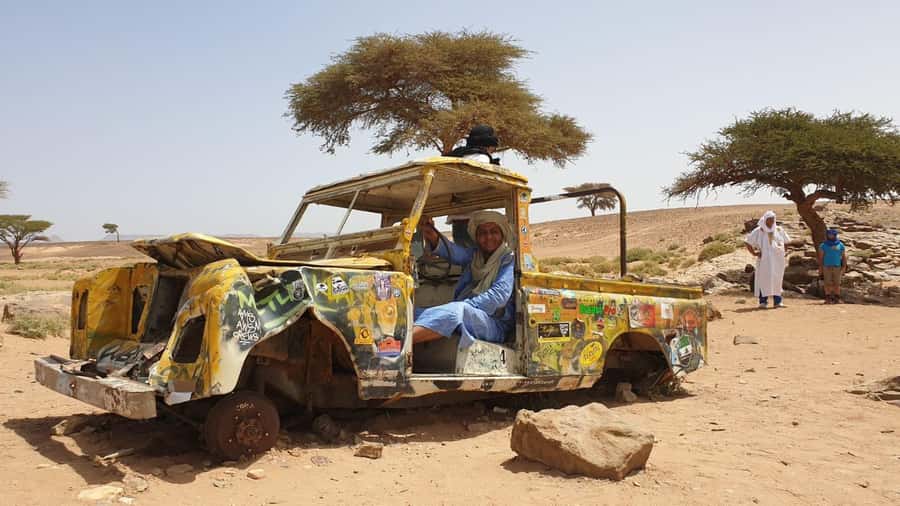
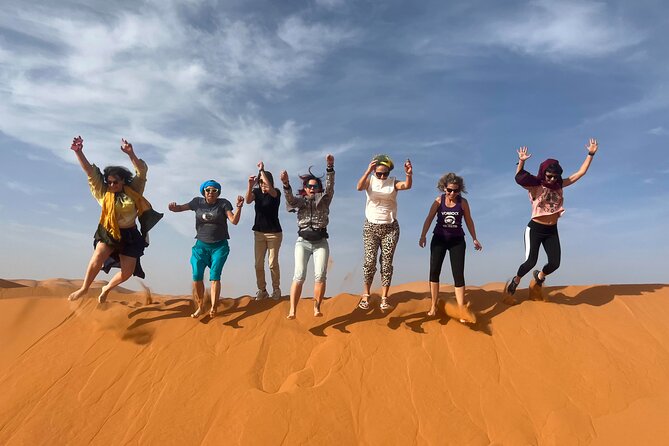
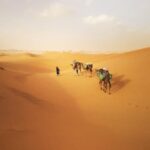
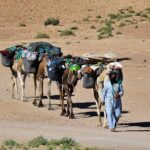
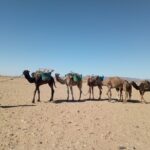
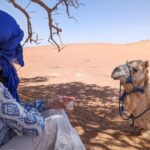
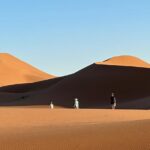
Your arrival at Erg Chigaga happens just before sunset. That timing isn’t accidental. You’ll have about an hour for a camel ride through the dunes, guided by daylight that turns the sand into something almost glowing.
This is the part I’d circle if you only care about one memory. Camel riding in sand has a specific feel—slow steps, gentle swaying, and the gradual understanding that dunes are not flat. They rise, fold, and reflect light in a way that makes every turn look different.
It’s also a top photo window. The golden hour is ideal because you’ll get shadow detail in the dunes instead of washed-out brightness. And because you’re riding during sunset rather than after, you’ll watch the light shift in real time.
A practical note: the camel part is included, and it’s part of why the trip price makes sense. You’re paying for more than “a tent in the desert.” You’re paying for a timed experience that’s hard to recreate on your own—especially the off-road approach and the sunset logistics.
Private tent camp at night: dinner, stargazing, and music by the fire
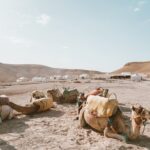
After the sunset camel ride, you reach your private tent in the desert camp area. This is your overnight block: dinner, then time with music and stargazing.
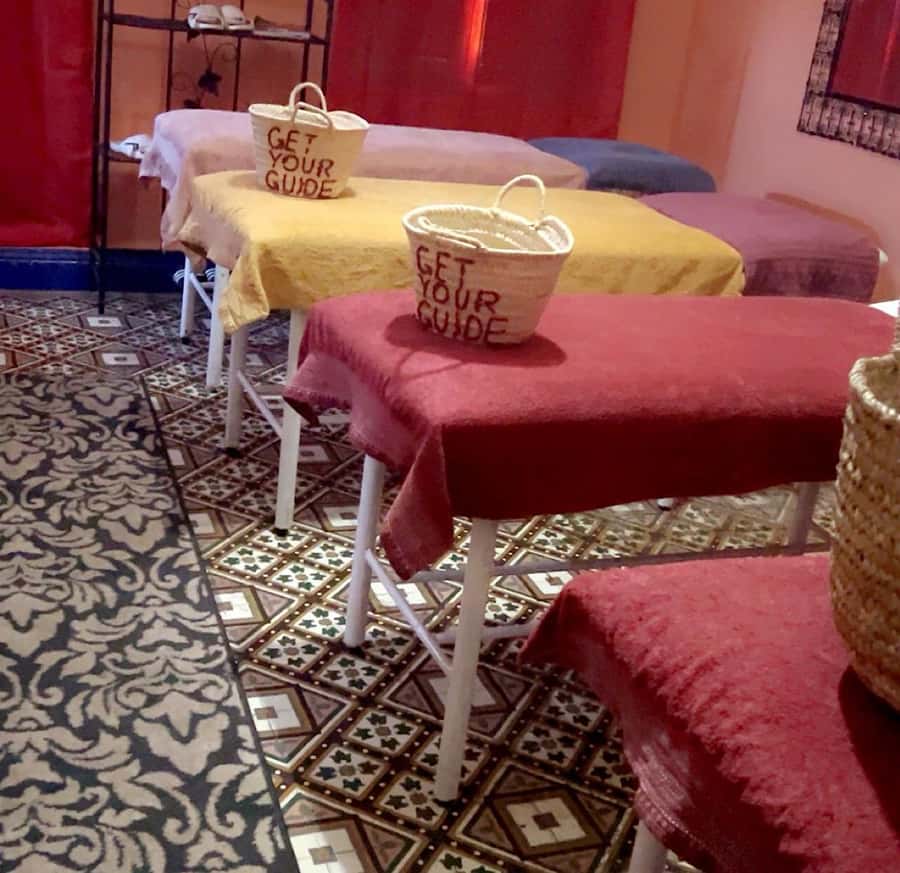
Dinner is traditionally Moroccan, and half-board is included, meaning you also get breakfast the next morning. One detail I’d take seriously: some camps have basic comfort features, and at least one review notes water available for a shower and European-style toilets, though not with running water. If that’s the setup on your night, it’s a major comfort upgrade compared with “roughing it only.”
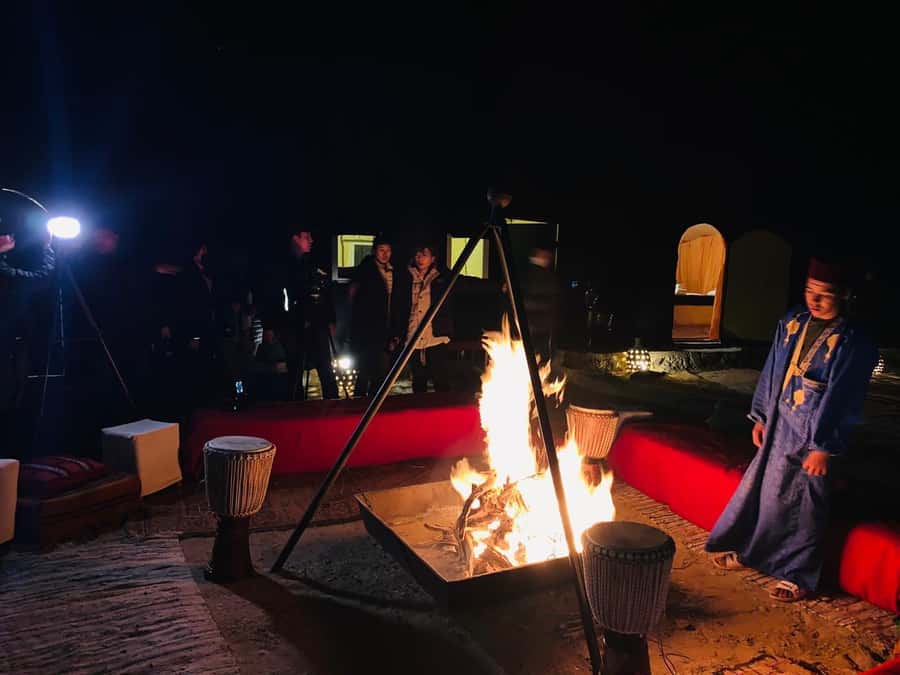
Then comes the best kind of camp program: relaxed, not rushed. Dinner leads into a campfire evening with Berber music and drumming. It’s the kind of atmosphere that works even if you’re tired from the ride—because once you’re sitting there, the desert quiet does most of the calming for you.
About stargazing
Stargazing is explicitly part of the plan, and it’s honestly one of the reasons to choose this format over a quick desert day trip. When you’re out in the dunes area with less light around you, the sky does what it does. Bring that sense of wonder, but also bring practicality: your night will be cold.
Sunrise the next morning: why the early start is worth it
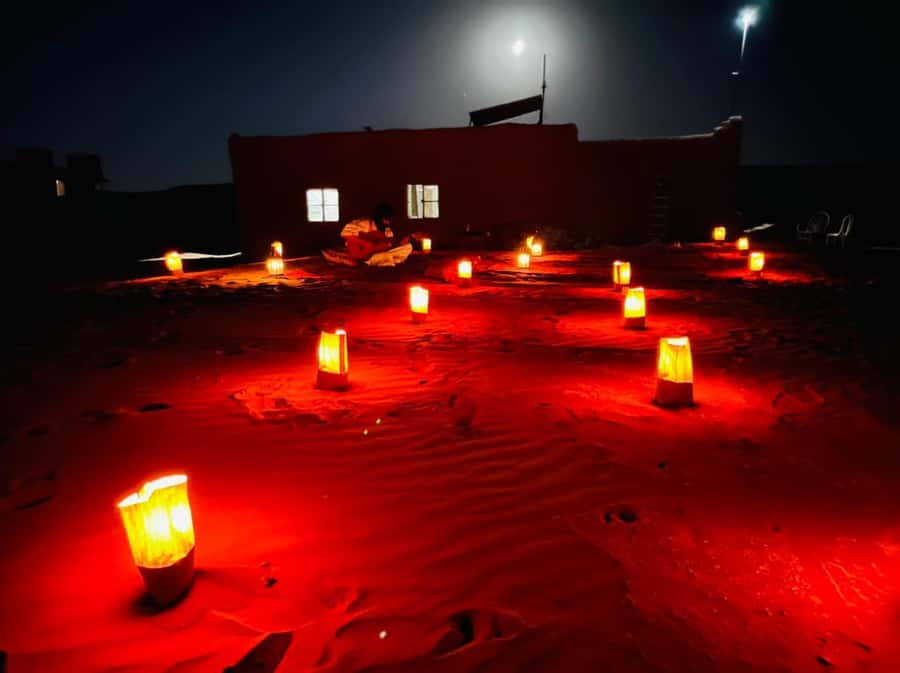
Day 2 begins early. You’ll wake up to watch sunrise over the dunes, then enjoy breakfast at the camp.
This sunrise moment is where many people decide whether the trip was “worth it” in a deeper way. Sunset gives you beauty; sunrise gives you a calmer, more angular kind of beauty. The dunes look quieter and sharper at the same time.
The key consideration is temperature. A review specifically points out that it can get cold early—around 2:00—and recommends warm base layers (warm underwear or tracksuit style clothes) plus warm covers. The good news is that the camp provides warm blankets, so you’re not totally on your own. Still, you’ll enjoy the morning more if you dress for cold, not for late-day sun.
Tamegroute return: Koranic school, underground kasbah, and green pottery
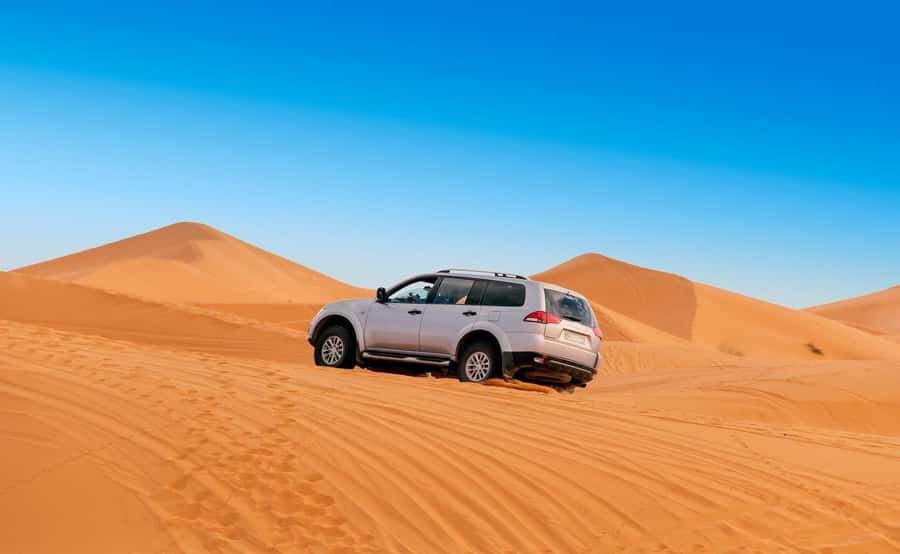
On the way back to Zagora, you stop at Tamegroute. This part is a cultural shift from the dunes, and it adds value because it breaks the “only desert” feeling.
The visit can include:
- A historic Koranic school
- The underground kasbah
- Watching the process of making traditional green pottery
Even if you don’t know much beforehand, this stop helps you understand that desert life isn’t only sand and camels. There are crafts and long-standing learning traditions here, and the pottery-making process gives you something tangible to remember.
It’s also a smart pacing move. After the overnight desert experience, you need a gentle transition back to daily life. Pottery, buildings, and a guided visit help with that reset.
You’ll return to Zagora around 12:00, with drop-off back at your accommodation or back at the agency.
Price and value for $230: what you’re paying for, and what you’ll still need to cover
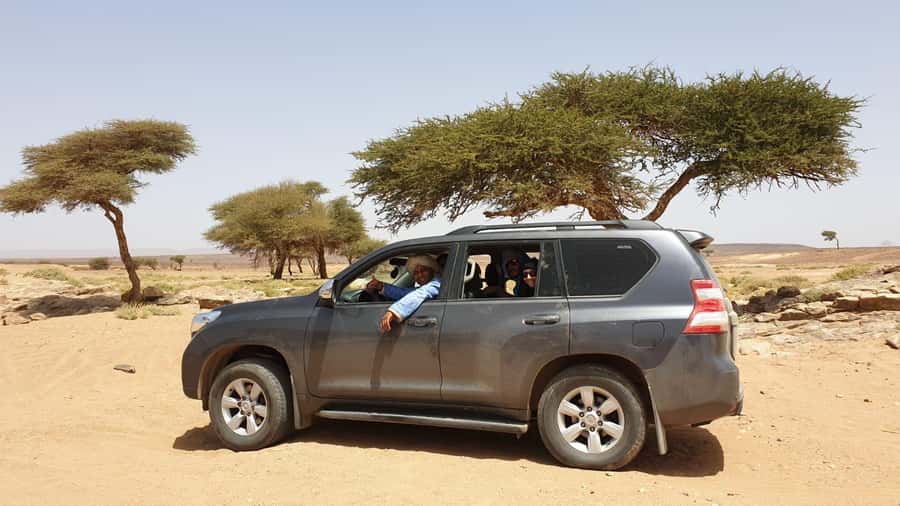
At $230 per person, this isn’t a “grab lunch and wander” kind of experience. You’re paying for a full package with real costs built in: transport, animals, and overnight logistics.
Here’s how the value stacks up based on what’s included:
- 4WD diesel vehicle and a driver throughout
- Camel ride (included)
- Accommodation for 1 night in a desert camp with private tent
- Half-board: breakfast and dinner
- Time for on-site exploration and photo breaks, plus camp activities
What’s not included:
- Drinks
- Personal expenses
If you’re comparing this to DIY travel, the biggest cost isn’t only money—it’s coordination. Getting to Erg Chigaga for both sunset and sunrise, with the desert camp timing and camel schedule, is the part that’s hard to replicate smoothly without local help.
Diet flexibility is also a quiet win. Vegetarian options and special diets are welcome. If that matters to you, it’s worth noting when you book.
Practical tips: packing for dunes, cold nights, and dusty roads
This is one of those trips where the right clothing makes the experience feel smooth instead of annoying.
What to bring (stick to the basics that are actually useful)
The essentials are:
- Comfortable shoes
- Sunglasses
- Sunscreen
- Comfortable clothes
- Scarf
From real experience, add:
- Bring at least one bottle of water per person (hydration helps on dusty rides)
- Pack warm layers for the night (reviews mention cold around early morning and recommend warm base clothing plus the comfort of blankets)
How to dress for sunrise
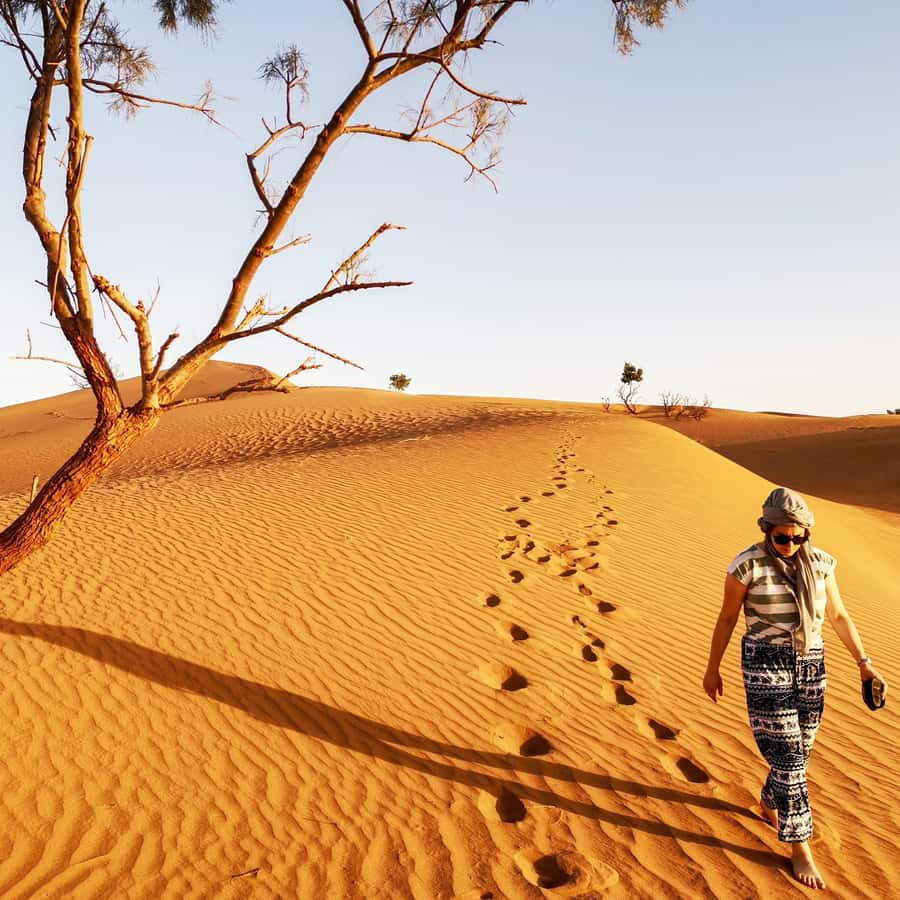
Plan for sun during the day, but cold at night. Wear layers you can strip or add quickly. A scarf isn’t just style—it’s also dust protection.
Toilets and showers
There may be water available for showers depending on the setup on your night, and European-style toilets may be available, though without running water. Don’t assume a full bathroom, but do expect better than the “no comfort at all” version.
Money and drinks
Since drinks aren’t included, decide how you’ll handle it before you go. If you’re a big water sipper, prioritize water. If you want tea or something else, you may need to cover it yourself.
Who should book this overnight Erg Chigaga tour
This is a great fit if you:
- Want sunset + sunrise in the desert, not just one photo moment
- Care about a private-tent night with dinner and campfire music
- Prefer an experience with a local guide who can spot animals and explain what you’re seeing
- Like the idea of mixing 4×4 off-road with camel time and a cultural stop back in Tamegroute
It might not be your first choice if:
- You strongly dislike early mornings or cold nights (you can mitigate it with packing, but it’s still part of the deal)
- You get car-sick on bumpy roads, since off-road driving is a core feature
Should you book this Overnight Desert Tour to Erg Chigaga?
If you want the Sahara to feel like an overnight experience rather than a day excursion, I think this one is a smart booking. The combination of camel ride timing, a private tent night, Berber music and drumming, and sunrise on the dunes hits the big emotional targets people come for.
Book it if you’re ready for dust, warmth in the day and cold at night, and you want value that’s more than just transport. Skip it only if your idea of comfort means avoiding early starts or you’re not willing to pack for a chilly desert morning.