REVIEW · MHAMID
3-day trek – In the shade of palm trees
Book on Viator →Operated by L'oiseau du désert · Bookable on Viator
Palm shade and starry nights in the Sahara. This 3-day trek from M’Hamid pairs an early walk under a palm grove canopy with a bivouac by Marabout Sidi Naji, then keeps going across dunes and stone desert. I also like that it’s built around real desert rhythms, not just photo stops.
I love two things right away: the food and camp handling (3 lunches, 2 breakfasts, 2 dinners, plus eating and sleeping equipment), and the family-style team behind it (camel drivers, guides, and cooks working together with you at walking pace). It feels like the desert is the point, not the sales pitch.
One consideration: you’ll need to bring your own sleeping bag, and the walk assumes a moderate physical fitness level. If you struggle with long days on uneven ground, plan carefully before booking.
In This Review
- Key things to know before you go
- Day-by-day: what this 3-day Sahara trek feels like
- Palm grove meal to Marabout Sidi Naji: Day 1’s best moments
- Bertham dunes and ostrich plains: Day 2 is where the Sahara opens up
- Hamada return and desert wells: what Day 3 gives you
- Price and value: why $424.09 can make sense here
- What’s included vs. what you need to bring
- Who this trek is best for
- Read this before you book
- FAQ
- Where does the trek start and end?
- What time does the trek begin?
- How long is the trek?
- Is pickup included?
- Is this a private tour?
- What meals are included?
- What camp gear is included?
- Do I need to buy admission tickets?
- What fitness level do I need?
- What is the cancellation refund window?
Key things to know before you go
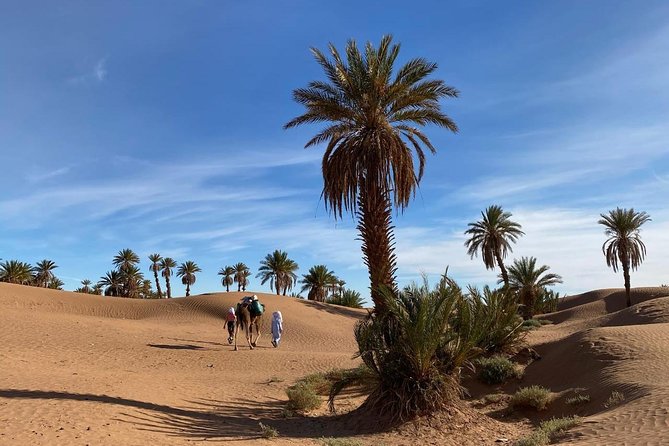
- Palm grove start in M’Hamid: you begin by crossing shaded palms and sharing a meal where the village meets the desert.
- Marabout Sidi Naji bivouac: you sleep near a sanctuary tied to the Nouajis ancestor, then unwind around the fire under the stars.
- Bertham dunes and nomad traces: you walk among dune scenery plus visible signs of how nomads moved through this area.
- Ostrich plains area: your second-night bivouac is near plains where nomads still keep their flocks.
- Hamada stone desert on the way back: expect stony ground where fossils or other finds may turn up.
- Desert wells as social hubs: on the return, you stop at wells that function as real meeting places in the desert.
Day-by-day: what this 3-day Sahara trek feels like
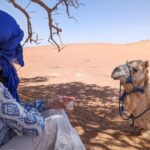
This trek runs roughly 3 days with a start time of 8:00 am in M’Hamid, Morocco, and it ends back at the same meeting point. It’s a private activity, meaning it’s just your group, so the pace and questions can stay personal with your desert bird team (camel drivers, guides, and cooks). You’re also given a mobile ticket, so you’re not juggling paper on the morning pickup.
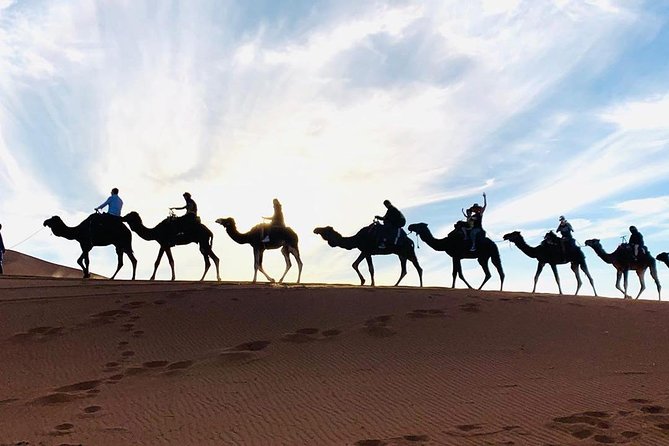
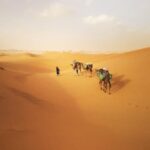
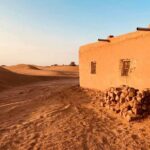
Day 1 is designed to ease you into desert life. The caravan starts from M’Hamid El Ghizlane, and you cross the palm grove of the village first, which matters more than it sounds. Shade breaks the intensity and gives you a softer start before the walk opens up. You’ll have a meal there, then continue on toward Marabout Sidi Naji, a sanctuary connected to the ancestor of the Nouajis tribe.
That stop gives the day a spiritual center: you’re not just walking dunes for views, you’re visiting a place that holds local meaning. When it’s time for night, you install the bivouac near the sanctuary and spend the evening around the fire beneath a starry sky. If you’re the type who likes quiet moments more than loud entertainment, this is your day.
You can also read our reviews of more hiking tours in MHamid
Palm grove meal to Marabout Sidi Naji: Day 1’s best moments
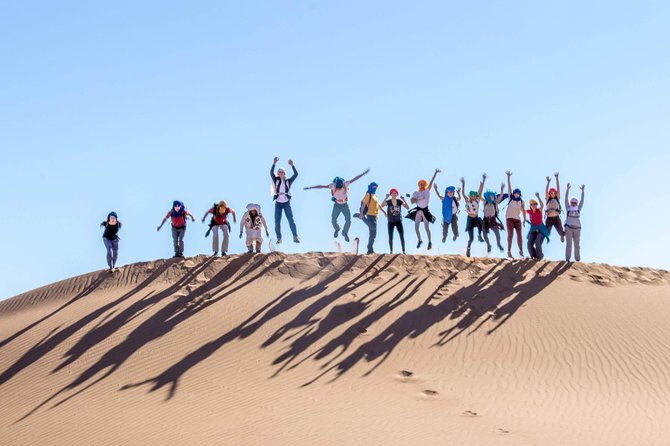
Day 1 has the best “first taste” of what makes this trek worth doing. You start where people actually live and work—the palms, the village edge, and the pastoral routines around it. The tour summary specifically points to meeting pastors and their herds, and this is the most natural day for those encounters to happen during the walking and transitions.
Then you shift into the spiritual geography of the area by heading to Marabout Sidi Naji. Even if you don’t speak the local language, the atmosphere is easy to read: it’s a sanctuary tied to a tribal ancestor, and you arrive as part of a caravan rhythm, not as a quick stop on a rushed route. That changes the vibe fast.
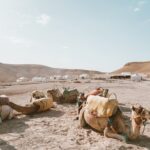
At night, you’re under the stars, with the fire as your gathering point. Some groups note music and sunset-style moments with their guides, and the structure here clearly supports that kind of relaxed evening. You’re also provided the big camp basics like eating and sleeping equipment, which keeps Day 1 from turning into a gear headache.
Bertham dunes and ostrich plains: Day 2 is where the Sahara opens up
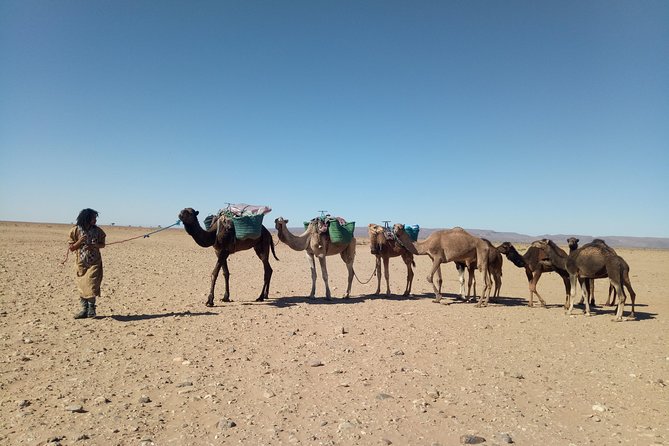
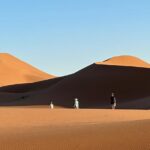
After breakfast, Day 2 moves toward the dunes of Bertham. This is the day for wider desert walking and those “where did the last century go” feelings, because you’ll see traces of nomads and their herds that once lived in the area. Those clues make the dunes feel inhabited, even when the horizon looks empty.
The tour doesn’t just promise sand. It also points you toward a specific nearby area linked to animal life: your second-night bivouac is set up not far from the plains of ostriches. The important part here is the word still. You’re seeing a living system, not a museum display.
In practical terms, Day 2 is likely the most physically demanding day. You’re switching from palm shade to open desert terrain, and you’ll want to be ready for sun and heat-management. The good news is your team (guides, camel drivers, and cooks) operates as a unit, and the trek is structured to keep moving at walking pace rather than turning into a forced march.
Hamada return and desert wells: what Day 3 gives you
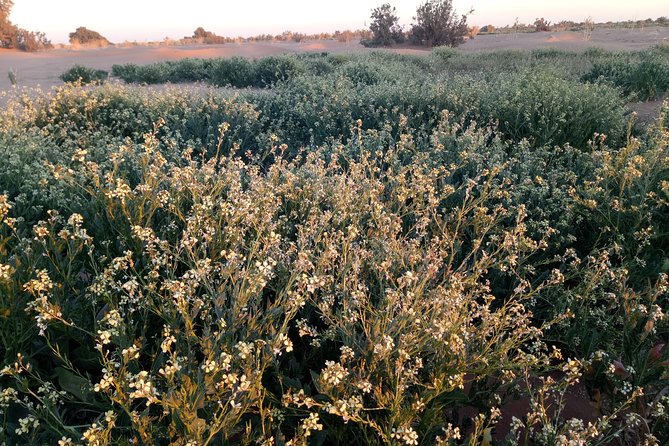
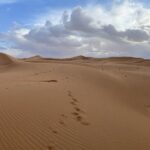
Day 3 is a return route, but it stays interesting. You go back through the hamada, a stone desert where fossils or other finds may appear. Even if you don’t spot anything dramatic, the stony texture changes the walking feel and the way the light hits the ground.
The day’s “human” stops come with the wells, which the itinerary calls out as real meeting places in the desert. That’s a useful reminder: the Sahara isn’t only dunes and silence. Wells concentrate people, animals, conversation, and daily needs, so stopping there makes the region feel practical, not just cinematic.
When you reach the meeting point again, the trek ends where it began in M’Hamid. One small but real value of returning to the same place: you don’t have to solve transport logistics mid-trip. You can plan your next leg with less stress.
Price and value: why $424.09 can make sense here
At $424.09 per person for an approximately 3-day trek, the key question is what you’re actually paying for. Here, the price isn’t only for a guide and a track in the sand. It includes all fees and taxes, 3 lunches, 2 breakfasts, and 2 dinners, plus eating and sleeping equipment.
That’s a big deal because desert overnight trips often turn into surprise add-ons: meals, staff time, and basic camp gear. This one bakes those into the package. The main thing not included is your sleeping bag and private transportation. So you’re paying for the trekking experience, not for a pile of extra items you’d need to arrange yourself.
Also note the vibe from guide names in feedback. People mention friendly guides like Hassan, Bachir, Bakar, Bachir, and Ibrahim alongside a family atmosphere. That matters for value because a trek is more than a checklist. A good team makes the long stretches feel manageable and the evenings feel like shared time, not just an overnight stop.

What’s included vs. what you need to bring
Here’s the practical divide to keep your packing simple.
Included in your trek:
- Eating and sleeping equipment
- All fees and taxes
- Lunch (3), Breakfast (2), Dinner (2)
Not included:
- Sleeping bag
- Private transportation
Because the sleeping bag is not included, plan to bring one that suits desert overnight use. If you’re unsure what you’ll need for comfort, message the provider before you go so you don’t end up borrowing equipment at the last minute.
For the rest, your camp setup is handled with the equipment provided. That’s one of the reasons this trek works well for first-timers: you’re not tasked with building camp from scratch.
Who this trek is best for
This trek fits best if you want a close-up Sahara experience that includes more than just dunes. The route intentionally connects palm grove life, a tribal sanctuary, nomad traces, animal plains, and stone desert hamada, plus stops at desert wells. That variety makes the days feel like chapters, not repeated scenery.
You’ll also like it if you appreciate guide-led conversation. Feedback highlights warm, genuine guides and lots of friendly discussion around camp. People also mention a family feel and moments like sunsets, music, and companionship formed on the trek.
The main mismatch is physical style. The trek asks for moderate physical fitness, so if you have limited mobility or you’re not comfortable with multi-day walking on mixed terrain, consider a shorter or easier option.
Read this before you book
If you want the classic Sahara dream but with more texture than just sand pictures, this 3-day route is a strong choice. The palm grove start under shade, the sacred stop at Marabout Sidi Naji, and the return through hamada and wells create a well-rounded story across the desert.
Book it if:
- You want meals and camp setup included and a team that handles the logistics.
- You’re happy to bring a sleeping bag and walk at a steady pace.
- You like authentic interaction more than rushing between landmarks.
Think twice if:
- You strongly dislike uneven desert walking or you’re not confident in moderate fitness.
- You were hoping the trek package includes absolutely everything for sleeping (it does not include the sleeping bag).
- You need private door-to-door transport (private transportation isn’t included, though pickup is offered).
FAQ
Where does the trek start and end?
It starts in M’Hamid, Morocco, and the activity ends back at the same meeting point.
What time does the trek begin?
The start time is 8:00 am.
How long is the trek?
The duration is about 3 days.
Is pickup included?
Pickup is offered. Private transportation is not included, so confirm the exact pickup details with the provider.
Is this a private tour?
Yes. It’s listed as a private tour/activity, and only your group participates.
What meals are included?
Lunch is included for 3 days, breakfast for 2 days, and dinner for 2 days.
What camp gear is included?
The trek includes eating and sleeping equipment, but it does not include a sleeping bag.
Do I need to buy admission tickets?
Admission tickets are listed as free for the stops shown in the itinerary.
What fitness level do I need?
You should have moderate physical fitness level.
What is the cancellation refund window?
You can cancel up to 6 days in advance for a full refund. Cancel 2–6 days before for a 50% refund, and less than 2 days before does not receive a refund.