REVIEW · MARRAKECH
3 Days To Merzouga Desert
Book on Viator →Operated by Merzouga Safari · Bookable on Viator
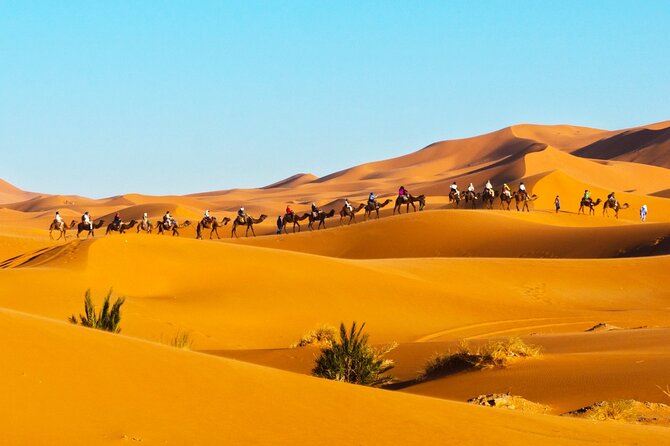
That first camel step into Erg Chebbi? Magic. This 3-day trip strings together High Atlas drama, UNESCO kasbahs, and Morocco’s big desert. You’ll ride dromedaries to a camp and then do the classic sunrise ritual at the dunes.
I especially love how the scenery changes every day—mountain passes, rose-and-palm valleys, then the sudden wide-open desert light. I also like that your time in the sand is real: you get dinner and breakfast twice, plus a camel caravan that’s built into the schedule.
One consideration: it’s a long road trip with an early start, and lunches/drinks plus monument entry tickets are on you. Also, the experience depends on good weather.
Key things I’d circle on this 3-day Merzouga trip
- Erg Chebbi at sunset and sunrise: two front-row views instead of one quick stop
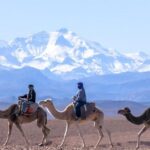
- Camel time is scheduled, not an afterthought, with a caravan ride to the camp
- Tizi n’Tichka altitude views (about 2,260 m) on the way south
- Aït Ben Haddou UNESCO kasbah plus Morocco’s “door to the desert” stops
- Todra Gorge 300 m walls for that jaw-drop canyon moment
- Small groups (up to 15) which usually makes the driving and stops feel easier
In This Review
- High Atlas to Aït Ben Haddou: the fast reveal of Morocco’s big moods
- What to expect
- A practical note
- Ouarzazate and Skoura: kasbah roads, palm groves, and “door to the desert” vibes
- Why this leg feels valuable
- Possible drawback
- Dades Gorges to Merzouga: the day the canyon walls turn into dunes
- What I like about the Merzouga transition
- What to watch for
- Sleeping by Erg Chebbi: camp night, stars, and the sunset mood
- A practical packing tip (worth it)
- Sunrise on the Great Dune: why this part is non-negotiable
- Then comes the history lane: Rissani and the Anti-Atlas
- Why I think this sunrise schedule is worth the early alarm
- Price and logistics: is it good value at $174.22?
- Who this tour suits best (and who should think twice)
- Final verdict: should you book this 3-day Merzouga desert trip?
- FAQ
- What time does the tour start?
- Where do we meet in Marrakech?
- How long is the experience?
- What’s included in the price?
- What isn’t included?
- How many people are in a group?
- Do I get camel rides, or is it only driving?
- Where does the tour end?
- What weather condition affects whether it runs?
High Atlas to Aït Ben Haddou: the fast reveal of Morocco’s big moods
If you like travel where the scenery keeps surprising you, this route delivers. You start in Marrakech early, then head toward the High Atlas with the kind of winding roads that make you slow down just to look. One standout is the crossing of Tizi n’Tichka, around 2,260 meters, where you get panoramic views at mountain scale.
Then the trip turns cultural and practical with a visit to an argan oil cooperative. You’re not just stopping for a photo—you’ll see how production works and why it matters to local life. It’s also a nice break from pure driving: your brain gets to switch gears from “road and views” to “how people live here.”
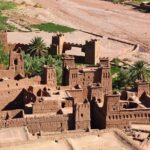
After that, you go to Aït Ben Haddou, the famed UNESCO-listed kasbah. This is the kind of place where films make sense: mud-brick architecture stacked into a protective village shape. You’ll have time for lunch in the area, and it’s easy to wander slowly, noticing how the fort-like layout fits the landscape.
What to expect
- Lots of scenic viewpoints and short stops rather than long speeches.
- A UNESCO kasbah experience that’s visually strong, even if you’re not a monument person.
A few more Marrakech tours and experiences worth a look
A practical note
Entrance fees aren’t included for monuments, so if Aït Ben Haddou has ticketed areas you want inside, budget for it.
Ouarzazate and Skoura: kasbah roads, palm groves, and “door to the desert” vibes
From Aït Ben Haddou, the route continues toward Ouarzazate, often described as the desert’s gateway. Here, you get a feeling for how this region became a filmmaking hub—without turning it into a theme park. The stop at the Taourirt Kasbah helps ground the drama in local architecture.
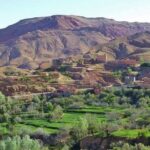
Then you’ll pass through the Valley of the Roses and stop along the way via Skoura’s palm grove. This matters because it breaks the trip’s rhythm. After high mountains and fort walls, you get softer, greener textures—an easy contrast before the desert chapters begin.
Why this leg feels valuable
A lot of desert tours rush straight to the sand. This one gives you the “in-between” landscapes, so when Erg Chebbi finally shows up, it lands harder—like you’re traveling through Morocco’s seasons, not just locations.
Possible drawback
If you hate being in a vehicle for long stretches, know this is a driving-heavy trip. You’ll have stops, but you’ll also spend serious time on the road.
Dades Gorges to Merzouga: the day the canyon walls turn into dunes
The second day starts with breakfast, then you head toward Merzouga. Before the desert, you’ll get a gorge view from a strategic spot in the mountains. That’s a smart staging move: it sets expectations for dramatic terrain, even though what’s coming is different.
Next comes Todra Gorge, described as a canyon with vertical walls up to 300 meters. This is the kind of place where you feel small, quickly. The Todra River has carved the gorge, and the scale can be hard to grasp until you’re standing there looking up. It’s also a favorite for climbers, which helps explain why the rock faces look so sheer and textured.
You’ll have lunch at the site, then continue toward Merzouga Dunes.
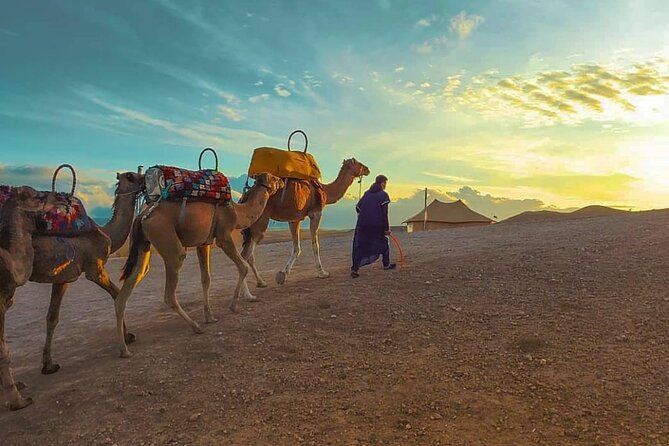
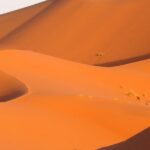
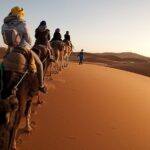
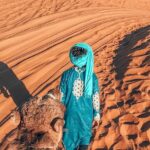
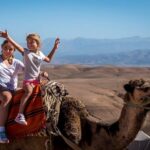
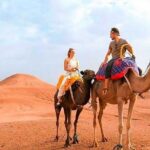
When you reach the dunes, the experience turns into something you can slow down for. You’ll have hospitality tea while you rest, and this is one of those moments that makes desert travel feel less rushed. You’ll also leave your bags at the lodge, then head out by dromedary caravan toward the camp.
You ride with your camel partner—your group goes “each with his camel”—and the caravan ride takes about an hour. There’s even a sunset stop en route, which helps you catch the light shift without feeling like the sunset is only a single quick look.
What I like about the Merzouga transition
It doesn’t pretend the desert is just scenery. You get a real rhythm change: canyon air, then warm sand, then evening.
What to watch for
Dinner is included (two dinners total on the trip), but lunches aren’t included, so your meal plan should rely on breakfasts/dinners plus your own budget for lunches.
Sleeping by Erg Chebbi: camp night, stars, and the sunset mood
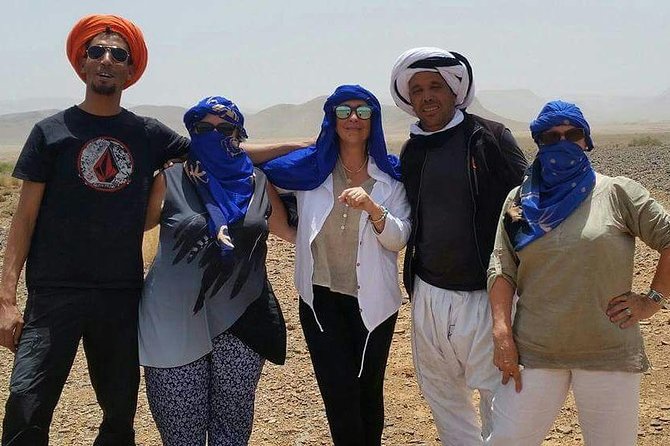
Once you’re at the desert camp, the mood changes fast. You’re not staying in a generic hotel room. You’re in a haimas-style camp, and the whole setup is built around being somewhere remote and open.
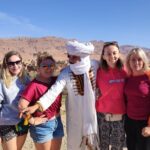
From the reviews patterns, what people consistently praise is the “camp experience” itself—the warmth of the camp team and the feeling of being looked after once you arrive. Names like Ali and Mustapha/Mustafa come up often as guide-drivers who keep the day organized, and that matters here: in the desert, a smooth transition is the difference between stressed and relaxed.
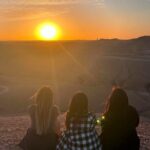
And yes, the classic desert payoff is the light. Sunset is already happening in the dunes and during the ride, then you can look up at the sky and feel how empty and clear it gets out there.
A practical packing tip (worth it)
Bring a light layer for nighttime. Desert evenings can cool down, and you’ll be far from options if you forget something simple.
Sunrise on the Great Dune: why this part is non-negotiable
Day three starts before dawn for sunrise on the Great Dune. This is the part that makes Merzouga feel like more than a photo stop. The sunrise is usually where the desert goes from “pretty” to “I get it now.”
After sunrise, you’ll have breakfast, then return to the lodge by dromedaries. You’ll then start heading back toward civilization.
Then comes the history lane: Rissani and the Anti-Atlas
As you leave the dunes, you pass Rissani, described as one of Morocco’s oldest cities and the capital of the Alaouit dynasty. It’s a meaningful transition: the desert isn’t just empty—it’s tied to trade routes and dynasties.
You also cross the Anti-Atlas on the way back to Ouarzazate, with lunch on site, then continue back over the High Atlas into Marrakech in the afternoon.
Why I think this sunrise schedule is worth the early alarm
Because it’s not just timing—it’s the entire experience. You get:
- Quiet dunes without midday heat
- Light that flattens shadows and makes the sand texture pop
- Time that feels like it belongs to you, not to a crowd queue
Price and logistics: is it good value at $174.22?
For $174.22 per person, this trip can feel like solid value if your priorities match the format. You’re paying for more than transport. You’re getting:
- Air-conditioned vehicle
- A structured route through major highlights
- 2 breakfasts and 2 dinners
- A camel ride to camp (and back)
- Each person having a camel partner
What’s not included helps you budget honestly:
- Lunches
- Drinks
- Entrance tickets to monuments
So the real question is how you travel. If you’re fine eating breakfast/dinner included and you’re okay paying lunch/entry fees separately, this price works. If you want all meals and tickets bundled, you may feel nickel-and-dimed.
Also note the group size cap: up to 15 travelers. Smaller groups generally mean fewer “standing around” moments and easier coordination when you’re crossing long distances.
Who this tour suits best (and who should think twice)
This is a great match if you want:
- A classic desert experience with sunset and sunrise
- A route that mixes mountains, gorges, and kasbahs instead of only dunes
- A trip that’s guided in a practical way, with day-by-day structure
It may be less ideal if you:
- Hate early mornings (the sunrise start is genuinely early)
- Want fully free-form travel time with minimal vehicle hours
- Have strict expectations that lunches and monument entries are included
If you’re traveling as a family, this style can work well too. Past families have talked about organization and guide support, including handling unexpected situations with calm logistics.
Final verdict: should you book this 3-day Merzouga desert trip?
I’d book it if your goal is a real Erg Chebbi desert visit with proper light moments, not a rushed “bus to sand” day. The mix of High Atlas viewpoints, Aït Ben Haddou UNESCO kasbah, Todra Gorge 300 m canyon walls, and then the camel caravan to camp is exactly the kind of route that makes Morocco feel big and varied.
Skip it (or search alternatives) if you want:
- Meals and monument tickets fully included
- A slower pace with lots of independent time
- A desert day without sunrise pre-dawn starts
One last honest tip: the tour requires good weather, so if conditions are poor, you may be offered another date or a refund. I’d rather plan with that in mind than count on blue-sky certainty.
If this sounds like your kind of Morocco—mountains in the morning, desert at night—then this 3-day Merzouga trip is a strong bet.
FAQ
What time does the tour start?
It starts at 8:00 am.
Where do we meet in Marrakech?
The meeting point is Hôtel Restaurant Café de France, in Jamaa el-fnna area on Rue des Banques, Marrakech.
How long is the experience?
The duration is 3 days (approximately).
What’s included in the price?
It includes an air-conditioned vehicle, camel rides (each person has a camel), 2 dinners, and 2 breakfasts.
What isn’t included?
Lunches, drinks, and entrance tickets to monuments are not included.
How many people are in a group?
There’s a maximum of 15 travelers.
Do I get camel rides, or is it only driving?
You’ll do camel riding as part of the desert portion: you ride a dromedary caravan to the camp and ride back to the lodge the next day.
Where does the tour end?
It ends back at the meeting point.
What weather condition affects whether it runs?
The experience requires good weather. If it’s canceled due to poor weather, you’ll be offered a different date or a full refund.
If you want, tell me your travel dates and whether you’re going as a solo traveler, couple, or family—I can help you sanity-check timing (especially around sunrise) and what to pack for the desert nights.