REVIEW · MARRAKECH
3 days Merzouga desert trip from Marrakech
Book on Viator →Operated by Maroc Expedition Travel · Bookable on Viator
Merzouga in three days hits fast. You get the sweep of the Atlas Mountains and the big UNESCO moment at Ait Ben Haddou, plus a full Erg Chebbi camel camp night. The main catch: desert nights can be cold, and at least one camp setup reportedly has no heater.
This is a shared group ride (max 17 people) with AC transport and scheduled long drives, so you’ll want to pack for comfort. The pickup is 7:30am from Café de France in Jemaa el-Fna, and the itinerary is built to keep moving while still giving you proper stops.
For about $173.79 per person, you’re buying two nights of lodging plus meals (breakfast and dinner), camel rides to and from camp, and the vehicle ride across mountains and desert. Lunches, drinks, and some entrance/guiding costs can fall to you, so budget a bit extra.
In This Review
- Key things that make this Marrakech to Merzouga trip worth your time
- Marrakech to Ouarzazate: Tizi-n-Tishka and Ait Ben Haddou
- Todra Gorge and the switch from mountains to desert on Day 2
- Erg Chebbi camel ride, tea at camp, and the night sky routine
- Day 3 sunrise, Rissani oasis stop, and the long road back to Marrakech
- Comfort, timing, and group size: what sharing the van changes
- Price and value: what’s included vs what you’ll likely pay later
- Food and the desert-cold factor you should not ignore
- Who should book this Morocco desert trip from Marrakech
- Should you book this 3-day Marrakech to Merzouga desert trip?
- FAQ
- What time does the tour start in Marrakech?
- How long is the trip and how many nights are included?
- What’s included in the price?
- Are lunch and drinks included?
- Is a local guide included for Ait Ben Haddou?
- Does the tour require good weather?
- Can I cancel for a full refund?
Key things that make this Marrakech to Merzouga trip worth your time
- Tizi-n-Tishka pass views at 2,260m with Berber village scenery along the way
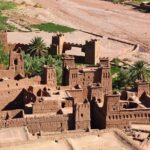
- Ait Ben Haddou (UNESCO) with famous movie sets like Gladiator and The Mummy
- Todra Gorge canyon walk through dramatic walls about 300m high
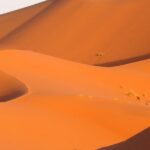
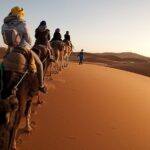
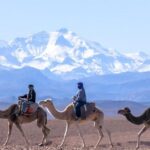
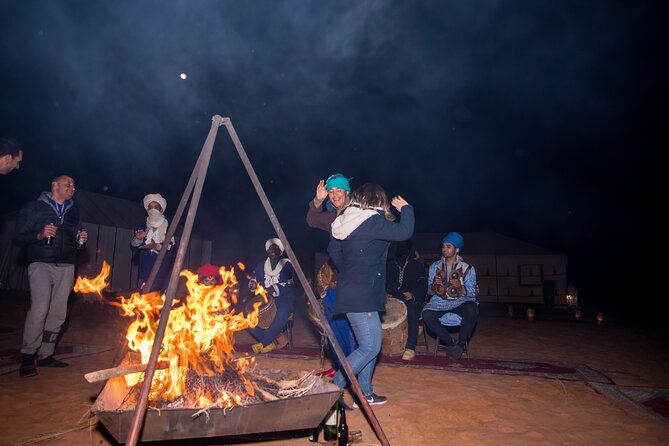
- Camel trek into Erg Chebbi with a camp night that includes tea, fire-side music, and star time
- Sunrise in the dunes and a second camel ride back so you don’t just arrive late and leave early
Marrakech to Ouarzazate: Tizi-n-Tishka and Ait Ben Haddou
Day one is all about distance plus big Morocco drama. You leave Marrakech heading toward Ouarzazate, then climb the Atlas Mountains via Tizi-n-Tishka, a pass at about 2,260m. The road is famous for its twists, and you’ll pass terraced fields, streams, and villages tucked along the slopes.
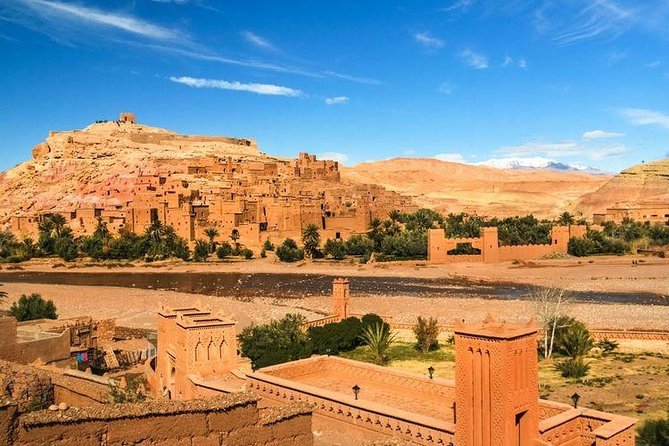
This is also the day you clock a real cultural landmark: Ait Ben Haddou, a UNESCO World Heritage Site. It’s the kind of place filmmakers love because the kasbah-style architecture looks timeless and dramatic. The tour notes it has been used as a filming location for movies like Lawrence of Arabia, Gladiator, and The Mummy—a helpful detail when you’re walking around and trying to place what you’re seeing.
Practical note: the tour listing says a local guide in Ait Ben Haddou isn’t included. That doesn’t mean you won’t understand what you’re seeing, but it does mean you should rely on your driver’s explanations or consider getting context on-site if you’re the type who likes to know why every corner matters.
One more winter reality check: if you travel in cooler months, the pass can see snow. You can’t control that, but knowing it helps you stay flexible and plan for slower roads when conditions change.
A few more Marrakech tours and experiences worth a look
Todra Gorge and the switch from mountains to desert on Day 2
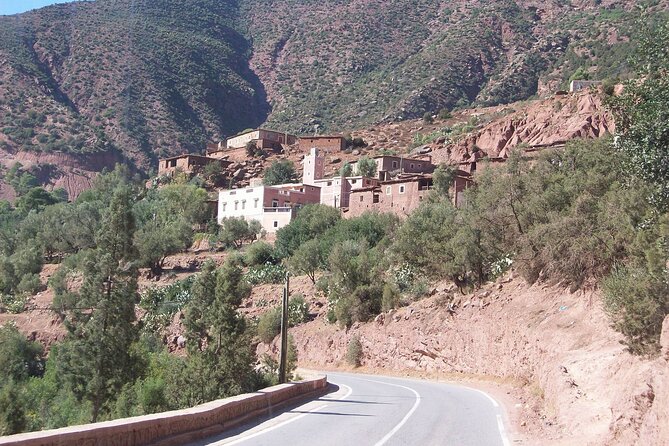
After breakfast, you head toward the Todra Gorges area. The walk is built around a canyon section with canyon walls about 300m, starting roughly 14 kilometers inside the mountains from Tenghir. Even if you’re not a big “hiking” person, this is the kind of short walk that feels like a movie set—tight rock, echoing air, and a sudden change in temperature as the gorge holds the shade.
From there, the day slowly trades green and stone for dry beauty. You follow the route further toward the southern oases and then onward into Sahara country, with the final destination being Merzouga. It’s a long travel day, and it helps to remember you’re moving through several ecosystems in one sweep.
By the time you arrive in Merzouga, the tour switches gears from road travel to slow travel. That’s when the camel ride takes over—one of the main reasons to do this exact kind of trip instead of just driving to a dune viewpoint.
Erg Chebbi camel ride, tea at camp, and the night sky routine
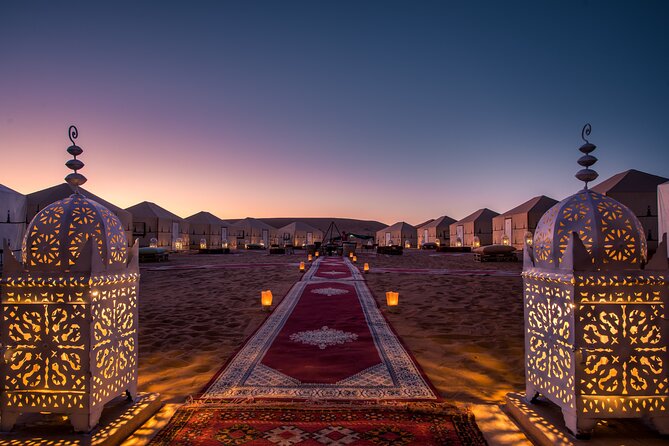
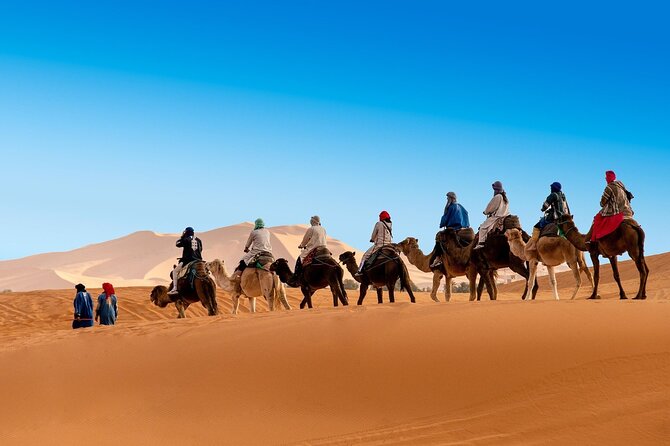
Camel time is scheduled both directions, which matters because it changes the pace of the experience. In the afternoon-to-dusk window, you ride camels out over the dunes into the desert camp near Erg Chebbi. The plan includes occasional stops on the way (often halfway) for sunset views, so it’s not just a one-shot ride and done.
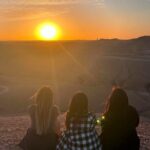
When you get to camp, you’re greeted with tea and shown your tents, then you get time to unwind. One of the best parts of this setup is the unscripted gap: you can walk around, take photos, or just watch how the dunes change color as evening settles.
After dinner, there’s a musician soiree by the fire. Then you can head up onto the dunes to see the starry sky—plus the plan specifically mentions shooting stars. If you’ve only ever seen stars on city trips, this is the moment that usually resets your sense of scale.
Comfort reality check: desert nights can be cold, and at least one camp setup reportedly has no heater. That means you should pack layers you’re willing to wear for real, not just “photos in decent weather” layers. Even if the day is warm, your body will notice the drop after dark.
Also, don’t assume the camp meal will blow your mind. One review excerpt flagged that camp food wasn’t amazing, though you’re really there for the desert night, not fine dining.
Day 3 sunrise, Rissani oasis stop, and the long road back to Marrakech
Morning starts with sunrise in the dunes. That’s not a luxury add-on here—it’s part of the rhythm. You have breakfast, then you ride the camels back, returning to the vehicle for the drive toward Rissani.
Rissani is tied to an older name: Sijilmasa. The tour frames it as the largest oasis in the country, with adobe kasbahs and palm groves. This is a nice change of pace from the desert silence: you get a human-sized stop with everyday textures that feel older than the roads.
After Rissani, there’s a detour—about 150 kilometers—to Tinghir. The route runs across mountains and acacia trees, and you stop for lunch in a village on the way to Ouarzazate. It’s one of those “quiet sightseeing” stretches where your biggest job is keeping your eyes open for small changes in terrain rather than hunting for one main monument.
Then it’s more Atlas driving, and you roll back into Marrakech early evening. The day includes a lot of driving hours, so think of day three as “finish strong.” If you’re prone to motion sickness, it helps to keep water handy and sit where the ride is smoothest.
Comfort, timing, and group size: what sharing the van changes
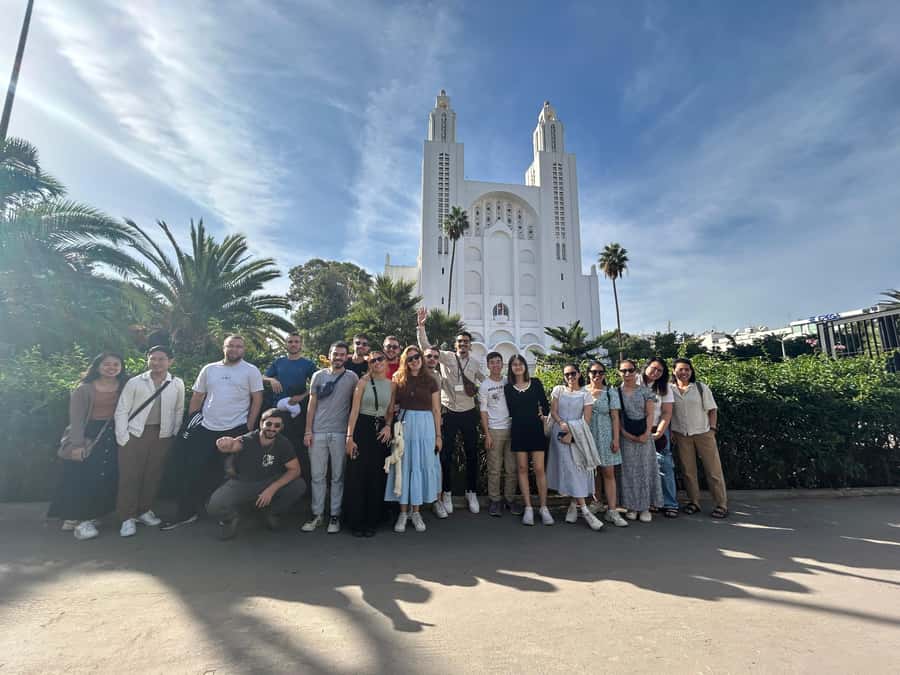
This trip runs in a shared group format with a maximum of 17 people, and that’s a good size. It’s large enough to feel social, but not so big that you lose the rhythm of stops and explanations.
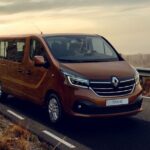
The vehicle is AC and described as comfortable, which matters because the days are long. Day one is around 10 hours of travel, day two around 8, and day three around 11, so you’ll be in transit more than you might expect from a “desert tour.”
I like shared desert trips when the driver is good, and the names in the feedback give you clues about what to look for. Drivers such as Hassan, Mustapha, Karim, Ghassan, Rashid, and Muhammed are mentioned in connection with punctuality, friendliness, and explanations during the route. You can’t guarantee any one person, but the pattern is clear: this kind of trip lives or dies by the guide’s ability to manage time and energy.
One small but real tip from the experience: if you’re the music-in-the-car type, bring a dongle (some people use it to play audio from a phone). It’s not required, but it can make the long stretches feel easier.
Price and value: what’s included vs what you’ll likely pay later
At $173.79 per person, you’re not just paying for a camel ride. The core inclusions are strong for a 3-day route:
- Two nights lodging (one night in Dades Valley hotel with dinner + breakfast, and one night in a Merzouga desert camp with dinner + breakfast)
- Camel rides to and from the desert camp
- Breakfast (2) and dinner (2)
- AC vehicle transport, plus fuel and tolls
What’s not included is where you should expect small add-ons:
- Lunches and drinks aren’t included
- Entrance fees aren’t listed as included in the general terms
- A local guide in Ait Ben Haddou isn’t included
There’s one potential inconsistency to watch: the plan notes an admission ticket free for Ait Ben Haddou. Since entrance fees are still listed as not included overall, I’d plan as if you may pay something related to admissions beyond what’s specified. It’s the kind of surprise that’s easy to avoid with a little buffer cash.
Value-wise, this pricing makes sense if you’d otherwise pay separately for: long transport from Marrakech, a legitimate desert camp night, and camel logistics. It’s a package trip built around not having to stitch the itinerary together yourself.
Food and the desert-cold factor you should not ignore
Meal expectations are part of the desert deal. Dinner and breakfast are included twice—once in the Dades Valley and once at the desert camp. That removes one major expense and keeps your day from stalling while you figure out where to eat.
In the desert camp, the dinner is more about tradition and timing than culinary fireworks. One excerpt notes the camp food wasn’t amazing, and that’s consistent with how many desert camps operate: simple, filling meals, eaten under a schedule built around night sky, fire time, and sleep.
The bigger issue is sleep comfort. The camp setup reportedly may not have heating, and since desert temperatures can drop fast, bring layers you can actually sleep in. If you run cold, pack like the forecast is lying to you.
If you want to enjoy the night fully, arrive thinking: star photos, short walks, then bed. Don’t plan on long late-night lounging in thin clothes.
Who should book this Morocco desert trip from Marrakech
I’d point you toward this tour if you want a classic Morocco route without the hassle of self-driving. It’s a good fit for people who like road-trip scenery, short guided moments, and then a full-on desert night with camels.
It also works well if you’re traveling as a couple or solo traveler who still wants structure. The group size cap and the included meals make it easier to relax and let the route happen.
You might choose a different style if you hate long car days. This trip is heavy on driving hours, and even with AC, your body will feel it. It’s also less ideal if you want lots of free time sitting around a city—this one is built for movement, stops, and the dune night.
Should you book this 3-day Marrakech to Merzouga desert trip?
Yes, if you want a straightforward package that hits the big names: Ait Ben Haddou, Todra Gorge, and the Erg Chebbi camel camp night. The price includes two nights, two dinners, two breakfasts, and camel transport, so you’re buying the logistics that make desert trips stressful when you plan them alone.
Hold off (or at least pack extra carefully) if you’re sensitive to cold nights or you need a very low-drive schedule. Plan for long days in the van and for desert temperature drops.
One final decision shortcut: if you’d be happy with simple camp comfort in exchange for a memorable dune night and sunrise, you’re the target audience for this one.
FAQ
What time does the tour start in Marrakech?
Pickup starts at 7:30am from Hôtel Restaurant Café de France in Jemaa el-Fna (Rue des Banques).
How long is the trip and how many nights are included?
The tour runs about 3 days and includes two nights of lodging: one in a hotel in the Dades Valley and one in a desert camp near Merzouga.
What’s included in the price?
Transportation in an AC vehicle is included, along with fuel and tolls. Two dinners and two breakfasts are included, plus camel rides to and from the desert camp and the two nights of accommodation.
Are lunch and drinks included?
No. Lunches and drinks are not included.
Is a local guide included for Ait Ben Haddou?
No local guide in Ait Ben Haddou is listed as included.
Does the tour require good weather?
Yes. The experience requires good weather, and if it’s canceled due to poor weather you’ll be offered a different date or a full refund.
Can I cancel for a full refund?
You can cancel for a full refund if you cancel at least 24 hours before the experience’s start time. If you cancel less than 24 hours before, the amount paid isn’t refunded.