REVIEW · MARRAKESH
From Agadir: 3-Day Desert Tour to Marrakech
Book on GetYourGuide →Operated by MOROCCO TRIP · Bookable on GetYourGuide
Three days can feel like one long breath. You start in Agadir and end in Marrakech with UNESCO walls, Atlas passes, and real Sahara nights.
I especially love the mix of iconic stops and everyday Berber life. The route through Ait Ben Haddou (a famous film site) plus the date palm country around the valleys makes the trip feel more than just a checklist.
One drawback to plan for: you’ll spend a lot of time in the vehicle, and lunches aren’t included, so extra cash helps.
In This Review
- Key highlights you’ll feel right away
- From Agadir pickup to Ait Ben Haddou UNESCO: the day starts strong
- Tinghir, the Rose Valley route, and why the first night matters
- Todra Gorge and Merzouga: the canyon day that turns the volume up
- Camel ride, sandboarding, and Berber music under the stars
- The return: sunrise over the dunes and the long drive back to Marrakech
- Price and value: what $172 covers (and what you’ll pay extra for)
- How to make the long drives feel easier (without losing the magic)
- Who should book this Agadir to Marrakech desert tour?
- Should you book it?
- FAQ
- How long is the tour?
- What’s included in the price?
- Does the tour include lunch?
- Where does the tour pick you up in Agadir?
- What desert experience do I get at Merzouga?
- What kind of accommodation is provided?
- When does the tour start on Day 1?
- What languages is the live guide available in?
- What should I bring for the trip?
Key highlights you’ll feel right away
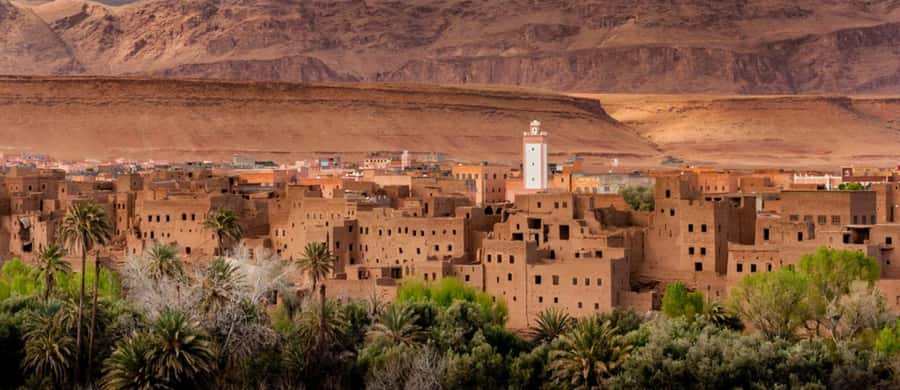
- Ait Ben Haddou UNESCO + film-location town on Day 1, with time to walk and look around
- Draa Valley date palms and the “Road of a Thousand Kasbahs” vibe as you travel
- Todra Gorge cliffs rising over Berber communities and palm groves
- Erg Chebbi dunes at Merzouga: camel ride, sandboarding, sunset, and stargazing
- Sunrise over the dunes on the final morning, before the long drive back
- Two kinds of comfort: a hotel night plus a private-tent desert camp (shared baths unless you pick luxury)
From Agadir pickup to Ait Ben Haddou UNESCO: the day starts strong
The best thing about this tour is the pace of Day 1. You get going early (pickup around 7:00 AM) and you don’t waste the day with only “drive-by” stops.
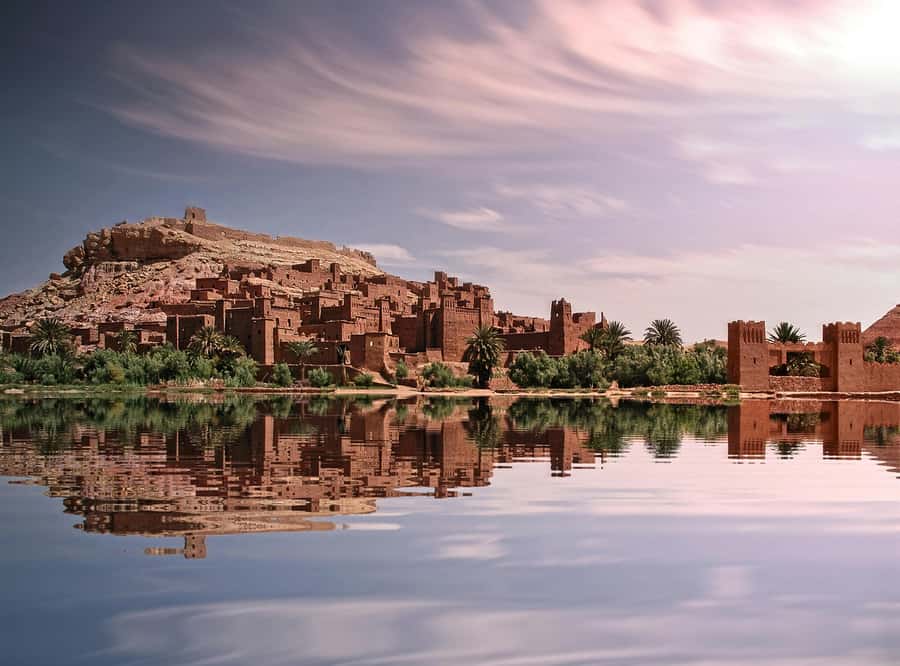
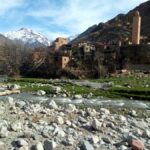
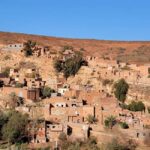
The first big magnet is Ait Ben Haddou. This is a UNESCO World Heritage Site and it’s known as a major film location, so the place already has a cinematic feel even before you know where the camera crews stood. You’ll have lunch and time to explore, which is important here. If you just pass through quickly, the walls and kasbah architecture blur together. With time, you can actually notice the layout—how these towns are built to handle heat, wind, and life at the edge of the desert.
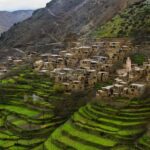
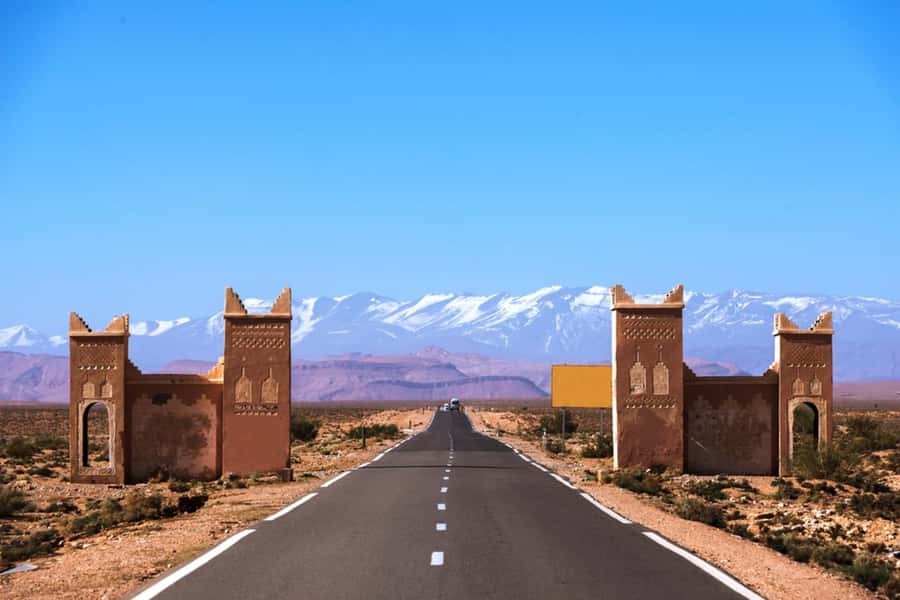
Then the route keeps feeding you visual variety. You move from the Kasbah area into the Rose Valley and Dades Valley corridor, traveling what’s often described as the Road of a Thousand Kasbahs. The drive doesn’t feel like one straight line. You’ll stop, look, and connect the scenery to how people live along the valleys. One reviewer noted the stops helped the long drive feel lighter—more chances to stretch and absorb.
A practical note: because this is a road trip, you should bring patience for the hours behind the wheel. The trade-off is you’re covering ground fast without having to coordinate transport yourself.
A few more Marrakesh tours and experiences worth a look

Tinghir, the Rose Valley route, and why the first night matters
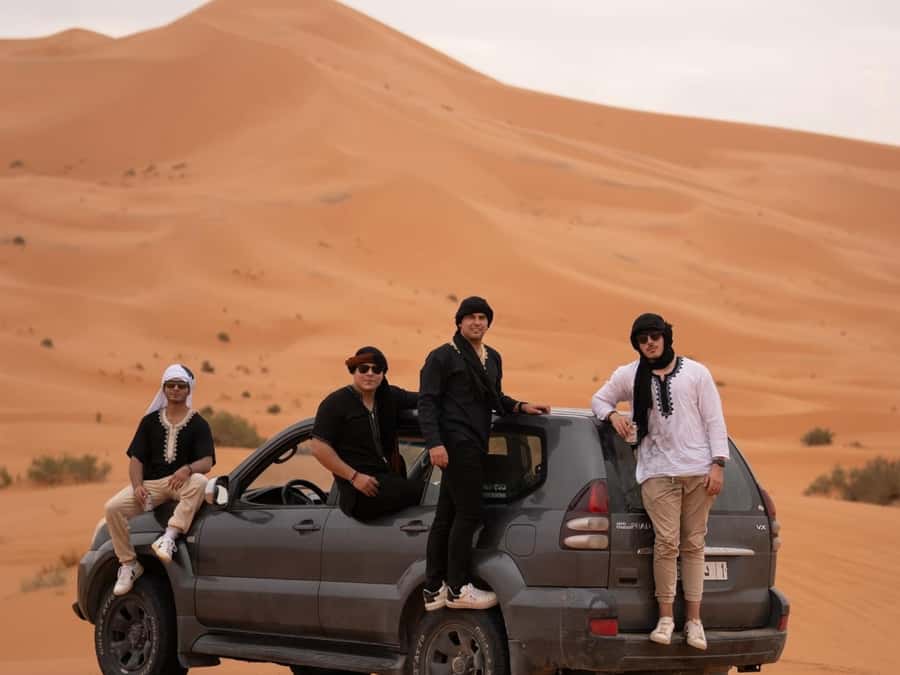
Your first night is in the Tinghir area (often a hotel/riad). Tinghir is a smart choice for this itinerary because it positions you for the next day’s jump into stronger canyon scenery.
What makes Day 1 memorable isn’t only the destination—it’s the “in-between.” The itinerary flows through the Rose Valley and Dades Valley approach. In real terms, that means you’ll see the valley approach changing as the climate shifts. Even without fancy explanations, it’s obvious: palm and greenery appear where water exists, while nearby areas feel drier and more rugged.
Also, the overnight stay is part of the comfort plan. You’re not expected to go from a morning pickup straight into desert sleeping. You get a normal bed and a reset, which helps a lot when Day 2 is the physical highlight—camel time, walking around the desert camp area, and sandboarding.
Accommodation can vary by situation. One booking reported that the first-night hotel changed to Kalaa M’gouna instead of Tinghir, and the quality was described as a bit below expectation compared to other parts of the trip. So if you care a lot about the first-night hotel, keep your expectations flexible and focus on the desert camp as the main prize.
Todra Gorge and Merzouga: the canyon day that turns the volume up
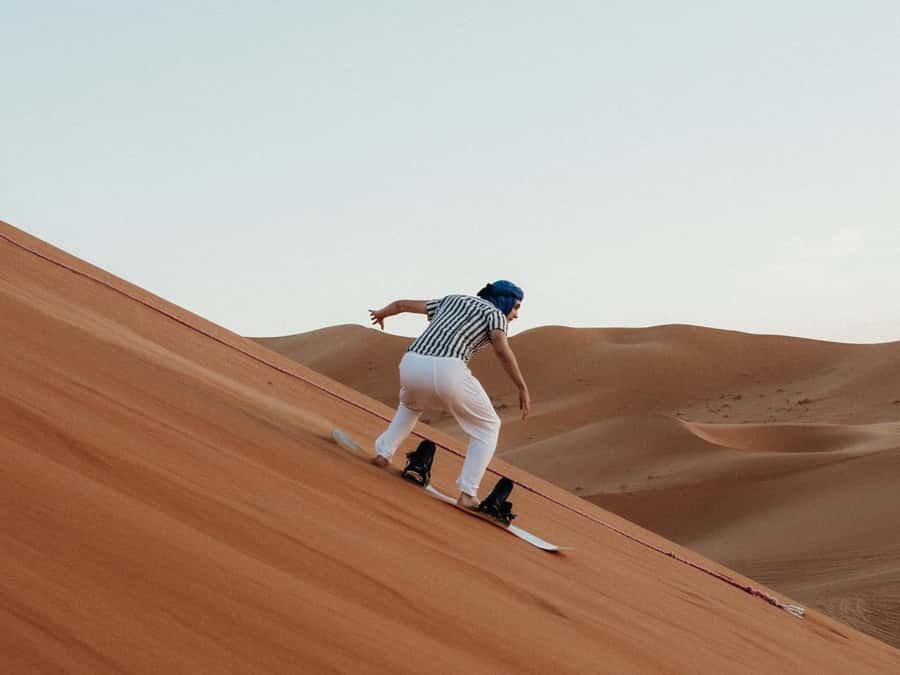
Day 2 is where the trip changes gear. After breakfast, you head toward Merzouga, and you pass through the Todra Valley with Berber communities and palm groves. This is one of those sections that feels like a “real Morocco” bridge between the valley towns and the Sahara’s massive sand world.
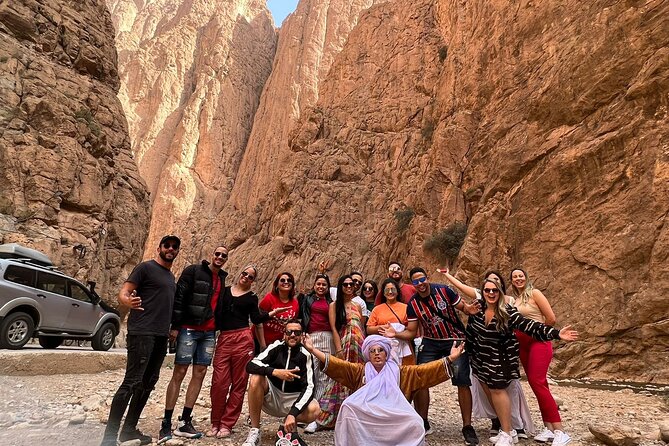
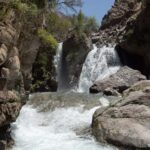
Then comes Todra Gorge. The big deal here is simple: the cliffs are tall, and the canyon shape makes everything feel dramatic. You’ll have time to explore in and around the gorge, not just stare from a bus window. If you like walking a bit and noticing how people set up homes and shops around the canyon walls, you’ll get a lot out of this stop.
As you keep moving, the route takes you through small towns and villages like Tinjdad, Melaab, and Erfoud. These names matter because they mark the rhythm of the day: travel, stop, look, meet the human scale of the road.
Then you reach Erg Chebbi dunes. This is the “okay, we’re really here now” moment. Until this point, the desert is hinted at by the valleys and kasbahs. At Erg Chebbi, the dunes take over the horizon.
Camel ride, sandboarding, and Berber music under the stars
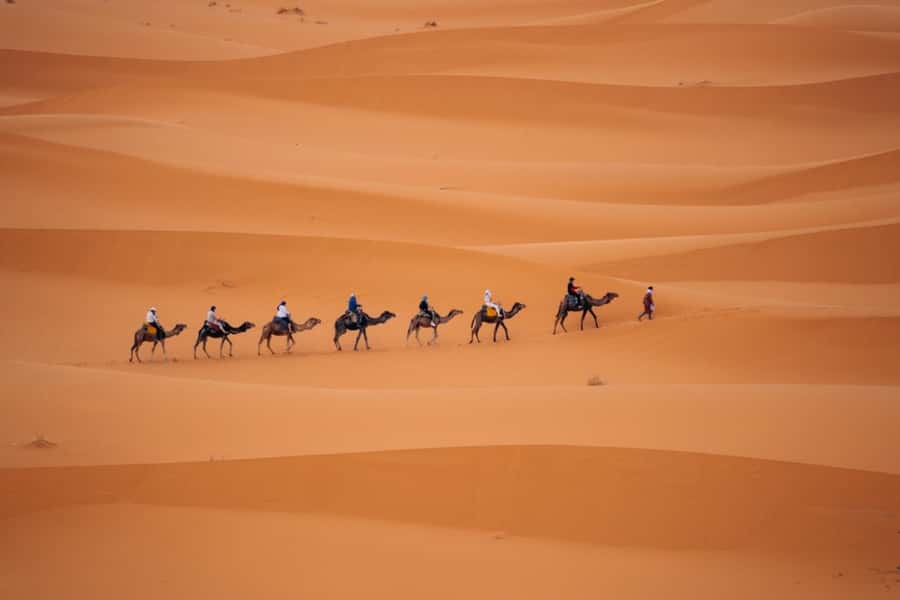
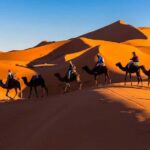
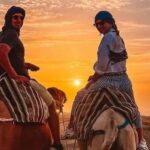
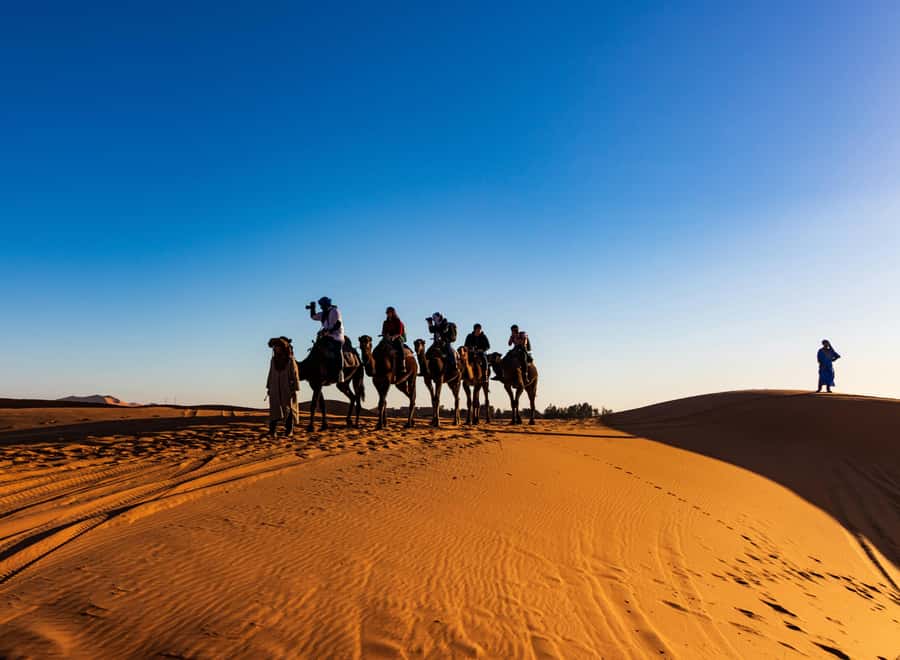
The tour’s core experience is the transition from cars to camels to stargazing. At Erg Chebbi, you’ll do a camel ride to the desert camp. Plan for the usual reality check: camel rides aren’t a theme-park ride. They’re slower and you’ll sit differently than on a beach chair. That’s part of the charm.
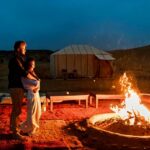
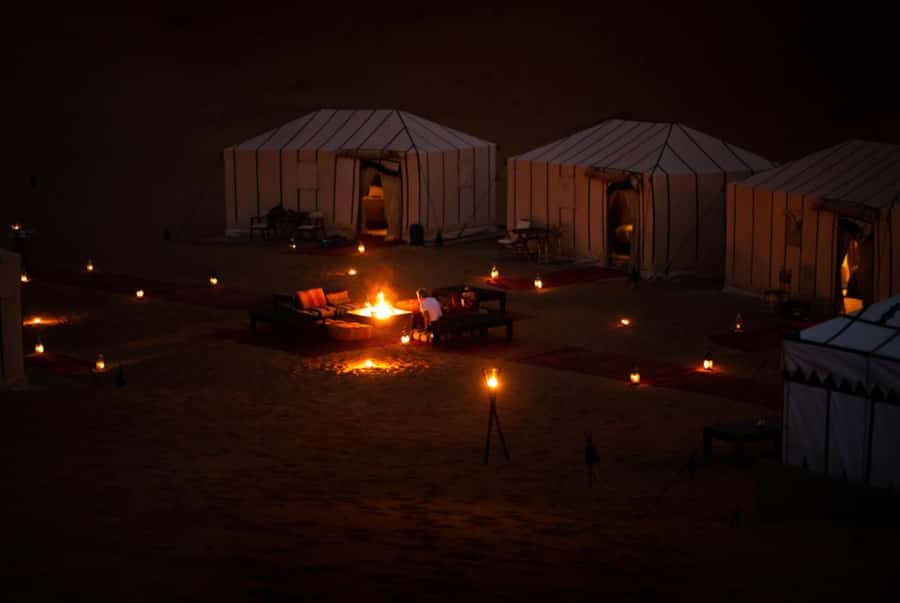
Once you arrive, the schedule is built for mood. You get sunset, then traditional Berber music around the campfire, plus dinner and the long night sky. This is where the trip earns its nickname: it’s not just a desert visit—it’s a desert night with a story.
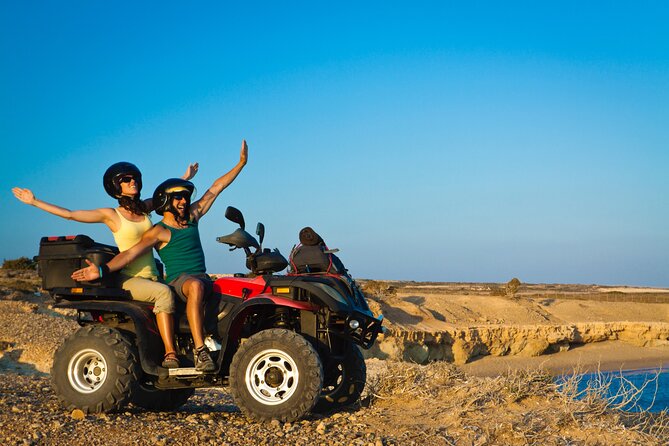
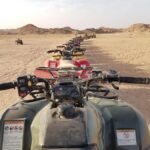
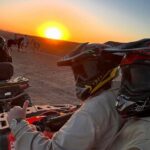
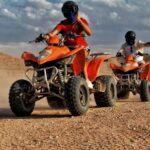
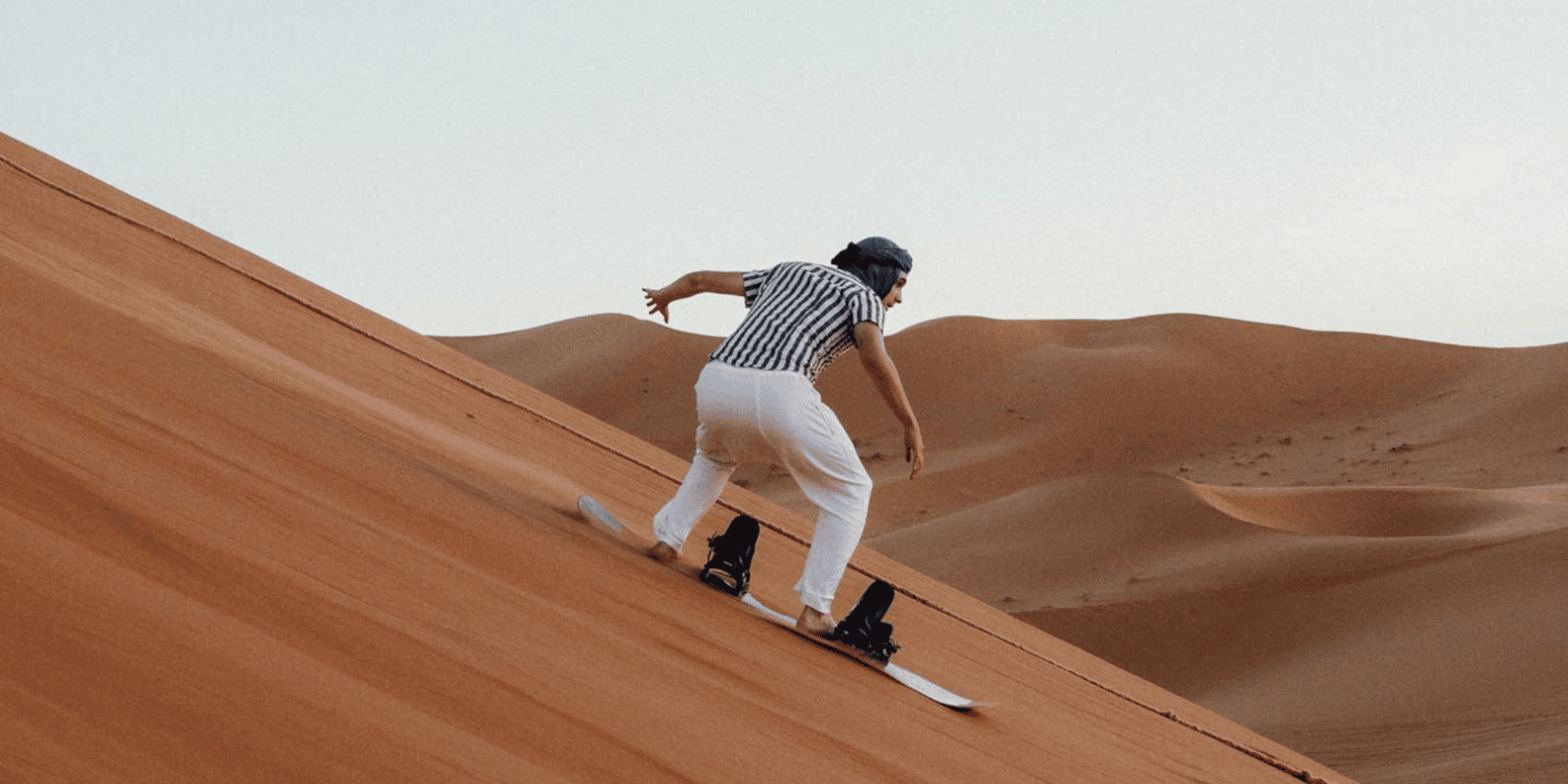
Sandboarding is included, which is a big plus if you’re the active type. One reviewer mentioned quad as an extra option worth considering, but that’s not part of the listed inclusions—so think of it as a possible add-on you’d negotiate locally if you want more thrill.
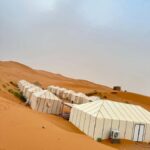
Comfort in the camp is the part that can vary most. The standard option is a private tent, usually with shared bathrooms and, in at least one account, warm water and showers were available. If you choose the luxury option, you may get a higher level of comfort (one person described AC and a private bath). Either way, this is a night you’ll likely remember more for the sky than for the plumbing.
And please pack for temperature. “Warm clothing” isn’t a suggestion here—it’s necessary because desert nights can cool fast. A hat and sunscreen also make sense because the sun in the dunes can be relentless.
The return: sunrise over the dunes and the long drive back to Marrakech
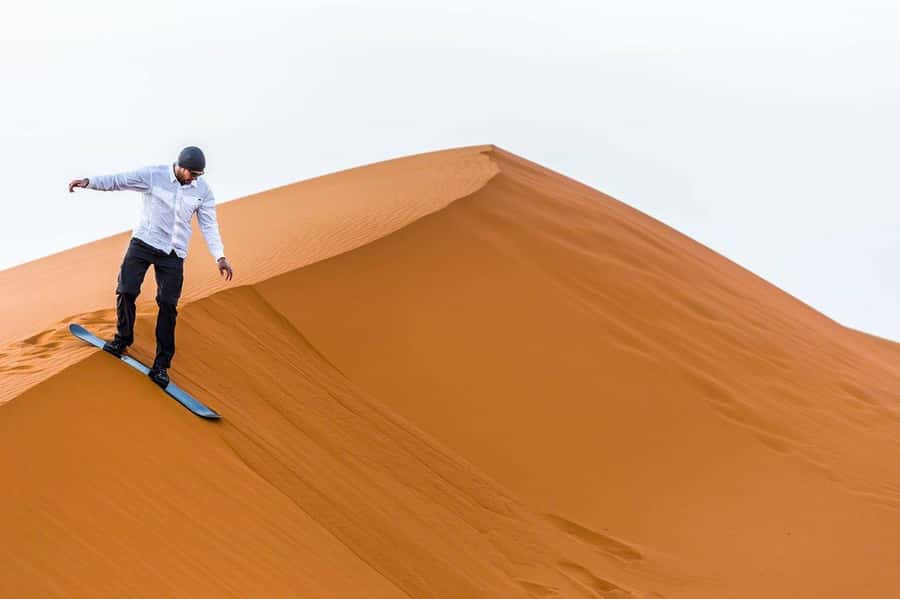
The next morning starts early for a reason: you’ll watch sunrise over the dunes. That timing is a gift. Sunrise has fewer crowds and better lighting, and it’s when the sand looks most alive—golden rather than harsh white.
After sunrise and breakfast, you head back toward Merzouga, then continue the drive to Marrakech through Rissani, Alnif, Tazarine, and N’kob. This is the part where you should just settle in for the road. The day includes scenic drives through the Draa Valley, with historic kasbahs and Berber villages, which keeps it interesting even when you’re driving for long stretches.
You’ll stop for lunch in Ouarzazate. Lunch is not included, so expect to pay at restaurants along the planned stops. Based on real experiences shared during similar itineraries, lunch costs can add up; one traveler said lunches were around 120–130 dirham at planned stops. My advice: carry some extra cash and small bills so you’re not hunting ATMs mid-day.
Then you cross the High Atlas Mountains. This is often the “last wow” of the trip. The mountain driving adds change in air and elevation, so the day feels like it keeps shifting rather than repeating itself. Evening arrival in Marrakech is the finish line, with drop-off at your accommodation.

Price and value: what $172 covers (and what you’ll pay extra for)
At $172 per person for 3 days, this is priced like a budget-to-midrange guided package. The value is strongest when you compare what’s bundled versus what you’d have to arrange alone.
Here’s what’s clearly included:
- Hotel pickup in Agadir and air-conditioned transport
- English-speaking driver/guide (and also listed as available in French, Arabic, Spanish)
- 2 breakfasts and 2 dinners
- Camel excursion to the Merzouga camp
- Sandboarding
- Luggage service
- Berber drumming/music experience
- Hotel night plus a private tent in the desert camp
- Marrakech drop-off
What you’ll likely pay extra for:
- Lunches (not included)
- Drinks (not included)
A balanced way to think about it: you’re paying for a driver, the long-distance logistics, and the desert camp experience with activities. If you wanted to do the same trip independently, you’d spend time and money on transport, guide help in key stops, and coordinating camel-and-camp logistics.
The best “value signal” is how many people describe the organization and smoothness. Multiple guide/driver names pop up in accounts—people like Youssef Ali, Abderrahman, Ali, Hanan, and Adil are mentioned as friendly, safe, and helpful. That kind of service matters on a road trip that runs most of the day in a van.
How to make the long drives feel easier (without losing the magic)
You can’t escape the distance. Morocco makes you drive. The tour’s trick is that it doesn’t leave you in one long, silent tunnel.
Expect frequent sightseeing stops and breaks along the way. Even when it feels like you’re traveling nonstop, the agenda includes walking windows—Ait Ben Haddou, Todra Gorge, and the camp activities. Those breaks are what keep the trip from feeling like pure transport.
A few personal-style tips based on the reality of the schedule:
- Bring comfortable shoes for canyon walks and Kasbah exploring.
- Pack warm clothing even in warmer months for the night in the desert camp.
- Carry water. It sounds basic, but the day includes long stretches.
- If you’re sensitive to motion, this isn’t described as ideal for people prone to seasickness. You’ll be in vehicle for hours.
- Don’t rely on buying snacks everywhere. One account noted there wasn’t an early chance for breakfast or supermarket before the first long driving block—so if you need food-on-the-go, think ahead.
Also, don’t underestimate the “small comfort” items. Reviews mention things like towels at the camp and the general handling of the day. That’s not luxury by itself, but on a multi-hour trip it makes the difference between tired and okay.
Who should book this Agadir to Marrakech desert tour?
This tour is a strong fit if you want:
- A guided introduction to Morocco’s big variety: Kasbahs, valleys, canyon walls, and Erg Chebbi dunes
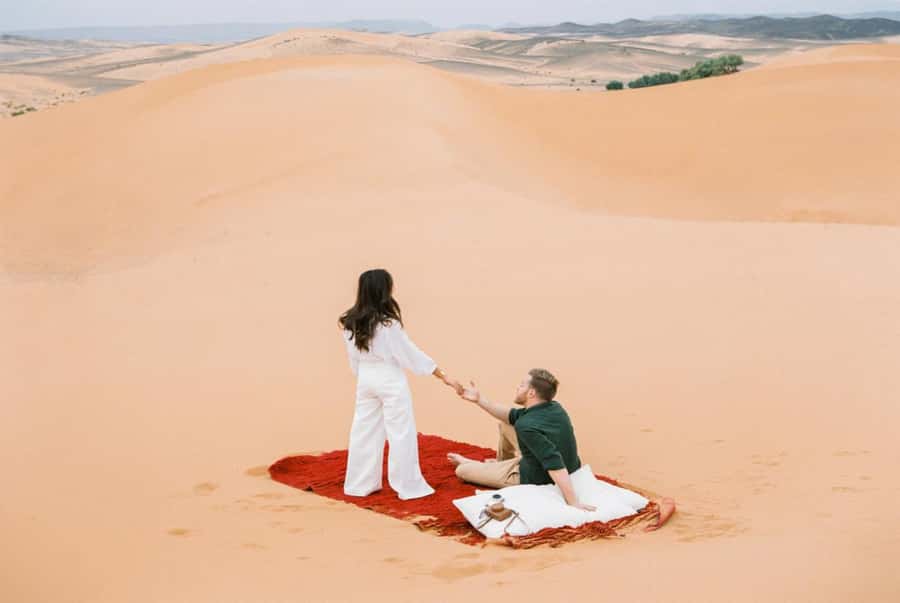
- A true desert night with camel ride, sandboarding, and evening music
- A single booking that solves the long-distance coordination from Agadir to Marrakech
It’s less ideal if:
- You have back problems (listed as not suitable)
- You’re prone to seasickness (listed as not suitable)
- You want lots of free time with no structure. The schedule is efficient, and some people prefer slower days and more downtime.
Solo travelers often do well because the group is structured and you’re not doing logistics alone. One person even called out a small group size (around 8 people) while another mentioned around 15, so group size can change. Either way, you’ll be with the same people through the long drive segments.
Should you book it?
Yes, if you want the classic Agadir-to-Marrakech desert highlights without micromanaging transport. This is the kind of trip where the cost makes sense because the big pieces—driver, desert camp night, camel ride, and sandboarding—are bundled.
I’d book it if you’re comfortable with long drives and you’re excited about timing (sunset and sunrise are part of the magic). If you’re picky about hotel standards on the first night, keep expectations flexible; the desert camp is the star of the show.
FAQ
How long is the tour?
It runs for 3 days.
What’s included in the price?
The tour includes hotel pickup in Agadir, air-conditioned transportation, an English-speaking driver/guide, 2 breakfasts and 2 dinners, camel excursion to the Merzouga camp, sandboarding, luggage service, Berber drumming and music experience, hotel accommodations, and desert-camp accommodations, plus drop-off in Marrakech.
Does the tour include lunch?
No. Lunches are not included, and you’ll need to pay for them during planned stops.
Where does the tour pick you up in Agadir?
Pickup is included, but it may not be available if your accommodation is more than 7 km (4 miles) from Agadir city center. If you’re staying in a riad in the Medina, pickup may be from the nearest car-accessible location.
What desert experience do I get at Merzouga?
You’ll ride camels into the desert to the camp at Merzouga/Erg Chebbi, watch sunset, and enjoy an evening with traditional Berber music. Sandboarding is included as well.
What kind of accommodation is provided?
You’ll stay in a hotel/riad on Day 1 and in a private tent at the desert camp. Desert camp bathrooms are shared unless you select the luxury option.
When does the tour start on Day 1?
It starts with pickup in Agadir at 7:00 AM.
What languages is the live guide available in?
The live tour guide is available in English, French, Arabic, and Spanish.
What should I bring for the trip?
Bring comfortable shoes, warm clothing, a hat, a camera, sunscreen, and water.