That first camel-track into the dunes hits fast.
This 3-day Marrakech-to-desert trip is built around smooth round-trip transport and the key desert moment: camel ride sunset plus a night in a tent camp under the stars. The downside to plan for is that it’s a long day of driving on the front and back ends, so you’ll want to be patient (and pack snacks for the gaps).
You’ll also get a real taste of Morocco beyond the sand: kasbah sights, Atlas mountain roads, gorges, and a stop in Rissani tied to fossil finds. Just keep your expectations flexible for timing—especially around meal breaks—because this route is all about moving between big photo stops.
In This Review
- Quick highlights you’ll feel right away
- Marrakech-to-Desert Road Trip: the comfort that makes the schedule work
- High Atlas passes and Dades Valley: why the first night isn’t filler
- Ouarzazate and the Berber arts stop: kasbah time without making it a museum day
- Toudgha Gorges and Rissani: fossil stop energy, plus big-picture variety
- Camel ride to sunset dunes: the part you’ll remember on repeat
- The Berber desert camp night: music, dinner, and sky time
- Sleeping in a desert tent (and why the hotel night matters)
- Back to Marrakech with sunrise and an early evening arrival
- Price and value: $174.29 that you should compare line-by-line
- Who should book this 3-day desert tent trip
- A note on guide style and transport expectations
- Should you book it?
- FAQ
- What’s included in the tour price?
- Are lunches included?
- Where do I meet the group in Marrakech, and when does it start?
- How big is the group?
- Is pickup from my Marrakech hotel included?
- What time will I be back in Marrakech on the last day?
Quick highlights you’ll feel right away
- Air-conditioned vehicle for the long stretches between Marrakech and the desert
- Camel ride to the dunes timed for sunset views
- One night in a hotel on the way, then one night in a desert tent
- Kasbah stops plus a Berber arts/design visit near Ouarzazate
- Toudgha Gorges + Rissani fossil stop for variety beyond dunes
- Small-group size (max 13) that helps the day feel organized
Marrakech-to-Desert Road Trip: the comfort that makes the schedule work
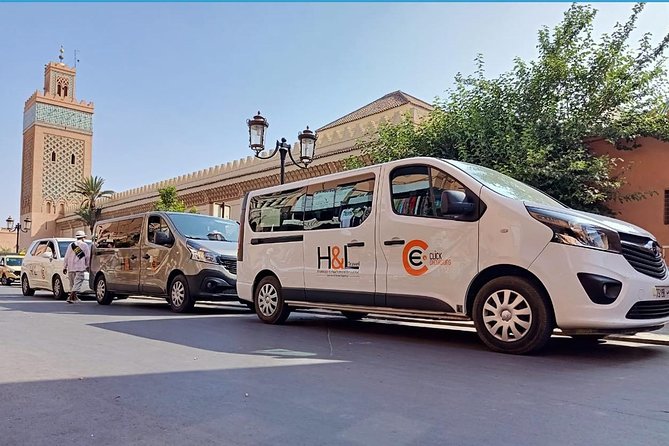
The biggest question with Sahara tours is simple: can you handle the distance without feeling wrecked? This one helps by using an air-conditioned vehicle and keeping the group tight (up to 13 people). That matters, because when the drive is long, comfort and organization stop being luxuries and start being the difference between a good trip and a painful one.
You’ll start from Marrakech at 7:00 am at the Bureau de Change Hotel Ali on Rue Moulay Ismail. From there, the route quickly shifts from city bustle into mountain roads and countryside villages. Expect the rhythm to be drive, stop for photos, drive again. The stops aren’t just window dressing either—you’ll hit a mix of kasbah culture, gorges, and a desert-focused finale.
A few more Marrakech tours and experiences worth a look
High Atlas passes and Dades Valley: why the first night isn’t filler
Day 1 is about crossing the High Atlas via Tizi n’Tichka (around 2,260 m). This kind of pass changes the mood fast. The road climbs, the air feels different, and suddenly the trip stops being just transportation and becomes scenery with purpose.
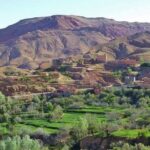
After the pass, you head through Berber villages and along the valley of Roses area. Then the day lands in the Dades Valley region for the first overnight—your dinner included, then sleep at a hotel such as Hotel Le Vieux Chateau or Panorama at Dades Valley (based on availability). This “hotel reset” is one of the smarter choices in a 3-day plan. If you went straight to the desert every night, you’d feel it. With this structure, you arrive in the desert window more ready to enjoy it.
One practical note: day 1 includes time near Gorges du Dades (passed along the way). You’ll get the classic gorge views, but this is still a road day—so don’t plan on long hikes unless you’re naturally the type to wander while everyone else is shuffling along.
Ouarzazate and the Berber arts stop: kasbah time without making it a museum day
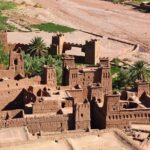
Ouarzazate gets its reputation for a reason. It’s a place where the scenery feels made for film sets, and it’s packed with kasbah-style architecture. Here, you’ll have time to check around kasbahs and get those sweeping fortified-building photos people chase in Morocco.
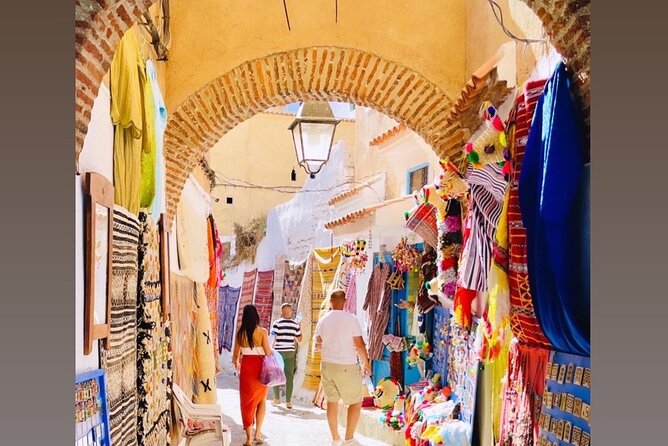
What I like about this schedule is that it doesn’t turn everything into a sightseeing sprint. There’s a stop connected to Berber arts and design, with about one hour to explore, plus additional time built in for lunch around this segment. That gives the trip texture. You’re not only looking at Morocco; you’re seeing how crafts and local design fit into daily life.
A small word of caution: if you dislike shopping stops, this is where you’ll feel it most. The arts/design visit is part of the experience, but like many Morocco road trips, the timing can feel “performance-friendly” for stops. If you’re sensitive to that, keep your own spending rules clear before you arrive.
Toudgha Gorges and Rissani: fossil stop energy, plus big-picture variety
Day 2 starts with breakfast at the hotel, then you’re driving toward Toudgha Gorges. This is one of those places where even a short photo stop feels worth it. You’ll stop for views in the gorge area—ideal for quick pictures, stretching legs, and then moving on without losing the momentum of the day.
Then you head to Rissani, where the focus shifts to fossil finds. The stop is described as a chance to see fossils and traces tied to extinct animals, insects, fossilized fish, and even dinosaur traces. Whether you’re a serious fossil person or just someone who likes weird facts, this is a smart break from the usual “just drive to sand” pattern.
After that, the day narrows toward the desert. That transition matters: you build variety first (mountains, gorges, fossils), and then you finally get the dunes. It makes the desert feel like the payoff, not the only act.
Camel ride to sunset dunes: the part you’ll remember on repeat
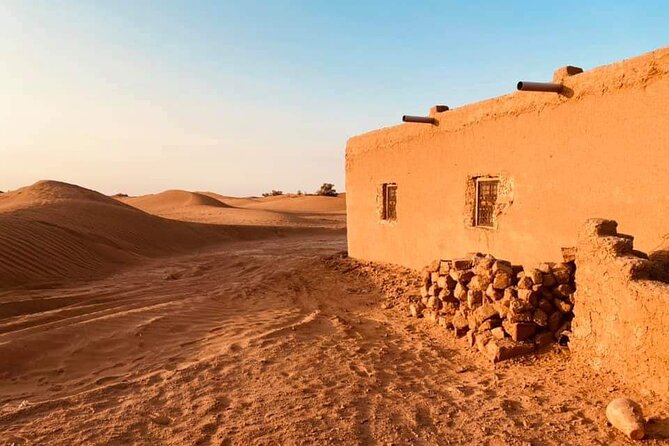
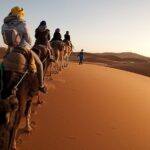
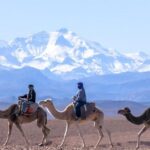
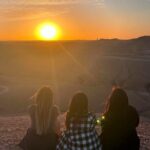
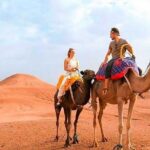
Eventually the camels are waiting. This is the heart of the experience: a camel ride up to the dunes where you’ll watch the sunset. Timing is a big deal here. Sunset is when the dunes turn into that wide, soft, cinematic shape people photograph from every angle.
I like that the camp plan is built around the same moment. You ride in, watch the light shift, then you settle down in the desert tent camp. That order keeps things smooth and avoids the chaotic feeling some tours get when people are late, scattered, or unsure what comes next.
Be ready for a bit of movement. One piece of feedback highlighted that there’s some walking involved. It’s not technical, but you should wear comfortable footwear and accept that “short strolls” add up across 3 days.

The Berber desert camp night: music, dinner, and sky time
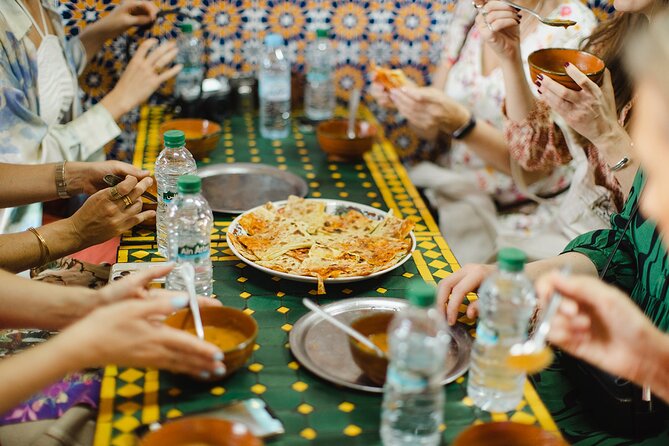
Once you reach camp, the experience leans into Moroccan hospitality. Dinner is included, and the night includes music and dancing. It’s the sort of evening that helps groups gel quickly—people end up talking because you’re all sitting under the sky at the same time.
The best part is the star viewing. After dinner and the fun, you’re set up for panoramic views of the stars. Even if you don’t normally obsess over night skies, the setting makes it feel special. Desert darkness has a way of clearing your head.
There’s also a practical comfort angle here. One review noted that internet connection works good, which is rare on these routes. If you care about messages and maps for the return journey, that’s a helpful detail.
Sleeping in a desert tent (and why the hotel night matters)
You’ll sleep in a tent inside the desert, after dinner. That’s the core “Merzouga-style” fantasy most people come for—out in the dunes, not stuck in a bus for one more hour.
But the real win in this plan is the balance. You also get one hotel night on the first day in the Dades Valley region. That means you don’t have to start the desert portion completely run-down. Your body gets a chance to recover, and the desert night feels like an experience rather than a penalty.
One small realism check: “lux tent” can mean different things depending on the camp. Based strictly on what’s provided, the inclusion is a desert tent night, not specific amenities like private bathrooms or fancy fixtures. If “lux” is important to you, ask what’s inside the tent before you book, so you don’t picture something the camp may not offer.
Back to Marrakech with sunrise and an early evening arrival
Day 3 begins with breakfast at the camp, then there’s time for a sunrise view before heading back toward Marrakech. The description mentions sunrise viewing from an area referenced as Algerian brothers, which is basically a local viewpoint idea—so don’t expect a formal viewing platform, just a scenic morning moment.
Then the drive back starts. The schedule includes breaks for stretching and lunch time, and you’ll arrive back in Marrakech at about 6:30 pm. You’ll end at the same meeting point in Marrakech where you started.
That early evening arrival is a practical advantage. You still have time to shower, eat something you pick yourself, and sleep like a normal human instead of feeling trapped in transit until late night.
Price and value: $174.29 that you should compare line-by-line
At $174.29 per person for a 3-day, small-group desert trip, the key value question is: what does that price replace for you?
Here’s what’s included:
- Air-conditioned vehicle
- Hotel accommodation for the first night (in Dades)
- Desert tent night
- Camel ride to the dunes and back
- Dinner (2) and breakfast (2)
Lunch is not included, so you’ll budget for at least one paid meal during the driving days. Still, the included meals reduce the daily “where do we eat now?” stress, and the two accommodations (hotel + desert tent) are usually the biggest cost drivers if you try to DIY.
If you compare just the transport and overnight needs, this price can be fair—especially with a max group size of 13 and air-conditioning on the long stretches. If you’re the type who hates planning, this is where a package can save time and decision fatigue.
Who should book this 3-day desert tent trip
This tour fits best if you:
- Want a structured route with major Morocco highlights in just 3 days
- Like the idea of one hotel night plus one desert tent night
- Are excited by the big moment: camel ride sunset and camp dinner with music
- Prefer a small group and a guide who keeps things moving
It may not fit as well if you:
- Want total independence with no enforced timing
- Hate any kind of stop that feels sales-adjacent (arts/design stops can overlap with that vibe)
- Need a fully relaxed pace with no walking at all
A note on guide style and transport expectations
Most feedback in the provided details praises organization and friendliness, including hosts named Yassin/Yasyn/Yassine and a sense of safety. Still, one critical comment raised concerns about guide behavior and transport on a similar-style desert tour experience.
How do you protect yourself from that risk? Ask what you should expect about timing and the purpose of each stop before you commit. Also, pick your priorities: if you mainly care about the dunes and camp, focus your attention there and don’t let every side stop change your mood.
Should you book it?
Yes, I’d consider booking—especially if you want a 3-day Morocco desert experience that’s not only about the dunes. The combination of air-conditioned transport, an actual hotel night, and the desert sequence (camel ride, sunset, camp dinner, stars) is a strong match for first-time Sahara travelers who want value and simplicity.
Book if you can handle a long driving schedule and you’re okay paying for lunch on the route. Skip or ask extra questions if you’re strict about avoiding any shopping-adjacent stops or you want specific “lux” features beyond a tent night.
FAQ
What’s included in the tour price?
The price includes an air-conditioned vehicle, accommodation for the first night in a hotel, a camel ride to the tents in the dunes and back, one night in a desert tent, dinner (2), and breakfast (2).
Are lunches included?
No. Lunches are not included.
Where do I meet the group in Marrakech, and when does it start?
The tour starts at 7:00 am at the Bureau de Change Hotel Ali, Rue Moulay Ismail, Marrakech 40000, Morocco.
How big is the group?
The maximum group size is 13 travelers.
Is pickup from my Marrakech hotel included?
Pickup is offered, and the tour provides round-trip transfers from Marrakech hotels.
What time will I be back in Marrakech on the last day?
You’ll arrive back in Marrakech at around 6:30 pm on day 3, ending at the meeting point.