REVIEW · MARRAKECH
3-Day Sahara Desert Adventure: A Journey Through Morocco’s Dunes
Book on Viator →Operated by Eco Morocco Travel · Bookable on Viator
One long day of mountains turns into a night under desert stars. This 3-day Sahara adventure from Marrakech strings together UNESCO kasbah time, gorge walks, and an overnight camel trek in the Erg Chebbi dunes.
What I really like is the balance of driving and stopping—Tizi n Tichka for mountain views, Aït Benhaddou with a local guide, then Todra Gorge on day two before the desert. You’ll also get meals built in: breakfast and dinner included, so you can focus on the experience instead of hunting food all day.
The main consideration is time and pace. You’re starting early (7:30 am) and spending long stretches in the car across the High Atlas, plus day two includes an extended camel ride—great, but not everyone loves that sitting-in-one-place feeling.
In This Review
- Key things worth knowing before you go
- Marrakech to the High Atlas: your first hit of Morocco’s scale
- Day 1 drawback to plan for
- Aït Benhaddou: UNESCO kasbah time with a real local guide
- Dades Gorges: staying with Berber hospitality instead of a generic stopover
- What you should consider at the end of Day 1
- Todra Gorge and palm groves: a green pause before the dunes
- Practical drawback to know
- Merzouga and Erg Chebbi: camel ride, sunset timing, and camp life
- The value of choosing a camp with included dinner
- Returning to Marrakech: long drives, but the right ending
- Price and value: is $557.50 fair for three days to the dunes?
- Comfort, food, and what to expect at each night
- Who this tour fits best (and who may want a different pace)
- Should you book this 3-day Sahara adventure?
- FAQ
- What time does the tour start in Marrakech?
- Is pickup included, and is this private?
- What is included in the price?
- What meals are included, and what isn’t?
- Do I stay overnight in the desert?
- What desert experience is included besides the overnight camp?
- Can I cancel for a full refund?
Key things worth knowing before you go
- Private tour for your group: more control over your timing and questions to your guide.
- Aït Benhaddou includes a local kasbah guide: you’re not just taking photos from the outside.
- Todra Gorge walk through palm groves: a green break before the Sahara.
- Camel ride is over an hour, toward sunset: the timing matters for the dunes’ mood.
- Two included dinners and two breakfasts: fewer “what do we eat today?” moments.
Marrakech to the High Atlas: your first hit of Morocco’s scale
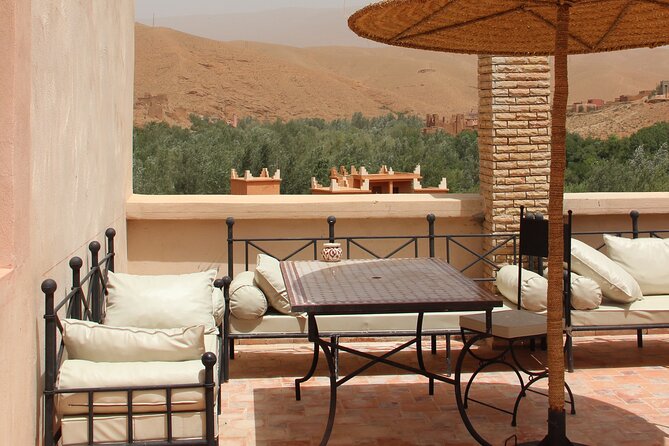
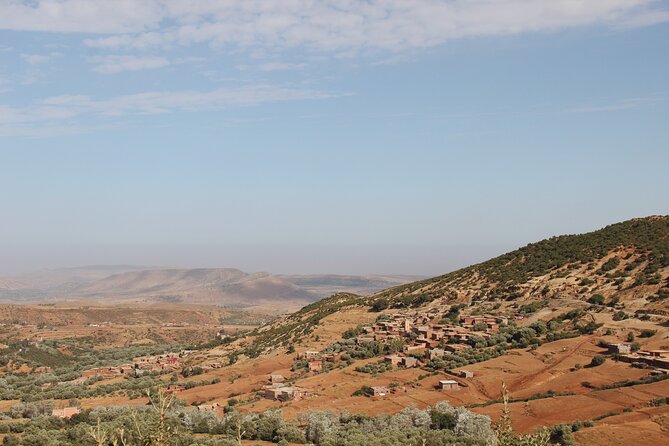
The tour starts in Marrakech at 7:30 am, which is early by normal city standards but smart for mountain driving. The High Atlas Mountains are the big warm-up here. Expect a full day of road time punctuated by stops where the view is the point.
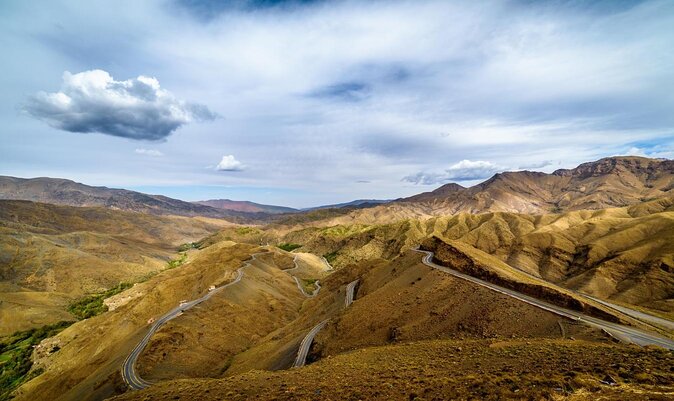
You begin with a stop at Tizi n Tichka, one of those mountain passes where the air feels thinner and the roads feel higher. You get about an hour to take in the panoramic views. This is also where the trip’s tone changes: you’re no longer just visiting places, you’re moving through Morocco’s geography.
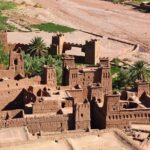
From there, you continue over the High Atlas toward Aït Benhaddou Kasbah. This is a UNESCO World Heritage site and one of Morocco’s most famous fortified kasbahs. On this tour, you don’t just wander solo; a local guide joins you. That guide piece matters, because kasbah walls can look like pretty stone at first. With local context, you start seeing how the place worked—who lived where, why it was fortified, and why it became so cinematic.
A few more Marrakech tours and experiences worth a look
Day 1 drawback to plan for
Day 1 is long—about 12 hours in total—so build your “survive-the-car” strategy. Bring something to keep you comfortable for long drives, and don’t schedule anything demanding the night before your pickup.
Aït Benhaddou: UNESCO kasbah time with a real local guide
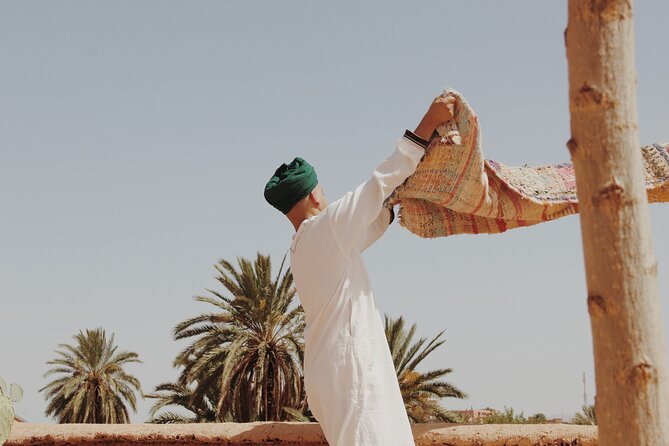
Aït Benhaddou is the kind of place you understand faster when someone explains it. This tour includes about 2 hours inside the kasbah with a local guide, and that’s exactly what you want for a site like this.
One practical plus: the tour gives you options for lunch afterward. You can have lunch at the kasbah area or in Ouarzazate nearby. Because lunches aren’t included in the price, having this built-in decision point saves you time and reduces the stress of finding food on the road.
The road-famous side of Aït Benhaddou is real—you’ll notice why filmmakers and photographers like it. But the stronger value here is the guided visit, not just the scenery. In the reviews, the tour’s guides and drivers come up again and again for being careful and informative, and that lines up with the way this stop is structured.
Dades Gorges: staying with Berber hospitality instead of a generic stopover
By the time you reach Dades Gorges, you’ve already done the big icon stops. This is where the tour shifts into slower, more human-scale moments.
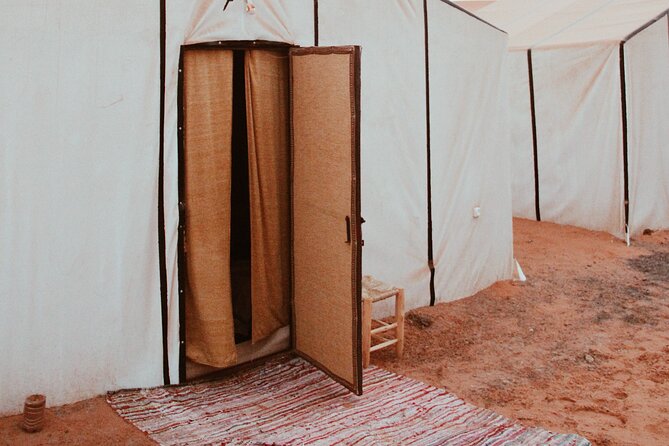
You travel the “Road of a Thousand Kasbahs” and pass through the Valley of Roses, then you spend the night in a traditional guesthouse in the Dades Gorge area. The key detail is that you’re hosted by local Berbers, which changes the feel of the night. Instead of a quick commercial hotel stop, you’re in a setting that’s meant for people living their day-to-day life.
Dinner and breakfast are included, so after a long day of driving and viewing, you can just settle in. Several reviews mention the food being delicious and the hospitality feeling personal. For me, that’s where value shows up in a short tour: you’re not only buying transportation and a bed; you’re buying the evening atmosphere and the people around you.
What you should consider at the end of Day 1
If you’re someone who gets sore easily after long car days, Dades is still your best chance to reset. You’ll likely appreciate the fact that the night is at a guesthouse setup rather than a rushed check-in elsewhere.
Todra Gorge and palm groves: a green pause before the dunes
Day two starts with breakfast included, and then you’re back on the road toward Tinghir, where your guide meets you for the gorge approach.
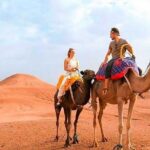
The first highlight on day two is the walk through palm groves. This is a rare moment of “cooler” scenery compared with the mountain pass and kasbah days. It also helps you mentally switch from kasbah architecture to nature scale.
Then you head to Todra Gorges for a walk of about 3 hours. Todra is famous for its dramatic rock walls, and it’s also tied to real living patterns. The tour includes time to see nomad families who still live on mountain tops and come down to collect water.
This is one of those stops where your attitude matters. If you show up just for photos, you’ll still get good photos. If you show up with curiosity, you’ll notice how daily life flows through the same rock walls that attract hikers and rock climbers.
Practical drawback to know
Day two also includes a full day that stretches toward the desert. Even though Todra Gorge is one of the best parts, it still sits inside a bigger day plan. If you’re hoping for a slow afternoon, this tour’s rhythm may feel fast.
Merzouga and Erg Chebbi: camel ride, sunset timing, and camp life
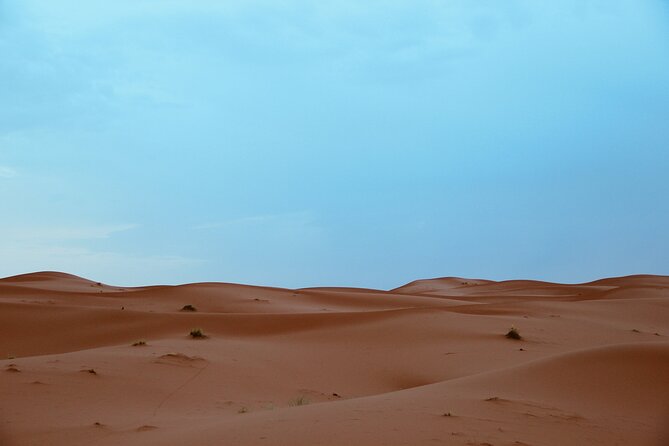
After Todra, you continue toward Merzouga and Erg Chebbi, the big Sahara area. The drive passes through several places along the way—Tinjdad, Jorf, and Erfoud—which helps break up the journey instead of making it one long straight shot.
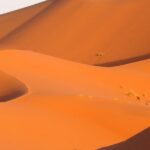
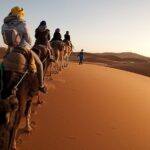
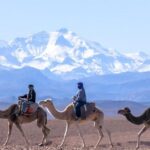
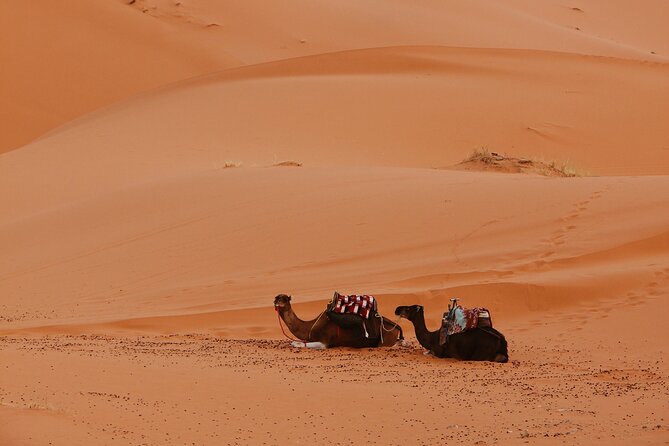
Once you reach Merzouga, the tour includes a camel ride of over an hour through the dunes, specifically timed for sunset. That sunset detail matters. In the desert, the quality of light changes fast, and the dunes look totally different after the sun drops.
Then comes the overnight part: you sleep in a traditional Berber desert camp. You’re under the stars, and the experience includes drums and Berber singing, plus some learning of Berber songs. This is also where the reviews strongly agree on what’s important: the desert isn’t just a view; it’s the people and the music that make the night feel like a memory.
The value of choosing a camp with included dinner
On many Sahara trips, you pay extra for camp activities or you end up piecing together what’s included. Here, dinner is included, which reduces surprise costs and keeps the evening centered on camp life, not logistics.
Returning to Marrakech: long drives, but the right ending
On day three, you make the return journey, traveling back across the Atlas Mountains and arriving in Marrakech by evening.
This is a smart final structure. You’ve already done your desert night, so day three can be more about getting you safely home than packing in one more “must-see” stop.
If you’re planning a longer Morocco trip, I’d treat day three as a travel day, not an “add one more thing” day. You’re likely to feel it after two big days of driving and walking.
Price and value: is $557.50 fair for three days to the dunes?
At $557.50 per person for a 3-day private tour, the key question is what you’re buying beyond the headline “Sahara trip.”
What you get that most helps value:
- Accommodation included (night in Dades guesthouse, night in desert camp)
- Camel riding experience included
- Breakfast and dinner included (2 breakfasts, 2 dinners)
- Pickup offered and a private setup for your group
- Local guiding at Aït Benhaddou, plus a guide meeting you around Tinghir for Todra
What adds cost or choices:
- Lunches aren’t included
- Drinks aren’t included
- Health insurance isn’t included, so you’ll want your own coverage plan
So is it a deal? If you compare it to tours where dinner and accommodations are tacked on later, this one looks more complete. The private part also matters: fewer transfers, more direct attention, and a smoother rhythm when you’re going from Marrakech to kasbahs to gorges to desert.
The price is also easier to justify if you want the “stop and learn” style rather than a rush-through coach tour. The reviews repeatedly point to guides like Dani and Hassan for being friendly, patient, and careful, and that’s the sort of service detail that can make a short trip feel way longer—in a good way.
Comfort, food, and what to expect at each night
You’re not sleeping in the same type of place both nights, and that’s part of the appeal.
- Night 1 (Dades): traditional guesthouse feel in the gorge region, hosted by local Berbers.
- Night 2 (Sahara camp): traditional Berber desert camp under the stars.
Food is included at both dinners and both breakfasts. Several reviews mention clean, nice accommodation and delicious meals, and that’s a big deal in desert travel where choices can be limited.
What’s not covered is just as important: drinks and lunches aren’t included, so plan for those daytime meals and keep cash or card available for lunches when you’re out.
Who this tour fits best (and who may want a different pace)
This tour fits best if you want:
- A private group experience where your guide can answer questions and adjust around your comfort level.
- A route that includes both famous sites and quieter human moments (kasbah guide time, palm groves walk, nomad water-collection context).
- The desert night as a full experience, not just a quick camel photo.
It might feel less ideal if you:
- Hate early starts (7:30 am pickup).
- Want lots of free time or long unplanned stops.
- Are uncomfortable with sitting for long stretches in the car and on the camel ride.
Should you book this 3-day Sahara adventure?
I’d book this tour if you want a focused, well-paced path from Marrakech into the Atlas, then straight into the Sahara, with included accommodations and included meals so the experience stays smooth.
You should book with extra care if you’re very picky about comfort during long road days or if you’re counting every drink and lunch dollar. Since lunches and drinks aren’t included, you’ll want to plan your spending so you’re not deciding on the spot.
One last thing: the desert night here isn’t only about dunes. The included camp atmosphere—drums, singing, and the chance to learn a few songs—is what turns a short trip into something you talk about later.
FAQ
What time does the tour start in Marrakech?
The tour start time is 7:30 am.
Is pickup included, and is this private?
The tour offers pickup, and it’s a private tour/activity where only your group participates.
What is included in the price?
Accommodation is included, as well as the camel riding experience and breakfast and dinner (2 breakfasts and 2 dinners). A mobile ticket is also mentioned.
What meals are included, and what isn’t?
Breakfast and dinner are included. Lunches and drinks are not included.
Do I stay overnight in the desert?
Yes. You spend one night in a traditional Berber desert camp after a camel ride into Erg Chebbi.
What desert experience is included besides the overnight camp?
You get a camel ride through the Merzouga/Erg Chebbi dunes for over an hour, timed to reach sunset.
Can I cancel for a full refund?
Yes. You can cancel up to 24 hours in advance for a full refund, and cancellations made less than 24 hours before start time are not refundable.