REVIEW · MARRAKECH
3-Day Private Tour in the Moroccan Desert
Book on Viator →Operated by Experience Amazing Morocco · Bookable on Viator
Atlas pass mornings and desert-star nights. This 3-day private trip from Marrakech to Merzouga strings together the High Atlas pass views, a UNESCO kasbah stop, and an included camel ride to Erg Chebbi dunes, with pickup from Jemaa el-Fnaa and a comfortable overnight setup. Private transport does a lot of the heavy lifting here, so you spend your energy looking out the window instead of figuring out routes.
What I really like is the human side of the trip. An experienced guide/driver (Amine is repeatedly mentioned) stays flexible, explains what you’re seeing, and keeps things moving smoothly through long driving days. I also like the way the route is built around real places, not just drive-bys: Ait Benhaddou, Taourirt kasbah in Ouarzazate, the rose valley before the Dadès gorges, then Todra-area scenery, Erfoud fossil/mineral stops, and finally Merzouga. The one consideration is the road time, especially the big return day to Marrakech, so you’ll want a calm mindset and plan for a full schedule. Long days on the road come with the territory.
In This Review
- Key Highlights You’ll Feel Quickly
- From Marrakech to Merzouga: Why This Route Works in 3 Days
- Price and What You Actually Get for $534.27
- Day 1: Tizi n Tichka to Ait Benhaddou, Ouarzazate, Roses, and Dades
- Tizi n Tichka Atlas Pass: The big visual payoff
- Ait Ben Haddou: UNESCO kasbah time with a guide
- Ouarzazate lunch and the Taourirt kasbah
- Valley of Roses to the Dadès gorges area
- Day 2: From the Dadès area toward Erg Chebbi and Merzouga
- Boumalne Dades to the desert approach
- Tinejdad lunch: a needed pause
- Erfoud: fossils and minerals stop
- Merzouga check-in and the camp arrival
- Day 3: Merzouga breakfast and a long, straightforward return to Marrakech
- Why the Guide Experience Makes or Breaks Desert Tours
- What to Look For at Each Stop (So You Enjoy It, Not Just Pass Through)
- Who This Tour Suits Best (and a Few Reasons It Might Not)
- Quick Practical Tips Before You Go
- Should You Book This 3-Day Private Desert Tour?
- FAQ
- Where do we meet in Marrakech?
- What time does the tour start?
- When does the drive toward the mountains begin on Day 1?
- Is this a private tour?
- How long is the tour?
- What meals are included?
- Is a camel ride included?
- Is accommodation included?
- Are entrance fees included?
- Is alcohol included?
- What is the cancellation policy?
- Is this tour suitable for service animals?
Key Highlights You’ll Feel Quickly
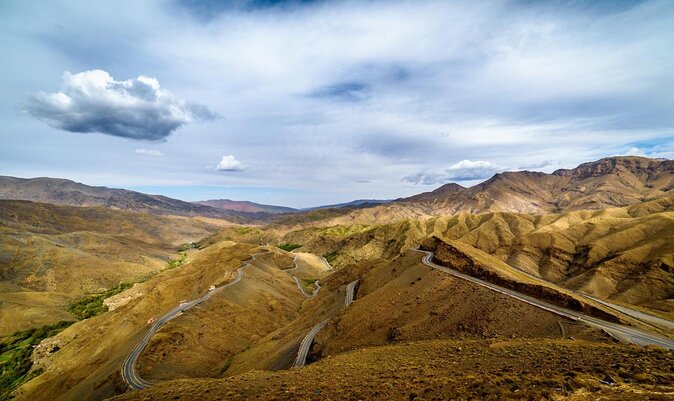
- High Atlas pass views at the start of the day on the Tizi n Tichka route from Marrakech
- UNESCO Ait Benhaddou with an actual guide, not just a quick photo stop
- Dadès and gorge country that turns hours of driving into scenery you’ll remember
- Erfoud fossils and mineral/quarry visit on the way to the dunes
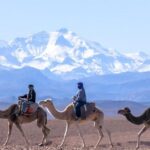
- Merzouga camp night plus camel ride to make the desert feel like the main event
From Marrakech to Merzouga: Why This Route Works in 3 Days
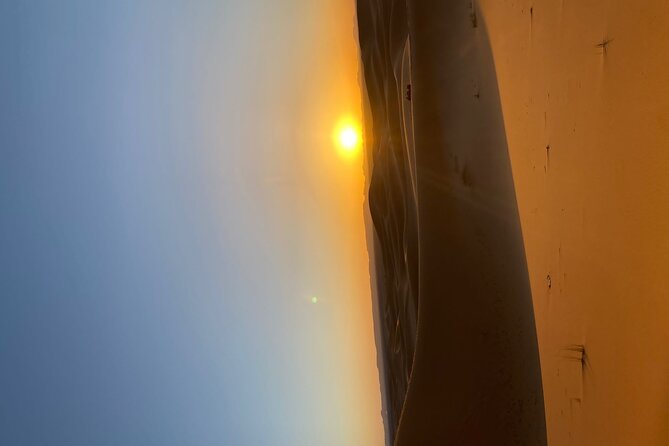
A 3-day desert trip can easily feel like a sprint with a few scenic postcards. This one is different because it gives you a chain of “change-of-world” moments. You start in the High Atlas with mountain villages along the pass, then pivot into UNESCO kasbah territory, then move into gorge country, and finally land in Merzouga for the desert night.
You get that sense of progression because the drive isn’t random. The route is built around stops that each have their own logic: history (Ait Benhaddou and kasbah architecture), geology (Erfoud fossil/mineral quarries), and desert culture (camel ride and camp time near the dunes). If you want Morocco as a sequence of places with distinct identities, this format fits.
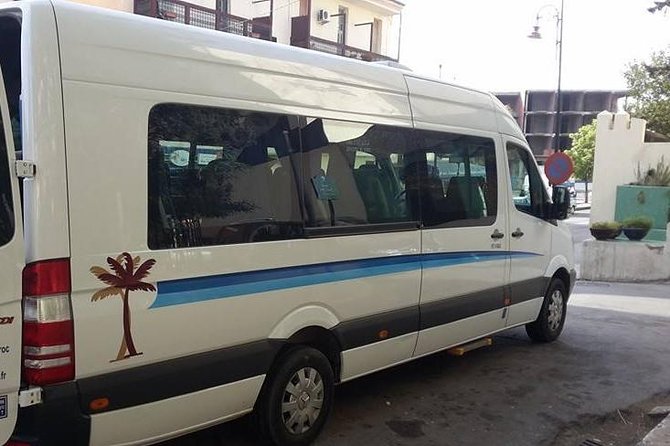
The private setup matters too. You’re not stuck with the pace of a mixed group or forced to wait around for everyone’s timing. Pickup is offered, you travel in private transportation, and you’re dropped back at your starting meeting point at the end.
You can also read our reviews of more private tours in Marrakech


Price and What You Actually Get for $534.27
At $534.27 per person for roughly 3 days, this tour is priced like a full-service desert itinerary, not a budget transport-only deal. The value comes from the bundle: private transportation, accommodation for the overnight(s), multiple meals (breakfast, 2 lunches, 2 dinners), and the big signature activity of the camel ride.
A big part of the “feel” here is that you’re not paying time penalties. With private transport, you can keep moving between mountain passes, kasbahs, gorges, and the dunes without negotiating local schedules. Also, meals are included, which saves you from the classic problem of desert tours where lunch becomes a scramble.
That said, one cost note is clear in the tour information: alcoholic beverages aren’t included. If you plan to drink, budget for it separately so the total doesn’t surprise you.
Day 1: Tizi n Tichka to Ait Benhaddou, Ouarzazate, Roses, and Dades
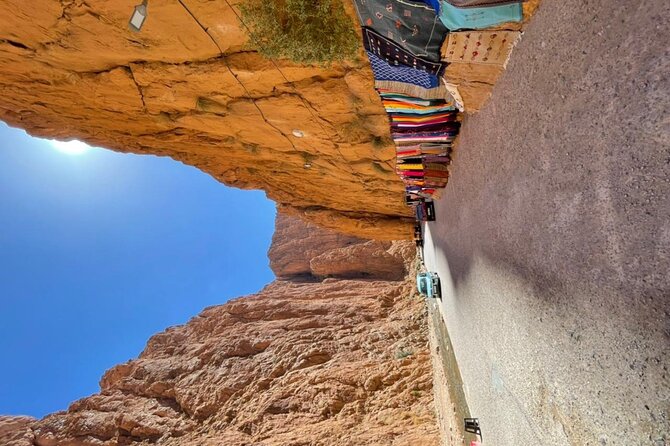
Your day starts early. You meet at Jemaa el-Fnaa in Marrakech at 7:00 am, and then you head out via the Tizi-n-Tichka Atlas pass, with the mountain scenery unfolding as you climb.
Tizi n Tichka Atlas Pass: The big visual payoff
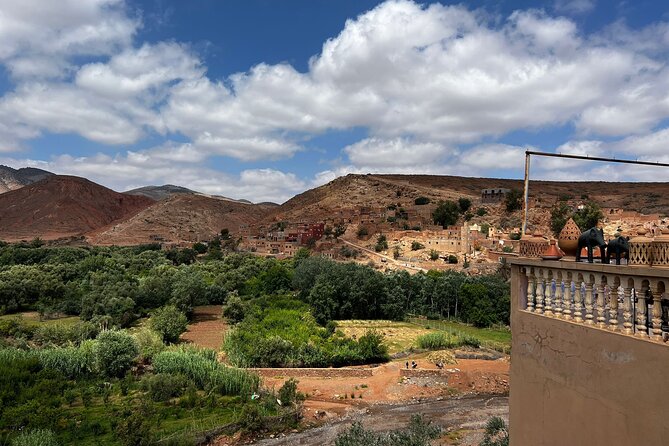
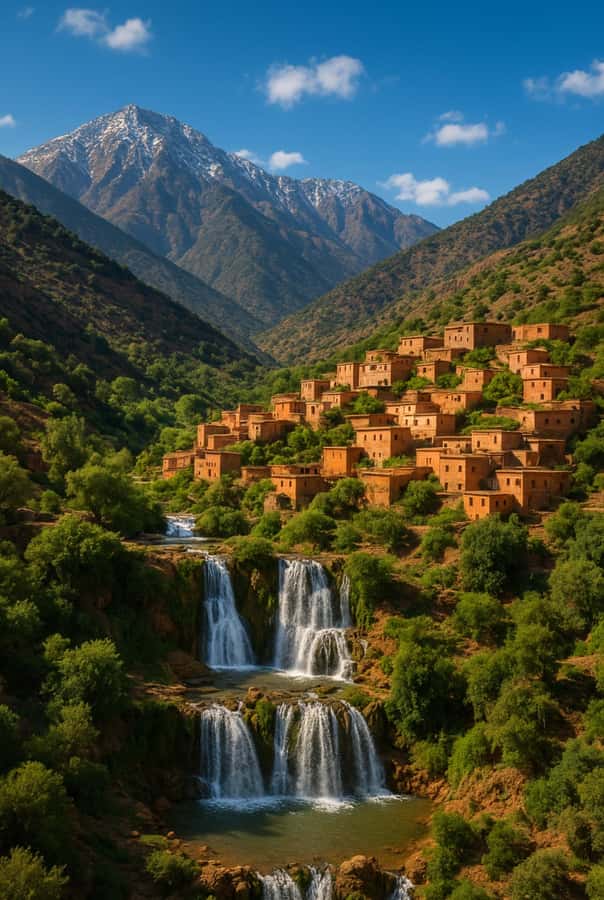
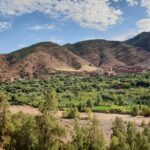
This is the kind of start that sets expectations. You get about 2 hours on this segment, with a ticket included, and the focus is on the High Atlas views plus the traditions of Berber villages along the way. It’s not just “pretty road.” It’s a moment where the terrain explains itself—rock, height, and village life all show up in the same frame.
If you’re the type who likes windows-down moments, this is where you’ll feel happiest. The early timing also helps you beat midday traffic in and out of Marrakech.
Ait Ben Haddou: UNESCO kasbah time with a guide
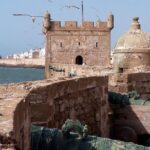
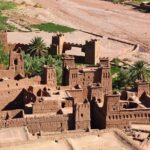
Next you continue to Ait Ben Haddou, where the plan is about 1 hour on site. This stop is marked as admission-free on the itinerary, and the value is the guided attention (you get a guide in the Kasbah a binhaddou area as part of the inclusions).
Ait Benhaddou works well in a 3-day itinerary because it concentrates so much. You don’t need hours to get the feel of kasbah architecture and how these communities built with defensive walls and compact design. Even with a short stay, you come away with clearer context than you’d get from passing through on your own.
One practical drawback: because it’s only around an hour, you’ll want to move at a steady pace and choose what to focus on. If you’re the type who likes to wander slowly, you might wish you had more time here.
A few more Marrakech tours and experiences worth a look


Ouarzazate lunch and the Taourirt kasbah
After Ait Benhaddou, you reach Ouarzazate for lunch and a quick visit to the Taourirt kasbah (about 45 minutes). This portion is listed as admission-free, and it’s a good balance: lunch resets you after the earlier sightseeing, then the kasbah visit keeps the theme of historic architecture going.
Taourirt also helps you connect dots. Ait Benhaddou shows you UNESCO-level kasbah life; Ouarzazate gives you another angle on the same regional building style and the role of kasbahs in local history.
Valley of Roses to the Dadès gorges area
Then you head toward the Dadès gorges through the valley of roses (about 15 minutes, with an admission ticket included). The key word here is short. This is more of a scenic interruption than a full excursion.
After that, you arrive at your overnight base: dinner and the night at the Ait Ibrirne hotel. Having a defined dinner stop matters on day 1 because you’re likely to be tired after driving through mountain terrain and doing back-to-back historic stops.
Day 2: From the Dadès area toward Erg Chebbi and Merzouga
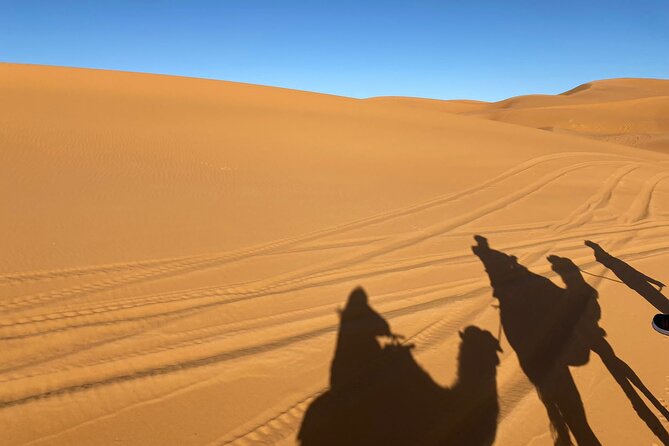
Day 2 is where the trip starts to feel more “desert journey” and less “road trip.” The day includes the drive from the Dadès region area toward the Sahara, with several sightseeing interruptions that prevent the long stretch from turning monotonous.
Boumalne Dades to the desert approach
The itinerary notes a departure from Boumalne Dades, then continuing toward the Sahara desert from Erg Chebbi to Merzouga. Exact sequencing can vary by the day’s driving plan, but the intent is clear: you’re transitioning from gorge-country views into the dune region.
Along the way, you pass scattered Berber villages and drive through areas like Todra, Tinghir, and Tinjdad. This is one of the best parts of a route like this because it gives you a layered view of Morocco as a living place, not just a set of landmarks.
Tinejdad lunch: a needed pause
You stop for lunch in Tinejdad (about 45 minutes). This is the kind of pause that keeps you comfortable when you’re spending lots of hours in the car. It also helps if you’re traveling with family or anyone who prefers not to go too long without food breaks.
Erfoud: fossils and minerals stop
After lunch, there’s a short visit in Erfoud focused on quarries, fossils, and minerals (about 20 minutes). This is a great detail because it adds a geology angle to the desert experience. When most people think of the Sahara, they think sand and stars. Erfoud brings in the “how this formed” story with fossils and mineral sources.
Don’t expect a museum-style long stop. It’s short by design, built to keep the day moving toward the dunes.
Merzouga check-in and the camp arrival
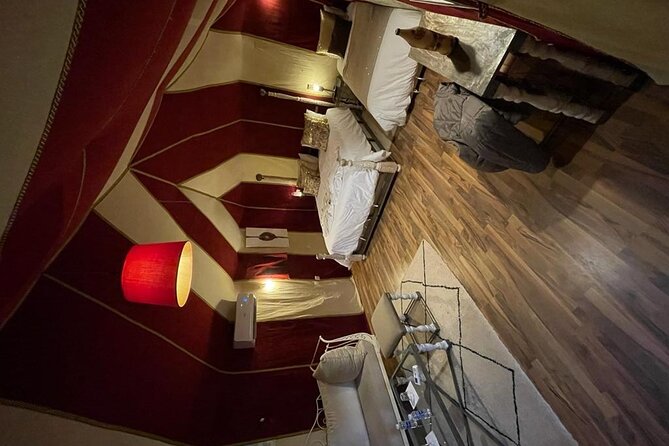
The day closes in Merzouga. You continue toward the Café du Sud inn in Merzouga, then you check in and arrive at the camps (about 30 minutes). The included camel ride is a key part of why this day feels like the heart of the experience. You’re not just traveling to sand; you’re experiencing the dunes by camel, which changes how the desert feels in a very immediate way.
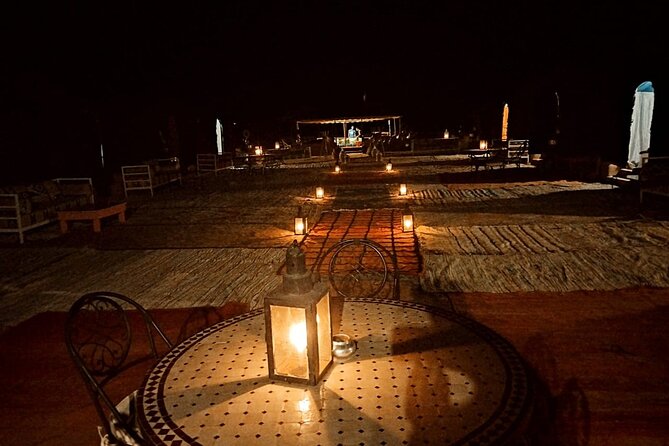
This is also the part where you’ll feel grateful for having accommodation handled. You’re not hunting for where to stay or worrying about evening logistics. Dinner and the camp night are built into the plan.
Day 3: Merzouga breakfast and a long, straightforward return to Marrakech
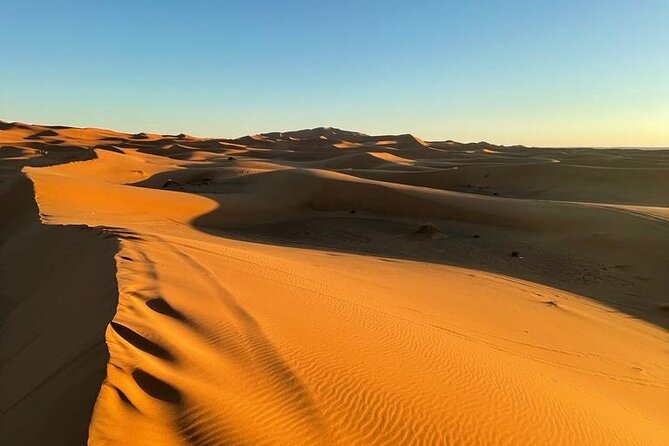
After breakfast in Merzouga, you head back to Marrakech. The return drive is listed as about 9 hours, and the tour ends back at the meeting point.
This is the day to keep expectations realistic. It’s not a “last day with extra stops.” It’s a travel day with one goal: get you safely back to Marrakech without the stress.
If you tend to get tired on long drives, I’d plan a little for it. Bring water, keep snacks handy if you prefer, and try to sleep when you can. The upside is that, once you’ve seen the Atlas, kasbahs, gorges, and dunes over two days, the return is just the final line on a complete story.
Why the Guide Experience Makes or Breaks Desert Tours
In this kind of itinerary, the guide isn’t a “nice extra.” It’s the difference between chaos and calm.
Amine is named in multiple accounts for a reason. People describe him as friendly, informative, attentive to needs, and organized enough to handle changes without turning it into stress. That last part matters more than most folks realize. Desert-country travel can throw weird problems at you, and good communication is what keeps the day intact.
Another pattern in the feedback: adaptability. You’ll want to feel comfortable asking questions or adjusting small timing needs (for example, photo stops, pacing, or how quickly you want to move through a site). A guide who can respond without turning the tour into a scramble makes the experience feel personal in a good way.
What to Look For at Each Stop (So You Enjoy It, Not Just Pass Through)
A short note on how to “win” this tour: don’t treat it like a checklist. Treat it like a sequence of different Morocco flavors.
- At Tizi n Tichka, notice how villages sit in the mountains and how the pass changes the air and light. This is a visual education day.
- At Ait Benhaddou, focus on the kasbah shape and defensive logic. Even with only an hour, you can see how these walls helped communities survive.
- In Ouarzazate, look for the continuity of kasbah architecture and how it fits the surrounding area. The quick stop still helps you connect the regions.
- Around Dadès/Todra/Tinghir areas, pay attention to the gorge walls and how the terrain funnels travel and settlement.
- At Erfoud, treat it like a palate cleanser. Fossils and mineral quarries add a scientific beat to the trip before the sand arrives.
- In Merzouga, let the camel ride set your pace. Desert time feels best when you stop trying to photograph everything at once and just watch what’s around you.
Who This Tour Suits Best (and a Few Reasons It Might Not)
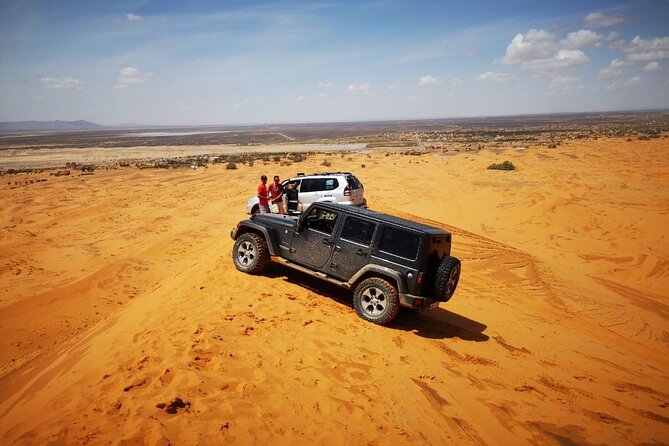
This is a strong match if you want a private desert route from Marrakech without planning the logistics yourself. It’s especially good if you like history and scenery variety: Atlas mountains, UNESCO kasbah architecture, gorge country, then dunes and camp.
It also suits people who appreciate having meals and accommodation handled. That’s a big deal on a 3-day timeline, where improvising can turn into wasted time.
Where it might not fit is if you hate long driving days. Day 3 is listed as about 9 hours of travel time, and even day 2 is a full driving-to-sightseeing-to-camp structure.
It may also be less ideal if you expect a long, deep exploration at every single stop. Many of the key places are short-format visits so you can reach the dunes. You’ll enjoy it most if you’re okay with “see it well, then move on.”
Quick Practical Tips Before You Go
A few practical thoughts based on how the trip is structured:
- Start with comfortable shoes for gorge areas and uneven ground.
- Bring layers. Mountain mornings can feel cooler, and desert evenings can change fast.
- Keep a little flexibility in your mind. Some time blocks are short by design, and that’s part of the value: you see more regions in three days.
- Plan for meals already handled, but remember alcoholic beverages aren’t included.
Also, this is a private tour/activity, so only your group participates. That’s great for pacing, but it means you’ll get the most out of it by speaking up about what you want to emphasize.
Should You Book This 3-Day Private Desert Tour?
If you want a Marrakech-to-Merzouga desert experience that mixes High Atlas passes, a UNESCO kasbah stop, gorge-country views, and the main desert payoff of a camel ride and camp night, this is a very sensible choice in three days. The included meals and accommodation reduce planning stress, and the private transport keeps the schedule realistic.
I’d book it if:
- you want one guide/driver to manage the day-to-day flow,
- you like seeing many Morocco regions with minimal hassle,
- you’re okay with long driving days as the tradeoff for hitting the desert.
I’d think twice if:
- you strongly prefer slow, lingering site visits,
- you get uncomfortable with about 9 hours of driving on the final day.
FAQ
Where do we meet in Marrakech?
You start at Jemaa el-Fnaa, Marrakesh 40000, Morocco, with the activity ending back at the same meeting point.
What time does the tour start?
The start time is 7:00 am at Jemaa el-Fnaa.
When does the drive toward the mountains begin on Day 1?
Day 1 departs Marrakech at 8:00 am via the Tizi-n-Tichka Atlas pass.
Is this a private tour?
Yes. It’s a private tour/activity with only your group participating.
How long is the tour?
It runs for about 3 days.
What meals are included?
Breakfast is included, along with 2 lunches and 2 dinners.
Is a camel ride included?
Yes, the camel ride is included.
Is accommodation included?
Yes. Accommodation is included for the overnight stays.
Are entrance fees included?
Tizi n Tichka includes an admission ticket, Valley of Roses includes an admission ticket, and Ait Ben Haddou and Taourirt kasbah visits are listed as admission-free.
Is alcohol included?
No. Alcoholic beverages are not included.
What is the cancellation policy?
Free cancellation is available up to 24 hours in advance for a full refund.
Is this tour suitable for service animals?
Yes. Service animals are allowed.