REVIEW · MARRAKECH
3-Day Desert Tour from Marrakech to Merzouga
Book on Viator →Operated by Tutti In Marocco · Bookable on Viator
Three days, and Morocco changes fast. This desert run strings together high passes, famous kasbahs, and the kind of silence you only find in the dunes. I especially love the not-crowded private-car setup and the Erg Chebbi night under stars. One catch: lunches and drinks aren’t included, so you’ll want to budget for those between stops.
What also makes this trip feel good is the people behind it. Guides like Mohamed and Mustapha (and support staff such as Salem and Rachid, depending on your date) show up prepared, keep the day moving, and handle the handoffs cleanly. It’s a great fit if you want value without a big bus vibe, and it’s run by Tutti In Marocco with daily departures and a maximum of 6 travelers.
In This Review
- Key highlights
- From Marrakech Pickup to Tizi n Tichka: Big Morocco energy early
- Aït Benhaddou and Ouarzazate Kasbahs: Where the camera crew history shows up
- Dades Gorges at sunset: The Mission Impossible road moment
- Todra Gorge walk to Erg Chebbi: From green oasis to the highest dunes
- How the guides shape your experience (Mohamed, Mustapha, and the rest)
- Draa Valley on Day 3: Morocco’s longest river in the driver’s seat
- Price and value: What $232.29 buys you (and what it doesn’t)
- What “max 6 travelers” changes in real life
- Who this tour fits best (and who might want a different style)
- Should you book this 3-Day Desert Tour to Merzouga?
- FAQ
- Is pickup from Marrakech included?
- How many people are in the group?
- What’s included in the price besides transportation?
- Are lunches and drinks included?
- Is the CLA Studios stop mandatory?
- Can I get a full refund if I cancel?
Key highlights
- Small group, less chaos: Max 6 travelers, with private car for each group of 4
- Tizi n Tichka pass views: Up to 2260m with Berber villages and winter snow possible
- Kasbah-and-movie stops: Aït Benhaddou plus Ouarzazate sights like Taourirt Kasbah
- Dades Gorges sunset timing: A canyon viewpoint stop that works especially well in summer
- Erg Chebbi camel ride + camp night: High dunes, camel time, and Berber-style tent overnight
- Draa Valley finale: Scenic drive along Morocco’s longest river, over 1000km
From Marrakech Pickup to Tizi n Tichka: Big Morocco energy early
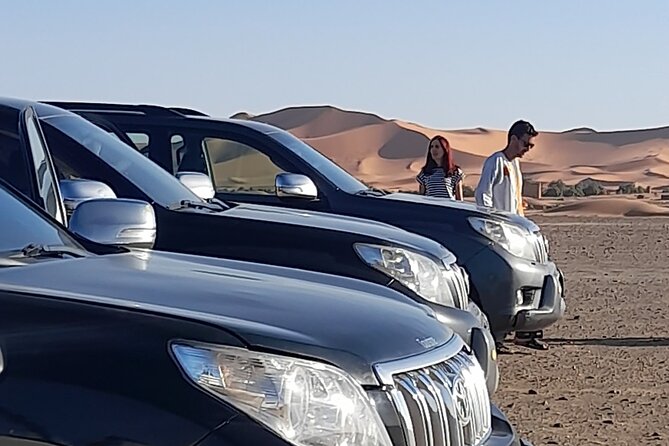
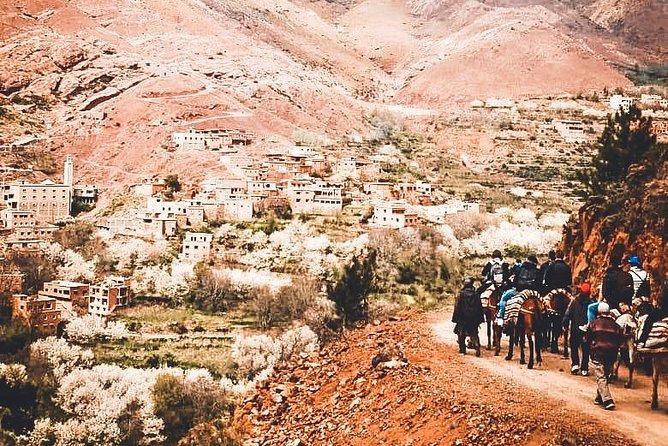
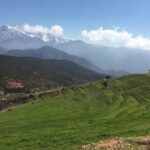
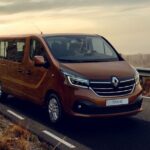
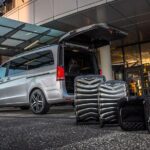
Your day starts with pickup in Marrakech and an air-conditioned vehicle that keeps the long drives from feeling like a punishment. Then you climb toward one of the most famous mountain routes in the country: Tizi n Tichka, with a high point around 2260m. You pass through Berber villages and stretches of changing scenery, including pine forests and almond and walnut farms.
The practical win here is pacing. Instead of rushing through everything, you get a real “travel day” that turns into sightseeing on the way. If you’re traveling in winter, this pass can be snowy, so plan for slower roads and cooler temperatures.
A few more Marrakech tours and experiences worth a look
Aït Benhaddou and Ouarzazate Kasbahs: Where the camera crew history shows up
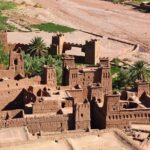
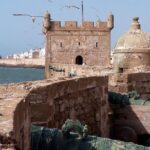
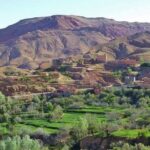
After the mountain drive, you reach Aït Benhaddou, one of Morocco’s most recognizable kasbahs. This is the place you’ll hear about because it’s been used for filming, and it’s considered the second most visited site after Marrakech’s main square. You get around two hours to walk the area and soak up the mud-brick maze feel at a comfortable pace.
Next comes a bonus that you can treat as optional: CLA Studios. If you’re into behind-the-scenes stuff, the studio stop is available for about one hour, but you’re not forced into it. That matters. Desert tours can be long and intense, and having an optional flex point helps you tailor the day.
Then you continue into Ouarzazate with Taourirt Kasbah, tied to the legacy of Pacha Glaoui. The stop is short—around 10 minutes—but it’s one of those “quick hit” stops that gives you context for why this region became such a magnet for film crews. Also, it’s a nice break from the constant driving and a reminder that Morocco’s famous places aren’t just photos. They’re lived spaces, even when they’re historical.
There’s also a stop connected to Damaskina roses and a stretch of continuous settlement along the Dades River—called the longest inhabited metropolis in Morocco, running about 60km. Even if you don’t think you care about roses or settlement geography, this is the kind of stop that helps you understand why people stayed here for generations. Desert regions are not empty. They’re carefully shaped by water and routes.
Dades Gorges at sunset: The Mission Impossible road moment
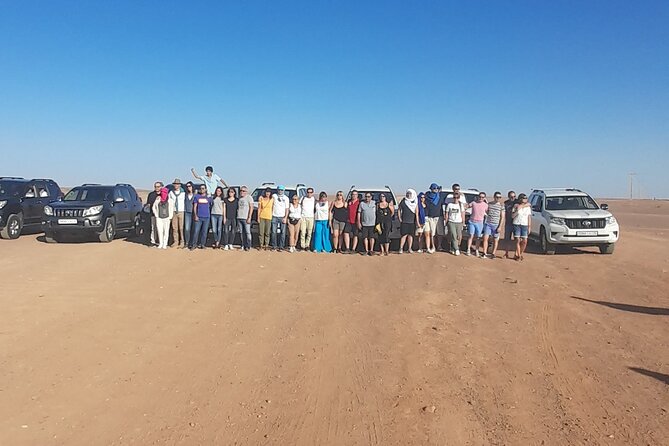
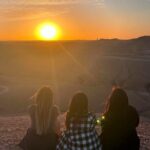
Day 1 ends with Dades Gorges, including a viewpoint stop focused on sunset. In summer, the timing is especially good for seeing the canyon shape as the light drops. You also drive part of the road that’s been used for filming Mission Impossible, which gives the scenery an extra layer of pop.
One small reality check: canyon roads mean you’re often going to be in and out of the car quickly. The stop time listed is about 20 minutes, so keep expectations simple—this is about the view and the feeling, not a long hike.
Overnight is at the bottom of the Dades gorge area. In other words, you’re not just passing through. You’re sleeping in the region you spent the day exploring, which helps the trip feel like a journey rather than a checklist. And based on how people describe the accommodations, it’s not “bare minimum.” The structure of the trip supports a comfortable overnight rhythm, including dinner and breakfast twice across the full tour.
Todra Gorge walk to Erg Chebbi: From green oasis to the highest dunes
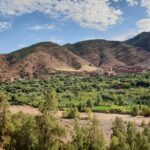
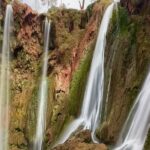
On Day 2 you start with Gargantas del Todra (Todra Gorge). It’s famous for its canyon walls and the oasis-like greenery below. The nice part is that this isn’t just a viewpoint—there’s time for a walk, about 30 minutes. It’s also a place where rock climbers come, so you might notice ropes and gear nearby if you travel during a season when climbers are active.
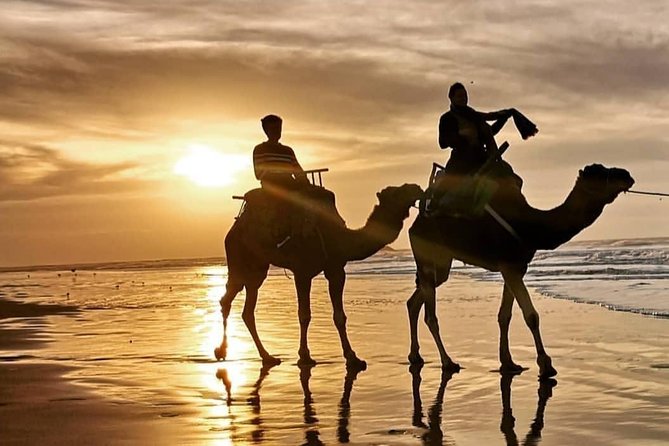
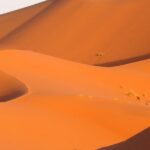
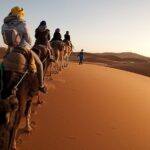
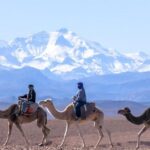
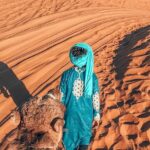
After the canyon, you shift hard into desert mode with Erg Chebbi, the area with Morocco’s highest sand dunes. Here, the schedule gives you about 16 hours, and the experience centerpieces are clear: camel ride time and a night out under the stars in Berber tents.
This is the moment most people remember, and for good reason. The camel ride turns you from a passenger into a participant, even if you’re only on the animals for a shorter segment. Then, as daylight fades, you get that “the world got quieter” feeling that you don’t really get in cities. It’s also a strong spot for photos because you’re dealing with dunes, sky, and dramatic light all at once.
How the guides shape your experience (Mohamed, Mustapha, and the rest)
Small group tours rise and fall on people. In the notes people leave, names like Mohamed and Mustapha come up a lot. The theme is consistent: they manage the flow without rushing you like you’re being herded, and they keep the trip organized so you’re not stuck figuring out what happens next.
You might also run into other helpful team members such as Salem and Rachid, depending on the date and your guide pairing. People describe them as present and helpful—meaning you’re not abandoned once you leave Marrakech. And if you’re the type who likes to ask questions as you drive, this kind of guiding style makes it easier to learn more than just the basic facts.
There’s also mention of guides like Omar and Alì in other Morocco routes run by the same company, which suggests a team built around consistent service. I can’t promise your guide will be the exact same person, but the pattern is what matters: they aim to keep timing smooth, make stops make sense, and help you enjoy the ride.
Draa Valley on Day 3: Morocco’s longest river in the driver’s seat
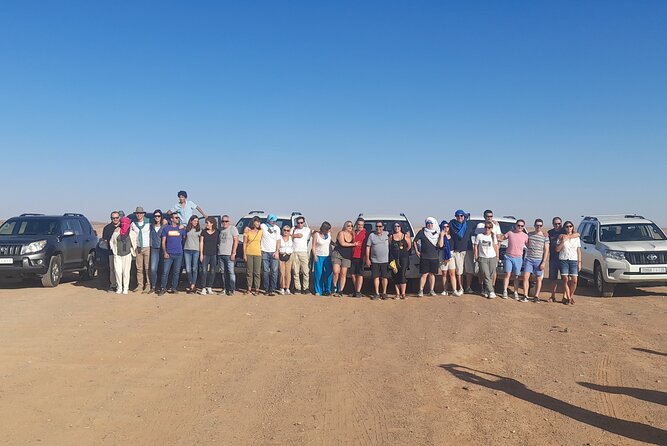
Day 3 is your scenic return segment, built around the Draa Valley. This is tied to the longest river in Morocco, stretching over 1000km. The tour follows the drive toward Tizi n Tnifift, which adds another mountain-road feeling, along with a gradual shift in scenery as you move back toward civilization.
This is a good day if you want calmer energy. You’re not chasing the big “wow” moments like on the dune night. You’re enjoying the long-route vibe—watching how towns and river life appear and fade as the road changes. It’s also a helpful transition day for photography, because the light tends to feel less punishing than midday.
Drop-off is included, so you won’t have to worry about ending the trip on your own. You’ll simply land back where the tour service can take care of you.
Price and value: What $232.29 buys you (and what it doesn’t)
At $232.29 per person for about three days, the headline value is that you’re getting a lot included for a route that covers serious distance. The tour includes:
- Air-conditioned vehicle
- Camel ride
- Dinner (2) and breakfast (2)
- Pickup offered and drop-off location
- Mobile ticket
That’s a meaningful chunk of cost savings, especially the meals and transport. Where you’ll want to plan ahead: lunches and drinks aren’t included. So yes, you’ll probably spend a bit each day depending on where you stop for food. If you’re a water-and-snacks person, consider carrying a small stash so you’re not stuck hunting for basic needs during tight stop windows.
Also note that the tour is designed to keep things from feeling overcrowded. It’s not a massive group. That usually translates to fewer delays and more space in the schedule, which is part of what makes the value feel real instead of theoretical.
What “max 6 travelers” changes in real life
On paper, “maximum 6 travelers” sounds like a nice-to-have. In practice, it changes how your day feels.
With this setup, the trip runs with a private car for each 4 people. That means you avoid the big-bus shuffle where someone’s always struggling to find their seat, and you also get a better chance to hear the guide or ask questions without shouting.
It also helps with stop timing. When you have fewer people, the group can usually move efficiently at places like Aït Benhaddou or the gorge walks. In a desert itinerary, those minutes matter. A slow-moving group doesn’t just waste time—it compresses rest and makes later drives feel worse.
Who this tour fits best (and who might want a different style)
This tour is ideal if you want the classic “Marrakech to Merzouga” arc in a short window, without turning it into a sprint. You’ll like it if you enjoy scenic drives with real stops, don’t mind being in a vehicle for long stretches, and want a proper desert night with camel ride and tent camping.
You’ll probably enjoy it even more if you’re the type who likes learning as you go. The guide names that come up often in feedback—especially Mohamed and Mustapha—suggest people value explanations, timing control, and friendly guidance.
It might not be the right match if you want lots of free time at each location or a slower, more hiking-heavy schedule. The stops are designed to show you key places, not to let you disappear for hours. And if you’re strict about food inclusion, you’ll need to handle lunches and drinks yourself.
That said, the tour notes say most travelers can participate, which usually means the overall pace and logistics are built to handle a wide range of visitors.
Should you book this 3-Day Desert Tour to Merzouga?
If you’re choosing between a desert tour that feels like an assembly line and one that keeps the day organized, this one leans toward organization with a human touch. I’d book it if you want small-group comfort, classic Morocco highlights (Tizi n Tichka, Aït Benhaddou, Dades Gorges, Todra), and a memorable Erg Chebbi night with camel ride plus Berber tent stargazing.
I’d hesitate only if you’re hoping lunches and drinks are included or if you need tons of downtime between stops. The schedule is active and scenic, not lazy.
In short: this is a strong value route when you want the big sights in three days, and when you care about having your time handled well.
FAQ
Is pickup from Marrakech included?
Yes. Pickup is offered, and the tour also includes a drop-off location at the end.
How many people are in the group?
The tour has a maximum of 6 travelers, and it runs with a private car for each group of 4 people.
What’s included in the price besides transportation?
Included are the camel ride, dinner (2), breakfast (2), air-conditioned vehicle use, and the drop-off location.
Are lunches and drinks included?
No. Lunches and drinks aren’t included.
Is the CLA Studios stop mandatory?
No. The CLA Studios visit is listed as optional, and the stop can be made if you’re interested.
Can I get a full refund if I cancel?
You can cancel up to 3 days in advance for a full refund. If you cancel less than 3 days before the start time, the amount you paid isn’t refunded.