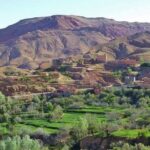
Roads wind into the Sahara fast. On this private 3-day tour, you get hotel-to-hotel transport with a guide, and you’ll move from Marrakech over the Atlas Mountains to cinematic stops like Ait Benhaddou without having to drive or plan between sights. I particularly like how the itinerary strings together big, different “Morocco moments” in a short time: high passes and Berber villages, then the famous kasbah setting, then dune night.
The second thing I like is the desert experience itself: you’ll do the camel trek in the Erg Chebbi area and catch the sunrise from the dunes, with a night in a traditional camel-hair tent. One drawback to keep in mind is that Sahara-side logistics can be uneven (things like camel availability, water supply, and basic camp comfort). It’s still a magical trip, but it’s smart to go in with realistic expectations and ask direct questions before you commit.
In This Review
- Key things to know before you go
- Atlas-to-Sahara by private car: what this tour is really like
- Marrakech pickup and the 7:30 am start that shapes the day
- Crossing the Atlas Mountains via Tizi-n-Tichka: the view and the human scale
- Ait Benhaddou and Kasbah Telouet: kasbahs you can see why they’re famous
- Practical tip for these stops
- Dades Valley and Dades Gorges: the warm-up before the desert
- Todra Gorge and Marzouga: day 2’s squeeze-through highlight
- The Erg Chebbi camel trek and night in a camel-hair tent
- Sunrise, breakfast, and the return trek back to Marzouga
- Todra Valley, Tinghir, Rose Valley, and Ouarzazate movie studios
- Price and value: $105.72 per person for three days of logistics
- Who this tour suits best (and who should adjust expectations)
- Should you book this Atlas and Sahara private tour?
- FAQ
- FAQ
- What is the duration of the 3-day Atlas and Sahara tour?
- What time does the tour start in Marrakech?
- Is this tour private or shared?
- Where do I sleep during the trip?
- What meals are included, and is lunch covered?
- Does the tour include a camel trek?
- Do I have hotel pickup and drop-off?
- What is the cancellation policy?
Key things to know before you go
- Private door-to-door Marrakech pickup means you start when you’re told and you’re not coordinating cars and tickets.
- Tizi-n-Tichka pass + Atlas villages give you mountain views and Berber village glimpses on the way out of Marrakech.
- Ait Benhaddou and Kasbah Telouet are treated as real stops, not quick photo breaks.
- Todra Gorge’s narrow 300m scale is a true highlight day 2.
- Erg Chebbi camel trek + sunrise is the emotional peak of the whole itinerary.
Atlas-to-Sahara by private car: what this tour is really like
This is a classic “big-route” Morocco experience. You spend two days crossing one of the most scenic travel corridors in the country, then you slow down for the desert night in the Erg Chebbi dunes.
Because it’s private, the pacing feels controlled. Your guide can stop for photos when the view hits right, and you’re not stuck waiting around for other groups. That matters on this kind of trip, where time is driven by roads, not by museums.
The tradeoff: you’re going to sit in the vehicle a lot. The tour is listed at about 12 hours (approx.), but the itinerary is clearly built for three days of driving plus a desert overnight—so expect long stretches and plan to keep your water handy, your legs loose, and your phone charged.
You can also read our reviews of more private tours in Marrakech
Marrakech pickup and the 7:30 am start that shapes the day
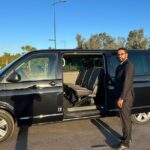
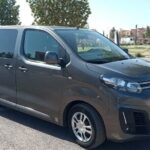
Pickup starts at 7:30 am, and you’ll depart from your accommodation in Marrakech. That early start is a good thing. You beat some of the day’s heat and traffic, and you arrive at the key “wow” stops before light shifts.
Since most meals aren’t all included (lunch is not), I treat the morning like a road-trip day: I eat breakfast, I carry a small snack, and I keep an eye on timing. If you’re sensitive to long car days, this start time can feel intense—but it’s also the reason the itinerary can pack in so much.
The tour also offers a mobile ticket and you’ll receive confirmation at booking, so you’re not juggling printouts. Still, I’d recommend having your pickup address ready and clear, especially if you’re staying in a smaller riad or somewhere with limited vehicle access.
Crossing the Atlas Mountains via Tizi-n-Tichka: the view and the human scale
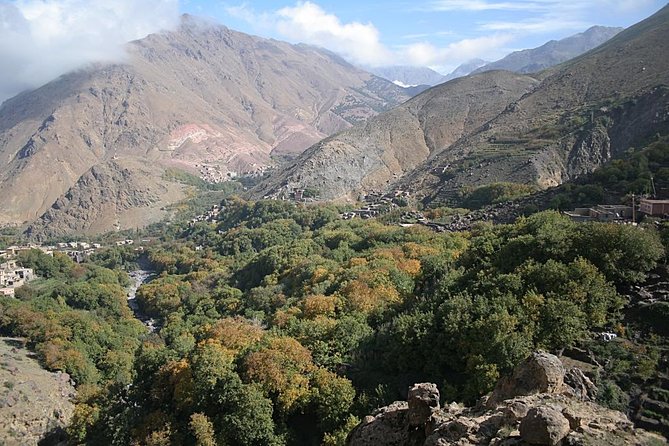
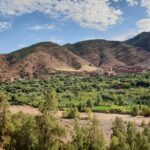
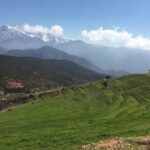
Day 1 is built around getting out of Marrakech the right way: over the Tizi-n-Tichka pass (Tizi N Tichka) and through areas where Berber villages show up along the route.
This is one of those drives where the details matter. You’re not just looking at peaks—you’re moving through lived-in terrain. Villages, local life, and sudden mountain changes make it feel like travel is happening, not just transportation.
Your guide usually makes it more than a scenic drive by explaining what you’re passing and by choosing photo stops when conditions are good. In past experiences with guides like Abdu (and sometimes Omar), the approach can be very practical: stop, look, learn a bit, and then get back on the road.
Ait Benhaddou and Kasbah Telouet: kasbahs you can see why they’re famous
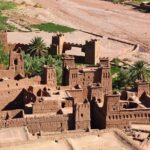
A major part of day 1 is Ait Benhaddou Kasbah, which is recognized as a UNESCO World Heritage site and is known for being used as a movie location many times. Even if you don’t care about filming trivia, this place works because it looks like the desert story was built in stone.
Ait Benhaddou’s strength is scale and texture. The kasbah walls and layered architecture make you feel how people once lived here, with the fort-like shape designed for defense and survival.
You’ll also stop at Kasbah Telouet. Compared with Ait Benhaddou, it can feel more “edge-of-history” than postcard-perfect, but that’s often where the charm is. You see how these structures sit in their real environment instead of behind rope lines.
Between the kasbahs, there’s another quick stop that adds local flavor: salt caves. This helps break up the drive and gives you something tangible beyond scenery—how people extract and value resources in the region.
Practical tip for these stops
Wear layers. Kasbahs and passes can feel cooler than Marrakech, especially if the day starts early. I also like shoes with good grip, since some paths can be uneven.
A few more Marrakech tours and experiences worth a look
Dades Valley and Dades Gorges: the warm-up before the desert
After lunch (not included), the itinerary shifts into the Dades region. You’ll cross the Dades Valley and then reach Dades Gorges in Boumaln Dades.
This is a good “soft landing” from big road days. The gorge area is dramatic and gives you a break from kasbah-world into something more canyon-like and earthy. It’s also a useful change of pace: you’re not rushing from one cultural site to another; you’re letting the scenery do the work.
Dinner and your first overnight are in a hotel in Dades (half-board). A real bed matters here. Day 2 builds energy for Marzouga and the dunes, so you’ll want sleep, a warm shower if possible, and a full breakfast.
Todra Gorge and Marzouga: day 2’s squeeze-through highlight
Day 2 begins with breakfast, then you head to Todra Gorge. You’ll hear that Todra is a massive fault that divides the High Atlas Mountain range—and the numbers are part of the wow factor: the gorge stretches down to about 300m and narrows into a passage where you can feel the walls closing in.
Inside the gorge area you’ll see palmieries and Berber villages, which makes it feel less like a canyon and more like a pocket of life. It’s also a photo-friendly stop, especially in the late morning light when shadows sharpen the rock textures.
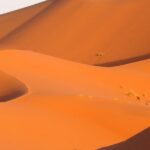
From Todra, you continue toward Marzouga to reach the Erg Chebbi dunes. This is where the desert stops being an idea and becomes a physical place. The terrain changes fast, and the air feels different.
The Erg Chebbi camel trek and night in a camel-hair tent
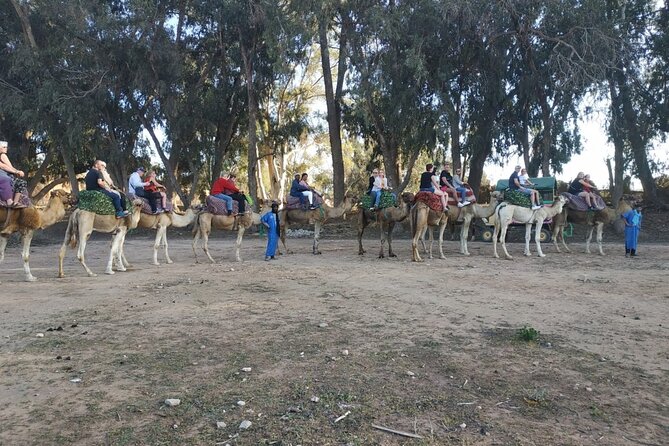
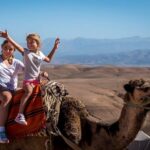
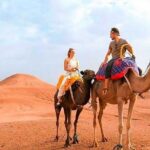
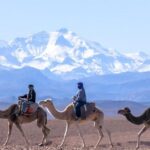
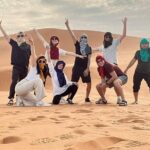
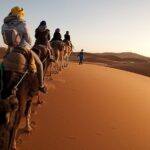
The heart of the tour is your night out near the dunes. You’ll do a camel trek to reach the desert camp in the Erg Chebbi area.
A camel ride is never just transportation. Your body learns it on the spot—especially if you’re not used to sitting on a moving animal for long stretches. In at least one experience, people were surprised by how sore their legs felt afterward, so plan for that. Loosen up, and keep your expectations flexible.
Dinner and overnight are included in a traditional camel-hair tent, with half-board. The idea is simple: eat, settle in, and watch the sky. And you do get that payoff—this is the kind of night where “stars” becomes a real thing instead of a phrase.
Now, the important balance note: Sahara experiences can vary in basic comfort. Some people have raised concerns about water and about how the camel portion works (like enough camels for everyone). I can’t promise your trip will have any issues, but you should ask your provider direct questions ahead of time, such as:
- Will drinking water be available for the camp?
- How many camels are used for your group size?
- Is insect protection part of what the camp expects?
If you want to be comfortable, I also suggest you bring a small headlamp, sun protection for the ride, and any personal basics you like having (lip balm, a small towel, simple meds). Those are not luxuries in the desert; they’re sanity insurance.
Sunrise, breakfast, and the return trek back to Marzouga
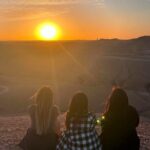
On day 3 you’ll head out early for sunrise. This is one of those moments where the light changes the dunes minute by minute—shadows stretch, colors shift, and you get that contrast between darkness and daylight.
After sunrise, you’ll have a traditional breakfast, then you’ll do the camel trek back to Merzouga. Yes, it’s a repeat ride, but that’s part of why it works: you leave the camp knowing exactly where you came from, and the desert looks different on the way back.
This is also when I’d slow down mentally. Day 2 often feels like it’s about reaching the desert. Day 3 is about leaving it and trying to hold onto the feeling of it before the road takes over again.
Todra Valley, Tinghir, Rose Valley, and Ouarzazate movie studios
Once you return from the dunes, the itinerary doesn’t end at Marzouga. You’ll leave the city and continue through areas like Todra Valley, plus stops around Tinghir and Rose Valley.
These are scenic sections, but they also serve another purpose: they break up the drive back toward Marrakech with changing views. If you’re tempted to think day 3 will be boring because you already saw “rocks and desert,” it usually doesn’t work out that way. The route keeps shifting, and the change of scenery helps you reset.
Then you’ll stop in Ouarzazate to visit the movie studios. This stop is often a fun contrast to the desert night: you go from real harsh terrain to the idea of creating worlds for film. Even if you don’t go deep into set details, it’s a different kind of storytelling for Morocco.
Finally, you return to Marrakech late in the afternoon. Plan for it to be a full day even though you’ve already done the big emotional work of the dunes.
Price and value: $105.72 per person for three days of logistics
At $105.72 per person, this tour sits in the “budget-friendly” zone for a route that includes private transport, a guide, two overnights (including a desert tent), plus camel trekking. Where value shows up is not in one single thing—it’s in the fact that you’re buying someone else’s driving, timing, and route planning.
Here’s the honest way to think about it:
- You’re paying to avoid stitching the trip together yourself (driver, hotels, desert camp, camel logistics).
- You’re also paying for the “between places” time. On this route, the road is a major part of the experience.
- Your cost benefit depends on how smoothly the desert camp portion runs and whether the day schedule feels clear on your end.
So, if your top priority is maximum comfort in camp and perfectly managed details, you should do extra due diligence before booking. If your priority is seeing the Atlas-to-Sahara route efficiently, with a real guide and a desert overnight, this can be a strong deal.
Who this tour suits best (and who should adjust expectations)
This tour fits best if you want:
- A private guide and door-to-door pickup from Marrakech
- A single packaged way to see Tizi-n-Tichka, Ait Benhaddou, Todra Gorge, and Erg Chebbi
- A desert overnight with a camel trek and a sunrise moment
It’s less ideal if:
- You need a very predictable, high-comfort camp experience every time
- You’re not comfortable with long driving days
- You want lots of free time to wander slowly on your own
Physical reality check: the camel ride and the desert morning are active parts of the trip. The tour says most travelers can participate, but if your mobility is limited or you hate sitting for long stretches, you may want a gentler itinerary.
Should you book this Atlas and Sahara private tour?
I’d book it if you’re excited by the route itself—Atlas Mountains, kasbahs, gorge scale, and then Erg Chebbi dunes with a night under the stars. The private transport and guide help make it feel organized, and the sunrise and camel trek are exactly the kind of Morocco memory you can’t DIY the same way.
I would hesitate if desert logistics and camp comfort are your top priorities, since basic details like water and camel arrangements can be hit-or-miss. If you do book, ask direct questions about water availability, camel allocation for your group, and how the camp handles insects and sleeping conditions. That one step can turn a good experience into a great one.
If you still want the trip: consider it a “three-day route adventure” more than a luxury retreat. And if you’re lucky enough to get a guide like Abdu or Omar, you’ll likely find the stops feel purposeful, with smart photo moments and real explanations—exactly what you want when you’re moving this fast across Morocco.
FAQ
FAQ
What is the duration of the 3-day Atlas and Sahara tour?
The itinerary is listed as a 3-day tour starting from Marrakech, and the duration is shown as about 12 hours (approx.) on the experience details.
What time does the tour start in Marrakech?
Pickup and departure start at 7:30 am.
Is this tour private or shared?
It’s a private tour/activity. Only your group will participate.
Where do I sleep during the trip?
Night 1 is in a hotel in Dades (private room). Night 2 is in a traditional camel-hair tent in the Erg Chebbi dunes area.
What meals are included, and is lunch covered?
Breakfast and dinner are included. The tour is half-board on both nights. Lunch is not included.
Does the tour include a camel trek?
Yes. A camel trek is included, and it’s part of the journey between Marzouga and the desert camp.
Do I have hotel pickup and drop-off?
Yes. Private transport includes pickup from and return to your hotel in Marrakech.
What is the cancellation policy?
You can cancel for a full refund up to 24 hours before the experience’s start time.