REVIEW · MARRAKECH
3-Day Adventure: Merzouga Desert, from Marrakech to Fez
Book on Viator →Operated by Merzouga Dunes · Bookable on Viator
Big dunes, big roads, and two camel rides. This 3-day private crossing from Marrakech to Fez connects Erg Chebbi with sunrise and sunset camel time, plus big-name stops like Aït Benhaddou. You get a smooth route built around real sightseeing stops, not just hours in a vehicle.
One thing to plan for: this trip is all about travel days. If you hate early mornings and long stretches in a minivan/4WD, this may feel like a lot, even though the stops break it up.
In This Review
- Key highlights at a glance
- High Atlas to Ouarzazate: what the first day is really for
- Aït Benhaddou and Taourirt kasbahs: the big cultural hits
- Roses Valley and Dades Gorges: breaks that keep the drive human
- Todra Gorge to Merzouga: palms, fossils, then Erg Chebbi
- Camel rides at sunset and sunrise: the desert night plan
- Trading sand for cedar and city streets: Merzouga to Fez
- Price and logistics: is $677.79 worth it
- Who this Marrakech-to-Fez Sahara crossing fits best
- Should you book this 3-day Merzouga adventure?
- FAQ
- What’s the duration of the tour?
- How much does it cost per person?
- Where does the tour start and where does it end?
- What time does the tour start?
- Do you get pickup from hotels in Marrakech?
- Is transport included?
- What’s included in the meals?
- Are camel rides included?
- What kind of accommodation is included?
- Which admissions are included?
- Is free cancellation available?
Key highlights at a glance
- Two camel rides on schedule: sunset and sunrise in the dunes, with time to shower and eat afterward (depending on your option).
- UNESCO kasbah stop built in: Aït Benhaddou is a major cultural checkpoint on the way out of the Atlas.
- Scenery stops that actually matter: Tizi n’ Tichka, Rose Valley, Todra Gorge, and cedar forest all come with short timed visits.
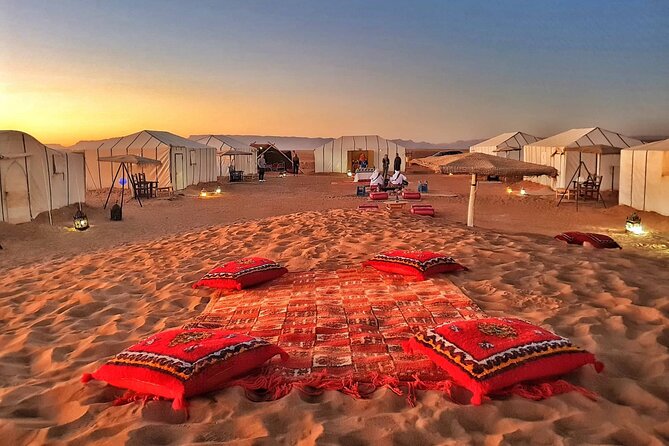
- Desert night with proper comfort: two nights of lodging included—one hotel night plus one Berber tent night in the dunes.
- Guides can make it better: people often highlight guides like Hassan and Rachid for keeping the day fun and informative.
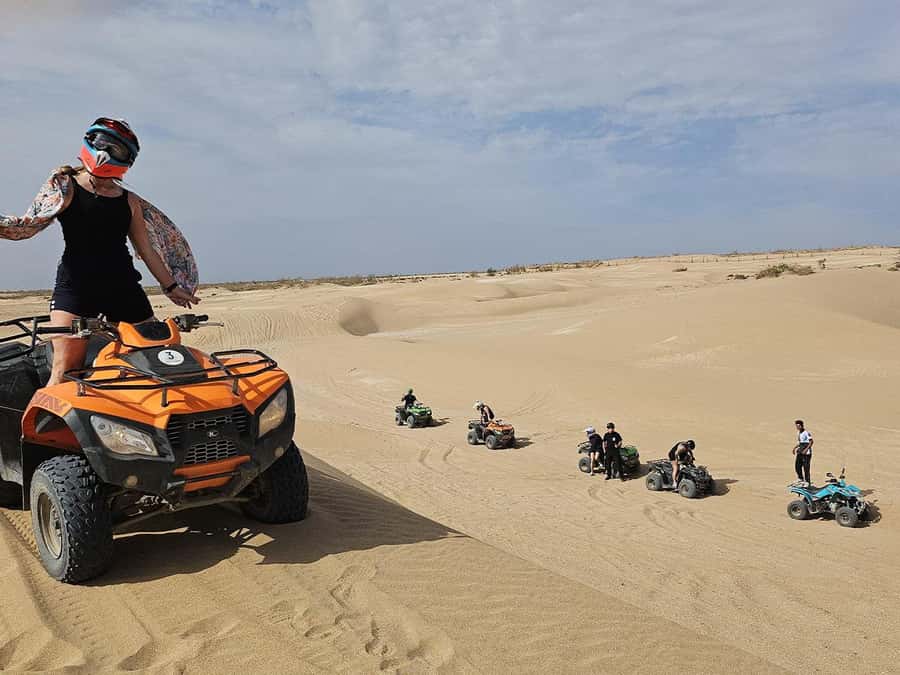
- Optional add-ons may be available: some groups choose extras like quad biking on top of the core plan.
High Atlas to Ouarzazate: what the first day is really for
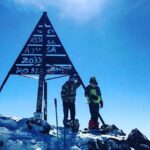
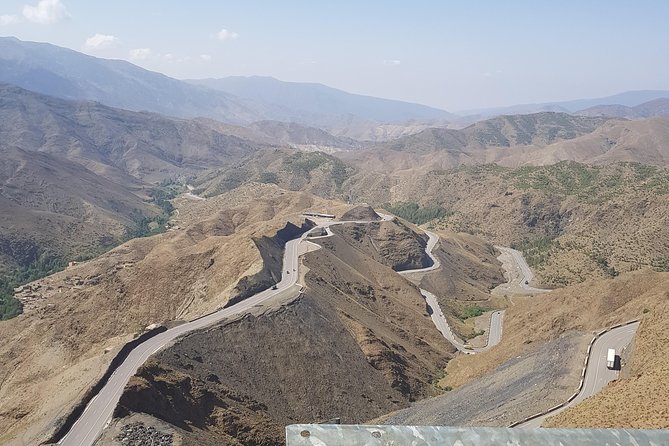
Day 1 is your “get from Marrakech to Sahara country” day, but it’s not wasted driving. You leave around 7:30–8:00 am and head toward Ouarzazate, crossing the High Atlas via Tizi n’ Tichka (over 2,000 meters). The timing matters here: you’re moving while the air is clearer, and the mountain scenery gets better as the day wakes up.
One smart part of this day is the pacing: you get short, focused stops instead of long museum-style detours. You’ll pause at Tizi n’ Tichka (admission included), then head to Ouarzazate’s orbit where the kasbahs start feeling like movie sets.
If you care about photos, bring a bit of patience. Kasbah exteriors look great, but the best angles come from walking a little and using the time you’re given.
A few more Marrakech tours and experiences worth a look
Aït Benhaddou and Taourirt kasbahs: the big cultural hits
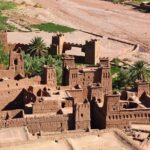
Aït Benhaddou is the stop most people remember. This fortified ksar is famous for its architecture and for being recognized as UNESCO World Heritage (admission not included here, and a guide inside Aït Benhaddou is also not included). You’ll have time to wander at a relaxed pace rather than being herded nonstop.
The practical takeaway: go early in your allotted time and start with a slower loop. The details in the earthen walls and alley shapes are what make the place work, not speed.
Then you continue to Kasbah Taourirt in Ouarzazate for a shorter visit (admission not included, about a half hour). It’s a different vibe than Aït Benhaddou: less “famous film stop” energy and more “fortified life once lived here” feeling. This combo gives you contrast—big UNESCO moment plus a quieter kasbah stop right after.
Roses Valley and Dades Gorges: breaks that keep the drive human
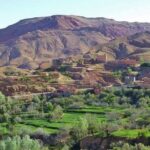
Between Ouarzazate and the Dades region, you pass through the kind of spots that make Morocco feel textured instead of repetitive. Vallee des Roses is one of those stops (admission included). You’ll get around 20 minutes in palm groves and gardens area where rose culture shows up in how the valley is shaped.
A quick note for timing: this is not a long hike day. It’s a “stretch your legs and see the valley” stop, so it’s perfect if you want views without adding fitness pressure.
Then comes the Dades area, which sets you up for Day 2. Early in the morning on the next day you’ll grab breakfast in the region, so your Day 1 endgame is simple: get to a comfortable base, rest your legs, and save energy for Todra Gorge the following day.
Todra Gorge to Merzouga: palms, fossils, then Erg Chebbi
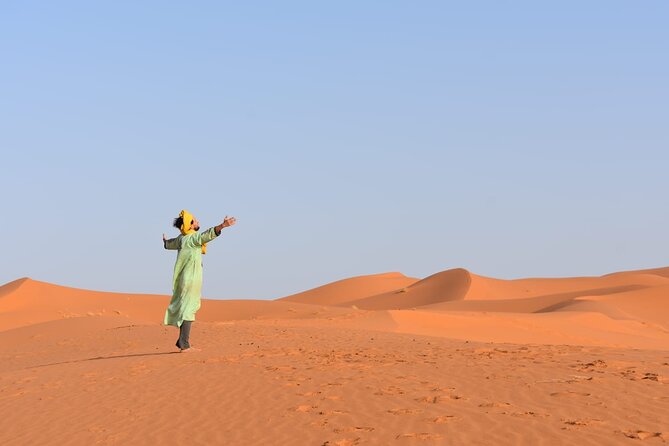
Day 2 starts with a key rhythm: breakfast early in/near the Dades Gorges area, then you head toward Todra Gorge. Todgha Gorge is worth the time because it’s dramatic in a way that photos don’t fully capture: tall rock walls carved by water over time, plus a walk that gives you panoramic angles (admission included).
From Todra, you’ll travel toward Merzouga by crossing through areas that hint at how agriculture survives near the desert. One highlight in the drive is the Jorf Palm Grove, known for its dates. The details on stops like this are more than filler; they show you how the route transitions from mountains to arid zones without a hard cut.
You’ll also make a traditional meal break en route and then reach Erfoud to visit fossil remains. That’s a very Morocco touch: right at the edge of the desert, you can still see proof that this place wasn’t always sand.
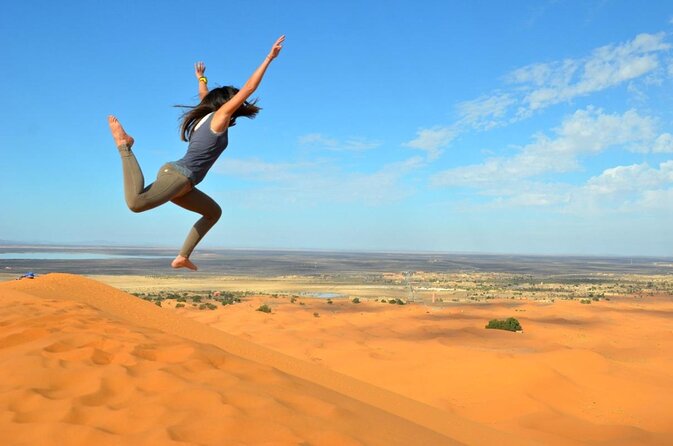
Finally, you arrive in Merzouga, the practical launch point for the dunes near Erg Chebbi. This is where your vehicle plan changes—once you’re at the desert edge, the trip becomes about getting onto the sands.
Camel rides at sunset and sunrise: the desert night plan
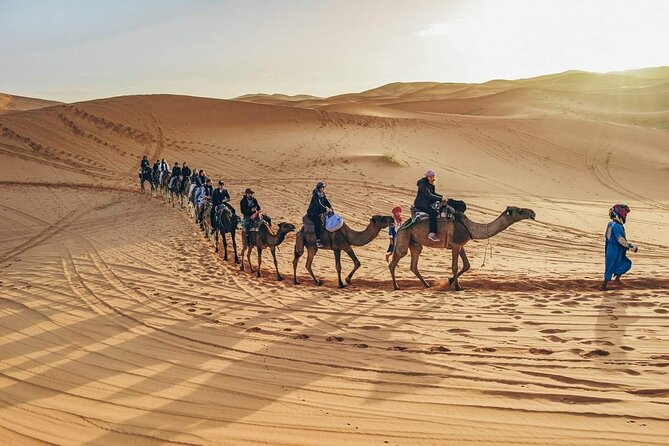
This tour’s desert component isn’t just a short photo moment. You’re scheduled for a camel ride at sunset and at sunrise, and that double timing is the magic.
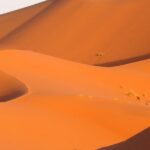
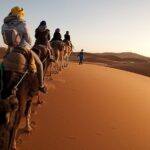
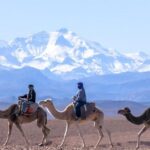
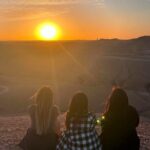
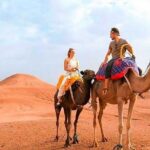
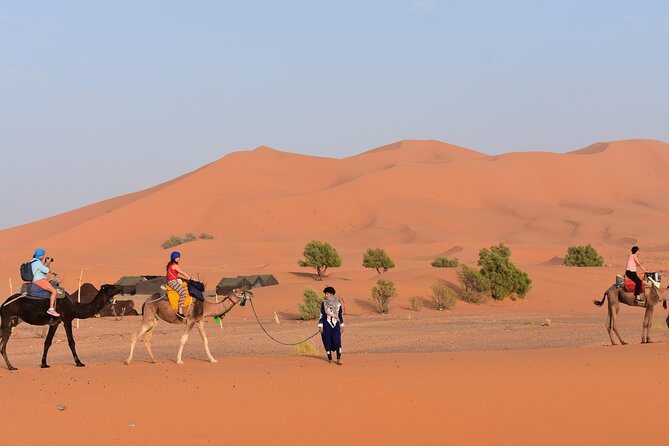
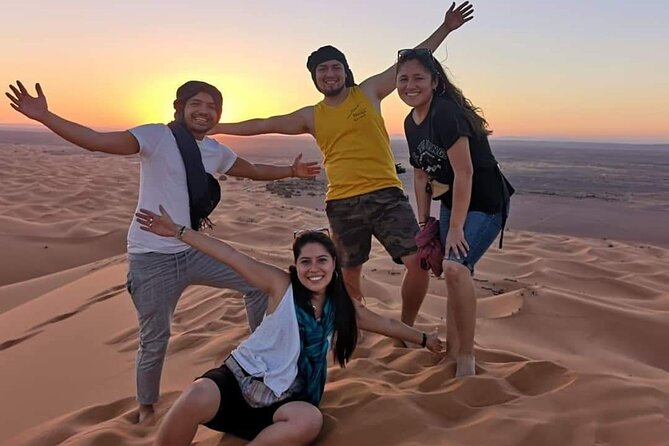
At sunset, you’ll ride out to your desert camp where the tones shift fast. Expect a “wow” without needing to force it. The dunes change with the light, and the ride itself is part of the experience—not just the destination.
The camp part is where value shows up. Two nights of accommodation are included: one hotel night plus one Berber tent night. Dinner and breakfast are also included twice, so you’re not constantly paying for meals while you’re traveling.
On Day 3, the sunrise ride is scheduled the same way: you’re up early for that first light. After the camel time, you go back to the hotel area for a shower and breakfast depending on the option you choose. That small detail is a big deal. In the desert, being able to refresh without scrambling for services makes the morning feel civilized rather than chaotic.
If you’re sensitive to sleeping conditions, pack accordingly. A tent night is part of the deal here, and the comfort level depends on weather and your own expectations.
Trading sand for cedar and city streets: Merzouga to Fez
After the desert, the drive shifts tone again. You set off for Fez passing through Tafilalet and Rissani, which are connected to the Alaouite sultans and their dynasty’s origins. This part helps you understand that Morocco’s desert isn’t isolated—it’s linked to political and trade routes.
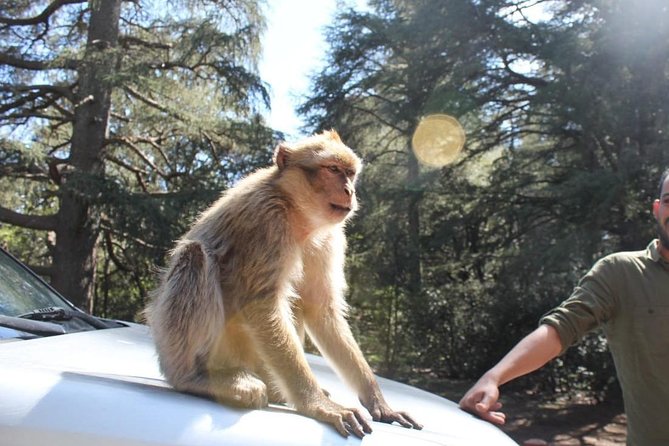
Then you head through Azrou and Ifrane. Azrou comes with a stop at the Cedar Forest, where Moroccan cedars grow and you may see Barbary macaques around the area (admission included). If you like animals but don’t want a zoo vibe, this stop is more of a “pause and watch what’s there” moment.
Next is Ifrane, often nicknamed the Switzerland of Morocco. You get a short rest stop (admission free). The point here is a breather and a quick reset before you finish in Fez.
So yes, it’s a long arc from dunes to city. But the route keeps the day from feeling like one giant transfer by inserting these nature and town stops.
Price and logistics: is $677.79 worth it
At $677.79 per person, you’re paying for more than a “desert night.” This price includes the hard-to-price parts: transportation (minivan or 4WD), an English-speaking driver/guide setup, two nights lodging (hotel + Berber tent), camel rides at sunset and sunrise, and two dinners and two breakfasts.
That matters because meals and logistics add up fast in Morocco, especially when you’re moving between regions. The plan also includes pickup and drop-off for hotels outside the Marrakech Medina, plus an actual end back at the meeting point in Marrakech.
What’s not included is also important:
- Lunch and drinks are not included, so you’ll want cash/card planning for midday breaks.
- A guide in Aït Benhaddou is not included.
- Tips are not included.
- Admission isn’t included for every single stop (for example, Aït Benhaddou and Taourirt Kasbah have admission marked as not included), while other stops are included.
My practical way to judge value: if you would otherwise have to book separate transport, separate lodging, and figure out how to get camel rides booked with meals, this bundled plan usually feels fair. The “private tour” detail (only your group) also matters if you want control over your pace and photos.
Who this Marrakech-to-Fez Sahara crossing fits best
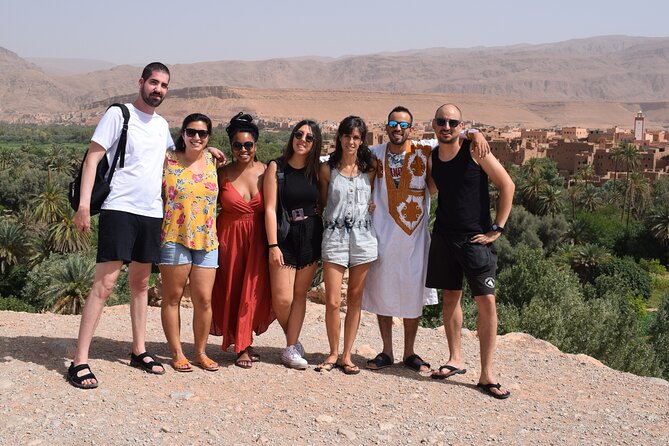
This tour is a great match if you want a classic Morocco desert route with minimal planning stress. It’s also a good fit if you like structure: you get timed stops, included admissions for several key points, and meals built into the schedule.
It may be less ideal if:
- You want lots of free time in each stop.
- You hate early departures (the day starts early both in Marrakech and in the desert rhythm).
- You dislike being on the road more than you’re walking.
If you’re traveling as a group and want a private experience, the “only your group” setup can be a big upgrade.
Should you book this 3-day Merzouga adventure?
If your goal is a smooth, single-ticket-style trip from Marrakech to Fez that still feels real, I’d say this one is worth booking. You get the key ingredients: Atlas passes like Tizi n’ Tichka, major kasbah energy at Aït Benhaddou, gorge time at Todra, and the desert payoff at Erg Chebbi with both sunset and sunrise camel rides.
I’d only hesitate if you want a relaxed pace with minimal driving. Otherwise, pack for early mornings, plan for lunches/drinks outside the included meals, and enjoy the fact that the route is built around memorable stops rather than empty transit.
FAQ
What’s the duration of the tour?
The tour is listed as 3 days (approx.).
How much does it cost per person?
The price is $677.79 per person.
Where does the tour start and where does it end?
It starts at ArganaJ2H6+CPV Jamâa el-fnna, Number 18, Znikat Rahba, Marrakech 40000, Morocco. It ends back at the meeting point.
What time does the tour start?
The start time is listed as 7:30 am.
Do you get pickup from hotels in Marrakech?
Pickup and drop-off are offered for hotels outside the Medina of Marrakech.
Is transport included?
Yes. Transport is included by minivan or 4WD.
What’s included in the meals?
Two dinners and two breakfasts are included. Lunch and drinks are not included.
Are camel rides included?
Yes. Camel rides are included at sunset and sunrise.
What kind of accommodation is included?
Two nights of accommodation are included: hotel and Berber tent.
Which admissions are included?
Admission ticket inclusion varies by stop. Tizi n Tichka, Vallee des Roses, Todra Gorge, and Azrou Cedar Forest are marked as included, while admission for Ait Benhaddou and Taourirt Kasbah is marked as not included.
Is free cancellation available?
Yes. Free cancellation is available up to 24 hours in advance for a full refund, and weather can also affect cancellation with options for a different date or a full refund.