REVIEW · MARRAKECH
12 Days Private Tour in Morocco: Cities, Atlas and Desert
Book on Viator →Operated by Explore Morocco Travel SARL · Bookable on Viator
A long, road-happy Morocco trip can still feel easy. This private 12-day tour strings together coastal towns, imperial cities, mountain passes, and Sahara dunes from Marrakech—without you coordinating the chaos. I love the way it builds in hands-on highlights like an argan oil cooperative stop near Essaouira and the sand-time with a 4×4 ride plus a desert camp night. One possible drawback: while transport and a lot of activities are included, lunches and some city dinners aren’t, so you’ll want a bit of extra money and flexibility.
What really makes this itinerary work is how it mixes guided time with free time. You get real expert guidance in big-ticket places like Fez (plus tanneries), and you still have moments to wander on your own in places like Chefchaouen. If you hate long drives, this route may feel like a lot—because it’s designed to cover a huge stretch of Morocco in 12 days.
In This Review
- Key highlights that make this route worth your time
- Marrakech as the launch pad
- Price and what you truly get for $3,993.95 per person
- Essaouira and the Atlantic: argan, ramparts, and fresh fish vibes
- Safi, El Jadida, and Casablanca: three stops with different moods
- Rabat to Fes: UNESCO Roman ruins and the imperial-city switch
- Fez full-day medina tour: gates, madrasas, tanneries, and smells
- Chefchaouen: blue city time that you should actually use
- Middle Atlas to Merzouga: Ifrane to date palms to dunes
- Merzouga desert camp: 4×4 rides, camel choices, and real night sky time
- Todra to Dades: short hikes with 300-meter wow
- The Draa Valley to Zagora: desert edge life and palm grove views
- Tamegroute and Ouarzazate: pottery, subterranean spaces, and film sets
- Aït Ben Haddou, Telouet, and the Atlas Film Studio on the final push to Marrakesh
- Who this Morocco tour suits best
- Should you book this 12-day private Morocco tour?
- FAQ
- How long is the private tour?
- Where does the tour start and where does it end?
- Is this a private tour?
- What’s included for the Sahara part of the trip?
- Are lunches and drinks included?
- Which meals are included?
- Are entrance fees included?
- What happens during the Atlas Film Studio visit?
- What if the weather is bad?
- What are the cancellation terms?
Key highlights that make this route worth your time
- Private coast-to-desert pacing: you cover major regions fast, but you’re not doing it alone.
- Sahara logistics handled: 4×4 pickups, a desert camp night, and camel options at sunrise.
- Fez with a real city guide: gates, madrasas, tanneries, and skyline views over the medina.
- Volubilis + imperial cities combo: Roman mosaics in UNESCO territory before the Meknes/Fez swirl.
- Gorges + Atlas routing: Todra’s cliff walk and Dades valley viewpoints without rushing past them.
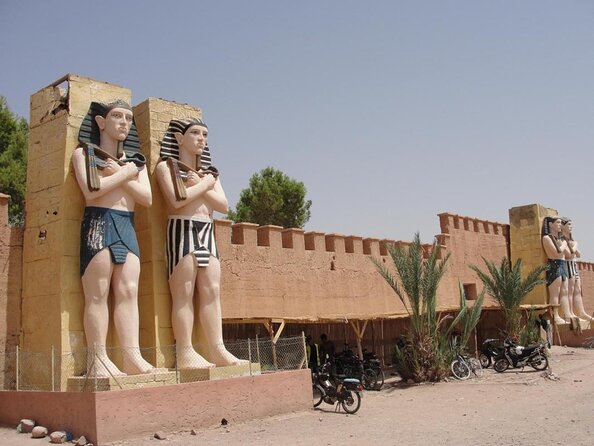
- Film-making stops that actually fit the road: Ouarzazate sets and the kasbah circuit near Aït Ben Haddou.
Marrakech as the launch pad
This tour starts with pickup at Marrakesh Menara Airport and ends back at the meeting point in the city. That matters because Marrakesh traffic can be a beast, and here you avoid the “now what?” scramble on day one.
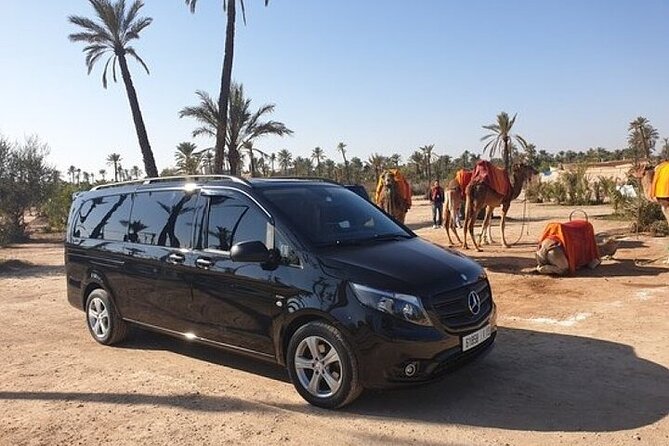
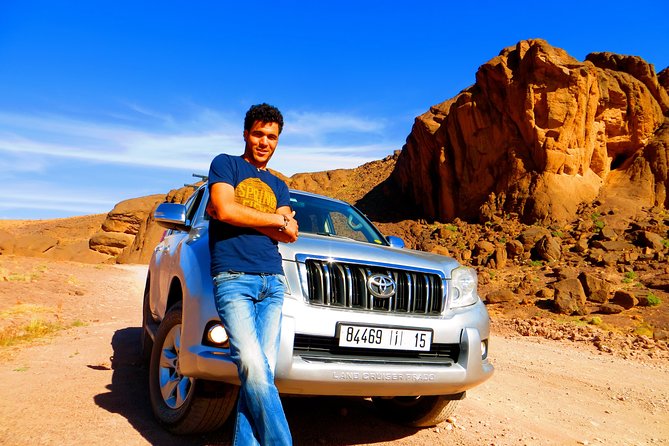
Expect a private driver-guide and dedicated transportation throughout the trip. That’s what lets you do a plan this wide—coast, mountains, desert, and back again—without trying to stitch together trains, taxis, and day tours on your own.
You can also read our reviews of more private tours in Marrakech


Price and what you truly get for $3,993.95 per person
At $3,993.95 per person for about 12 days, this isn’t a budget trip. The value comes from doing many long-distance transfers with private transport plus guided time in key places, including Fez, Meknes, Aït Ben Haddou, and Telouet Kasbah.
Here’s where it can feel expensive: lunches, drinks, and several city dinners aren’t included, and city entry fees for museums/monuments can be extra. So if you’re the type who wants to eat only at pre-paid places and never think about entrance tickets, budget headaches can pop up.
But if you want a “driver does the hard parts” route—especially on desert days—this price starts making sense. A normal budget-style Morocco plan often falls apart when you hit the Sahara leg and need the right vehicles, timing, and overnight setup.
Essaouira and the Atlantic: argan, ramparts, and fresh fish vibes
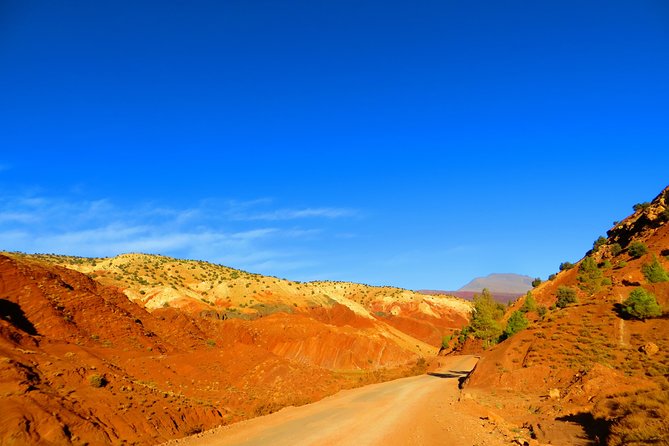
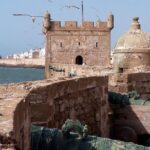
Day 1 turns Essaouira into your first taste of Morocco beyond the Marrakesh buzz. You drive through countryside—olive groves and wild argan trees—and you can stop at a women-run argan oil cooperative. It’s not just a photo stop: you see how the oil gets processed, and you can taste and buy products if you want.
Then you land in Essaouira with time to explore on foot. You’ll see the busy harbour where fishermen unload the day’s catch, plus the Portuguese-influenced medina feel with white-and-blue buildings. If you like food, this is the day to lean in—Essaouira is all about seafood.
The only “watch out” piece: you’re given free time here (no meal package included for that portion). So if you want a sit-down dinner every night, plan for it.
Safi, El Jadida, and Casablanca: three stops with different moods
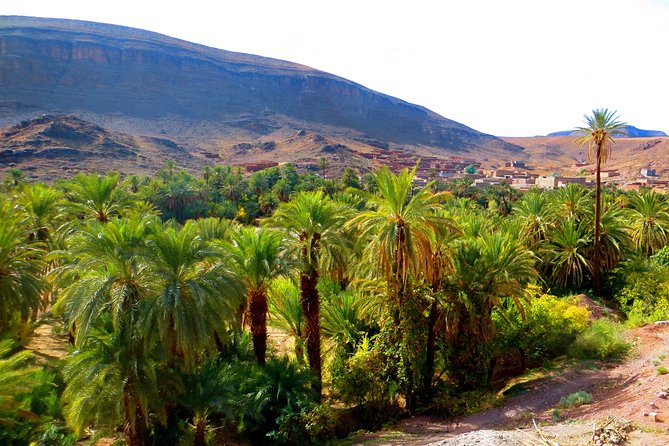
On Day 2 the route keeps sliding along the coast. You pause in Safi (time to see the seaside towns and beaches in that stretch) and then head to El Jadida, known for its citadel and cistern—clear reminders of Portuguese occupation.
Casablanca is your evening finale. The headline stop is the Hassan II Mosque by the ocean, timed for sunset. Casablanca is more modern and business-heavy than the cities later in the trip, but the skyline views and the mosque setting make it feel like Morocco rather than just a big city.
A practical note: Casablanca arrival is an evening and you’re not promised included meals for that city. That’s a theme of this tour—transport and key sights included; meals handled with local choices.
Rabat to Fes: UNESCO Roman ruins and the imperial-city switch
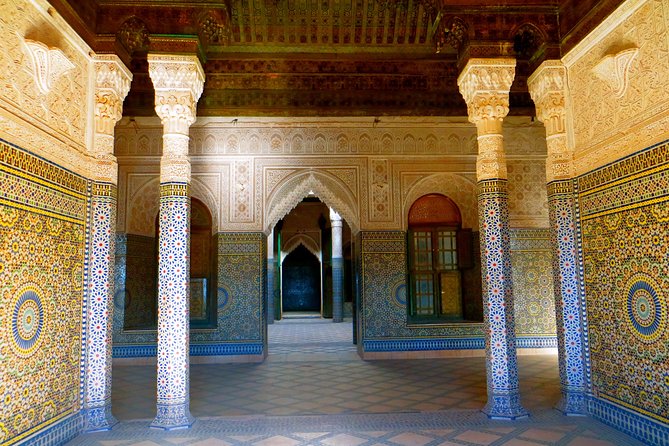
Day 3 is a smart pivot day. You start in Rabat (capital city energy without the chaos), visiting the mausoleum of Mohammed V and Hassan II, plus views from Tour Hassan and the gardens. After that, you check out the Kasbah Oudaya and the Rabat medina streets with river-side boats.
Then comes Volubilis, the UNESCO Roman ruins site with well-preserved mosaics. You get about an hour here, and the tour notes you can go independently or with a local guide (not included). If you want the best chance at good light for the mosaics, aim for mid-morning or late afternoon—time at ruins matters.
Next is Meknes: you see the gate of Bab el-Mansour at Place el Hedim, then you drive on to Fes for the next three nights. If you like architecture and city structure, this day gives you a nice “Morocco layers” effect: Roman, Islamic, and royal city planning all in one run.



Fez full-day medina tour: gates, madrasas, tanneries, and smells
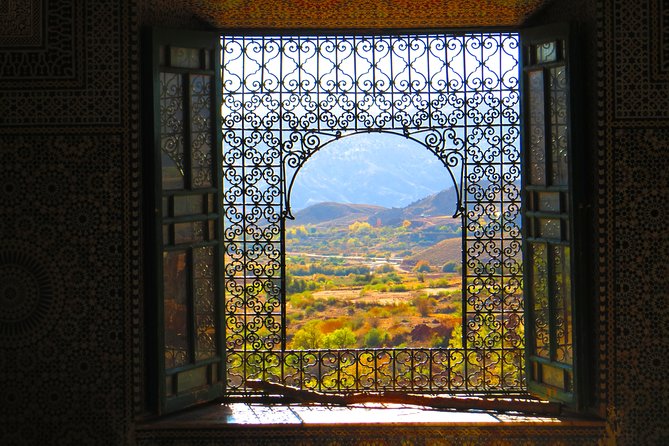
Fez is where the tour becomes clearly guided and not just road-travel. You get a local guide picked up at around 10:00 after breakfast, and the day runs about seven hours.
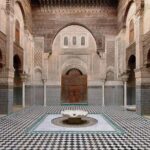
You start at Bab Boujloud, then move through madrasas and religious-study buildings like Al Attarine and other historic schools (plus the Karaouine area). There’s also time for the Nejjarine Museum of Wooden Arts and Crafts in a restored caravanserai—great if you want a slower, indoor change of pace.
Then comes the Chouara tannery area. Yes, you’ll see the leather process that has been done for hundreds of years. And yes, the tour openly warns you about the smell of the furs and coloring goods. If strong odors bother you, come ready—this isn’t a “pretty view only” stop.
Your day closes with a cemetery hill viewpoint (Bab Fettouh) for panoramic medina views. That’s one of the best ways to “get your bearings” fast in Fes.
One more practical detail: the Royal Palace is outside the medina, so this isn’t an inside-access kind of visit. Still, the palm-lined plaza gives you contrast against the maze-like medina streets.
Chefchaouen: blue city time that you should actually use
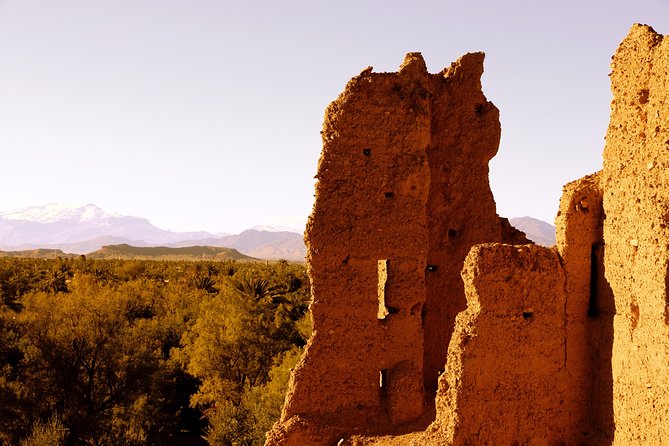
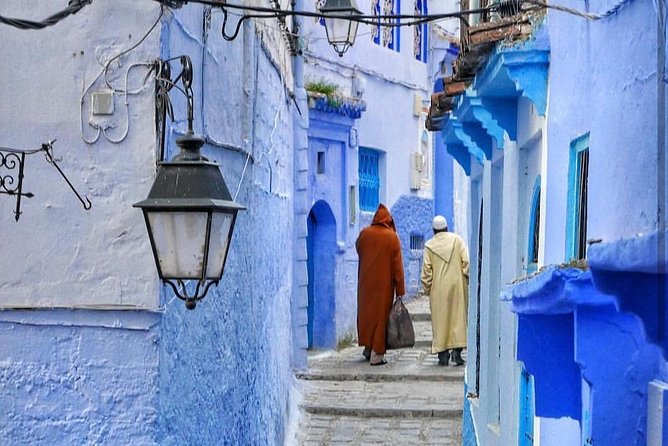
Day 5 is all about swapping big-city intensity for mountain calm. You drive from Fes to Chefchaouen with changing landscapes along the way, and once you arrive you get a few hours to explore the medina on your own.
Chefchaouen is small enough that you don’t strictly need a guide to enjoy it. That flexibility is valuable here: you can wander the blue-and-white streets, pause for photos, and choose your own pace.
Lunch timing is built in via a rooftop terrace by Outa el Hammam square, and you get several hours total to roam. The tour also points you toward the river laundry scenes and the R’as el Maa waterfalls, plus an option to hike uphill to a mosque viewpoint that’s described as never used for prayers. Even if you don’t chase every side path, having the option is what makes the day feel rich rather than rushed.
Middle Atlas to Merzouga: Ifrane to date palms to dunes
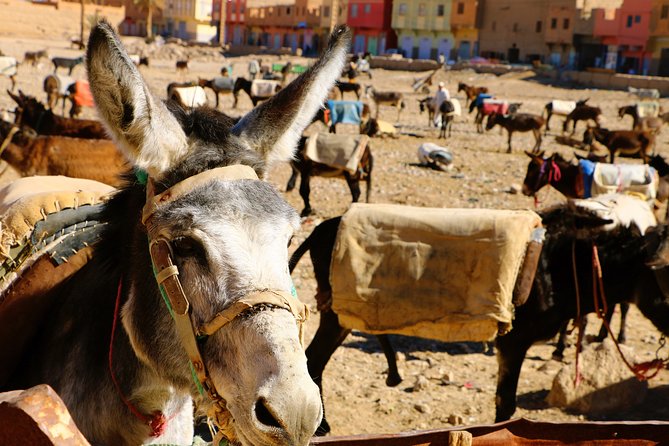
Days 6 and 7 are where you earn the desert. The route goes through the Middle Atlas with stops that feel like changing scenes, not random checkpoints.
In Ifrane, you’ll sip coffee and enjoy the “Switzerland of Morocco” chalet-like feel. Then you pass typical villages and can spot nomad families living in tents along the road around Azrou. After that you get panoramic views through mountain towns and spend the night in Midelt.
On Day 7 you cross the Tizi N’ Talghoumt pass and reach Erfoud for a walking tour around a major date palm oasis in the Ziz Valley with a local guide. This part is good even if you’re not a “green scenery” person, because it helps you understand what Morocco’s desert edge actually depends on.
Then you drive to the Merzouga region with accommodation near the dunes and views of red sand. The rhythm changes here: less city time, more horizon time.
Merzouga desert camp: 4×4 rides, camel choices, and real night sky time
Day 8 is your big desert day, and the structure is what keeps it from feeling like a stunt. You start with pickup from your accommodation in a spacious 4×4, visiting the area around Merzouga and the land of the Ait Khebbach tribe.
Then you go to Khamlia, known for music and dance. You’ll have a chance to try instruments and join in with desert-style music.
After that, the tour heads to Lake Merzouga (also called Lake Tamezguida), which appears seasonally from November to May during the rainy period. That’s a smart detail to include in the plan because it affects what you’ll actually see. You’ll also be in the right spot to look for desert birds, and sometimes flamingos, depending on the season.
The night in the desert camp includes settling into your private tent, mint tea, traditional dinner, and time for stargazing or dancing by the camp fire. If you want a Sahara experience that doesn’t feel like one quick photo and done, this is the kind of overnight that gives you time to slow down.
Todra to Dades: short hikes with 300-meter wow
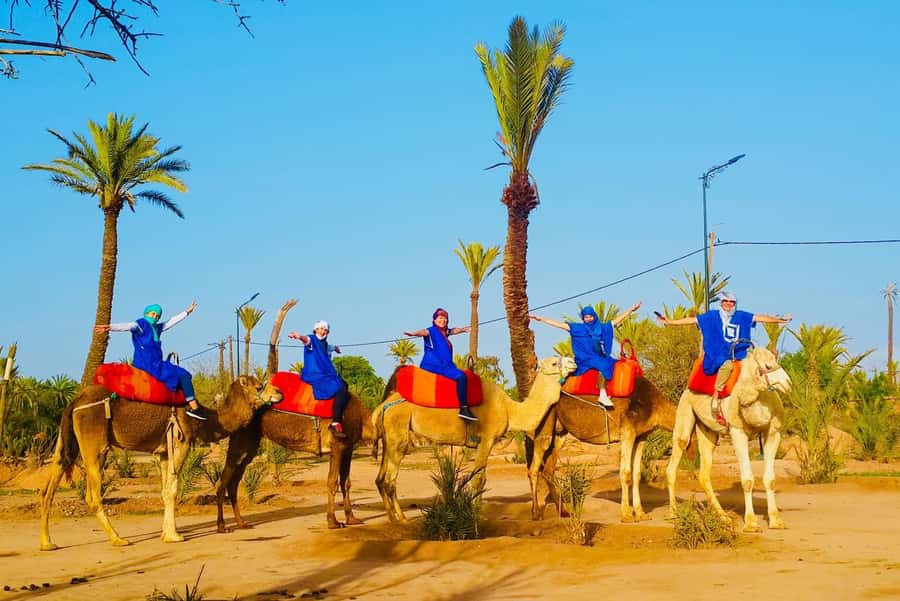
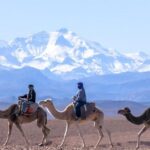
Day 9 starts early for sunrise over the Sahara. You’ll have the first light, a typical breakfast, and then you return either on camel back or by 4×4 to the desert lodge. That choice matters: camel rides feel more classic, while 4×4 can save energy.
Then you head to Rissani for a local market and a look at fossils outside town. After lunch, you reach the Gargantas del Todra—a short but spectacular hike between rock walls up to 300 meters high.
The day ends in the Dades valley after stopping at Boumalne Dades for rock formation photos that the tour describes as monkey hands. It’s a “grab your camera” moment before you reach your Riad for the night.
One consideration: this day is active and the driving is still real. If you’re prone to back fatigue, pack a small cushion and plan for a few long road segments.
The Draa Valley to Zagora: desert edge life and palm grove views
Day 10 shifts you from cliff-and-canyon energy to valley scenery. You drive through the Saghro Mountains on a secluded route away from the big tour roads, with possible chances to visit a nomad family for tea.
Then you stop in Nkob for lunch with a view over the Draa Valley and its palm groves. After that you continue to Zagora, called the desert capital in the tour description, where you spend the night.
This stretch is a nice “in-between” zone: you still have desert influence, but it’s less about dunes and more about how people live with the land.
Tamegroute and Ouarzazate: pottery, subterranean spaces, and film sets
Day 11 includes Amzrou and a few cultural stops before you reach Ouarzazate. In Amzrou you visit its Jewish quarter area and take in the huge palm groves. Next is Tamegroute, described as a 16th-century Saadian town.
Here you get an old coran library and a subterranean Kasbah with a local guide (this one is specifically noted as a private local guide). The stop also includes pottery shops in the area, so this is a cultural and craft-heavy day without requiring you to be an expert in Moroccan architecture.
You then pass through Agdz for more views over date palm groves and Jbel Kissane, and cross the Anti-Atlas Mountains to Ouarzazate for an overnight at your Riad.
Aït Ben Haddou, Telouet, and the Atlas Film Studio on the final push to Marrakesh
Day 12 is a “big finish” day, but the order makes sense because it’s still all on the same return line.
In Ouarzazate you see Taourirt and the old town’s narrow streets, plus the Taourirt palace with countless rooms that feel labyrinth-like. Then you visit the Atlas Film Studio, where you’ll get a guided tour of the movie studios in a group for about 60 minutes. The tour specifically mentions films like Gladiator, Babel, Prince of Persia, and The Physician.
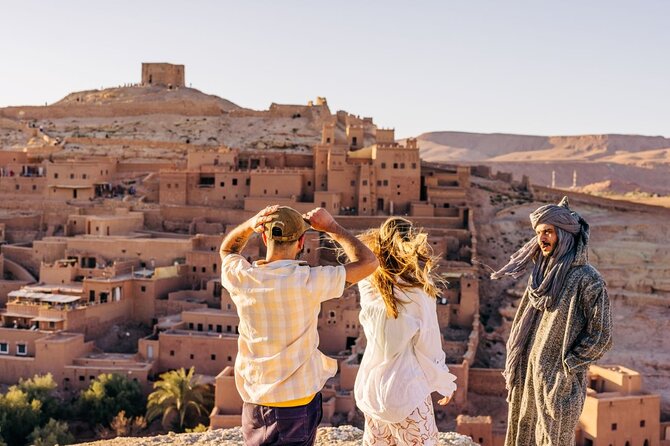
After that comes Aït Ben Haddou, the fortified clay city and UNESCO World Heritage Site. You explore with a local guide, and the tour notes it’s been used in movies including Kingdom of Heaven and Prince of Persia.
Next is Telouet Kasbah, tied to Thami el Glaoui’s control before independence. One section has disintegrated into red sand, but you can still visit the rooms with mosaic tiles and wood carvings. It’s a reminder that this region isn’t just “movie backdrops”—it’s lived space shaped by history and time.
Finally, you cross the High Atlas mountains over the Tizi n’Tichka pass and return to Marrakesh for drop-off.
Who this Morocco tour suits best
This tour is a strong fit if you want a private, guided spine through Morocco: Fez and the big kasbah stops are guided, the desert is organized, and the route covers a lot without forcing you to plan every transfer.
It also works well for people who like switching environments fast—coast one day, medina another, then mountains, then dunes. If you’re traveling with kids or you just don’t want daily logistics, the private driver setup is a real comfort.
If you hate long driving days, you’ll need to be honest with yourself. This itinerary is designed to cover huge distance. You’ll see a lot, but you’ll also spend time on the road.
Should you book this 12-day private Morocco tour?
I’d book it if your priority is seeing Morocco from the coast to the Sahara with minimal planning stress and strong guidance in the places that benefit most from a local expert (Fez, kasbah sites, and key stops).
I wouldn’t book it if you want a low-cost trip with fully included meals and lots of free time to slow down. With lunches and several city dinners not included, you’ll be paying for those extras along the way—and the schedule still assumes you’re ready for days that run long.
If you’re aiming for a “one big Morocco trip” plan and you’re okay with a mix of guided and self-guided time, this one is built for that goal.
FAQ
How long is the private tour?
It’s about 12 days.
Where does the tour start and where does it end?
It starts with pickup at Marrakesh Menara Airport in Marrakech and ends back at the same meeting point.
Is this a private tour?
Yes. It’s private, so only your group participates.
What’s included for the Sahara part of the trip?
You get a 4×4 experience around Merzouga, a camel ride to the desert camp, and an overnight at the desert camp. You’ll also have time for sunrise and breakfast, then return to the lodge either by camel or 4×4.
Are lunches and drinks included?
Lunches and drinks are not included.
Which meals are included?
Breakfast is included for 11 mornings, and dinner is included for 6 evenings. Some city dinners are not included (Essaouira, Casablanca, and Fes).
Are entrance fees included?
Some entry fees and activities are included, but entrance fees for museums and monuments in cities are not included.
What happens during the Atlas Film Studio visit?
You’ll join a guided tour of the Atlas Film Studio in a group, about 60 minutes. The tour is listed as included.
What if the weather is bad?
The experience requires good weather. If it’s canceled due to poor weather, you’ll be offered a different date or a full refund.
What are the cancellation terms?
You can cancel up to 6 days in advance for a full refund. Cancellation within 2 days of the start time isn’t refundable.