REVIEW · CASABLANCA
10 Day Desert Tour From Casablanca via the Imperial Cities
Book on Viator →Operated by Morocco Global Adventures · Bookable on Viator
Ten days can feel like a sprint. In Morocco, that can be a good thing. This route strings together Casablanca, the imperial cities, and the Sahara, so you spend your time seeing real places instead of just getting from A to B.
I like two big parts here: the small-group setup (maximum 14 people) and the way the trip balances city walking with desert time at Erg Chebbi. I also appreciate the included desert extras like sandboarding and camel rides at both sunset and sunrise.
One watch-out: the driving days are long. If you hate long transfers, plan to bring patience, snacks, and a willingness to rest on the move.
In This Review
- Key things to know before you go
- Casablanca to the imperial cities, then the Sahara
- Rabat and Chefchaouen: the stop that makes the trip feel real
- Volubilis en route to Fez: Roman bones before the royal medina
- UNESCO Fes: medina ramparts, madrasas, and the royal city feel
- The long drive through the Middle Atlas to Merzouga
- Erg Chebbi dunes: oases, nomads, and Khamlia gnawa music
- Dades Gorges and Rissani: markets and fossil craft near Erfoud
- Valley of roses, Skoura kasbahs, and the road into Marrakech
- Marrakech in one big day: Saadian Tombs, Bahia Palace, Majorelle Garden, Djemaa el Fna
- Price and value: what you get for $1,394.61
- Who should book this desert loop from Casablanca
- Should you book this 10-day desert tour from Casablanca?
- FAQ
- What is the duration of the tour?
- What time does the tour start?
- Do you get picked up from the airport and transferred to a hotel?
- What’s included for the desert experience?
- Are breakfast and dinner included?
- Is lunch included?
- Are entrance fees included for monuments?
- What kind of accommodation should I expect?
- How big is the group?
- Can I cancel for a full refund?
Key things to know before you go
- Max 14 travelers keeps the group feeling manageable on busy medina days
- Erg Chebbi with camel rides twice gives you both sunset and sunrise desert moments
- Fes and Marrakech get guided city touring so you’re not just wandering blindly
- Sandboarding + desert camp dinner are built into the desert portion, not add-ons
- Riads and hotels mix comfort with the real Morocco-feel of staying inside the old neighborhoods
Casablanca to the imperial cities, then the Sahara
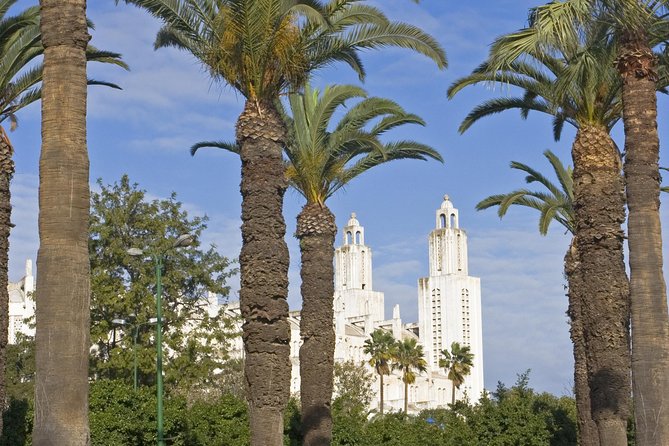
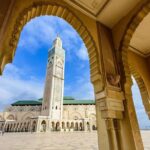
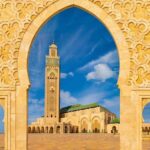
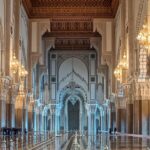
Your trip starts in Casablanca with an airport pickup and a transfer to your hotel. Before you even head inland, there’s a planned visit stop at the Hassan II Mosque, one of the biggest in the world and a signature modern landmark in Morocco.
From there, the tour becomes a classic Morocco loop: coast-to-cities-to-mountains-to-desert. You’ll clock up a lot of variety fast, including UNESCO-listed old town streets in Fes, and the shifting colors of the dunes near Merzouga.
Even if you love planning your own days, this itinerary is built for convenience. You show up, and the vehicle, guiding, and key sight stops are organized for you.
You can also read our reviews of more tours and experiences in Casablanca.
Rabat and Chefchaouen: the stop that makes the trip feel real
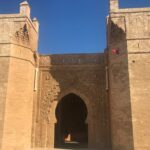
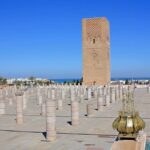
On day two, you head toward Chefchaouen after a Rabat morning. You visit the Kasbah Oudaïas, the Hassan Tower, and the mausoleum of Mohamed V, which helps you understand Morocco beyond just medina shopping and photo stops.
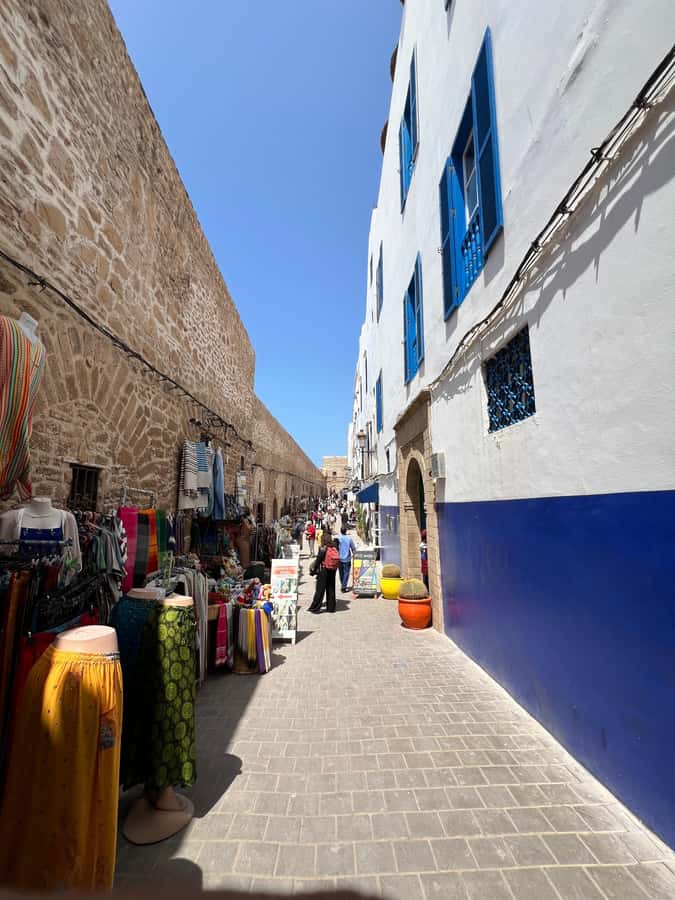
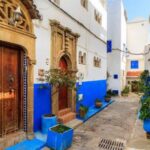
Then you arrive in Chefchaouen, famous for its blue-painted buildings and tight alley charm. This is one of those places where the streets feel like a maze, so it’s easier to enjoy if you arrive with a plan: slow down, keep your camera ready, and give yourself time to get oriented.
Since the tour schedules an overnight in Chefchaouen, you get at least part of the town in the calmer light, not just a rushed “walk-through and leave” moment.
Volubilis en route to Fez: Roman bones before the royal medina
On the way to Fes, there’s a stop at Volubilis, the old Roman city ruin site. That contrast is smart. One moment you’re seeing Mediterranean-style stone and layouts; the next you’re walking medieval streets where everything is about tradition, crafts, and local rhythm.
You reach Fes around mid-afternoon and overnight in a riad. That timing matters because Fes can feel intense once you’re inside the medina. Getting settled first lets you enjoy the first evening without feeling like you’ve been dropped into the deep end.
If you’re traveling with jet lag, this pacing helps. You’re not forced to do the big guided medina day immediately.
UNESCO Fes: medina ramparts, madrasas, and the royal city feel
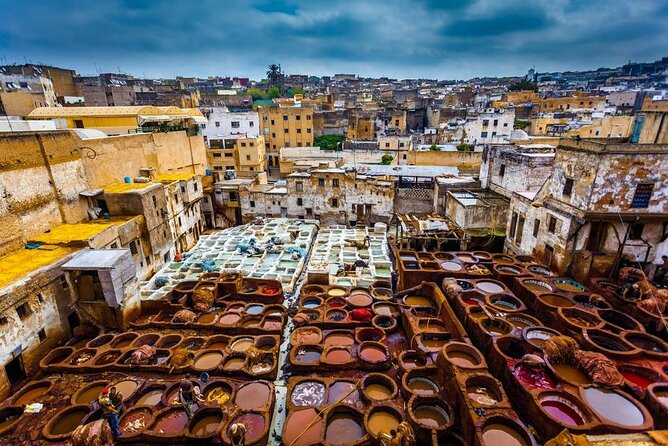
Fes is the heart of this tour’s “old Morocco” segment, and the itinerary gives it real time. You start with a full guided city tour with an English-speaking guide, and you’ll cover the old medina’s ramparts and narrow streets, which were designated a UNESCO World Heritage Site in 1981.
From there, you’ll move through a set of major religious and cultural stops, including the madrasas Bouanania and Attarine (early 14th-century builds), the Karaouine Mosque, and the Nejjarine marble fountain. These are the kind of sights that make sense with a guide, because the details are in the layout and craftsmanship.
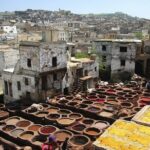
In the afternoon, the tour keeps going through the decorated door of Boujloud and the Royal Palace area, plus a souk section where you’ll see craftsmen selling handmade goods like jewelry, leather items, copper objects, and pottery.
Practical reality check: the tour includes guided touring and sight stops, but lunch isn’t listed as included. There’s a lunch break in a typical Moroccan restaurant, so budget for lunch even on days that feel like a “mostly covered” schedule.
The long drive through the Middle Atlas to Merzouga
Then comes the big shift: you leave Fes behind and head toward the desert. Day five starts early with a pick-up from your hotel and a drive of about 350 kilometers across the Middle Atlas.
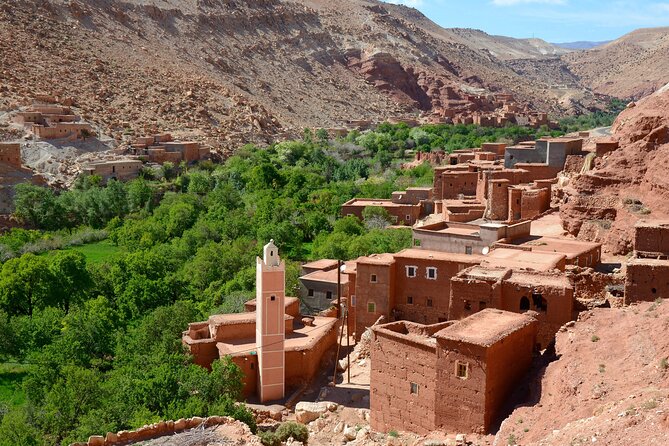
Along the way, you stop in places like Ifrane (often nicknamed Moroccan Switzerland for its architecture), and Azrou, a well-known Berber area. You also pass through the Ziz Valley and gorges, including towns such as Midelt and Erfoud, before switching to a desert track toward Merzouga.
This is the part that makes the tour feel like a commitment. It’s not one of those “short trip, many stops” itineraries. The upside is that you don’t just visit the dunes for a quick photo. You’re taken there through actual mountain and valley scenery.
When you arrive, you stay in a hotel near the desert entrance. That setup is useful because you’re not instantly thrown into camp logistics. You get time to reset after the drive.
Erg Chebbi dunes: oases, nomads, and Khamlia gnawa music
Day six is where the desert starts to feel like a different world. You drive into the desert area near Merzouga, visit nomadic villages, and see oases. Then you cross the dunes of Erg Chebbi, which are famous for their dramatic sand shapes and sunrise/sunset light.
One of the more memorable cultural stops here is Khamlia, known for gnawa music. The tour visits the village where you can hear that musical tradition tied to descendants of people brought to North Africa from further south. Even if you’re not a music nerd, it’s one of the best “this is Morocco, not just scenery” moments of the whole trip.
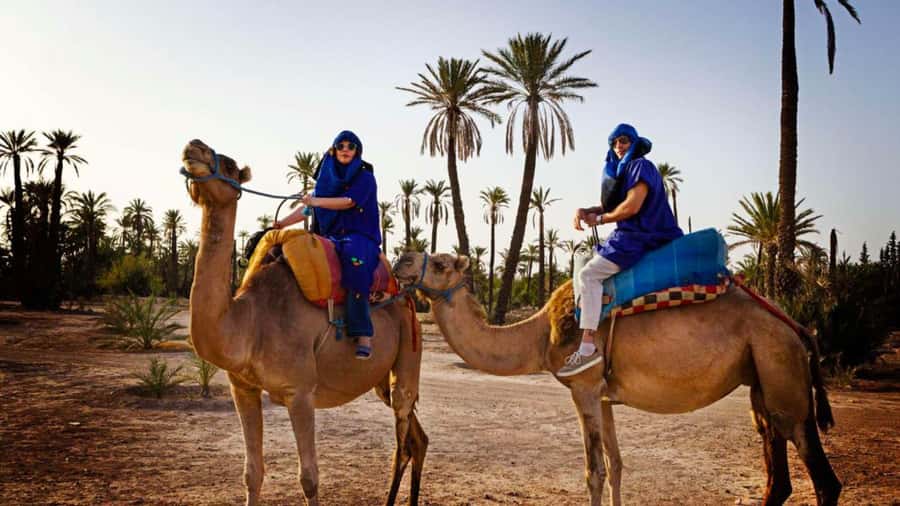
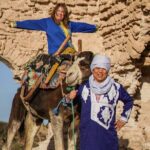
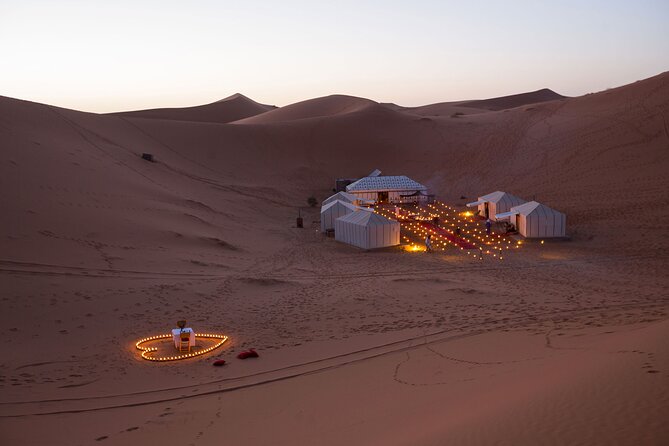
At dusk, you head back to the hotel, then ride camels to the Berber camp inside the dunes. You dine there and sleep in a luxury tent setup, which is a good compromise if you want authenticity without going full roughing-it.
About the camel ride: at least one traveler flagged that it’s a special experience but can be physically uncomfortable. I’d treat it like part adventure, part endurance test.
Dades Gorges and Rissani: markets and fossil craft near Erfoud
On day seven, you move away from Merzouga and toward the Dades Gorges area. The route is staged so you’re not only in transit. You stop in Rissani, described as the capital of the Tafilalet region, and you walk through the animal market and the souk.
Then you pass through the Ziz Valley again and continue toward Erfoud. Here the tour includes a fossil quarry visit, plus a look at how fossils are turned into crafted pieces like tables and washbasins. It’s a reminder that “desert” life includes industry and artistry, not just sand.
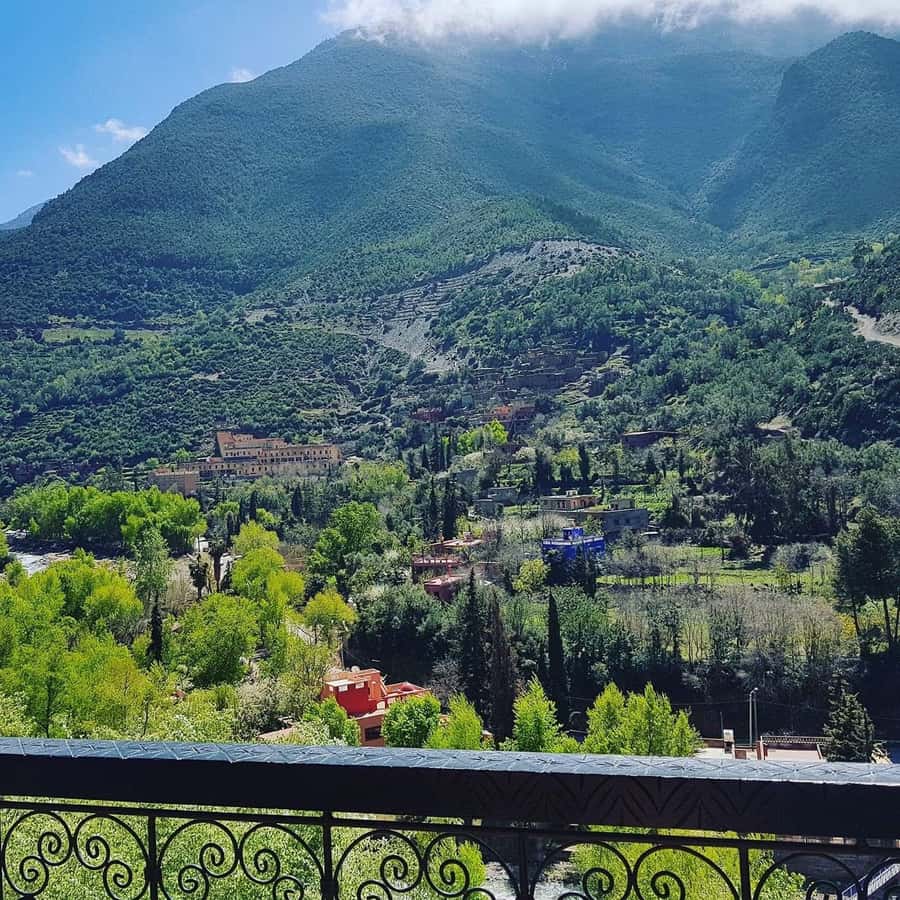
Finally, you reach the Gorges of Dades area and stay overnight with dinner at a hotel. This is one of the best scenery days because the drive changes from dunes into a rock-and-river vibe, with narrow valleys and dramatic limestone walls.
Valley of roses, Skoura kasbahs, and the road into Marrakech
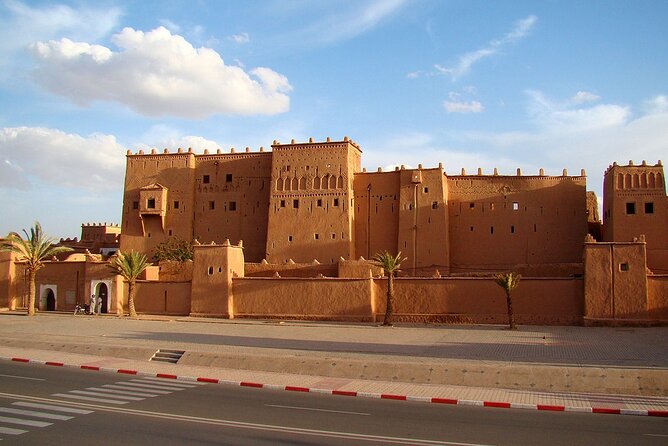
The morning on day eight keeps the momentum. You see the oases of greenery fed by the Dades River, and the valley narrows into limestone blocks with steep sides. Then you continue by road and track, crossing the Amgoun mountain and passing through the valley of the roses and the palm grove of Skoura with its kasbahs.
This day is less about ticking off a list of monuments and more about enjoying the way Morocco changes with altitude and terrain. You arrive in Marrakech in the afternoon and transfer to your hotel, which is smart because Marrakech is best enjoyed when you’re not arriving mid-night.
If you want to take a breather before the medina chaos, this arrival timing gives you some choice.
Marrakech in one big day: Saadian Tombs, Bahia Palace, Majorelle Garden, Djemaa el Fna
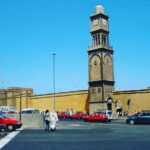
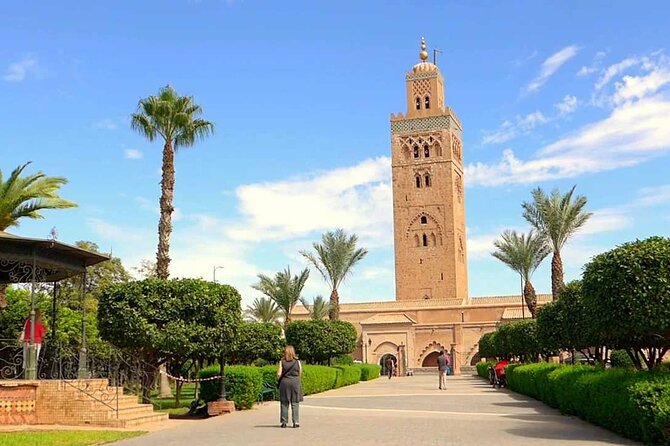
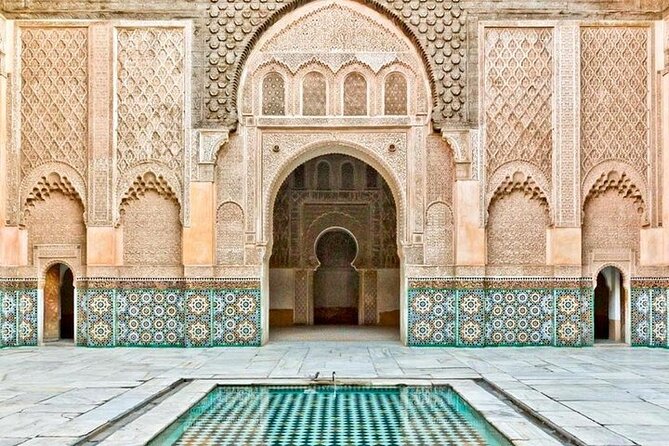
Marrakech on day nine is packed, but it’s also curated in a good way. You visit major architectural highlights like the Saadian Tombs with their Granada-style carving, the Bahia Palace, and the Ben Youssef medersa. You also see the Koutoubia Minaret, a classic feature of Islamic architecture and a Marrakech landmark you’ll recognize even from far away.
Lunch is scheduled at Ksar el Hamra, but since lunch is listed as not included, plan on paying for that meal separately. After lunch, you go to Majorelle Garden, then head toward Djemaa el Fna.
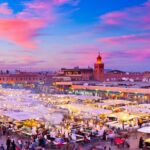
Djemaa el Fna is where the city noise ramps up: acrobats, drummers, storytellers, pipe musicians, dancers, and fairground acts crowd the square. If you like people-watching, this stop can be the best “Marrakech now” moment.
Dinner is at leisure, so you can eat at your own pace. And depending on your flight on day ten, you either transfer onward to Casablanca or sleep one more night in Marrakech.
Price and value: what you get for $1,394.61
At $1,394.61 per person, this isn’t a “cheap bus tour.” But it includes a lot that normally costs extra on a DIY trip: a comfortable vehicle with fuel, a professional driver, and 9 nights split between riads/4-star hotels and a luxury desert camp.
You also get camel rides for both sunset and sunrise (one camel each), sandboarding, and city touring in both Fes and Marrakech. Meals are partly covered with 10 breakfasts and 3 dinners, which matters in Morocco because medina lunches and desert meals can add up quickly.
That said, watch the cost leaks. Lunch isn’t included, monument entrance fees are not included, and drinks aren’t included either. Tips are also not fixed, so your final total depends on what you choose to pay at sites and how much extra you snack and shop.
To make it feel like good value, I’d enter the trip with the mindset that you’re paying for transport + guiding + core experiences. Then you add your own personal spending for lunches, drinks, and any entrances that require extra tickets.
Who should book this desert loop from Casablanca
This tour fits best if you want a structured 10-day overview of Morocco with minimal fuss. It’s also a strong choice if you like guides and want help navigating dense medina areas like Fes and the big Marrakech sights.
It’s especially good for people who want real desert time, not just a half-day camel ride. Two camel moments, sandboarding, and a night at a luxury tent camp are major “yes” items for many first-timers.
If you’re the type who hates long car days, this route may feel tiring. The itinerary is built around distance between regions, and the schedule doesn’t pretend otherwise.
Should you book this 10-day desert tour from Casablanca?
If your goal is Morocco with variety—imperial cities, Roman ruins, and Sahara dunes—this is a solid pick. The inclusion of guided city touring in Fes and Marrakech plus twice-daily camel rides makes it easier to justify than piecing together separate tours.
Book it if you’re ready to trade comfort for coverage: you’ll spend serious time in the vehicle, but you’ll also see a lot that you can’t fake with shortcuts.
Skip it only if you want a slower pace or you’re trying to avoid entrance fees and extra spending at lunches and monuments.
FAQ
What is the duration of the tour?
The tour is about 10 days.
What time does the tour start?
Start time is 7:00 am.
Do you get picked up from the airport and transferred to a hotel?
Yes. The first day includes pickup at the airport and transfer to your hotel in Casablanca.
What’s included for the desert experience?
Camel rides are included for both sunset and sunrise (one camel each), plus sandboarding, and a night in a luxury desert camp with a dinner.
Are breakfast and dinner included?
Yes. Breakfast is included for 10 days, and dinner is included for 3 nights/dinners listed.
Is lunch included?
No. Lunch is not included.
Are entrance fees included for monuments?
No. Monument entrance fees are listed as not included.
What kind of accommodation should I expect?
You’ll have 9 nights in riads and/or 4* hotels, plus a luxury tent/desert camp for the desert night.
How big is the group?
The maximum group size is 14 travelers.
Can I cancel for a full refund?
Yes. Free cancellation is available if you cancel at least 24 hours in advance of the experience start time.