REVIEW · MARRAKESH
Marrakesh: Ourika Waterfalls, Atlas Mountains, Lunch + Guide
Book on GetYourGuide →Operated by MARRAKECH EXPRESS TOUR · Bookable on GetYourGuide
Marrakesh is hot; the Atlas is cooler. This day trip to the Ourika Valley trades city chaos for mountain air, a guided walk to Setti Fatma waterfalls, and a stop at an women-run argan co-op. I especially like the fact that it mixes scenery with culture, not just photo stops. The one drawback to watch for is that it’s a shared group tour, so your timing is set by the schedule and the lunch can feel a bit long.
You’ll travel by air-conditioned van, get a local guide, and spend real time outside—cool riverside breaks, village walks, and shaded paths along the water. I also like that you’re not only shown the mountains; you’re taught how people live there through Berber-house tea moments and a cooperative visit. Consider bringing cash for small purchases and souvenirs, and come with shoes that can handle rocky, sometimes slippery trails.
Big ideas you’ll care about
- Cooling escape from Marrakesh heat with riverside time in the Ourika Valley
- Guided hike to Setti Fatma with bridges and shaded river paths
- Berber village culture moments (including a traditional mint tea stop)
- Women-run Amal Ourika argan cooperative for hands-on, ethical shopping
- Group pacing and shared logistics that can make the day feel long
In This Review
- Why the Ourika Valley feels cooler than Marrakesh
- The van ride into the Atlas: viewpoints and Berber village context
- Tnin Ourika photo stop: quick, useful, and not too fussy
- Amal Ourika women’s argan cooperative: ethical shopping with real context
- Ourika Valley time: riverside breaks and a calmer pace
- Setti Fatma waterfalls hike: what the walk really feels like
- Traditional Berber house tea: a short cultural pause that lands
- Lunch by the river: good energy, but plan for group timing
- Price and value: $8 is the headline, but the trade-offs matter
- Who should book this Ourika Valley day trip?
- Should you book this tour?
- FAQ
- How long is the Marrakesh Ourika Valley and Setti Fatma day trip?
- What’s the hiking like for the Setti Fatma waterfalls walk?
- Is lunch included in the price?
- Does the tour include an argan oil cooperative visit?
- What should I bring for the day?
- What languages will the guide speak?
Why the Ourika Valley feels cooler than Marrakesh
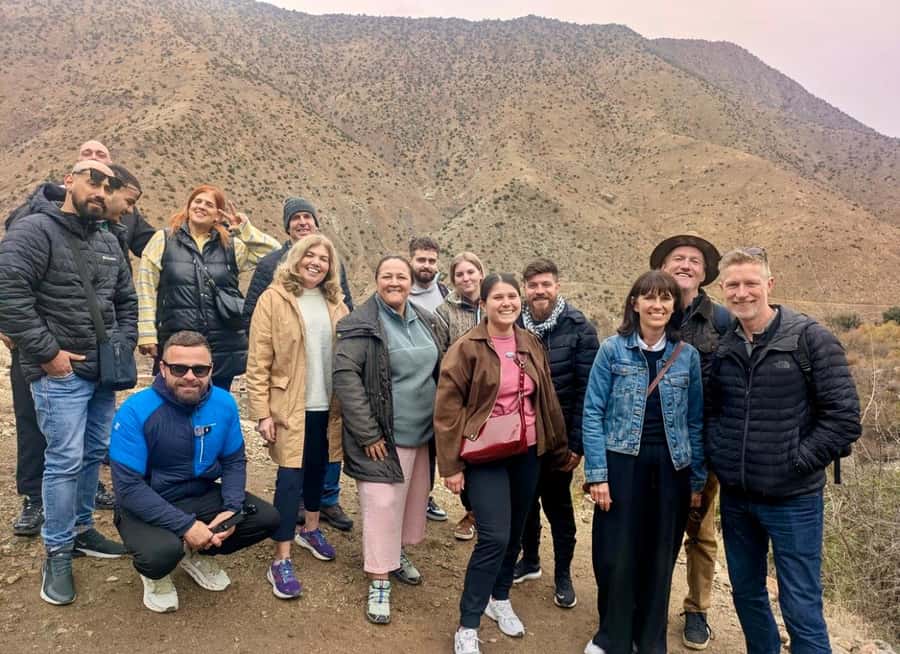
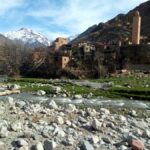
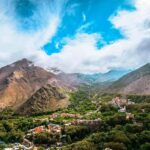
Marrakesh has a way of making you plan your day around the sun. This trip gives you a natural fix: the Ourika Valley sits in the foothills of the Atlas Mountains, and the temperature drop is real once you’re near the river. Even when the drive is a bit bumpy or slow due to traffic, the goal stays clear—get you out of the city rhythm and into flowing water and mountain shade.
The trip also avoids the usual “checklist-only” feeling. You’re not just getting a view; you’re getting time to sit down by the water, walk with a guide, and move at a human pace. That’s why it works well when you want an Atlas day without needing to plan transport, routes, or local connections yourself.
The van ride into the Atlas: viewpoints and Berber village context
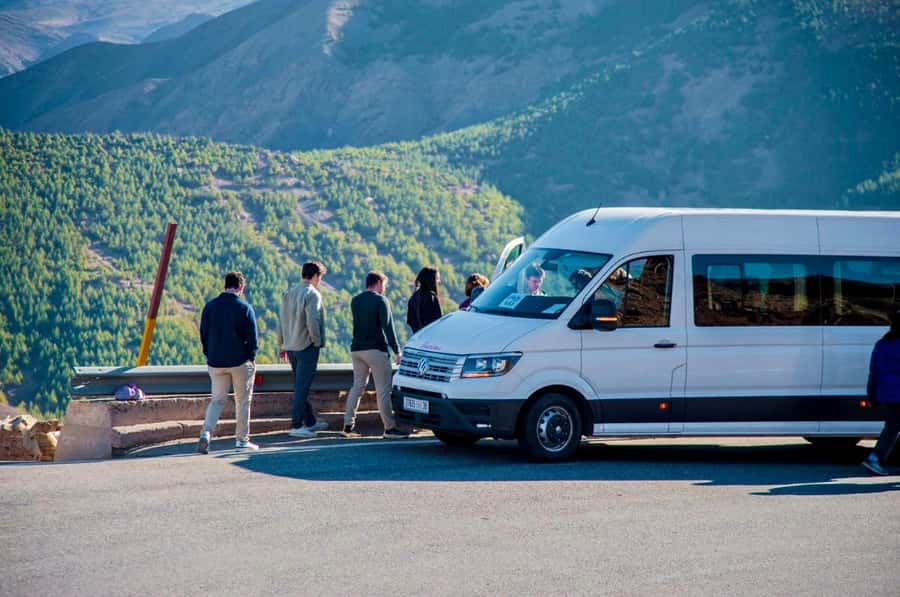
The day starts with hotel pickup from central Marrakech (including options around the Medina). You’ll ride in an air-conditioned van, with Wi-Fi only on some vehicles, so I’d treat connectivity as a bonus, not a guarantee. Expect a scenic drive—this is a big part of the experience, not dead time.
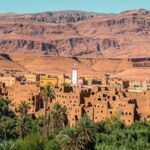
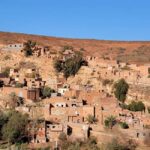
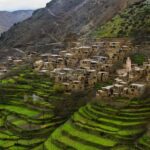
Along the way you’ll pass by places where the Atlas Mountains show their layers: red earth, terraced fields, and villages that cling to hillsides. There’s also a short stop in the area of Tnin Ourika, built in for photos and a brief guided introduction. The key point here is that the guide helps you connect what you see—so the views aren’t just pretty, they’re understandable.
Also keep in mind that Marrakech traffic can stretch the timeline. One thing that stands out from people’s experiences is that the tour runs like a real day with driving, stops, and group regrouping—not like a quick half-day outing.
You can also read our reviews of more guided tours in Marrakesh
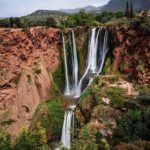

Tnin Ourika photo stop: quick, useful, and not too fussy
You’ll have a short break in Tnin Ourika for photos and a small guided moment. This is the kind of stop that’s easy to overlook on other tours, but here it matters because it sets expectations for what the valley looks like once you’re walking near the river.
If you want a clean shot of the area’s riverside feeling, that’s usually where it starts—before you get deeper into the valley’s softer, more shaded scenery. Bring your camera and water. This isn’t long enough to get hungry or bored, but it’s long enough to get oriented.
Amal Ourika women’s argan cooperative: ethical shopping with real context
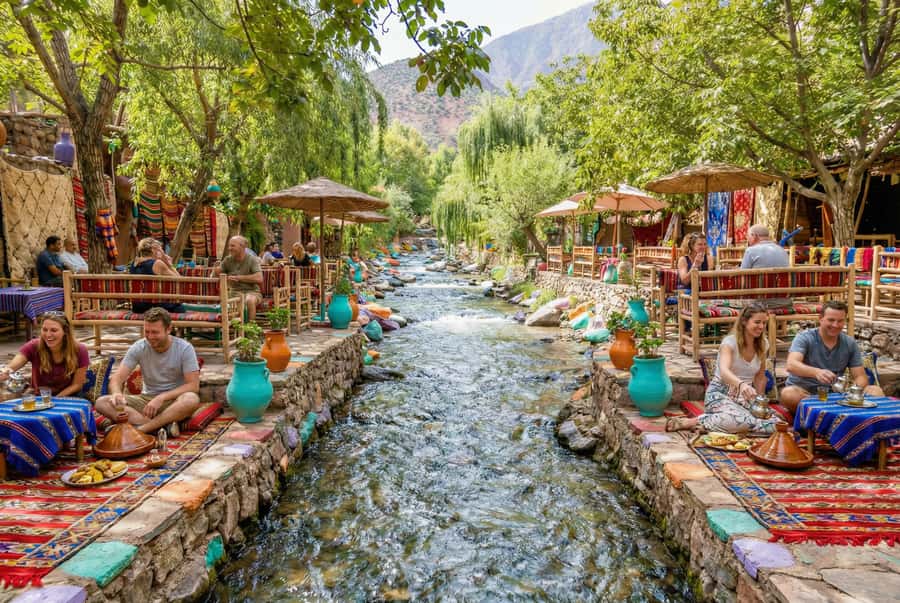
One stop you’ll be glad is included is the Amal Ourika women-run argan oil cooperative. You don’t just arrive, browse, and leave. You learn how argan oil is made using traditional methods, and you’ll hear about uses for argan oil in everyday life.
This matters because argan products can be a bit confusing to shop for. With a cooperative visit, you get a sense of what you’re buying and why it’s tied to a community project. You’ll likely have time for photos and some shopping. If you’re buying gifts or personal care products, this is a better moment than wandering through random markets later.
One practical tip: have a small amount of cash ready. It makes last-minute purchases smoother, especially if you’re thinking about scarves, small oils, or other cooperative goods.
Ourika Valley time: riverside breaks and a calmer pace
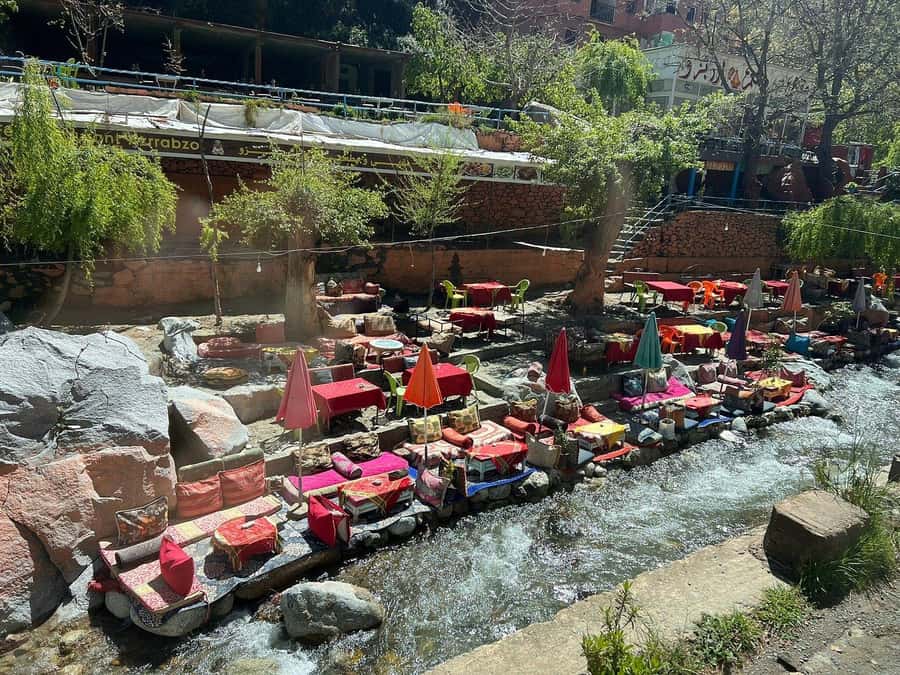
Once you reach the Ourika Valley, the tour gives you a longer window—time for sightseeing, free time, and a guided element. This is where you can slow down and actually enjoy the setting, rather than just move from one viewpoint to another.
I like that the plan includes a break for time near the valley’s greenery and water. This is the part where you can pause, take photos, and soak up the atmosphere without feeling rushed every five minutes. If you tend to get tired from constant walking, this section gives you a breathing spell.
You’ll also likely pass through or near small areas that show how people manage daily life around the valley. It’s not a museum lesson—it’s more like seeing the background rhythm of the place.
Setti Fatma waterfalls hike: what the walk really feels like
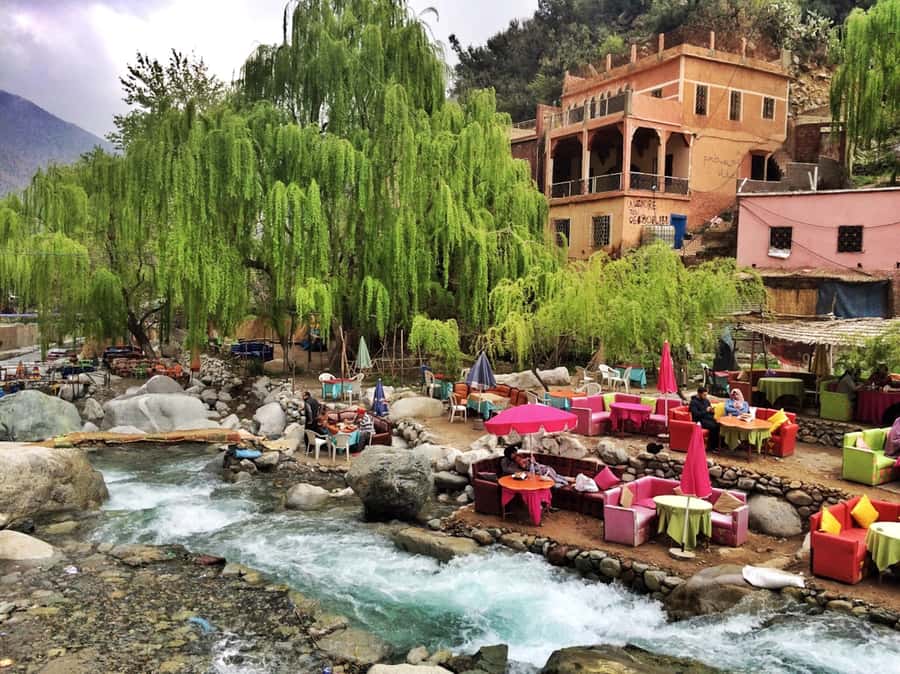
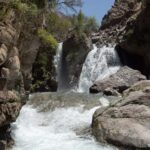
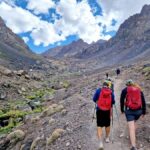
The highlight for most people is the guided hike to Setti Fatma. This walk isn’t just a flat stroll. You follow the river on paths that can be rocky and uneven, and you may cross small bridges along the way. The route includes shaded sections, which is a big deal in warmer months, and the whole hike is designed to feel rewarding rather than exhausting.
Expect a moderate hike with slippery parts. If you have reduced mobility, this is not the easiest day to choose—sturdy shoes matter, and water shoes or trainers with good grip can be a smart call. I’d also pack water even if the group is supplied with basics, because the sun can still catch you during transfers and open stretches.
A small but important reality: your time here depends on trail conditions and group pacing. If you arrive feeling stiff, take it slow at the start. The best approach is to let the guide set tempo and focus on the river views and the shaded moments rather than racing to the loudest waterfall photo.
A few more Marrakesh tours and experiences worth a look
Traditional Berber house tea: a short cultural pause that lands
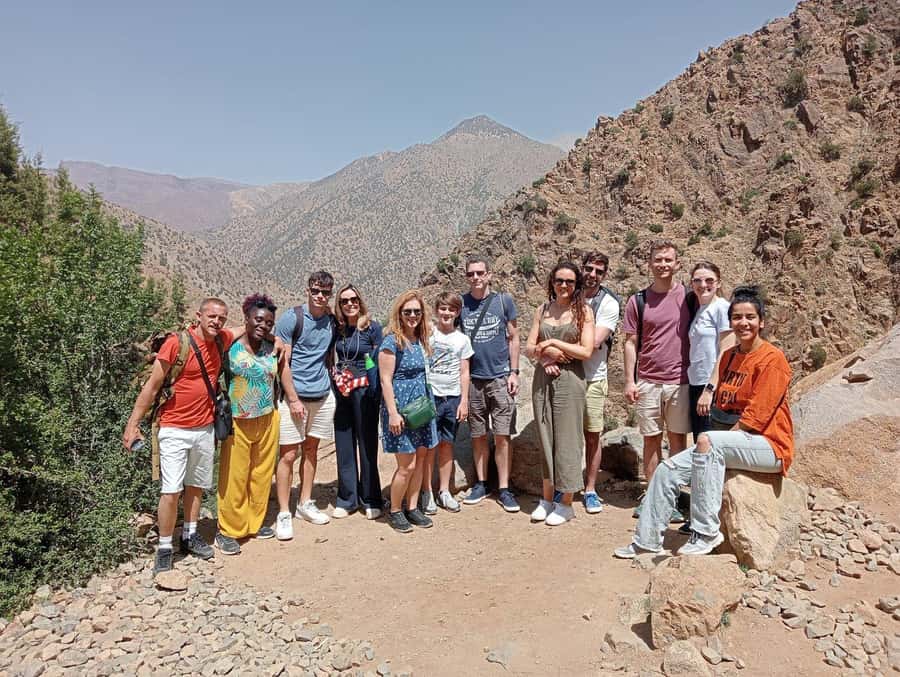
Before (or around) the time you’re getting deeper into the valley experience, you’ll visit a Berber house for traditional mint tea. This isn’t a long ceremony, but it’s a meaningful cultural pause. It gives you a frame for what you’re seeing later—villages, family life, and why the valley is valuable.
If you’re the kind of traveler who enjoys small, human details, this part works. You’ll also get the chance to see how traditional life is structured, even if you’re only there briefly. It’s the kind of stop that turns the day from scenery into story.
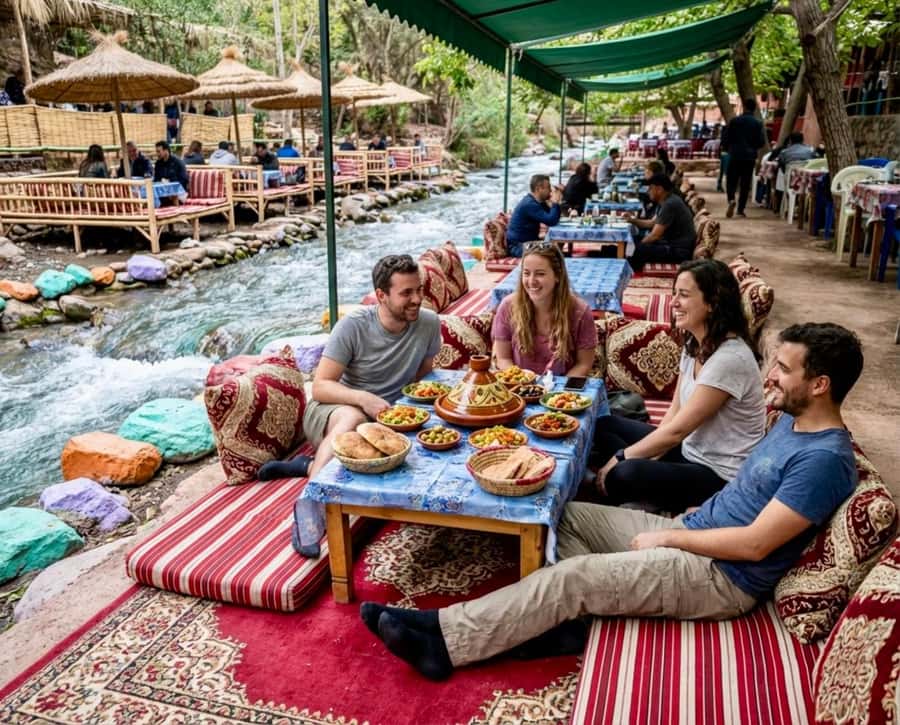
Lunch by the river: good energy, but plan for group timing
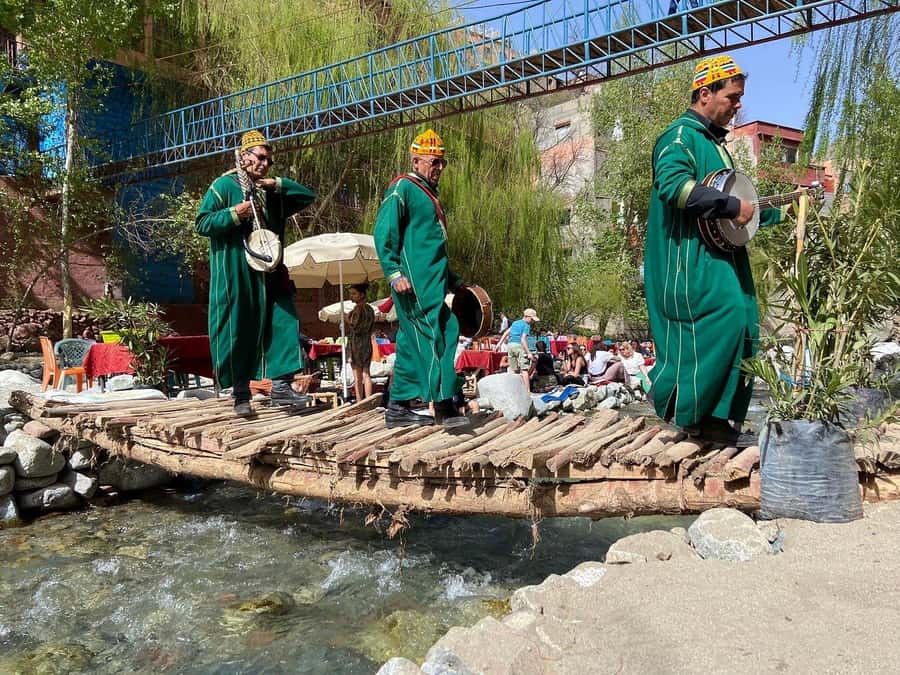
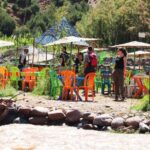
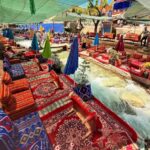
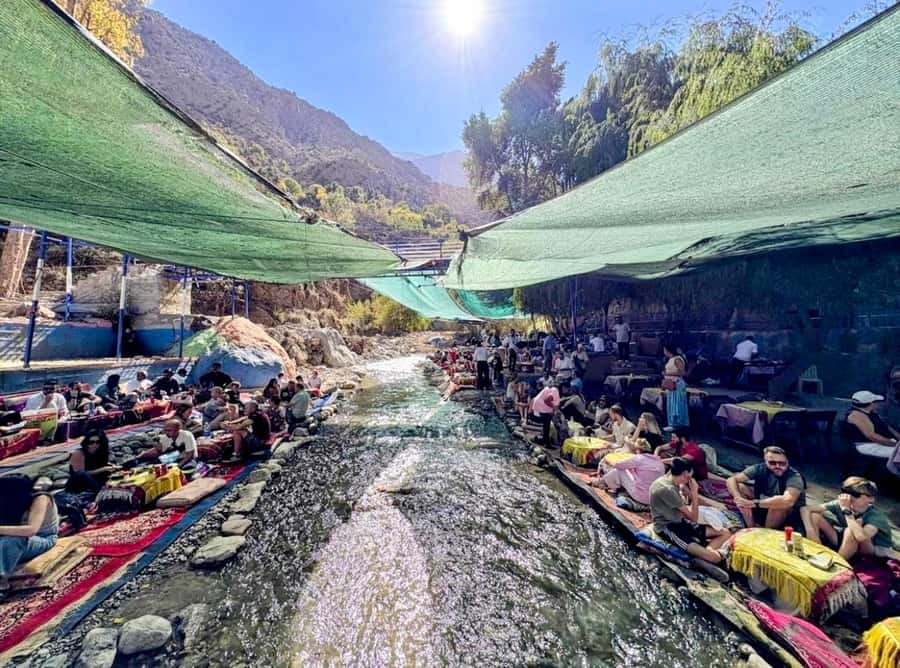
Lunch is built into the later part of the day near the Ourika River area, along with tea and time to relax. The lunch setup is meant to be comfortable—more like a casual riverside meal than a formal sit-down experience.
That said, lunch is still lunch-time for a group, which can mean waiting and longer sitting than you would on your own. One downside people noted is that the meal can feel a bit long and more “touristy” than expected, so if you’re sensitive to time, keep your expectations flexible. If you’re traveling with a baby or need a specific seating arrangement, it’s worth asking ahead about space, because one person felt there wasn’t room for a baby seat in the van.
On the positive side, when the day is running well, the river lunch can feel like the best break of the trip—cooler air, water sounds, and a chance to reset before the final drive back toward the Atlas foothills and Marrakech.
Price and value: $8 is the headline, but the trade-offs matter
At around $8 per person, this kind of day trip looks like a steal on price. The big question is what that number covers. The tour clearly includes transport, a licensed driver, a local guide, and guided components. Lunch is listed as available as an option, so depending on what you select, you may need to add something for the meal.
Here’s how I’d think about value:
- If you want the Atlas scenery plus guidance plus a structured itinerary, $8 can be an excellent deal.
- If you care most about flexible timing—deciding when you leave stops, how long you stay at waterfalls, and how fast you eat lunch—then you’re paying for structure, not freedom.
The shared group format helps keep costs down, but it also means you follow the pace. If your priority is autonomy, a private car or self-guided transport might feel better even if it costs more.
Who should book this Ourika Valley day trip?
This works best for you if:
- You want an easy day trip from Marrakech with an included driver and guide.
- You like light-to-moderate hiking and want a guided walk to Setti Fatma rather than planning the route yourself.
- You enjoy cultural stops like Berber-house tea and the argan cooperative, especially when the goal is ethical local commerce.
It might be less ideal if:
- You’re traveling with mobility challenges and need an easy, flat itinerary (the hike includes slippery sections).
- You need specific baby or child seating arrangements and haven’t confirmed space.
- You strongly prefer fast pacing and minimal waiting.
As for guide vibes, people have mentioned guides like Meryam and Abdou as attentive, and chauffeurs such as Abdel and Mahmoud as calming in traffic. That kind of competence matters more than you’d think on a day trip where timing depends on regrouping and safe driving.
Should you book this tour?
If you want a straightforward Atlas Mountains day—plus waterfalls, Berber village moments, and an argan cooperative that gives you something more than souvenir shopping—this is an easy yes. The value is strong, and the day’s rhythm does a good job of mixing movement with breaks.
Just go in with the right expectations. Bring the right shoes, plan for a shared-group schedule, and ask questions if you’re traveling with a baby or have specific needs. If you’re comfortable with that, you’ll come home with the kind of memory that’s hard to replicate: cool river air in the valley, a guided path to Setti Fatma, and a real story behind what you’re buying from the Amal Ourika women’s co-op.
FAQ
How long is the Marrakesh Ourika Valley and Setti Fatma day trip?
The total duration is 7 hours. Pickup details are sent the day before, and you’ll be picked up from your riad or the nearest accessible point by car.
What’s the hiking like for the Setti Fatma waterfalls walk?
The hike is described as moderate with slippery sections. You’ll walk along paths near the river, including bridges, and you should wear sturdy shoes.
Is lunch included in the price?
Lunch is available, and it’s listed as an option (entry + main dish + dessert). When booking, check whether lunch is included in your selected option.
Does the tour include an argan oil cooperative visit?
Yes. You’ll visit a women-run argan oil cooperative (Amal Ourika) and learn about how argan oil is made using traditional methods.
What should I bring for the day?
Bring comfortable shoes, hat, sunscreen, water, a camera, comfortable clothes, and some cash for souvenirs.
What languages will the guide speak?
The live guide is available in Arabic, English, French, Spanish, and Portuguese. The licensed driver is also fluent in English, French, and Arabic.