REVIEW · MARRAKESH
Marrakech to Fes: 3-Day Merzouga Desert Camel & Sandboarding
Book on GetYourGuide →Operated by MARRAKECH EXPRESS TOUR · Bookable on GetYourGuide
Three days, one giant desert shift. This route takes you from Marrakech over the High Atlas to Ait Benhaddou, then pushes into the Erg Chebbi dunes for a sunset camel ride and Berber-camp night with drumming under real sky.
What I like most is how the desert part feels like the real event, not a photo stop, and how you also get stops like Todra Gorges that add shape and variety. The one drawback to plan for is the pace: long driving days mean lots of sitting, and a few stops involve shopping or brief transitions.
In This Review
- Quick take on this Marrakech to Fes desert tour
- Day 1: Marrakech to the Atlas over Tizi n’Tichka Pass
- Ait Benhaddou: walking through a UNESCO kasbah set
- Ouarzazate and the film-city vibe: useful, not too long
- Day 2: Valley of the Roses to Dades Gorges (and a real dinner)
- Todra Gorges: stepping under 300-meter cliffs
- Erg Chebbi: camel ride at sunset and sandboarding fun
- The desert camp night: stars, music, and the standard vs luxury difference
- Day 3: Ziz Valley, Middle Atlas, and monkey sightings near Azrou
- Price and value: what $154 really covers (and what doesn’t)
- Who this tour suits best (and who should rethink it)
- Should you book this Marrakech to Fes 3-day desert experience?
- FAQ
- What time does the tour start and end?
- Is hotel pickup and drop-off included?
- What’s included for the desert day besides the camel ride?
- Are meals included?
- What’s the difference between standard and luxury desert camps?
- Are there optional add-ons if I want more adventure?
Quick take on this Marrakech to Fes desert tour
- Camel trek + sandboarding at Erg Chebbi so you get both the slow travel vibe and the adrenaline
- Sunset and sunrise timing built around dune light, with starry camp evenings the main payoff
- Kasbah and gorge stops that break the drive up (Ait Benhaddou, Tinghir, Todra)
- Desert camp options matter: standard tents use shared bathrooms; luxury adds private bathrooms, with added comfort reported
- Cedar-forest monkey stop near Azrou gives you a change of scenery on the return
- Small-group feel with a driver-guide so questions get answered, not just waved through
Day 1: Marrakech to the Atlas over Tizi n’Tichka Pass
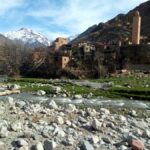
Day one is all about momentum and big views. You start with pickup from your hotel or a nearby meeting point (car access permitting), then head straight into the High Atlas. The crossing over Tizi n’Tichka Pass is one of those drives where you stop for breath, photos, and small stretches because the scenery changes fast and you can feel the altitude shift.
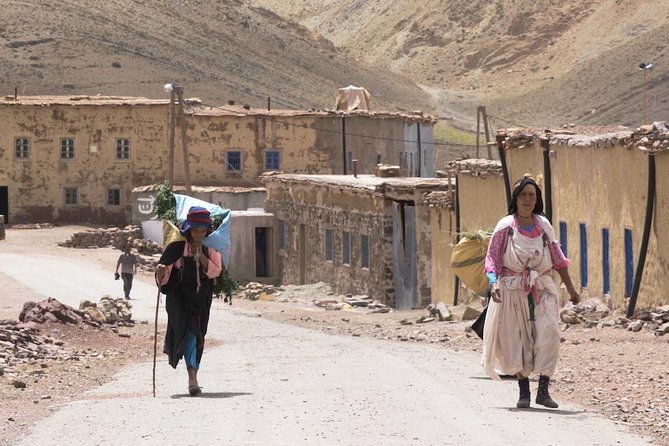
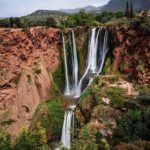
This is also where the trip becomes more than a transfer. You pass through traditional Berber villages, and you’ll likely catch a glimpse of cascading waterfalls when conditions line up. It’s not a “stay in one place and explore for hours” day. It’s a “get your bearings fast” kind of day, which works well if you’d rather see several regions than just one.
What to watch for: you’ll be in transit for a while. Bring something simple for the ride (snacks, water if you prefer) so you’re not stuck hungry during bathroom/leg-stretch stops. Many people rate the organization highly, often praising drivers for careful, patient driving over long distances.
A few more Marrakesh tours and experiences worth a look
Ait Benhaddou: walking through a UNESCO kasbah set
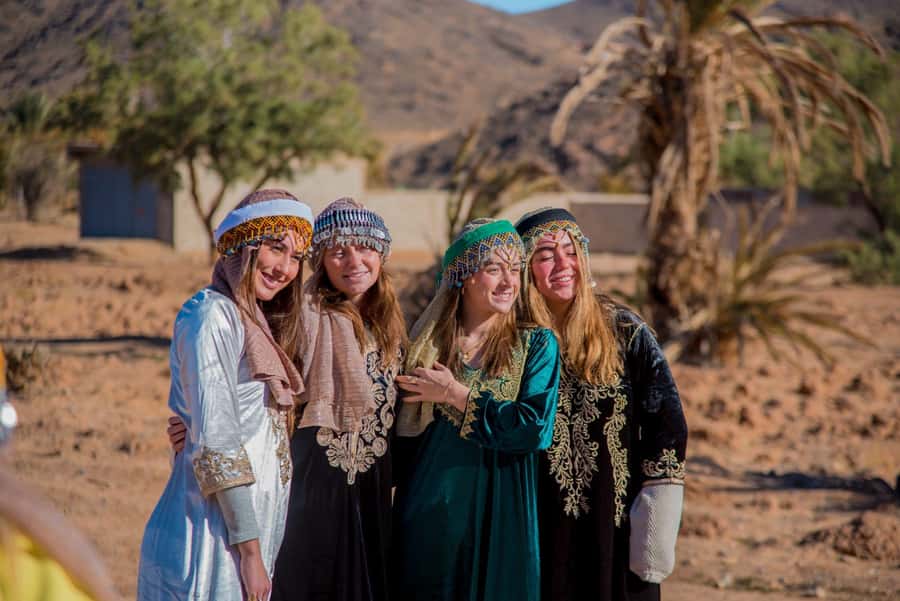
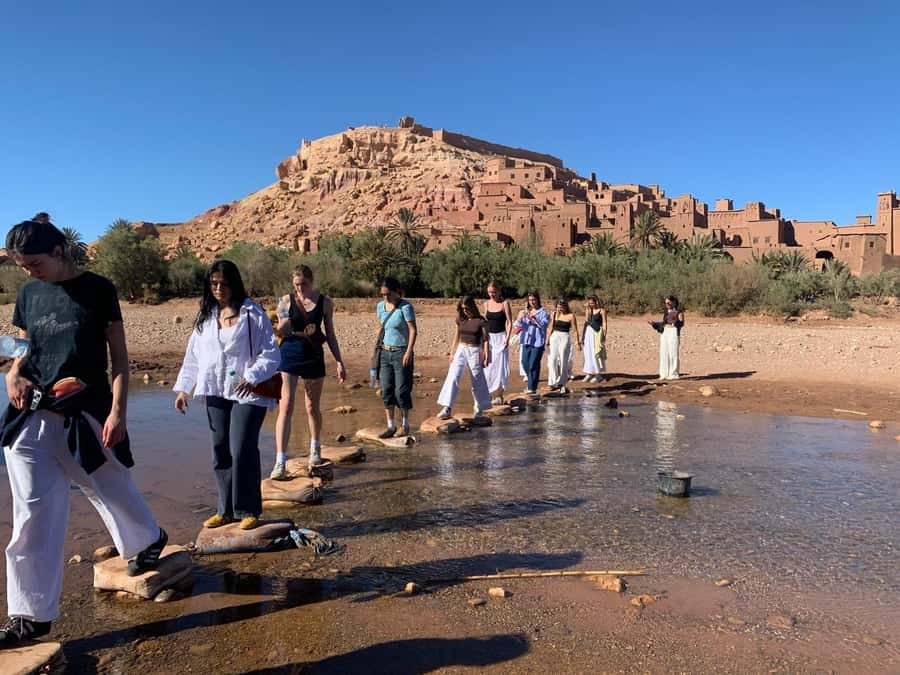
The Ait Benhaddou stop is one of the reasons this tour earns its money. The kasbah area isn’t just pretty walls; it’s the kind of place where you understand why it became famous for filming and why it survived the centuries. You’ll explore the site and move around its lanes and structures at your own pace.
One practical note: a local guide inside the site isn’t included. It’s available for a small fee (you might see it listed as €2 per person). If you care about what you’re looking at—architectural details, how kasbah life worked, and why the layout is built the way it is—this extra guide time can turn the visit from scenic to meaningful without turning it into a long lecture.
Also, expect time for photos. This stop is popular for a reason, and you’ll want a few minutes at the best angles—especially in softer morning or late-afternoon light depending on timing that day.
Ouarzazate and the film-city vibe: useful, not too long
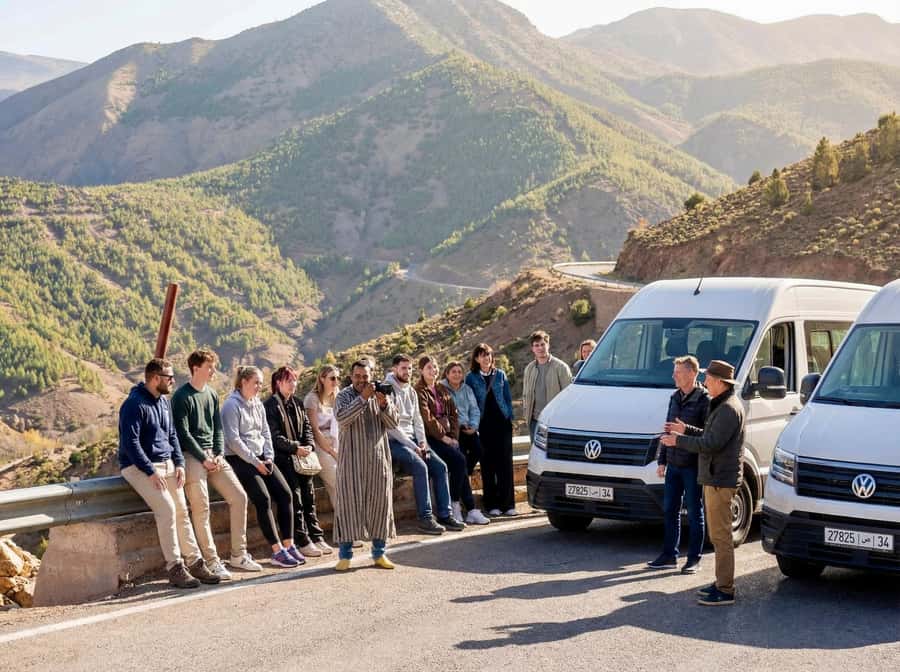
After Ait Benhaddou, you stop in Ouarzazate to explore briefly. This is a “quick look” city stop rather than a full-city day, but it helps you connect the dots between desert scenery and how Morocco gets portrayed on screen.
If you’re the type who likes context, you’ll appreciate the framing: the same rugged settings that look incredible in film are real roads, real homes, and real work behind the scenes. If you’re more focused on the desert, Ouarzazate can feel like a necessary bridge stop.
Day 2: Valley of the Roses to Dades Gorges (and a real dinner)
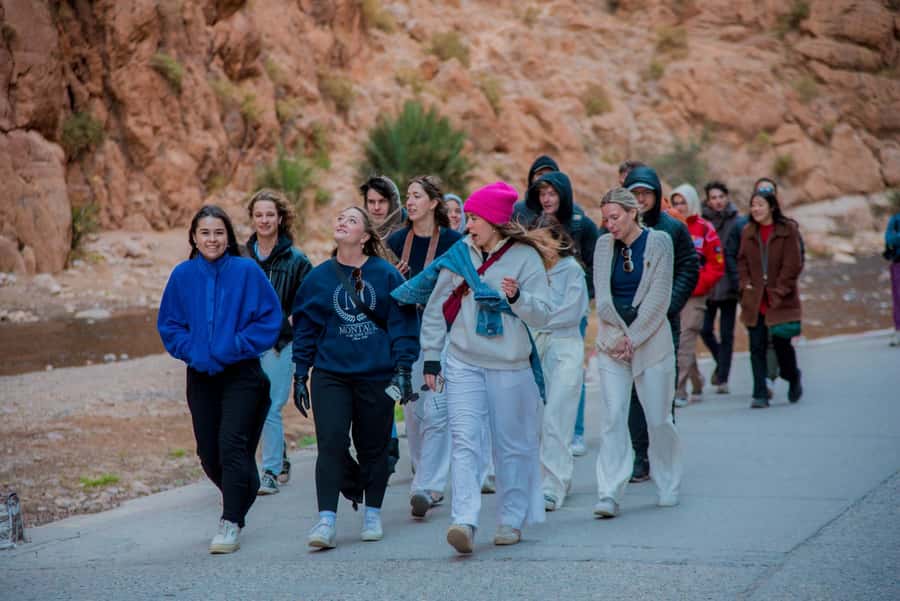
Day two shifts into dramatic geology. You’ll pass through the Valley of the Roses—a name that sounds poetic because it is—and then reach Dades Gorges for your first overnight.
This is where the trip starts to feel like you’re moving through “layers” of Morocco: mountain valleys, rose-filled countryside when it’s in season, then gorge terrain that looks sculpted. You’ll spend the night at a local hotel with dinner included, which is a practical win on a day that can run long.
What to expect at Dades: it’s a comfortable base for resting your legs and resetting before Todra and the Sahara. It’s not about luxury here. It’s about location, food, and sleep.
One tip I can give you based on how the driving works on routes like this: don’t plan anything else for your evening that requires early energy. Day three is active, and you’ll likely want a full night’s recovery.
Todra Gorges: stepping under 300-meter cliffs
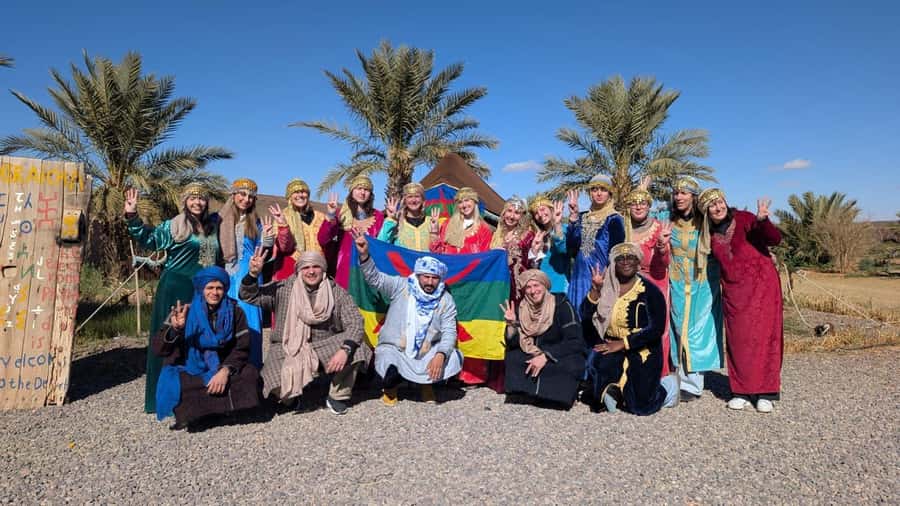
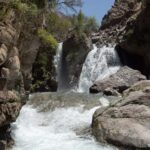
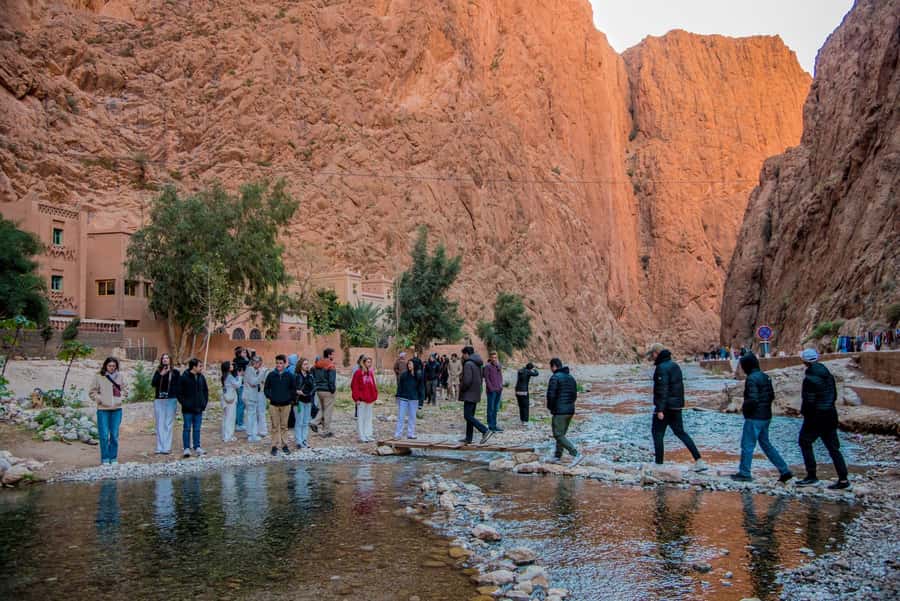
After breakfast, you move toward Tinghir and then the star attraction: Todra Gorges. This walk is one of the most striking moments of the whole itinerary because the scale is real. You’re under cliffs that can reach about 300 meters, and the canyon walls change the air and sound around you.
You’ll feel it immediately when you walk in. The narrow passages make it feel like you’re inside a giant stone corridor, and the color and shadow pattern along the cliffs gives great photo opportunities without needing to “perform” for them.
This part also works well as a mental reset before the Sahara. You go from gorge walls and oasis vibes into dunes, and it stops the desert moment from feeling like it arrived out of nowhere.

Erg Chebbi: camel ride at sunset and sandboarding fun
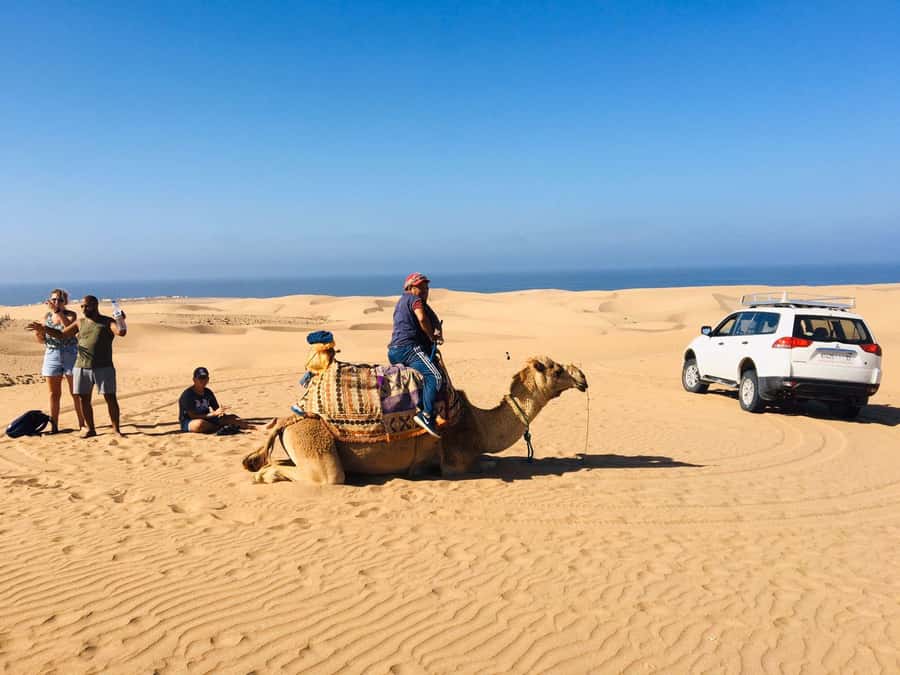
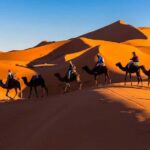
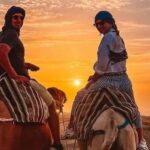
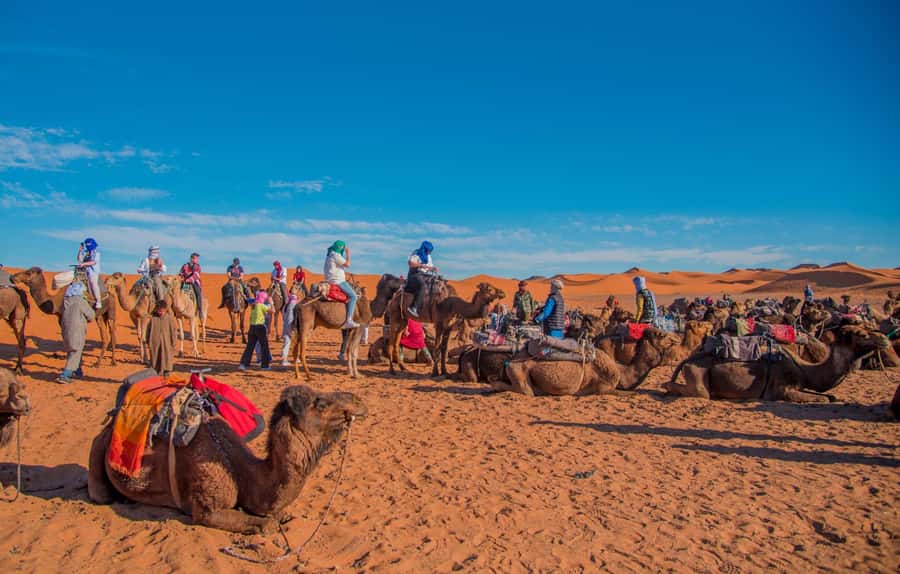
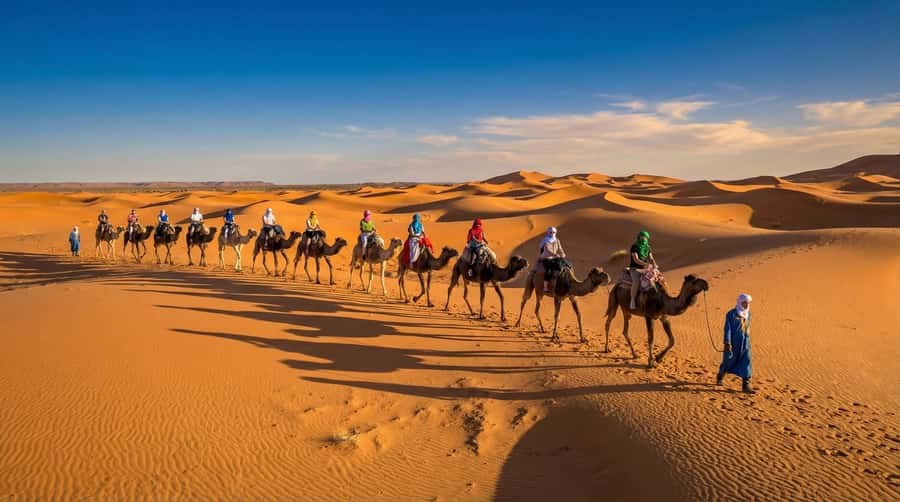
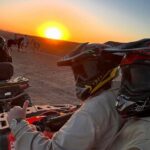
Now you reach the heart of the trip. The route continues into the Sahara Desert and the dunes of Erg Chebbi, where you’ll ride camels just in time for sunset.
The sunset camel ride is the moment most people picture when they book this kind of trip, but what makes it worth it is timing and atmosphere. You’re not rushing through the dunes; you’re moving slowly enough to feel the shift in light as the sand turns golden, orange, and then softer as the sun drops. The guide-team vibe matters here too. In many experiences, guides like Rahim, Omar Faiz, and others have been praised for keeping things organized, explaining what you’re seeing, and making sure you’re comfortable and safe.
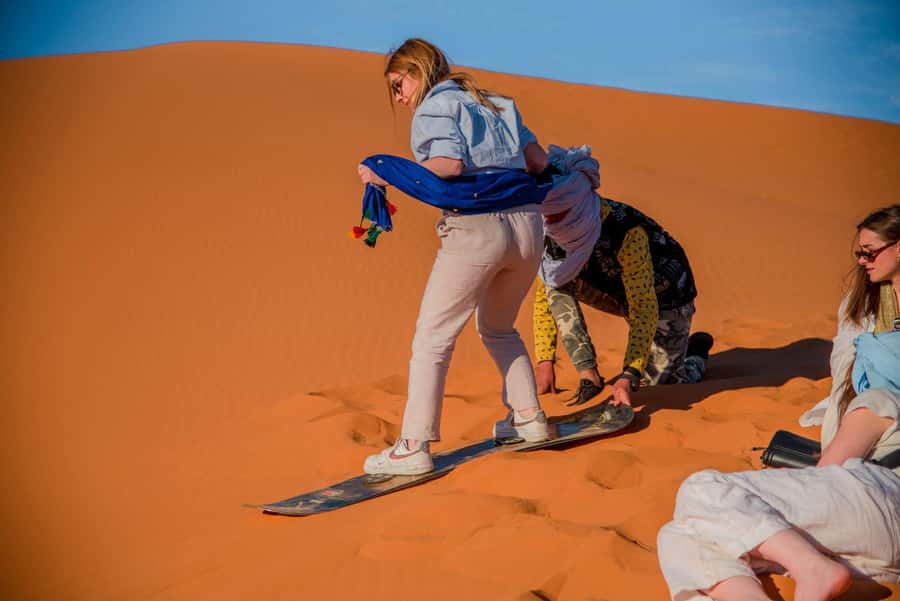
Then comes sandboarding. This adds a playful side to the day. Even if you’re not an “extreme sports” person, it’s a simple way to experience dune texture up close. You’ll likely feel the sand under your shoes and realize why the right clothing and closed-toe comfort matter.
A small reality check: camel rides can leave you a bit sore the next day. That’s normal. Wear comfortable pants you don’t mind rubbing, and consider bringing a light layer in case it cools fast near evening.
The desert camp night: stars, music, and the standard vs luxury difference
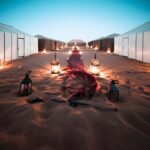
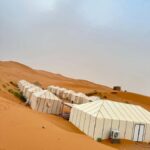
This is where the experience separates “cool day trip” from “I’ll remember this for years.” After your camel trek, you arrive at the Erg Chebbi desert camp. You’ll have dinner under the sky, then you’ll settle into your tent and spend the evening around a campfire with Berber music and drumming.
Here’s the part you should decide before you book: standard vs luxury camp.
- Standard: private tents, but shared bathrooms
- Luxury: private tents with private bathrooms
Some people also report that the luxury setup includes comforts like access to a heater and heated showers, which can matter because desert nights can go cold in winter even when the day feels warm. If you’re doing this in colder months, paying extra for comfort is often a smart move.
What about the basics? A few reports mention camp facilities could be improved (especially toilets), and some meals like breakfast or lunch have been described as more basic than you might expect. Dinner and the atmosphere tend to be the main strengths.
Also consider noise. In at least one New Year’s departure, music at the camp ran very late. If you’re sensitive to sound or you want early sleep, it’s worth asking how late the music goes when you arrive.
Day 3: Ziz Valley, Middle Atlas, and monkey sightings near Azrou
On day three, you do the “slow return” from the dunes back into Morocco’s greener interior. You leave the camp after breakfast and travel through the Ziz Valley and the Middle Atlas.
This is a welcome change of scenery after sand. The middle-altitude feel helps break the feeling of constant heat and emptiness. It’s also where the trip becomes scenic again rather than repetitive.
Your final big nature stop is in the cedar forests near Azrou, where you have a chance to spot wild monkeys. This is the kind of stop that surprises people because it feels unrelated to the Sahara at first glance, but it’s exactly what you want on a long multi-day itinerary: a quick reset that makes the journey feel varied.
You’ll eventually finish the tour around 8:00 PM on day three, after a full day of getting back toward Fes. It’s a lot of movement, but the route is structured so you’re not stuck doing one thing the entire time.
Price and value: what $154 really covers (and what doesn’t)
At about $154 per person for the 3-day package, you’re paying for two things: distance traveled and experience density.
Included value highlights:
- Air-conditioned transportation
- Pickup/drop-off and luggage service
- Driver-guide
- Camel rides
- Sandboarding
- Desert camp stay (standard or luxury depending on option)
- Breakfasts and dinners
- Berber drumming/music
- Onboard WiFi
What’s not included:
- Lunch and drinks
- A local guide in Ait Benhaddou (available for a small fee)
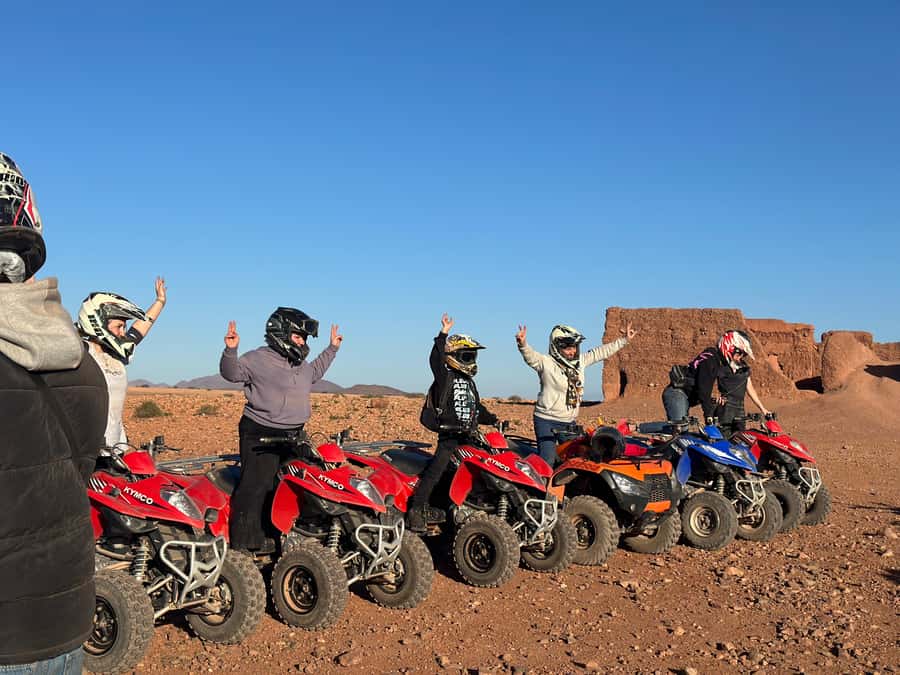
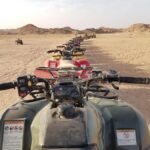
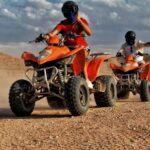
- Optional activities at extra cost like quad biking (€40 per person for about 1 hour, usually with a minimum of two people) and other adventure add-ons (prices on request)
The value question comes down to how you feel about “included vs extra.” If you’re happy with camel + sandboarding + camp, you can keep costs under control. If you want the quad bike or buggy adventure, budget a bit more. From how people describe it, the quad add-on is popular because it turns sunrise into something active, not just scenery.
Also, if you’re booking with friends or family, make sure everyone picks the same camp level. Some experiences note that standard vs luxury groups can separate on the desert night, which can matter if you want everyone together.
Who this tour suits best (and who should rethink it)
This is a great fit if you want:
- A short, efficient route from Marrakech toward Fes that still feels like a real journey
- The Sahara experience with both sunset camel time and sandboarding
- Strong “scenic stop” variety: Atlas passes, kasbahs, gorges, oasis area, desert dunes
It might be less ideal if:
- You hate long driving days and prefer slower, deeper stays
- You’re very sensitive to sound at night (some camp evenings can run loud)
- You expect every meal and every stop to be a gourmet highlight (some meals are simply practical)
Should you book this Marrakech to Fes 3-day desert experience?
If your priority is classic Morocco in a compact window—Atlas scenery, Ait Benhaddou, Todra Gorges, then Erg Chebbi with camels, sandboarding, and a starry Berber camp—this tour is an easy yes. I especially like that it includes the big activities rather than forcing you to pay for everything once you arrive.
My main “before you click” advice is simple:
- Choose standard vs luxury based on how much you’ll care about private bathrooms and cold-night comfort.
- Pack for a full-drive itinerary: comfortable shoes, sunglasses, and something for the ride.
- Bring small bills for tipping since you’ll meet multiple guide/helpers along the way.
If that sounds like your style, book it and treat day one and day two as the buildup. The desert night is the payoff.
FAQ
What time does the tour start and end?
The tour starts at 7:00 AM on Day 1 and ends around 8:00 PM on Day 3.
Is hotel pickup and drop-off included?
Yes. Pickup and drop-off are included, either directly from your hotel/riad if the vehicle can reach it, or from a nearby meeting point within about a 5-minute walk.
What’s included for the desert day besides the camel ride?
You get a camel ride in the dunes and sandboarding, plus dinner and the Berber drumming and music experience at the camp.
Are meals included?
Yes for breakfasts and dinners. Lunch and drinks are not included.
What’s the difference between standard and luxury desert camps?
Both options include private tents. Standard comes with shared bathrooms, while luxury includes private bathrooms.
Are there optional add-ons if I want more adventure?
Yes. Quad biking is offered for about €40 per person for 1 hour (with a minimum of two people). There’s also a 4×4 transfer to camp mentioned as free of charge, and a buggy adventure available with pricing on request.