REVIEW · TANGIER
Historical and Cultural Tour of Tangier
Book on Viator →Operated by Samir Filali · Bookable on Viator
Tangier can feel like a whole other planet. This private tour lets you work through the medina maze with a guide, then level up at the Kasbah for history in a former sultan’s palace. You pick the time length (1 to 8 hours) and shape the day around what you care about most.
I especially like the practical mix: big-picture Tangier culture plus real street-level detail in the old city. You’ll stroll the souks, spot lively street performers like snake charmers, and get oriented fast so you don’t waste hours getting turned around. Then you step into the Musee de la Kasbah, where the setting alone makes the past feel tangible.
One thing to consider: the museum exhibits are only in French and Arabic, and parts of the medina can attract persistent touts. If you want a low-walking day or you’re sensitive to sellers, choose a shorter medina block and keep close to your guide.
In This Review
- Key highlights worth centering your day on
- Why a private history-and-culture tour makes Tangier easier
- Price: what you’re really paying for at about $104.53
- Starting at 8:00 am: the timing that helps the medina
- Stop 1: Cap Spartel and the corrected “northernmost Africa” myth
- Stop 2: Musee de la Kasbah (Dar El Makhzen) and its Andalusian garden
- Stop 3: Medina of Tangier—souks, narrow lanes, and smart navigation
- Optional add-ons beyond the old city: Caves of Hercules and camel ride
- What “customizable” really means when you’re deciding your route
- The guide factor: why Samir Filali keeps showing up in standout days
- How fit you need to be (and how to make it comfortable)
- Tips for what to expect at each stop (so you’re not surprised)
- Who this Tangier tour is best for
- Should you book this Tangier history and culture tour?
- FAQ
- How long is the Historical and Cultural Tour of Tangier?
- What does the tour cost per person?
- Does this tour include pickup?
- Is a camel ride included?
- Are there entrance fees included for the main stops?
- Is lunch included in the tour price?
- What time does the tour start?
- Is the Kasbah museum content available in English?
- Is this a private tour?
- What happens if the weather is bad?
- Can I cancel for a refund?
- Is the tour suitable for people with moderate mobility?
Key highlights worth centering your day on
- A customizable private route that scales from a quick hit to a full-day Tangier outing
- Musee de la Kasbah in Dar El Makhzen with an Andalusian garden stop after the courtyards
- Guided medina walking through the Portuguese-fortress walls and into the souks
- Cap Spartel viewpoints plus the corrected fact-check about its true geographic claim
- Camel ride included, with optional add-ons like the Caves of Hercules depending on your timing and weather
Why a private history-and-culture tour makes Tangier easier
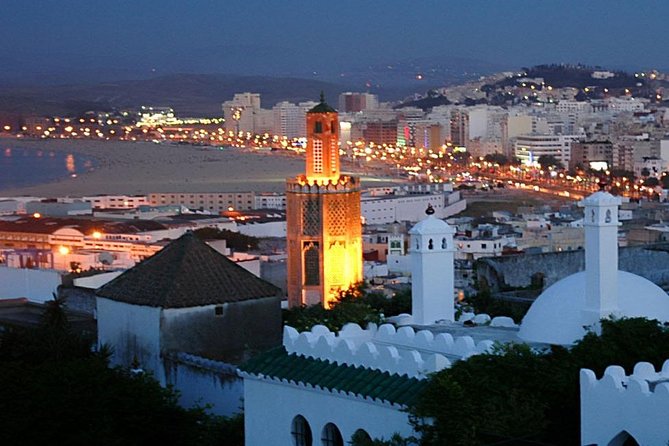
Tangier is one of those places where doing it alone can cost you time and energy. The medina is a labyrinth of lanes—commercial and residential—and without a plan you can end up backtracking. With a private guide, you get a route that flows, and you’ll know where to look and when to move on.
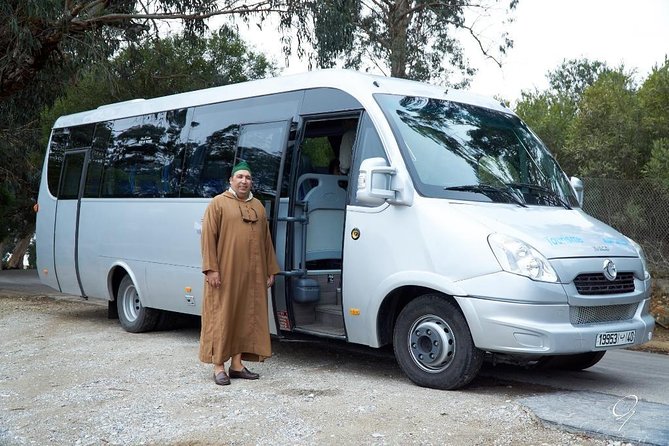
The best part is the pacing flexibility. Your tour can run from about 1 hour to up to 8 hours, so you can match it to ferry schedules or a longer Morocco itinerary. You also get air-conditioned vehicle time between stops, which matters in Tangier’s heat.
This tour also gives you a “two worlds” day: the old city’s street life in the morning/early afternoon, then history and viewpoints outside the medina when the light is better.
You can also read our reviews of more historical tours in Tangier

Price: what you’re really paying for at about $104.53
At $104.53 per person, the value depends on what you’d otherwise pay separately. Here, the price isn’t just a guide-walk. It bundles air-conditioned vehicle, camel ride, and monument fees. Entrance basics are also handled in the flow: Cap Spartel is free, the Musee de la Kasbah is included, and the medina itself is free to enter.
That matters because Tangier day trips can get “nickel-and-dimed” once you start stacking taxis, entrance fees, and activity tickets. This format tends to keep the math cleaner.
Also, it’s a true private experience—only your group—so you’re not trapped waiting on other people’s bathroom breaks or photo delays. In practice, that makes the day feel less rushed and more under your control.
Starting at 8:00 am: the timing that helps the medina
A start time of 8:00 am is a smart choice if you want comfortable walking. The medina is best tackled earlier, when the heat is lower and you can still take your time at each bend in the alley. It also helps if you plan to add viewpoint stops like Cap Spartel later, when the air is clearer.
Your guide will adjust based on your chosen duration. If you go shorter, you’ll likely focus on the old city plus one or two anchor stops. If you go longer, you’ll fit in the outside highlights too—like sea views and the optional Caves of Hercules.
Bring comfortable shoes no matter what. The itinerary includes a guided stroll through narrow streets, and Tangier’s old lanes are not made for slick soles.
Stop 1: Cap Spartel and the corrected “northernmost Africa” myth
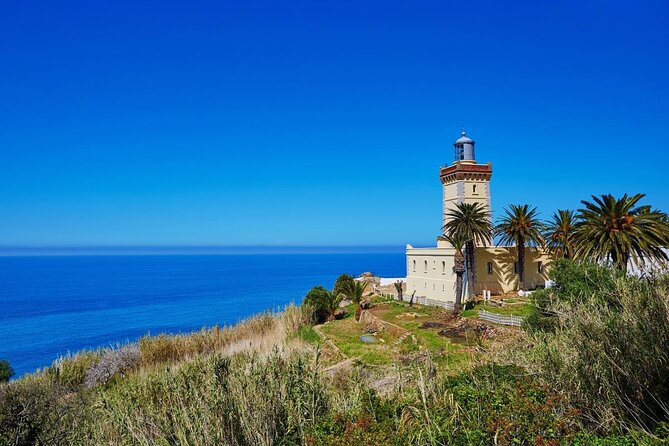
Cap Spartel is the kind of stop that gives you context instantly: the sea, the coastline, and the dramatic feeling of where Tangier sits. One useful detail your guide can point out is that Cap Spartel is often described as the northernmost point of Africa—but that’s not the accurate claim. It’s actually the most North Western point of mainland Africa, with heights up to 326 m at the top of Jebel Quebir.
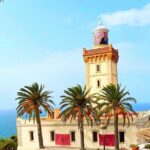
On the cape, you’ll see towers—one at Jebel Quebir and another nearer the end that functions as a lighthouse. Even if you don’t know geography, this makes Tangier’s “edge of the map” position click fast.
What to watch for: sea air can make it cooler than you expect, but it can also be windy. If you’re going later in the day, the views can still be great, but bring a layer just in case.
Stop 2: Musee de la Kasbah (Dar El Makhzen) and its Andalusian garden
The Musee de la Kasbah is housed in Dar El Makhzen, the former sultan’s palace. That’s not just a pretty building note—it changes how the history feels. Instead of reading artifacts in a generic room, you’re moving through palace-style spaces that once held power.
The museum covers history from prehistoric times through the 19th century. Exhibits are described as well-presented, but here’s the practical catch: the displays are only in French and Arabic. If you read neither language, don’t worry—your guide can translate the bigger story and point out what matters most in the time you have.
There’s also a suggested flow in the space: you work anticlockwise around the first courtyard before heading into the rest of the displays. After that, you move into the Andalusian garden, which is a nice reset point. Gardens sound slow, but here it’s useful because it cools you down and gives your eyes a break after museum rooms and street walking.
If you’re short on time, you can still hit the highlights here without turning it into an all-day museum grind.



Stop 3: Medina of Tangier—souks, narrow lanes, and smart navigation
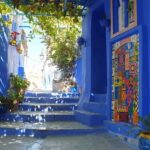
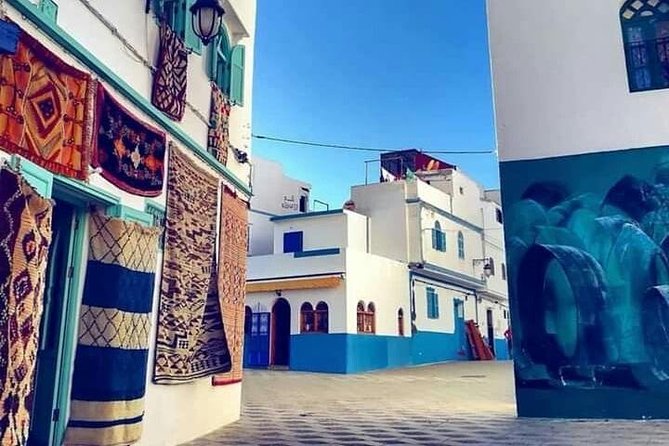
The medina is Tangier’s headline act. It’s described as a labyrinth of alleyways—both commercial and residential—and it’s contained by walls connected to a 15th-century Portuguese fortress. Even though the fortress story is old, many of the buildings you see are relatively newer for a Moroccan medina, which makes the place feel both lived-in and historically layered.
Expect street energy: travelers’ treasures, small shops, and glimpses of traditional daily life. If your tour plan includes it, you may also encounter lively street acts such as snake charmers. These are part of the street theatre of the medina and make the walking tour feel like the real Tangier, not just a museum stroll.
The main challenge is social, not physical. The medina can have local touts who may be more of a bother than other areas in Morocco. Here’s where a private guide earns their fee. You’ll be able to keep moving with purpose instead of getting tangled in back-and-forth bargaining or persuasion.
Practical tip: in the medina, slow down just enough to look, then keep walking. If you stop too long in one spot, sellers notice. If you keep moving with your guide, you reduce the “chase” feeling.
Optional add-ons beyond the old city: Caves of Hercules and camel ride
This tour can extend beyond the medina depending on how long you book. A common add-on is the Caves of Hercules, plus time around Cap Spartel for coastal viewpoints. These outside stops are great because they add variety—street level to sea level.
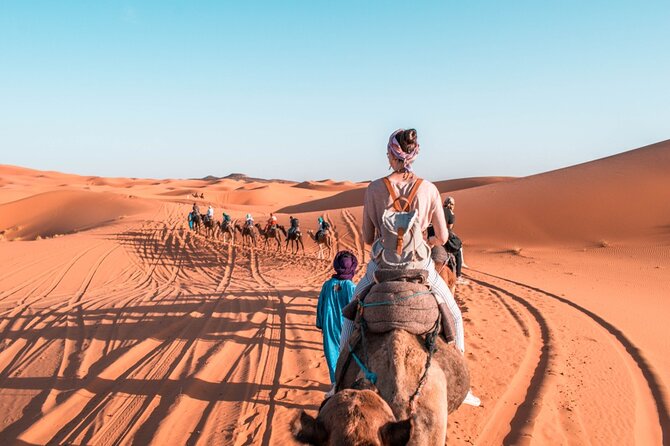
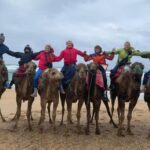
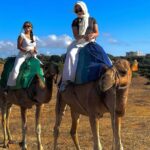
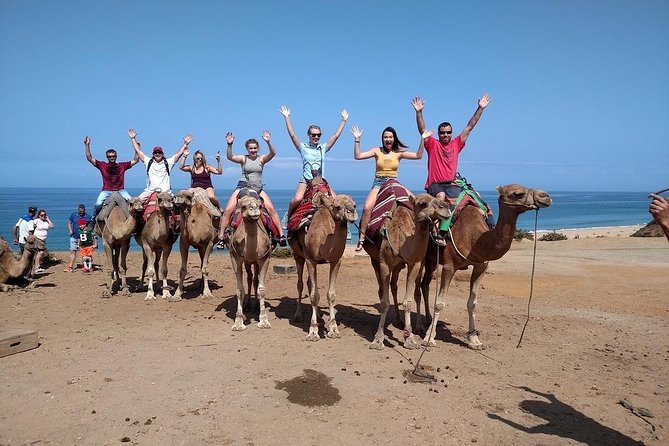
Another highlight is the camel ride, and it’s listed as included. When a camel ride is on the schedule, you’ll want to treat it as the day’s sensory event: it’s slower than walking, but it also changes your perspective fast. It’s also one of those activities that tends to create a clear memory anchor, especially if you’re only in Tangier for a short time.
One caution: camel rides and outdoor stops depend on weather. The experience notes that good weather is required. If conditions are rough, the schedule may shift, or your guide might adjust the outside parts to keep things comfortable.
What “customizable” really means when you’re deciding your route
Customizable doesn’t mean you’re wandering randomly. It means you can choose how much time you want to put into:
- the medina’s history-and-souks walking
- the Kasbah museum stop
- sea and viewpoint time at Cap Spartel
- optional outside sights like the Caves of Hercules
- time for a camel ride
In other words, you’re deciding how much of Tangier you want in one go. If you’re arriving from a cruise port or you have limited hours, you can focus on the medina plus one anchor stop. If you want the full story arc, the longer version gives you a better “before and after” feeling—city streets first, then the coast and landmarks.
The tour is also a private activity, so your group controls the tempo. That’s a big deal in Tangier, where you want to avoid long pauses that invite unwanted attention in busy market lanes.
The guide factor: why Samir Filali keeps showing up in standout days
The tour provider is Samir Filali, and the pattern in the feedback is consistent: Samir’s style works. People describe him as engaging and patient, with a sense for when to guide closely and when to give you space. That balance matters in a place like the medina, where you want support without feeling herded.
You’ll also benefit from photo-minded stops. Many private guides focus on facts; Samir’s approach includes great viewing angles and the timing to get photos without creating a traffic jam for your group.
Safety and protection also come up in the feedback. In a dense, busy area, having someone who knows the flow reduces stress. It also helps if you want shopping support—help with what to look for and how to avoid getting cheated.
Bottom line: you’re not just buying a checklist. You’re buying someone who can read the street in real time.
How fit you need to be (and how to make it comfortable)
The experience asks for a moderate physical fitness level. That doesn’t mean it’s hard-core trekking, but it does mean you should expect walking on uneven paths and time in tight lanes.
To keep it easy:
- wear closed-toe, grippy shoes
- carry water, especially if you choose the longer day
- use the vehicle breaks between stops to reset
- if the medina touts feel intense, lean into your guide and keep moving
If you’re with kids or you have mobility limits, the ability to shorten the tour is a real advantage. Choose the duration that lets you finish the medina without turning it into a stamina test.
Tips for what to expect at each stop (so you’re not surprised)
Here’s the practical reality of the day, stop by stop:
- Cap Spartel: sea views and towers. Short stop, but good for orientation and photos.
- Musee de la Kasbah: former palace setting, history from prehistoric times to the 19th century. Exhibits are in French and Arabic, so plan to rely on the guide for the story.
- Medina: guided alley walking through souks and street life. It’s free-entry, but it can be socially intense.
- Caves of Hercules (optional): outdoor add-on depending on schedule and weather.
- Camel ride: included; treat it as a highlight event and follow the guide’s safety cues.
If you want the day to feel smooth, don’t try to “optimize” every minute. Let your guide handle the pacing.
Who this Tangier tour is best for
This is a strong match if:
- you want Tangier’s culture and history without getting lost in the medina
- you like private guiding and hate waiting around with strangers
- you want a mix of old city + viewpoints + an optional activity like the camel ride
- you’re short on time and still want the major anchors
It may be less ideal if:
- you strongly prefer museums where you can read everything yourself (the Kasbah exhibits are only French and Arabic)
- you dislike crowded lanes and would prefer a quieter city-area focus
- you travel when weather is unreliable, since good weather is required for the experience
Should you book this Tangier history and culture tour?
If you want your Tangier time to feel guided, not chaotic, I’d book it. The price makes sense when you factor in vehicle time, camel ride, and monument fees, plus the real value of a private guide in the medina. The route also gives you a balanced day: palace-museum history, medina street life, and optional sea-and-cave highlights.
Choose longer if you want the full arc and you can handle walking. Choose shorter if you’re just getting your bearings and want the medina plus one or two anchors.
If you care about language access, ask your guide how they’ll handle the museum content in French/Arabic for your group. And if you’re sensitive to shopping pressure in the medina, lean on your guide’s route choices and keep the pace moving.
FAQ
How long is the Historical and Cultural Tour of Tangier?
The tour duration is flexible, ranging from about 1 to 8 hours.
What does the tour cost per person?
It’s listed at $104.53 per person.
Does this tour include pickup?
Yes, pickup is offered.
Is a camel ride included?
Yes, a camel ride is included.
Are there entrance fees included for the main stops?
Monument fees are included. Cap Spartel is free, the Musee de la Kasbah admission is included, and the Medina area visits do not require admission.
Is lunch included in the tour price?
No. Lunch is not included.
What time does the tour start?
The tour start time is 8:00 am.
Is the Kasbah museum content available in English?
The Musee de la Kasbah exhibits are only in French and Arabic.
Is this a private tour?
Yes. It’s private, and only your group participates.
What happens if the weather is bad?
The experience requires good weather. If it’s canceled due to poor weather, you’ll be offered a different date or a full refund.
Can I cancel for a refund?
Free cancellation is available up to 24 hours in advance for a full refund.
Is the tour suitable for people with moderate mobility?
It’s described as suitable for travelers with a moderate physical fitness level, and it includes walking in the medina.