REVIEW · FEZ
Discover Fez with a local
Book on Viator →Operated by Jamal Marruecos · Bookable on Viator
Fez can feel like a maze. This private half-day walk with Jamal Marruecos gives you the structure to make the medina make sense, starting at Bab Recif and working through the crafts and landmarks that power the city. You also get a break with traditional mint tea or coffee, then you’re free to roam on your own afterward.
Two things I really like: the tour is built around practical understanding, not just sightseeing, and Jamal shares personal, on-the-ground stories that explain why people do what they do in Fez. I also love the pacing choice: you cover a lot in about 3 hours, and then you keep the rest of the day to follow your own curiosity without feeling rushed.
One consideration: you’ll be walking through active craft areas, and if you want the museum stops, you should expect additional ticket costs since museums aren’t included. Also, the experience runs best in good weather, since it’s outdoors and requires a walk.
In This Review
- Key things to know before you go
- Entering Fez through Bab Recif, the move that saves time
- Souks near the gate and the dying market connection
- Seffarine Square to the Shara Tanneries: craft routes that make sense
- The Holy Triangle monuments in one efficient walking loop
- Wood market and wood museum: a quieter Fez angle
- How the half-day format lets you control the rest of your time
- Price and value: why $23.32 can be a smart spend in Fez
- Why a private guide makes the difference here
- Practical tips for a smooth 3-hour medina walk
- Should you book this private Fez with a local tour?
- FAQ
- Where does the tour start?
- How long is the tour?
- Is this a private tour?
- Do you get picked up?
- How will I receive the ticket?
- What is included in the price?
- Are museum visits included?
- Is the tour mostly outdoors?
- Can I bring a service animal?
- What’s the cancellation policy?
- Is the tour suitable for most people?
Key things to know before you go
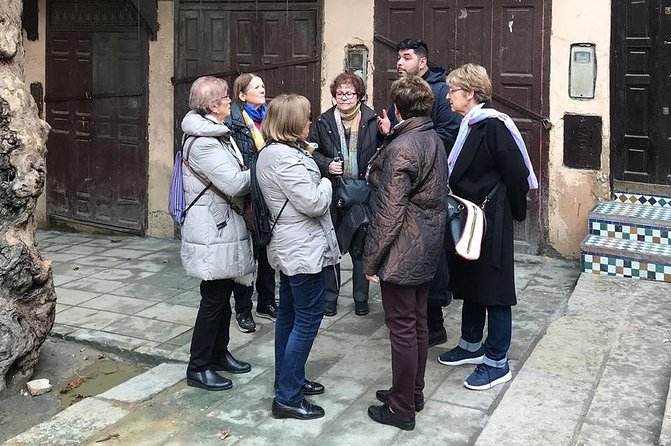
- Easy meeting at Bab Recif so you can start confidently right in the medina entrance area
- Souks and craft zones explained so you understand the food stops and the working markets, not just the sights
- Dyers and Tanneries on the route with a guide who can explain the process as you watch it
- The Holy Triangle loop ties together three major monuments in one efficient walking track
- Tea or coffee included to keep your energy steady during the medina grind
- Private group only means you can ask questions and set your own walking rhythm
Entering Fez through Bab Recif, the move that saves time
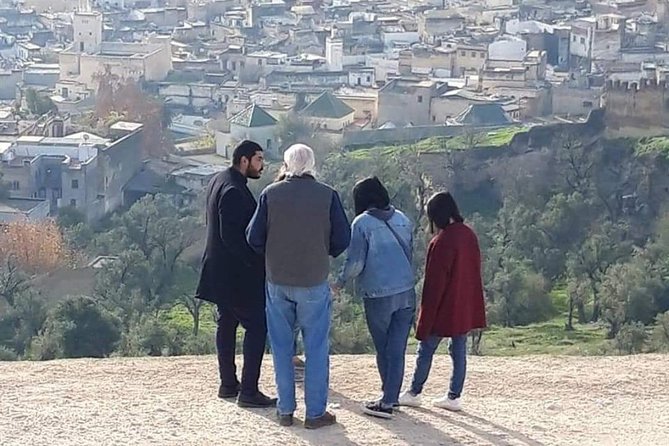
Starting at Bab Recif is smart, because it puts you at a real gateway into the medina, not in some random square where you still have to figure things out. You meet your guide at the gate, then begin your walking tour from there, which helps you stop guessing and start seeing.
This matters in Fez. The medina is made for people who already know it. A good route turns that confusion into momentum. In this tour, Jamal Marruecos sets that route for you right away, so you spend your limited time actually learning the city instead of getting disoriented.
You’ll also notice the practical side of the meeting point: it’s described as an easy place to connect with your guide. If you’re using public transportation or you’re staying somewhere that requires a bit of navigation, that kind of clear start point reduces stress.
You can also read our reviews of more tours and experiences in Fez.


Souks near the gate and the dying market connection
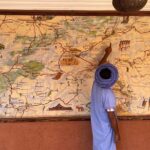
After Bab Recif, you move into the souks next to the gate to see and explore what Fasi people eat. That food-focused stop is more than a snack break. It’s a fast way to understand daily life, because you’re watching trade tied to what people actually consume, not only chasing souvenirs.
Then the route continues to the end of the souk area, linked with the dying market. Jamal explains how the dying process is made, so you’re not just standing there seeing workshops. You’re getting the logic behind the work, which helps you read the scene with your eyes open.
Here’s the value of this part: Fez’s craft districts can look chaotic until someone gives you a simple framework. With the dying market connection, you get that framework on the ground as you walk from one craft area to the next.
Also, since this is a private tour, you can ask follow-up questions without worrying about slowing down a large group. If dying and textiles are a big interest, this structure keeps you from missing the key story.
Seffarine Square to the Shara Tanneries: craft routes that make sense

Next comes Seffarine Square, followed by the Shawara tanneries. The tour’s order matters here. The craft squares and work areas are spaced so you can move through them while you’re still able to absorb details, instead of bouncing around randomly for half a day.
When you reach the tanneries, you’ll see the tanneries and the palette of colors, and the guide ties what you’re seeing back to the process. Even if you’ve seen photos of Fez tanneries online, watching the activity with context from a local guide is a different experience. It’s one thing to see the concept. It’s another to understand what the workers are doing and why.
One more practical note: tanneries and craft areas can involve a lot of sensory activity—movement, people working, tools, and constant production. If you’re expecting a slow, gallery-style walk, adjust your mindset. This section is more like watching a live workplace than visiting a quiet attraction.
The Holy Triangle monuments in one efficient walking loop
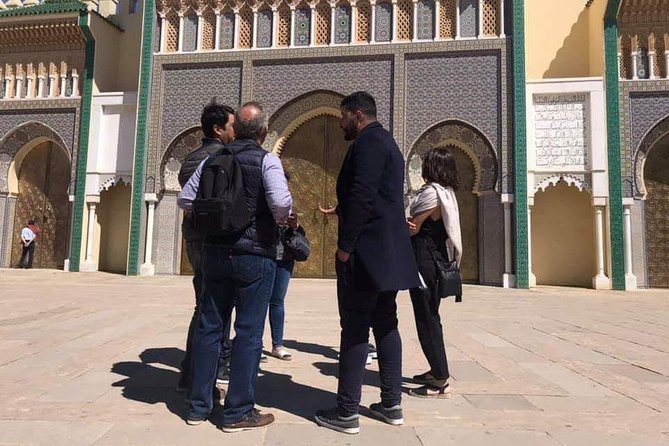
After the tanneries, you enter through the Holy triangle, built around three major monuments: Sidi Ahmed Tijani, Al-Karaouine University, and the Moulay Idriss mausoleum. It’s a strong way to experience Fez’s identity because these sites represent different layers of the city’s spiritual and intellectual life.
What I like about this part is the flow. You’re not forced to choose between separate locations or take extra time to connect them. Instead, the tour creates a connected circuit so you can experience the monuments while the walking logic stays easy.
Also, having the guide explain what you’re looking at can be a big help at Al-Karaouine University, since a university in a historic medina isn’t only about buildings—it’s about how a city organizes learning over time. Even if you only catch a few key points during the walk, that added context helps your later self-guided exploration.
For Moulay Idriss, the names alone signal importance, but the guide’s on-the-ground framing makes the stop feel purposeful instead of just ceremonial.
Wood market and wood museum: a quieter Fez angle
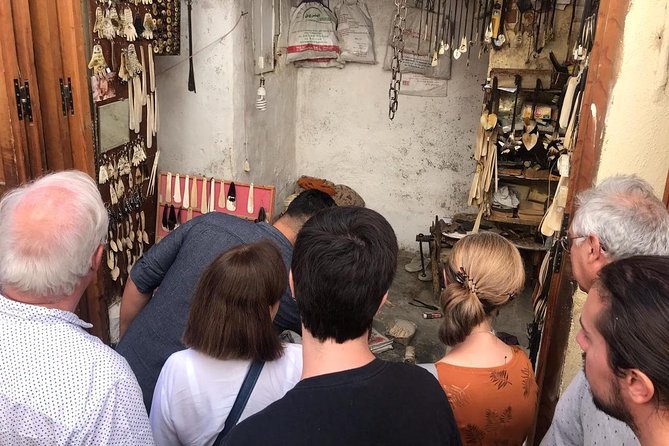
After the main landmark loop, the tour includes the wood market and the wood museum. This is a nice counterweight to the dyeing and leather areas, because it shifts you from materials processing into objects and craftsmanship that you can connect to everyday life.
This stop is especially useful if you like seeing how people make practical things, not only how famous areas look on a postcard. Woodwork has a slower, more tangible feel, and it often makes you notice patterns and design choices that you might miss when you’re focused on larger craft industries.
One caution: museums aren’t included in the price. So if the wood museum is part of what you want to see, plan for museum entry fees on the day.



How the half-day format lets you control the rest of your time
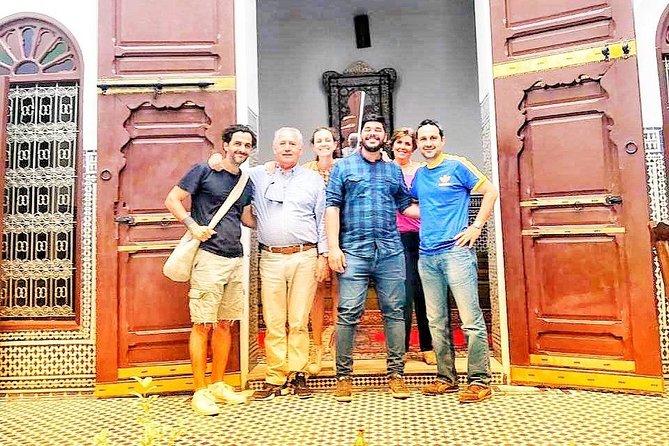
This is about three hours (approx.), and it’s designed so the rest of your day is yours. That matters because Fez rewards wandering—if you know how to wander.
After the tour, you’ll have two advantages:
- You’ll know where you are in the medina, starting from a major gate and moving through key areas
- You’ll have a list of craft themes and landmark types you’ve already seen once with context
My practical advice: after the tour ends, pick one thing you liked most—food, dye work, tanneries, monument architecture, or wood craft—and spend your remaining hours going back to that theme at your own pace. Without a guide, you’ll still be able to follow the threads Jamal set up for you.
Also, if you’re the type who likes photos, do them after you understand what you’re looking at. The medina is a lot more satisfying when you’re not constantly wondering what’s what.
Price and value: why $23.32 can be a smart spend in Fez
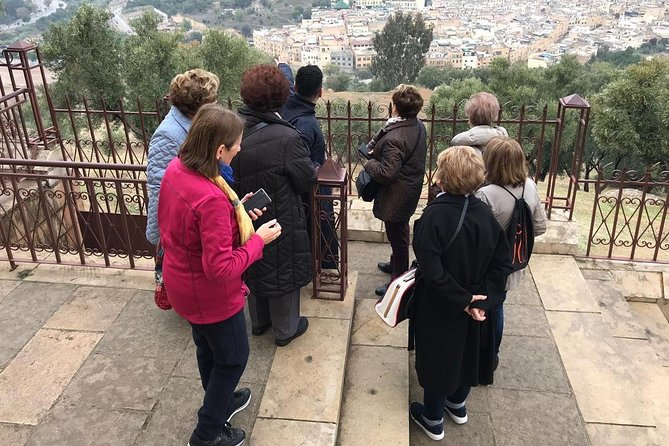
At $23.32 per person, this private tour is positioned as a low-stress way to get real orientation in one half day. The big question is value: what do you get beyond “a walk with a person”?
You get a guided route that hits multiple high-interest zones in a short time: souks, the dying market process explanation, Seffarine Square, Shawara tanneries, the Holy triangle monuments, plus the wood market and wood museum. You also get coffee and/or tea included, which is useful in a medina where breaks can be hard to plan.
Where it can feel even more worth it: if you plan to spend most of your next hours exploring on your own. A guide can save time and reduce wrong turns, and in Fez time is the one currency you can’t buy back.
If museums matter to you, remember that not everything is included. But even then, the tour still earns its value because the guide’s explanations can turn museum time into something you appreciate more.
Booking timing is another clue: it’s often booked about 40 days in advance on average. If your travel dates are fixed, you’ll want to reserve early so you don’t end up with a last-minute schedule compromise.
Why a private guide makes the difference here
This isn’t a checklist tour. It’s a guided route that makes the medina’s logic easier to read.
The reviews emphasize Jamal’s personal anecdotes and his patience with questions, and that matches what this format is designed to deliver: you’re not stuck with a rigid script. You can tailor how long you linger, ask why something works the way it does, or slow down when you want to understand more.
That matters most in a place like Fez, where you can spend an hour wandering and feel like you learned nothing except how your legs feel the next day. Here, the point is to turn walking into understanding.
Also, meeting at Bab Recif helps you start in the right headspace. The tour is structured, so you can ask the first questions early and then carry those answers with you as you move into the souks and craft areas.
If you’re traveling with friends or family who all want different things—history, crafts, local food context—private format is the way to keep everyone satisfied without splitting up your day.
Practical tips for a smooth 3-hour medina walk
Because this is a walking tour through craft zones and historic areas, your comfort choices affect the whole experience.
First, wear shoes you trust. The medina walk is described as a walking tour, and you’ll be moving through multiple stops across about half a day. Good traction matters.
Second, plan for the weather. The experience requires good weather, and it notes you’ll be offered a different date or a full refund if it’s canceled due to poor weather. If you’re visiting in a season with rain risk, you’ll want to keep flexibility.
Third, decide upfront how you feel about museum entry. The tour includes certain stops, but museums have to be paid. If you love museums, budget for them. If you’re museum-light, you can focus on the walk and craft explanations and treat the museum as a bonus.
Fourth, take advantage of the logistics that reduce friction: pickup is offered, a mobile ticket is used, and service animals are allowed. If you prefer clear, low-effort check-in, this setup helps.
Finally, go with the right expectation. This tour is about understanding Fez through crafts and key sites, not about speed-scrolling through landmarks. If you’re curious and willing to ask questions, you’ll get the most out of it.
Should you book this private Fez with a local tour?
Book it if you want a guided route through the medina that links food, crafts, and major monuments in a way that makes sense fast. It’s a good choice for first-timers who don’t want to burn half a day getting lost, and it’s especially attractive because the guide’s context helps your self-guided time feel smarter afterward.
Skip it or reconsider if you dislike walking through active craft areas, or if you strongly prefer museum entry to be fully included in the price. Also, if your schedule is tight and the weather window is narrow, keep in mind the good-weather requirement.
If you want one practical way to decide: think about what you’ll do after the tour. If you’ll spend the rest of the day exploring, this half-day format is often the best deal—because it gives you an anchor point and a set of themes to follow on your own.
FAQ
Where does the tour start?
You meet at Bab Recif, one of the entrances to the medina, and your walking tour begins from there.
How long is the tour?
The tour lasts about 3 hours.
Is this a private tour?
Yes. It’s a private tour/activity, and only your group participates.
Do you get picked up?
Pickup is offered (details would be handled as part of the tour arrangement).
How will I receive the ticket?
You use a mobile ticket.
What is included in the price?
The tour includes coffee and/or tea.
Are museum visits included?
No. Museos hay que pagarlos meaning museums have to be paid separately.
Is the tour mostly outdoors?
Yes, it’s a walking tour through the medina, and it requires good weather.
Can I bring a service animal?
Yes. Service animals are allowed.
What’s the cancellation policy?
You can cancel for a full refund up to 24 hours in advance. If you cancel less than 24 hours before the experience, there’s no refund.
Is the tour suitable for most people?
It states that most travelers can participate. It’s also near public transportation, which can help with planning your arrival.