REVIEW · CASABLANCA
Cook Moroccan Food & Try on Traditional Clothes like a local
Book on GetYourGuide →Operated by WISSAL · Bookable on GetYourGuide
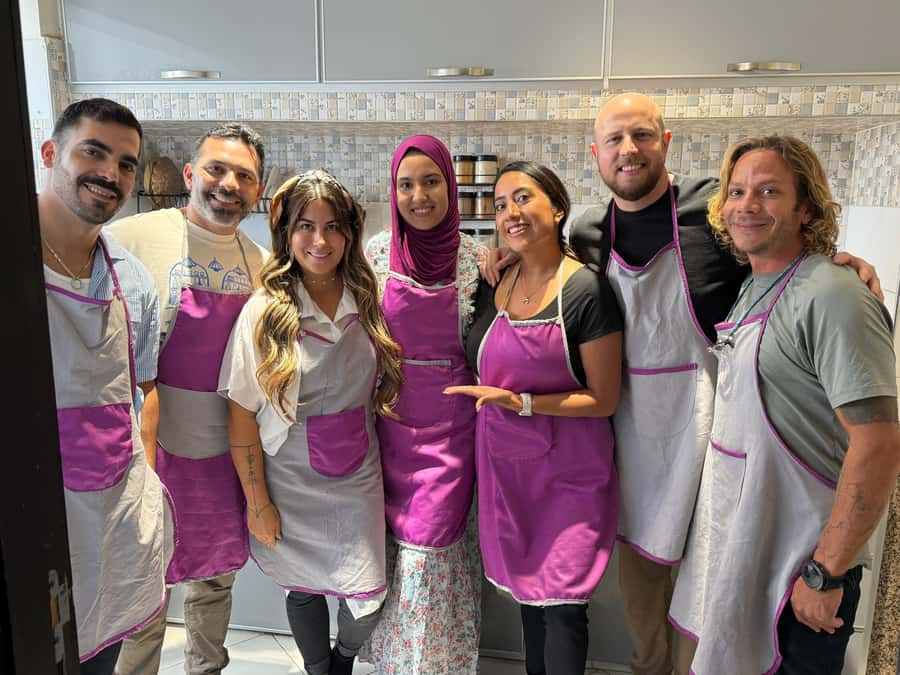
Step into a real Moroccan kitchen. This mother-daughter cooking experience in Casablanca is hands-on, warm, and actually useful for your own meals later. I love how you cook as a family guest (not a “look-then-leave” tourist stop), and I also like the extra cultural touch of trying on caftans and takchitas for memorable photos. One thing to plan for: getting to a home-based meeting point can take a bit of coordination, so I’d confirm transport early and aim to arrive on time.
I especially like the way the hosts start you with the good stuff: spiced Moroccan coffee, snacks, and conversation before you even touch the cutting board. Then you choose what to cook from classics like tagine, couscous, or pastilla, and you even make a traditional-style mojito from scratch. The possible drawback: if you’re expecting a big public cooking studio or a strict “watch me, copy exactly” format, this feels more like being welcomed into a real household rhythm.
In This Review
- Key Highlights You’ll Care About
- Why Cooking in a Real Casablanca Home Beats Another Tour Stop
- The 4-Hour Flow in Their Home: Coffee, Chopping, Cooking
- Tagine, Couscous, Pastilla, and Mojito: Learn the Mechanics, Not Just Recipes
- Mint Tea Meal and Family Stories: The Part You Remember
- Caftans and Takchitas for Photos Without Feeling Like a Costume Party
- Price and Value: Is $60 Worth It?
- Practical Tips for a Smooth (and Delicious) Day
- Should You Book This Casablanca Cooking-and-Outfit Experience?
- FAQ
- How long is the experience?
- How much does it cost?
- Where does it take place?
- What will I cook?
- Is the class suitable for vegan or vegetarian guests?
- What’s included in the price?
- What languages are available?
- Is it a small group?
- Is it wheelchair accessible?
Key Highlights You’ll Care About
- Mother-daughter hosts make it feel like you’re joining their daily life, not performing for a camera
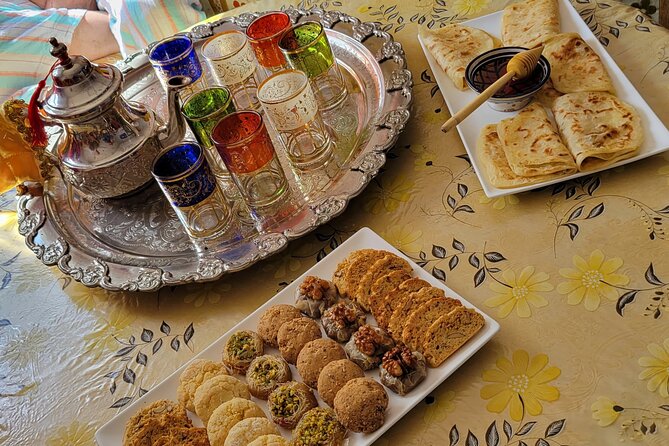
- Spiced coffee with a five-spice family recipe sets the tone fast
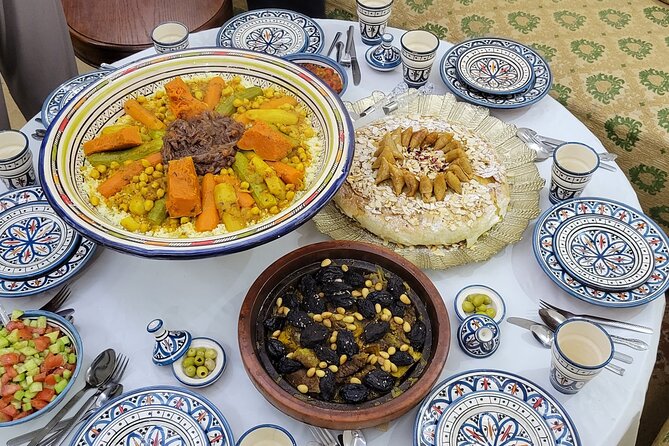
- Choose your main dishes like tagine, couscous, or pastilla, then cook them hands-on
- Try on caftans and takchitas for photos that still feel connected to culture
- Mint tea at the table turns the meal into the point, not an afterthought
- English, French, or Arabic instruction plus a recipe e-book after the experience
Why Cooking in a Real Casablanca Home Beats Another Tour Stop
Casablanca has plenty of “see and move on” tours. This one works because it slows down. You’re invited into a traditional home with a mother-daughter duo, which changes the whole feel of the experience. You’re not just learning recipes. You’re learning how Moroccan families talk, taste, and pass down food the way they might pass down stories.
The other big win is the small group size, limited to 10 people. That matters more than it sounds. In a small group, you get real interaction while you cook, ask questions, and figure out which spices do what. It also helps with the outfit part—trying on caftans and takchitas can become chaotic in a big crowd, but here it stays personal and fun.
I also like that the experience openly welcomes vegan and vegetarian guests. That’s not universal across all “local cooking” options. Even if the exact dishes you make depend on what’s planned that day, you’ll be able to participate instead of sitting on the sidelines.
You can also read our reviews of more food & drink experiences in Casablanca


The 4-Hour Flow in Their Home: Coffee, Chopping, Cooking
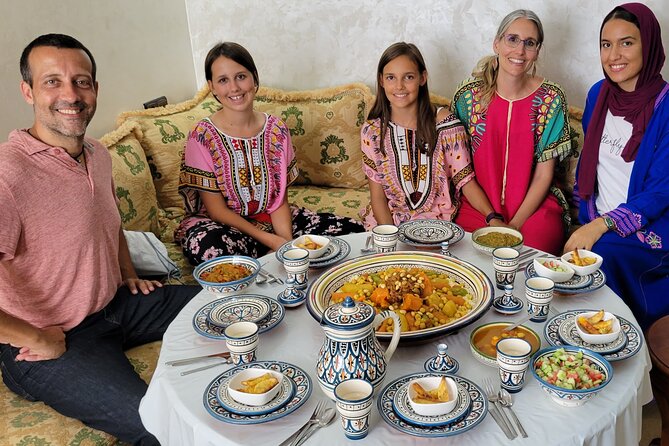
This runs about 4 hours, and it’s paced like a real evening at home: welcome first, then cooking, then eating. Here’s what you should expect.
You start with a cheerful welcome plus Moroccan snacks and a cup of spiced coffee. One reviewer specifically called out that it’s a family recipe using five spices, and that detail tells you the host isn’t doing a watered-down version for tourists.
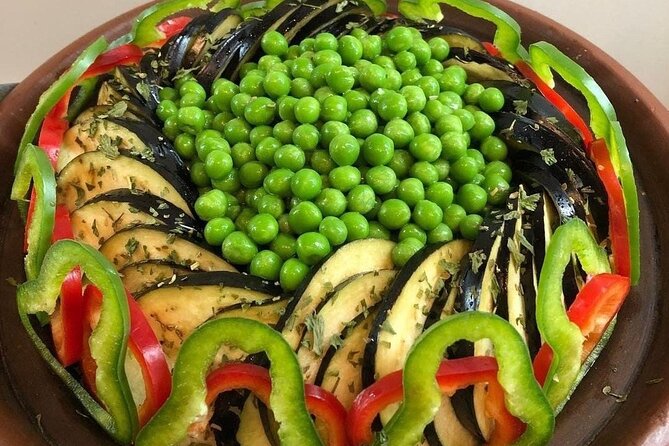
Then comes the hands-on part. The hosts let you choose what you’ll cook—common options include tagine, couscous, or pastilla. You’re not just tasting spices. You’re learning how to handle them during actual prep: chopping, seasoning, and timing things so the dish comes together the way it’s meant to.
Along the way, you’ll also make a traditional-style mojito from scratch. That surprises some people in a good way because it breaks the cooking class pattern. It turns the session into a mix of savory skill-building and drink-making you can repeat later.
Before or after the meal, there’s also the outfit time. You’ll try on Moroccan garments like caftans and takchitas and have the chance to get great photos. That part is designed to feel celebratory, not staged.
Tagine, Couscous, Pastilla, and Mojito: Learn the Mechanics, Not Just Recipes
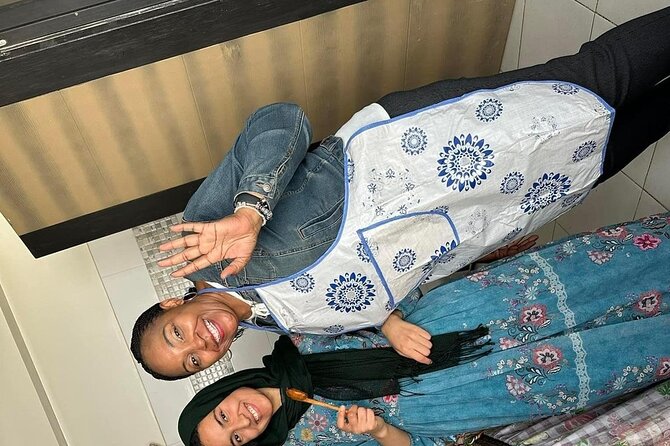
The main appeal here is that you cook classics with a family’s approach, not generic “cooking class math.” The hosts talk you through what they’re doing and why—especially around spices.
From the experience descriptions and real participant feedback, I’d expect at least these elements:
- Tagine: you’ll learn how seasoning and cooking style affect depth of flavor
- Couscous: you’ll get a feel for how to keep it light while still tasting complex
- Pastilla: a more delicate option that rewards careful assembly and seasoning
- A traditional-style mojito: a step-by-step drink that’s more than just mixing juice and mint
One reviewer mentioned learning how to use spices the right way, and another pointed out a mother’s special spice mixture that made everything taste especially good. Translation for you: you’re not just collecting ingredients—you’re learning the timing and balance that make Moroccan food taste like Moroccan food.
Also, the hosts tend to prep ingredients ahead of time so the cooking stays practical. One review said they asked what participants wanted to enjoy cooking, then showed up with ingredients already prepared with help from the mother. That’s a smart way to keep the class fun and on schedule.
If you’re a beginner, you’ll likely find the steps manageable. If you’re an intermediate cook, you’ll still enjoy it because the flavor logic is the real lesson.
Mint Tea Meal and Family Stories: The Part You Remember
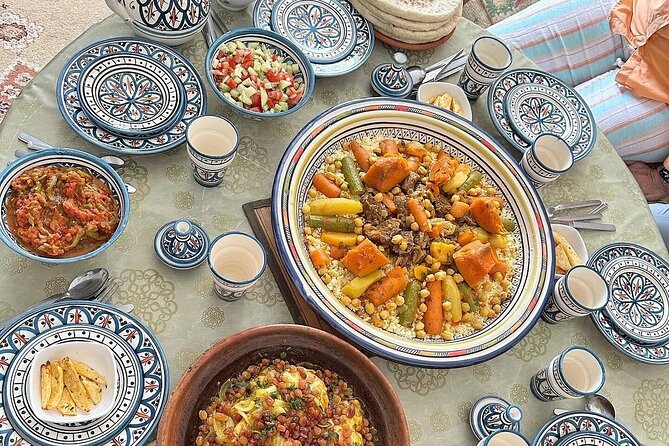
Most cooking classes end with a sad little paper plate situation. This one ends with an actual meal—together. After cooking, you share what you made over mint tea, which is served warm and as part of the hospitality rhythm.
What makes this feel meaningful is the conversation. Hosts share stories about Moroccan life and family traditions passed down over generations. You’ll hear things while you cook and then continue at the table. That matters because it gives context to why certain ingredients and techniques show up again and again.
One participant called this the highlight of their trip to Casablanca, saying the food they cooked was better than anything they ate during ten days in Morocco. I can’t promise every dish will beat every meal you’ll have in Morocco, but I can tell you why it’s believable: you’re tasting food that’s fresh, seasoned with intention, and built from the same spice logic you just practiced.
And yes, they guide you in the moment. You’re not sent off with instructions and a confused stare. You can ask questions while things are actively cooking, which is when it matters.
Caftans and Takchitas for Photos Without Feeling Like a Costume Party
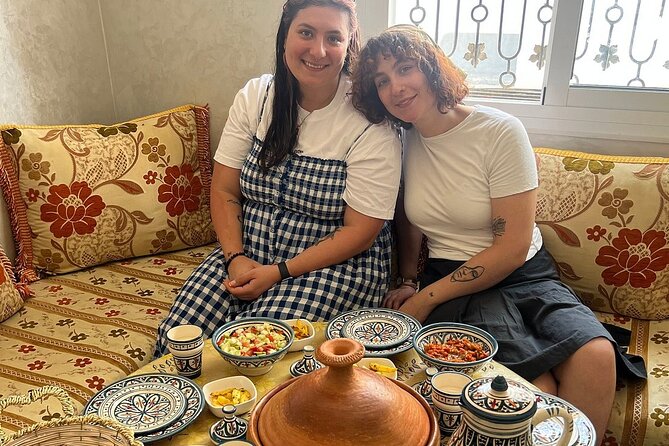
Trying on traditional clothes can be fun or uncomfortable, depending on how it’s handled. Here, it’s treated as part of the cultural experience. You’ll be invited to wear elegant garments like caftans and takchitas, typically before or after your meal, and you can use that time for photos.
The key is that it doesn’t feel like you’re just renting an outfit. The mother-daughter setup helps because the clothing feels tied to family life and identity. One reviewer described the host’s charm as feeling like visiting a friend’s home, and that tone carries into the outfit moment too.
Practical tip: wear something that’s easy to change out of. The tour suggests comfortable clothes for a reason. You’ll want to be able to move, sit, and step into garments without fuss.
If you care about photos, you’ll likely love this. If you care more about culture than pictures, you’ll still get something valuable: an easy way to experience clothing that locals actually wear, not just something to wear for an hour and forget.
A few more Casablanca tours and experiences worth a look


Price and Value: Is $60 Worth It?

At $60 per person for about 4 hours, the value is strong because the package is more than instruction. It includes:
- Welcome Moroccan snacks and spiced coffee
- Virgin mojitos or mocktails
- Hands-on cooking with authentic family recipes
- Time to try on traditional outfits
- A shared meal with mint tea
- An exclusive recipe e-book after the experience
When you break it down, you’re paying for three things at once: the cooking lesson, the cultural hosting, and the meal experience. Many tours only deliver one of those well.
Also, small group size (limited to 10) helps the value. You’re not crammed in. You can actually learn, not just watch from the edge.
Who gets the best match from this?
- Food lovers who want to cook, not just eat
- People celebrating something special (one booking was a birthday surprise)
- Travelers who like genuine home hospitality
- Vegans and vegetarians who want to join the class, not just spectate
Practical Tips for a Smooth (and Delicious) Day
This is a home-based experience, so a few practical moves will pay off.
- Coordinate transportation early.
The host offers to arrange a taxi driver if you text in advance. One reviewer coming from a cruise port mentioned the drive was about 20–25 minutes depending on traffic, so don’t assume it’ll be next-door.
- Bring comfortable clothes.
You’ll be cooking and then changing for outfits. Loose, easy-to-wear clothing helps.
- Tell them your cooking preferences (and dietary needs).
The hosts may ask what dishes you’d like to cook, and they handle vegan and vegetarian guests warmly. If you have food preferences, mention them ahead of time.
- Use the time to ask spice questions.
If you want your home cooking to improve, ask what makes a blend work. Reviews highlight learning how to use spices the right way and how a spice mixture changes the outcome.
- Plan for photos, but don’t rush.
Caftans and takchitas look great, but you’ll enjoy it more if you take a few minutes to relax and let it feel like a celebration.
Should You Book This Casablanca Cooking-and-Outfit Experience?
I think you should book it if you want a real home meal, hands-on skills, and a cultural activity that goes beyond surface-level sightseeing. The combination of cooking lessons, family hospitality, mint tea, and outfit try-on is exactly the kind of experience that turns one evening into a story you’ll keep.
Skip it only if your idea of a cooking class is strictly technical, like a professional kitchen with zero conversation, or if you dislike home-based logistics. Otherwise, this is a smart Casablanca plan—especially if you’re traveling with friends, planning a birthday, or you want to bring Morocco flavors home.
FAQ
How long is the experience?
It lasts about 4 hours.
How much does it cost?
The price is $60 per person.
Where does it take place?
In Casablanca-Settat, Morocco, in a traditional home. You’ll receive accurate guidelines and the meeting location after you reserve.
What will I cook?
You’ll make one or more of these Moroccan favorites: tagine, couscous, or pastilla, and you’ll also prepare a traditional-style mojito from scratch.
Is the class suitable for vegan or vegetarian guests?
Yes. Vegan and vegetarian guests are warmly welcomed to join and enjoy the experience.
What’s included in the price?
You get welcome Moroccan snacks and spiced coffee, virgin mojitos or mocktails, a hands-on cooking lesson, the chance to try on traditional outfits, and a meal with mint tea. You also receive an e-book recipe collection after the experience.
What languages are available?
The instructor speaks English, French, and Arabic.
Is it a small group?
Yes. It’s a small group limited to 10 participants.
Is it wheelchair accessible?
Yes, it is listed as wheelchair accessible.