REVIEW · ESSAOUIRA
Berber Cooking Class at a Farm in the Countryside & shopping at a rural Souk.
Book on Viator →Operated by Ecotourism and Hiking · Bookable on Viator
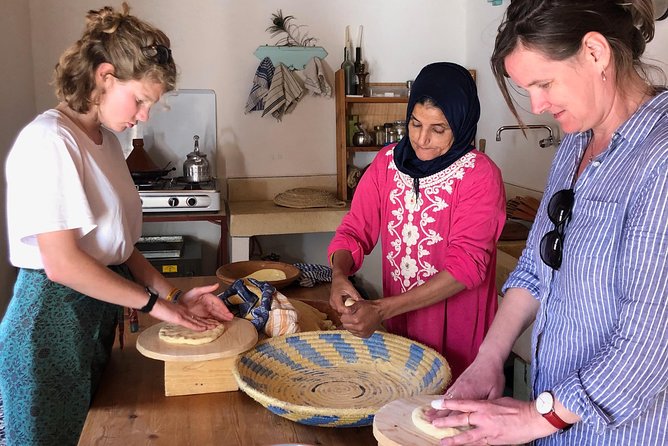
A tagine starts at the market. In the Haha hills, 35 km south of Essaouira, I love the way you shop for real ingredients at a rural souk, then cook them in an old-school farm kitchen using a stone mill and clay oven. You also get hands-on instruction from Khadija and Khadija, which makes the day feel more like learning with friends than following a script.
One thing to consider is that this experience depends on good weather, especially for outside lunch, so you’ll want to stay flexible if plans shift. On the plus side, the group is small (max 8), so questions and hands-on time don’t get swallowed by a big crowd.
In This Review
- Quick hits from this Haha hills cooking day
- A Berber farm day south of Essaouira (not a studio class)
- 9:00 am start, about 7 hours, and why the small group matters
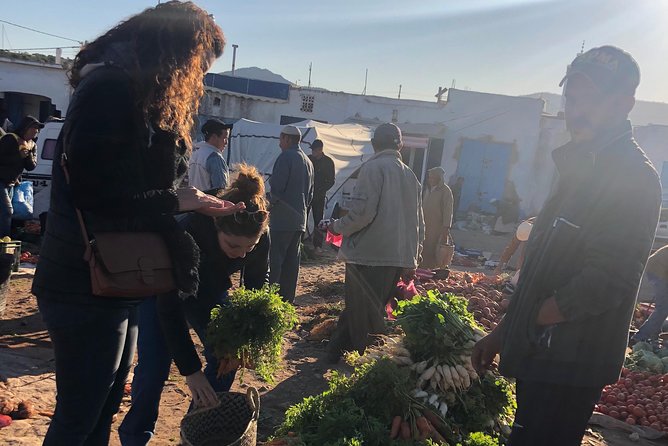
- Souk shopping: how ingredients shape the whole lesson
- On the ecological farm: roasting barley to flour and semolina
- Clay oven flat bread and clay-pot couscous
- Tagine basics: vegetables, goat meat, Moroccan spices, and olive oil
- Lunch outdoors when the weather cooperates
- Argan oil cooperative (optional) and goats in trees south of Essaouira
- Price and value: what you really get for $98.76
- Who this Berber cooking class suits best
- Should you book this Berber cooking class?
- FAQ
- FAQ
- How long is the Berber cooking class?
- Where do I meet for the tour in Essaouira?
- What time does the tour start?
- What will we cook during the class?
- Do we stop at an Argan oil cooperative?
- Is lunch served outside?
- What if the weather is poor?
- What is the cancellation window?
Quick hits from this Haha hills cooking day
- Souk shopping first: You gather staples like fruit and vegetables, meat, eggs, honey, and the basics for the class.
- Fire + stone + clay: Barley is roasted, ground, then turned into flat bread and couscous using traditional tools.
- A real goat-and-vegetable tagine lesson: Moroccan spices and olive oil from the farm’s olive trees are part of the process.
- Lunch and herbs outdoors (if weather allows): Meal outside when possible, then tea with fresh garden herbs.
- Argan zone add-on and possible goats-in-trees views: You may stop at an Argan oil cooperative, and you might see the famous goats in trees.
A Berber farm day south of Essaouira (not a studio class)
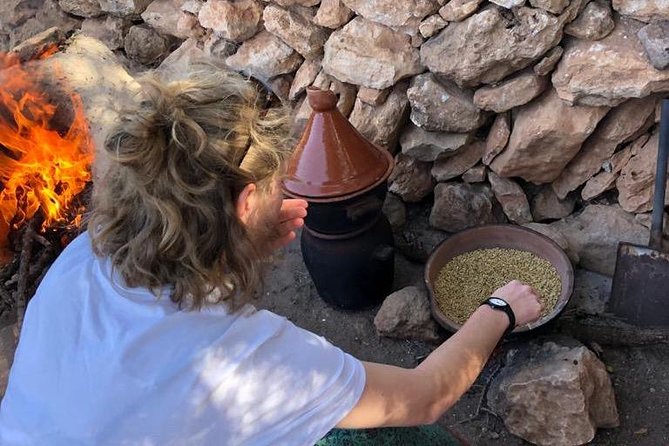
This outing is built around the daily rhythm of the Haha region. You’re heading into Berber country—where crops grow and goats and sheep are part of everyday life. That matters, because you’re not just learning recipes. You’re seeing the steps that turn ingredients into food: grain to flour, clay to bread, spices to tagine.
The best part for me is the pacing. You start with shopping at a local souk, then you move straight into a real ecological farm kitchen. It’s the kind of flow that helps you remember what you learn. You’ll connect what you bought to what you’ll cook a few hours later.
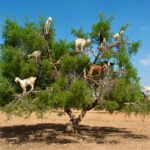
And yes, you might also spot the legendary goats in trees. It’s a strange-but-true sight, and it adds a little “we’re really out here” feeling to the day.
You can also read our reviews of more shopping tours in Essaouira

9:00 am start, about 7 hours, and why the small group matters
You meet at Labo Abdelkrim Khatabi d’Analyses Médicales, 287 Rue Oued El Makhazine in Essaouira, with a start time of 9:00 am. The experience runs about 7 hours and ends back at the meeting point.
The small group size (maximum 8 travelers) is more than a comfort detail. It’s what makes the cooking portion work. When fewer people are around the cooking station, you actually get chances to handle dough, watch the clay oven, and ask practical questions about timing and spice balance.
You’ll also appreciate the “slow down and focus” rhythm. This is not a sprint tour. It’s a full day where you can pay attention to how each step connects—especially if you’ve never cooked this way before.
Souk shopping: how ingredients shape the whole lesson
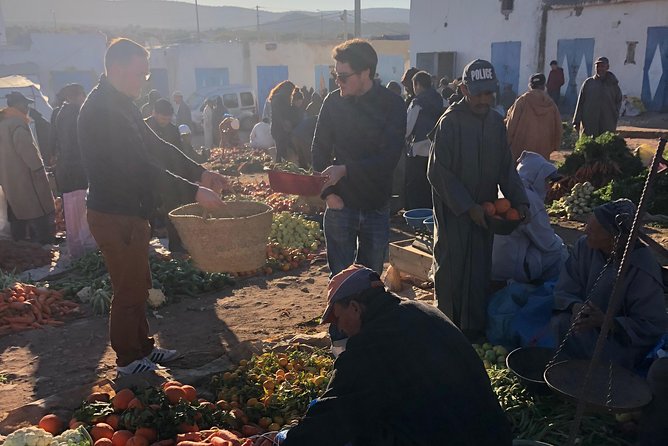
Before you touch a stove, you go to a local souk. This isn’t a souvenir stop. It’s about fresh basics—the staples you’d expect in everyday Berber cooking.
At the souk, you’ll see ingredients like:
- fresh fruit and vegetables
- meat and eggs
- honey
Then you leave with the essentials needed for the cooking class. For me, that’s the secret sauce. When you know where an ingredient comes from and why it matters, the recipe stops being abstract. You’re not just following steps—you’re understanding choices.
If you enjoy food markets, this part will feel like the warm-up to the main act. If you don’t, it can still work because the shopping is functional. You’re gathering what you’ll later roast, grind, steam, bake, and season.
On the ecological farm: roasting barley to flour and semolina
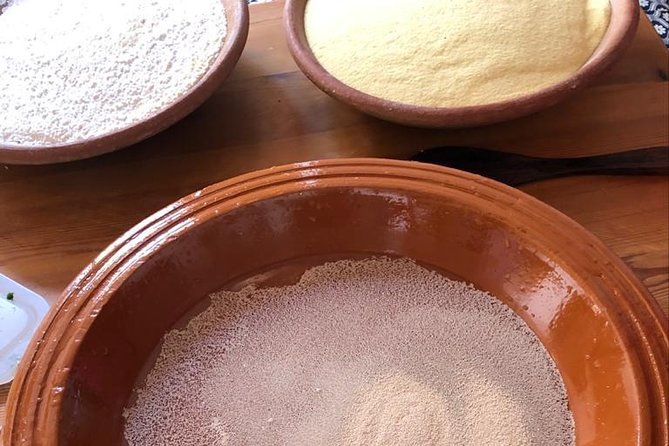
The cooking class happens on an ecological farm centered around an authentic Berber kitchen. Expect traditional food-prep items and real methods. There’s no pretending this is modern.
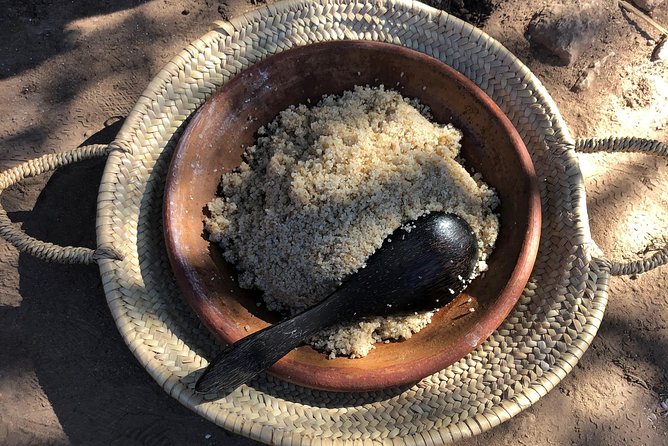
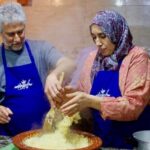
The key teaching starts with barley. Khadija and Khadija show you how to roast barley grains over the fire, then grind them in a stone mill to create the flour and semolina that serve as the base for:
- traditional flat bread
- couscous
This is one of the most memorable parts of the day, because it gives context. Barley isn’t just an ingredient—it’s a transformation. Watching roasting and grinding helps you understand why certain textures matter in the final bread and couscous.
Also, you’ll get a feel for the tools:
- flat bread baked in a clay oven
- couscous steamed in a traditional clay pot
If you love cooking, you’ll likely come away with a clearer sense of timing. If you don’t, you’ll still enjoy the process, because the methods are easy to observe and fun to participate in.
Clay oven flat bread and clay-pot couscous
Now you get to the heart of the class: bread and couscous using traditional cookware.
Flat bread is baked in a clay oven. That kind of oven bakes differently than a standard kitchen setup, and the lesson is as much about heat behavior as it is about recipe steps. You’ll learn how the bread changes as it cooks and what to look for so it doesn’t end up too dry or underdone.
Couscous is steamed in a clay pot. Steaming is a craft, not a button. You’ll see how the process affects texture, and you’ll understand why couscous isn’t just a pot-of-water situation.
Even if your goal is just to taste good food, this section is valuable. You’ll finish with a practical understanding of the difference between flat bread and couscous ingredients, and how semolina/flour choices influence results.
You can also read our reviews of more cooking classes in Essaouira

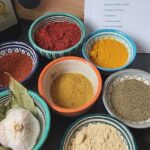
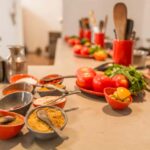
Tagine basics: vegetables, goat meat, Moroccan spices, and olive oil
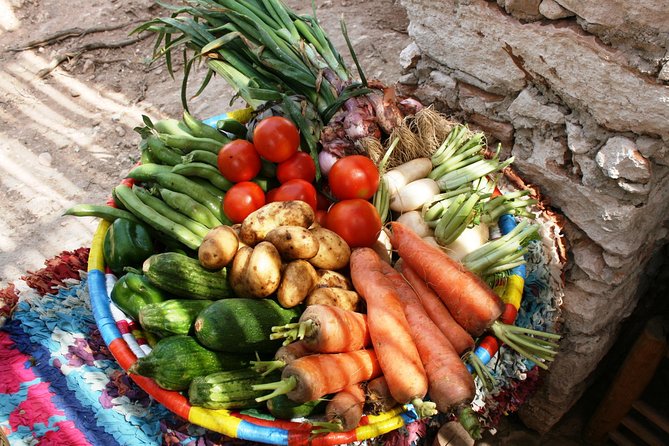
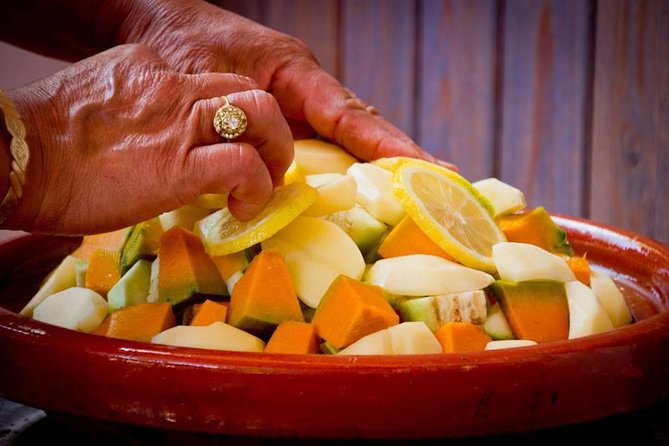
After the bread and couscous foundation, you learn a traditional tagine of vegetables and goat meat. The class includes the flavor-building pieces—Moroccan spices and olive oil.
One detail I like here is the olive oil connection. The olive oil comes from olive trees growing on the farm. That’s not just a fun fact. It helps explain why the dish tastes the way it does—fragrance, balance, and that gentle olive character that Moroccan cooking often relies on.
A tagine also teaches you patience. This dish isn’t about rushing. It’s about layering flavors and letting heat do its job. You’ll learn how the spices work together rather than tasting like one overpowering blend.
If you have dietary restrictions, don’t assume tagine can be swapped on the spot. The class specifically teaches a vegetables and goat meat tagine, so check ahead if you need adjustments.
Lunch outdoors when the weather cooperates
Lunch is served after cooking, and the plan includes a great-weather possibility. Depending on the weather, lunch is served outside if at all possible.
That setting matters. Eating in calm natural surroundings turns a meal into part of the experience, not just an energy break. You’ll eat what you helped prepare, likely still smelling like clay-baked bread and warm spices.
After lunch, you get tea infused with fresh herbs from the garden. That last step is a lovely capstone. It’s practical too: you’ll taste how herbs can soften the spices and reset your palate for a smoother afternoon.
Argan oil cooperative (optional) and goats in trees south of Essaouira
On the drive through the Argan zone, you have the option to visit an Argan oil cooperative. If you choose it, you’ll learn about how Argan oil is produced and you’ll get offered a taste of what they make with it too.
This stop is worth it if you like understanding the supply chain behind what you buy. Argan oil is tied to this region in a very direct way. You’ll get a sense of how it goes from natural resource to bottle.
And even if you skip the cooperative, the route itself adds surprises. Very likely you’ll see the famous goats in trees during the south-of-Essaouira stretch. It’s one of those sights that sticks with people because it’s both unexpected and clearly part of local practice.
Price and value: what you really get for $98.76
At $98.76 per person, this isn’t a “grab-and-go” activity. You’re paying for a full day that combines several experiences that normally cost more separately: souk shopping, hands-on traditional cooking, lunch, tea, and optional Argan cooperative learning.
The value is strongest if you care about cooking methods and local context. You’re not just tasting—you’re seeing barley roasted and ground, baking bread in clay, and steaming couscous in a traditional pot. Those are learnable skills, and they’re the kind you can actually reproduce later at home (at least in spirit, if not with the exact clay tools).
It also helps that the group is capped at 8. Small-group attention is part of what you’re paying for, because it keeps the day from turning into a watch-from-the-sidelines show.
If you’re only in it for a quick meal, you might feel the day is long. If you want a real food day with practical cooking instruction, it’s a strong value.
Who this Berber cooking class suits best
Book this if you want:
- a hands-on Berber cooking day with traditional tools
- a food market start that actually connects to what you cook
- a calm countryside pace outside the main Essaouira rush
It’s also a great fit for couples and small groups because the max group size helps you feel included. And if you enjoy asking questions, the setup makes it easier to get real answers while you’re cooking.
One extra note from a past German-speaking group: they had a guide named Nicole, and the day included market time plus cooking over an open fire on the land. That kind of personal, language-friendly guiding can make the whole day smoother if you’re more comfortable in German.
Should you book this Berber cooking class?
I’d book it if you want the kind of day where the food has a backstory you can taste. The souk-to-farm flow makes the ingredients feel real. The clay oven bread and clay-pot couscous teach you techniques, not just recipes. And lunch outdoors (when weather allows) plus garden herb tea gives the day a proper finishing touch.
I’d think twice only if you hate spending a full 7 hours outdoors and you really don’t want weather-based changes. Otherwise, this is the sort of cooking experience that’s hard to fake. It’s grounded in what the Haha hills do every day—make food from what grows, raise goats, and turn simple staples into something satisfying.
FAQ
FAQ
How long is the Berber cooking class?
The experience lasts about 7 hours.
Where do I meet for the tour in Essaouira?
You start at Labo Abdelkrim Khatabi d’Analyses Médicales, 287 Rue Oued El Makhazine, Essaouira 44000, Morocco.
What time does the tour start?
The start time is 9:00 am.
What will we cook during the class?
You’ll learn to make flat bread, couscous, and a traditional tagine with vegetables and goat meat using Moroccan spices and olive oil.
Do we stop at an Argan oil cooperative?
There’s an option to visit an Argan oil cooperative while driving through the Argan zone.
Is lunch served outside?
Depending on the weather, lunch is served outside if possible.
What if the weather is poor?
This experience requires good weather. If it’s canceled due to poor weather, you’ll be offered a different date or a full refund.
What is the cancellation window?
You can cancel for a full refund up to 24 hours before the experience’s start time.