REVIEW · ESSAOUIRA
Traditional Moroccan Cooking Class
Book on Viator →Operated by Cooking With Chef FATIMA · Bookable on Viator
Market to mint tea, all in one kitchen. This Traditional Moroccan Cooking Class in Essaouira ties market shopping to real hands-on cooking at Chef Fatima’s home. I like that it starts in the old medina area and moves fast from ingredients to the stove, so you understand why Moroccan food tastes the way it does.
What I especially like is the market-to-meal flow: you go shopping with the cook, choose fresh ingredients locally, and learn how staples like spices and produce get used. I also love the home setting, where the lesson feels personal, not performative, and you get to make things step by step like couscous—and then sit down to enjoy the results with Berber mint tea.
One thing to consider: if you expect a full, formal cooking curriculum with every Moroccan classic, you may feel constrained. The experience explicitly skips pastilla, and it’s more about cooking together and sharing the meal than taking long, lecture-style explanations.
In This Review
- Key highlights you’ll feel right away
- From Bab Marrakech to the medina markets
- How market shopping changes the way you cook
- Chef Fatima’s home welcome (mint tea included)
- Couscous step-by-step: where technique matters
- Tagines, Harira, and Moroccan bread: the menu reality
- The tasting: eating Berber mint tea with full stomachs
- Value for $39: why this is more than a single meal
- Who should book this class in Essaouira
- Should you book this Traditional Moroccan Cooking Class?
- FAQ
- Where do we meet for the cooking class?
- What time does the cooking class start?
- How long is the Traditional Moroccan Cooking Class in Essaouira?
- What dishes will I learn to cook?
- Is pastilla included?
- Is it a private experience?
- Do I get a mobile ticket?
- What is the cancellation window?
Key highlights you’ll feel right away
- Market shopping in the old medina with Chef Fatima, buying fresh ingredients locally
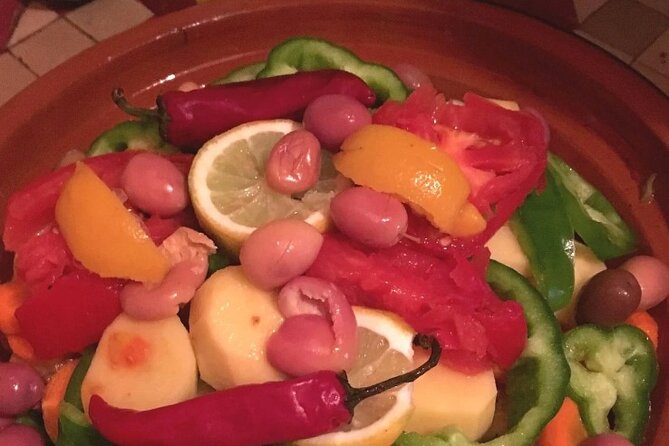
- Step-by-step couscous cooking in a real home kitchen
- Tagine and related dishes you can often personalize based on what you want to cook
- Mint tea welcome and tasting as part of the experience, not an add-on
- Recipes and know-how from a family tradition, shared by Chef Fatima
From Bab Marrakech to the medina markets
This starts at Parking Bab Marrakech (Bab Marrakech, Essaouira 44000) at 9:30 am, and the vibe is simple: get oriented, then get fed—by the end of the class, you’ll be eating what you cooked. Even if Essaouira’s medina feels a bit twisty, the meeting point is practical. It’s easy to find, and it’s also near public transportation.
Once you’re together, you head into the old medina area around Place de l’Horloge. That matters because this class isn’t about a chef showing off in a studio—it’s about seeing how ingredients move through the city and end up on a plate. You’ll spend time in the markets, and that gives you context for everything that comes next: spices aren’t abstract, and vegetables aren’t generic.
One nice detail: it’s a private tour/activity, so it’s only your group. That usually means questions don’t get lost in a crowd, and Chef Fatima can pace the cooking and explanations to your group’s energy.
You can also read our reviews of more cooking classes in Essaouira
How market shopping changes the way you cook
The market part is the engine of the whole experience. You don’t just walk past stalls—you shop with the cook and buy the fresh ingredients from locals. That turns your later cooking into something you can repeat at home, because you’ll remember what you chose and why.
In this kind of class, the biggest value isn’t only the final dishes. It’s learning how Moroccan cooking builds flavor: fresh produce plus spices plus careful seasoning. Some people mention spice grinding and choosing ingredients in a hands-on way, and that’s exactly what helps you understand the difference between cooking and following a recipe. When you pick spices yourself, you pay attention to aroma and texture, not just measurements.
Also, Essaouira’s food culture is tied to everyday choices, not tourist shortcuts. Shopping locally means you’re more likely to use the ingredients that make sense in Morocco right now, not what’s cheapest wherever you live.
Tip for you: in the markets, ask questions even if you think you’re asking something basic. The tiny answers—like what to look for in a vegetable or how a spice is used—are what you’ll carry back home when you cook again.
Chef Fatima’s home welcome (mint tea included)
After shopping, you go to the home kitchen where you’re welcomed with Moroccan mint tea. This is one of those moments that feels small on paper but big in real life: it shifts the whole experience from the street pace of the medina to a calmer rhythm.
Then you start cooking. Chef Fatima prepares you for success by showing you how each dish comes together, and that’s where the home setting really helps. You’re not squeezed into a tiny space or trying to work around strangers. You can actually watch, participate, and ask, which makes a difference if you’re new to Moroccan techniques.
One dish note you should know up front: pastilla is not included. The reason given is timing—pastilla takes a lot of time—so don’t plan your expectations around making it. Instead, treat the class as a focused menu built around dishes that fit a 4-hour window.
Couscous step-by-step: where technique matters
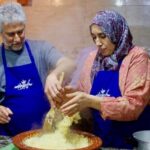
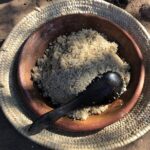
Couscous is the headline lesson. You’ll learn how to cook it step by step, guided by Chef Fatima, and you’ll also get the recipes she learned from her grandmother. That family-to-table thread is the difference between a cooking class that feels like entertainment and one that gives you transferable skills.
Why couscous training is valuable: couscous looks simple, but it’s easy to get wrong if you don’t respect timing and texture. When someone walks you through the process in a real kitchen, you understand what to watch for and what adjustments to make. That’s the point—you’ll leave with a mental checklist, not just a printed recipe.
In many versions of this experience, the meal centers on couscous plus tagine. If your group chooses tagine dishes (often people do), the couscous lesson becomes even more useful because you’ll see how the two work together: couscous as the base, tagine as the sauce-and-vegetable (or meat) element.
If you’re the kind of traveler who likes to actually cook, this is a good fit. If you only care about eating, you’ll still enjoy yourself—but the more you participate during couscous, the more you’ll get out of the class.
Tagines, Harira, and Moroccan bread: the menu reality
Chef Fatima teaches Moroccan dishes including tagines, couscous, Harira (Moroccan soup), and Moroccan bread. In practice, what you end up making can vary depending on the flow of the class and what your group chooses, and many people describe making a couple of dishes with time to shop, cook, and eat together.
Here’s what tends to shine based on what people consistently talk about:
- Tagine cooking is hands-on and practical, not mysterious.
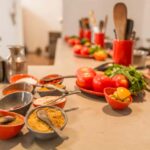
- Vegetable sides often show up, with examples like aubergine salad and zaalouk.
- Bread is taught in a way that feels accessible for home cooks afterward.
One reason this works well for you: Moroccan cooking is built for sharing and flexibility. The class doesn’t lock you into a single tiny task for every course. You’ll likely get a chance to do real prep and contribute to the meal you’re going to eat.
If Harira is included on your day, you’ll get a taste of the kind of soup that becomes a comfort-food backbone in Moroccan households. Just having it in your cooking repertoire makes you feel like you can handle more than one style of Moroccan dish.
A few more Essaouira tours and experiences worth a look





The tasting: eating Berber mint tea with full stomachs
At the end, you appreciate what you made and savor your preparations with Berber mint tea. This part matters more than people think. Cooking classes often end at the stove—then you’re rushed out. Here, the timing supports a proper sit-down. You’re meant to enjoy what you produced, with the flavors and textures intact.
You should expect the lunch or meal to be flavorful and satisfying, especially because you sourced fresh ingredients during the market portion. That market ingredient choice shows up in the finished food: better produce and the right spices mean you can taste the effort without needing fancy equipment.
Also, eating together in the host’s home creates a kind of cultural bonus. You’ll be surrounded by normal household pacing and conversation, not a restaurant script. If you like travel experiences that feel human-scale, this is one of them.
If you’re worried about portion size: you’ll finish the class having eaten a meaningful meal. The structure (market shopping, cooking together, then eating) is built for a full experience, not a quick snack.
Value for $39: why this is more than a single meal
At $39 per person for about 4 hours, you’re paying for three big things at once:
1) guided market shopping with a local cook,
2) hands-on cooking instruction (not just watching),
3) a meal you get to eat in the end, plus mint tea.
In other words, the value isn’t only the food. It’s the know-how. You’re learning how Moroccan dishes come together—from ingredient selection to seasoning to the final plate—within a short time. That’s exactly how to get your money’s worth if your goal is “I want to cook this at home.”
Another value detail: the class shares recipes Chef Fatima learned from her grandmother. You don’t have to treat it like a one-off tourist meal. You can translate what you learn into future cooking back home, especially with couscous and tagine technique.
One more practical note: it’s a mobile ticket and confirmation comes at booking time, so you won’t waste time with printed logistics once you arrive.
Who should book this class in Essaouira
This is a strong pick if you want:
- a traditional Moroccan cooking experience that includes shopping for ingredients,
- a home setting and a friendly host approach,
- hands-on participation in dishes like couscous and tagine,
- and a chance to learn more than one recipe in a single afternoon.
It’s also a good match if you like to travel with a purpose: you want to understand what you’re eating and take a skill home.
You might consider another option if you want a strict, formal teaching style with lots of lecture time. This experience is built around doing, eating, and sharing in a home kitchen. Also, if pastilla is the dish you came for, you should know it’s not included here.
Should you book this Traditional Moroccan Cooking Class?
If you’re planning time in Essaouira and you want one experience that connects the medina markets to actual cooking technique, I’d book it. The combination of market shopping, step-by-step couscous instruction, and a finished meal with mint tea is the kind of value that sticks with you after the trip.
Book it if you’re excited to cook, ask questions, and learn why Moroccan food tastes the way it does. If your priority is only to eat quickly, without caring about ingredients or technique, you might feel the class is a bit more work than you want.
FAQ
Where do we meet for the cooking class?
You start at Parking Bab Marrakech, Bab Marrakech, Essaouira 44000, Morocco. The activity also ends back at the meeting point.
What time does the cooking class start?
The class starts at 9:30 am.
How long is the Traditional Moroccan Cooking Class in Essaouira?
It lasts about 4 hours.
What dishes will I learn to cook?
Chef Fatima teaches Moroccan dishes such as tagines, couscous, Harira (Moroccan soup), and Moroccan bread.
Is pastilla included?
No. Pastilla is not included because it takes a lot of time.
Is it a private experience?
Yes. It’s a private tour/activity, so only your group participates.
Do I get a mobile ticket?
Yes. The experience includes a mobile ticket, and you receive confirmation at booking time.
What is the cancellation window?
Free cancellation is available. You can cancel up to 24 hours in advance for a full refund.