REVIEW · ESSAOUIRA
Essaouira: Half-Day Old Town Guided Tour
Book on GetYourGuide →Operated by Mystery History · Bookable on GetYourGuide
Essaouira is the kind of place where a guide changes everything. I love how this guided medina walk turns market chaos into easy, meaningful stops, and I also like the respectful visit to the Jewish cemetery as part of the city story. One drawback to plan around: food and drinks aren’t included, so you’ll want to eat before or after.
This half-day tour is built for a real on-the-ground feel. You’ll move through narrow lanes, photo-worthy corners, and craft stalls with a guide who keeps things moving at a sane pace—people specifically praised how guides like Zaid and Rashid answered questions, avoided rushing, and even left time for pictures.
You’ll also get a helpful framing for Essaouira right away. The medina is UNESCO-listed, and your guide explains why the old town feels like a blend of European and Moroccan styles—plus the local meaning behind Essaouira’s name, little picture in Arabic.
In This Review
- Key things I’d bank on before you go
- Hotel pickup and the 4-hour rhythm that works
- UNESCO medina streets and the European–Moroccan architecture mix
- The medina market: spices, produce, nuts, and what to ask for
- Craft stalls where you can watch brass, leather, wood, and more
- Jewelry stalls and made-to-order silver ornaments
- The Jewish cemetery stop adds meaning (and asks for respect)
- Pacing, photo time, and how small-group dynamics help
- Price and value: what $65 buys you in Essaouira
- Who this tour suits best (and who should skip it)
- FAQ
- FAQ
- How long is the Essaouira half-day old town guided tour?
- Does the price include hotel pickup and drop-off?
- What languages is the tour offered in?
- Is food and drinks included?
- What are the main stops on the route?
- What is the cancellation window?
- Should you book this guided medina tour?
Key things I’d bank on before you go
- A true medina orientation: you’ll learn your way through side streets fast, not after you’re lost.
- Market browsing with context: spices, nuts, dried fruit, clothing, and souvenirs come with explanations, not just prices.
- Craft stops you can actually watch: brassware, textiles, leather, wood, and ceramics along the way.
- Jewelry and silver advice: ask questions about silver ornaments and made-to-order pieces with a guide’s help.
- A thoughtful culture stop: the visit to the Jewish cemetery adds depth beyond shopping.
Hotel pickup and the 4-hour rhythm that works
This is a half-day tour that runs about four hours, with hotel pickup and drop-off included. For me, that matters in Essaouira because the medina streets can feel like a maze the moment you step in. Having someone pick you up also helps you start in the right place and at the right time, especially if you’re only in town for a short stay.
What to expect right at the start: after pickup, you’ll head toward the UNESCO World Heritage medina. You won’t spend the whole time on one big street; instead, you’ll zigzag into the narrow side lanes where the daily rhythm of the old town lives. That’s where your guide earns their fee—turning random browsing into a route you understand.
One practical note: if you’re picky about meeting points, double-check the plan in advance. One person reported trouble contacting the guide about pick-up timing/location. It wasn’t described as a deal-breaker, but it’s still worth being proactive so the first 10 minutes don’t feel stressful.
You can also read our reviews of more guided tours in Essaouira

UNESCO medina streets and the European–Moroccan architecture mix
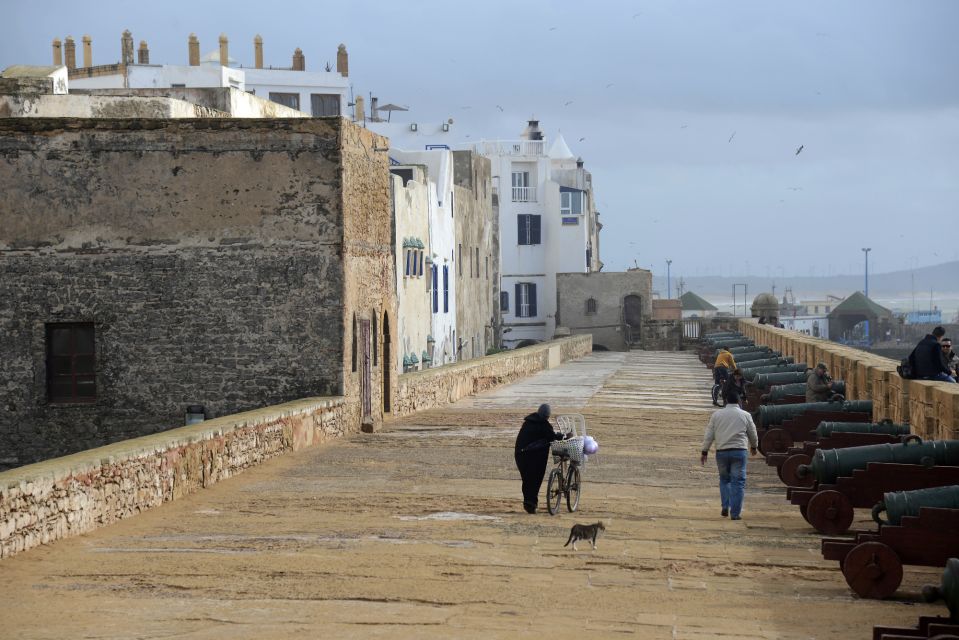
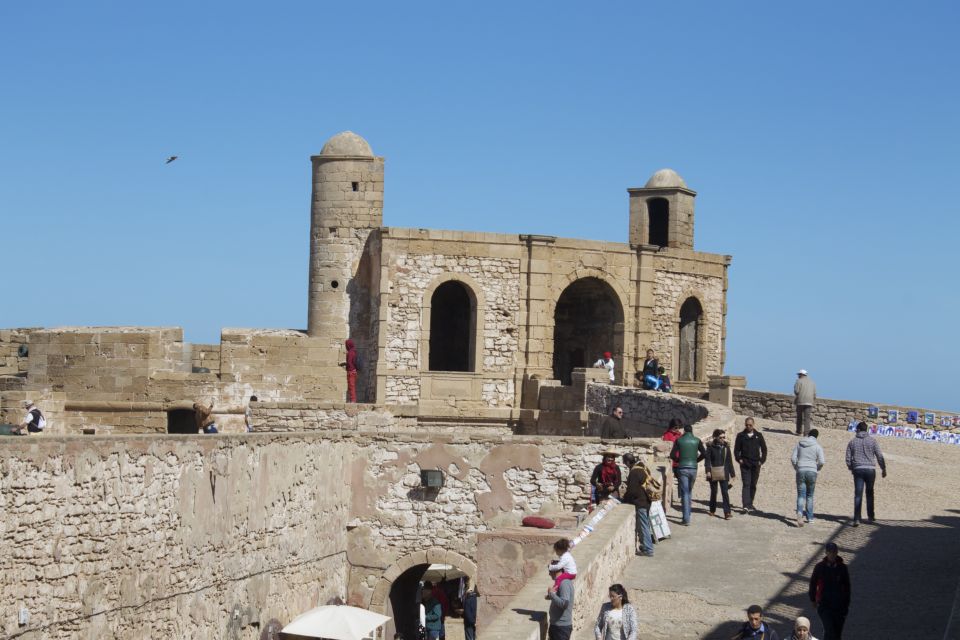
Essaouira’s old town has a look you can’t fake: you’ll see that European-and-Moroccan blend as you walk the UNESCO-listed medina. Your guide points out how the buildings and the fortifications shape the feel of the place—compact streets, open views at key spots, and angles that suddenly make sense once someone shows you what to notice.
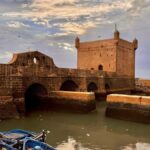
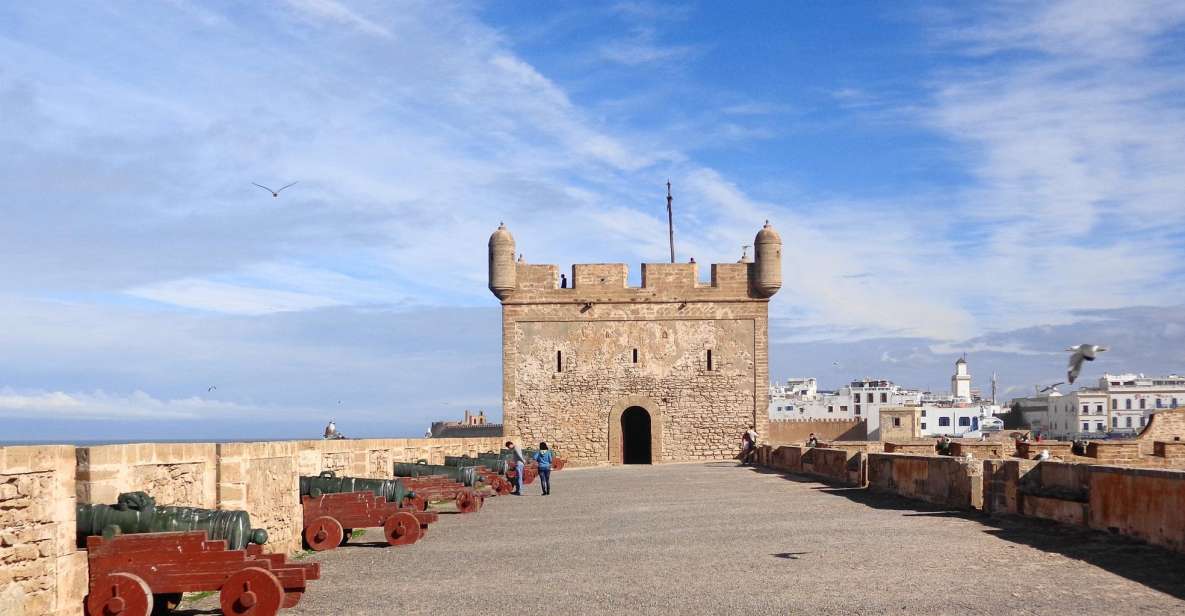
You’ll also pass through areas tied to the old town’s defensive layout. The tour includes stopping to see the fortifications as part of the walk. For me, this is one of the best ways to understand Essaouira quickly: it explains why certain streets feel the way they do and why the city developed the way it did.
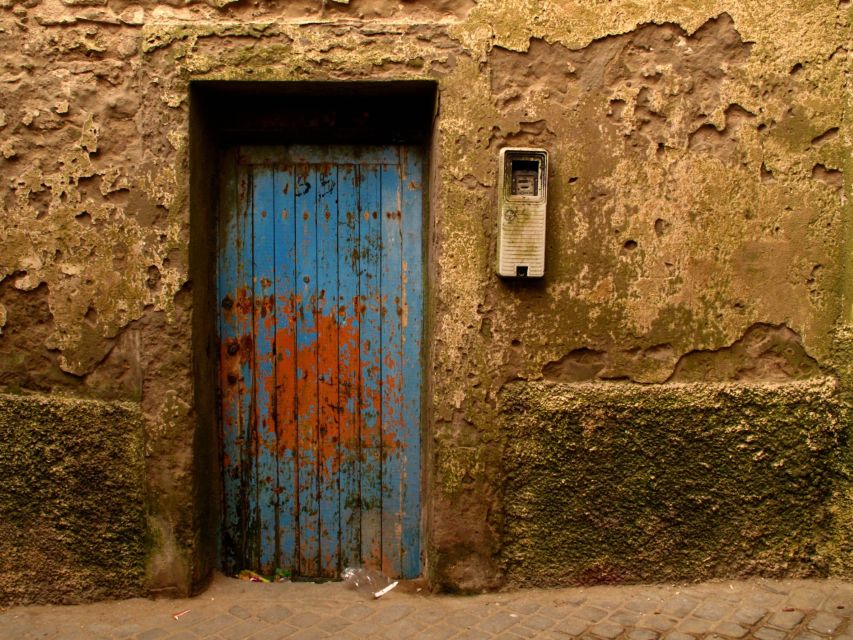
As you go, you’ll have room for photos. Multiple tour experiences emphasized that the pace isn’t rushed and that photo stops aren’t treated like a nuisance. If you’re the type who wants to catch details—doors, shop signs, street patterns—this helps.
The medina market: spices, produce, nuts, and what to ask for
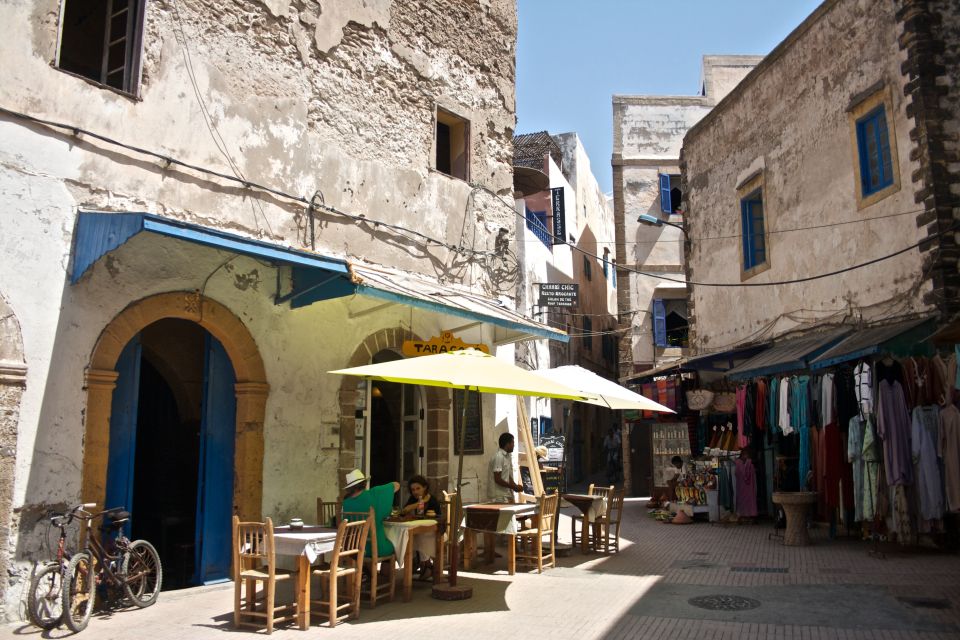
The heart of this tour is the market area. You’ll walk through stalls loaded with fresh produce, spices, dried fruits and nuts, plus clothing and souvenirs. This is the part that can overwhelm you if you go solo, because it’s sensory overload on purpose. With a guide, it becomes a guided shopping circuit, with context for what you’re seeing.
Here’s what I think you’ll get most value from if you’re shopping:
- Ask what’s commonly used locally (spices and dried foods) and how people typically buy them.
- Look for craftsmanship rather than just branding when you’re choosing souvenirs.
- Use your guide as a translator for intent, not just words—so you can ask better questions about quality and options.
You’ll also notice the guide’s role shifts from explanation to practical help. One experience highlighted shopping guidance that actually saved money—there was specific praise for advice on where to browse and what to look for. That’s the difference between a walking tour and a tour that helps you make decisions.
Another smart thing: if you do want jewelry or higher-end items, the tour is set up so you’re not guessing. You’ll have time to ask questions as you pass stalls—exactly the moment you need the information.
Craft stalls where you can watch brass, leather, wood, and more
One of my favorite parts of any medina tour is when it moves beyond buying and shows you how things get made. This one does that. You’ll see skilled craftsmen working and you’ll browse handicrafts across brassware, textiles, leather, wood, and ceramics.
Why this is useful: once you see the work process—even briefly—you’re more likely to spot quality and feel confident asking questions. It also helps you avoid the classic tourist trap: buying something without knowing whether it’s mass-made or truly handmade.
What you can do during the craft stops:
- Slow down and watch one process start to finish, even if it’s quick. That turns your photos into memories, not just screenshots.
- Ask what materials are used and what makes a piece durable. Your guide can help you phrase these questions.
- If you’re buying textiles or leather goods, don’t just look at the display. Ask how people use it and what to expect after purchase.
The tour keeps moving, so you won’t get stuck in one shop for an hour. That’s a plus if you want variety, and it prevents the “you’re stuck here because someone’s waiting” feeling.
Jewelry stalls and made-to-order silver ornaments
If you’ve ever looked at Moroccan silver ornaments and thought, I have no idea what I’m really buying, this part of the walk is built for you. The tour includes time at jewelry stalls where you can see superb silver ornaments, and your guide can explain options—including made-to-order items.
This matters for two reasons:
- You can ask what’s realistic for your timeline, even if you’re only in the city for a day or two.
- You can compare styles in context, rather than picking the first thing that catches your eye.
I’d still recommend shopping with a clear budget in mind. Guides can help you understand choices, but pricing is part of the experience here. If you want a strict set-and-forget purchase, the medina may not be your favorite place. If you enjoy bargaining and decision-making (or you want to learn how), this is a good route.





The Jewish cemetery stop adds meaning (and asks for respect)
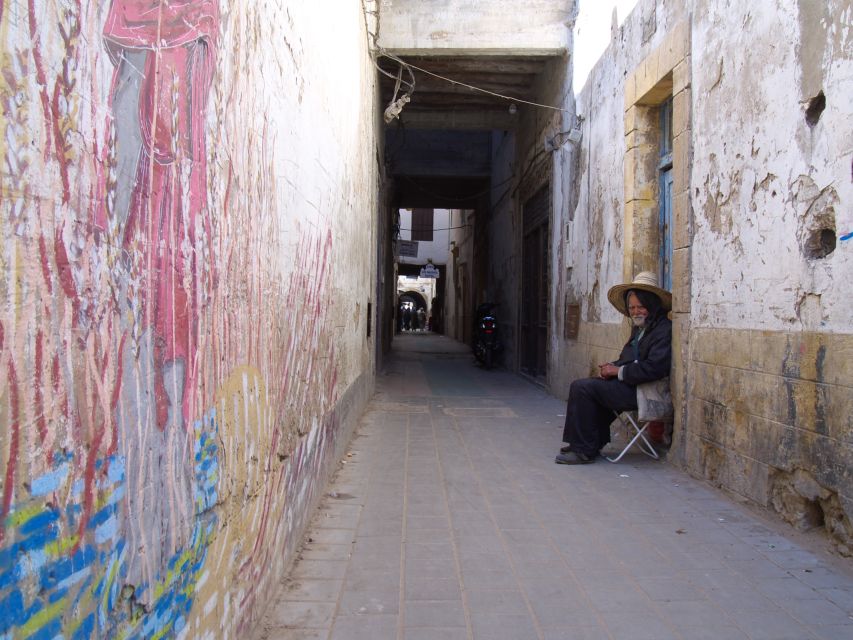
The itinerary includes a visit to the Jewish cemetery, and I think it’s one of the strongest cultural anchors of the tour. Many medina walks focus almost entirely on markets and architecture. This one adds a moment that shifts the tone from consumption to understanding.
Your guide shares history and cultural context as you move through the city, and the cemetery visit is part of that story. Keep your behavior respectful and take cues from your guide about where to stand, what to observe, and what not to photograph if it’s not appropriate.
If you care about learning how cities hold different communities across time, this is the stop that will linger after the shopping bags are empty.
Pacing, photo time, and how small-group dynamics help
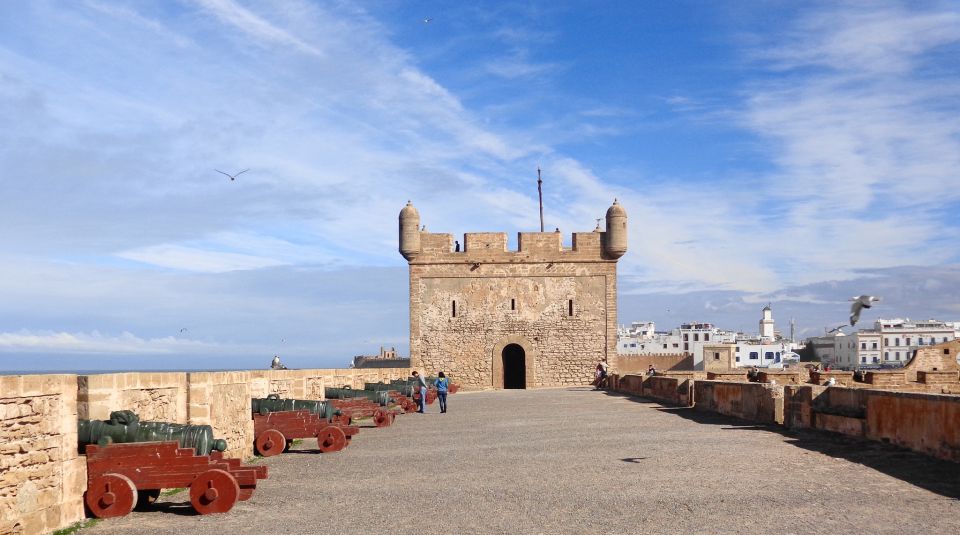
What stood out in the experiences I read about this tour is how guides handled timing. People mentioned that they were never felt rushed and that there was plenty of time for taking photos. That’s huge in a place like Essaouira, where you’ll spot something worth photographing every 30 seconds.
Language also helps. The tour lists languages as Arabic, French, and English. In practice, that means you can expect your guide to answer questions in your chosen language and keep explanations clear—one person specifically praised very good English and patience.
Some experiences also described private or very small groups (including a tour for two). That kind of size makes a difference: you can ask follow-up questions without the guide trying to herd everyone at once.
One thing to keep realistic: the medina is active and you’ll be walking. This is best for people who don’t mind getting around on foot for the full four hours and who are okay with the occasional crowd.
Price and value: what $65 buys you in Essaouira
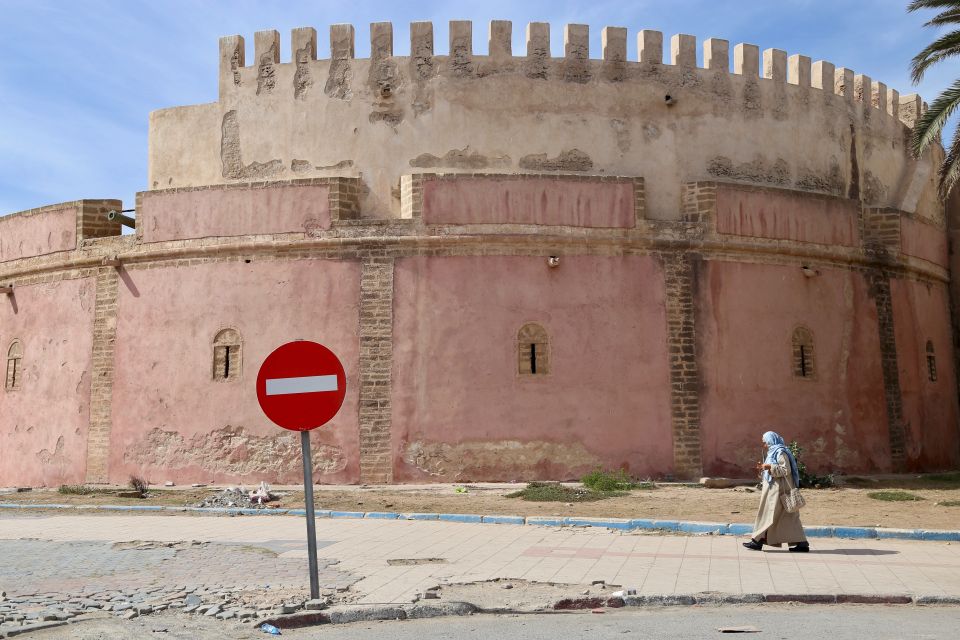
At $65 per person for a 4-hour guided tour with hotel pickup and drop-off, the value depends on what you want from Essaouira.
If you’re planning to wander the medina anyway, the guide can be the best part of the money you spend. You get:
- A structured route through the UNESCO medina
- Explanations that connect markets, crafts, and fortifications
- Help navigating shopping decisions (especially spices, crafts, and silver ornaments)
- Time for questions and photos without a frantic pace
If you’re comfortable going solo and already know what you want to buy, you might feel the guide cost is unnecessary. But if you’re a first-timer, or you want to learn as you shop, the guide often pays you back in saved time and fewer wrong turns.
Also remember: food and drinks aren’t included. That’s not a deal-breaker, but it’s part of the total cost. Plan to stop for a meal after, so you’re not trying to make shopping decisions while hungry.
Who this tour suits best (and who should skip it)
This tour fits well if:
- You want a guided orientation through the Essaouira medina
- You enjoy markets, handicrafts, and people showing their work
- You’d like cultural context, including the Jewish cemetery visit
- You want help with shopping questions without feeling pushed around
You might want a different plan if:
- You don’t like shopping at all and prefer quiet sightseeing only
- You’re expecting a food-focused experience (this one is not)
- You hate walking through compact areas for several hours
FAQ
FAQ
How long is the Essaouira half-day old town guided tour?
It’s a 4-hour tour.
Does the price include hotel pickup and drop-off?
Yes, hotel pickup and drop-off are included.
What languages is the tour offered in?
The tour is offered in Arabic, French, and English.
Is food and drinks included?
No, food and drinks are not included.
What are the main stops on the route?
You’ll explore the UNESCO-listed medina and old town, including local market stalls, craft areas, the fortifications, and a visit to the Jewish cemetery.
What is the cancellation window?
You can cancel up to 24 hours in advance for a full refund.
Should you book this guided medina tour?
If you’re going to spend time in Essaouira’s medina, I’d book it—especially if you want a route that mixes markets, crafts, architecture, and the Jewish cemetery instead of just aimless wandering. The $65 price feels fair when you factor in pickup, the four-hour structure, and the practical shopping help that keeps you from guessing.
Skip it only if you’d rather do a slow self-guided walk with no guide context, or if you’re mainly looking for a food outing. For everyone else, this is a strong way to see the old town with less stress and more meaning.