REVIEW · ESSAOUIRA
Visit the Oasis & Tea at the basket maker.
Book on Viator →Operated by Ecotourisme et Randonnées · Bookable on Viator
A slow morning in an argan oasis beats any checklist. This 4-hour walk around Ain el Hajar mixes shaded forest steps, a visit to a local mausoleum, and a final stop for tea with a basket maker family. I love that the route is rooted in real, working agriculture—water from a spring feeds fields and gardens—so you’re not just looking at scenery.
Another thing I like is the small-group feel (up to 12), which makes it easier to ask questions and get real answers from your guide, such as the thoughtful explanations given by Naima on one of the experiences I reviewed. My main drawback to consider: the walk needs good weather, and you’ll want sturdy shoes for garden paths and uneven ground.
In This Review
- Key highlights
- Why Ain el Hajar feels different from a typical Essaouira half-day
- Walking from the biggest argan tree toward Sidi Bourahmoune
- The viewpoint over the oasis and the millstone details
- Basket maker visit: rush weaving, family business, and tea
- Price and value: what $47.12 buys in real terms
- Timing, group size, and what to expect from your guide
- Practical tips so the day feels easy, not effortful
- Who this oasis-and-tea walk is best for
- Should you book Oasis & Tea at the basket maker?
- FAQ
- FAQ
- How long is the Oasis & Tea at the basket maker experience?
- What does the tour include in the price?
- Is bottled water provided?
- Where do I meet the group, and when does it start?
- How big is the group?
- What kind of walking is involved?
- What happens if the weather is bad?
- What is the cancellation policy?
Key highlights
- Argan start point: the walk begins at a very large argan tree in the region
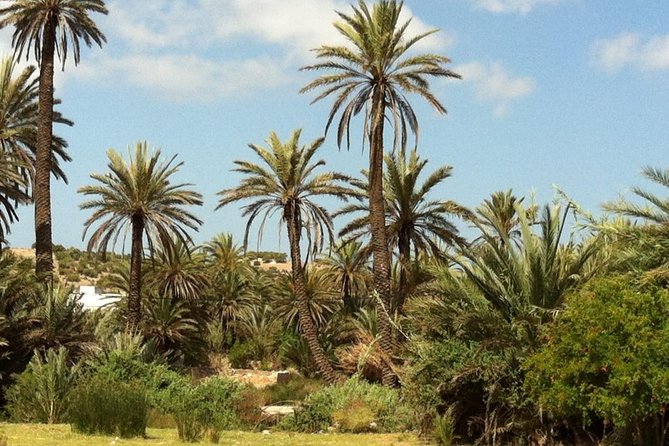
- Ain el Hajar oasis ecology: spring water, olive and market gardening, and the shift from palms
- Mausoleum visit: you’ll reach the mausoleum of Saint Sidi Bourahmoune
- Spring viewpoint: a high spot gives a wide view over the oasis and the water source
- Hands-on crafts stop: you’ll see basket weaving made from rush
- Traditional tea included: shared with a basket maker family, the Moroccan way
Why Ain el Hajar feels different from a typical Essaouira half-day
If you’re basing yourself in Essaouira and want something calmer than the medina, this is a great pick. Ain el Hajar is an oasis built around a spring that supplies water to the whole area. That one detail changes how the place feels. It’s not just pretty greenery—it’s a lived-in system.
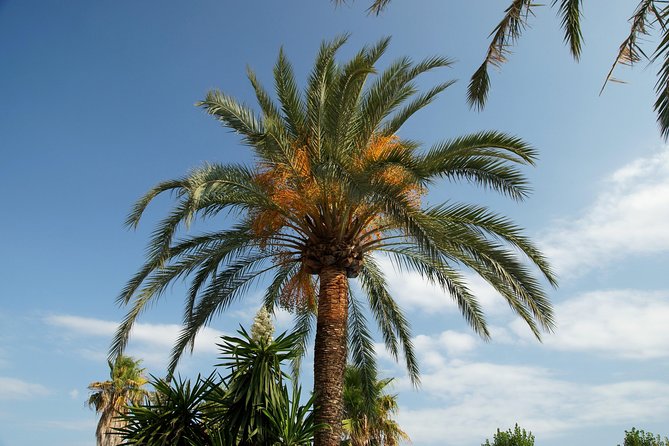
Here’s what makes the walk particularly interesting: the oasis used to be known for palm trees, but over time olives took over, and irrigation systems have been introduced to support market gardening. So as you walk, you’re moving through a working landscape shaped by water management and crop choices over years, not centuries of postcard fantasy.
You can also read our reviews of more tours and experiences in Essaouira.


Walking from the biggest argan tree toward Sidi Bourahmoune
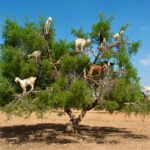
The morning starts with a visit at the allegedly biggest argan tree in the region. It’s a simple way to set the tone: you begin in the shade of a tree that’s central to life here. Then you head out across fields and gardens, following a path that feels connected to daily work instead of a tourist route.
The first major stop is the mausoleum of Saint Sidi Bourahmoune. A mausoleum visit isn’t just a photo break. It’s part of understanding how faith and local tradition sit alongside farming and craft. If you like travel moments that feel grounded—places that locals actually care about—this is one of your best opportunities on the day.
You’ll spend about 2 hours on this part of the walk, and admission is included. That time works well if you want a solid stroll without turning your morning into a full expedition. Just be ready for walking that’s steady rather than flat, with garden paths that can feel uneven underfoot.
The viewpoint over the oasis and the millstone details
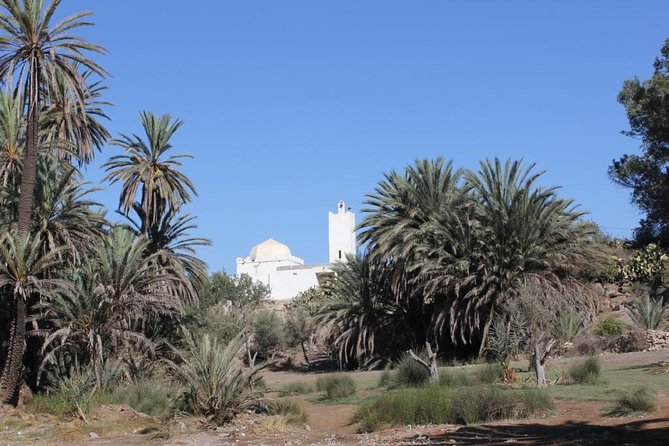
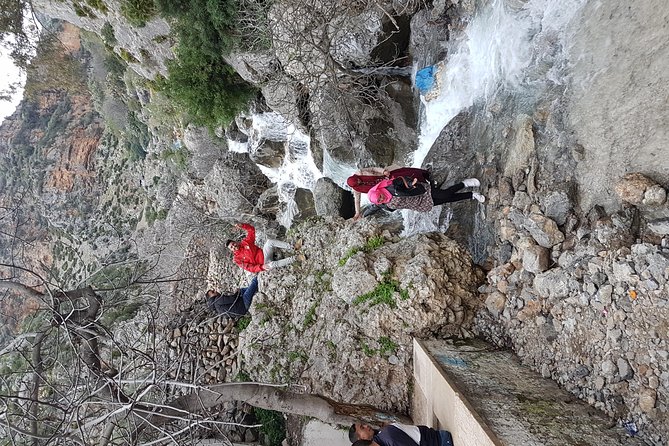
After the mausoleum, the route continues to a vantage point. This is where the oasis view finally clicks into focus. From up here, you can see how the spring-fed water supports the surrounding greenery and how the oasis stretches out around the water source.
This section can also bring you close to small, very tangible forms of labor. You might even come across a stone mason carving stones that can serve as millstones for olive oil extraction. It’s not a “museum demonstration.” It’s the kind of craft work that happens because people need it, and that’s what makes it meaningful.
If you’re the type who loves learning through small observations—tools, stonework, irrigation, how people use materials—this part of the tour pays attention to that. The viewpoint also gives your legs a breather before the final craft stop.
Basket maker visit: rush weaving, family business, and tea
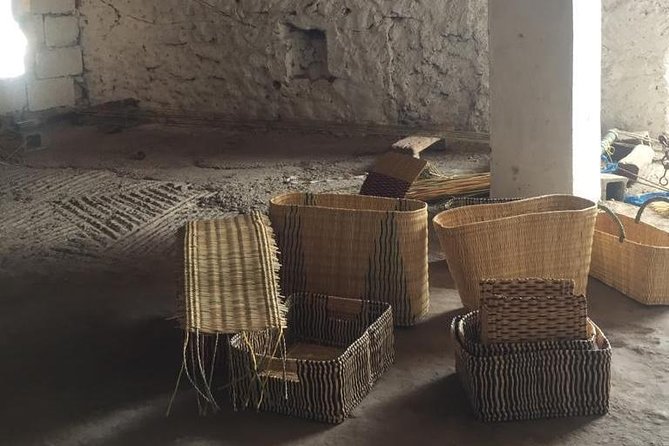
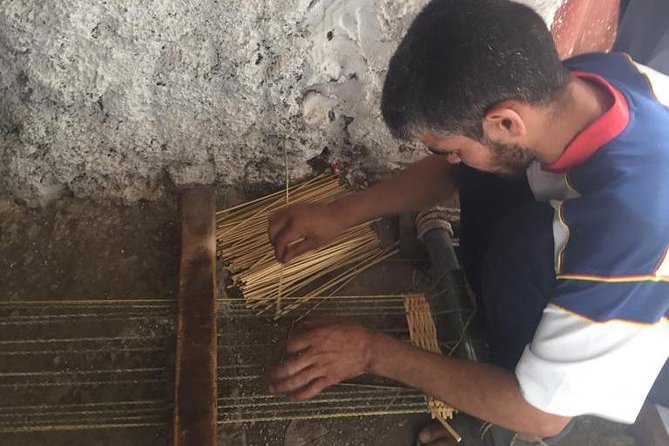
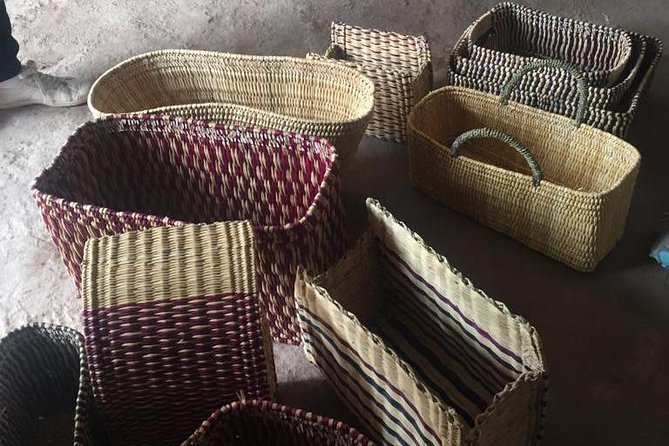
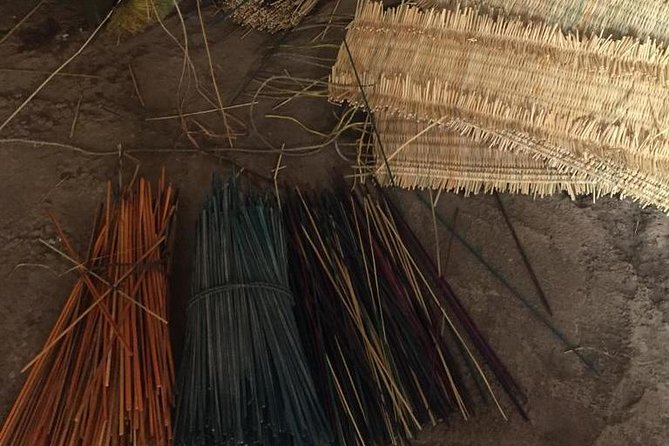
The ending is not rushed shopping. You pass by a basket maker, and you see how he weaves using rush (the plant material used for flexible, durable weaving). It’s described as a family business, which matters because it keeps the craft personal. You’re not watching a one-off demo; you’re meeting a way of life that has likely been taught and repeated inside the family for years.
Then you’ll be served traditional tea. This is classic Moroccan hospitality: strong tea, a warm welcome, and time to slow down. For many people, this is the emotional payoff of the tour. The walk gets you moving through fields and shade; the tea makes you linger where people actually live and work.
One practical tip: since bottled water isn’t included, tea can be lovely but it’s not a hydration plan. If you’re prone to getting thirsty, plan on bringing your own water or make sure you can pick some up before or after.
Price and value: what $47.12 buys in real terms
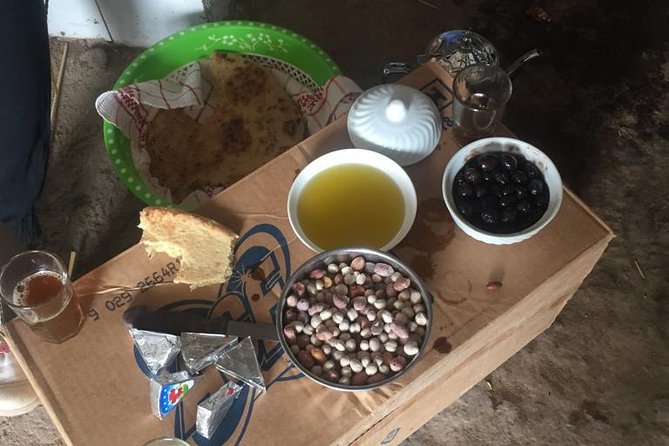
At $47.12 per person, the headline value isn’t just the cost—it’s what’s included. You get private transportation, and you also get the tea at the basket maker (plus transport tied to the outing). That takes away two common travel hassles: lining up your own transport and worrying about whether the “cultural part” is actually covered.
The tour is also short and efficient: around 4 hours total. For a half-day, that’s a fair amount of content—argan tree, mausoleum, a viewpoint, and craft tea—without dragging into an all-day commitment.
What you should account for: bottled water isn’t included. That’s an easy thing to fix, but it’s still a cost or effort you’ll want to plan for.


Timing, group size, and what to expect from your guide
This is scheduled to start at 9:00 am at Labo Abdelkrim Khatabi d’Analyses Médicales on Rue Oued El Makhazine in Essaouira. Starting earlier usually helps with comfort, especially for any walking that takes you through sunny garden areas.
Group size is capped at 12 travelers. That’s ideal for a walk like this because it stays friendly. You can hear explanations, and you can move at a pace that doesn’t feel like a herd.
Your guide plays a big role in making the day feel coherent. One guide name you may hear attached to this experience is Naima, praised for kindness and for explaining things while answering questions. Even if your guide isn’t Naima, look for someone who can connect what you’re seeing—spring irrigation, olive cultivation, argan trees, and craft materials—to everyday life in the oasis area.
Practical tips so the day feels easy, not effortful
Here’s how I’d prep if I were doing this walk again.
- Wear good walking shoes with grip. Garden paths and uneven ground happen.
- Bring a small sun plan: hat or cap and sunscreen. Even in an oasis, the morning can still have bright stretches.
- Plan your water. Bottled water isn’t included, and tea won’t replace it.
- Keep your camera ready for the viewpoint over the oasis and any stone-carving moments you may spot.
- Bring a little patience for the craft stop. Basket weaving and hospitality take time.
One more real-world note: this activity requires good weather. If skies are poor, the experience may be adjusted, moved to another date, or you’ll get a full refund. That’s worth paying attention to when you’re booking your Essaouira days tightly.
Who this oasis-and-tea walk is best for
This tour fits best if you want a hands-on cultural morning that stays close to how people actually live. It’s a good match if you:
- enjoy walking without committing to a full day
- like learning through places—argan trees, local mausoleums, olive-related processing details
- want craft plus food: basket weaving and tea at the end
- prefer smaller groups over big coach tours
It’s also a smart option for anyone who already did the big Essaouira highlights and wants a quieter, greener counterpoint. The oasis setting adds a whole different mood compared with city streets.
Should you book Oasis & Tea at the basket maker?
I’d book it if you want value that shows up in the details: private transport, a real walking loop that includes a mausoleum and viewpoint, and a finish with tea at a family craft stop. The small group size helps you connect with your guide and ask questions, which is often what turns a short tour into a memorable one.
I’d think twice if you hate walking on uneven ground or you’re traveling during a stretch of unpredictable weather. Also, plan for water since bottled water isn’t included.
If your ideal morning is part nature, part local tradition, and part craft hospitality, this one delivers.
FAQ
FAQ
How long is the Oasis & Tea at the basket maker experience?
It runs about 4 hours in total, with around 2 hours on the main walk section.
What does the tour include in the price?
The price includes private transportation and tea at the basket maker (plus the transport for the outing). Admission is included for the walk portion.
Is bottled water provided?
No. Bottled water is not included, so you’ll want to plan to bring your own.
Where do I meet the group, and when does it start?
The tour starts at Labo Abdelkrim Khatabi d’Analyses Médicales, 287 Rue Oued El Makhazine, Essaouira 44000. Start time is 9:00 am, and it ends back at the meeting point.
How big is the group?
The tour has a maximum of 12 travelers.
What kind of walking is involved?
It’s a guided walk across fields and gardens, starting at an argan tree and continuing to the mausoleum of Saint Sidi Bourahmoune, then a viewpoint and the basket maker stop.
What happens if the weather is bad?
The experience requires good weather. If it’s canceled due to poor weather, you’ll be offered a different date or a full refund.
What is the cancellation policy?
You can cancel for a full refund up to 24 hours before the experience starts. If you cancel less than 24 hours before, the amount paid isn’t refunded. Changes within 24 hours aren’t accepted.