REVIEW · MARRAKESH
Atlas Mountains: Ijoukak and 4 Valleys with Camel Ride
Book on GetYourGuide →Operated by Tours From Marrakech · Bookable on GetYourGuide
Atlas calm starts fast once you leave Marrakech. You’ll drive about 90km into the High Atlas, with photo stops that can include snow-capped peaks depending on the season, and then slow down for real village time. I love the chance to share tea and lunch with a local family, and I love walking through the homes and small workshops to see how daily life really works. One possible drawback: the day can shift if roads are blocked, so you might not see every exact stop named in the plan.
This trip also wins on variety without feeling rushed. You’ll visit a women’s argan cooperative, then head into the valleys around Moulay Brahim for a camel ride, plus a guided look at a traditional village where pottery and village crafts come into view. I also appreciate that the guide explains the why behind what you’re seeing, not just the what—though you should be ready for rules about what you can wear and bring.
In This Review
- Key things to know before you go
- From Marrakech to the High Atlas: that 90km drive sets the tone
- Women’s argan cooperative: where the trip gets real
- Camel ride in Moulay Brahim Valley: fun, but plan for movement
- Village walking in Ijoukak area: see how people live
- Tin Mal Mosque and clay tajines: small stops with big everyday meaning
- Lunch with a local family: the meal that anchors the day
- Guides and the feel of the day: Ali, Marwan, and Mustapha
- When roads change: what to expect if a stop gets swapped
- Price and value: is $32 worth it from Marrakech?
- What to bring (and what to avoid)
- Who this trip suits best
- Should you book Atlas Mountains: Ijoukak and 4 Valleys with Camel Ride?
- FAQ
- How far is the Atlas Mountains from Marrakech?
- How long is the experience?
- What does the price include?
- Do I get a camel ride?
- Where does pickup happen?
- What languages does the guide speak?
- Is it wheelchair accessible?
- Are there restrictions on what I can wear or bring?
- Is it suitable during pregnancy?
- Is there a cancellation option?
Key things to know before you go
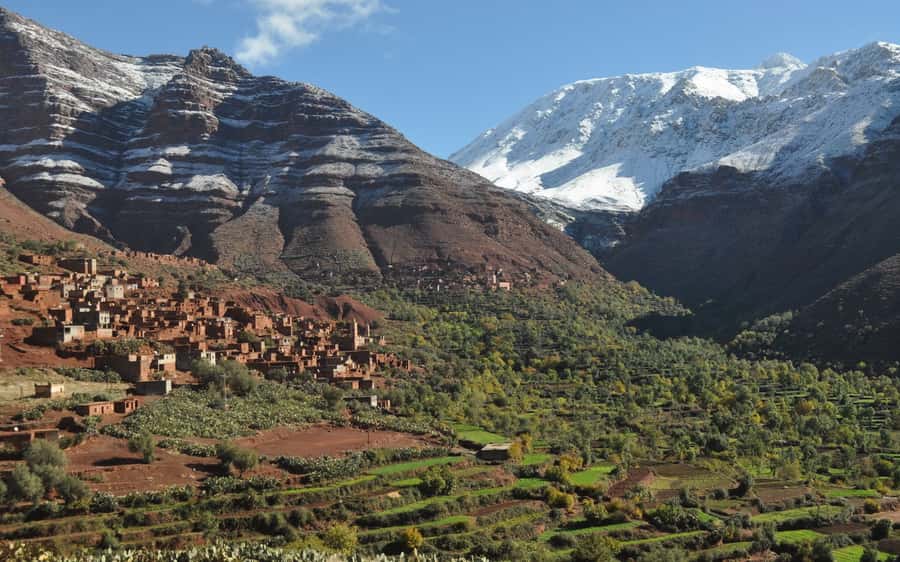
- A women’s argan cooperative stop: see argan-focused work up close, not just roadside selling.
- Camel ride in Moulay Brahim Valley: a classic Atlas experience that’s built into the day.
- Village walking with tea and a home-cooked meal: you spend time with families, not only viewpoints.
- Tin Mal Mosque and village crafts: you may see historic architecture and traditional clay work tied to daily cooking.
- Route changes can happen: if access is limited, the day may swap in or out specific stops.
From Marrakech to the High Atlas: that 90km drive sets the tone

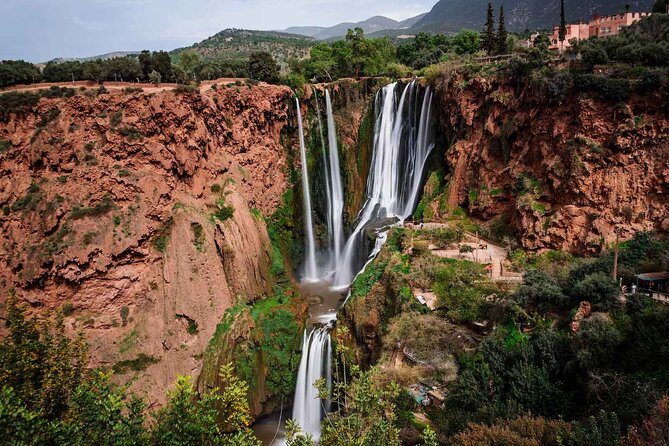
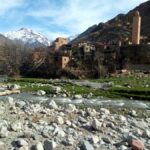
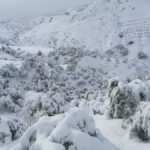
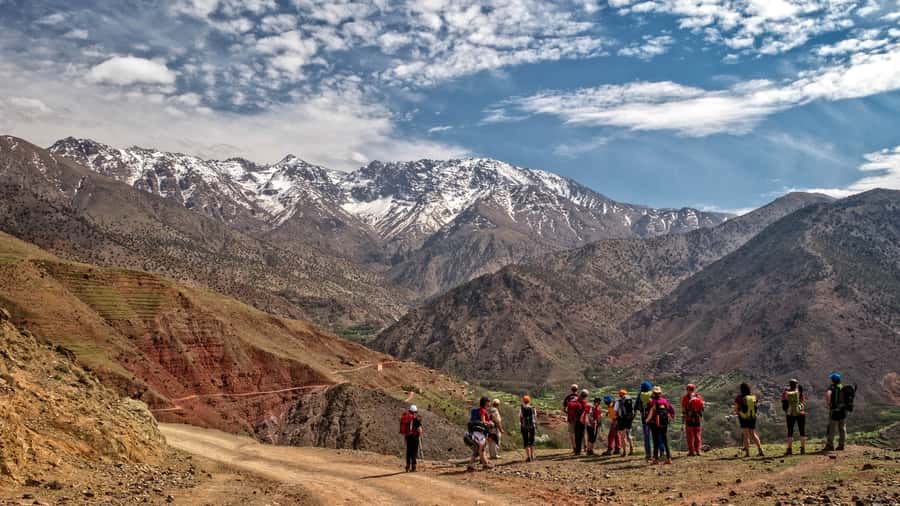
This is a one-day escape that starts with hotel pickup in Marrakech and an air-conditioned van ride. The drive takes you out toward the High Atlas, and it’s not just travel time—it’s part of the mood. Depending on when you go, you may spot snow-covered peaks in the distance, which instantly makes the region feel bigger than you expected.
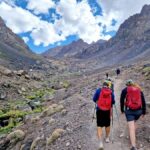
You’ll also get at least one formal photo stop along the way. That sounds simple, but it matters: the High Atlas views can be stunning, and the timing helps you avoid arriving everywhere at the wrong light. Bring comfortable shoes because even on a day tour, you’ll be walking more than you expect once you reach the village areas.
You can also read our reviews of more tours and experiences in Marrakesh.
Women’s argan cooperative: where the trip gets real
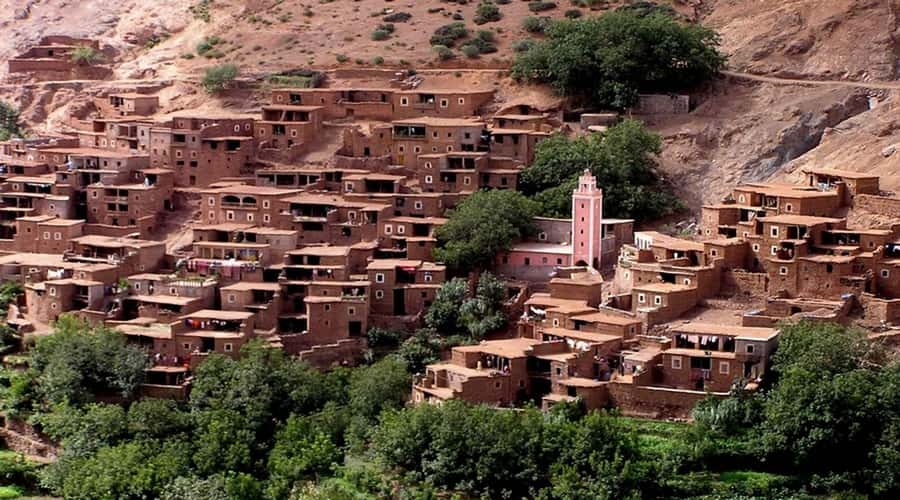
One of the most meaningful stops is the visit to a women’s cooperative focused on argan trees. This is where you go beyond the idea of argan oil and start to understand the local craft and routine behind it—how the work is organized and how the trees connect to products people use every day.
You’ll likely spend about 30 minutes here. That’s a good amount of time: long enough to ask questions and get a feel for the process, short enough that the day doesn’t drag. If you care about Morocco beyond markets and postcards, this stop is one of the best “value per minute” moments of the day.
Camel ride in Moulay Brahim Valley: fun, but plan for movement
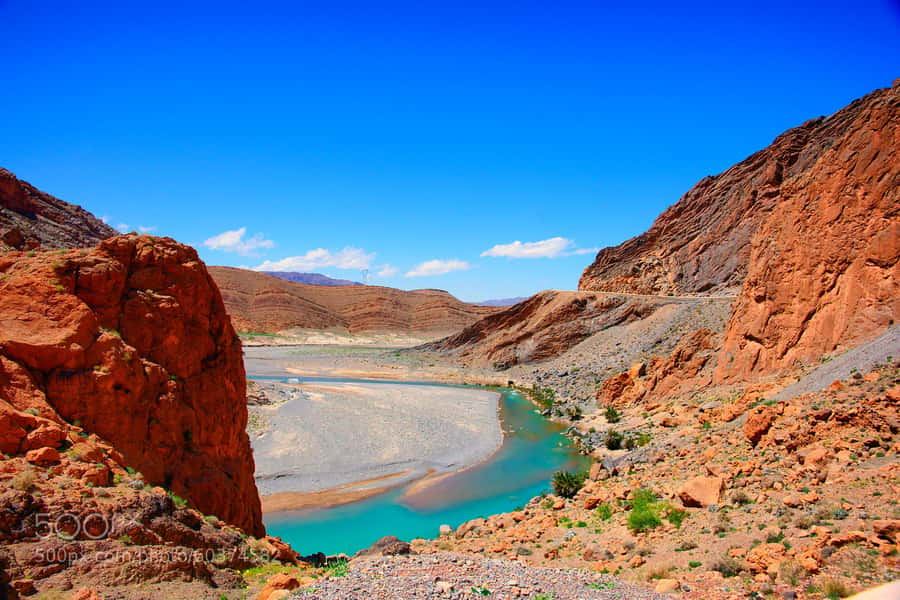
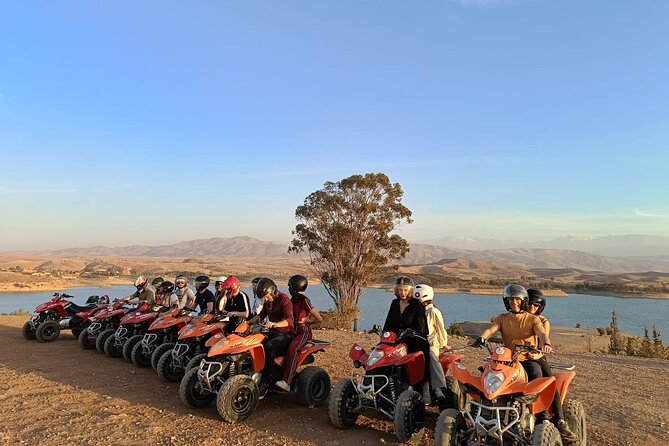
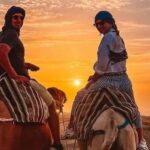
The camel ride is one of the headline experiences, and it’s located in the Moulay Brahim Valley area. You should expect a ride that feels like a gentle, slow outing—still, you’ll be sitting on an animal and moving with its rhythm. Comfortable footwear helps, and you’ll feel it more if you’re used to city walking only.
A couple of important practical notes:
- The rules say cameras aren’t allowed, so plan on using your phone if your guide confirms what works that day.
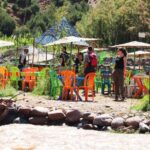
- The day also includes tea, so you’ll likely get a break from the ride at the style of stop your route uses.
Also, the name “4 Valleys” suggests variety, but your exact mix of valley time depends on conditions and how the route is operating that day. If you’re the type who loves to control every detail, keep your expectations flexible.
Village walking in Ijoukak area: see how people live
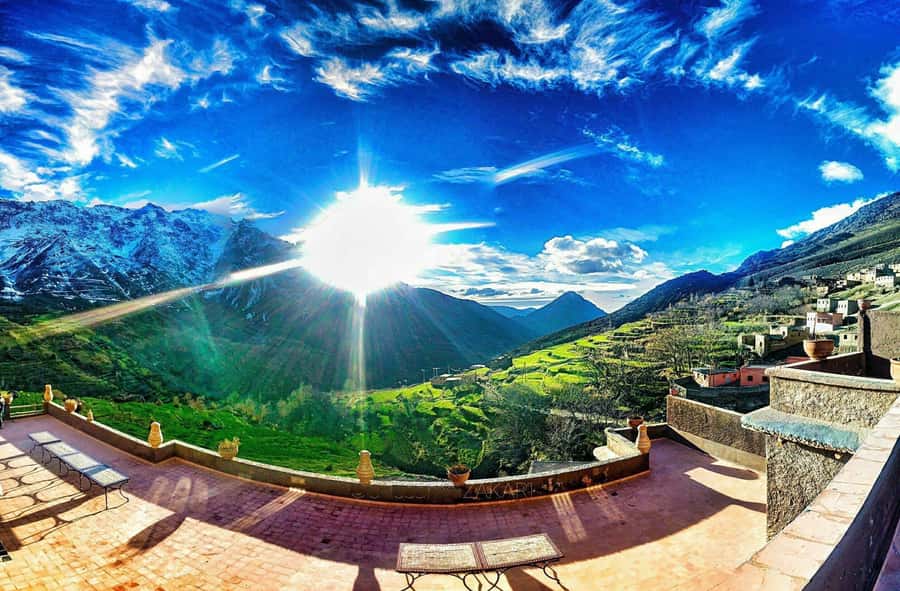
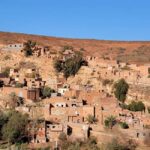
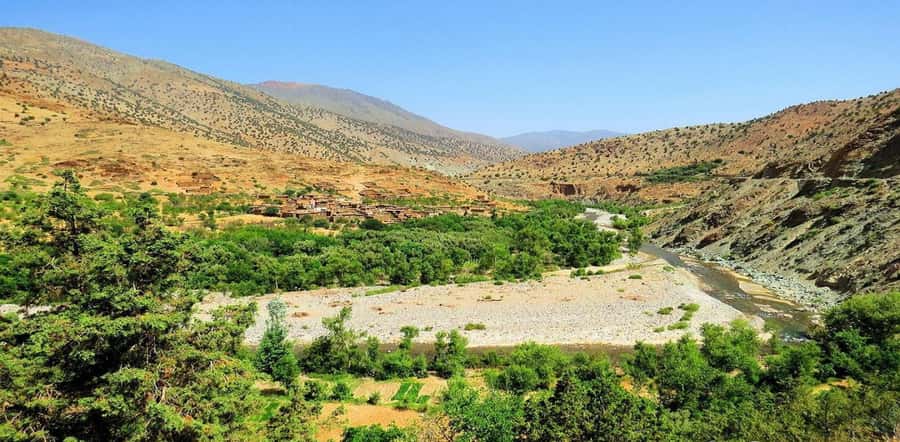
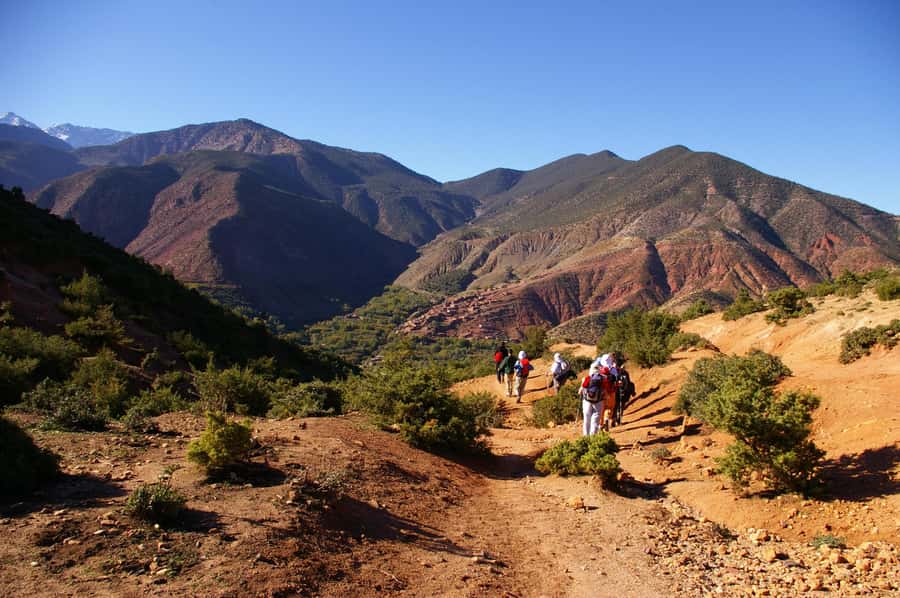
The heart of the tour is a Berber village experience built around walking. You’ll arrive at your host family’s home, then take a short walk through the village—just enough time to see the way homes sit in the terrain, how people move around, and how communal life feels.
Before your main meal, you’ll have a fresh breakfast made from local products. This is one of those details that makes the day feel respectful rather than extractive. Instead of rushing straight to a performance, you start with everyday food.
Then you’ll have time for a longer walk through village and valley areas, which is listed as optional. If your legs are good and you like slower travel, say yes. If not, it’s still worth doing the shorter village walk—because the best part is the chance to ask questions and watch routines unfold.
Tin Mal Mosque and clay tajines: small stops with big everyday meaning
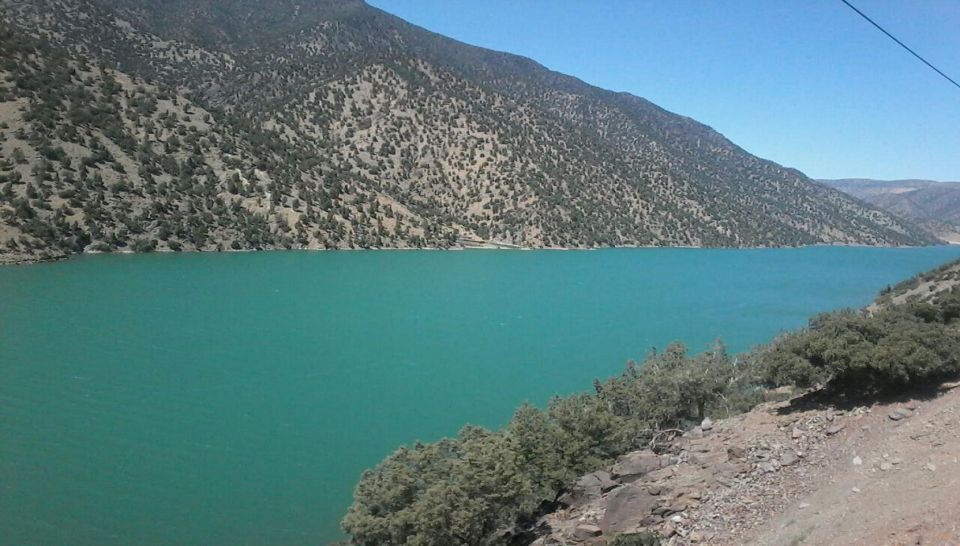
Part of the day includes a visit to the 12th-century Tin Mal Mosque. It’s a historic stop, but it also functions as a reality check. Morocco’s history isn’t only in museums—it’s built into the way people still worship, gather, and maintain sites that have lasted for centuries.
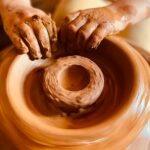
You’ll also see how clay tajines are made, with the chance to try making them as well. This is where the tour can become more than sightseeing. Cooking isn’t just a meal; it’s tied to materials, tools, and local knowledge. Even if you only watch for a short time, it helps you understand why tajines have the shape they do.
One caution: the plan assumes you’ll see specific craft and mosque stops, but access can change. If the route is blocked or adjusted, you might get a different mix of stops than the ideal flow.

Lunch with a local family: the meal that anchors the day
Lunch is included and is one of the strongest reasons to choose this tour. You’ll eat at the family home after walking and village time, and the meal is described as home cooked with seasonal products.
This matters because the food isn’t just an add-on. It’s the reward for the day’s pace, and it’s also a way you connect with the host family on normal terms. Tea with the family is also included, which helps you slow down and talk even if your Arabic is basic.
If you’re picky about food, don’t assume you’ll get a European-style menu. But do go in with curiosity—this is about experiencing local cooking in the place it’s actually made.
Guides and the feel of the day: Ali, Marwan, and Mustapha
The tour includes a live guide in English, French, or Arabic. From past experiences, guides such as Ali, Marwan, and Mustapha/Moustapha have led groups. What I like in situations like this is simple: when the guide explains what you’re seeing and keeps the pace human, the whole day clicks.
The driver also matters, especially for a day that depends on road access in mountain areas. A past standout was driver Abdul, described as very attentive and careful. Even if you’re not thinking about driving, you’ll feel it when the day runs smoothly.
When roads change: what to expect if a stop gets swapped
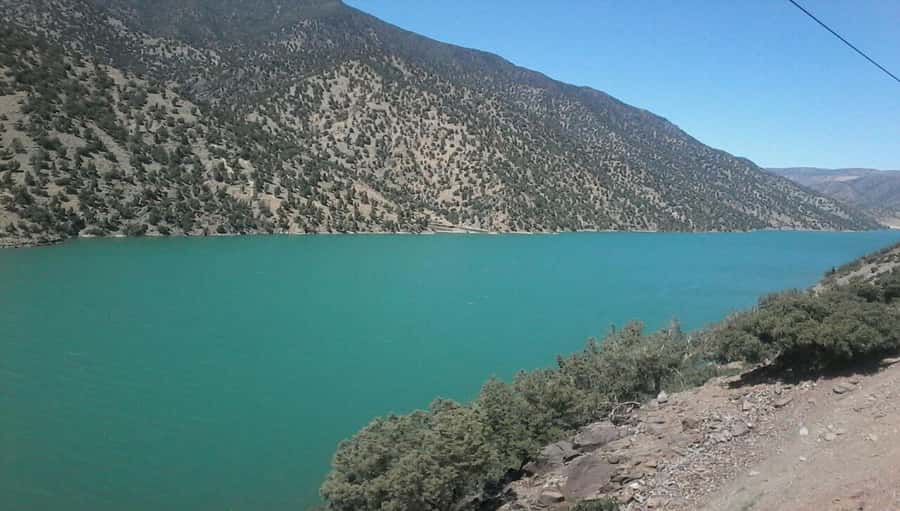
Mountain days have one enemy: access. Some routes can change if a road is blocked, and that can affect whether you make it to every named point. One example from real-world experiences includes situations where a planned mosque or pottery stop didn’t happen because the day shifted to a different set of activities.
If this happens, don’t panic. Look at it as a trade: you might spend more time on a valley walk or different viewpoints, but the day still centers around village life, tea, and lunch. Your best bet is to treat the schedule as flexible. The people running the trip are usually trying to keep the day moving rather than cancel everything.
Price and value: is $32 worth it from Marrakech?
At about $32 per person for a full day, the value is mostly about what’s included:
- transport with AC from Marrakech and back
- a camel ride
- lunch plus tea with a local family
- a local guide
- water
In practical terms, the camel ride and the family meal are where you get your money’s worth. A viewpoint-only excursion can cost similar money, but here you’re paying for time with people—plus you’re not organizing transport yourself in mountain terrain.
The only way this feels like less value is if you have very specific expectations about which exact sights you must see (like the mosque and pottery). The route can shift. If you’re okay with that tradeoff, you’ll likely feel you got a fair deal.
What to bring (and what to avoid)
The basics are comfortable shoes and sunglasses—yet the stated rules also say sunglasses aren’t allowed, and that cameras aren’t allowed. That contradiction is real in the information you were given, so the safest move is to follow your guide’s direction on the day. If you want photos, ask upfront what’s permitted.
Also avoid shorts. Clothing rules like this are common for village and religious sites, and this tour lists shorts as not allowed. Pack light, dress modestly, and you’ll be set.
One more note: the tour is not suitable for pregnant women, so if that applies, look for a different option.
Who this trip suits best
This is a great fit if you want:
- a local family meal and conversation time
- a real village walk, not only bus stops
- a classic camel ride paired with cultural context
- a one-day format that still feels like it gets you out of Marrakech
If your travel style is mostly indoor, totally low-walking, or strictly camera-dependent, this may feel restrictive because of the movement and the item rules.
Should you book Atlas Mountains: Ijoukak and 4 Valleys with Camel Ride?
I’d book it if you want a day that mixes mountain views with human contact—argan work, village life, tea, and lunch. For the price, you’re paying for a guided route plus included experiences that would be hard to assemble on your own without local connections.
I wouldn’t book it if you need a guaranteed list of stops with zero variation, or if you’re planning to use a camera heavily. Roads can change plans in mountain areas.
If you go with the right mindset—comfortable shoes, modest clothes, flexible schedule—this tour is one of the more satisfying ways to see the Atlas Mountains area from Marrakech in a single day.
FAQ
How far is the Atlas Mountains from Marrakech?
The drive goes about 90km from Marrakech into the Atlas region.
How long is the experience?
It’s listed as a 1-day trip.
What does the price include?
Transport from Marrakech and back (with AC), camel ride, lunch, local guide, tea with the local family, and water are included.
Do I get a camel ride?
Yes, the itinerary includes a camel ride in the Moulay Brahim Valley area.
Where does pickup happen?
Pickup is included from your hotel or apartment in Marrakech.
What languages does the guide speak?
The guide is available in English, French, and Arabic.
Is it wheelchair accessible?
Yes, the experience is listed as wheelchair accessible.
Are there restrictions on what I can wear or bring?
Shorts are listed as not allowed, cameras are not allowed, and sunglasses appear in a mixed way in the information you have (listed under what to bring, and also listed under not allowed). Follow the guide’s instructions on the day.
Is it suitable during pregnancy?
No, it is listed as not suitable for pregnant women.
Is there a cancellation option?
Yes, you can cancel up to 24 hours in advance for a full refund.