REVIEW · MARRAKECH
Atlas Mountains & Berber villages: optional Camel ride/Waterfall
Book on Viator →Operated by Atlas Excursion · Bookable on Viator
Camels and waterfalls. In Morocco’s mountains.
This half-day private trip mixes Ourika Valley scenery with Berber village hospitality, plus time at Setti Fatma in the High Atlas foothills. You’ll drive out from Marrakech, stop for a country-style breakfast at a Berber home with tea, and decide whether to add a camel ride and the waterfall hike.
I really like the basic idea here: you get easy round-trip transport and a schedule that makes it simple to escape the city without coordinating taxis. I also like that you’ll see how argan oil is made through a women-run cooperative, not just as a souvenir story. The main consideration is that the Setti Fatma part can feel more physical than expected, and the waterfall area can be busy with touts and shop stops along the route.
In This Review
- Key Highlights to Know Before You Go
- Ourika Valley to Setti Fatma: the “mountain culture” half-day plan
- Price and Logistics: what $75 is really buying
- Stop One: Ourika Valley Berber breakfast, tea ceremony, and mud-house welcome
- Optional camel ride: a short add-on that changes the vibe
- Argan oil cooperative: what you’ll learn, and when it feels like a shop stop
- Stop Two: Setti Fatma village, river lunch, and waterfall time
- About the waterfall hike: it can be more demanding than it sounds
- Hike-friendly packing: what actually helps
- Guide and driver quality: why people keep naming Mohamed, Zaki, and Said
- When it feels like great value (and when it might disappoint)
- Should you book this tour?
- FAQ
- FAQ
- How long is the Atlas Mountains and Berber villages tour?
- Is hotel pickup and drop-off included?
- What’s included in the Berber house visit?
- Is the camel ride included?
- Do I need to pay for the waterfall admission?
- Is lunch included?
- Do I need a local guide to reach the waterfalls?
- What should I wear for this tour?
- What happens if weather is bad?
Key Highlights to Know Before You Go
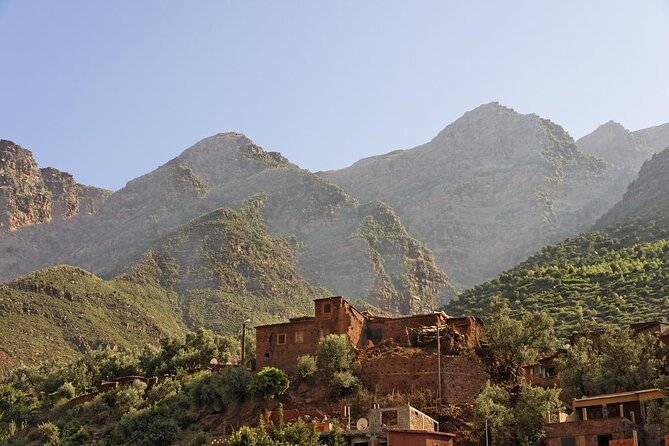
- Ourika Valley Berber breakfast with tea in a mud-built home, often the warmest part of the day
- Optional camel ride (typically 20–30 minutes) if you want the full Atlas vibe
- Setti Fatma waterfall time with the option to hike at your own pace or add a local guide
- Argan oil cooperative visit run by local women, with a mix of education and shopping pressure
- Prompt, caring driver-guides show up in many reviews, from Mohamed to Zaki to Said
- Wear proper shoes and expect uneven paths near the waterfall
Ourika Valley to Setti Fatma: the “mountain culture” half-day plan
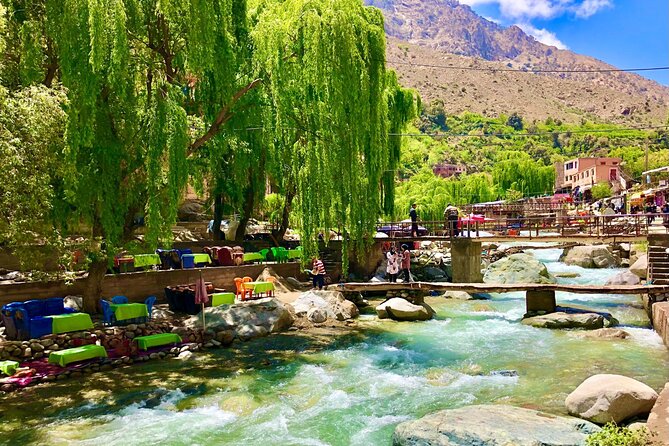
If you’re in Marrakech and want more than a cookie-cutter sightseeing loop, this tour does something useful: it turns one half-day into a string of mountain stops that feel different from each other. You’ll start in the Ourika Valley with valley views and a traditional Berber break, then head toward Setti Fatma, where the canyon setting and waterfall area give you that High Atlas foothills feel.
The day is designed as a private experience with your own vehicle, which helps a lot. You’re not trying to line up with strangers, and you can go at your own pace on the walking sections. It’s also a good way to get out of Marrakech without committing to a full day in the mountains.
You can also read our reviews of more tours and experiences in Marrakech.
Price and Logistics: what $75 is really buying
At around $75 per person for a 5–6 hour tour, the value is mostly in the parts you’d otherwise have to figure out yourself: hotel pickup and drop-off, round-trip air-conditioned minivan transport, and the included Berber house visit with traditional breakfast.
What’s important: the camel ride and the waterfall guide are listed as optional add-ons. That means the tour can be good value if you pick the options that match your interests and fitness level. It can feel less worthwhile if you end up wanting a different lunch spot or a more independent waterfall hike than the planned route.
Also note that some reviews mention the day can feel light on explanation during parts of the drive, so if you care about context, ask questions early. When the guide is engaged, you get a lot more out of the drive and the stops.
Stop One: Ourika Valley Berber breakfast, tea ceremony, and mud-house welcome
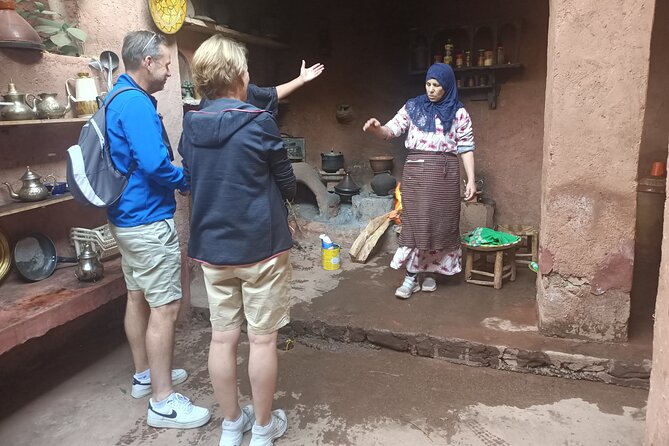
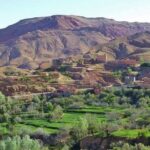
Ourika Valley is the warm-up act: scenic mountain-road driving, fresh air compared to Marrakech, and the chance to meet local life at a Berber home. The tour includes a traditional breakfast in a mud-built house, plus a tea ceremony, which is exactly the kind of stop that makes a day trip feel real rather than staged.
This is where many people feel the tour’s heart. The home visit is often described as friendly and welcoming, and the breakfast feels like the kind of stop that’s more about hospitality than selling. Even when people had mixed feelings elsewhere, they usually keep coming back to how nice the Berber family welcome felt.
Practical tip: bring a moment of patience. You’re stepping into someone’s home routine, not a fast museum stop. If you’re hungry, you’ll appreciate that you’re eating before the hike-y part of the day.
Optional camel ride: a short add-on that changes the vibe
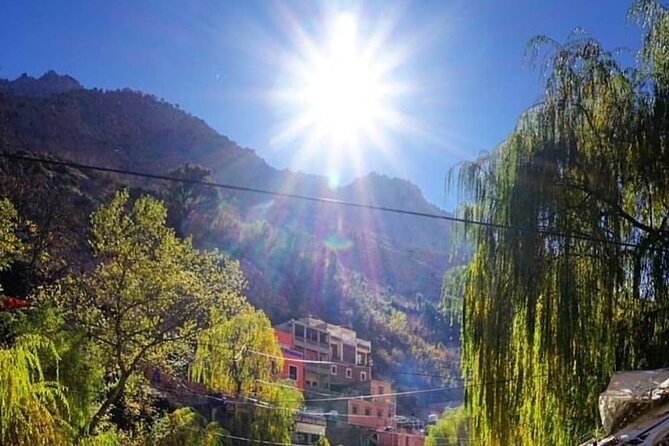
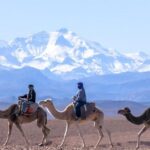
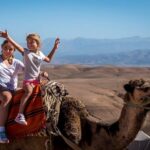
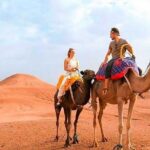
Camel riding is listed as optional, typically 20–30 minutes for about $10 per person. If you’ve never been on a camel before, this is one of those experiences that’s simple to add and easy to enjoy—short enough that it doesn’t dominate your day.
The ride is often described as a fun, laugh-filled break, especially when the camel guide is comfortable with different rider levels. Reviews also mention the camel stop happening early, which helps: you’re not exhausted yet, and you’re still fresh for the rest of the outing.
If you’re deciding whether to pay for it, here’s the honest way to think about it: a camel ride won’t give you an all-day adventure, but it does create a very memorable Atlas moment. If you don’t want the hassle of climbing on and off (or you prefer more walking time), skip it and spend your energy on the waterfall area.
Argan oil cooperative: what you’ll learn, and when it feels like a shop stop
The tour includes a visit to an argan oil cooperative run by local women. This is one of those Morocco staples that’s genuinely worth seeing—argan is tied to real local production, and the cooperative model can be meaningful.
Here’s the balance you should expect: some reviews found it informative, while others felt it was heavily sales-driven and overpriced. In other words, you may learn something, but you should also assume you’ll be encouraged to buy.
My advice: treat it like a visit, not a guaranteed deep-dive. If you want to take home argan products, great—ask questions first so you understand what you’re buying. If you’re not interested in shopping, keep your wallet closed and focus on watching how the cooperative works.
Stop Two: Setti Fatma village, river lunch, and waterfall time
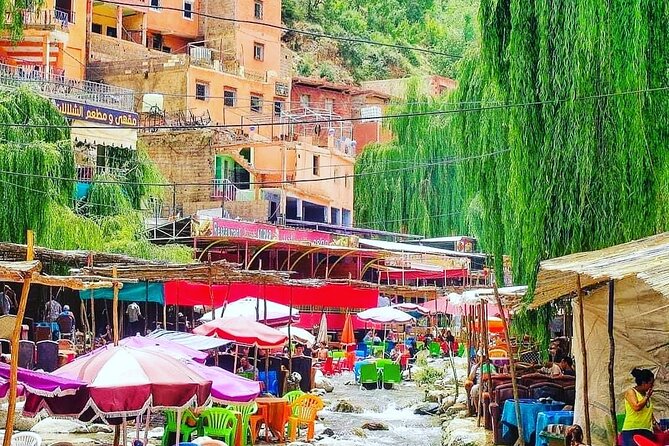
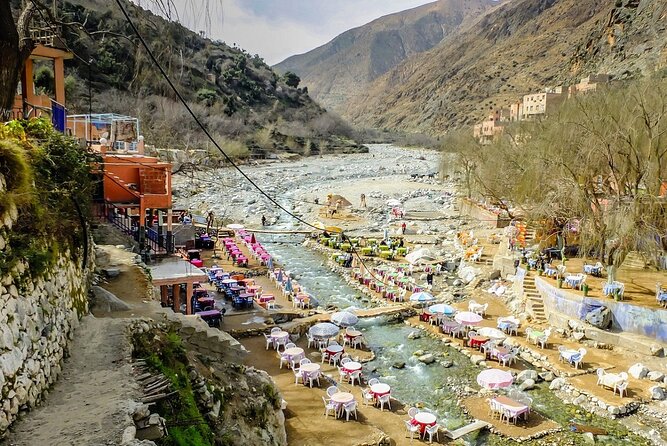
After Ourika, you head to Setti Fatma, described as a scenic river setting in a canyon beneath the High Atlas Mountains. Lunch is not included; you’ll have options at restaurants in the area, often along the river with waterfall views.
This is another point where expectations matter. Some people love the lunch spot and see it as part of the experience. Other reviews suggest the lunch location can feel limited or more expensive than expected, especially if you’re hoping for a more independent choice.
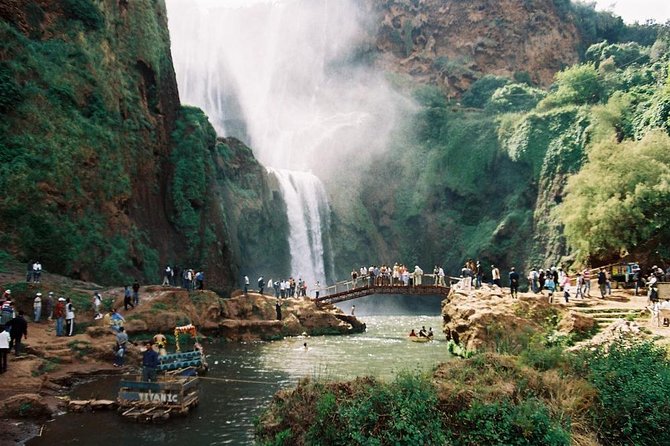
Then comes the main event: Setti Fatma waterfall time. The tour includes admission ticket pricing as free, and you can do the walk-hike at your own pace. There’s also an optional local guide for about $20 total if you want help on the route.
About the waterfall hike: it can be more demanding than it sounds
The Setti Fatma walk is where the tour’s difficulty shows up. Multiple reviews describe steep climbs, uneven ground, and sections that feel like rockier scrambling rather than a gentle stroll. One review mentioned rickety bridges and rugged rocks, plus slippery ladder-like segments as you reach the upper viewpoints.
So if your plan is easy legs and a casual walk, you might be disappointed. If you’re reasonably fit and wear good footwear, the views and the payoff can be worth it. Either way, you should prepare for a physical experience.
If you’re hiking with a group member who struggles with footing, think twice about pushing all the way to the top. You can also consider adjusting your plan in real time once you see how conditions feel that day.
Hike-friendly packing: what actually helps
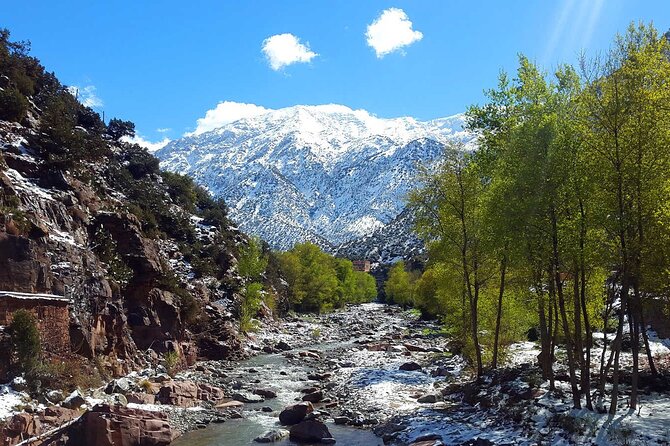
The tour recommends comfortable walking shoes, and I agree—this isn’t the place for flimsy sneakers. Based on the way the waterfall route is described, you want grip on uneven surfaces and shoes that can handle rocky, sometimes muddy steps.
A simple packing checklist:
- Hiking shoes or sneakers with good grip
- Water (bring some so you’re not stuck waiting at stops)
- A light layer, since conditions in the valley can differ from Marrakech
- Small cash if you plan to pay optional add-ons on the day
One review mentioned a cold day during Ramadan, and that the area felt quieter because fewer people were around. Weather swings can change how comfortable the hike feels, so dress for mountain conditions.
Guide and driver quality: why people keep naming Mohamed, Zaki, and Said
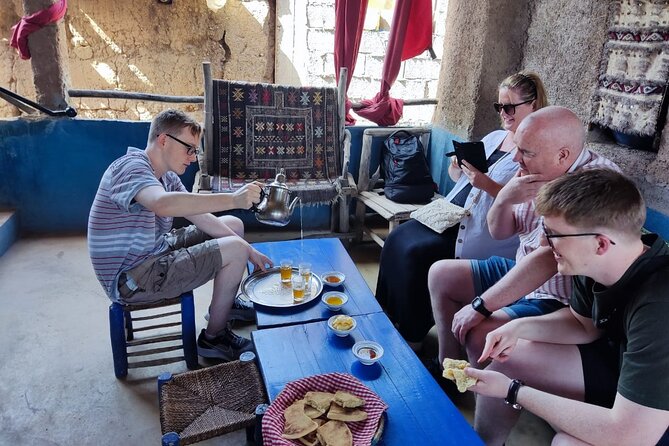
This tour’s experience seems to rise or fall with the driver/guide. Many reviews highlight prompt pickup and helpful, respectful guidance. People specifically named drivers and guide staff such as Mohamed, Zaki, Said, and Sayeed, and even mentioned the kindness of Unis and his staff.
Here’s what that means for you: when the guide is engaged, the trip becomes smoother and more informative. You’ll get more context on what you’re seeing and better options for where to eat or what to ask about. When the guide isn’t present during parts of the drive, the day can feel more like transportation plus stops, without the educational feel you might be hoping for.
My practical take: treat this as a choose-your-experience trip. If you want lots of storytelling, ask questions right after pickup. If you just want scenery and simple stops, you’ll still get that.
When it feels like great value (and when it might disappoint)
This tour tends to shine when:
- you care about Berber home hospitality more than just photos
- you like mixing culture stops with scenery
- you’re happy to do optional add-ons like the camel ride or waterfall guide
- you show up prepared for a more physical path near Setti Fatma
It can disappoint if:
- you assume the waterfall is an easy, crowd-free walk to a pristine spot
- you’re sensitive to shopping pressure at cooperative stops
- you’re expecting a lunch with lots of choices
- you end up with a guide/route flow that feels rushed or unclear
One repeated theme: some visitors felt the waterfall area included litter and a lot of shop-touting along the hike route. That can change your impression even if the scenery is good. On the upside, the river setting and the views from higher points still motivate many people to enjoy the climb.
Should you book this tour?
I’d book it if you want a simple, private mountain day from Marrakech that includes a real Berber breakfast, scenic valley driving, and optional chances to add a camel ride and a waterfall hike. It’s especially worth it if you’re comfortable with uneven paths and you pack the right shoes.
I would pause and rethink if you want a low-effort day, minimal hassle with shop stops, or a clearly guided educational experience every minute of the drive. The waterfall segment is where effort shows up, and the argan and lunch parts can swing between “nice stop” and “shopping-forward.”
If you do book, go in with the right mindset: think of it as a mountain outing with cultural stops, not a perfect scripted nature escape.
FAQ
FAQ
How long is the Atlas Mountains and Berber villages tour?
The tour runs about 5 to 6 hours.
Is hotel pickup and drop-off included?
Yes. Pickup and drop-off from your hotel in Marrakech are included, along with round-trip transport in an air-conditioned minivan.
What’s included in the Berber house visit?
You’ll visit a Berber house for a traditional country-style breakfast and tea ceremony.
Is the camel ride included?
The camel ride is optional. It’s listed as about 20 to 30 minutes and costs $10 per person.
Do I need to pay for the waterfall admission?
The admission ticket for the waterfall portion is listed as free.
Is lunch included?
No. Lunch is available à la carte at restaurants with views by the river.
Do I need a local guide to reach the waterfalls?
A local guide for the waterfall walk-hike is optional. It’s listed as $20 total, and you can also walk-hike at your own pace.
What should I wear for this tour?
Comfortable walking shoes are recommended. The waterfall route can involve walking on uneven ground and some climbing sections, so grip and support matter.
What happens if weather is bad?
This experience requires good weather. If it’s canceled due to poor weather, you’ll be offered a different date or a full refund.