REVIEW · MARRAKECH
3-Day Desert Tour to Fez: Ouarzazate and Berber Village from Marrakech
Book on Viator →Operated by Ando Travel SARL · Bookable on Viator
High Atlas mornings and Sahara nights in one sweep.
I love how this route mixes big-name sights with small, human-scale moments: guided time at Aït Benhaddou and an included camel trek in Erg Chebbi. I also like the way the itinerary threads through real daily life, from oasis stops to a rose cooperative in Kelaa Mgouna. One consideration: it’s a lot of driving in a short time, so expect long days and plan for a little travel fatigue.
I’ve found tours like this work best when you go in with the right mindset: treat the road as part of the experience, not a chore. You’ll ride over major passes, see changing scenery fast, and get out of the vehicle often enough that the trip stays fun. If you’re hoping for a laid-back pace with minimal seat time, this may feel busy.
In This Review
- Key moments you’ll remember most
- From Marrakech at 7:00 to the Atlas pass: why the timing matters
- Tizi-n-Tichka, Todra Gorge, and Aït Benhaddou UNESCO stops
- Ouarzazate and Skoura oasis: Kasbah Amridil feels more local
- Valley of Roses and Kelaa Mgouna: a stop that isn’t just for photos
- Kasbah Dades Amazigh (or similar): your first night with real comfort
- Road of 1,000 Kasbahs: the drive becomes part of the sightseeing
- Todgha River walk and Berber village time: small moments, big impact
- Camel trek into Erg Chebbi: sunset is the main event
- Desert camp in a private tent: what you should expect at night
- Rissani and the oasis route: why the names are worth it
- Day 3 drive to Fez: cedar forests and a late arrival
- Value and pricing: what $230.30 buys you
- Logistics to watch: seat time, shared bathrooms, and lunch costs
- Who should book this tour, and who should skip it
- Should you book this Marrakech to Fez desert tour?
- FAQ
- How long is the tour?
- What’s included in the price?
- Do I get picked up in Marrakech and dropped off in Fes?
- Are lunch and drinks included?
- What should I pack for the desert and camel ride?
- Is drinking water provided?
Key moments you’ll remember most
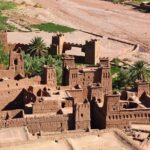
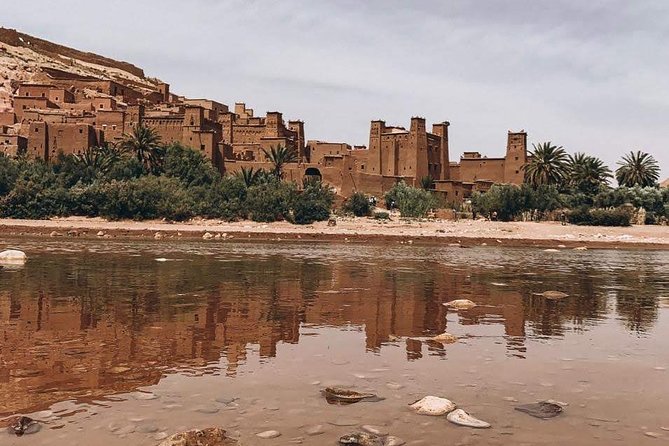
- Aït Benhaddou with a guide: ruined lanes, kasbah architecture, and lots of film-and-photo lore.
- Kelaa Mgouna rose cooperative stop: a look at how roses turn into local income.
- Road of 1,000 Kasbahs + Todgha River walk: palms, olive groves, and Berber villages along the river.
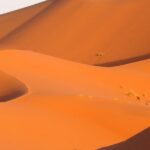
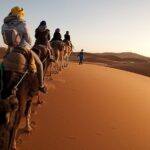
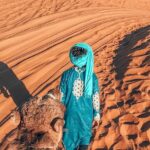
- Erg Chebbi sunset camel ride: the dunes feel wide and quiet in a way buses can’t replicate.
- Night under Saharan stars in a private tent: bedding is provided, and you sleep close to the sky.
From Marrakech at 7:00 to the Atlas pass: why the timing matters
Pick-up starts early, with a 7:00 am departure and hotel/riad pickup when the vehicle can’t access your riad directly. This early start matters because the Atlas route moves more comfortably in the morning light, and you get to enjoy stops with less rushing.
Once you leave Marrakech, you climb into the High Atlas. That first big vertical shift is the vibe shift of the whole trip. You’ll pass through areas where local farmers work land that’s been used for generations, then you’ll keep moving to the next signature stop without long gaps.
This is also why the tour fits travelers who like variety. You get mountain views, fortified architecture, oasis greenery, and then sand dunes over just a few days. If you prefer to slow down and linger in one place, you may wish you had a longer Morocco stay.
A few more Marrakech tours and experiences worth a look
Tizi-n-Tichka, Todra Gorge, and Aït Benhaddou UNESCO stops
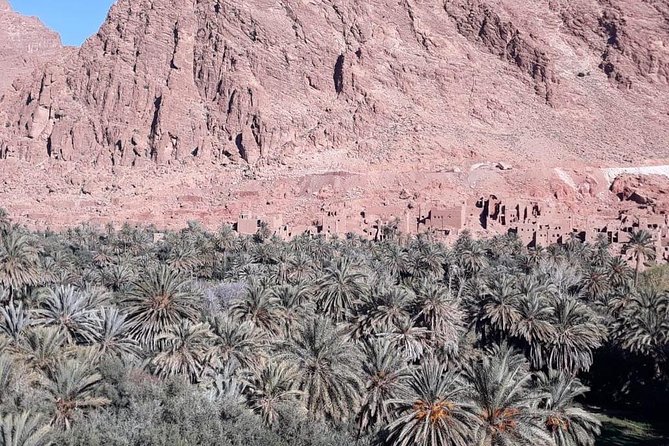
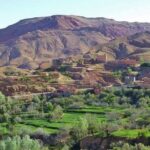
Day 1 is built around the dramatic Morocco that posters don’t fully capture. The route crosses the Tizi-n-Tichka pass through the Atlas range, then you’ll reach Todra Gorge for a stop that gives you a taste of the canyon feel.
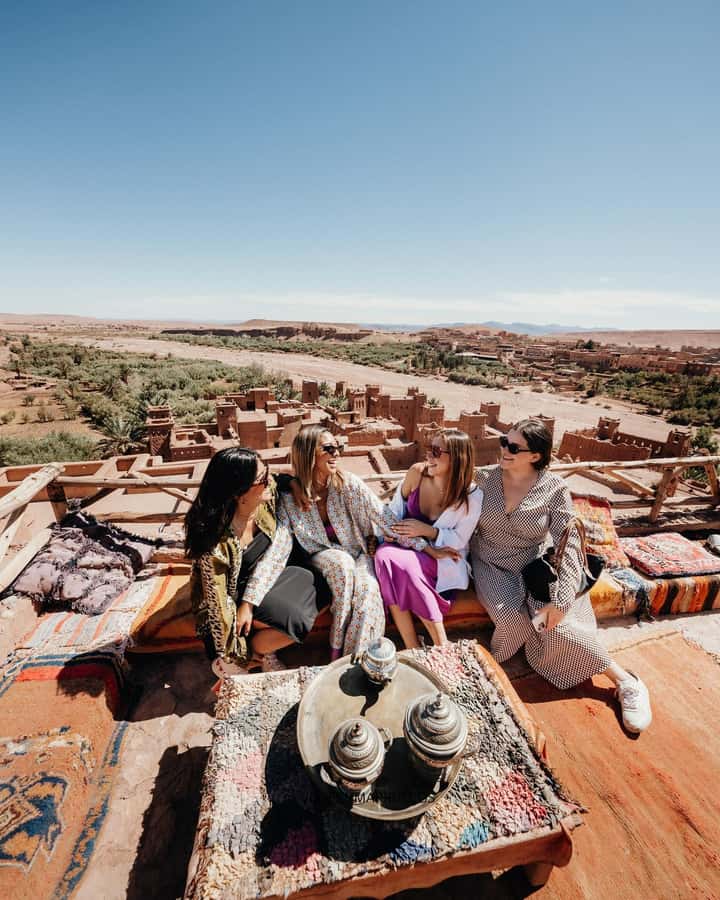
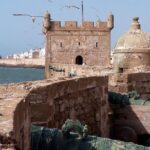
From there, you head to Aït Benhaddou, a UNESCO-listed kasbah where you’ll tour with your guide. What I like about this stop is that the guide doesn’t just point at walls. You get context on construction and the kasbah’s place in the region, plus stories about famous films and photo shoots that used the location.
Practical note: lunch is not included (you’ll handle it on your own unless specified), so bring cash and plan for that mid-day cost. Also, comfortable walking shoes help because kasbah areas involve uneven ground and lots of stairs or short climbs.
Ouarzazate and Skoura oasis: Kasbah Amridil feels more local
After Aït Benhaddou, you’ll continue through Ouarzazate, often called the Gate of the Sahara. This portion of the trip is valuable because it connects the dramatic kasbah world to the greener oasis world you’ll see later.
You’ll travel past the Skoura oasis, then visit Kasbah Amridil. This stop can feel like the sweet spot between major sights and off-the-beaten-path atmosphere. You’re not only looking at scenery; your guide shares insight into how the structure was made and what it means historically.
Kasbah Amridil works especially well if you like architecture details: the materials, the shapes, and the way these buildings were built for life in a tough climate. It’s also a helpful breather after lots of driving and touring—there’s time to pause, look around, and reset.
Valley of Roses and Kelaa Mgouna: a stop that isn’t just for photos
Then comes one of the itinerary’s quieter wins: the Valley of Roses and Kelaa Mgouna. You’ll visit a rose-growing plantation and cooperative, where you can see how the rose season affects the local economy.
Why I think this matters: a lot of desert tours focus only on sand and fortresses. This adds a more everyday Morocco angle. Roses aren’t just pretty—they’re part of how people make a living, and that’s a different kind of connection than taking pictures at monuments.
You’ll also appreciate the contrast. The tour shifts from stone walls and canyon air to something softer and agricultural. If you’re traveling in the cooler months, keep in mind that evenings can still get chilly, so don’t pack only summer gear even if the day is sunny.
Kasbah Dades Amazigh (or similar): your first night with real comfort
Day 2 and night are famous for the desert, but your first overnight is important too. You’ll stay at Kasbah Dades Amazigh or kasbah chems dades in the Dades gorge area.
One nice surprise that’s come up is that some first-night accommodations include a pool, which can be a welcome reset after hours on the road. Even if you don’t swim, it’s the kind of small comfort that makes the next day’s camel ride feel less intense.
Your accommodation here is part of the trip’s rhythm: fortified valleys by day, a comfortable base at night, then onward. If you’re someone who wants a bit of cushion between long drives, this structure is a plus.
Road of 1,000 Kasbahs: the drive becomes part of the sightseeing
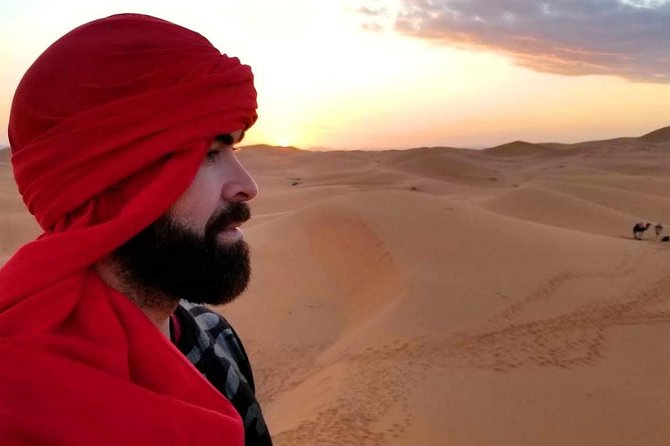
After breakfast, you’ll head into a section known as the Road of 1,000 Kasbahs through the Dadès Valley. This is one of those routes where you start watching the terrain differently—hill after hill, village after village, fortified homes scattered through valleys.
You’ll stop at a traditional kasbah along the way and learn what role it played in the region’s history. The way guides handle these stops is often practical: they explain why things were built where they were, how people lived, and what the kasbah system was for.
Then you move toward the foothills of the High Atlas and the oasis of Tinghir, where the next stop turns the day from architecture into nature.
Todgha River walk and Berber village time: small moments, big impact
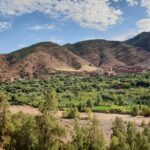
At Tinghir, you’ll enjoy a walk along the Todgha River. It’s one of the best “breathing” parts of the schedule: olive groves and palm trees line the riverbanks, and you can see how water shapes daily life.
You’ll also visit Berber villages with your guide, with time for meeting locals at the right pace. Then, for lunch, you’ll head into the Todgha Gorge area where lunch is again on your own.
This is one part where good walking shoes really pay off. The path near rivers can be uneven, and you’ll want to stay comfortable so you can actually notice people and details—not just focus on not slipping.
Camel trek into Erg Chebbi: sunset is the main event
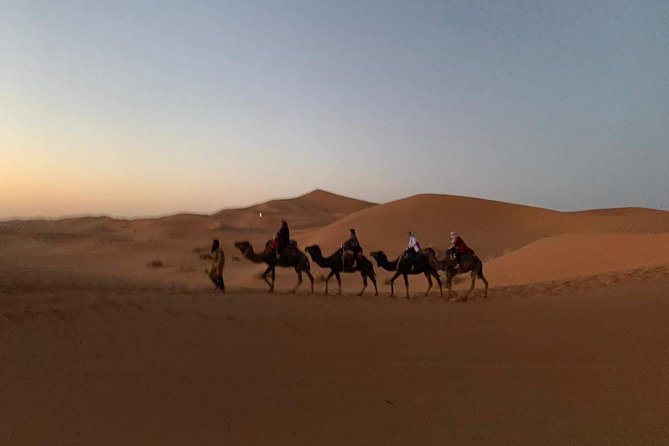
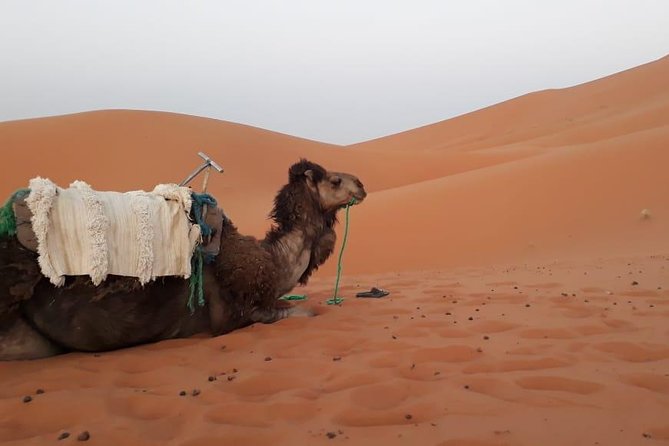
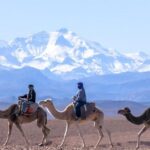
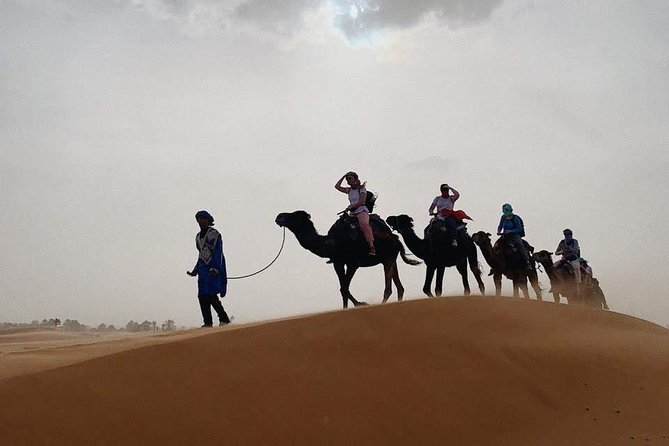
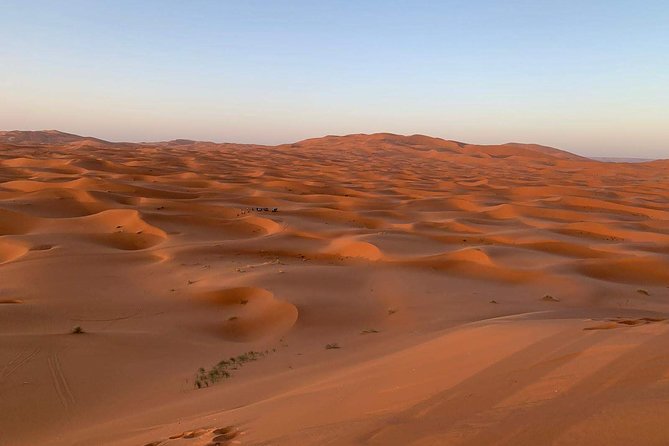
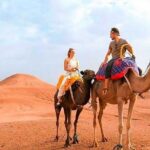
Now we reach the big headline: Erg Chebbi. You’ll travel through Erfoud and Merzouga, then meet your camel train in Erg Chebbi for the camel ride into the Sahara.
What I like about this section is the order of events. You don’t just drop into dunes and hope for the best. You travel through the oasis towns first, then transition into desert air, and then the dunes and sunset become the reward.
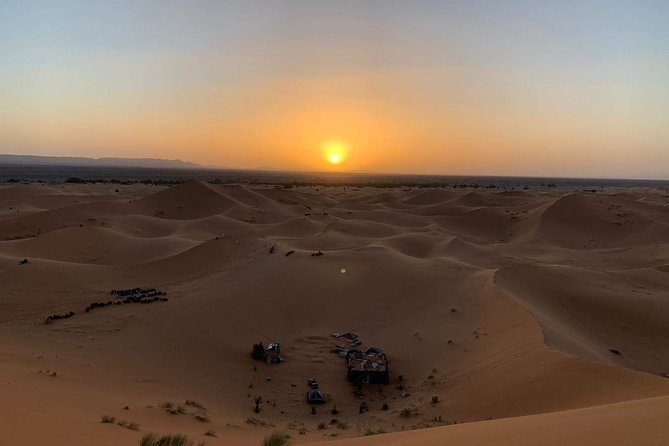
During the ride, you’ll enjoy views of the Saharan sunset, then arrive at your desert camp for dinner and the night under the stars.
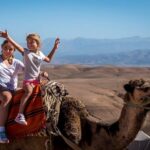
A key practical detail: long trousers are recommended for the camel ride because the saddle can cause skin irritation. If you’re used to shorts for travel, swap to long pants for this moment. You’ll be glad you did.
Desert camp in a private tent: what you should expect at night
In the Sahara desert camp, you’ll sleep in a private tent with shared bathroom facilities. Bedding is provided, so you do not need a sleeping bag.
This kind of setup works well if you don’t expect a hotel. The value is being close to the dunes and getting that night-sky experience without extra planning. It also means you should pack for comfort: layers help because it can get cold at night, and conservative dress is recommended in Morocco.
Dinner is included as part of the itinerary, and breakfast is included the next morning. Drinking water isn’t provided in the camp process, so plan on buying it along the way.
If you’re sensitive to shared bathrooms, go in with clear expectations. It’s not a deal-breaker for most people, but it’s better to know than to guess.
Rissani and the oasis route: why the names are worth it
The itinerary includes time around Rissani, Erfoud, and Merzouga. Even when you’re not stopping for long, these places help connect desert life to the route the caravan culture created.
Rissani is described as a holy town in the plan, so it’s part of the spiritual and cultural geography of the area. Erfoud and Merzouga act like practical thresholds—oasis towns that sit between the road and the dunes.
In my experience, having these name anchors makes the trip feel less random. You start understanding the desert as a system—towns, trade routes, water access, and then sand.
Day 3 drive to Fez: cedar forests and a late arrival
On Day 3, you’ll say goodbye to the group driving back to Marrakech and meet a new driver for the transfer to Fez. You’ll install in a van with a maximum of 6 passengers, which usually means a tighter group feel than the big bus-style day.
The route follows the Ziz Valley through Errachidia (capital of the Tafilalt region), then continues to Midelt for lunch at leisure. After that, you cross the Middle Atlas Mountains with cedar forests and Berber towns including Imouzzar and Ifran.
You arrive in Fes late in the afternoon, around 8:00 pm, then you’re dropped at your riad or hotel of your choice. That late arrival is worth planning around. If you hate rushing in the evening, download maps offline and have the riad location saved.
Value and pricing: what $230.30 buys you
At $230.30 per person for a roughly 3-day tour, what you’re really paying for is the bundle: guided culture stops, a camel trek, and two nights of lodging (one in the Dades area and one in the desert camp) plus meals.
Included highlights:
- Camel trek in Erg Chebbi
- Overnight in the Sahara camp
- Overnight at Kasbah Dades Amazigh or kasbah chems dades
- Breakfast (2) and dinner (2)
What’s not included:
- Lunch and drinks, unless specified
- Additional local guides
For me, this pricing makes sense if you don’t want the hassle of organizing transport across multiple regions and you value the camel part as an included activity, not an add-on.
Also, you’ll be traveling through multiple distinct regions—Atlas mountains, UNESCO kasbahs, oasis valleys, and the desert—so the cost is spread across a lot of ground.
Logistics to watch: seat time, shared bathrooms, and lunch costs
The biggest downside risk isn’t the sights. It’s the pace. This is a fast-moving 3-day arc. You’ll cover serious distance and spend many hours in a vehicle, with long drives mixed with short stops.
Another practical point: the desert camp uses shared bathroom facilities. The tent itself is private, but don’t expect full privacy in the bathroom area.
Finally, lunch is mostly own expense. That’s normal on multi-stop routes, but it can add up. If you’re budget-minded, set aside extra cash for lunches and drinks.
One more small caution: accurate contact info matters. There has been at least one case where an incorrect telephone number caused delay and extra calling to sort things out. If you have questions before travel, double-check contact details in your confirmation message so you don’t start the trip stressed.
Who should book this tour, and who should skip it
This tour suits you if you want:
- a guided route that hits major highlights without requiring you to plan every leg
- the Erg Chebbi camel experience plus a real desert night
- a mix of architecture, oasis nature, and small village time
You might skip it if:
- you dislike long drives and short stop times
- you need hotel-style private bathrooms every night
- you want more free time in just one city (this is about the route, not deep city wandering)
The group size is capped at 15, and the Fez transfer is smaller with up to 6 passengers, which is a plus for comfort and communication.
Should you book this Marrakech to Fez desert tour?
I’d book it if you want one trip that stitches together Morocco’s biggest themes: Atlas mountains, UNESCO kasbah life, rose valley agriculture, desert dunes, and a final handoff into Fes. The included camel trek and desert camp night are the core value, and the itinerary adds enough variety to keep it from feeling like one long drive.
Book it with clear expectations: bring long trousers for the camel ride, plan for lunch costs, and be ready for late arrival into Fes. If you’re okay with that, this tour is a strong way to get desert magic without building a logistics puzzle yourself.
FAQ
How long is the tour?
It runs for about 3 days.
What’s included in the price?
The tour includes the camel trek in Erg Chebbi, overnight accommodation in the Sahara desert camp and at a Dades kasbah, plus meals as per the itinerary with 2 breakfasts and 2 dinners.
Do I get picked up in Marrakech and dropped off in Fes?
Pickup is offered from your accommodation in Marrakech (or near your riad if the minibuses can’t reach it), and the tour ends with a drop-off at your riad or hotel in Fes.
Are lunch and drinks included?
Lunch and drinks are not included unless specifically stated. The itinerary indicates lunch at different points as own expense.
What should I pack for the desert and camel ride?
Bring good walking shoes, sunscreen, and sunglasses. Long trousers are recommended for the camel ride to avoid saddle irritation, and conservative dress is recommended. It can be cold at night in winter, so pack warm layers.
Is drinking water provided?
Drinking water is not provided, but you can purchase it along the way.