REVIEW · MARRAKECH
Atlas Mountains and 3 Valleys from Marrakech including Camel Ride
Book on Viator →Operated by Marrakech Day Trips · Bookable on Viator
Camel rides in the Atlas beat a city day. In one long stretch, you get Toubkal National Park views around the Imlil Three Valleys region, plus a camel ride at the Moulay Ibrahim River with scenery that feels bigger than the photos. You’ll also finish with a Berber village visit where mint tea and a traditional lunch are part of the rhythm, not an afterthought.
One watch-out: the day works best when you’re flexible—some people want more explanation along the way, and you may find yourself eating or taking in moments with less guided chat than you hoped for.
What makes this trip worth your time: Imlil’s mountain villages, a camel ride with classic Atlas views, and a Berber meal that actually feels tied to daily life. If you want a relaxed one-day taste of Toubkal without booking a multi-day trek, this hits a solid sweet spot.
In This Review
- Key Highlights to Know Before You Go
- Why Imlil and the Three Valleys Fit a One-Day Plan
- Pickup, Route, and What 9 Hours Really Means
- Toubkal National Park Trek: The Point Is the Walking
- Moulay Ibrahim River Camel Ride: Comfort and Common Sense
- Berber Villages on the Way: Ait Mizan, Targe, Imoula, and Ait Souka
- Lunch and Mint Tea: More Than Fuel
- Market Days on Tuesday and Saturday
- Price and Value From Marrakech: What You’re Really Paying For
- Who This Tour Is Best For (And Who Should Rethink It)
- Booking Smart: Timing, Weather, and Group Size
- Should You Book Atlas Mountains and 3 Valleys With a Camel Ride?
- FAQ
- How long is the Atlas Mountains and 3 Valleys trip from Marrakech?
- What’s included in the price?
- Do I get a pickup from my hotel in Marrakech?
- Where does the camel ride happen?
- Is there time for a trek in Toubkal National Park?
- When can I see a traditional Berber market?
- What should I wear or bring for walking?
- What kind of fitness level is needed?
- What’s the maximum group size?
- What’s the cancellation policy?
Key Highlights to Know Before You Go
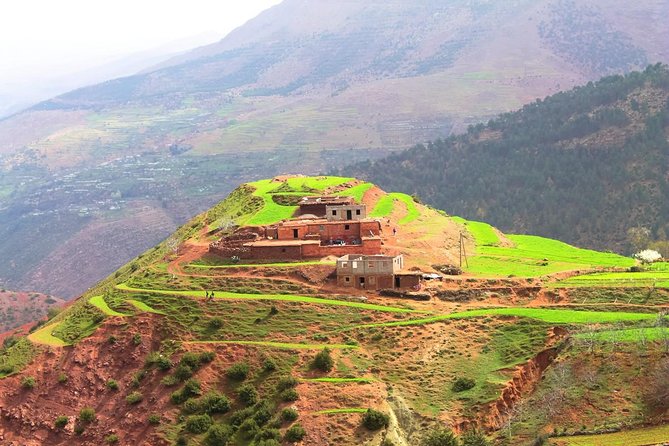
- Short-to-medium trek in Toubkal National Park: Mountain walking with big payoff views.
- Camel ride at Moulay Ibrahim River: A scenic change of pace and a memorable photo moment.
- Berber villages you’ll pass through: Places like Ait Mizan, Targe, and Imoula, plus Ait Souka.
- Mint tea and traditional Berber lunch: The meal is part cultural stop, part recovery break.
- Market day timing (Tuesday/Saturday): You may catch a traditional Berber market on those days.
Why Imlil and the Three Valleys Fit a One-Day Plan
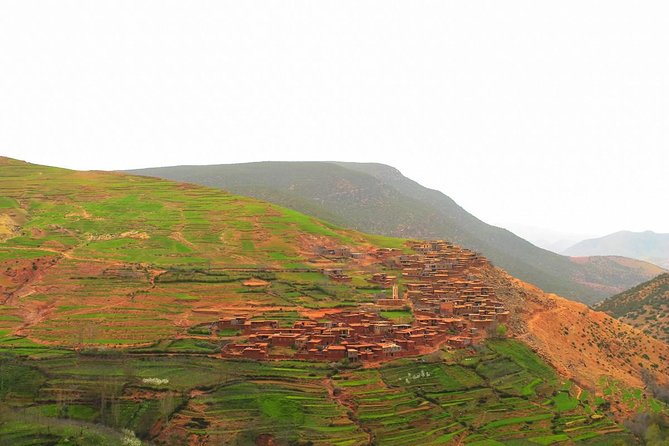
Imlil and the Three Valleys region is one of those rare places where you can feel the mountains first, not later. From Marrakech, this trip is built for travelers who don’t have days to spare but still want more than a quick bus ride and a single viewpoint.
The big value here is that you’re not just “seeing” the Atlas—you’re moving through it. A trek in Toubkal National Park brings you up into the high-country atmosphere, with waterfalls and hamlets you pass along the way. Then the camel ride at Moulay Ibrahim River gives you a change of pace, with time to take in what you climbed toward. After that, you switch gears again for a Berber village visit and lunch, where mint tea and daily routines put human scale into all that mountain scenery.
That combination matters because it prevents the day from turning into a checklist. You get hiking time, animal time, and village time—each one doing a different job in the overall experience.
You can also read our reviews of more tours and experiences in Marrakech.
Pickup, Route, and What 9 Hours Really Means
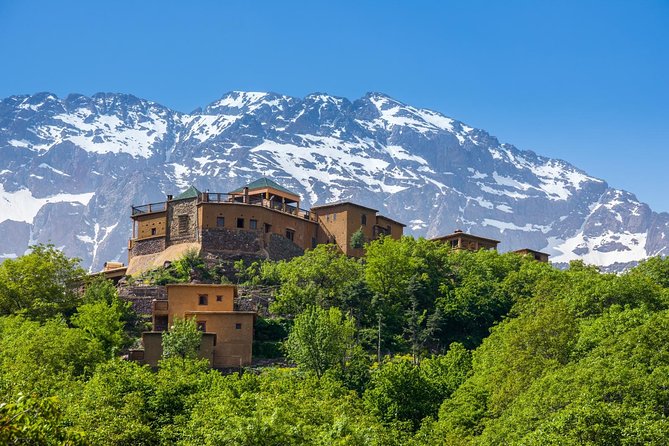
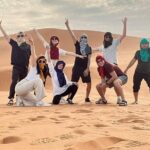
This is a full-day excursion clocking in around 9 hours, with round-trip transport from your hotel or the medina area. That matters because Marrakech traffic can chew up time fast. Having pick-up and drop-off arranged lets you spend your attention where it belongs: the trip itself.
In practice, expect the day to feel like a steady flow. You’ll start in the city, travel out to the Imlil area, walk, eat, and continue through the villages before returning. The camel ride and lunch stops are paced to keep the day moving without turning into a long slog.
A few practical notes I’d plan around: bring shoes you can trust on uneven paths (trainers are strongly recommended), and dress in layers because mountain weather can shift quickly. You’re also going to be outside for parts of the day, so simple comfort beats fancy gear.
Also, keep group size in mind. This activity caps at 100 travelers, so it isn’t a tiny private hike. On a good day, that’s not an issue. If you dislike crowds, you’ll want to keep your expectations realistic about what a shared day trip looks like.
Toubkal National Park Trek: The Point Is the Walking
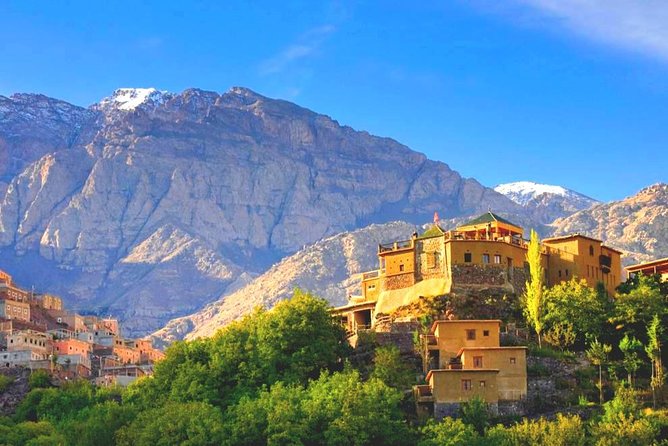
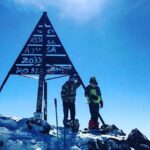
The heart of the day is the short to medium trek through the Toubkal National Park area around Imlil. This is the part that turns “Atlas Mountains” from a name into a feeling. As you walk, you pass through scenes that are repeated in memory later: waterfalls, small settlements, and mountain stretches framed by stone and sky.
Why this trek is such good value is simple: it gives you movement and viewpoint progression. You start low enough to feel the transition from valleys to higher ground, and by the time you’re walking through the Imlil area, the Toubkal summit and surrounding mountain ranges are the kind of backdrop that makes you stop without trying.
You don’t need to train for a marathon, but the trip does call for moderate physical fitness, and you’ll be on foot for part of the day. If you’re the kind of traveler who gets frustrated by uneven ground, bring trekking-friendly shoes and plan for slower moments.
Moulay Ibrahim River Camel Ride: Comfort and Common Sense
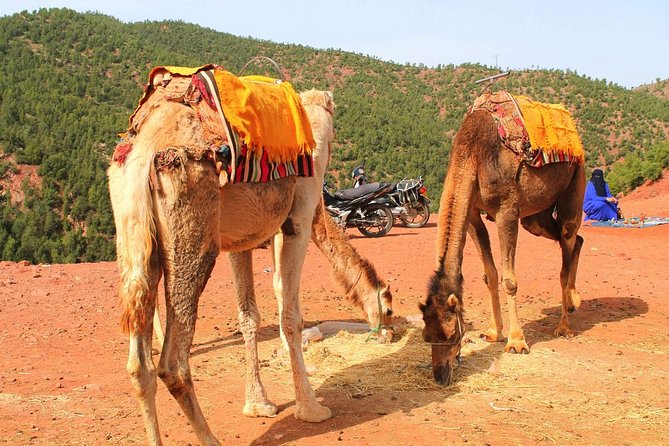
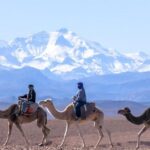
Then comes the camel ride at Moulay Ibrahim River. This stop is built for two things: a break from walking and a change in perspective. From a camel you can actually look around, not just down at your steps, and you get a different rhythm for taking in the Atlas views.
A camel ride can be hit-or-miss if you’re expecting a fluffy, loungy experience. What you can count on here is the views and the novelty. The ride is short enough to fit the day schedule, and it’s positioned as a highlight instead of a quick gimmick.
For comfort, I’d treat it like any other outdoor activity: wear grippy shoes for before and after, keep your camera secure (no loose pockets), and be ready for a basic “hold on and enjoy” experience. The good news: this is the kind of moment that makes the whole day feel like more than a tour bus stop.
Berber Villages on the Way: Ait Mizan, Targe, Imoula, and Ait Souka
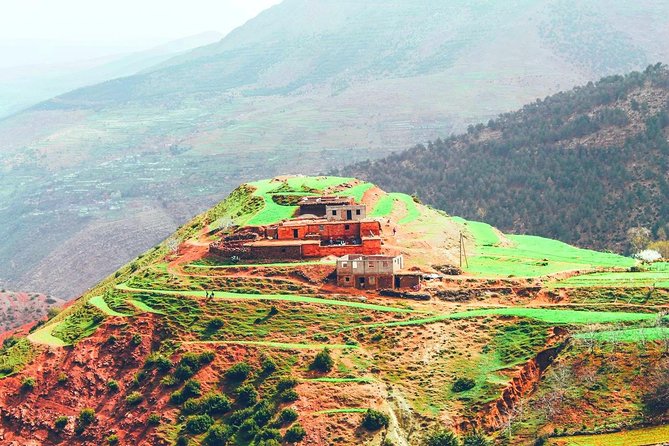
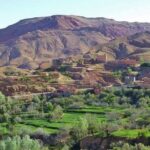
One of the best parts of this excursion is how it threads through real village areas rather than only visiting one “photo point.” You’ll pass Ait Mizan, Targe, and Imoula, and you’ll also visit Ait Souka.
These names matter because they mark different hamlet settings and daily-life textures. The guide points out things of interest along the route, including cultural and heritage context about the Berber people of Imlil and Ait Souka as your day unfolds. You’ll get a sense of what daily routine looks like in a mountainous setting—small tasks, community spaces, and a landscape shaped by living close to the mountains.
One extra detail worth knowing: during the village visit, you may see how women produce goods from argan. That’s the kind of stop where you learn something specific and practical, not just the general idea of craft-making.
Still, here’s the balanced note: a guide’s style can vary. One of the concerns that can come up is that you might feel a bit left to your own pacing during parts of the day. If you’re the type who loves constant commentary, you may want to ask questions early and keep them going.
Lunch and Mint Tea: More Than Fuel
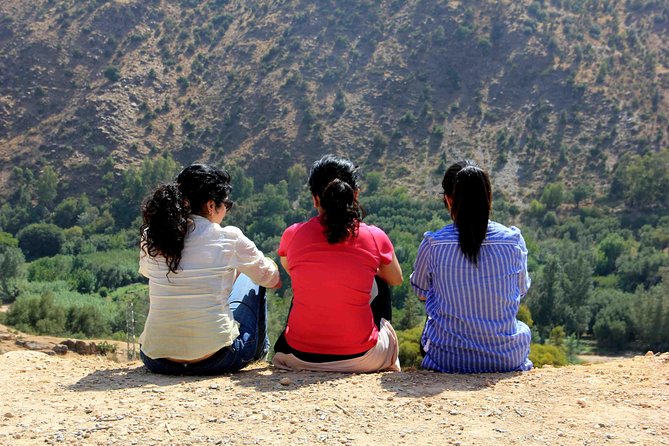
Lunch on this trip is traditional Berber lunch served during the village portion of the day, along with mint tea. In a day like this, the meal is more than calories—it’s the transition from movement to connection.
What makes it worthwhile is that it’s tied to the village visit, not delivered on a generic schedule. You’re eating in the same context where you just walked through the hamlets, so it feels like part of the story instead of a roadside pit stop.
Practical advice: eat when it’s served and don’t wait too long to ask for what you need—tea refills and meal pacing follow local rhythm. Also, expect that you might spend some moments without the guide hovering. That can be a drawback if you’re hoping for ongoing explanation, but it’s also a chance to slow down and watch daily life without a running lecture.
Market Days on Tuesday and Saturday
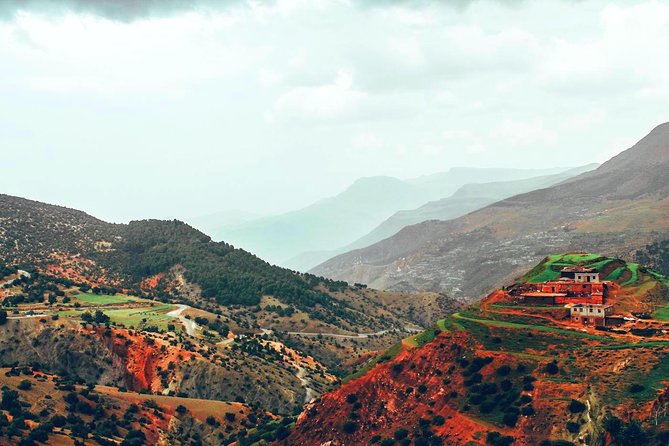
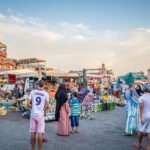
If you’re lucky with timing, this trip can include a traditional Berber market. The day offers this on Tuesday or Saturday, when you can see locals shopping and moving through market life.
Markets change the feel of a trip fast. Instead of purely scenic time, you get a slice of how people organize daily needs—fresh goods, small conversations, and the practical side of the region. If you’re someone who likes to connect with a place through real daily behavior rather than only landmarks, market timing is a real advantage.
Even if you don’t catch the market, the village experience still anchors the trip in community life. Market day simply adds another layer of motion and color.
Price and Value From Marrakech: What You’re Really Paying For
At $43.04 per person, this is priced for travelers who want a big slice of the Atlas Mountains in a single day. The value comes from what’s included:
- Return transport from your hotel or the medina area
- A local guide
- Camel ride
- Cultural trek
- Lunch plus mint tea
- Pickup and drop-off coverage
That’s a lot packed into one day, especially since transport and guiding alone can often cost more on their own when you book separately. The camel ride and the lunch are also “real activities,” not just optional extras. In other words, you’re not paying mainly for a bus ticket to a viewpoint.
What’s not included is also worth noting: personal expenses and tips. I’d budget for small purchases if you want them (snacks, water if needed, and any market stops). Having a little cash ready helps, especially if you’re tempted by local crafts.
Who This Tour Is Best For (And Who Should Rethink It)
This experience fits best if you:
- Want a one-day taste of Imlil and the Three Valleys
- Like mixing walking with a cultural stop and a meal
- Enjoy guides who explain how life works in the mountains (even if the style varies)
- Prefer a moderate trek over a full multi-day climb
It’s also a good fit for travelers who want that classic Atlas highlight: the camel ride with mountain views, then a village lunch to bring the day back down to earth.
You might rethink it if you:
- Want nonstop detailed narration during every minute (some guidance can feel light)
- Get uncomfortable with moderate walking on uneven ground
- Have strict plans around timing for long guided lectures
The good part: trainers are strongly recommended and the activity asks for moderate fitness, which keeps expectations grounded. It’s not positioned as a total beginner “flat walk,” but it also isn’t only for hardcore hikers.
Booking Smart: Timing, Weather, and Group Size
A few booking realities can help your day run smoother.
This experience works best with good weather. If weather forces a change, you’ll be offered another date or a full refund, so you’re not stuck with a ruined day. Also, the tour confirms at booking, and it runs with a minimum of 2 people per booking. That means if it doesn’t fill, there’s potential for schedule shifting—but you’ll get options.
On group size, remember the cap: up to 100 travelers. That doesn’t mean it feels like a stadium, but it does mean you should expect a shared rhythm. If you like quiet, you’ll enjoy the mountains more when you step into calmer moments during the trek and village time.
And since you’ll receive a mobile ticket, you’ll want to keep it accessible. Simple, but worth doing before you head out.
Should You Book Atlas Mountains and 3 Valleys With a Camel Ride?
If your goal is a memorable Atlas day without committing to multiple days, I think this is an easy yes. You’re getting the combination that usually takes several separate bookings: national park walking, camel ride views at Moulay Ibrahim River, and a Berber village lunch with mint tea. At $43.04, the included transport and activities make it feel fair for Marrakech.
My main caution is practical: if you’re the type who expects constant, detailed guiding, you may want to set your expectations for a more relaxed village-and-trek rhythm. The day works best when you treat it as a guided foundation plus your own time to look, listen, and pause.
If you’ll be in Marrakech with a flexible schedule, try to choose Tuesday or Saturday for the extra possibility of a Berber market. That small timing tweak can turn a great day into a more complete slice of local life.
FAQ
How long is the Atlas Mountains and 3 Valleys trip from Marrakech?
It’s approximately 9 hours.
What’s included in the price?
Return transport, a local guide, a camel ride, a cultural trek, lunch, and hotel/medina pickup and drop-off.
Do I get a pickup from my hotel in Marrakech?
Yes. Pickup is offered, including hotel or centre of the medina pickup and drop-off.
Where does the camel ride happen?
The camel ride is at the Moulay Ibrahim River.
Is there time for a trek in Toubkal National Park?
Yes. The day includes a short to medium trek in the Toubkal National Park area around the Imlil 3 Valleys region.
When can I see a traditional Berber market?
If the tour runs on Tuesday or Saturday, you may be able to see a traditional Berber market.
What should I wear or bring for walking?
Trainers to walk in are strongly recommended.
What kind of fitness level is needed?
The tour is listed for travelers with a moderate physical fitness level.
What’s the maximum group size?
The activity has a maximum of 100 travelers.
What’s the cancellation policy?
You can cancel up to 24 hours in advance for a full refund, and the experience depends on good weather (with an alternate date or full refund if canceled for poor weather).