REVIEW · MARRAKECH
Atlas Mountains and Three Valleys & Waterfalls – Villages Marrakech Day Trip
Book on Viator →Operated by Targa Travel & Trekkinginmorocco · Bookable on Viator
Atlas Mountains are close enough for a day trip. This private, guided outing from Marrakech links camel time, an argan oil cooperative breakfast, and walking trails that lead toward the famous Setti Fatma waterfalls and the “7 Cascades” area, with a lunch break in the Ourika Valley. It’s a compact route that gives you a real sense of Atlas life without turning your day into a travel marathon.
I especially like how the morning builds from food to culture to views: the stop at a women’s argan oil cooperative is more than a photo stop, and the tasting includes items like bread with argan oil, honey, peanut butter, and mint tea. I also like that the trip is hands-on and active—there’s a camel ride and a mountain walk with time to take pictures when the views open up.
One consideration: this is time in the mountains, so you should plan for uneven paths and some narrow sections. A few people noted the day can run longer than the listed 6 hours depending on hiking pace and traffic, so start the day well-rested and keep water handy.
In This Review
- Key things you’ll actually feel on this trip
- Marrakech to the Atlas: what a “private day trip” changes
- Women’s argan oil cooperative breakfast: the cultural stop that earns its place
- Camel ride included: fun, but plan for the awkward moments
- Imlil to Setti Fatma: the mountain hike that decides the day
- Setti Fatma waterfalls: what you’ll see and how to handle expectations
- Ourika Valley lunch by the river: the payoff after walking
- How long it really takes (and how to plan your schedule)
- Who this Atlas and waterfalls day trip fits best
- My take: should you book this Atlas day trip?
- FAQ
- What time does the tour start?
- How long is the Atlas Mountains and waterfalls trip?
- Is pickup available from Marrakech?
- Is this a private tour?
- Is the camel ride included?
- What’s the argan oil cooperative stop like?
- What’s the lunch like at the end?
- Can I cancel for a refund?
Key things you’ll actually feel on this trip
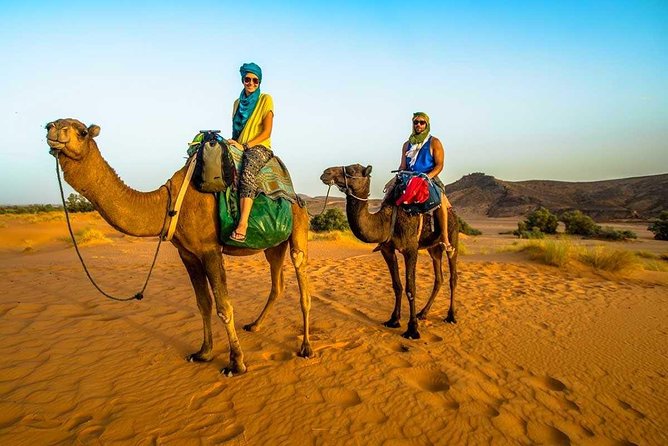
- Camel ride is included, and it can be longer than you expect, so wear shoes that work for getting on and off calmly.
- Argan oil cooperative breakfast is built around real tasting: mint tea plus bread with argan oil, honey, and even peanut butter.
- Setti Fatma / 7 Cascades hiking is the main “wow” stretch, with time along streams before you reach the falls area.
- Optional Berber lunch can be a big payoff after walking, served in a river-side setting in the Ourika Valley.
- Private group only means your guide can keep the pace with your group and wait for everyone to regroup.
- Bring weather sense: waterfall flow and mountain views depend on season and conditions.
Marrakech to the Atlas: what a “private day trip” changes
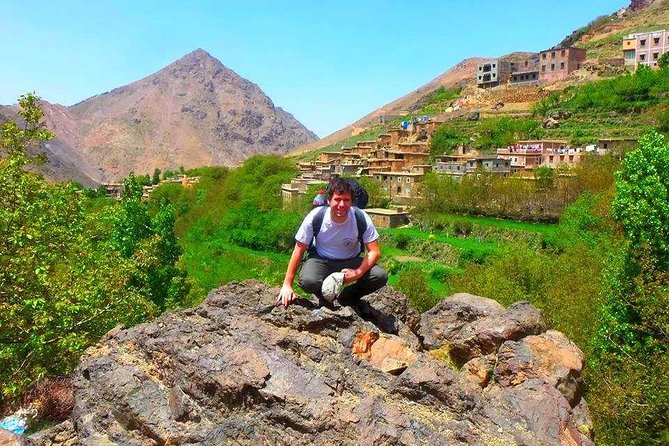
This outing starts at 9:00 am with an early departure from Marrakech, heading up into the Atlas Mountains. The key difference with this being a private group tour is control: you’re not squeezed into a large herd, and your guide can slow down when someone needs it. In real life, that matters on mountain days where regrouping takes extra time.
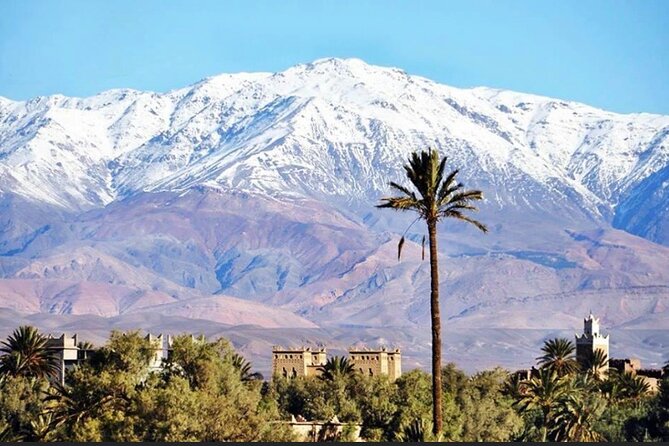
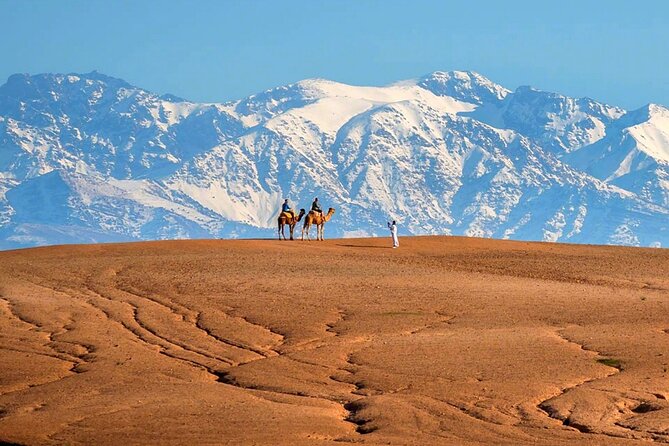
A lot of the experience comes from timing. Early travel helps you avoid the worst of Marrakech crowds and gives you better odds of clearer views. The route also builds in layers: you first get the dramatic Atlas panorama, then you shift gears into food and local craft at the argan cooperative, and only after that do you move into the walking portion.
Price-wise, it’s strikingly low—about $15.67 per person—so this isn’t a luxury tour. But for the ingredients you get (transport, a guide, camel ride, and multiple Atlas stops), it can still be good value. The trade-off is that the day is busy by design. If you want a slow, sit-down sightseeing day, you’ll want to treat this as an active excursion rather than a leisurely drive-and-shop plan.
A few more Marrakech tours and experiences worth a look
Women’s argan oil cooperative breakfast: the cultural stop that earns its place
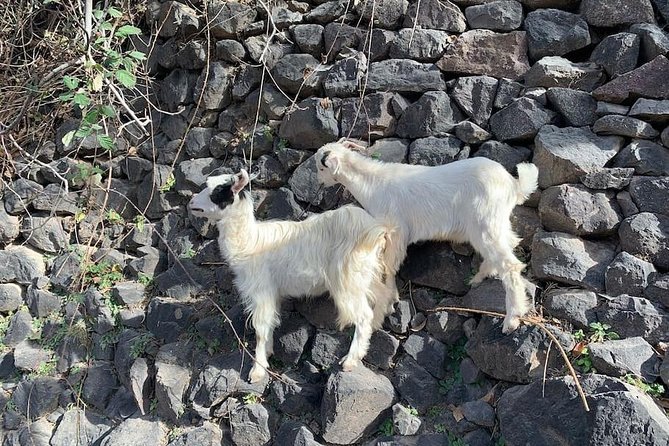
One of the strongest parts is the women’s argan oil cooperative stop. This isn’t just a roadside pull-over. You get a tasting spread, and you’re shown—by the cooperative staff—the centuries-old process of extracting argan oil.
What makes it satisfying is the mix of senses. You’ll typically get freshly baked bread with argan oil, honey, creamy peanut butter, and traditional mint tea. That’s a practical way to learn what argan oil tastes like in real Moroccan food, not just as a bottle in a shop window.
Here’s what to expect beyond the tasting: this is also where the tour turns more human. People often ask how the cooperative works, and your guide can help translate what you’re seeing, from the raw ingredient to the way products are prepared. Some guides also encourage you to ask questions about making and using argan oil—especially since many people end up buying a bottle after tasting it.
Small tip: if you’re going to purchase argan oil, bring some small cash just in case. And don’t buy right away. Taste first, then decide. You’ll be surprised how different oils can taste once you’ve tried a few samples.
Camel ride included: fun, but plan for the awkward moments
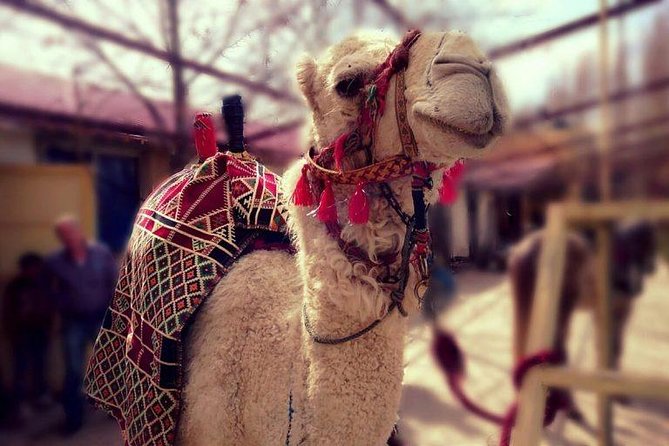
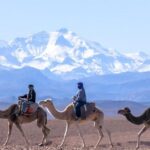
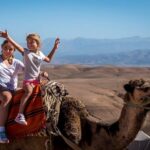
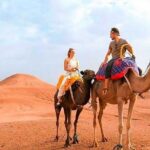
The tour includes a camel ride, and it’s often a highlight because it’s unusual for most people visiting Marrakech. Several people found it longer than they expected. One comment mentioned it could run past the quick “taste” ride—so think of it as a real activity, not a 2-minute photo session.
That leads to the practical part: the camel ride is where you’ll appreciate good shoes and a calm attitude. Getting on and off can be a bit bumpy, and the animal’s pace is not something you control. If you have mobility challenges, it helps that guides have been known to slow down and help people manage tricky moments.
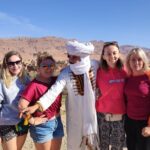
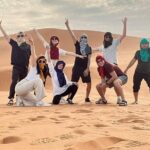
You may also be offered local clothing to wear during the ride. Even if it’s just for photos, it can make the experience feel less like a tourist stunt and more like a real cultural moment—especially when paired with a guide who can explain what you’re seeing.
How long should you expect? Plan around the time you’ll spend on the camel and photos, but keep in mind that the ride length can vary. The best mindset is simple: enjoy it, don’t rush it, and treat it as part of the day’s walking rhythm.
Imlil to Setti Fatma: the mountain hike that decides the day
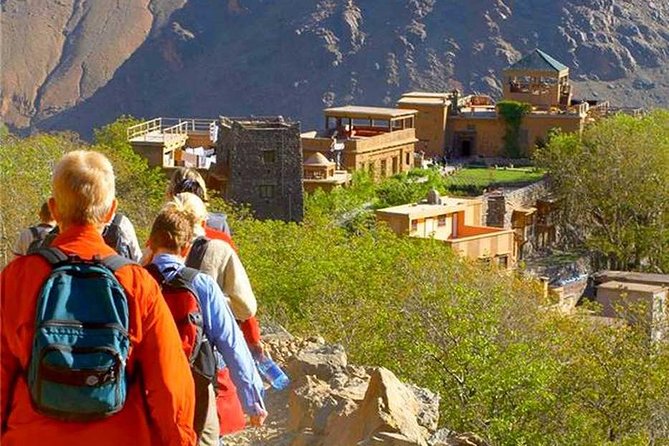
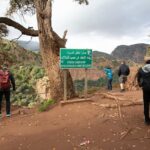
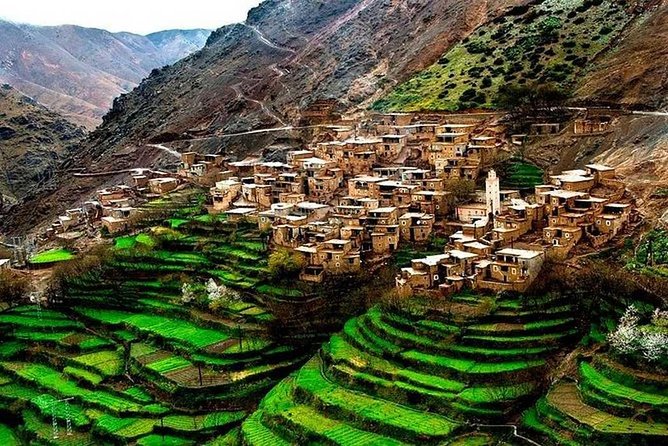
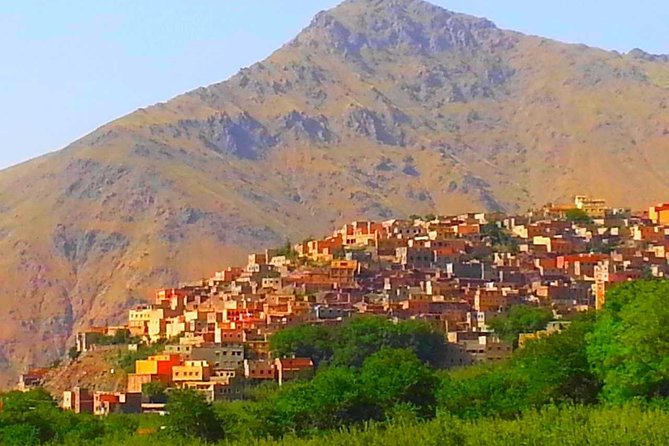
After the morning stops, the trip moves toward the Imlil area and the start of the walking portion. From there, the destination in your mind becomes Setti Fatma and the area known for the 7 Cascades.
This hike is why the Atlas day trip feels like more than a scenic drive. It’s also why it gets a range of reactions: some people call it not very challenging overall, while others warn it’s not for the weak. The difference usually comes down to your hiking comfort and how you handle narrow sections and uneven ground.
What I’d plan for if you’re considering this:
- You’ll be walking enough to feel it by midday.
- You’ll likely encounter narrow stretches that require careful foot placement.
- Your guide should set a pace that keeps everyone safe, especially in private groups.
Water and snacks matter here, even if the tour provides breakfast and later lunch. Pack a small bottle and a light layer. Mountain weather can shift quickly, and a breeze can make you feel cooler than you expect.
And bring your phone camera ready—but don’t spend the whole hike filming. Take photos at the natural pauses when your guide stops the group. That way, you keep the walk enjoyable and avoid lagging behind when the path tightens.
Setti Fatma waterfalls: what you’ll see and how to handle expectations
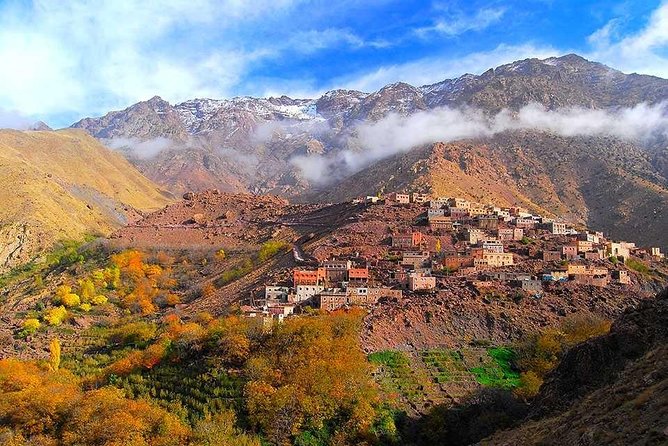
Once you get to the Setti Fatma area, the mood shifts to slower, sensory time. You’re walking alongside rushing water, and the air feels different when you’re close to the falls. The tour is structured so you don’t just “arrive and leave.” You get time to experience the valley and then reach the waterfall area.
One honest note from people on this route: the waterfall may not feel huge. The falls can be more about the experience of moving through the water-rich valley than about a single massive drop dominating the view. Also, the water flow depends on season and conditions, so the waterfalls might be stronger or softer depending on when you go.
If you like small details, you’ll enjoy this part more. Listen for the sound changes as you approach the cascades. Look for where the stream crosses the path. Pay attention to how locals move through the valley—your guide can point out daily-life details and the way people use the land around the water.
If you’re someone who wants a perfect “postcard waterfall shot,” aim to take pictures at a couple of angles and then put the camera away for a while. The best moments here are often the ones where you simply stand still and let the water sound do the work.
Ourika Valley lunch by the river: the payoff after walking
Lunch is served in the Ourika Valley area, beside the river. This is where the day transitions from hike mode to fuel mode—and it’s one of the best reasons to do this as a guided trip. You’re not trying to figure out where to eat in a mountain valley; you’re just arriving when it’s time.
The meal described is classic Moroccan comfort: tagines, fresh salads, and aromatic couscous, using locally sourced ingredients. The river-side setting adds something practical too: you can sit, cool down, and reset your energy before the drive back down to Marrakech.
A few people highlighted how delicious and authentic the lunch felt, especially as a post-hike reward. Because the lunch is described as optional in some parts of the tour info, treat this as a “decide when you’re there” moment. If you want the full Berber home experience, go for it. If you prefer to keep the day simpler, ask your guide what’s included versus what’s an extra.
Quick tip: if you’re prone to getting chilly after hiking, bring a light layer for the meal break. Mountain air plus shade can make you feel cooler than in Marrakech.
How long it really takes (and how to plan your schedule)
The tour says about 6 hours, and that’s a good planning number. But a few people found it can run closer to 8–9 hours in practice. The usual reason is simple: mountain time isn’t just moving time. It’s walking pace, regrouping, time at the cooperative, and how long you spend around the waterfalls.
For planning your day in Marrakech, I’d treat it like a half-day trip that can grow. Don’t schedule a late dinner reservation that you’d hate to miss. Instead, keep your evening flexible.
What you’ll also appreciate is how the private format can reduce stress. Guides like Hamza, Lahcen, Driss, Mustapha, and Rabia have been praised for keeping the day moving smoothly and staying patient when people hike slower or need help on tricky bits.
If you want the best outcome, go in with a simple goal: enjoy the rhythm. If you try to “speed run” the Atlas, you’ll feel rushed. If you go at guide pace, the day feels full without feeling chaotic.
Who this Atlas and waterfalls day trip fits best
This is a strong fit if you:
- Want a true Atlas experience without overnight travel
- Like hands-on culture moments (argan oil tasting and tea)
- Enjoy moderate hiking and don’t mind narrow sections
- Want a guided route that includes camel time and waterfalls
It may be less ideal if you:
- Need a fully flat walk (the hike involves mountain paths and uneven ground)
- Want a purely scenic, zero-effort day
- Are expecting the biggest waterfalls of your life—this is more valley and cascades experience than one massive showpiece
What makes it work for many people is the guide style. Names that came up include Idris, Youseff, Ismail, Mohamed Larbi, Omar (driver), Hassan, and others. The common thread is guiding with patience, answering questions, and making sure the group stays together.
My take: should you book this Atlas day trip?
Yes, I’d book it if you want a value-heavy day that mixes culture, animals, and real walking—without needing extra nights in the mountains. The camel ride included and the women’s argan oil cooperative tasting are standout anchors, and the Ourika Valley lunch is a practical reward after the hike.
Do it with clear expectations. This isn’t a lazy stroll. Wear solid shoes, plan for a day that may stretch past 6 hours, and bring a bit of flexibility around waterfall conditions. If you’re ready for an active, guided Atlas day, this one can deliver a lot for the money.
If you’re on the fence, decide based on one question: do you enjoy walking in the mountains more than you enjoy sitting with views? If your answer is yes, you’ll likely have a great day.
FAQ
What time does the tour start?
The start time is 9:00 am.
How long is the Atlas Mountains and waterfalls trip?
It’s listed at about 6 hours (approx.).
Is pickup available from Marrakech?
Yes, pickup is offered.
Is this a private tour?
Yes. It’s a private group tour, meaning only your group participates.
Is the camel ride included?
Yes. The camel ride is included.
What’s the argan oil cooperative stop like?
You’ll visit a women’s argan oil cooperative, with a tasting spread and mint tea. The experience includes items such as bread with argan oil, honey, and peanut butter, plus seeing how argan oil is extracted.
What’s the lunch like at the end?
Lunch is served in the Ourika Valley by the river. The food described includes tagines, fresh salads, and couscous made with locally sourced ingredients.
Can I cancel for a refund?
You can cancel for a full refund up to 24 hours before the experience’s start time. If you cancel within 24 hours of the start time, the amount paid is not refunded.