REVIEW · CASABLANCA
7 Days Discovery The Atlas Mountains & Luxury Sahara Desert From Casablanca
Book on Viator →Operated by Morocco Vacation Travel Guide · Bookable on Viator
A luxury Sahara stop with serious history. This route mixes private comfort and nonstop guidance with a standout sunrise camel ride into Erg Chebbi dunes. The trade-off: you’ll spend a lot of time on the road in one week.
I like that the plan is built around the big Moroccan highlights you actually want: imperial cities, UNESCO stops, and a desert night that feels like a real change of gear. One practical consideration: lunch is not included on most days, so you’ll want to budget for it (and keep some cash handy).
If you want Morocco without puzzle-solving—airport pickup, hotel transfers, English-speaking drivers, and local art historians—this itinerary is set up for that kind of low-stress touring.
In This Review
- Key highlights you’ll feel fast
- From Casablanca’s Corniche to Rabat’s Hassan Mosque
- Meknès and Volubilis: Moulay Ismail and UNESCO mosaics
- Fes: Quaraouine University, medersas, and the old Medina feeling
- Middle Atlas to Merzouga: Ifrane, cedar forest, and the Ziz Gorges drive
- Luxury Sahara in Erg Chebbi: camel trek, mint tea, and camp nights
- Dades Valley and Ouarzazate: Kasbah road, roses, and Ait Ben Haddou
- High Atlas to Marrakech: Tizi n’tichka pass, argan co-op, and red-city icons
- Price and logistics: what $2,000 really covers
- How the pace feels in a 7-day imperial-cities plus Sahara circuit
- What to know before you go: meals, timing, and comfort
- Should you book this Casablanca to Marrakech route?
- FAQ
- What cities and regions does this tour cover?
- Is this tour private, and will I have a guide?
- What parts of the trip include meals?
- Does the tour include the airport transfers and transportation?
- What desert experience is included?
- Can I cancel for a full refund?
Key highlights you’ll feel fast
- Private A/C 4WD/minivan with fuel included keeps city-to-city driving manageable
- Luxury desert camp near Erg Chebbi with breakfast and dinner included
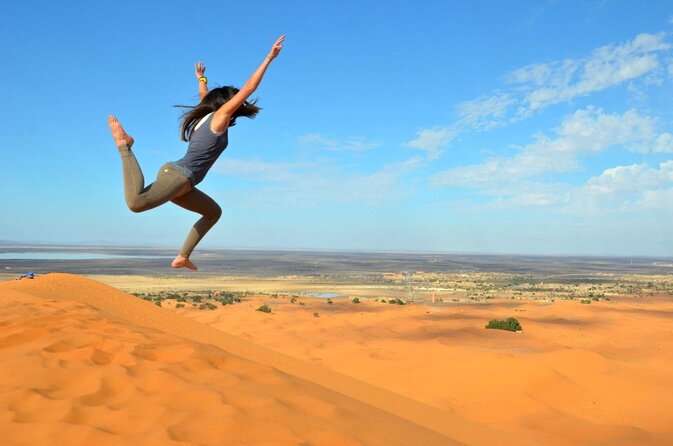
- 1h30 camel trekking plus an early sunrise wake-up for the dunes
- UNESCO sights like Volubilis and Ait Ben Haddou built into the route
- Official art historian guides in Fes and Marrakech for deeper city context
- Strong driver reputation (names like Anouar/Anour and Said show up in prior feedback)
From Casablanca’s Corniche to Rabat’s Hassan Mosque
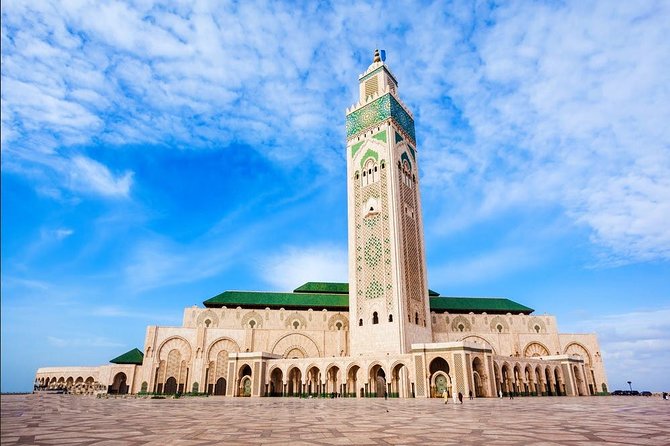
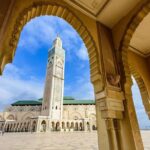
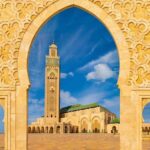
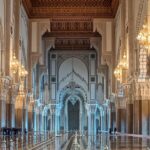
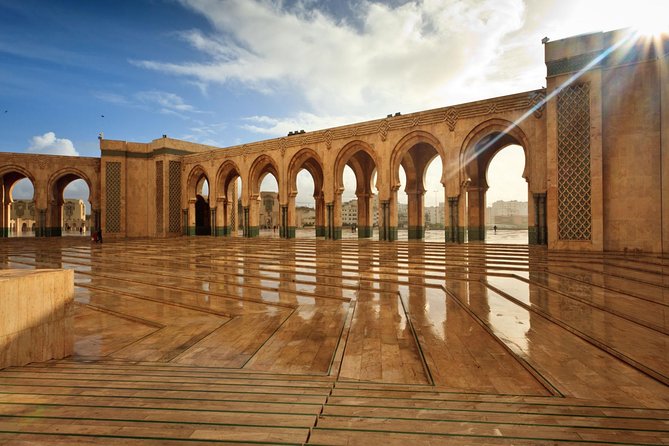
Casablanca is a smart starting point because it lands you with instant scale. If your flight arrives early, you can catch the Hassan II Mosque area and the coastal Corniche before heading to Rabat. That first taste matters. It helps you understand Morocco isn’t only medinas and deserts—there’s also ocean, skyline, and modern bustle.
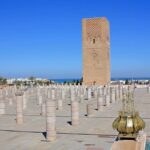
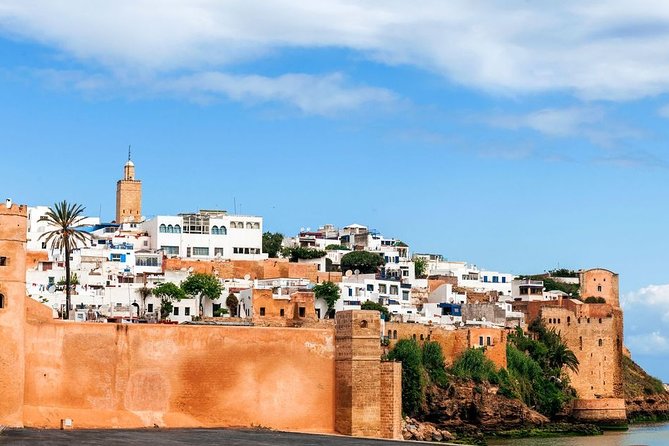
Then comes Rabat, the political center. The itinerary includes a guided visit to the Hassan Mosque in Rabat (often easier to enjoy when you’re not rushing from a long flight). After that, you’re back to a riad/hotel for the night, which is the right rhythm for a touring week: sightseeing in the day, reset at night.
What to watch: Day 1 can feel like a “soft start.” If you land later, you might miss the Casablanca add-on and just roll into Rabat. Either way, the day is designed to get you moving quickly.
A few more Casablanca tours and experiences worth a look

Meknès and Volubilis: Moulay Ismail and UNESCO mosaics
Meknès is one of those imperial cities that rewards patience. You’re not just walking streets—you’re walking the marks of power. The route includes key Meknès landmarks connected to Moulay Ismail, including the Moulay Ismail mausoleum, Hri Souani, Hdim Square, and the Bab Mansour gate. It’s the kind of stop where the details feel obvious once a guide puts them in context.
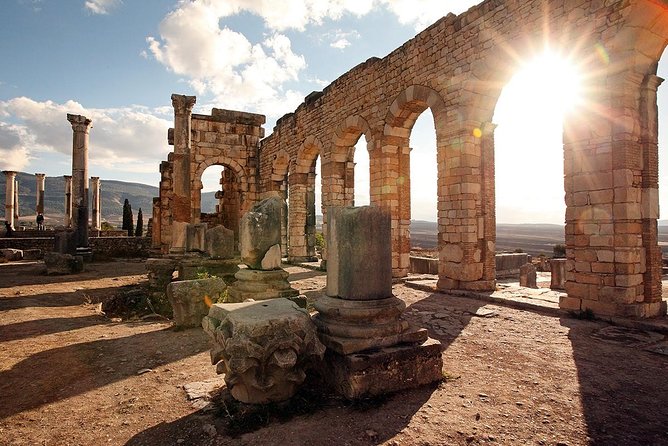
From there, you head to Volubilis, a UNESCO World Heritage site known for Roman ruins and mosaics. What makes this stop valuable is the contrast: Morocco’s imperial age and then the earlier Roman footprint—two layers of “how cities were built to last.” If you like history that you can visually verify (arches, columns, mosaics), Volubilis is a clear win.
Possible drawback: Volubilis is a lot of walking. If you’re not a big “ruins” person, you’ll still enjoy the mosaics and the overall setting, but you should expect a more physical morning.
Fes: Quaraouine University, medersas, and the old Medina feeling
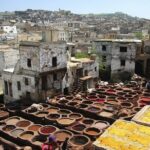
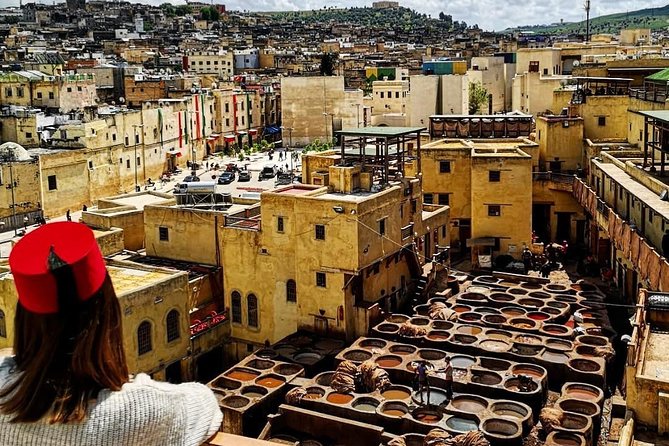
Fes is the city where Morocco starts to feel like a puzzle box—in a good way. The itinerary spends a full day in the medina with guided visits to major anchors, including Quaraouine University (often described as one of the world’s early universities), Medersa Attarine, the Kingdom Palace area, and the Ben Denane synagogue. You also get souks and historic neighborhoods, so it’s not just monuments behind ropes.
What I like about structuring Fes this way is that you don’t just “see the old city.” You get the meaning behind it—how the medina’s religious and educational life connects to the everyday market streets. You’ll also have a stop at a tiles cooperative. It’s a straightforward way to understand how the patterns you see everywhere actually get made.
The day ends with a panoramic view over the Medina of Fes. That lookout is important because it gives your brain a reference point. After hours of narrow streets, it helps you get your bearings fast.
What to watch: The medina streets are narrow and active. If you’re sensitive to crowds or prefer quieter touring, plan for slow walking and occasional pauses.
Middle Atlas to Merzouga: Ifrane, cedar forest, and the Ziz Gorges drive
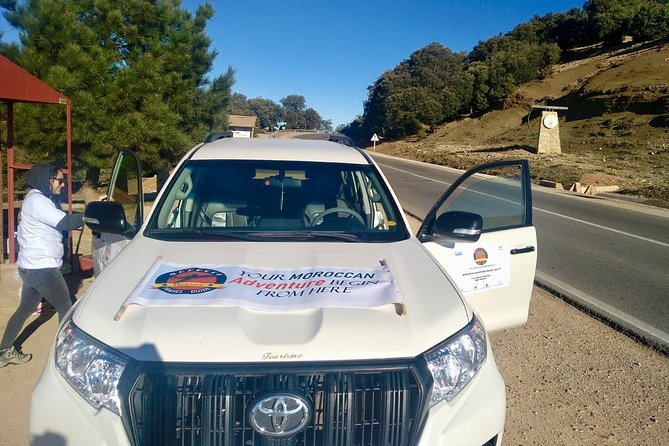
This part of the route is scenery-and-breathing-space—until it isn’t (because it still moves fast). You travel through the Middle Atlas with stops at Ifrane and Azrou. Then you get a cedar forest stop to look for Barbarian apes in their natural habitat. Even if you only see them briefly, it’s a memorable change from cities and stone.
The drive includes the Tizi Ntalghamt pass and heads toward Midelt. Later, you pass through the Ziz Gorges and watch how the terrain shifts as you get closer to the desert side. This is one of those “watch the world change” days, and it helps the desert feel earned later.
You also get tea along the way. In Merzouga, you’ll enjoy mint tea, then store your luggage in a room before switching to camels for the desert portion.
Possible drawback: Long drives plus viewpoints can turn tiring if you don’t like sitting. This tour helps with comfort via A/C and a private vehicle, but it’s still a road-heavy itinerary.
Luxury Sahara in Erg Chebbi: camel trek, mint tea, and camp nights
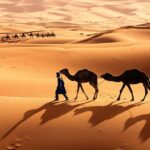
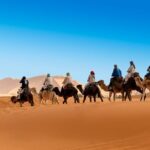
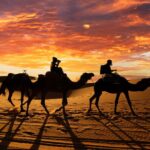
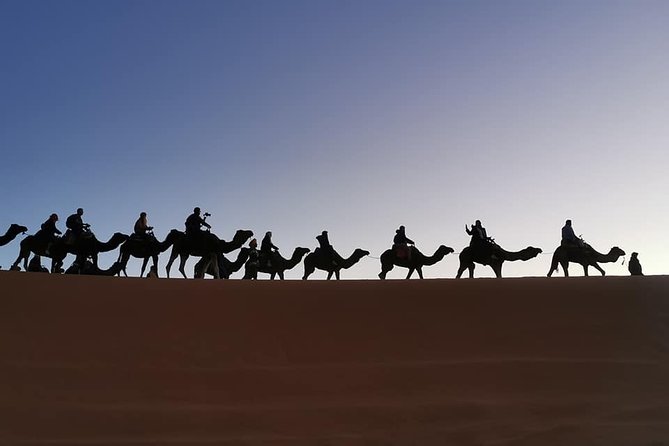
Erg Chebbi is the star here. You get a camel trekking experience lasting about 1h30, led by a camel guide. The structure is good: you don’t just “ride and leave.” You get time in the dunes and you transition into a camp night with dinner and breakfast included.
One of the strongest moments is the early wake-up for sunrise. The camel guide wakes you up early, and then you take the camel trek back after. This is the kind of moment that can reset your entire trip. Dunes don’t look like anything else, and sunrise there has a different feel than sunrise in a city.
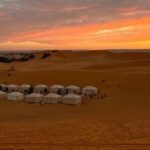
The camp itself is described as luxury, and you get breakfast and dinner included. That matters because it reduces the “logistics tax” of a desert night—you’re not hunting for food or dealing with timing stress while the light changes outside.
What to watch: You are trading stable comfort for a desert experience. Even with a luxury camp, expect basic desert rhythms: early mornings and time spent outdoors.
A few more Casablanca tours and experiences worth a look

Dades Valley and Ouarzazate: Kasbah road, roses, and Ait Ben Haddou
Leaving Merzouga, the route heads toward the Dades Valley and Ouarzazate. This section is built for photos and for the feeling of Morocco by road. The Dades Valley is described as the way of the thousand kasbahs, with frequent opportunities to stop for pictures.
You also pass through places like Kalaat Mgouna and stop in the roses valley area, then Skoura village. After that, you arrive in Ouarzazate, often called the Hollywood of Africa. The name is a simplification, but the meaning is clear: this is a location filmmakers love because the scenery is dramatic and distinct.
Lunch happens at Ait Ben Haddou kasbah, described as the largest kasbah in Morocco, and it’s a UNESCO World Heritage site. This is a major stop—stone walls, layered buildings, and that “where did people actually live?” feeling. It’s the kind of site that makes you look longer than planned.
You also have an overnight stay in Ouarzazate at a riad, with breakfast and dinner included.
Possible drawback: Kasbah days can blend together if you rush. The way this itinerary includes breaks and different valley stops helps keep it varied.
High Atlas to Marrakech: Tizi n’tichka pass, argan co-op, and red-city icons
Marrakech is where your week feels like it turns from “route” to “destination.” The day starts with breakfast, then crosses the High Atlas via the Tizi n’tichka pass at about 2260m. You get time to pause for impressive views, and that altitude change is one reason the trip feels so packed: you’re moving through climates and terrain fast.
There’s also a stop at an argan oil cooperative. This isn’t just a shopping stop in name—it’s included as a place to understand how argan oil is produced, which connects to Morocco’s local economy and craft traditions.
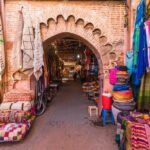
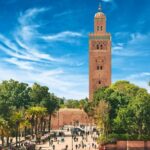
Then you arrive in Marrakech afternoon with a structured set of landmarks: Majorelle Gardens, Koutoubia Tower, Saadiens tombs, and Bahia Palace. After lunch near the square, you head into the souks for handicrafts and then have free time late afternoon.
Jamaa el-Fna is part of the experience you’ll likely reference as you walk into the center. It’s the city’s heartbeat—lively, visual, and hard to forget.
What to watch: Marrakech can be intense, especially after desert and smaller medina streets. Your free time helps. Use it to slow down, not just “fit in” more sights.
Price and logistics: what $2,000 really covers
At $2,000 per person for about 7 days, you’re paying for three things: coordination, comfort, and guided depth.
First, transportation: you get private touring by an A/C comfortable 4WD/minivan with fuel included. That removes a big headache in Morocco—moving between cities on your own is doable, but tiring and time-consuming.
Second, guides: there’s an English-speaking professional guide/driver throughout, plus official art historian guides fees included in Fes and Marrakech. That extra guidance matters most in the older parts of Morocco, where details can feel overwhelming without context.
Third, lodging and key meals: you get 4 nights in a hotel category chosen by the tour package, plus breakfast and dinner included. On top of that, you get an overnight in a luxury desert camp (with breakfast and dinner), and an overnight in a riad in Ouarzazate (with breakfast and dinner). Bottled mineral water is included during the tour.
Lunch and drinks are not included, and you handle personal expenses and travel insurance. That’s normal. Still, it’s worth planning for lunch every day you’re out touring.
My value take: For a route that links Casablanca → Rabat → Meknès → Volubilis → Fes → Middle Atlas → Merzouga desert → Ouarzazate/Ait Ben Haddou → Marrakech, the price looks like “you’re buying time and smoothness.” If you’re the kind of traveler who hates scrambling for guides and connections, the structure makes sense.
How the pace feels in a 7-day imperial-cities plus Sahara circuit
This is not a slow, meandering trip. It’s a “see the key Morocco chapters in one week” plan. You’ll move through several big cities and major scenic drives, so you’ll get variety without needing extra weeks.
The upside is you leave with a coherent story: ocean Morocco (Casablanca), capital and imperial power (Rabat and Meknès), the intellectual and craft heart (Fes), the shift into mountains and desert (Middle Atlas to Merzouga), then kasbah Morocco and cinematic scenery (Ouarzazate/Ait Ben Haddou), ending with the red-city energy (Marrakech).
The downside is fatigue risk. If you’re prone to travel crankiness after long drives, build in mental patience. Use the included dinners to reset. Also, keep your expectations realistic: you’ll see a lot, but you won’t linger for weeks in any single place.
Who this suits best:
- Couples, friends, and families who want private guiding and comfort
- People who want major sights without planning stress
- Travelers who like the desert highlight but still want imperial-city depth
What to know before you go: meals, timing, and comfort
A few practical points from the tour details:
- Pickup and transfers are included, and you’ll have hotel pickup and drop-off. That’s helpful right away, especially if you’re landing at a busy airport.
- Start point is Mohamed V Airport in Casablanca, with a listed start time of 12:00 am. In practice, your exact pickup time depends on your flight arrival and the day’s plan.
- You’ll have bottled mineral water during the tour.
- Meals included are breakfast and dinner during hotel stays and breakfast/dinner during the desert camp and Ouarzazate riad. Lunch is not included—so plan for that daily.
- It’s a private tour/activity, meaning only your group participates, which tends to make pacing and comfort easier.
- English-speaking guide/driver is included throughout, and you also get official art historian guides in Fes and Marrakech.
- Service animals are allowed (if that matters for you, you’ll want to double-check any specific needs).
On the human side, prior feedback highlights that the driver experience can make or break a trip. Names like Anouar/Anour and Said show up with strong praise for both driving and tour guiding. That’s a good sign for first-timers—navigation and timing matter a lot in Morocco.
Should you book this Casablanca to Marrakech route?
I think you should book this tour if you want Morocco in one week with a clear structure and minimal logistics stress. The strongest reason to pick it is the combination: imperial cities with serious context (including art historian support), UNESCO stops (Volubilis and Ait Ben Haddou), and a real Sahara night with camel trekking and sunrise built into the schedule.
Skip it or consider a different pace if you hate long travel days. This route is packed, and the biggest trade-off is road time. Also, if you’re someone who plans every meal precisely, remember lunch isn’t included most days.
If you’re aiming for value that feels practical—not just “cheap”—this one makes sense. You’re paying for smooth private transport, guided depth where it matters, and the desert night that’s hard to recreate on your own without serious planning.
FAQ
What cities and regions does this tour cover?
It runs from Casablanca through Rabat, Meknès, Volubilis, and Fes, then travels to the Merzouga desert area (Erg Chebbi), continues through Dades Valley and Ouarzazate (including Ait Ben Haddou), and finishes with Marrakech before returning to Casablanca.
Is this tour private, and will I have a guide?
Yes. It’s a private tour/activity, and you’ll have a professional English-speaking guide/driver throughout. It also includes official art historian guides fees in Fes and Marrakech.
What parts of the trip include meals?
Breakfast and dinner are included with the 4 nights in your chosen hotel category, and breakfast and dinner are also included during the luxury desert camp night in Merzouga and the overnight riad in Ouarzazate. Lunches and drinks are not included.
Does the tour include the airport transfers and transportation?
Airport transfer is included, plus hotel pickup and drop-off. You travel by private A/C comfortable 4WD or minivan with fuel included, and bottled mineral water is provided during the tour.
What desert experience is included?
You’ll do a camel trek lasting about 1h30. There’s also an overnight at a luxury camp in Merzouga desert, and you’ll have an early wake-up for sunrise before returning by camel the next morning.
Can I cancel for a full refund?
Yes. You can cancel up to 24 hours in advance for a full refund. If you cancel less than 24 hours before the experience start time, the amount paid is not refunded. If it’s canceled due to poor weather, you’ll be offered a different date or a full refund.