REVIEW · TANGIER
3 Days tour from Tangier to Fes & Chefchaouen
Book on Viator →Operated by Intensely Morocco · Bookable on Viator
Three days in northern Morocco hits fast. You start with sea views near Cap Spartel, then stack UNESCO sites like Volubilis and the Fes Medina, and finish in the blue streets of Chefchaouen without feeling like you’re sprinting. I especially like how the trip is built around specific places with local guidance, not just “drive-by sightseeing.”
Two standout things I like for your planning: you get a private tour (only your group), and the schedule mixes guided time with room to breathe in towns like Asilah and Chefchaouen. One possible drawback: the Chouara tannery stop in Fez involves strong smells, and the Caves of Hercules ticket is not included, so you’ll want a little extra cash for that.
In This Review
- Key highlights to expect on this Tangier to Fes & Chefchaouen tour
- Day 1: Cap Spartel, Hercules Cave, Asilah murals, and Volubilis mosaics
- Day 1 value check: what’s included (and what costs extra)
- Day 2: Fez Medina with Tanneries and Al-Qarawiyyin, then on to Chefchaouen
- Day 3: Chefchaouen guided walk plus Tetouan’s Andalusian blend
- What makes the UNESCO mix work on a 3-day schedule
- Guides, drivers, and why the pace feels easier than DIY
- Riad lodging in Fez and Chefchaouen: comfort without losing the vibe
- Budget reality: where your money goes in practice
- How I’d plan your days around the itinerary
- Who this tour fits best (and who might want something else)
- Should you book this Tangier to Fes & Chefchaouen tour?
- FAQ
- What is the duration of the tour?
- Is pickup offered for this experience?
- Which UNESCO World Heritage sites are included?
- Are entrance tickets included for each stop?
- Is this tour private?
- Can I cancel for a full refund?
Key highlights to expect on this Tangier to Fes & Chefchaouen tour
- Private guides at major sites so you spend less time guessing and more time understanding what you’re seeing
- UNESCO coverage with Volubilis and Fes Medina, plus Tetouan’s UNESCO medina area later on
- Riad time in Chefchaouen and Fez (accommodation is included), which makes the trip feel more local
- Coastal color day in Asilah with murals and whitewashed streets
- A driver who handles the hard parts, like winding roads and tricky parking in older areas
- Some paid add-ons like the Caves of Hercules, since not every admission is included
Day 1: Cap Spartel, Hercules Cave, Asilah murals, and Volubilis mosaics
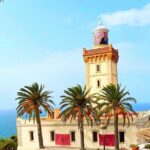
Day 1 is all about getting your bearings—and then stepping into Morocco’s older layers. You’ll start at Cap Spartel, where the Atlantic Ocean meets the Mediterranean. The setting is dramatic, and the views are an easy win if you like photos without needing a long hike.
Next is the Caves of Hercules. This stop is short, but it’s memorable: the sea-facing opening is famous for its shape association with Africa. Plan a bit of patience here, because it’s the kind of place where you’ll want a guide’s explanation more than you need time.
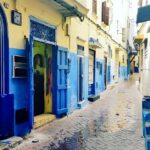
From there you head to Asilah, a town known for whitewashed buildings and lots of murals. This is where the tour slows down. You get a leisurely stroll in the medina and time for lunch at a local café. Asilah is also a good mental reset after cave time—less “must-see structure,” more wandering and people-watching.
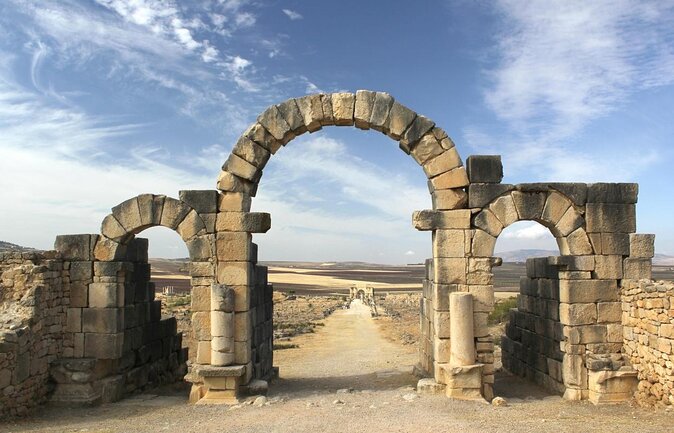
Then you move to Volubilis, the Roman ruins UNESCO protects in a big, tangible way. Here the guided visit matters: you’re looking at well-preserved mosaics and learning how this once-thriving city functioned. Volubilis also has that rare feel of “you can read the place,” because ruins are spread out enough that it doesn’t feel like you’re trapped in a single photo spot.
Practical tip: Wear shoes that can handle uneven stone. Volubilis is worth lingering, but your feet will notice the walking.
A few more Tangier tours and experiences worth a look
Day 1 value check: what’s included (and what costs extra)
Cap Spartel and Asilah have free admission on this itinerary, and Volubilis admission is included. The Caves of Hercules admission is not included, so that’s one extra line item to plan for.
I like tours that tell you upfront which sights cost money, because it keeps your spending realistic. With this one, most of your “big ticket” viewing is already covered, and you only need to handle a single notable add-on.
Day 2: Fez Medina with Tanneries and Al-Qarawiyyin, then on to Chefchaouen
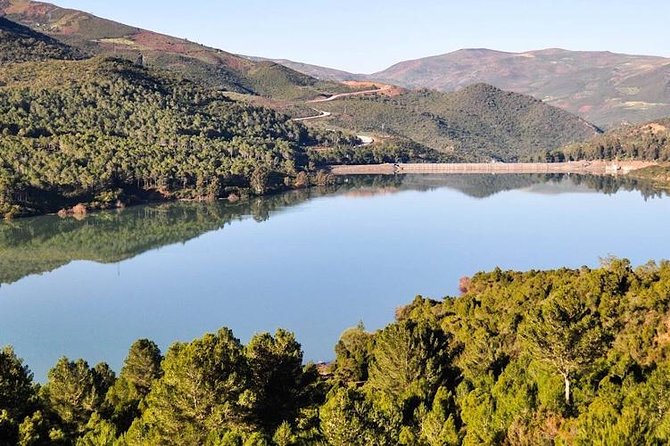
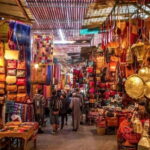
Day 2 is the heavy-hitter day. You start in Fes, where the UNESCO Medina of Fes is the main event. This isn’t just “pretty streets.” Your guide focuses on the medina’s key areas, including souks, madrasas, and historic mosques. If you’ve ever felt overwhelmed in old city centers, having a guide turns that chaos into something you can actually navigate.
Two Fez stops are especially important here:
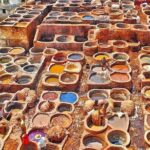
First: the Fes Tanneries at Chouara Tannery. You’ll see the traditional leather tanning process up close. The colors can be vivid, but the reality is also physical—strong smells are part of the experience. If you’re scent-sensitive, plan mentally for it and keep expectations grounded: you’re visiting an industry that works, not a theme park.
Second: Al-Qarawiyyin University, one of the oldest continuously operating universities in the world. This is where the city’s educational legacy becomes clear. You’re not only seeing buildings—you’re learning how Fez became a long-running center for learning and scholarship.
After the Fez visit, you travel to Chefchaouen. The itinerary gives a travel block of about 4 hours, and when you arrive, you check into your riad. That evening time is part of the value: Chefchaouen works best when you’re not rushing from one viewpoint to another. Instead, you get to slow down and let the town settle.
Practical tip: Medinas often mean stairs and tight lanes. A private group tour helps here because transfers are planned, and you won’t be wrestling with directions every few minutes.
Day 3: Chefchaouen guided walk plus Tetouan’s Andalusian blend
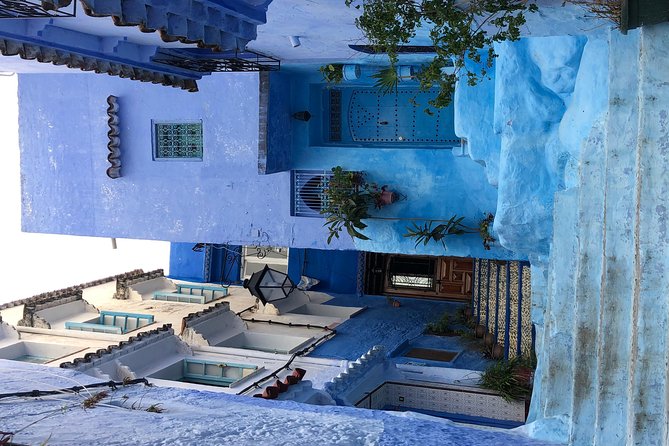
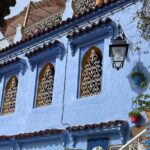
Morning in Chefchaouen is designed for first-time clarity. You’ll have a guided visit through the blue-painted streets, with about 3 hours of time to explore. The tour includes stops like the Kasbah Museum and the Grand Mosque. Even when the streets are crowded at times, a guide helps you see the town’s structure instead of only its color.
Chefchaouen is also one of those places where timing matters. Morning is calmer, and it’s easier to take in details without feeling like you’re elbow-to-elbow. You’ll appreciate the slower pace because you already had a full-on city day in Fez.
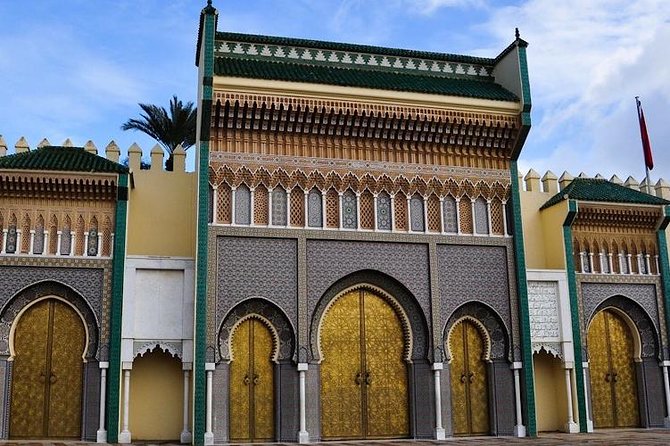
Then you head to Tetouan. The itinerary frames Tetouan as a city shaped by an Andalusian and Moroccan culture blend, reflecting the area’s earlier Spanish/Andalusian rule. You get time in the old medina, along with visits connected to the Royal Palace and the Archaeological Museum.
Tetouan is a smart move on this specific itinerary because it changes the vibe. Chefchaouen is all about blue visual identity; Tetouan gives you a cultural identity that’s more architectural and historical.
Finally, you return to Tangier to conclude the tour, with about 1 hour of extra time in Tangier depending on your departure.
What makes the UNESCO mix work on a 3-day schedule
Packing UNESCO sites into only three days can easily feel like a checklist. Here, it works better because each stop has a different “type” of impact.
- Volubilis is visual and spatial: ruins and mosaics that reward time.
- Fes Medina is sensory and human: souks, madrasas, mosques, and street navigation.
- Tetouan’s old medina area adds a regional cultural thread: Andalusian/Moorish influence.
That variety keeps the trip from going flat. You’re not only chasing famous names; you’re seeing different ways Morocco explains itself—through Roman urban remains, through medieval learning and trade, and through the northern cultural blend that shaped Tetouan.



Guides, drivers, and why the pace feels easier than DIY
A big part of the “value” here is that you’re not doing the hardest parts yourself. One review highlighted how helpful it is to avoid driving winding roads, dealing with cramped streets, and handling difficult parking. That’s not just comfort. In Morocco’s older city areas, logistics can eat the day.
You’ll also benefit from having guide expertise at key points. From the names mentioned by past participants, you might meet guides such as Aissa (known for hospitality and keeping things stress-free), Ilias (who has met guests at Tangier’s airport and handled customs smoothly), or site guides like Abdul in Chefchaouen (described as funny with great stories and a good pace). Drivers like Soufiane and Aziz are noted for being careful and for explaining things along the way.
You can’t bank on the exact same person every time, but you can expect a similar approach: local guidance where it matters most.
Riad lodging in Fez and Chefchaouen: comfort without losing the vibe
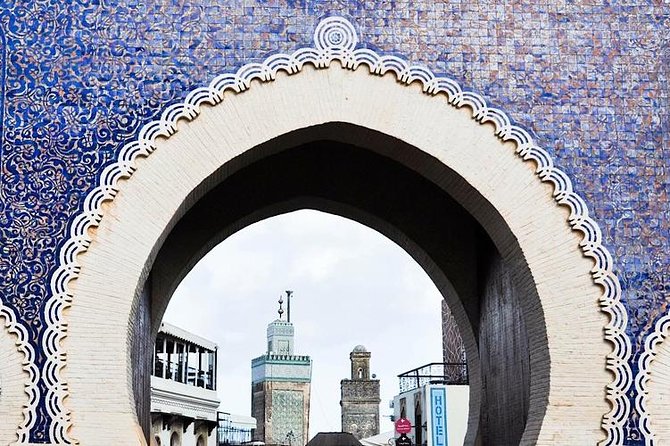
This tour includes accommodation and gives you riad time—meaning you’re sleeping somewhere with a Morocco feel rather than only a generic hotel stop. In Fez, one riad name that came up is Riad Sayeda AlHorra, described as spectacular.
I like riads on short trips because they turn the evening into something you can actually enjoy. After medina walking, you don’t want to spend your downtime looking for elevators, taxis, or late check-in answers. You want a calm base—and that’s typically what riads are built for.
Budget reality: where your money goes in practice
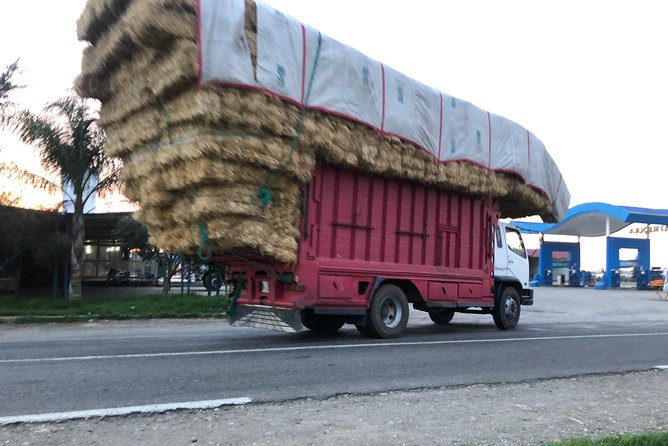
The price is listed at $666.21 per person for an about 3-day tour. That sounds straightforward, but value in Morocco depends on what’s included versus what you’ll pay anyway.
Here’s the practical way to think about it:
- Admission coverage is mixed: Volubilis is included; Cap Spartel and Asilah are free; Caves of Hercules is not included.
- Lodging is included, plus some meals (exact meal count isn’t specified, but it’s not zero).
- Transfers and guiding are included, and those are the costs people often underestimate when they try to do this themselves.
If you’re comparing against DIY, remember the “hidden taxes” in the north: fuel time, parking stress, and the fact that finding the right route inside medinas can chew up energy. With a private group tour, you’re paying to avoid those frictions.
Also note: the listing says group discounts are available. If you’re traveling with friends or family, you’ll often get the best value by booking together.
How I’d plan your days around the itinerary
This tour is paced to fit multiple cities, so your job is to be ready for movement. You’re going to do guided walks in Fez and Chefchaouen, plus ruins time at Volubilis.
Here’s how to make it easier on yourself:
- Start each day with energy: no late nights that ruin your morning pace in Chefchaouen.
- Expect medina walking: tight lanes and uneven surfaces.
- Plan for tannery smells during the Chouara stop. The process is part of the experience, so don’t treat it like an optional side show.
- Keep a little extra cash for the Caves of Hercules admission since it’s not included.
And if you’re the type who wants to linger, build in a tiny buffer whenever the tour gives “free time.” In Asilah and Chefchaouen, that free time is where the town personality comes through.
Who this tour fits best (and who might want something else)
This is a strong fit if you want a guided, private introduction to northern Morocco and you’re short on time. It’s ideal for first-time visitors who want the main UNESCO stops handled, without needing to plan the route, line up tickets, or figure out the medina rhythm on your own.
It’s also a good match if you like variety: coast-to-ruins-to-old cities-to-blue streets in one stretch.
You might want to consider alternatives if:
- You’re very sensitive to strong smells (the tannery stop is real).
- You prefer slower travel with fewer transfers and more time in just one city (some guests have wished for extra time in Chefchaouen).
Should you book this Tangier to Fes & Chefchaouen tour?
I think you should book it if your top goal is seeing a lot of northern Morocco without chaos. The private format, UNESCO lineup, and guided structure make the days feel workable, even when you’re switching cities.
My biggest advice for making the booking decision: think about how much you want Chefchaouen. The itinerary includes a guided morning there and an evening base in a riad, which is great for first-time impressions. But if blue-street wandering is your main fantasy, consider adding extra nights to Chefchaouen so the town has time to slow you down.
If you want a tight, well-guided overview that still leaves room to enjoy towns like Asilah, this is a solid choice.
FAQ
What is the duration of the tour?
The tour runs for 3 days (approx.).
Is pickup offered for this experience?
Yes, pickup is offered.
Which UNESCO World Heritage sites are included?
The itinerary includes Volubilis and the Medina of Fes. It also includes time in Tetouan’s old medina area.
Are entrance tickets included for each stop?
Admission for Volubilis is included, while Cap Spartel and Asilah are listed as free. The Caves of Hercules admission is not included.
Is this tour private?
Yes. It’s a private tour/activity, meaning only your group will participate.
Can I cancel for a full refund?
Yes. You can cancel up to 24 hours in advance for a full refund.