REVIEW · FEZ
3-Days Morocco Tour : Sahara Desert Tour from Fes to Marrakech
Book on Viator →Operated by Morocco Culture Travel · Bookable on Viator
Atlas roads lead straight to the Sahara. This fast, well-paced Fes-to-Marrakech route mixes mountain towns, cedar forests, and desert days—then lands you in Morocco’s big sights. I also like how Erg Chebbi is handled with proper desert time: sunrise, sunset, and a real camel-ride feel that doesn’t feel rushed.
The second big win for me is the “everything handled” approach: pickup, A/C van, WiFi onboard, water, and included breakfast and dinners make it easier to stay present instead of doing math all day. One possible drawback: it’s a 3-day, lots-of-road style trip, so expect early starts and long stretches in the vehicle.
In This Review
- Key highlights to look forward to
- A fast, high-drama route from Fes to Marrakech
- Day 1: Middle Atlas passes to Erg Chebbi dunes
- The desert camp and camel ride are the main event
- Day 2: Sunrise dunes, Khamlia Gnawa vibes, and Todra-to-Dades kasbah living
- Dades Gorges: “Monkey fingers” and sleeping in a kasbah
- Day 3: Ait Benhaddou and Ouarzazate film stops before Marrakech
- Marrakech evening: Jemaa el-Fna and Koutoubia Mosque
- What you actually get for your money
- Guides, support, and the small-group advantage
- Who this trip suits best (and what to watch for)
- Should you book this 3-day Fez to Marrakech Sahara tour?
- FAQ
- Where does the tour start and end?
- How long is the tour?
- What meals are included?
- Is camel trekking and sandboarding included?
- Is bottled water and tea/coffee included?
- Is the desert tent air-conditioned?
- Is free cancellation available?
Key highlights to look forward to
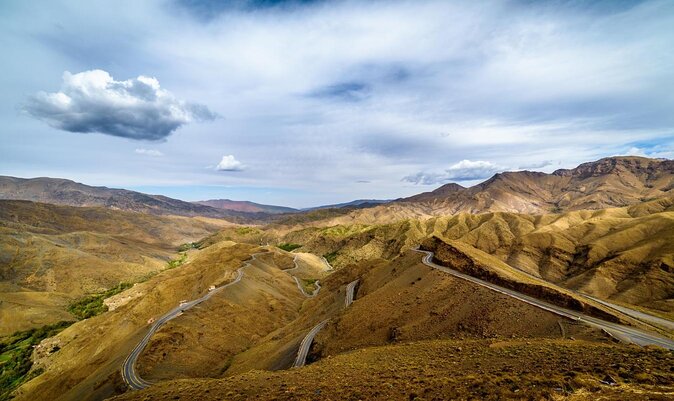
- Atlas passes with real mountain scenery around Ifrane, the Col du Zad, and the High Atlas
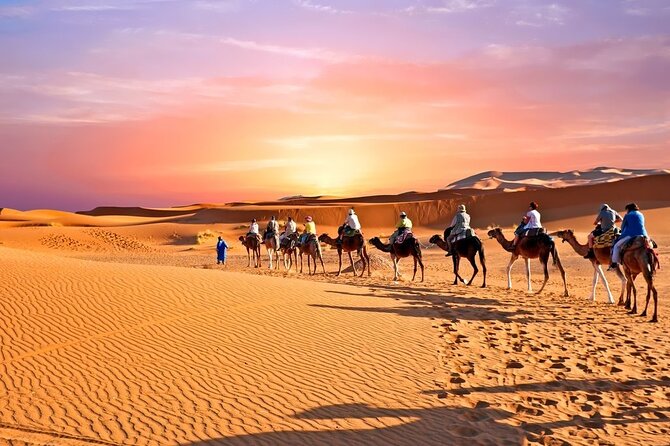
- Erg Chebbi time that actually feels like desert: sunrise, sandboarding, and sunset by camel
- Black Desert + Khamlia village for Saharan village life and Gnawa music energy
- Todra Gorge and the Atlas kasbah vibe including a night in a kasbah-style stay
- Ait Benhaddou UNESCO stop plus a film-leaning stop in Ouarzazate
- Small-group feel (max 16) with 24/7 support and a focused guide-driver team
A fast, high-drama route from Fes to Marrakech
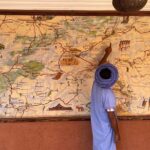
This tour is built for people who want the headline Morocco experiences without trying to stitch together separate taxis and bookings. You start in Fes, head south through the Middle Atlas, then you cross into desert country around Erfoud/Erg Chebbi. After that, you work your way west through canyon country and kasbah valleys, ending in Marrakech.
The best part isn’t any single stop—it’s the rhythm of changing terrain. Cedar forests and monkey sightings in the Middle Atlas give way to palm-filled oases and fortified ksars. Then it turns into dune scale that feels almost unreal, followed by the rock walls of Todra Gorge. By the final day, you’re in mud-brick UNESCO territory and then descending back toward city life in Marrakech.
You can also read our reviews of more tours and experiences in Fez.

Day 1: Middle Atlas passes to Erg Chebbi dunes
Day one is your “from green to sand” transition. You’ll start early and drive south toward Merzouga, climbing through passes like Col du Zad and seeing the small town of Ifrane, the cedar forests of the Middle Atlas, and chances to spot the Barbary macaques that live around this region.
A practical detail I like: you get a lunch stop in Midelt (often called the apple city). That matters because driving days are easier when you don’t have to hunt for food on your own. You also pass over Tizi n’Talremt, then into the Ziz Valley, which is famous for palm clusters and hidden oases. Along the road, you’ll spot ksars, fortified houses built to protect valuable wares—think gold, salt, and spices.
Then comes the desert reveal. You continue toward Erg Chebbi, a vast field of dunes where the sand never really stops moving thanks to changing wind. This is where the tour shifts from sightseeing mode to “settle in” mode.
The desert camp and camel ride are the main event
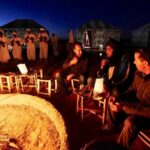
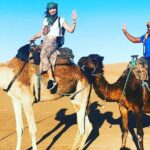
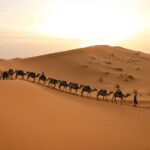
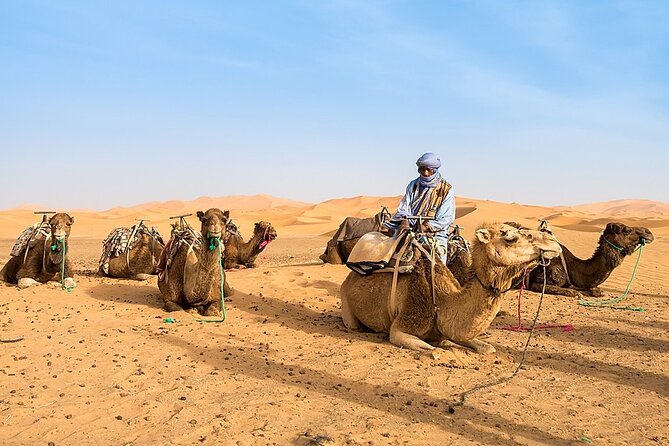
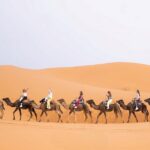
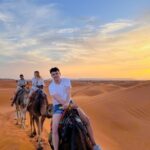
When you reach your camp, you’ll do a camel trek geared for the sunset. The ride is short enough to feel comfortable for first-timers, but it still gives you that classic desert feeling: open sky, big orange light, and silence that’s hard to find back home. You’ll then return for dinner around the camp setup, with live music and dancing under the stars.
One key reality check: the tour’s luxury private nomadic-style tent is described as not equipped with AC. If you’re going in winter, plan for chilly evenings and a cooler night than you might expect.
Day 2: Sunrise dunes, Khamlia Gnawa vibes, and Todra-to-Dades kasbah living
Day two starts with an early push to catch the desert at its most photogenic: you climb a nearby sand dune for sunrise. After that, you’ll get sandboarding. That’s one of the most fun “active” parts of the trip, and it’s included, so you’re not paying extra once you’re already in the dunes.
Then you switch from sunrise mood to village life. You head through the Black Desert area toward Khamlia, a Saharan village known for Gnawa Music vibes. You’ll have a chance to see how community life looks in the desert edge rather than only experiencing the dunes as a backdrop.
From there, the tour moves toward dramatic geology. You pass through Rissani (including a market-town stop area). Then you continue to Tinerhir and the Todra Gorge, where the cliffs rise sharply and the Todra River area is cool enough to pause and reset. You get time to explore the gorge and relax near the shallow river.
Dades Gorges: “Monkey fingers” and sleeping in a kasbah
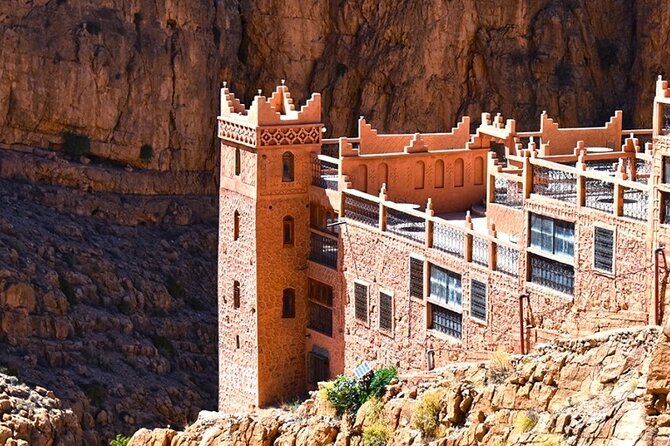
The day continues into the Dades Valley area, known for kasbah silhouettes and the rocky formations often nicknamed monkey fingers—layers of rock that look almost engineered by nature. You also travel through the Valley of a Thousand Kasbahs, where some forts are in disrepair, but families still live in them, which is a big part of what makes the scenery feel real rather than staged.
You’ll have dinner with a view, and you’ll sleep in a kasbah-style stay for that night. For many people, this is the part that makes the trip feel less like a drive-through and more like an overnight in the Moroccan south.


Day 3: Ait Benhaddou and Ouarzazate film stops before Marrakech
Day three is your historic Morocco sweep, with a stop that hits the brain and the camera.
First, you head toward Kelâat M’Gouna, known for its Roses’ Festival. Even if you’re not there during festival dates, the region is recognized for heavily cultivated rose farmland, so you’ll understand why the area gets attention.
Then you go to Ouarzazate, often called a gateway to the Sahara and known for movie production. You’ll visit the Taourirt Kasbah, built in the 19th century and tied to the el Glaoui family. After that, you’ll get a studio tour and included tickets to the studio cinema, which helps you see how desert settings became film sets.
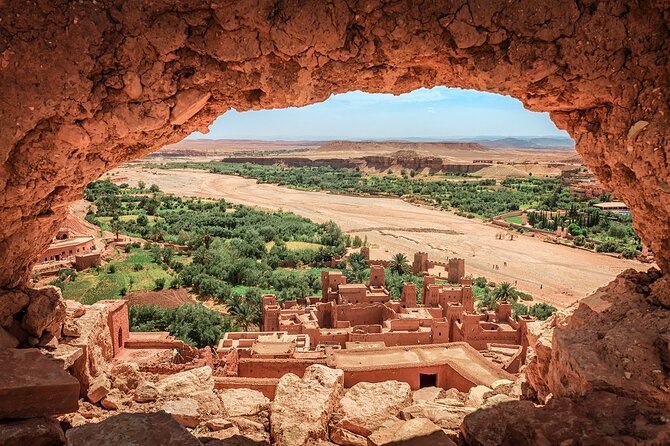
Next is the UNESCO highlight: Aït Benhaddou, a mud-brick city with roots in the 11th century and a key position on trans-Saharan trade routes. This is one of those places where narrow streets and passageways make the scale click fast. You’ll have time to walk the old town and understand why it’s still filmed and still photogenic.
Finally, you cross back over mountain road country via Tizi n Tichka for big views near the top, then descend toward Marrakech.
Marrakech evening: Jemaa el-Fna and Koutoubia Mosque
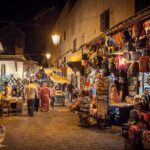
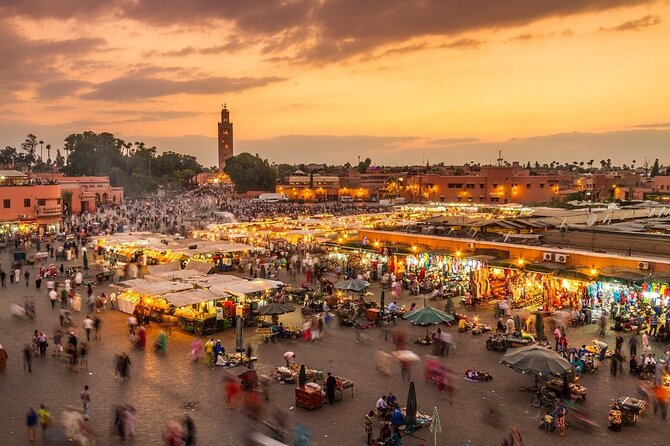
By the time you reach Marrakech, the tour doesn’t try to schedule a full second-day city marathon. You settle into your hotel or riad area, then it’s time to orient yourself around Jemaa el-Fna—musicians, performers, food stalls, and all the street energy.
You’ll also get time to visit the Koutoubia Mosque area, including its famous minaret and the gardens connected to it. It’s a good “last-day anchor” before you head into the streets on your own.
What you actually get for your money
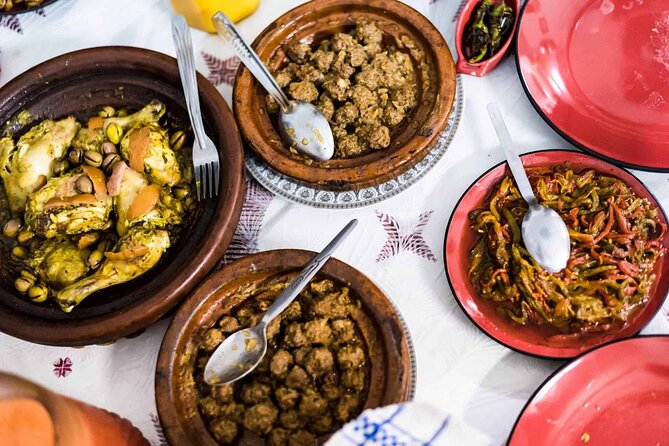
At $500 per person for about 3 days, the value depends on what you’d otherwise have to pay for separately. This price bundle includes:
- Air-conditioned vehicle and WiFi onboard
- Pickup in Fez and drop-off in Marrakech
- Daily bottled water and coffee/tea on the road
- Camel trekking in the Sahara and sandboarding
- Breakfast (2) and dinner (2) (lunch is not included)
- Entrance fees for historic monuments during guided tours
- Studio cinema tickets in Ouarzazate
- Luggage handling and 24/7 care/support
- No hidden fees (as advertised)
Where your wallet will feel it: lunch each day is not included, and drinks beyond the tea/coffee/water aren’t covered. If you like ordering drinks or snacking constantly, you’ll want to budget for it.
Where you save time: you don’t have to coordinate transfers between remote towns or line up separate desert night bookings. In this part of Morocco, time lost to planning can be more painful than money.
Guides, support, and the small-group advantage
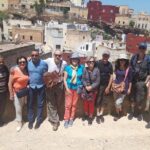
The tour is capped at 16 travelers, which matters because the desert and kasbah days can otherwise feel like you’re part of a moving crowd instead of a guided experience. You’re also not left alone. The support is described as 24/7, and there’s a built-in care structure.
The reviews attached to this company repeatedly mention friendly, attentive help during planning and on the road. Names that show up include Rachid in the planning stage, with Meryem also referenced in early email contact. On the ground, guides and drivers named Abdellah, Moha, and Abdul come up in guest accounts. Even if your guide is someone else, the pattern is clear: you’ll be dealing with people who know the route and help you get your questions answered.
Who this trip suits best (and what to watch for)
This tour fits best if you want:
- A structured way to see Fes, the desert, and Marrakech in a short window
- Included activities like camel trekking and sandboarding
- A mix of nature stops (cedars, gorges, dunes) and big cultural sights (Aït Benhaddou, Koutoubia)
- A group size that’s not huge, plus pickup/drop-off support
It’s not the best match if you want slow travel or long free afternoons. The schedule is designed around road distance. You’ll be comfortable only if you’re okay with a lot of time in the vehicle and early starts.
Also, plan for temperature swings. Desert nights can feel cold fast, especially in cooler seasons, and the tent has no AC.
Should you book this 3-day Fez to Marrakech Sahara tour?
I’d book it if your priority is the classic Morocco trio—Atlas mountains + Erg Chebbi dunes + Aït Benhaddou + Marrakech—without the headache of assembling it all yourself. The included desert activities and the included monument access help justify the price, and the small-group limit keeps the experience from turning into a zoo.
I’d hesitate if you hate car time or want to control every detail of where you stop for lunch and drinks. Here, lunch is on you, and the driving days are part of the deal.
If you do book, pack layers for mornings and desert nights, and treat lunch as your chance to slow down rather than rush. That one habit will make the whole trip feel easier.
FAQ
Where does the tour start and end?
It starts with pickup in Fez, and it ends with drop-off in Marrakech.
How long is the tour?
It runs for 3 days approximately.
What meals are included?
Breakfast is included on two mornings, and dinner is included on two evenings. Lunch is not included each day.
Is camel trekking and sandboarding included?
Yes. Camel trekking in the Sahara and the sandboarding experience are included.
Is bottled water and tea/coffee included?
Yes. Bottled water is provided each day in the road, and coffee and/or tea is also offered each day.
Is the desert tent air-conditioned?
No. The luxury private nomadic-style tent is described as not equipped with AC.
Is free cancellation available?
Yes. You can cancel up to 24 hours in advance for a full refund, and the tour can also be rescheduled or refunded if it’s canceled due to poor weather.