REVIEW · FEZ
2 days tour from marrakech to merzouga
Book on Viator →Operated by Fez Day Tours · Bookable on Viator
Stargazing in the Sahara feels unreal. On this private 2-day Fes-to-Marrakech trip, you get a camel trek in Merzouga and then sleep in a desert tent under a sky packed with stars. It’s one of those Morocco plans where the scenery changes so fast it feels like you’re flipping pages.
My favorite part is how well the timing works: you do a camel ride and camp first, then spend day two seeing classic stops like Todra Gorge and Ait Ben Haddou. The trade-off is that it’s a long route, and you start early at 7:30 am. If you hate being in a car for stretches, this may test your patience.
Pickup is simple: your driver meets you at your hotel/riad in Fes. And if your driver is the kind people mention by name—like Youssef or Mohammed—you’ll likely get steady, organized help with stops and practical pacing through the day’s driving.
In This Review
- Key highlights before you commit
- The Fes-to-Marrakech Desert Plan in Two Days
- Pickup in Fes and the Ifran stop that resets your mood
- Azrou, Midlet, and the Ziz Valley drive: scenery breaks you actually remember
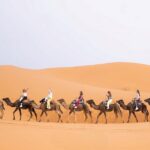
- Merzouga camel trek: the part that makes the whole trip feel worth it
- Sleeping in a desert tent camp: stars are the main event
- Day two at breakfast: transitioning from dunes to landmarks
- Rissani and Todra Gorge: the road’s dramatic middle stretch
- Roses Valley and Ouarzazate: using the route to see Morocco’s variety
- Ait Ben Haddou: UNESCO, the Glaoui family, and real movie-set vibes
- The High Atlas crossing and the final ride into Marrakesh
- Price and logistics: is $1,177.56 per person good value?
- Who should book this 2-day desert safari (and who should pause)
- Should you book Fez Day Tours for this trip?
- FAQ
- What time does the tour start in Fes?
- Is this a private tour or will I share with other people?
- Does the itinerary include a camel ride?
- Do you sleep in a tent in the desert?
- Where do you go on day two after Merzouga?
- How long is the tour?
- Where does pickup happen?
- What happens if weather is poor?
- What is the cancellation window?
Key highlights before you commit
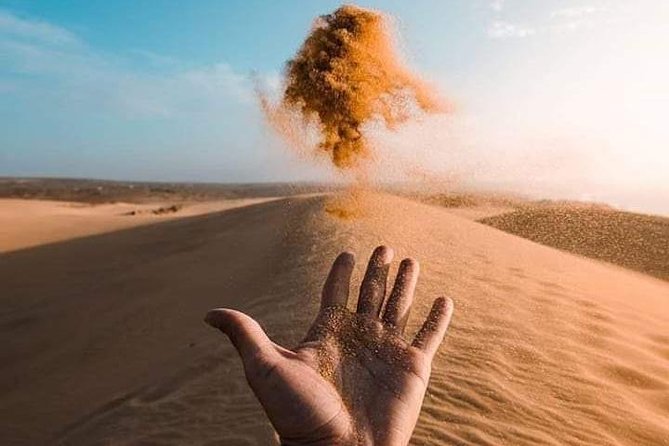
- Camel trek in Merzouga dunes with an overnight in a desert tent camp
- Early 7:30 am departure from your Fes riad/hotel for maximum daylight use
- Scenic stops along the way including Ifran, Azrou, Midlet, and the Ziz Valley route
- Day-two highlights: Rissani, Todra Gorge, Roses Valley, and Ouarzazate
- UNESCO Ait Ben Haddou tied to the Glaoui family, with strong movie-set energy
The Fes-to-Marrakech Desert Plan in Two Days
A good desert trip has two jobs. First, it gets you far enough into the Sahara that the night sky is worth the effort. Second, it still leaves you time to see real Moroccan landmarks instead of just “driving to sand and back.”
This route does that. You spend day one getting to Merzouga, then you do the camel trek and camp night. Day two is about moving through famous stops and reaching Marrakesh by the afternoon—so you get a full Morocco taste without needing a whole week.
The private setup matters here. You’re not sharing the vehicle with strangers, and your timing is less rigid. That’s especially nice when the day includes long stretches and photo breaks.
A few more Fez tours and experiences worth a look


Pickup in Fes and the Ifran stop that resets your mood
You start at 7:30 am, with pickup from your hotel or riad in Fes. Then the journey turns from city energy into mountain-country roads, with Berber villages along the way.
One stop that really shapes the day is Ifran, described as Moroccan Switzerland—an oasis of freshness and greenery in the Middle Atlas mountains. Even if you don’t go deep on sightseeing, it’s a mental reset. After the bustle of Fes, the change of air and scenery makes the rest of the drive feel more like a trip than a transfer.
Practical tip: this is where your “day rhythm” starts. If you can, plan to be ready for some early pacing—snacks, water, and a light layer for temperature swings can make the next hours easier.
Azrou, Midlet, and the Ziz Valley drive: scenery breaks you actually remember
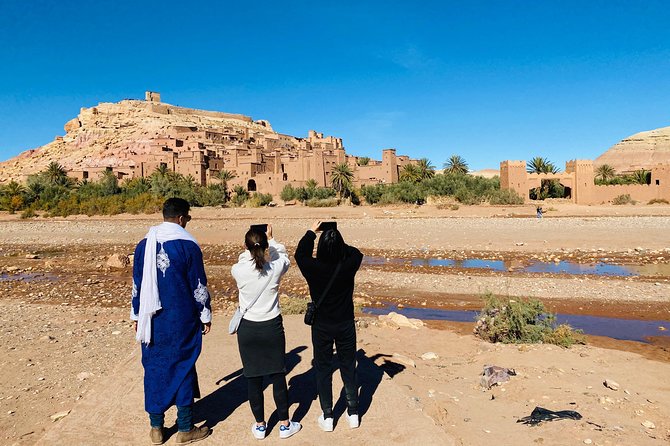
After Ifran, the route continues through named stop areas like Azrou and Midlet, then toward Ziz Valley before reaching the Merzouga area. The point of these pauses isn’t just stretching legs—it’s watching how Morocco changes as altitude drops and the environment shifts.
You’ll get those classic moments where the road curves and suddenly the terrain feels broader. That’s why this kind of day-by-day route is popular: you don’t wake up in a desert in one dramatic step. You feel the transition.
This is also where your guide’s driving style counts. In the examples people share, drivers like Youssef are described as organized, accommodating, and attentive to what the group needs while moving through a very long day on the road.
Merzouga camel trek: the part that makes the whole trip feel worth it
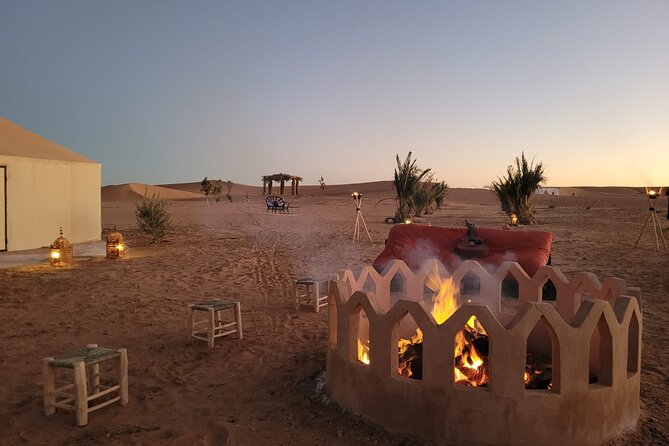
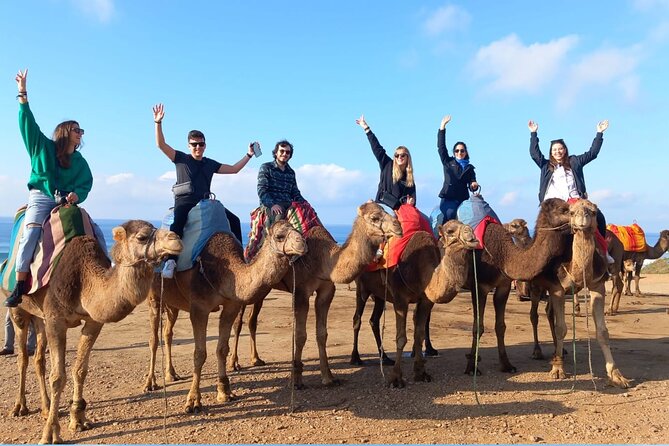
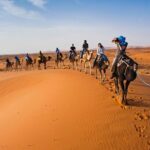
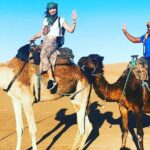
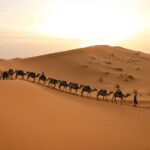
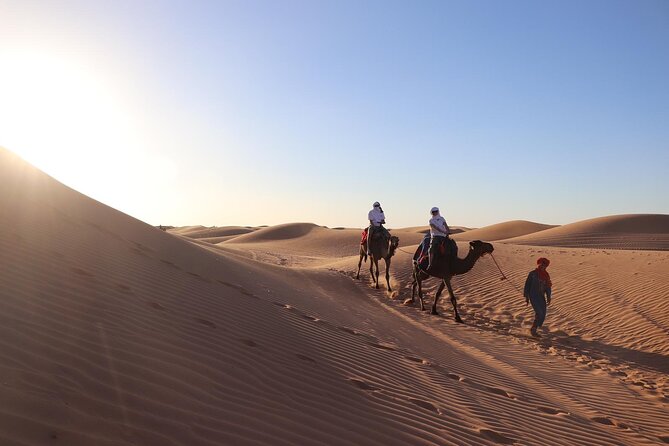
Merzouga is where the trip becomes unmistakably desert. After you reach the area, you switch from vehicle travel to a camel trek experience.
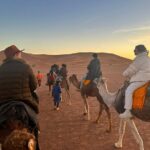
What you’ll care about most is the feeling, not the mechanics. The camel ride is a slower pace that lets you take in dune shapes and the way light changes over sand. It’s also the moment when Morocco stops looking like a road trip and starts looking like a destination.
People specifically highlight things like sunset views from the camel ride and the simple fact that the ride is genuinely enjoyable rather than a rushed photo stop. If you want your desert time to feel like time—real time—this is the centerpiece.
Clue you picked the right itinerary: once you do the camel trek, the overnight camp hits harder. You’re already in the mood for it.
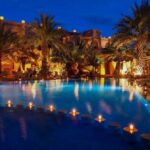
Sleeping in a desert tent camp: stars are the main event
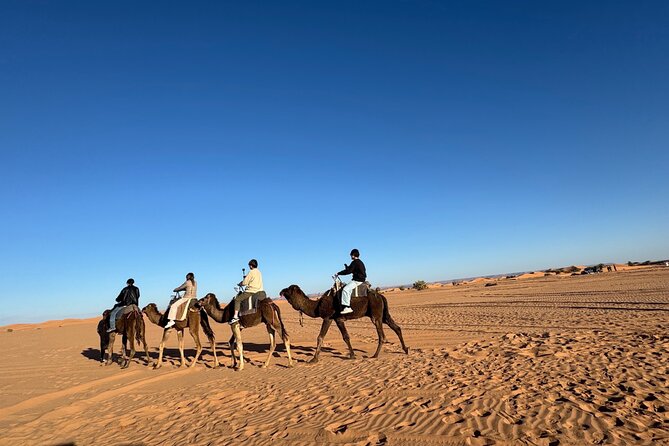
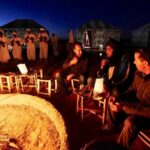
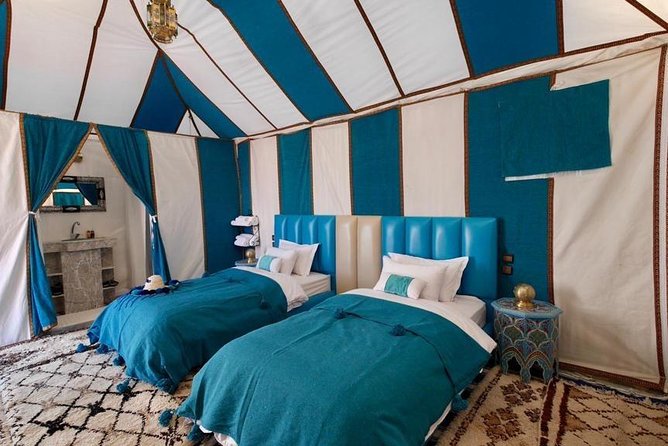
After the camel ride, you camp overnight in a tent. This is the other defining feature of the tour: not just sleeping somewhere in the desert, but having a night focused on the scale of the sky.
The big payoff is the star-filled atmosphere. When there’s less light around, the view can feel shockingly clear. Even if you’re not a serious astronomy person, it’s the sort of night you remember the next morning—because the desert air and darkness have a way of sticking in your memory.
What to consider: tent nights can be different from hotel nights. You should expect a more basic setup and plan to be comfortable with that. If you tend to get cold easily, bring layers so you’re not trying to “willpower” your way through the night.
Also, check the comfort details when booking. The provided info confirms tent sleeping and the desert atmosphere, but it doesn’t list bedding or bathroom setup specifics. A quick question to the provider can save you from surprises.

Day two at breakfast: transitioning from dunes to landmarks
Day two begins after breakfast in the desert camp area. Then the itinerary moves into a classic Morocco route through desert-edge towns and famous scenic stops: Rissani, Todra Gorge, Roses Valley, and Ouarzazate, before reaching Marrakesh at the end of the afternoon.
This day is different in tone. You’re no longer chasing sand for a sunset moment. Instead, you’re collecting landmark stops and viewpoints while your driver keeps the timing smooth enough to reach Marrakesh without feeling trapped in the schedule.
If you like practical travel days—ones that feel like a guided route rather than a free-for-all—this second day fits. You know what’s next, and you get brief chances to look around at meaningful places.
Rissani and Todra Gorge: the road’s dramatic middle stretch
Rissani is the first named stop on day two. Even with limited time, it’s the kind of pause that adds texture to the journey—more than just a gas-and-go break.
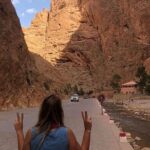
Then comes Todra Gorge, one of the most photo-friendly portions of this kind of itinerary. You’ll see why gorges draw people here: narrow rock walls and the feeling of being in a natural cut through the terrain. It’s also a great time to slow down for a bit, stretch your legs, and take in how sharply the scenery can change within a short drive.
One consideration: this is still a 2-day plan, so you’ll have less time at each stop than you would if you traveled slower. If you like long, unstructured hanging around, you might prefer a longer itinerary. But if you want a balanced hit of highlights, the pace works.
Roses Valley and Ouarzazate: using the route to see Morocco’s variety
After Todra Gorge, the itinerary includes Roses Valley and Ouarzazate. These stops help the day avoid turning into “just drive, then drive again.” You get variety: different textures of land, different town energy, and different photo moments.
Even when you don’t spend hours in one place, the named stops help you feel like you’re moving through regions instead of skipping across them. It’s part of why this itinerary is popular for first-time Morocco planning.
For you, the value is clarity. You don’t need to build the route yourself. A driver handles the sequence, and you get to focus on the views and the on-the-ground moments.
Ait Ben Haddou: UNESCO, the Glaoui family, and real movie-set vibes
The day’s biggest “wow” stop is Ait Ben Haddou Kasbah, described as belonging to the Glaoui family—known as the Pashas of Marrakesh. It’s also listed as a UNESCO World Heritage site and is well-known as a backdrop for many Hollywood blockbusters.
That combination is powerful because it tells you what you’re looking at from two angles. You get the cultural weight of a UNESCO site, and you also get the familiar feeling of seeing something that’s appeared on screen for dramatic scenes. Even if you’ve never studied Moroccan architecture, it’s easy to understand why filmmakers keep returning to this setting.
Timing helps too. The route includes lunch stops and time for photographs on the way to Marrakesh, so you’re not just dropping by and sprinting back into the car.
The High Atlas crossing and the final ride into Marrakesh
After Ait Ben Haddou, you head across the High Atlas Mountains, with mention of spectacular Jurassic geography. That’s another moment where the road feels like it’s doing something—working through big terrain, with dramatic views along the way.
This is also where your driver’s patience helps. In examples shared by people who did this route with guides like Mohammed or Moa, there’s a recurring theme: the driving is careful, and the stops are timed in a way that makes photo moments easier rather than chaotic.
You reach Marrakesh in the end of the afternoon. That’s an important detail for planning your next steps. If you have an evening commitment, plan it with a little buffer. Long days like this can run right up to the finish line.
Price and logistics: is $1,177.56 per person good value?
At $1,177.56 per person, this isn’t a budget add-on. The value comes from bundling several things that usually take effort to arrange separately.
You’re paying for:
- Private transport from Fes to the desert and then onward to Marrakesh
- A camel trek experience in Merzouga
- Overnight tent camping in the desert
- Guided routing through multiple named highlights (including UNESCO Ait Ben Haddou)
What’s not fully spelled out in the information you shared is the exact inclusion list beyond those core features. When you contact the provider, I’d confirm whether meals are included and what’s covered during the camp night. (It’s a quick question, and it helps you compare fairly against other desert tours.)
Also, the price makes sense if you value your time. You avoid the stress of coordinating long-distance transport while trying to line up the desert part of Morocco. For many people, that peace of mind is worth a lot.
If you’re traveling solo and want private service, this kind of price can feel more reasonable. If you’re cost-focused, compare against group tours and shorter or longer versions of the itinerary. But if you want camel + tent night + a highlight route in two days, this one is built for that.
Who should book this 2-day desert safari (and who should pause)
This tour is a strong fit if you want:
- A private Fes-to-Marrakesh route with a desert centerpiece
- Camel time in Merzouga, not just a vehicle drive-by
- A night camping in a tent with star views
- A fast but structured second day with landmark stops like Todra Gorge and Ait Ben Haddou
It’s less ideal if:
- You dislike long driving days. The itinerary is packed, and the early start matters.
- You need lots of free time at each stop. This is a highlights-and-go plan.
One more thing: the experience requires good weather. If conditions aren’t ideal, there’s flexibility offered (either another date or a full refund), so don’t book it as a moveable piece of your trip unless your schedule can shift a bit.
Should you book Fez Day Tours for this trip?
If your dream Morocco trip includes Merzouga camel trek, a desert tent night, and then a structured day of big-name stops toward Marrakesh, this is a smart booking. The private format keeps the experience feeling personal, and the route design does a good job of turning two days into something bigger than a transfer.
My advice: book it if you can handle early mornings and long road hours. You’ll trade some rest for real desert time, and the night sky + camel ride are the kind of memories that usually justify that trade.
If you’re the type who needs maximum comfort and minimal driving, consider a longer desert itinerary or a different pace. But for a focused two-day Morocco hit, this one has the right ingredients.
FAQ
What time does the tour start in Fes?
The start time is 7:30 am.
Is this a private tour or will I share with other people?
It’s private, so only your group participates.
Does the itinerary include a camel ride?
Yes. The tour includes a camel trek in Merzouga.
Do you sleep in a tent in the desert?
Yes. You camp overnight in a tent during the desert portion of the tour.
Where do you go on day two after Merzouga?
Day two includes stops in Rissani, Todra Gorge, Roses Valley, and Ouarzazate, and you reach Marrakesh at the end of the afternoon.
How long is the tour?
The duration is approximately 2 days.
Where does pickup happen?
Your driver meets you at your hotel/riad in Fes city.
What happens if weather is poor?
This experience requires good weather. If it’s canceled due to poor weather, you’ll be offered a different date or a full refund.
What is the cancellation window?
Free cancellation is available up to 24 hours in advance of the start time for a full refund.