REVIEW · MARRAKECH
2 Days 1 Night Hike Mount Toubkal Tour
Book on Viator →Operated by Toubkal Hiking · Bookable on Viator
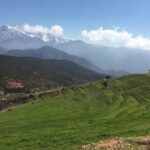
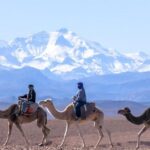
Most people come to Marrakesh for souks. This hike adds High Atlas altitude to the mix. You drive from the city to Imlil, trek toward Refuge du Toubkal (around 3,200m), then try for the summit of Mount Toubkal with big views.
What I like most is the human part: you’re led by an English-speaking Berber mountain guide, and the guides here get praised for pacing you with patience (Mohamed shows up in multiple accounts). I also like the support built into the schedule—an overnight hut stay plus proper meals, not a chaotic pack-and-pray situation.
One consideration: this is tough, cold if you’re going in winter, and you start early (breakfast at 4:30am). You also need to bring your own mountain equipment, and the whole thing depends on having good weather.
In This Review
- Key reasons this Mount Toubkal hike works
- From Marrakesh to Imlil: the easy start that matters
- Day 1: Imlil to Toubkal base camp and Refuge du Toubkal at 3,200m
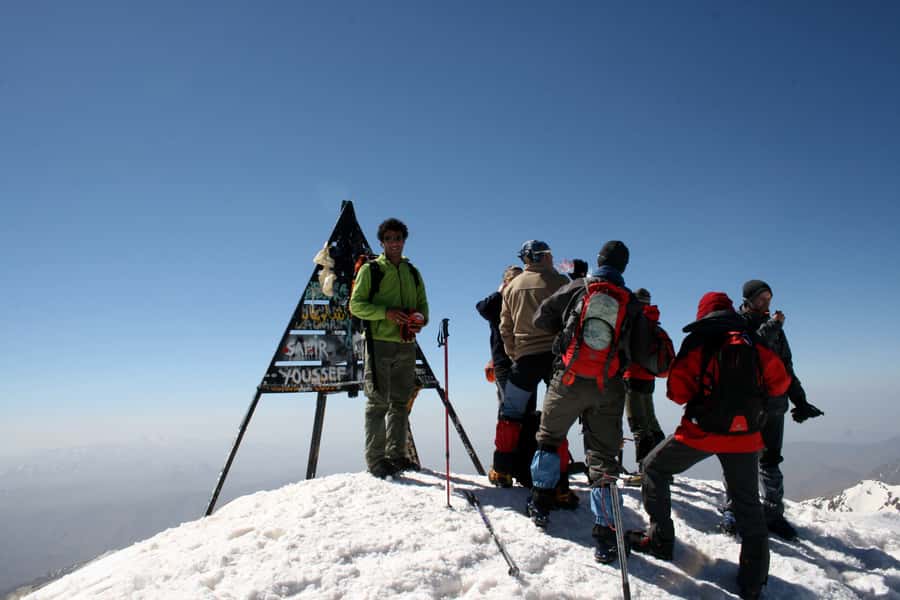
- The Day 2 summit push: 4:30am, a 3-hour climb, and big views
- Why this route feels manageable even when it’s still hard
- Guide leadership: Mohamed, Radouane, and how it changes your day
- Timing, pace, and gear: your prep list for success
- Price and value: what $162.84 buys you on Toubkal
- Who this trek is best for
- Should you book the 2-day Mount Toubkal hike from Marrakesh?
- FAQ
- What time does the tour start, and is pickup included?
- How long is the Day 1 hike?
- When do you start the summit attempt on Day 2?
- What’s included for meals?
- Do I need to bring mountain equipment?
- How big is the group?
Key reasons this Mount Toubkal hike works
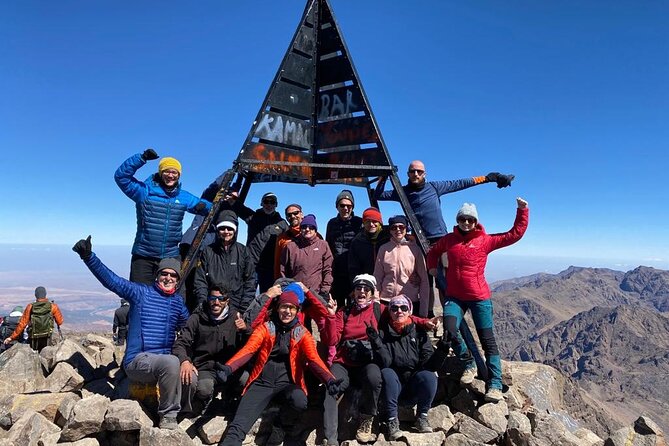
- Small group size (max 15) helps keep the pace manageable on steep sections.
- English-speaking Berber guides make a big difference when the trail turns technical.
- Refuge du Toubkal overnight means you’re not guessing where you’ll sleep at altitude.
- 4:30am breakfast and a short summit window gives you a real shot at clear views.
- All meals during the trek remove a lot of stress (2 lunches, 1 dinner, 1 breakfast).
- Transportation from your Marrakesh accommodation saves you from extra logistics headaches.
From Marrakesh to Imlil: the easy start that matters
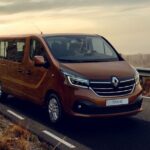
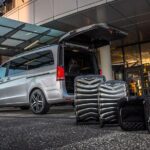
The day begins with pickup and round-trip transport from your Marrakesh accommodation, with an 8:30am start time. You’re not wrestling buses or transfers while your legs are already thinking about hills. For $162.84, that included transport is part of what makes the trip feel like a “complete package,” not just a hike with extra homework.
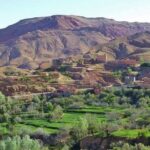
The drive takes about 1 hour 30 minutes to Imlil, the usual launch point for Mount Toubkal treks. Along the way, you’ll feel the air cool and the mood shift from city noise to High Atlas quiet. It’s a good ramp-up day, because Day 1 is the build, not the peak.
You can also read our reviews of more evening experiences in Marrakech
Day 1: Imlil to Toubkal base camp and Refuge du Toubkal at 3,200m
Day 1 is a 5-hour hike that climbs from Imlil toward the Toubkal base camp area. You’ll stop for lunch during the hike, then continue to an overnight mountain hut area at about 3,207m, with dinner and breakfast included. That kind of structure is valuable at altitude: you eat when you need energy, not when you can find food.
The overnight is the key “breathing space” moment. The hut stay at Refuge du Toubkal (around the 3,200m mark) gives you time to settle before the summit push. You’re still at high altitude, so you’ll want to take it easy in the hours after you arrive—no hero mode, just hydrate and rest.
From a practical standpoint, this also helps you handle the mental part of altitude. If you’ve never hiked at elevation before, the first night can feel like an odd mix of tiredness and awareness. Having meals taken care of and a guide calling the shots keeps the whole thing calmer.
The Day 2 summit push: 4:30am, a 3-hour climb, and big views
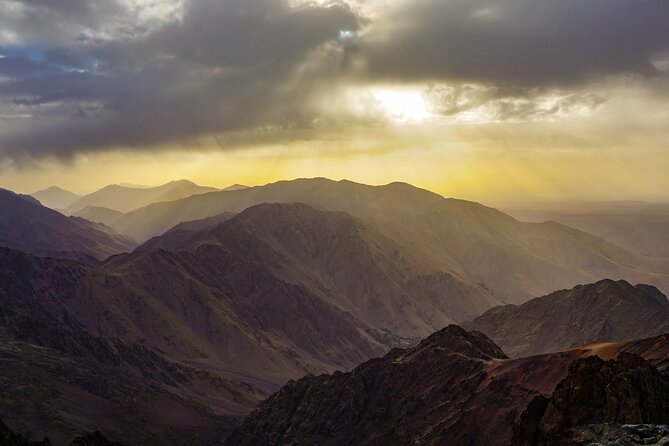
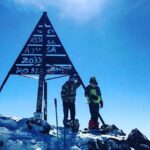
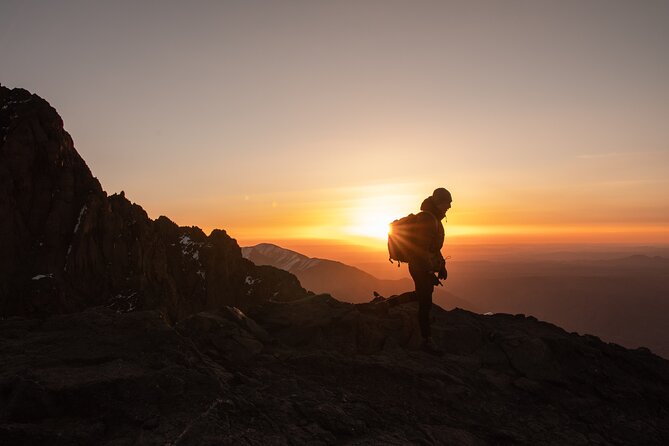
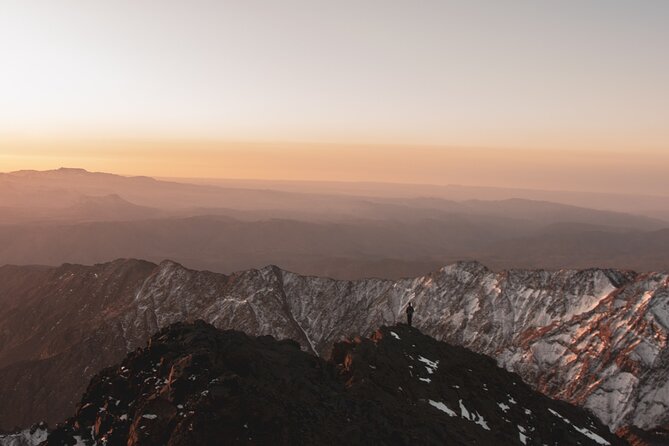
Day 2 starts with early breakfast at 4:30am. Then it’s the ascent toward the summit, with the climb taking about 3 hours to reach the top. The trail profile is described as initially steep, then more gradual, which matters because steep seconds feel endless at 4,000m+.
The guide’s pacing is a huge deal here. You’ll be advised to minimize altitude effects by staying hydrated and taking the steep sections with patience rather than sprinting. In the accounts shared by others, Mohamed is repeatedly praised for being patient and letting hikers move at a turtle speed when needed—exactly what you want on a summit attempt.
After the summit, you descend the same route back to the refuge area. Then you continue down to Imlil for lunch on the road. You’re reunited with your driver by around 4:00pm, so this isn’t a “sleep on the mountain again” style expedition. It’s a fast, focused approach: climb, summit, descend, return.
Why this route feels manageable even when it’s still hard
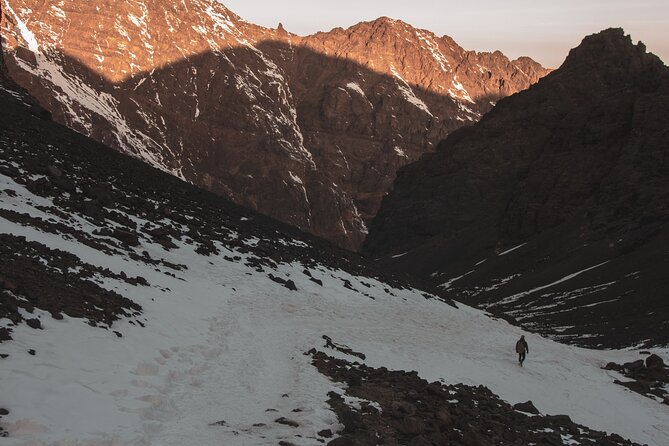
This hike is “short on paper,” but you still feel the effort in your thighs and lungs. The value is that the route is planned so you’re not trying to do everything in one long day. Two days also gives you a real chance to adjust to altitude between Day 1 and Day 2.
Group size helps too. With a maximum of 15 travelers, you’re less likely to get split into a messy line where nobody matches pace. On Toubkal, pace isn’t just comfort—it’s safety. Slow down early, and the summit day tends to feel more doable.
Meals included during the trek remove a big unknown. You get 2 lunches plus 1 dinner and 1 breakfast, and that means you can plan hydration and energy around what’s scheduled. On hikes like this, not having to think about where food is coming from is worth something.
Guide leadership: Mohamed, Radouane, and how it changes your day
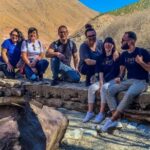
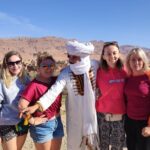
A good mountain guide does more than point at the trail. Here, the emphasis is on English-speaking Berber mountain guidance, plus real-world help with pacing and gear. People specifically call out Mohamed as excellent, helpful with equipment, and patient with slower hikers. That’s not a small thing—if you’re not used to steep altitude climbs, reassurance and pacing are a survival tool.
Another named guide you’ll hear about is Radouane, thanked for motivating someone all the way to the summit. That matters because summit day is as much mental work as physical work. A guide who can keep you steady—without rushing you—helps you stay with the plan long enough to reach the top.
You can also read our reviews of more hiking tours in Marrakech

Timing, pace, and gear: your prep list for success
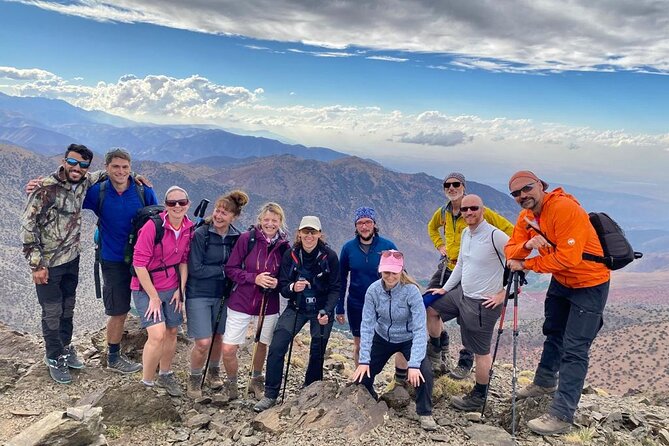
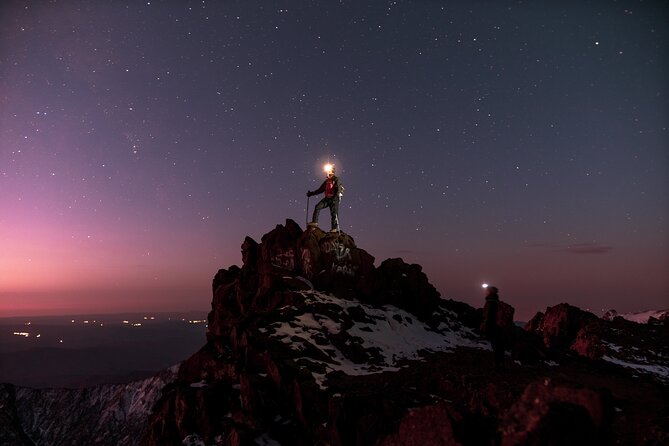
The early start is non-negotiable. Breakfast at 4:30am means you need to have your headlamp and layers ready, not buried at the bottom of your bag. One common tip is to bring headlamps and energy bars for the early push, especially if you’re hiking in winter or darker conditions.
Winter needs extra clothing. If you’re going in colder months, you should bring layers because the summit area can be cold, and snow can make traction important. Some hikers rented crampons, which is a practical reminder: equipment needs vary by season and conditions.
Even though the tour includes the hut and meals, mountain equipment is not included. That’s one reason you should plan your packing checklist before you go. If you don’t already have the basics for cold + rocky trail conditions, you’ll want to arrange them early so you’re not hunting at the last minute.
Price and value: what $162.84 buys you on Toubkal
At $162.84 per person, you’re not paying just for walking uphill. You’re paying for guide expertise, hut lodging, meals, and round-trip transport from Marrakesh. When those pieces add up, the cost starts looking more like “organized mountain time” than a standalone hike.
Also, this is a small-group experience (up to 15 people). In many destinations, “small” can mean marketing. Here, the cap helps your guide manage pacing and keeps the group together enough for a real experience, not a logistics puzzle.
If you already own everything (including proper cold-weather gear) and you’re comfortable organizing transport on your own, you might find cheaper DIY routes. But you’d be trading away the guided pacing, the hut plan, and the meal schedule that takes stress out of a high-altitude hike.
Who this trek is best for
This is best for people who want a classic Mount Toubkal challenge with structure. If you can handle 2 big hiking days, including a steep early morning summit ascent, you’ll get a lot out of it.
You don’t need to be a mountain athlete, but you do need to be realistic about the early start and altitude. The route is described as suitable for most travelers, yet it’s still a tough climb, and the summit day can be long and slow in the dark and cold. If you’re newer to hiking, you’ll especially value a guide who can pace you—again, Mohamed is praised for exactly that kind of attention.
Should you book the 2-day Mount Toubkal hike from Marrakesh?
Yes, if you want a guided, well-fed, two-day shot at one of Morocco’s most famous summits, without building your own logistics. The included transport from your Marrakesh accommodation plus the hut stay and meals make this a good choice when you’d rather focus on the trail than planning the details.
Think twice if you’re not ready for an early 4:30am start, cold summit conditions in winter, and a hike that can feel tough even at a slow pace. Also be honest about your packing—mountain equipment isn’t included, so you’ll need to show up prepared.
If you want my practical rule: book it if you can walk steadily for long days, hydrate like it’s part of the job, and you’re comfortable taking the summit climb one careful step at a time.
FAQ
What time does the tour start, and is pickup included?
The tour has an 8:30am start time. Pickup is offered, with round-trip transportation between your Marrakesh accommodation and the trek area included.
How long is the Day 1 hike?
Day 1 includes a 5-hour hike from the Imlil area toward the Toubkal base camp, followed by lunch and continuing on to the refuge for the night.
When do you start the summit attempt on Day 2?
Breakfast is served at 4:30am on Day 2, and then you begin the summit ascent.
What’s included for meals?
The tour includes 2 lunches and 1 dinner, plus 1 breakfast during the trek.
Do I need to bring mountain equipment?
Yes. Mountain equipment is not included, so you’ll need to bring or arrange your own gear.
How big is the group?
The tour has a maximum group size of 15 travelers.