REVIEW · CASABLANCA
12 Day Morocco Discovery Private Tour
Book on Viator →Operated by Moroccan Odyssey Tours · Bookable on Viator
Morocco feels organized when driving is handled. This 12-day private tour takes you from Casablanca to the Sahara, then back across the Atlantic, with a guide team that includes Adnane and Youssef and a comfort-first setup like private, air-conditioned transport. I like that the plan mixes famous anchors (Hassan II Mosque, Fez, Marrakech) with smart regional stops (Volubilis, Aït Benhaddou, Essaouira). One watch-out: you’ll spend a lot of hours on the road, so you’ll want to be okay with long drive days.
You’ll also get something practical that makes Morocco feel easier: daily meals (breakfast, lunch, dinner) are included for the full trip. That means fewer “where should we eat?” decisions and less time hunting for reliable places—especially useful in medinas where streets can turn into a maze fast.
The route is built for people who want highlights plus local flavor, not just photo stops. If you hate walking uneven stone lanes or want a slow, restful pace with minimal moving, this may feel like too much movement.
In This Review
- Key highlights to look for
- Private Comfort: how the Casablanca-to-Sahara logistics really help you
- Casablanca to Rabat: Hassan II Mosque to royal Morocco
- Consideration
- Tangier, Tetouan, and Chefchaouen: blue streets with a smarter base
- Drawback to plan for
- Volubilis, Meknes, and Fez: Roman ruins meet medieval learning
- What I like about this approach
- Small reality check
- Merzouga desert night: camel ride at dusk and a quieter kind of magic
- Consideration
- Dades Gorges to Skoura: canyon walking and kasbah stops
- Why this day feels worth it
- Watch for
- Tizi n’Tichka to Aït Benhaddou and Marrakech: the road of kasbahs to a big-city crescendo
- Drawback to consider
- Essaouira: UNESCO medina walls, Skala fort views, and real seafood time
- What makes this stop valuable
- El Jadida and the final Casablanca day: Portuguese roots, underground cisterns, and Rick’s Bistro
- Is the price worth it for a 12-day private loop?
- Who should book this (and who might not)
- Should you book this 12-day Morocco private tour?
- FAQ
- Is pickup included?
- Is this tour private?
- Are meals included?
- Do I get tickets for attractions?
- What transport do you use?
- Is tipping included?
- What if I need to cancel?
Key highlights to look for
- Private door-to-airport support with pickup when you arrive in Casablanca and a transfer out on the final day
- Air-conditioned SUV or minibus plus Wi‑Fi onboard, so travel days feel less tiring
- UNESCO power-packed days, including Volubilis and Aït Benhaddou
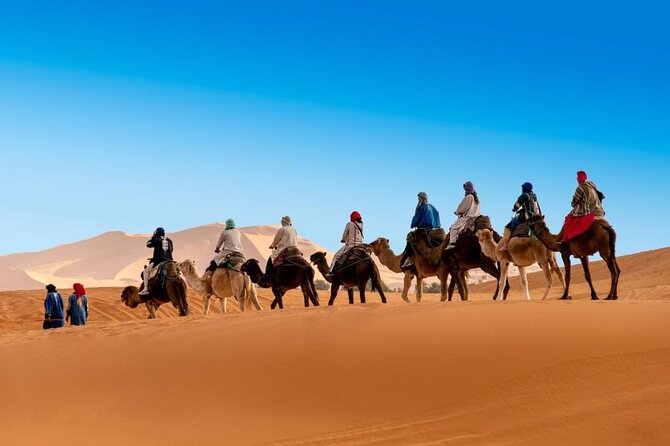
- Merzouga desert camp night with a camel ride around dusk and dinner by the campfire
- A strong city mix: Rabat, Tangier, Chefchaouen, Fez, Marrakech, Essaouira
- A well-timed Atlantic finish, with Essaouira seafood vibes and El Jadida’s underground cistern
Private Comfort: how the Casablanca-to-Sahara logistics really help you
This is a private Morocco tour, which changes the whole experience. You’re not waiting on other groups, and your schedule can breathe a bit when timing matters—like arriving at a sight when crowds peak or leaving a medina before your legs revolt. The tour uses a modern AC vehicle (minibus or SUV) with Wi‑Fi onboard, plus fuel, parking fees, and most day-to-day transport costs handled.
That comfort matters most on this itinerary because the distance adds up. You’ll cover big chunks of Morocco: Atlantic coast to inland cities, then out to desert sand dunes near Merzouga, and back again to the ocean. Even with great roads, it’s still hours in the car. The upside is that you travel with someone local who can guide timing and route decisions, not just “good luck.”
Another small but real value move: meals are included daily. You’ll have breakfast every day, plus lunch and dinner. When you’re bouncing through places like Fez and Marrakech (where getting food wrong can turn into an exhausting hunt), having meals prearranged keeps your energy for the sights that matter.
You can also read our reviews of more private tours in Casablanca
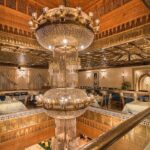
Casablanca to Rabat: Hassan II Mosque to royal Morocco
Day 1: Casablanca
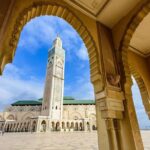
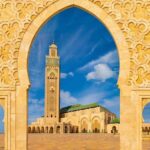
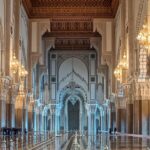
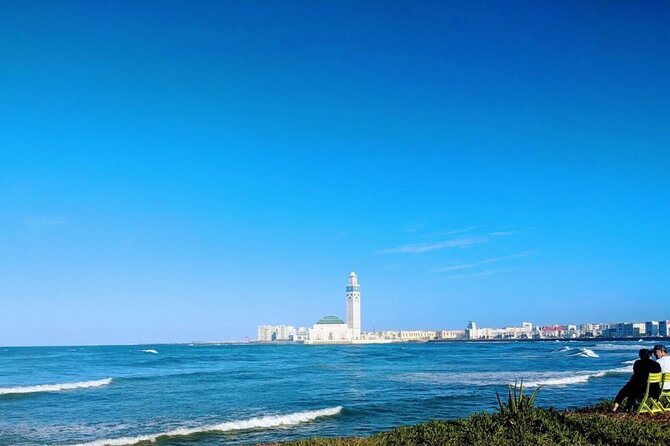
You’ll start in Casablanca with a private driver meeting you at the airplane terminal. If your arrival timing lines up, you may visit Hassan II Mosque, famous for both scale and setting—part of it sits over the sea. It’s one of those places where you immediately see Morocco’s blend of engineering confidence and spiritual focus.
From Casablanca, the plan goes to Rabat for the overnight. This first transfer matters: it reduces the chance you’re trying to do city sightseeing immediately after a flight. You’re setting up to see Rabat properly the next day.
Day 2: Rabat to Tangier
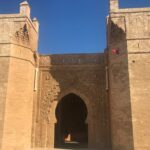
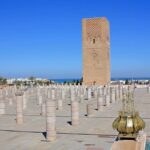
Rabat is a good “reset” city after Casablanca. Your Rabat day includes the Imperial Castle and the Mohammed V Sepulcher, plus major sights in the Mauresque style like the Hassan tower area and Oudaya Kasbah. You’ll also see the Andalusian garden connection, which helps explain the city’s mix of Moroccan and Iberian influences.
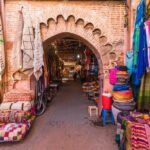
Then comes Tangier. Your Tangier plan includes Cave of Hercules, Cape Spartel, and Phoenician burial places. One fun detail: you get a chance for photos with the idea of Europe being visible from Africa on a clear day. After the coast stops, you’ll wander in the Old Medina of Tangier, which is where you’ll start feeling the region’s rhythm—shops, alleys, and that “half sea breeze, half city dust” atmosphere.
Consideration
This is a full day that combines two cities. If you’re the type who needs a long sit-down break between stops, build that into your rhythm. Your guide can help pace it, but Rabat and Tangier in one day is still a lot.
Tangier, Tetouan, and Chefchaouen: blue streets with a smarter base
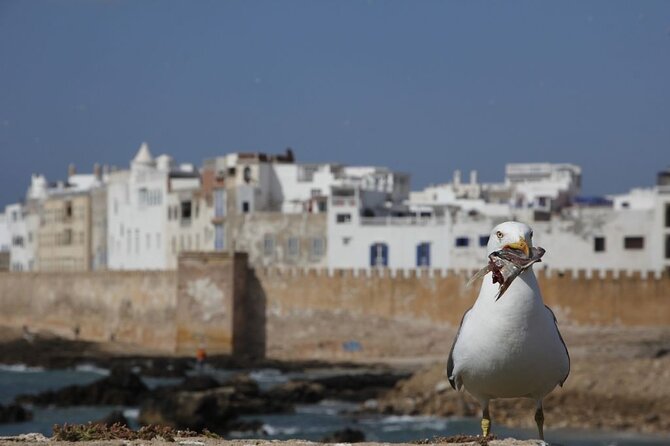
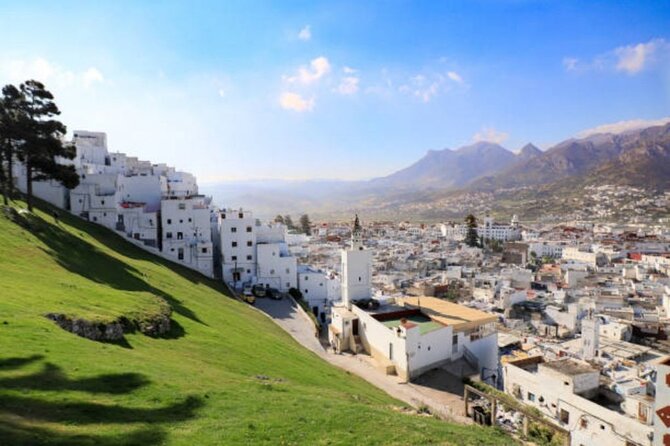
Day 3: Tetouan and Chefchaouen
Your day starts with Tetouan, including an orientation walk in the UNESCO-listed ancient medina. Tetouan is a great choice because it’s historic but less “single-photo” than some medinas. It gives you context—then you get the more famous color reveal.
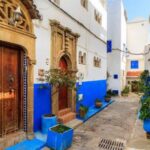
Later, you reach Chefchaouen, the blue town tucked in the mountains. The real appeal isn’t just the color. It’s the way the town’s lanes, small squares, and doorways create a sense of place. You’ll be walking through areas with white and indigo limewashed buildings, tiled rooftops, and small fountains. It’s scenic, yes, but also calm in a way that feels good after big-city driving.
Drawback to plan for
Chefchaouen is built for walking, not for rolling luggage. Wear shoes you trust on uneven stone and be ready for stairs. If you’re traveling with mobility limits, this part will need extra caution, even on a private tour.
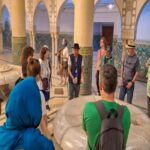
Volubilis, Meknes, and Fez: Roman ruins meet medieval learning
Day 4: Volubilis to Meknes, then a stop in Fez
Today is a “wait, what?” day in the best way. You travel overland to Volubilis, a UNESCO World Heritage site and one of the best-preserved Roman remains in North Africa. Your guide accompanies you for a walk through major ruins like the Capitoline Sanctuary, basilica areas, Roman baths, and mosaic-rich houses.
Then it’s onward to Meknes for Bab Mansour and highlights around the Old Medina. You also visit the Agdal reservoir area. After Meknes, the plan includes a short stop in Fez, setting you up for the deeper Fez day tomorrow rather than trying to cram it all at once.
Day 5: Fez el-Bali and Fez el-Jadid
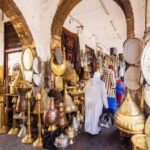
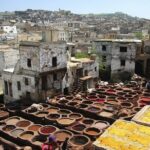
This is the big Fez day, and it’s built well. You start in Fez el-Bali, the social heart of Morocco, created as a medieval capital. You’ll see learning centers like Al-Attarine Madrasa, Bou Inania Madrasa, and the Al-Karaouine College. Then you move into the souks and street maze, with key stops including the Blue Door, Nejjarine Square, and the tanneries.
You also get cultural layers beyond the market streets: the Royal Palace area and the Jewish Mellah in Fez el-Jadid.
What I like about this approach
Fez can overwhelm you if you treat it like a drive-by checklist. This plan gives you guided structure—madrassas, squares, and specific neighborhoods—so you’re not wandering without a thread. You’ll still feel the complexity, but it’ll feel purposeful.
Small reality check
Fez is an active walking day. There’s no way around the tight lanes and the “your phone GPS is lying to you” feeling. If you enjoy getting lost briefly, you’ll love this. If you hate it, make sure your guide knows how you want pacing.
Merzouga desert night: camel ride at dusk and a quieter kind of magic
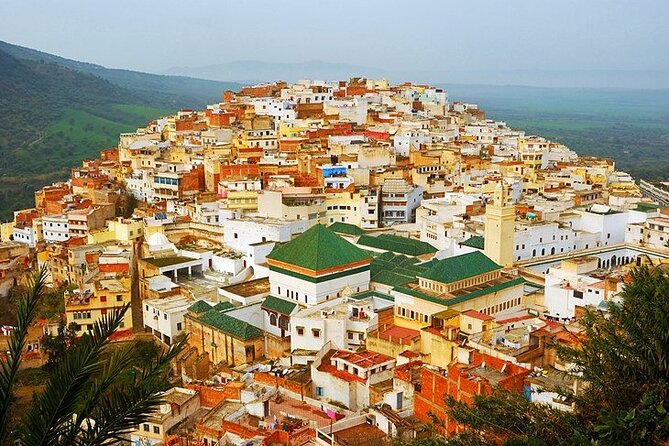
Day 6: Fez to Merzouga (Sahara hills)
This day shifts gears. You leave Fez behind and head into the desert hills, passing through Berber towns, date palm areas, and the Atlas region along the way. You arrive in Merzouga, where the plan includes a night in a luxury desert camp.
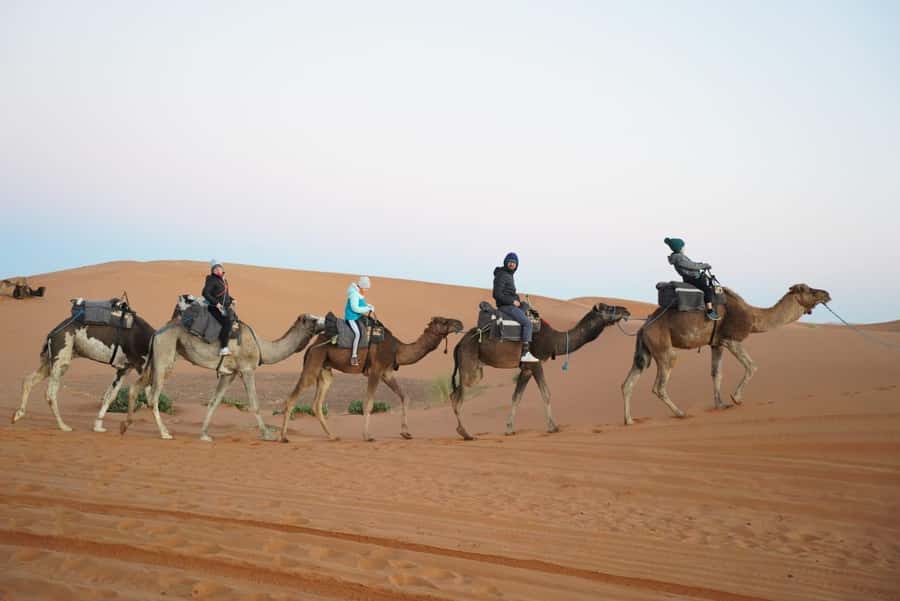
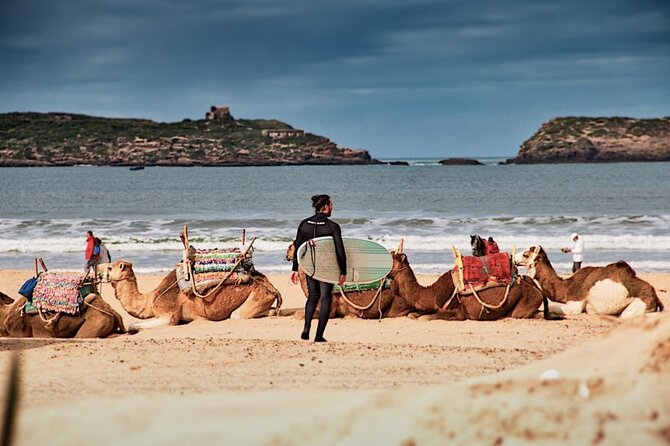
The highlight is the camel ride about 45 minutes around dusk, when the sand takes on that dramatic late-day color. After the ride, you return to camp for a conventional dinner and a calm night—built around the idea of hearing how quiet the desert can be once the day ends.
Consideration
Camel rides aren’t for everyone. If you have back issues or get motion-sick, tell your guide early so they can help you plan an alternative way to experience the dunes. It’s also smart to bring light layers for night cooling since desert temperatures can shift fast.
Dades Gorges to Skoura: canyon walking and kasbah stops
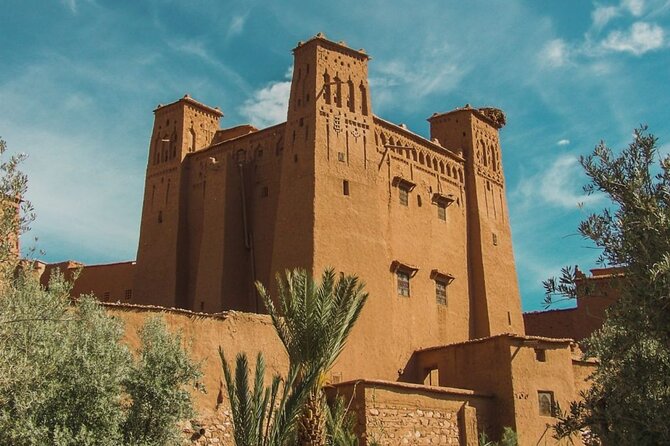
Day 7: Todra area, then Skoura
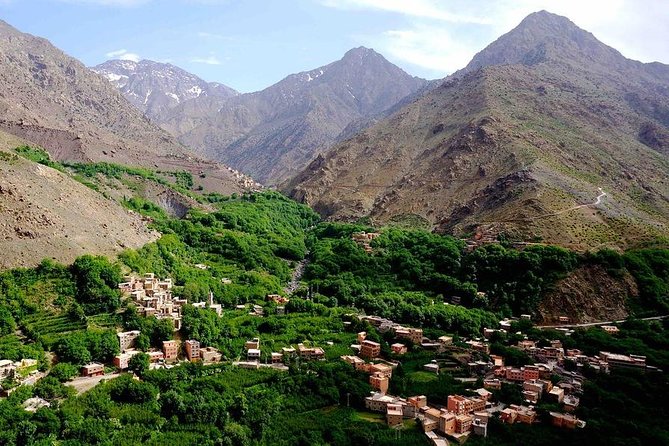
You head toward Todra and the Dades Gorges, described as a Grand Canyon-style cut through the region. You’ll see limestone cliffs and take a short walk in the dramatic rock setting. The plan also includes time in the Dades Valley, with sights of springs of figs, olives, date palms, and mud houses on the slopes.
After that, you move to Skoura, famous for palm-lined oasis stretches and kasbah culture. You’ll visit Kasbah Amridil, known from Moroccan banknote imagery, and then overnight in Skoura.
Why this day feels worth it
This is where the tour stops looking like a straight line of cities and starts feeling like geography. You’re seeing how people live where water matters, and how old architecture fits into the hills.
Watch for
Dades and Todra areas are great for short hikes, but the ground can be uneven. If you’re expecting only flat sightseeing, adjust your expectations.
Tizi n’Tichka to Aït Benhaddou and Marrakech: the road of kasbahs to a big-city crescendo
Day 8: Ouarzazate and Aït Benhaddou
Today crosses the Tizi n’Tichka pass, often called the road of a thousand kasbahs. Along the way, you’ll see remote towns clinging to hillsides.
You stop in Ouarzazate, often nicknamed the Hollywood of Africa because films have been shot there. Your plan then includes the UNESCO Ksar of Aït Benhaddou, one of the best-known examples of southern Moroccan kasbah architecture. It’s the kind of site where you can see why it became a set: the buildings feel like they belong to the terrain, not on top of it.
From there, your route continues to Marrakech for the overnight.
Day 9: Marrakech medina, palaces, gardens, and Djemaa el-Fna
Marrakech is next, and the itinerary hits the right mix of architecture and everyday life. You start with the UNESCO medina, including the famous Koutoubia minaret area. Then you visit the Bahia Palace, associated with the early 19th-century vizier environment.
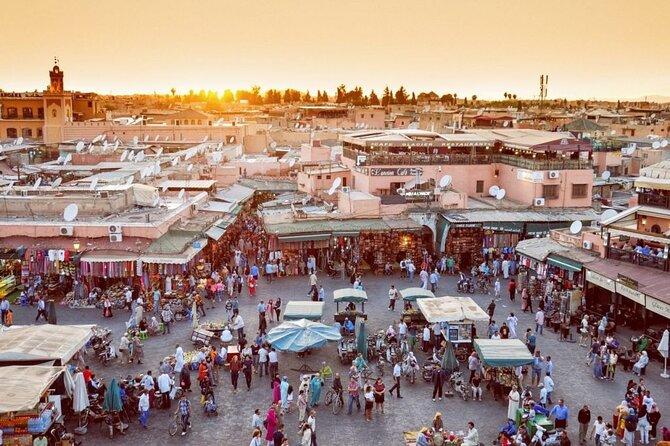
After palace time, you get a garden break at Jardin Majorelle, created by Jacques Majorelle and restored by Yves Saint Laurent. Then it’s to Djemaa el-Fna, the main square where food stalls and performers fill the evening.
Drawback to consider
Marrakech can be intense. Even with a private guide, the medina is busy and loud in a way that hits your senses quickly. Plan a slower pace for your shop time and don’t treat the square like a sprint. Let it breathe.
Essaouira: UNESCO medina walls, Skala fort views, and real seafood time
Day 10: Essaouira
You head west to Essaouira, a fishing town with a North African feel. The vibe here is simpler than Marrakech: wind off the Atlantic, salt in the air, and a laid-back pace.
After checking into your lodging, you can explore the UNESCO medina, including the walled Jewish Quarter and Skala fortification. You can also hang out by the shoreline. In the evening, you try fish at the harbor, which is exactly what you want to do in a place like this—eat where the boats unload.
What makes this stop valuable
Essaouira balances the trip. It gives you a calmer ending before the final inland-to-coast leg toward El Jadida.
El Jadida and the final Casablanca day: Portuguese roots, underground cisterns, and Rick’s Bistro
Day 11: El Jadida
Your route goes along the Atlantic coast toward El Jadida Medina, called Mazagan during Portuguese colonization. The city’s UNESCO-linked harbor history is part of the story: the Portuguese shaped the coastline approach, leaving behind fortifications and maritime infrastructure.
You’ll visit the fortification and see the underground cistern before continuing onward to Casablanca. For your farewell meal, the plan includes dinner at Rick’s Bistro.
Day 12: Casablanca airport transfer
On departure day, you transfer to Casablanca Mohammed V Airport. That last handoff is one less thing for you to worry about when you’re ready to go home.
Is the price worth it for a 12-day private loop?
At $3,965 per person, this is not a budget trip. But it is also not a bare-bones “see everything by bus” tour. The value comes from the combination:
- Private modern vehicle with AC (and fuel plus parking handled)
- Wi‑Fi onboard
- All major transport segments across multiple regions of Morocco
- Meals included every day for breakfast, lunch, and dinner
- A route built around major sights and UNESCO sites rather than random detours
- A private tour format, meaning you’re not sharing the day with strangers
If you’re a couple, a family, or small group who wants everything organized and paced to your comfort, private transport plus full meal coverage often makes the cost easier to justify. If you’d rather travel on your own timetable and haggle your way through everything, then this may feel expensive compared to DIY. But if your priority is avoiding friction and maximizing Morocco time, the structure is doing real work.
Who should book this (and who might not)
This tour fits best if you want:
- A private guide experience with daily structure
- A strong mix of cities + UNESCO sites + desert night
- Comfort for travel days: AC vehicle and Wi‑Fi
- Less planning stress because meals are included
It may not fit if you:
- Want a super slow pace with minimal driving
- Dislike walking through busy medinas and uneven stones
- Are uncomfortable with a camel ride and desert-night temperature changes
Should you book this 12-day Morocco private tour?
If you want Morocco in one coherent arc—Casablanca and royal Rabat, Tetouan and Chefchaouen’s blue lanes, Roman Volubilis, the maze of Fez, a real Sahara camp night, then back to the coast for Essaouira and El Jadida—this route has the right ingredients. The private setup plus daily meals included can make the trip feel smoother and more enjoyable, not just “packed.”
My advice: book it if your idea of a great trip is a well-run plan with local guidance and you’re okay with long drive days. If you’re chasing a laid-back, low-movement vacation, you’ll want a different pace—or at least to plan for more downtime between stops.
FAQ
Is pickup included?
Yes. You’ll have a private driver meet you at the airplane terminal in Casablanca (Day 1), and on the last day you’ll be transferred to Casablanca Mohammed V Airport.
Is this tour private?
Yes. It’s a private tour/activity, and only your group participates.
Are meals included?
Yes. Breakfast, lunch, and dinner are included for 12 days.
Do I get tickets for attractions?
The schedule shows several sights as free admission or admission ticket included. It’s smart to confirm details for each stop at booking.
What transport do you use?
You travel in a private, modern air-conditioned vehicle (minibus or SUV) with Wi‑Fi onboard. Fuel surcharge and parking fees are included.
Is tipping included?
No. Tips are not included.
What if I need to cancel?
You can cancel up to 6 days in advance for a full refund. If you cancel 2–6 days before, you get a 50% refund. Cancel less than 2 days before, and you do not get a refund.