REVIEW · MARRAKECH
Marrakesh 3 Days Tour to Fez with Overnight Desert Camping
Book on Viator →Operated by Safari Rose · Bookable on Viator
That first mountain climb gives you instant Morocco vibes. This 3-day route mixes Atlas viewpoints, a UNESCO kasbah stop, and an overnight in Erg Chabbi so you’re not just transferring—you’re sightseeing on the way to Fez.
I especially like the way Tizi n Tichka and the Atlas Mountains are built into Day 1. You get big views early, then you transition smoothly into historic Morocco with Ait Ben Haddou.
One thing to weigh: the schedule is packed, and the desert-camp morning can run a little hectic around camel logistics. If you hate rushing or tight timing, plan to go with the flow and keep your expectations flexible.
In This Review
- Key Highlights Worth Your Focus
- Starting in Marrakesh: The 7:00 Pickup and How to Prep
- Tizi n Tichka Pass: Why Day 1 Feels Like a Morocco Road Movie
- UNESCO Ait Ben Haddou: The Kasbah Stop That Makes the Whole Route Make Sense
- Kelaat M’Gouna and the Roses Valley: Pretty Stops, Short Time
- Roses Valley to Dades Gorges: The Long Road Part (That You Can Still Enjoy)
- Todra Gorge with a Local Guide: A Small Walk That Teaches You How to See
- Merzouga and Erg Chabbi: Camel Rides That Feel Like a Switch Flipping
- Desert Camping Night: Private Tent, Tagine Dinner, and Berber-Style Music
- Day 3 Sunrise Camel Ride to Breakfast, Then Onward to Fez
- Price and Value: What You’re Really Paying For
- The Service Level: Flexible Planning and the Names I’d Remember
- Who This Tour Fits Best (And Who Should Skip It)
- Should You Book This Marrakesh-to-Fez 3-Day Desert Tour?
- FAQ
- FAQ
- How long is the Marrakesh to Fez 3-day tour?
- What time does the tour start in Marrakesh?
- Is pickup offered from Marrakesh?
- What are the main stops on the route to Fez?
- Are entrance tickets included?
- Is lunch included?
- What meals are included?
- Are camel rides included?
- Where do you stay overnight?
- What is the group size?
- Is free cancellation available?
Key Highlights Worth Your Focus
- Tizi n Tichka pass views early in the day with free admission stops along the route
- UNESCO Ait Ben Haddou kasbah for a proper taste of Morocco’s architectural heritage
- Todra Gorge with a local guide so your walking stop has context, not just photos
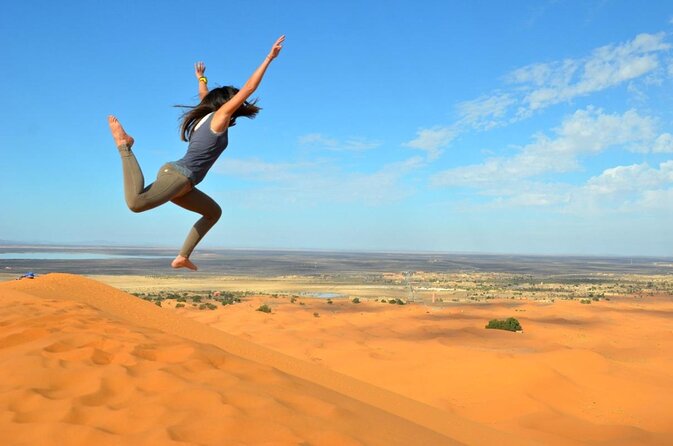
- Erg Chabbi sunset and sunrise camel rides plus the full desert rhythm
- Overnight in a private desert tent with tagine dinner and music
Starting in Marrakesh: The 7:00 Pickup and How to Prep
The tour starts at 7:00am at Café de France in Marrakesh (near the main square area). You’ll get pre-booked transport and lodgings handled for you, which matters on a route like this where your day can get swallowed by logistics fast.
Because you’re doing long road stretches, I’d pack like you’re doing a mini road trip: layers for cool mornings, light clothing for the sun, and a small day bag you can keep close during transfers. The tour notes mobile tickets, so you’ll want your phone charged and ready.
Group size is capped at 12, which keeps things feeling more human than the huge tour buses. That said, with only 3 days total, “human” doesn’t mean “slow.”
A few more Marrakech tours and experiences worth a look

Tizi n Tichka Pass: Why Day 1 Feels Like a Morocco Road Movie
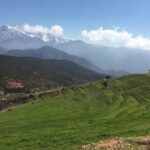
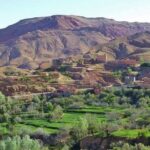
Day 1 begins with the big climb over the Atlas Mountains. You’ll cross the region and stop at Tizi n Tichka, one of the highest passes in North Africa. The timing is the point: earlier light makes it easier to see depth in the mountains, and you’re not starting your day already tired.
This stop is listed as about an hour. In real life, that usually means enough time to stretch, grab photos, and catch your breath—then back on the road. If you’re prone to car sickness, this is exactly when you’ll want to plan for it, because mountain roads tend to be twistier and slower.
What I like about this design: it front-loads the most dramatic terrain. By the time you reach the kasbah and valleys, you’re not wondering why you started so early—you already feel the payoff.
UNESCO Ait Ben Haddou: The Kasbah Stop That Makes the Whole Route Make Sense
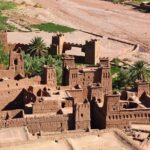
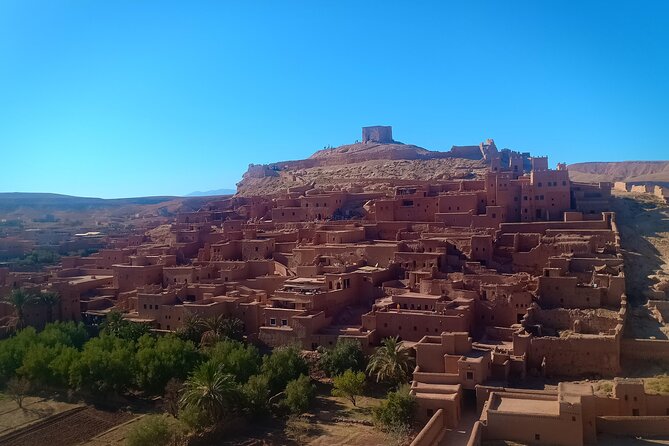
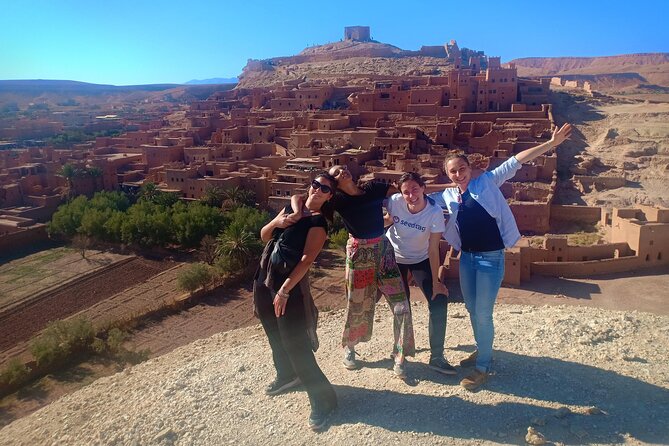
Next up is Ait Ben Haddou, a UNESCO-listed kasbah. You’ll have about 2 hours here. That’s enough time to understand what makes kasbahs different from regular buildings: the fortified layout, the mudbrick construction, and the way the place seems designed to resist the centuries.
Entrance is listed as free, but there’s an important add-on: a local guide at Ait Ben Haddou costs 2€ per person, and that’s not included. If you want the stories behind the walls—who lived here, why it was strategically placed—this is the moment where paying for a guide can feel worth it. If you’re more of a self-explorer, you can still do fine on your own with time to wander.
One practical tip: Ait Ben Haddou is a “walk-and-look” place, so wear shoes you trust. You’ll be shifting between viewpoints and uneven ground, and it’s not the kind of site where smooth sidewalks do the work for you.
Kelaat M’Gouna and the Roses Valley: Pretty Stops, Short Time
After Ait Ben Haddou, the itinerary swings toward Kelaat M’Gouna and the Roses Valley area. You’ll have a shorter stop (around an hour) across the valley.
This portion is less about one single must-see monument and more about atmosphere. You get a sense of what agriculture and local landscapes look like in this part of Morocco. If you’re in the mood for photos, this is a good window. If you’re trying to maximize every minute, treat it as a breather between larger cultural stops.
Then the day continues toward the next overnight, with dinner and breakfast included. The key here is energy management: you’re not just driving; you’re absorbing different regions in quick succession.
Roses Valley to Dades Gorges: The Long Road Part (That You Can Still Enjoy)
Overnight is included after reaching the Dades Gorges area (the itinerary shows Roses Valley and then an overnight). Expect a longer day. Transfers in this part of Morocco can feel like they have their own weather system—sometimes smooth, sometimes slow, always part of the experience.
The upside is that this route doesn’t treat the Atlas like a hallway. You get multiple stops, including valley scenery, rather than one straight shot. The downside is simple: you may not feel like you fully “rest” on Day 1.
If you’re sensitive to timing, keep your expectations realistic. This is a 3-day transfer that includes sightseeing, not a slow travel vacation with days at your own pace.

Todra Gorge with a Local Guide: A Small Walk That Teaches You How to See
Day 2 starts with Gargantas del Todra (Todra Gorge). You’ll enjoy views around the gorge and a walk-in valley stop for about an hour.
This part is guided by a local guide for the Todra Gorge area (Tinghir is mentioned in the included details). That guidance matters because a gorge like this can look like just a dramatic cliff from the outside. With a guide, you’re more likely to notice how people read the geography—where water goes, why the area feels like a natural corridor, and how the local environment shapes daily life.
Also, if you like photos, Todra gives you good lines and contrast—just watch your footing. Gorge areas can be uneven and crowded depending on the season.
Merzouga and Erg Chabbi: Camel Rides That Feel Like a Switch Flipping
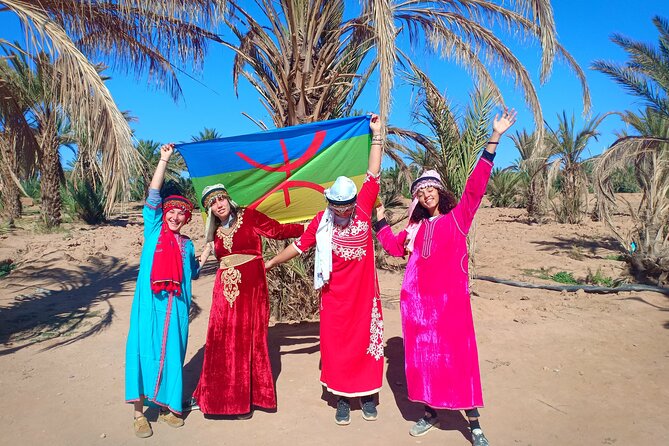
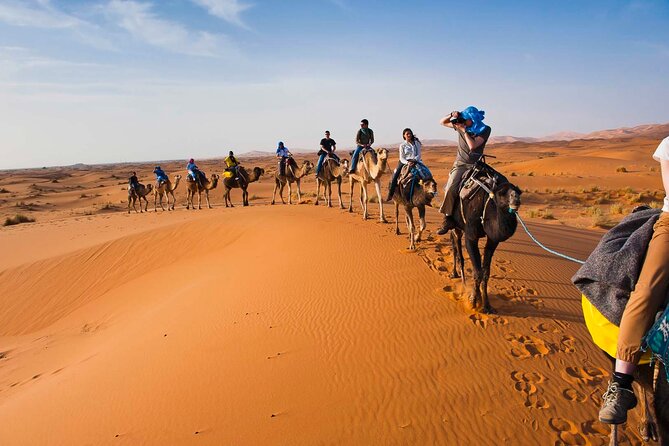
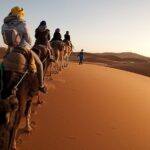
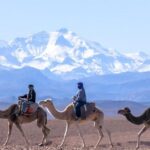
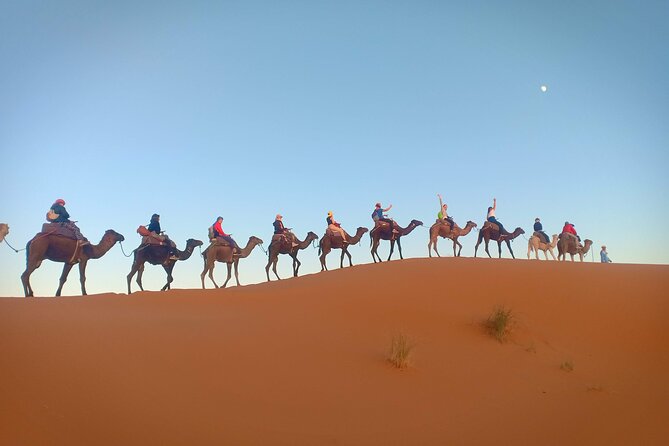
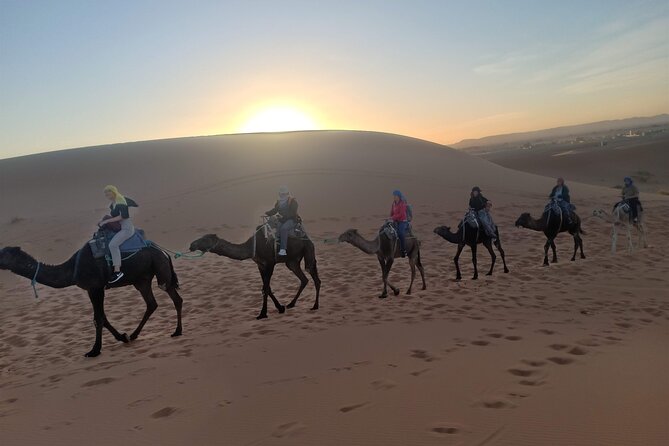
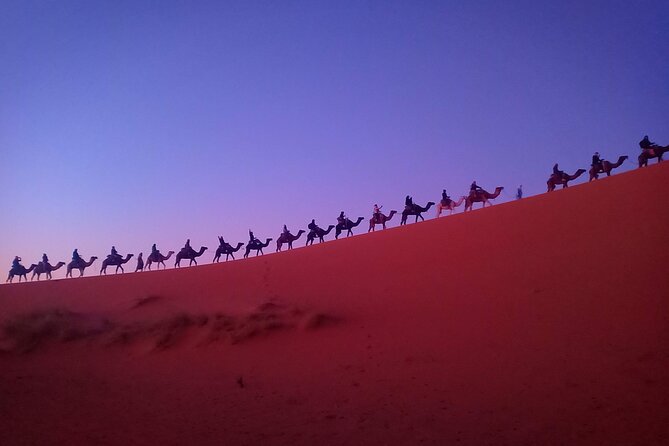
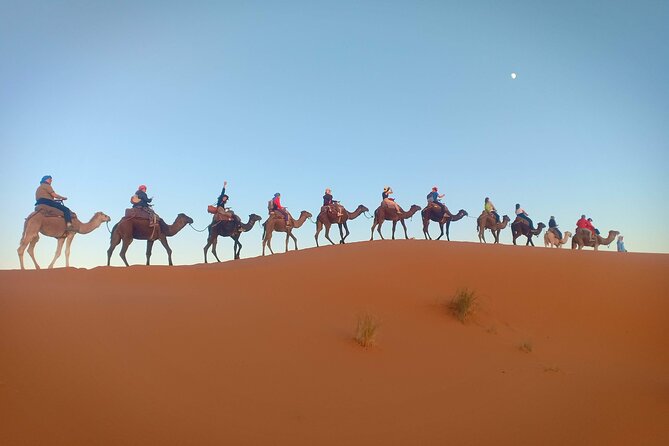
Then you reach Merzouga and the key desert experience in Erg Chabbi. You’ll ride camels at sunset (and later again at sunrise). The itinerary sets camel ride time around an hour for the sunset portion, and the second ride is part of Day 3.
This is where the tour makes its promise real: you don’t just see desert—you do the desert rhythm. The timing is everything. Sunset camel rides give you the shifting light on dunes and the sense that the day is quietly ending.
One reality check: camel riding can involve waiting and regrouping time, especially when you’re moving a group between vehicles and camp. That’s one of the rough edges I want you to know about up front, because it can affect how calm you feel right before you get on the camel.
Desert Camping Night: Private Tent, Tagine Dinner, and Berber-Style Music
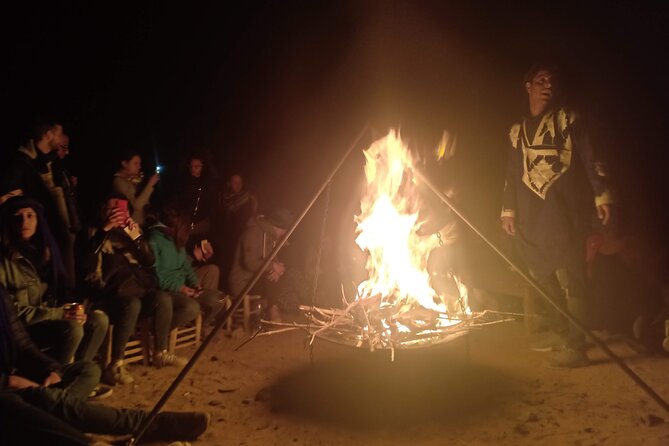
Overnight camping is the heart of this itinerary, and it’s included as a private tent at the Merzouga desert camp. Dinner is included, and it’s described as an authentic Sahrawi-style tagine served with Berber songs and music.
I like this setup because it gives you a complete evening rather than a quick “tourist photo stop.” You get the desert night atmosphere: a change in temperature, darkness that feels different than city dark, and time that slows down compared to the road days.
What I’d plan for practically:
- Bring a layer for the evening and early morning. Desert mornings can feel cold even when daytime is warm.
- Keep your essentials small and easy to access. When you’re in camp, you don’t want to spend time digging.
Sleeping in a desert tent is a different kind of comfort. It’s part of the charm, but if you’re expecting hotel-level quiet and cushions, you may feel disappointed. The good news: the itinerary is structured so you can experience it fully without having to coordinate the logistics yourself.
Day 3 Sunrise Camel Ride to Breakfast, Then Onward to Fez
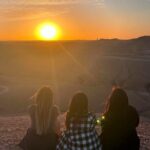
Day 3 begins with sunrise. You’ll see the sunrise and then ride your camel back to the camp lodge. Breakfast is included there.
Then you continue to Fez, joining the city early evening and getting dropped off at your accommodation or the nearest accessible point. The end of service is in Fes.
This is one of those “smart but busy” transitions. You’re leaving the desert in the morning, reaching Fez in the evening, and then you’re basically dropped into a city scene. If you want an easy arrival, plan something low-key for your first evening in Fez—something that lets you adjust rather than sprint into major sightseeing immediately.
Price and Value: What You’re Really Paying For
At $174.47 per person, this tour isn’t just covering driving. You’re paying for a stitched-together plan: transport, two overnights (one private room the first night, one private tent at the desert camp), and the key experiences that would take serious work to arrange on your own.
Here’s how the value stacks up:
- You get two camel rides and the desert camp night handled, including dinner.
- You also get structured stops like Ait Ben Haddou and Todra Gorge so your transfer becomes part of the itinerary.
- Group size stays small-ish (max 12), which helps the experience feel organized rather than chaotic.
What’s not included matters too: lunch is not included, and drinks are not included. Also, the optional local guide at Ait Ben Haddou costs extra. If you’re budgeting, carry some cash for meals on the road and any add-ons you decide you want in the kasbah.
The best value angle is time savings. This route is hard to piece together quickly if you’re relying only on DIY transport—especially once you include the desert night.
The Service Level: Flexible Planning and the Names I’d Remember
A big strength of this tour is that the service feels attentive. In the delivery, names like Yassir and Ivrahim come up as polite and helpful, and that matters on a route where tiny misunderstandings can turn into big delays.
The itinerary is also built to be flexible to group needs, which helps if someone needs a quick pause for water, photos, or timing. That flexibility can be the difference between a smooth day and a stressful one.
Just keep one caution in mind: the morning camel-camp logistics can feel rushed. The itinerary’s structure depends on moving groups efficiently, and that can create moments of pressure. If this is a big concern for you, I’d arrive ready to follow instructions fast and keep patience high.
Who This Tour Fits Best (And Who Should Skip It)
This works best if you want a strong sampler of Morocco in a short window:
- You like road-trip scenery and don’t mind long days.
- You want a desert overnight with sunset and sunrise camel rides, not just a day trip.
- You’re happy to let a driver and plan handle the major logistics.
It may not be ideal if you:
- Want lots of free time in each place.
- Prefer a very relaxed pace with minimal waiting.
- Are sensitive to early mornings and tight timing between transport legs.
If you’re the type who loves checking off regions—Atlas to UNESCO kasbah to desert to Fez—this is a strong match.
Should You Book This Marrakesh-to-Fez 3-Day Desert Tour?
I’d book it if your goal is to get from Marrakesh to Fez with a real desert night experience, without doing complicated planning. The combination of Tizi n Tichka, Ait Ben Haddou, and Erg Chabbi is exactly the kind of “you’ll remember this” route that’s hard to replicate quickly.
I would hesitate if you’re expecting a slow, restful pace or if you hate any chance of scrambling around camel pickup moments. The tour is popular and well organized overall, but the desert morning can feel less smooth than the rest.
If you do book, go in with the right mindset: you’re trading some quiet time for big variety—and that trade is the whole point of this trip.
FAQ
FAQ
How long is the Marrakesh to Fez 3-day tour?
It’s approximately 3 days, covering the drive from Marrakesh through the Atlas region and desert, ending in Fez.
What time does the tour start in Marrakesh?
The start time is 7:00am.
Is pickup offered from Marrakesh?
Yes. Pickup is offered, and the meeting point is Hôtel Restaurant Café de France near the main square area.
What are the main stops on the route to Fez?
The itinerary includes Tizi n Tichka, Ait Ben Haddou, Kelaat M’Gouna / Roses Valley, Todra Gorge, Merzouga, and then arrival in Fez.
Are entrance tickets included?
The listed admission tickets for the key stops are shown as free in the itinerary. A local guide at Ait Ben Haddou is not included.
Is lunch included?
No, lunch is not included.
What meals are included?
Breakfast is included, and dinner is included for two dinners. The desert camp night includes tagine dinner, plus breakfast the next morning.
Are camel rides included?
Yes. There is a sunset camel ride and a sunrise camel ride.
Where do you stay overnight?
You’ll have one night in a private hotel room and one night at a private tent desert camp in the Merzouga/Erg Chabbi area.
What is the group size?
The maximum group size is 12 travelers.
Is free cancellation available?
Yes. You can cancel up to 24 hours in advance for a full refund.