REVIEW · SETTI FADMA
Marrakech : Day Trip With Guide And Lunch To Ourika Valley
Book on GetYourGuide →Operated by Your Moroccan Journey · Bookable on GetYourGuide
A quick mountain escape from Marrakech. This Ourika Valley day trip mixes Berber villages with the Setti Fatma waterfalls, plus an argan-oil stop you’ll actually understand, not just see. I especially liked the guided nature of it and the way the schedule balances easy driving with walking. One thing to plan for: you’ll do a real uphill/downhill section, so skip sandals and bring proper footwear.
If you want more than a drive-and-photos trip, this one helps you connect the dots. The local guide’s English/French/Spanish commentary (and on some days the guide names you’ll hear—like Youssef, Mustafà, or Hassan) makes the valley feel lived-in, not staged. The only possible downside is that certain add-ons—like the Ourika souk on Mondays—may depend on timing, so if it’s a must for you, build in a little flexibility.
In This Review
- Key Things You’ll Remember
- Ourika Valley in Half a Day: What This 6-Hour Trip Really Delivers
- The Drive Out of Marrakech: From City Noise to Mountain Air
- Tnin Ourika and the First Quick Pause You’ll Actually Appreciate
- Traditional Village Time: Berber Terraces and Real Everyday Life
- Argan Oil at a Women-Run Cooperative: More Than a Sales Stop
- Setti Fatma Waterfalls Walk: What the Hike Is Like and How to Prepare
- Lunch by Mountain Views: The Simple Part That Can Feel Special
- Return Drive and How to Keep Your Day Smooth
- Is $31 Good Value for a Marrakech to Ourika Valley Day Trip?
- Who This Tour Fits Best (and Who Might Skip It)
- When Guides Make the Difference: Names You Might Hear
- Should You Book This Day Trip?
- FAQ
- FAQ
- How long is the Marrakech to Ourika Valley day trip?
- What’s included in the price?
- Are drinks included with lunch?
- What languages is the live guide available in?
- Do I need hiking shoes?
- Is the tour wheelchair accessible?
- Is the Ourika souk included every day?
- What should I bring for the day?
- What’s not allowed during the tour?
- Who is the tour not suitable for?
Key Things You’ll Remember
- A guide-led Ourika Valley route that’s designed for a 6-hour day, not a half-day scramble
- Women-run argan oil cooperative stop, explained in plain language with time to browse products
- Traditional village visits that go beyond photo ops and help you understand terrace life
- Setti Fatma waterfall walk (about 1 hour) with a cool-off break by the water
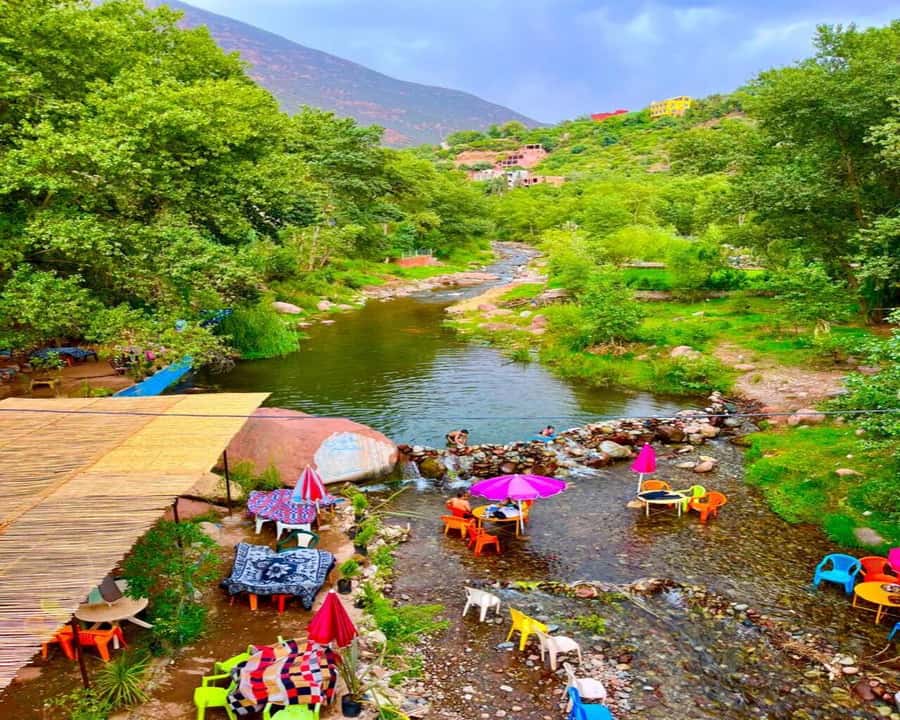
- Lunch included at a local restaurant with mountain views, often enjoyed near the river area
- Pickup convenience across Marrakech with many drop-off options scattered through the city
Ourika Valley in Half a Day: What This 6-Hour Trip Really Delivers
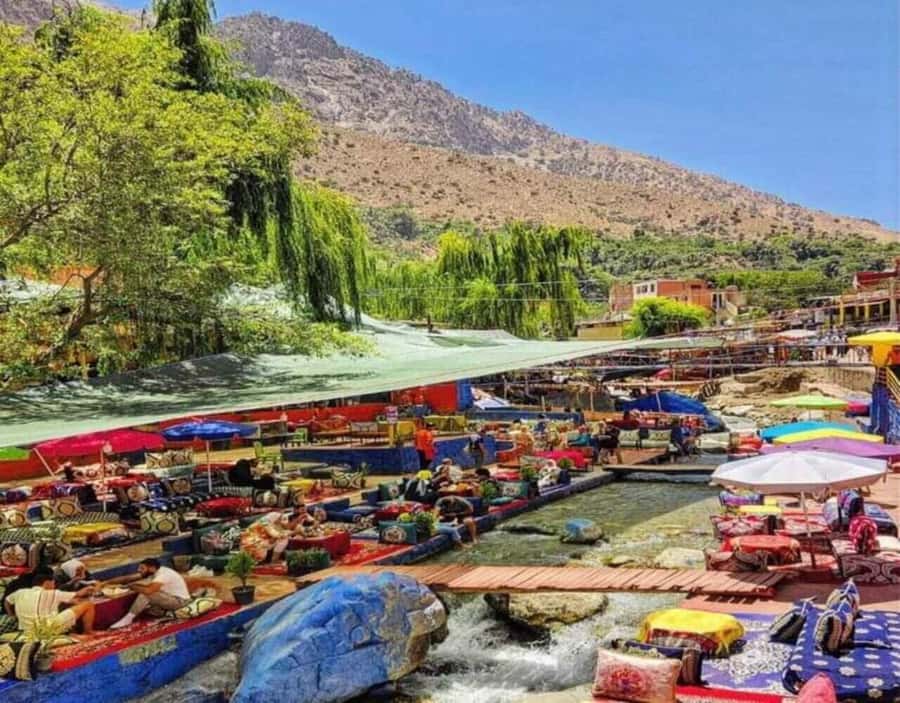
This tour is built for people who want the High Atlas Mountains without turning the day into a logistics project. You leave Marrakech, you learn a bit as you go, you walk to a famous waterfall, and you eat lunch before heading back.
What makes it work is the pacing. The stops aren’t random, and you don’t just rush from one landmark to the next. You’ll spend real time around the valley’s everyday rhythms: the terraces on reddish slopes, the village paths, and the conversations around argan oil.
The value also comes from what you’re getting together. For about $31 per person, you’re paying for professional transport, a local guide, and lunch—so you’re not trying to piece those costs together on your own.
You can also read our reviews of more guided tours in Setti Fadma
The Drive Out of Marrakech: From City Noise to Mountain Air
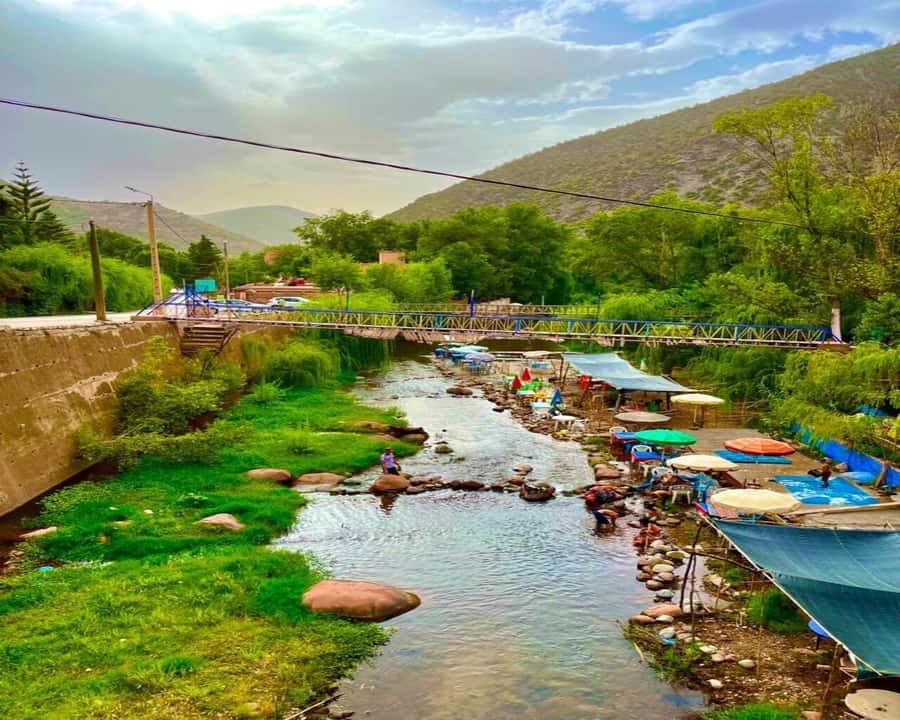
The day starts with pickup options across Marrakech (there are many meeting points, including areas like the Medina and Gueliz). That matters more than it sounds. If you’re staying outside the main tourist core, getting picked up directly saves time and hassle.
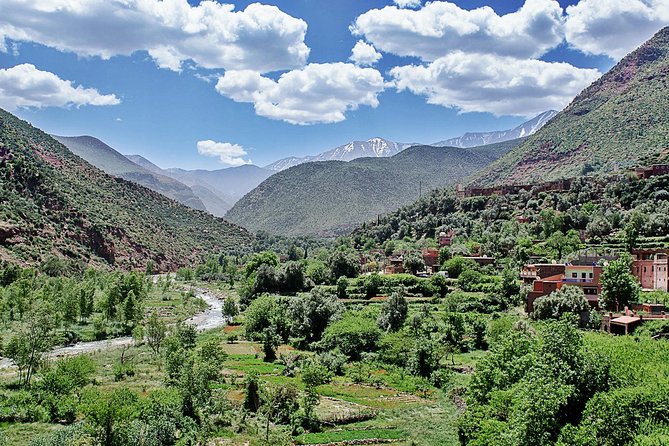
Once you leave the city, the route climbs toward the Atlas. The experience here isn’t just the view. It’s the slow change in how the land looks and how people live. Meadows give way to terraced slopes, and you can feel why the valley has long attracted visitors: it’s accessible from Marrakech, but it still feels like another world.
Expect at least one mid-route break stop too. That gives you a chance to stretch, grab photos, and reset before the walking and village time.
Tnin Ourika and the First Quick Pause You’ll Actually Appreciate
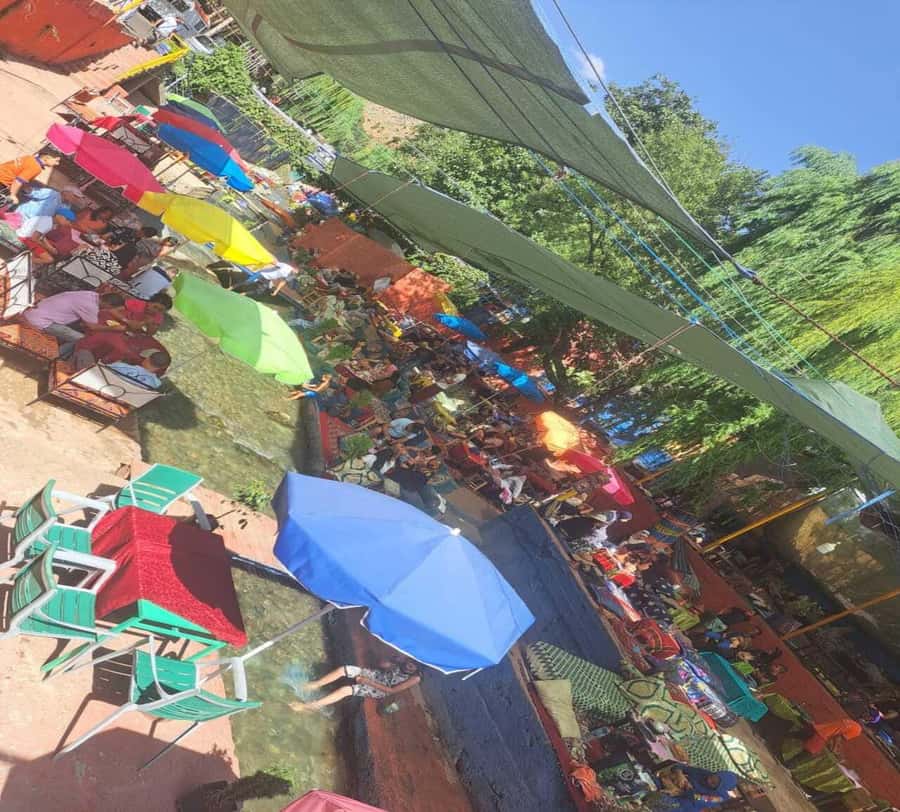
A stop at Tnin Ourika is part of the flow. You get a short break plus a photo stop and a brief visit (about twenty minutes). This is where the day sets its tempo: quick, scenic, and practical.
If you’re the kind of person who likes to understand a place visually before walking into it, this pause helps. It’s also a good moment to check your supplies—water situation (drinks aren’t included), camera battery, and whether your shoes feel right for uneven ground.
This part of the tour is also a clue about how the operator thinks about the day. They don’t throw you straight into a long hike. They let you ease in.
Traditional Village Time: Berber Terraces and Real Everyday Life
Then comes the traditional village visit (around thirty minutes). This is one of the best parts for anyone who’s tired of only seeing Morocco as souks and riads.
You’ll spend time in a village setting and see how people build and live on steep terrain. The key idea here is the terraces. From the way the valley’s slopes are shaped, you can understand how agriculture, water, and daily routes have to adapt to the landscape.
This stop is also where a guide earns their keep. With the right explanations, you’ll notice details you’d otherwise overlook—like why certain paths and building locations make sense in a mountain valley.
Wear breathable layers if it’s warm in Marrakech. The altitude and sun angle can shift during the drive, and you’ll want to stay comfortable.
Argan Oil at a Women-Run Cooperative: More Than a Sales Stop
One highlight is a visit to a locally-run argan oil women’s cooperative. This isn’t just a photo opportunity. You’ll see products, hear how argan oil is made and used, and get time to look around.
This stop hits at something important: argan oil is one of Morocco’s signature products, and it’s tied to local work. When you see the cooperative model up close, the product makes more sense than it does in a glossy shop.
Also, this is a good place for questions. In my view, tours like this work best when you’re curious and you ask practical stuff—how the products differ, what’s used for skincare versus cooking, and how the cooperative supports the women involved.
If you plan to buy something, compare what you like rather than rushing to buy the first thing you smell. You’ll have time to browse.
A few more Setti Fadma tours and experiences worth a look
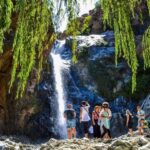
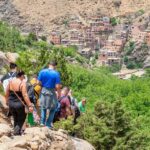
Setti Fatma Waterfalls Walk: What the Hike Is Like and How to Prepare
The main action is the Setti Fatma waterfalls. You’ll get a guided segment plus walking/hiking time of about one hour.
This is the part where your preparation matters most. The tour rules explicitly discourage sandals or flip-flops, and that’s for a reason. Trail surfaces can be uneven, and you’ll want stable footing so you can enjoy the walk without constant worry.
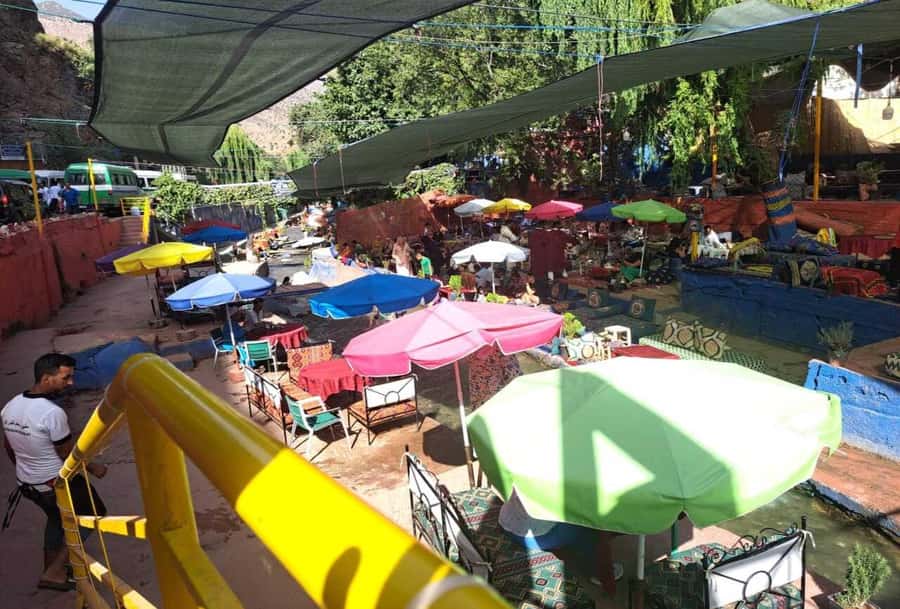
Once you’re at the waterfalls area, you’ll have a chance to cool off. The day is timed so you can do the walking and still enjoy a break after. In at least one case, lunch was enjoyed by the river area, which fits the whole rhythm of this stop: water, shade, and a chance to breathe.
Pace matters. If you move slowly and take photos when you want, you’ll still hit the schedule. But don’t treat it like a casual stroll if you’re not used to walking on sloped ground.
Lunch by Mountain Views: The Simple Part That Can Feel Special
Lunch is included at a local restaurant (and it’s about two hours total at this stage, with break time and free time).
This is where you refuel for the return drive and reflect a bit on what you’ve seen. You’re eating in a mountain-valley setting, and even if you’re not a “foodie,” it helps the day feel complete instead of rushed.
One detail I take from actual experiences: eating near the river area can make lunch feel more like a pause in the landscape than a stop on a route. If you’re the kind of person who likes atmosphere, this is one of your chances to slow down.
Bring a small layer for the table area if it feels cooler than Marrakech. That’s one of the reasons warm shoes are suggested—comfort keeps you in the mood to enjoy rather than complain.
Return Drive and How to Keep Your Day Smooth
After the waterfall time and lunch, the van ride back takes about an hour. This is when people usually feel it most—legs tired, camera full, brain a bit overloaded with new impressions.
My practical advice: don’t schedule anything important right after you get back. Even if the drive is efficient, your energy level will lag behind your plans.
If you tend to get carsick, the mountain roads can be a factor. The tour includes transportation with a professional driver and a comfortable, conditioned vehicle, but you’ll still want to be prepared.
Also, keep your day flexible in case you’re sensitive to weather or pace. Mountains can change the feel of the afternoon quickly.
Is $31 Good Value for a Marrakech to Ourika Valley Day Trip?
At around $31 per person for a 6-hour outing, the value is mostly in what’s packaged together. You’re paying for:
- professional transport and an insured setup,
- a local guide for the valley and waterfall time,
- and lunch.
For many people, that’s cheaper than trying to hire transport and then pay for a guide separately. It’s also less stressful than DIY planning if you don’t want to figure out routes, timing, and where to safely walk.
That said, the price doesn’t cover everything. Drinks aren’t included, so budget for water (and any non-alcoholic extras you want). And if you’re hoping for specific add-ons like a Monday market, remember that the itinerary is designed as a day plan, not a guarantee against timing changes.
Who This Tour Fits Best (and Who Might Skip It)
This experience is a strong fit if you want:
- a guided introduction to Amazigh/Berber culture in a mountain valley context,
- a real walking component to the waterfalls,
- and a low-effort way to see Ourika without committing to a long multi-day trip.
You should be ready for walking on uneven ground and follow the footwear rules. If you dislike hikes or you’re limited on mobility, consider whether the Setti Fatma walk is realistic for you.
It’s also noted as not suitable for people over 95 years. If you’re in that age bracket or traveling with someone who needs extra support, choose a gentler alternative.
And if you’re traveling with kids, note that unaccompanied minors aren’t allowed—so you’ll want to plan accordingly.
When Guides Make the Difference: Names You Might Hear
This is one of those trips where the human piece really matters. In provided experiences, the service stood out for being kind, professional, and attentive—especially at the waterfall stage.
You might be guided by people like Youssef, Mustafà, or Hassan. Even if your guide isn’t one of these names, the pattern is clear: the best part of the day is the way the guide keeps you oriented, answers questions, and helps you enjoy the walk.
Also worth noting: in one case, a last-minute illness led to a reschedule to the next day with a small supplement. That doesn’t mean you should treat rescheduling as guaranteed, but it does suggest the operator can sometimes be flexible when serious things come up.
Should You Book This Day Trip?
Book it if you want a structured, culturally meaningful Marrakech break that doesn’t require planning a route, sourcing transport, or guessing where to walk safely. You get the Atlas drive, village visits, a women-run argan oil cooperative, a guided waterfall hike, and lunch—at a price that’s hard to beat for what’s included.
Hold off or choose another option if you:
- need a fully car-only experience (there’s a hike),
- rely on specific add-ons like the Monday souk and can’t tolerate timing changes,
- or plan to show up in sandals/flip-flops (the tour rules make it clear that’s a no).
FAQ
FAQ
How long is the Marrakech to Ourika Valley day trip?
It runs for 6 hours.
What’s included in the price?
Transport with a professional driver, a local guide, lunch, vehicle conditioning/comfort, and transportation insurance are included.
Are drinks included with lunch?
No. Drinks are not included.
What languages is the live guide available in?
The live guide is available in English, French, and Spanish.
Do I need hiking shoes?
Yes. The tour specifies bringing hiking shoes (and sports shoes), and it also says sandals or flip-flops aren’t allowed.
Is the tour wheelchair accessible?
Yes, the tour is listed as wheelchair accessible.
Is the Ourika souk included every day?
The itinerary notes an authentic Berber souk that is available on Mondays.
What should I bring for the day?
Bring a camera and hiking/sports shoes, warm shoes, personal medication if needed, and anything you might need for comfort during the hike.
What’s not allowed during the tour?
No smoking in the vehicle, no pets (assistance dogs allowed), and alcohol and drugs aren’t allowed. Red wine is also not allowed, along with items like speakers and skateboards.
Who is the tour not suitable for?
It’s not suitable for people over 95 years.