REVIEW · MERZOUGA
Overnight Camp Camel Trekking In Merzouga
Book on Viator →Operated by Camp Camel Trekking · Bookable on Viator
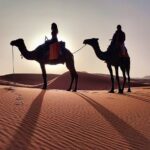
Camel lights up the Sahara night. This private overnight trek from Merzouga takes you into the Erg Chebbi dunes on camelback, with a sunset pause on the way to a remote Berber camp. I love the simple but well-run vibe: sunset by the dunes, Berber drums at dinner, and then sleep in your own tent setup. You’ll also notice how much the guides focus on comfort, including photo help and check-ins while you ride.
The main thing to plan for is heat. In summer, you can face around 40°C at night, and the camp has no A/C, so pack for sweating and keep expectations realistic.
In This Review
- Key points
- Riding camels into Erg Chebbi, step by step
- Camp choice: standard Berber camp vs luxury tent
- Standard Berber camp (private tent, shared bathroom)
- Luxury desert camp (private bathroom inside the tent)
- The afternoon ride and the sunset pause
- Dinner by Berber drums: what makes the camp night work
- Sleep setup: what you’re really signing up for
- Sandboarding at the camp
- Getting back to Merzouga: timing and transport options
- Price and value: why this can be a good deal
- What to pack and how to stay comfortable
- Who this tour suits best (and who should think twice)
- Booking timing and what to watch for
- Should you book the overnight camel camp trek?
- FAQ
- What time does the camel trek usually start?
- How long is the camel ride?
- What’s the difference between standard and luxury camp?
- What meals are included?
- Is sandboarding included?
- What transport is used for the return trip?
- Are drinks included?
Key points
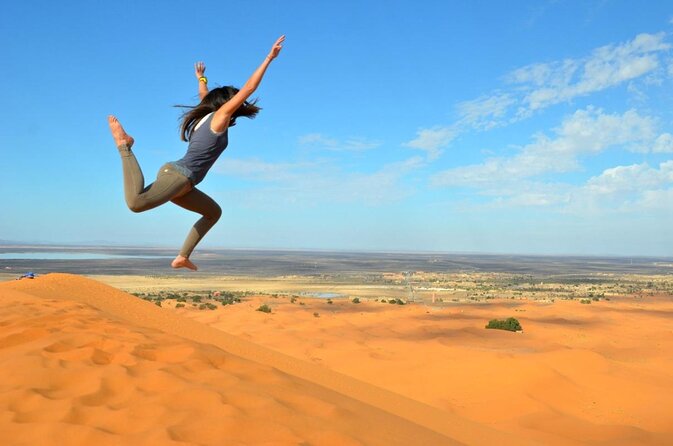
- Erg Chebbi dunes sunset timing on the camel route, with a planned stop before you reach camp
- Two camp styles: standard Berber camp with shared facilities, or luxury with private shower/bathroom inside the tent
- Private tent + real food: dinner with Berber drums, plus breakfast after sunrise
- Free sandboarding (bring a sense of fun) during the camp stay
- Season-based start times: about 4pm in winter, about 7pm in summer, then return around 8–10am
Riding camels into Erg Chebbi, step by step
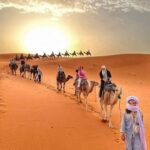
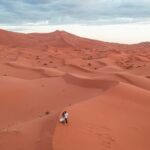
This is a true overnight Sahara experience, not a quick photo stop. You start in Merzouga and ride out into the desert in the afternoon, aiming to arrive in time to watch the light change over the dunes. The whole rhythm is built around the desert clock: cooler riding hours, then sunset, then a camp evening that feels like you’ve joined a Berber nighttime ritual.
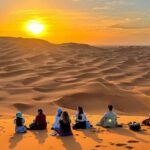
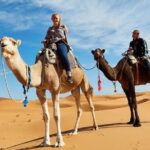
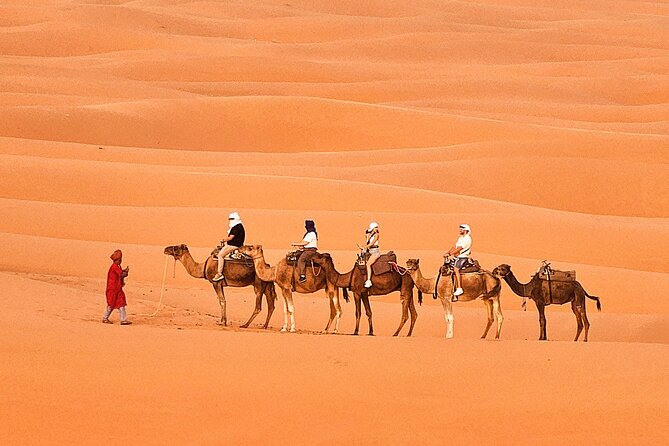
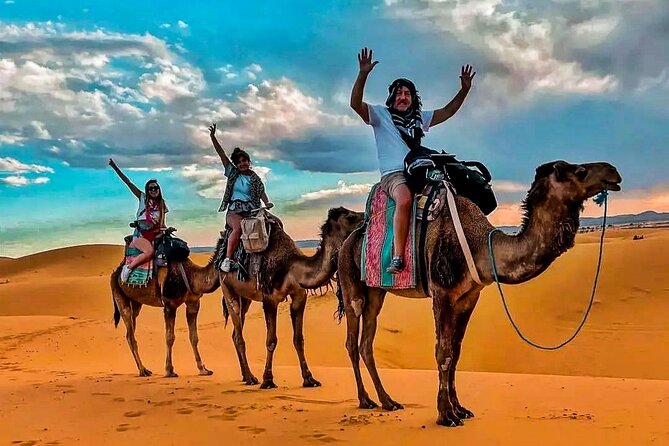
The camel portion is timed for comfort and views. You’ll ride for about 1 hour 30 minutes, with a pause to watch the sunset before continuing to camp. That stop matters. It turns the ride from transportation into the main event—because the dunes at sunset look different every minute, and you’re not rushing through them.
You’ll also be with a small, private group. It’s a private tour/activity, meaning you won’t get the “horde” feeling. You’ll still move at a comfortable pace, guided by people who know how to manage the camels and keep the ride smooth.
You can also read our reviews of more hiking tours in Merzouga
Camp choice: standard Berber camp vs luxury tent
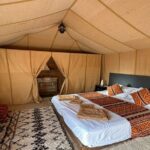
Your comfort level depends mostly on which camp option you choose. Both options keep the overnight “tent in the desert” feel, but the bathroom setup changes the experience in a big way.
Standard Berber camp (private tent, shared bathroom)
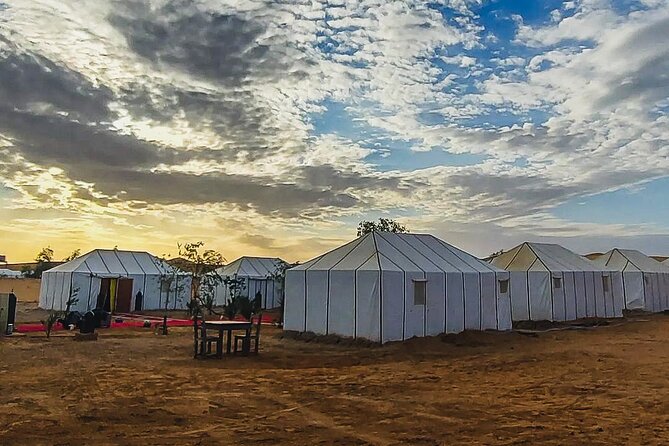
At the standard camp, you get a private tent, but the toilet and shower are outside and shared. You can use the facilities, just not from inside your tent. If you like the classic desert simplicity, this is a good fit. It also keeps luggage rules simple: you’re limited to small overnight bag(s), and your bigger luggage stays in a safe place while you’re gone.
This option can be a little more “real life camping,” since you’ll step outside to get cleaned up. If you’re okay with that, you’ll likely enjoy the community feel of the camp—especially in the evening.
Luxury desert camp (private bathroom inside the tent)
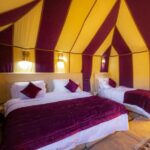
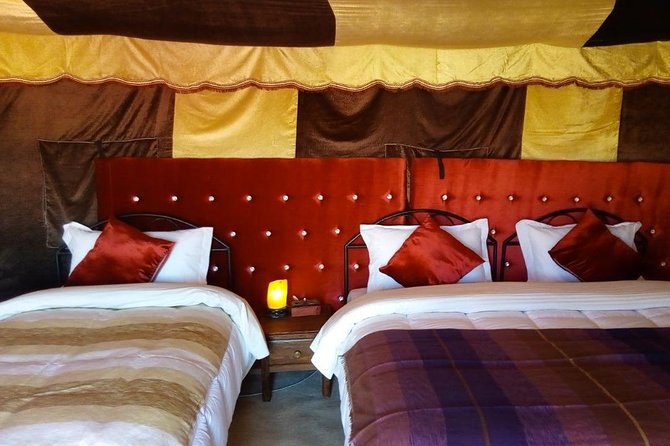
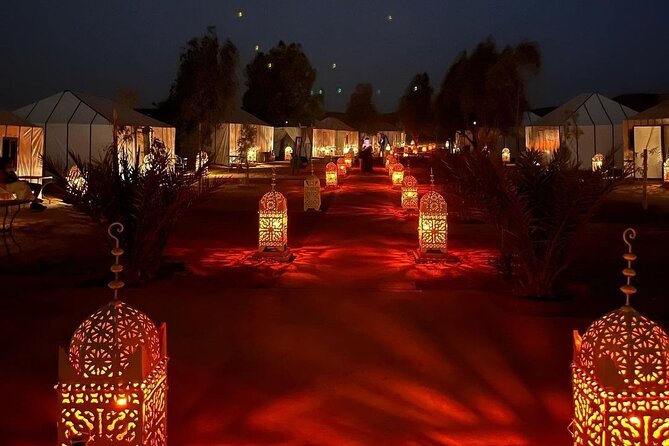
The luxury camp upgrades the experience fast. You get a private decorated tent with a private shower and bathroom inside the tent. The camp also offers luggage services, so you don’t have to manage everything in transit as much.
There’s also a note about return add-ons: a return by moto quad or jeep is an extra charge. That means if you want a smoother, faster ride back, you may want to ask about options when you book (or after arrival, depending on how they run it).
The afternoon ride and the sunset pause
Departure time shifts by season. In winter, expect something like around 4pm; in summer, around 7pm because the heat is intense. That timing isn’t a random choice. In summer, evening starts help you avoid the worst of the daytime sun while still getting a sunset moment.
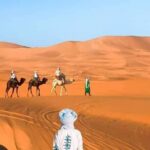
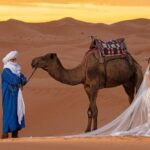
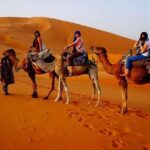
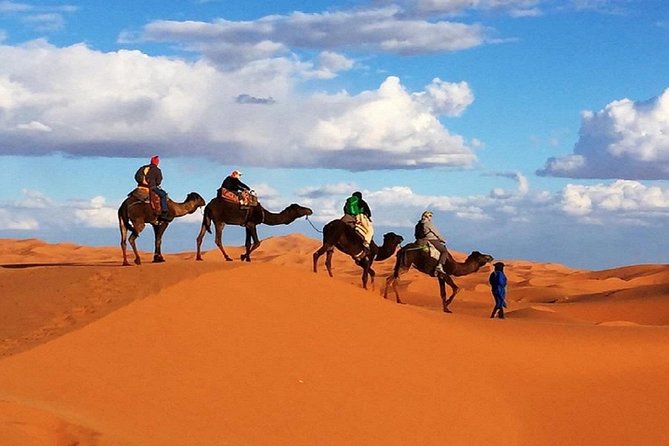
You’ll mount your camel and ride for about 1h30m. The camels are fitted with padded seating, and the guides actively manage comfort. In real terms, that means someone will check in if your back or posture needs adjusting, and they’re paying attention to the pace so you don’t feel jerked around.
Halfway into the ride, there’s a pause for sunset near the dunes. This is one of the best parts because you’re not just seeing the desert—you’re watching it. Light slides across the sand, shadows lengthen, and the dunes change texture in front of your eyes.
Dinner by Berber drums: what makes the camp night work
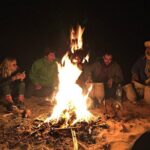
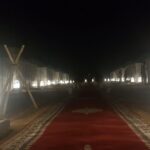
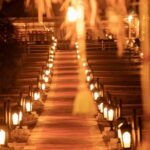
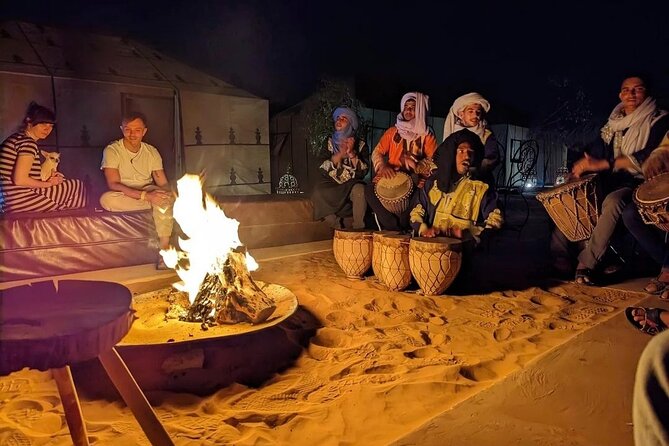
Dinner is part of the experience, not a token meal. You’ll arrive at the remote camp in time to watch sunset, then enjoy dinner in the camp atmosphere with traditional Berber drums. That music gives the evening energy and makes the camp feel alive, even though you’re far from roads and crowds.
I like how the guides keep the mood welcoming. Multiple people mentioned how staff were friendly, asking if they’re okay riding the camels, and helping with photos. One guide name that came up was Dao, who was described as especially nice.
Food is another strong point. Dinner is described as good and filling, with at least one description pointing to a multi-course meal vibe. Breakfast also happens at the camp after sunrise, which makes the whole night feel complete instead of stopping right after sunset.
Sleep setup: what you’re really signing up for
Overnight in a desert tent can be magical, but it’s not a hotel. The camp is “well-equipped,” and you’ll have a private tent. In luxury, you also have a private shower/bathroom inside the tent. In standard, the bathroom and shower are outside.
In either case, you should be ready for the desert environment. Temperatures can swing. In summer, conditions can be hot even at night, and there’s no A/C. In winter, it’s likely cooler, so layers matter. Either way, plan to dress and pack like you’re camping—not like you’re going to a resort.
One practical note from experience reports: there can be noise late at night at the camp. Camps can have music, voices, or activity that doesn’t shut off like a hotel. If you’re a light sleeper, consider earplugs.
Sandboarding at the camp
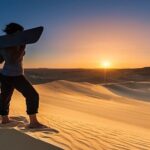
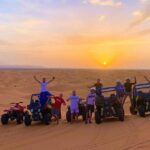
You’ll have free sandboarding, which is a perfect add-on because it turns the dunes into playground territory. This is one of those activities where you don’t need tons of instructions—just coordination and a willingness to laugh at yourself a little.
If you’re traveling with kids, sandboarding can be a highlight. Even when the camel ride is the main story, the board time often turns into the memory people keep talking about.
Getting back to Merzouga: timing and transport options
Return timing is generally 8–10am, depending on the season and the route. Coming back isn’t always the same as going out, because desert conditions and daylight can change what’s practical.
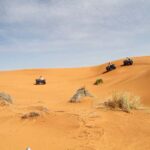
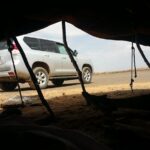
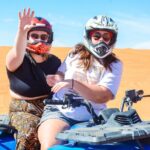
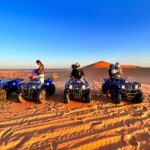
You may return by camels, car, or ATV-type transport (described as ATV/quad options, with some options as extras). The key is to confirm what’s planned for your specific date and camp option, especially if you’re choosing between standard and luxury.
Breakfast happens after sunrise, which keeps the morning simple: you wake up, eat, then start the return. You’ll end back at the meeting point in Merzouga.
Price and value: why this can be a good deal
At about $58.16 per person, this tour can feel like strong value because it includes more than just camel riding. You’re paying for the full overnight package: the overnight tent, dinner and breakfast, camel transfers to and from the camp, plus free sandboarding and pickup from Merzouga hotels.
The main “value trade-off” is camp level and what extras you want. Standard camp is a better budget move if you’re okay with shared outside bathroom/shower. Luxury costs more (not listed here, but it’s an option), and that private bathroom can be worth it if you really want comfort after a long day.
Also, drinks aren’t included. That’s common, but it’s worth planning for. If you want tea, bottled water, or other drinks, budget extra—or ask what they provide at the camp so you don’t get surprised.
What to pack and how to stay comfortable
Because the camp has no A/C and summer can run extremely hot, you should plan for sweating. In winter, expect cooler nights. Either way, you’ll sleep in a tent, so think layers and wind/sand-friendly clothing.
Here are smart, practical items to consider based on what’s provided:
- A small overnight bag (especially for standard camp, where luggage rules are tighter)
- A light layer for evening and a warmer layer if you’re going in winter
- Sunglasses and sunscreen (you’ll be outside for long stretches)
- Something for dust control (a scarf can help)
- Earplugs if you’re sensitive to late-night camp noise
- Since drinks aren’t included, bring money or plan to buy water if you want it
Also, remember that you’ll ride camels and move around dunes. Avoid ultra-bulky items and keep your hands free when possible.
Who this tour suits best (and who should think twice)
This experience is a great match if you want a real Sahara night with the right mix of comfort and culture. You’ll like it if:
- You want an overnight camel trek into Erg Chebbi, not a quick desert drive
- You enjoy camp life and don’t need hotel-style amenities
- You’re okay with shared facilities (standard camp) or you’re willing to pay for private bathrooms (luxury camp)
You might want to think twice if:
- You can’t handle hot temperatures in summer or you need A/C (it’s not available)
- You’re a very light sleeper due to possible late-night camp noise
- You dislike any outside bathroom setup (then choose luxury camp)
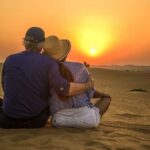
If you’re traveling as a couple, this is romantic in a straightforward way—no staging, just dunes, drums, and a night in a tent. If you’re a family, sandboarding and the camp atmosphere can make it feel like a mini adventure.
Booking timing and what to watch for
This tour is usually booked about 48 days in advance on average, which suggests it’s popular during peak seasons. If you’re flexible on dates, you may have more choices. If you’re traveling right near your preferred date, confirmation can be subject to availability.
Weather matters here. The experience requires good weather. If conditions are poor, you should expect an alternate date or a full refund.
Also, this is a mobile ticket situation. That’s easy: you’ll have what you need on your phone. Still, keep a screenshot or download it if you’re worried about connectivity in remote areas.
Should you book the overnight camel camp trek?
Yes, if your goal is a genuine Sahara overnight and you’re comfortable with desert camping conditions. The best part is the “whole arc”: the camel ride out, the sunset pause, then the camp night with dinner and Berber drums, plus breakfast and a return to Merzouga.
Book standard camp if you want the classic feel and can handle shared outside bathroom/shower. Book luxury if you want the extra comfort of a private shower/bathroom inside the tent—especially helpful after a hot ride or if you’re sensitive to shared facilities.
Skip or change plans if heat at night will stress you out or if late-night noise could ruin your sleep. In that case, choose luxury camp, bring earplugs, and set expectations that this is camping, not a hotel.
FAQ
What time does the camel trek usually start?
The start time depends on the season. It’s around 4pm in winter and around 7pm in summer, with the return typically around 8–10am.
How long is the camel ride?
You ride the camels for about 1 hour 30 minutes, with a pause on the way to watch the sunset.
What’s the difference between standard and luxury camp?
Standard camp includes a private tent but a shared bathroom and shower outside the tent. Luxury camp includes a private decorated tent with a private shower bathroom inside the tent, plus luggage services.
What meals are included?
Dinner and breakfast are included. Breakfast happens at the camp after sunrise, and dinner is served at the camp in the evening.
Is sandboarding included?
Yes. Sandboarding is included for free.
What transport is used for the return trip?
Return depends on the season and the route. You may return by camels, car, or ATV-type transport.
Are drinks included?
No. Drinks are not included, so plan for that if you want beverages during the experience.