REVIEW · MARRAKESH
Marrakech: Bahia Palace, Saadian Tombs & Medina Guided Tour
Book on GetYourGuide →Operated by Moments in Morocco - Tour Agency · Bookable on GetYourGuide
Marrakech moves fast on a guided route. You start at Jemaa el Fna near Café de France and spend four hours seeing the city’s biggest landmarks, from Bahia Palace to the Saadian Tombs, plus the UNESCO Medina’s alleyways and souks. A big win here is that the guide doesn’t just point. They walk with you, explain what matters, and help you keep your footing in the crowds.
What I like most is the mix of grand monuments and real street life, all with breathing room for photos and exploring on your own. You’ll also notice how many guides bring personality: in recent groups I’ve heard names like Hassan, Ahmad, Youness, Yassine, Mouhssine, and Mustapha praised for keeping things fun and clear, not stiff. One drawback to plan for: this is a real walking tour, and during busy times the Saadian Tombs can involve queues even with ticket-line help.
In This Review
- Key things I’d watch for
- Starting at Café de France in Jemaa el Fna: how the morning really feels
- Bahia Palace: cedar ceilings, garden calm, and time to slow down
- Kasbah, Bab Agnaou, and the Koutoubia Mosque exterior: reading Marrakech in stone
- Saadian Tombs: marble craftsmanship, tilework, and queue management
- UNESCO Medina souks: how the tour helps you walk smarter
- Shopping tips: good craft stories, and how to avoid overpaying
- Price and tickets: what $18 really covers in Marrakech
- Timing and effort: what 4 hours of walking feels like
- Who should book this tour (and who should skip it)
- FAQ
- FAQ
- How long is the Marrakech guided tour?
- Where do you meet the guide?
- Are the entrance tickets included?
- Is pickup available?
- What languages do the guides speak?
- What should I bring for the walk?
- Should you book this Marrakech tour?
Key things I’d watch for
- A good first-day orientation: you get a clear sense of where the important places sit in Marrakech.
- Monuments with built-in free time: guided moments, then time to look closer and take photos.
- Ticket-line help, but not instant entry: the guide can help with the first ticket bottleneck; inside waits can still happen.
- Souks with craft stops: you’re guided through areas like Souk Semmarine and Souk El Attarine, with artisan workshops along the way.
- Outdoor views for Koutoubia: you see it from outside only, with entry restricted during prayer times.
- Cash matters: Bahia Palace and Saadian Tombs entry are extra and are paid on-site.
Starting at Café de France in Jemaa el Fna: how the morning really feels
Jemaa el Fna is loud and intense, even before you start walking. This tour meets at Café de France in the square, which is a smart anchor point because it’s easy to recognize. Still, the meeting can feel like a crowd-management exercise at first—more people than you’d expect, and lots of different tour groups trying to find the right guide.
Here’s the practical part: your guide will contact you a day or two before on WhatsApp with their name, where to meet, and helpful tips. That message isn’t fluff. It’s what keeps you from wandering around the square like a confused extra in a Moroccan movie. And if your guide is Ahmad, Hassan, or one of the other frequently mentioned names, you’ll be relieved you don’t have to “guess who’s the guide” in the crush.
Once you’re lined up, the pace feels organized. You get photo stops and short walks, not a nonstop sprint through everything. The tour is also designed for a smooth flow between zones: you’re not stuck for too long in one area.
You can also read our reviews of more guided tours in Marrakesh


Bahia Palace: cedar ceilings, garden calm, and time to slow down
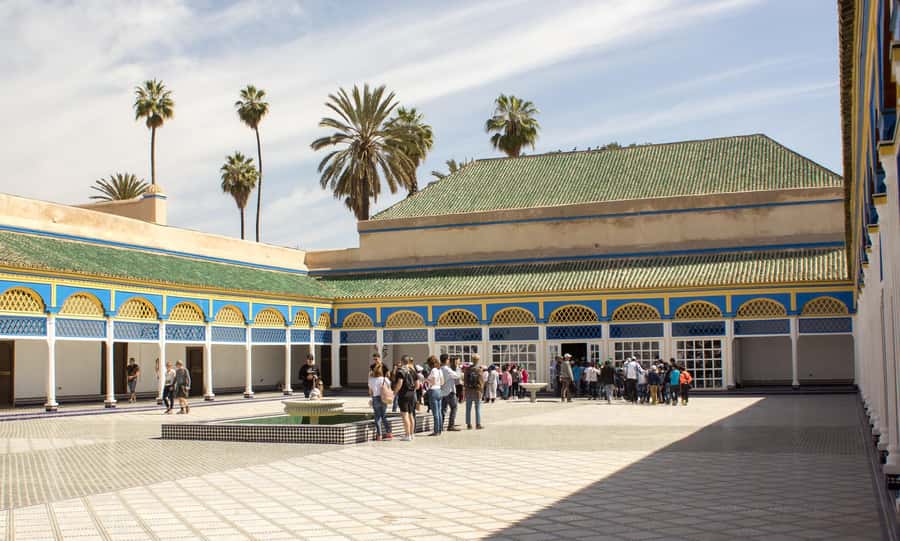
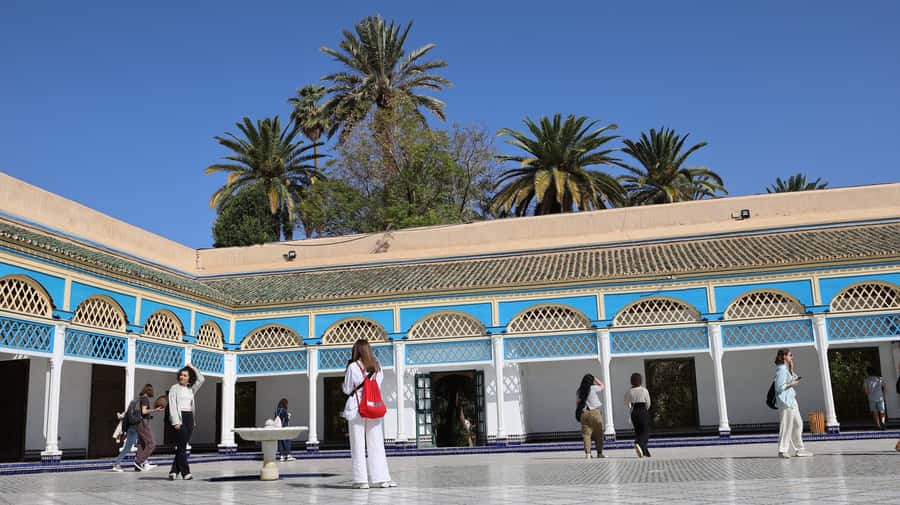
If you’re choosing one “wow” site in central Marrakech, Bahia Palace is a strong candidate. The place is famous for its lush interiors and decorative detail—think carved stucco, mosaic tilework, and cedarwood ceilings. What makes it work as part of a guided route is that you don’t just see it as a pretty building. You understand why it was built and how the space is laid out.
Inside, the guide walks you through the key rooms and features, then gives you time to wander. That free time is important. Bahia Palace is one of those places where the best moments are often small: a ceiling detail you didn’t notice in a quick pass, a courtyard view that hits differently when you stop for a minute, or the way light changes between shaded corridors and sunlit courtyards.
You should also plan for a minor reality check: some sections may be under renovation, so you might see certain areas closed off. That’s not unusual in major historic sites. The good news is that the palace is still worth your attention even if a corner or two is unavailable.
For many people, Bahia Palace is the emotional reset of the tour—the calm after the noise of Jemaa el Fna.
Kasbah, Bab Agnaou, and the Koutoubia Mosque exterior: reading Marrakech in stone
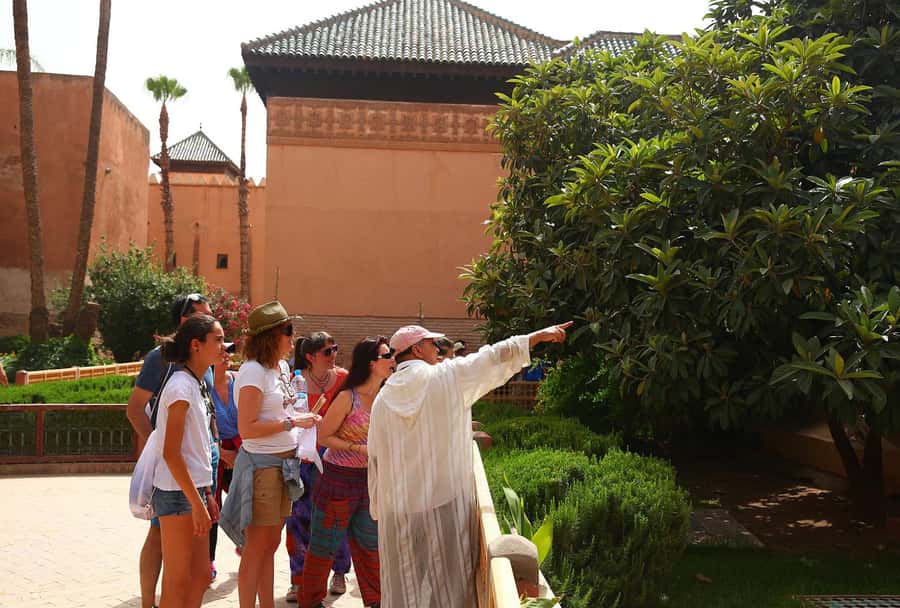
After the palace, the tour shifts toward the city’s power and boundaries—walls, gates, and architecture that tells you who controlled what. You’ll spend time around the Kasbah area and you’ll pause at Bab Agnaou, described as a grand 12th-century gate with intricate carvings. Standing near it helps you picture how the royal quarter once worked as a protected zone.
You also get a look at the Koutoubia Mosque, but only from the outside. Entry is restricted to Muslims during prayer times, so the tour keeps things realistic: you’re not paying for access you can’t get. What you gain instead is context. Your guide points out architectural traits and places the mosque within the broader historic picture of Marrakech.
This section is valuable because it changes the “genre” of your day. You go from palace life—private courtyards and decorative interiors—to the public-facing structures that shaped movement, security, and status.
If you like architecture, you’ll enjoy this part more than you might expect, because the guide helps you connect the dots instead of treating each stop as a standalone postcard.
Saadian Tombs: marble craftsmanship, tilework, and queue management
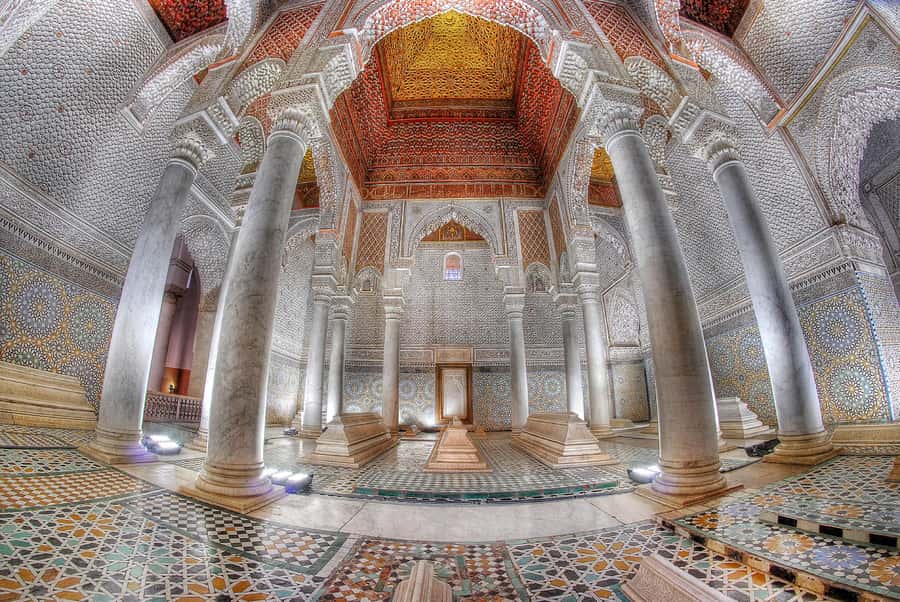
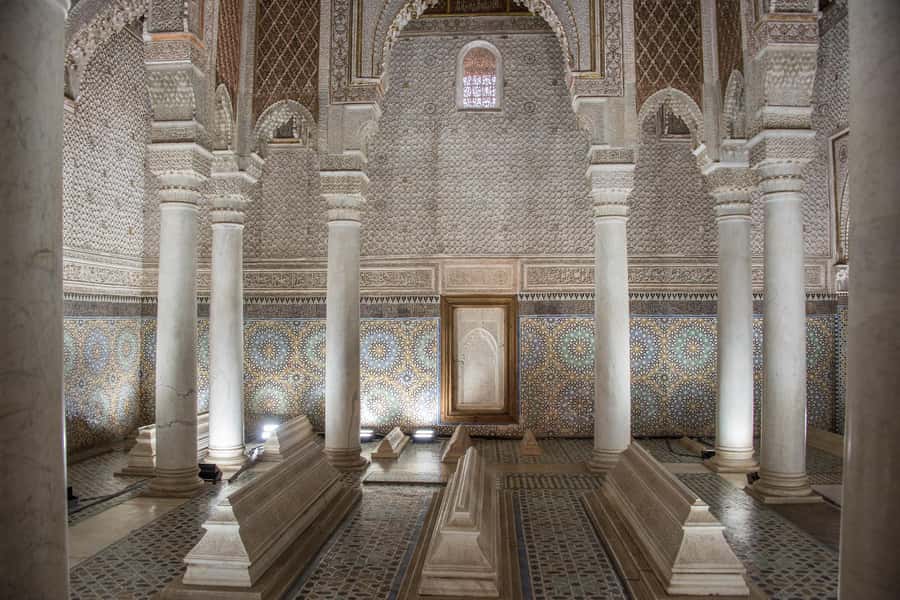
The Saadian Tombs are peaceful in a way the rest of Marrakech sometimes isn’t. This is where you see hand-cut zellij tilework and ornate stucco work, plus the marble epitaphs that record names and legacy. The space feels designed for visitors to pause and look closely, not to rush past.
Still, there’s one practical consideration: queues. Even with help skipping the initial ticket line, you may still face waiting once you’re inside the monument area. That can add time, especially in peak season. If your schedule is tight, it’s smart to keep your evening plans flexible.
The guide’s role here matters. You’re not just standing in line without context. They explain what you’re about to see, so the wait doesn’t feel wasted. Then, once you’re in, they guide you through the highlights and you get time to explore and take photos at your own pace.
If Bahia Palace is the “pretty and grand” stop, Saadian Tombs are more about craftsmanship and quiet impact. Both are worth your time, but they hit differently.
UNESCO Medina souks: how the tour helps you walk smarter
The Medina is where Marrakech becomes hard to navigate without local help. This tour doesn’t try to cover every alley. Instead, it focuses on the sections that reveal how the city works day to day.
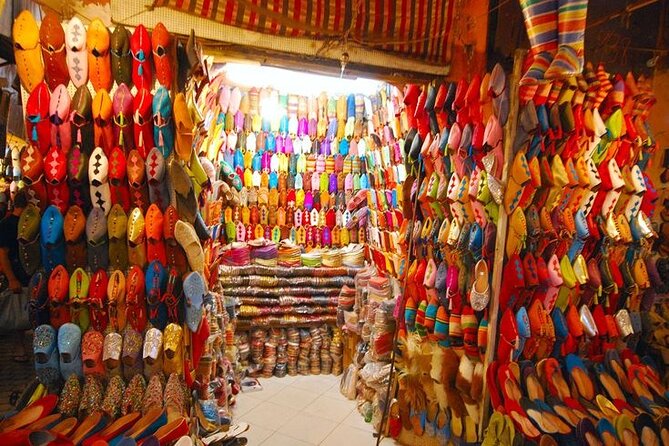
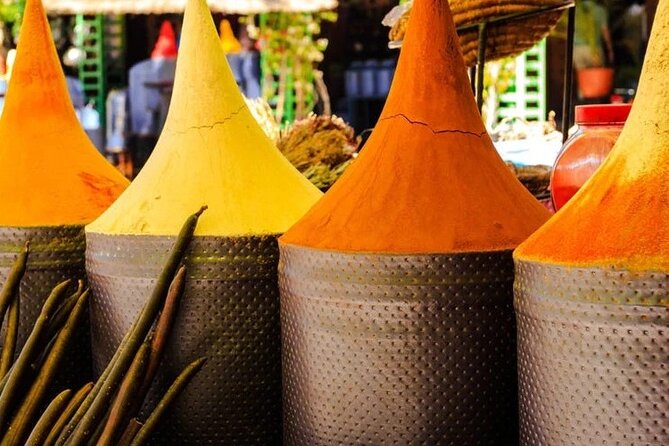
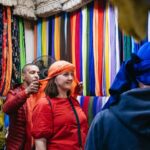
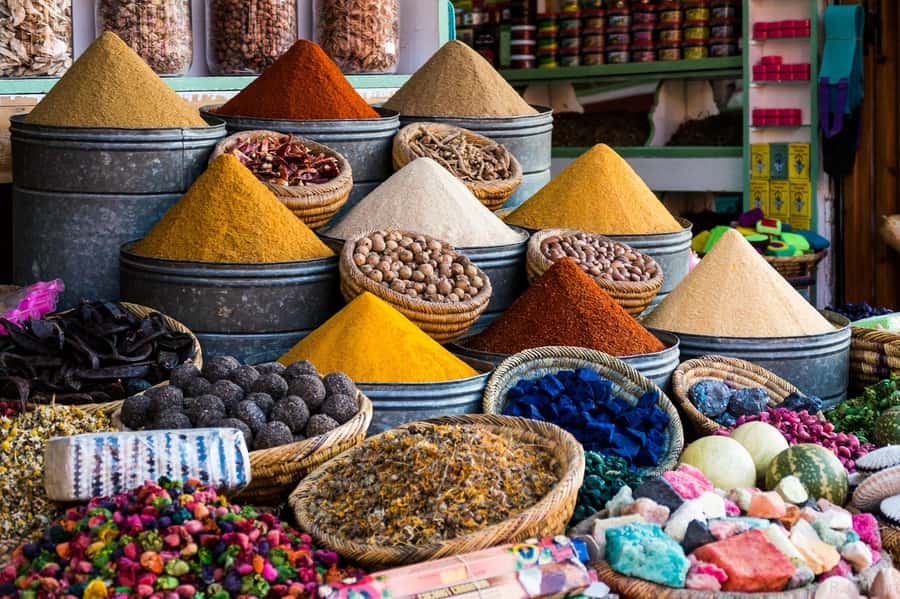
You’ll be guided through souk areas such as Souk Semmarine and Souk El Attarine, where stalls cluster around spices, textiles, and leather goods. The point isn’t only shopping. It’s learning how products are described, how goods are displayed, and how craftsmen work in their own rhythms. Along the way, the tour includes workshop-style visits where you can see crafts made using older techniques.
Then you’ll spend time deeper in the UNESCO-listed Medina, where you see carved wooden doors, hidden riads, and historic fountains tucked into narrow streets. This is also where photo opportunities show up naturally, but only if you’re willing to slow down for a moment.
One thing to keep in mind: this is not a slow museum stroll. It’s a guided walk through active markets. The value is that you get help choosing your route and understanding what you’re looking at, without needing to figure it out from scratch.
Also, you’ll likely pass through or spend time in areas tied to local life, including Rahba Kedima. That neighborhood-market feel is part of the reason people love Marrakech. It’s not only about monuments. It’s about daily business.




Shopping tips: good craft stories, and how to avoid overpaying
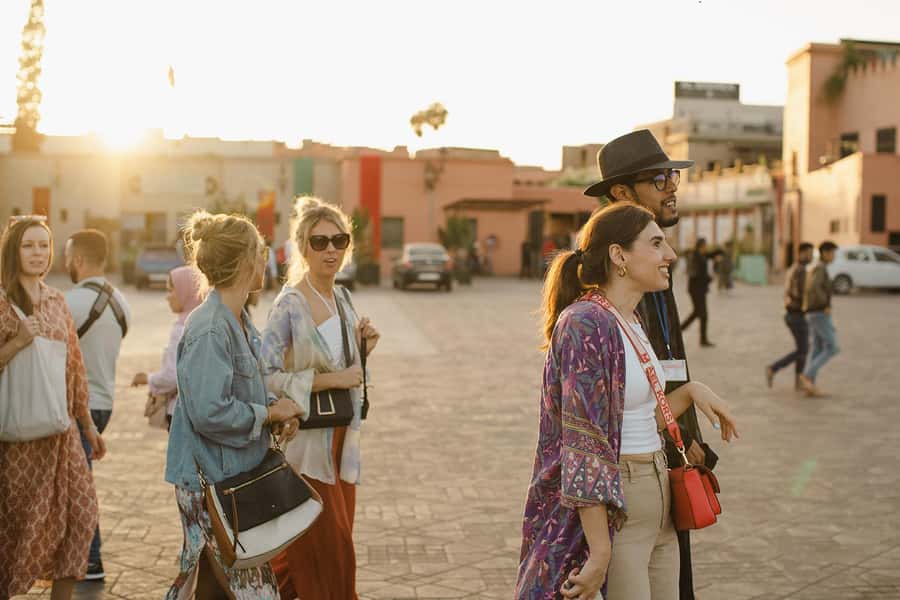
Souks are fun. Souks are also where you can lose money fast if you’re tired. A guided tour helps, but it doesn’t remove the basics.
Use your guide for two things:
- Getting context before you buy (what the item is, how it’s made, and what materials mean)
- Deciding what’s worth your money and what’s not
Some shoppers learn the hard way that not every seller tells the full truth about uniqueness. If you’re buying souvenirs, treat workshop demos as educational. Save your big-money decisions for later in the day when you can compare prices and quality calmly.
If you want the easiest path, set a plan before you enter the densest stretches: pick one or two categories you really want (like spice blends, a specific textile, or a leather item), and skip everything else unless it’s clearly what you came for.
Price and tickets: what $18 really covers in Marrakech
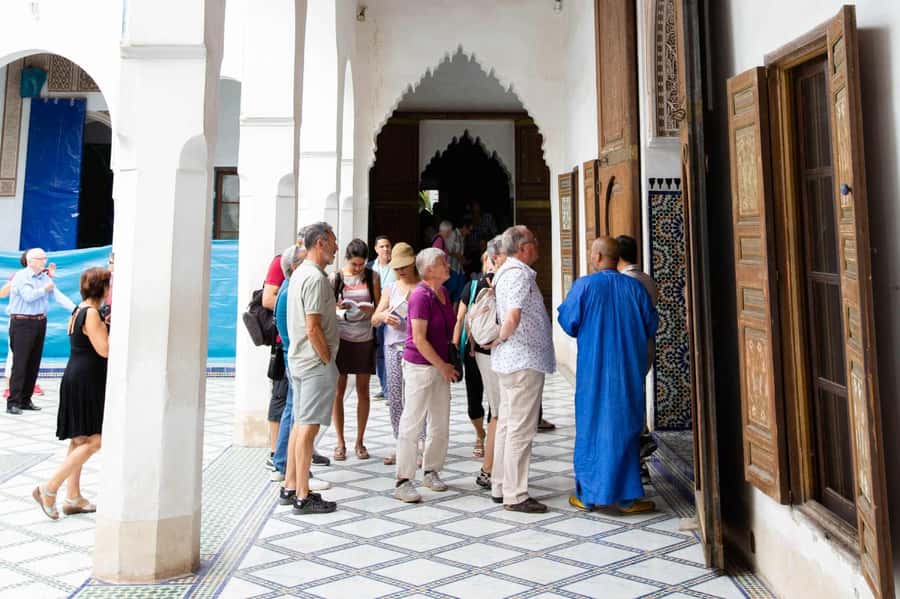
The headline price is about $18 per person for a 4-hour guided walking tour. That’s a budget-friendly entry point because it includes a licensed local guide and guided stops through major sights, plus the option for a private or small-group format depending on what you choose.
But the math only makes sense when you budget the monument tickets. Entry to Bahia Palace and the Saadian Tombs is 100 MAD each per adult, and that cash payment is done on-site. So your real “all-in” cost is the tour price plus those two site fees.
Is it still good value? In practice, yes—because you’re getting:
- Help navigating the main sights in a short window
- Ticket-line assistance so you’re not stuck at the first bottleneck
- Guide time inside the monuments
- Extra time for your own looking and photos
Also note: transportation isn’t included. That usually isn’t a dealbreaker in the Medina on foot, but you may want to factor in how you’ll reach the meeting point and how you’ll get back at the end.
Timing and effort: what 4 hours of walking feels like
This is set up as a 4-hour experience, but you should expect a little wiggle room. Some people report it running longer (around 4.5 hours). Part of that is normal: crowds, queues, and the simple fact that people want photos.
The walking itself is central to the experience. You move between Djemaa el Fna, monument areas, and multiple Medina streets. You don’t get a car ride between every stop, and that’s on purpose—you see the city the way it’s meant to be seen on foot.
Two timing notes you should take seriously:
- During Ramadan (Feb 18 to Mar 20), monuments close earlier. Morning starts move to 09:30 instead of 10:00, and afternoon starts to 13:00 instead of 14:00.
- Koutoubia Mosque is outside view only. Entry depends on prayer times, so don’t plan your day around getting inside.
One more reality check: the tour is not suitable for people with mobility impairments. If walking distances and uneven streets are tough for you, it’s worth choosing another format.
Who should book this tour (and who should skip it)
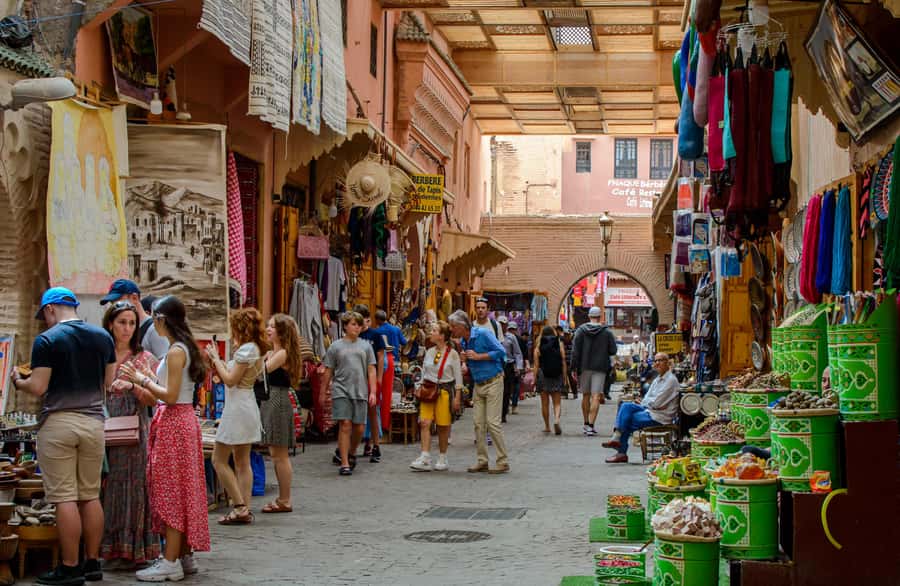
This tour is a great fit if:
- You’re in Marrakech for a short stay and want the main sights in a structured way
- You like history and want it explained through architecture and craft
- You want help navigating the Medina so you don’t wander in circles
- You enjoy markets but need a guide to keep you efficient and informed
It’s less ideal if:
- You hate queues or you’re scheduling a later flight or dinner with zero flexibility
- Walking is hard for you
- You’re only interested in one monument and don’t want the “lots of ground in one day” style
The good part is that guides seem to manage pacing well. In feedback I’ve seen, people praised guides for being patient, answering questions clearly, and keeping things fun. Some guides even help with practical comfort—finding shade, pacing stops, and keeping the group moving in a way that feels manageable.
FAQ
FAQ
How long is the Marrakech guided tour?
It lasts about 4 hours.
Where do you meet the guide?
You meet your guide in front of Café de France in Djemaa el Fna square.
Are the entrance tickets included?
No. Entry tickets for Bahia Palace and the Saadian Tombs are not included and are paid in cash on-site (100 MAD per adult for each).
Is pickup available?
Pickup is optional if you choose the private option. If you’re staying in the Medina, the guide can meet you at the reception of your riad. Otherwise, you meet at Café de France in Jemaa el Fna.
What languages do the guides speak?
The tour is offered with guides who speak French and English.
What should I bring for the walk?
Bring comfortable shoes, sunglasses, water, and cash.
Should you book this Marrakech tour?
Yes, if you want a smart “hit the highlights” day without turning Marrakech into a DIY maze. The biggest reason to book is the balance: major monuments like Bahia Palace and the Saadian Tombs, plus a guided path through the Medina so you actually understand what you’re seeing.
If you have limited mobility, or if you can’t handle walking and possible queues, skip it and look for a more limited-access plan. Otherwise, this is a solid, budget-friendly way to get your bearings fast and come away with real stories, not just photos.