REVIEW · MARRAKESH
From Marrakech: 3-Day Desert Tour to Agadir
Book on GetYourGuide →Operated by MOROCCO TRIP · Bookable on GetYourGuide
The Sahara hits hard on day two. I love the combo of Aït Benhaddou and the Erg Chebbi camel ride at sunset, because it mixes famous Morocco with real desert magic. I also like that the plan is heavy on stops, not just seat time. The catch is simple: it’s a long route, so it can be rough if you’re prone to motion sickness or have back trouble.
On the ride between big sights, you’re not stuck staring out the window. The day-by-day flow gives you time for viewpoints, Berber villages, and gorge moments like Todra’s towering rock walls. And when the guide is strong, the trip feels smoother and more personal, like Hakim (funny, caring, and very on top of things) or Muha (positive, flexible, and organized).
By night, the desert weather becomes the main character. You sleep in the Dades Valley one night, then camp near Merzouga dunes another night, and the desert can get cold fast. If you book a camp option with extras like AC and charging points, you’ll likely sleep better, but either way, packing warm layers matters.
In This Review
- Key Highlights You’ll Actually Feel
- Why This Marrakech to Agadir Route Works
- Day 1: High Atlas Villages, Aït Benhaddou, and Dades Valley Nightfall
- Day 2: Todra Gorge to Erfoud, Then Erg Chebbi Sunset and Camp Life
- Day 3: Sahara Sunrise, Draa Valley Kasbah Stops, and Agadir Drop-Off
- Camping Comfort: What Included Sleep Really Means
- Camels, Sandboarding, and the Real Rhythm of the Dunes
- Guides Make the Difference: Hakim, Muha, Ayoub, and the Safety Factor
- Price and Value: What’s Included and What to Budget
- Long Drives: The One Consideration You Should Not Ignore
- Who This Desert Tour Suits Best
- Should You Book This 3-Day Desert Tour to Agadir?
- FAQ
- What does this 3-day tour include?
- Are camel rides and sandboarding included?
- What meals are covered, and what about lunch?
- Where do you sleep during the trip?
- How long is the driving, and who should be cautious?
- Does the tour include transport to Agadir at the end?
- What should I pack for the desert?
Key Highlights You’ll Actually Feel
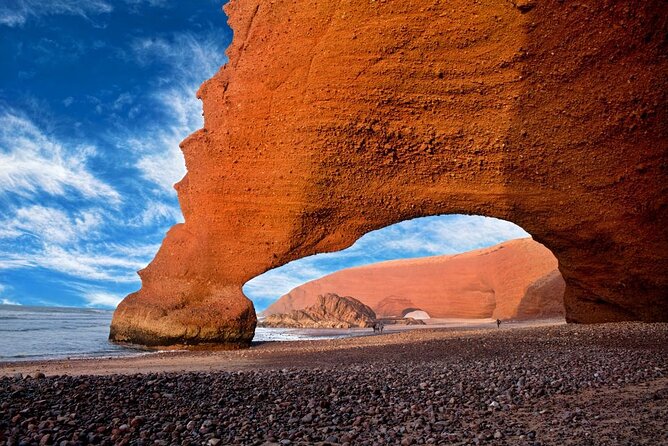
- Aït Benhaddou’s UNESCO magic plus the movie-set feeling around Ouarzazate
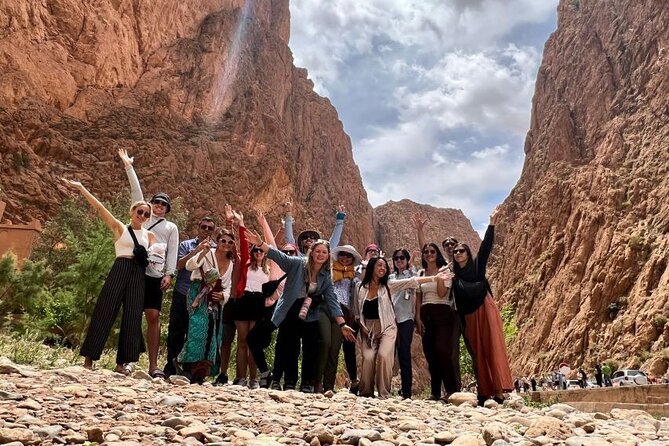
- Todra Gorges and the Tinghir oasis area with dramatic canyon views
- Erg Chebbi dunes sunset and sunrise from horseback-level perspective
- Camel trekking in the Sahara with one camel per person
- Sandboarding included when you reach the dune area
- Guides who keep the logistics calm, with names like Hakim, Muha, and Ayoub showing up repeatedly
Why This Marrakech to Agadir Route Works
This isn’t just a “go see the Sahara” trip. It’s a Morocco sampler done at a speed that still gives you room to appreciate what you’re passing. The route links four big draws: the High Atlas Mountains, the Kasbah world around Ouarzazate, the canyon country of Dades and Todra, and the Merzouga desert dunes.
The biggest value is that you don’t trade comfort for adventure. You get an air-conditioned vehicle with AC, hotel-style overnighting in the Dades Valley, and organized desert timing for sunrise and sunset. That matters because the Sahara is where timing and temperature make or break your experience.
One more thing I appreciate: you’re not just driving through Morocco. You’re doing a sequence of distinct places with different “moods.” Mountains feel cool and rugged. Kasbahs feel grounded and historic. The dunes feel quiet and huge. If you’re a first-timer, that contrast is the whole point.
A few more Marrakesh tours and experiences worth a look

Day 1: High Atlas Villages, Aït Benhaddou, and Dades Valley Nightfall
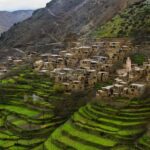
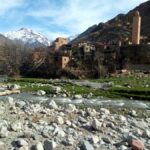
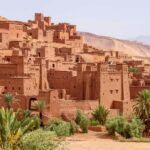
Day 1 starts in the High Atlas region and ramps you from city energy into mountain life. You’ll cross areas known for Berber villages, then move into the famous Kasbah zone. The star stop here is Aït Benhaddou, where the architecture looks tailor-made for film sets because it’s that photogenic.
Why this stop is worth your attention: Aït Benhaddou isn’t just a wall of old buildings. It’s a place that helps you understand how communities used to organize life and defense in Morocco’s fortified style. If your guide is strong, you’ll also get context that makes the site feel less like a postcard and more like a living system from another era.
From there, the route continues toward Ouarzazate, including the Taourirt Kasbah. Ouarzazate is often described as cinematic, and that’s fair, but the deeper value is how the town sits between the desert push and the mountain pulls. You’re watching Morocco shift forms in real time.
Then comes Skoura and the Roses Valley areas before you settle into Dades Town for the night. This is a smart way to start the trip because you’re not hitting the desert straight away. You arrive with your legs awake, your head open, and your eyes trained for dramatic rock and canyon shapes.
Tradeoff to expect: after a full day, you’ll probably feel the day’s driving when you finally slow down. The itinerary is packed enough that Day 1 can feel busy, even though the stops are all good.
Day 2: Todra Gorge to Erfoud, Then Erg Chebbi Sunset and Camp Life
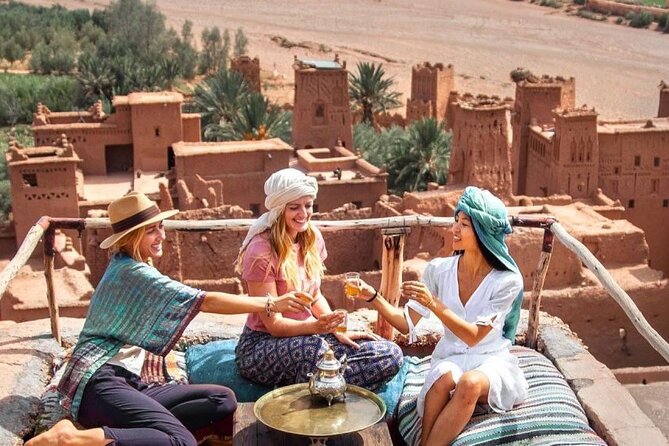
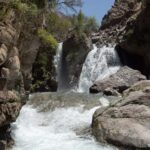
This is the day that turns the volume up. You start with Todrra Gorges (towering rock walls, narrow passes, and that sense of scale you don’t get from photos). After the canyon, you continue toward Erfoud, a key staging point on the way to the desert.
Then you reach the dunes: Erg Chebbi in Merzouga. This is the moment where the geography becomes the show. The dunes stretch out in a way that feels both calm and unreal, especially around sunset.
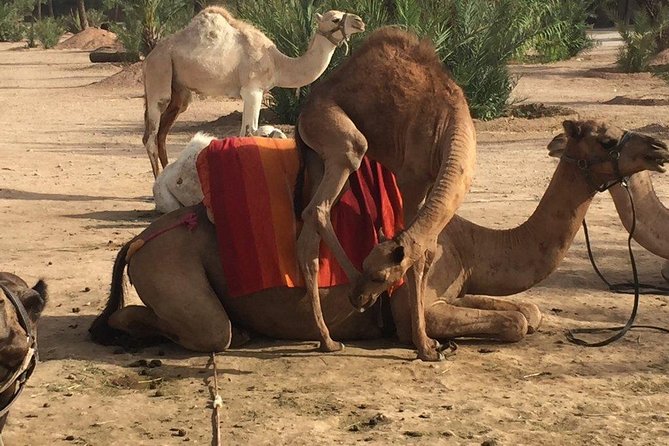
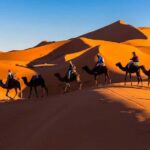
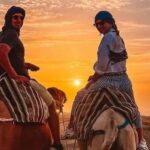
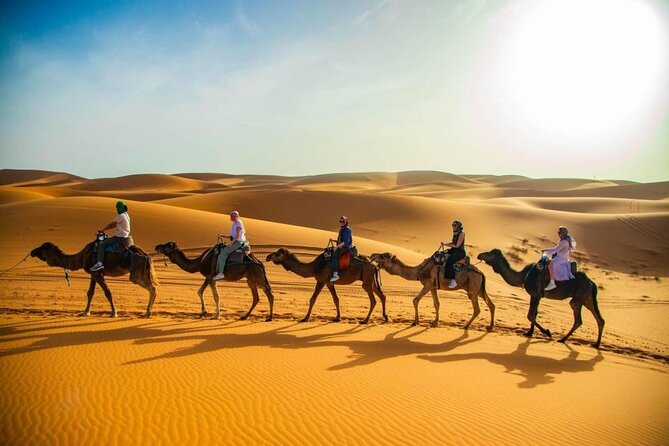
The included highlight is a camel ride with one camel per person, timed for sunset. That timing matters. You’re not just moving through sand; you’re watching the sky change color while the dunes glow. It’s the cleanest “Sahara experience” part of the trip.
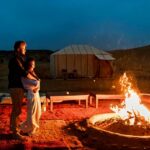
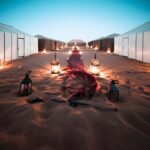
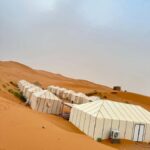
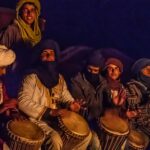
Next is the desert camp night. You’ll sleep in a traditional nomadic camp area, with dinner and breakfast included, plus a chance to enjoy the camp atmosphere and a night program. Many people love the drumming-style entertainment and group energy. A practical note: this can be a bit staged depending on the camp setup. If you’re expecting purely acoustic, no-frills tradition, you might be surprised by modern touches some camps use.
If you have the option for a premium or luxury camp, that can be a big difference maker. Some setups offer air conditioning and charging points, which helps a lot after a day in the sun. Even then, plan for cold. The desert night is cold enough that warm layers become non-negotiable.
Day 3: Sahara Sunrise, Draa Valley Kasbah Stops, and Agadir Drop-Off
Day 3 begins early, with sunrise over the dunes. Waking up for desert sunrise is worth it because the light is gentle and the dunes look different in every minute. It’s also a good reset after the camel ride and camp night.
After breakfast at your lodge/camp setup, you head back toward the coast. The route takes you through the Draa Valley, where you’ll see Berber kasbahs along the way. This is a nice contrast to the Sahara day: instead of one huge sand space, you’re getting an “along-the-way” Morocco with older settlements and valley rhythms.
You’ll also pass through Taznakht and Taliouine, then continue to Ouarzazate before finishing in Agadir.
Important logistics detail: upon arrival around Ouarzazate, you can be split by group and transferred to Agadir by taxi if needed. That’s not a dealbreaker, but it explains why the last day can feel like a transportation push even though you still get scenery stops.
The tour ends with drop-off at your Agadir hotel or the closest accessible location if your accommodation is hard to reach by car. You’ll leave with a full visual memory bank: Atlas mountains, kasbah towns, gorges, and the Merzouga dunes.
Camping Comfort: What Included Sleep Really Means
You get two overnights: one in the Dades Valley and one in the Erg Chebbi Merzouga Desert area. Both include dinner and breakfast, and you’ll sleep with a bed in the Dades Valley portion.
In the desert camp, the “comfort level” depends on which camp option you choose. Standard setups can be more basic, while premium options may include extra comforts like air conditioning and charging points. One person even mentioned how helpful these details were for staying powered and comfortable.
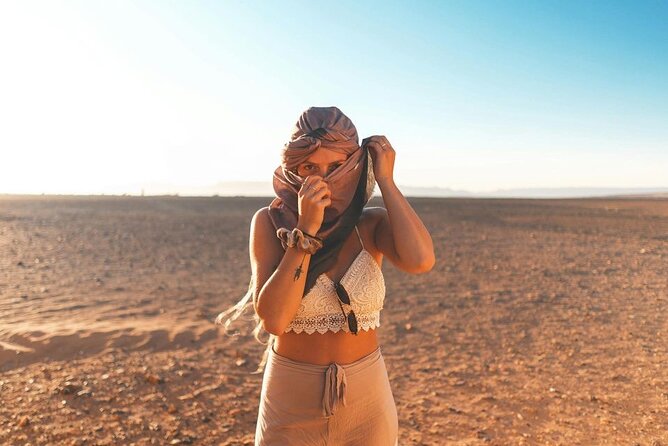
Even with upgrades, you’re still in the desert. That means you should treat warm clothing as essential. People call out night cold often, and it’s not just a “bring a jacket” situation. Think warm layers, gloves, thick socks, and a hat if you’re traveling in cooler months. If you forget, you’ll spend the night thinking about your pack instead of enjoying the sky.

Camels, Sandboarding, and the Real Rhythm of the Dunes
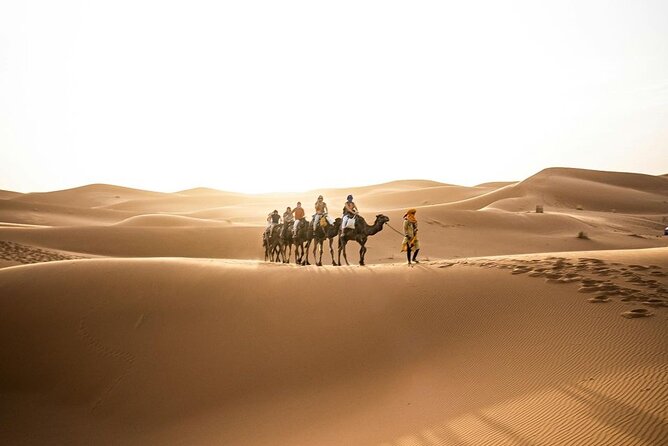
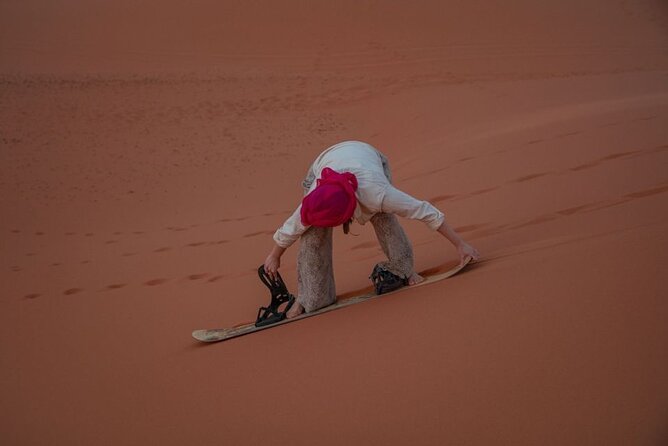
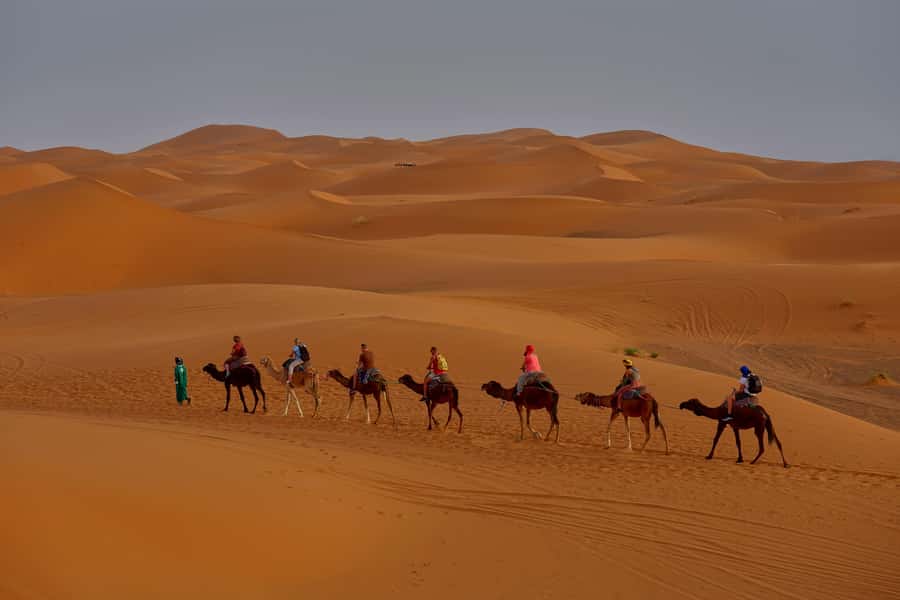
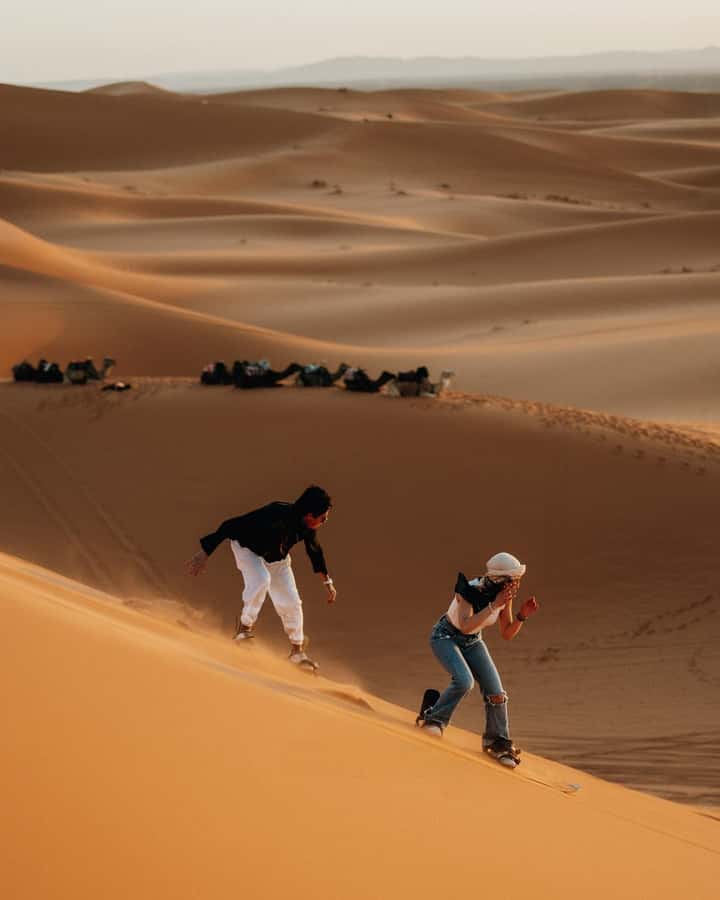
Your included action time is built around the dunes: camel trekking plus sandboarding. Having both is a good mix. The camel ride gives you the slow, iconic view, while sandboarding gives you a controlled dose of motion and fun.
One helpful detail: you ride one camel per person, so you’re not sharing a camel experience with someone else. That makes it easier for solo travelers and couples because timing stays straightforward.
For the night: plan for a show-like program. Many camps include drumming-style entertainment and group dancing energy, and it can be a highlight. Still, treat it like entertainment that’s shaped for visitors, not a museum reenactment. If your priority is “pure tradition with no modern instruments,” ask questions in advance when you book the camp option.
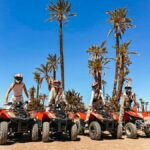
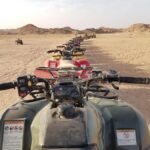
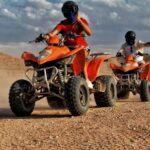
And about optional add-ons: some camps and operators may offer quad/ATV rides, and you might see people doing them around sunrise or on the way in/out. Since those aren’t listed in the core inclusions, keep your budget flexible and ask what’s included versus paid separately.
Guides Make the Difference: Hakim, Muha, Ayoub, and the Safety Factor
A desert trip is only as good as the driver and guide team. The best experiences come from leaders who manage timing, keep you informed, and handle small problems without drama.
This route has strong guide reputations in real-world feedback, with names like Hakim and Muha showing up for being funny, caring, and flexible. Other standouts include Ayoub for being professional and attentive, and Imad or Hassan for knowledge and smooth driving. The theme is consistent: when the guide is confident, the long days feel organized instead of exhausting.
I also like that guides handle practical needs. Several accounts mention frequent stops for snacks, drinks, and access to ATMs, plus clear explanations at key sights like Aït Benhaddou and Todra Gorge. That kind of pacing makes the difference between “I saw it” and “I got meaning out of it.”
Price and Value: What’s Included and What to Budget
No price is listed here, so I’ll judge value by what you’re actually getting. This tour includes:
- Pickup and drop-off from your Marrakech accommodation (or the nearest accessible point)
- Air-conditioned vehicle with AC
- English/French/Spanish-speaking guide/driver
- Fuel for the trip
- Two overnights, including bed, dinner, and breakfast
- Overnight desert camping with dinner and breakfast
- Camel trekking (one camel per person)
- Sandboarding
- Agadir drop-off at your hotel or closest accessible spot
What’s not included:
- Lunches
- Entrance fees if any
So the value equation is pretty clear: you’re paying for transport, guided route management, and big-ticket experiences (desert camping + camel ride + sandboarding). Lunches and possible entrance fees are your main extra costs.
One practical tip: bring cash. Even with an organized guide, you may want cash for small stops, local purchases, or situations where cards aren’t accepted.
Long Drives: The One Consideration You Should Not Ignore
This is the tradeoff that shows up again and again. You’re covering a lot of ground between Marrakech, multiple canyon and kasbah regions, Merzouga, and finally Agadir. Even with frequent stops, the route is still a serious road trip.
The tour itself flags this reality: it may not be ideal for back problems or motion sickness. If either is you, plan carefully. Bring something for nausea if that’s your usual tactic, and consider bringing a support cushion for sitting.
Also note: you’ll likely feel the drive on Day 3 the most because the route funnels you to Agadir with a taxi transfer after the Ouarzazate area. It’s still scenic, but it’s a finish day, not a slow sightseeing day.
Who This Desert Tour Suits Best
This tour fits best if you want a “big Morocco in three days” plan with real standouts: Atlas Mountains, Aït Benhaddou, Todra Gorge, Erg Chebbi dunes, camel riding, and desert camping.
It’s especially good for:
- First-time Morocco visitors who want multiple regions without planning every leg
- People who like structured days with guides and minimal decision-making
- Solo travelers who want the included camel and camp logistics handled for them
It may not be the right fit if:
- You get physically wiped out by long drives
- You strongly prefer a quieter, less schedule-heavy pace
- You want a specific extra stop that you’ve seen online, since the exact sights can vary and you should confirm the list when booking
Should You Book This 3-Day Desert Tour to Agadir?
If you want the Sahara experience with strong structure, this one is an easy yes. You get the core desert ingredients you’re paying for: Erg Chebbi dunes timing, camel trekking, sandboarding, and overnight camp life, plus high-impact stops like Aït Benhaddou and Todra Gorges.
The decision comes down to your comfort with road time and cold nights. If you can handle long driving and you pack warm layers, you’ll likely feel like you “covered Morocco” in a way that still feels meaningful, not rushed.
If you’re picky about camp style, ask about the camp option you’ll get and whether it includes AC/charging. And if you care about any specific sight beyond the core route, confirm it before you pay.
FAQ
What does this 3-day tour include?
It includes pickup and drop-off from Marrakech, an air-conditioned vehicle, an experienced English/French/Spanish guide/driver, fuel, accommodations with dinner and breakfast for two nights, overnight camping in the Erg Chebbi Merzouga desert area with dinner and breakfast, a camel trek (one camel per person), sandboarding, and drop-off in Agadir.
Are camel rides and sandboarding included?
Yes. Camel trekking is included, with one camel per person, and sandboarding is included during the dune part of the trip.
What meals are covered, and what about lunch?
Dinner and breakfast are included with the overnights (Dades Valley and the desert camp). Lunches are not included.
Where do you sleep during the trip?
You sleep one night in the Dades Valley (with bed, dinner, and breakfast), then you camp overnight in the Erg Chebbi Merzouga desert area (with dinner and breakfast).
How long is the driving, and who should be cautious?
Expect long hours of driving. The tour may not be suitable if you have back problems or motion sickness.
Does the tour include transport to Agadir at the end?
Yes, you finish with drop-off at your Agadir hotel or the closest accessible location. The information also notes that upon arrival to the Ouarzazate area, you may be split and transported to Agadir by taxi if needed.
What should I pack for the desert?
Bring warm clothing (evenings can be cold), sunglasses, a sun hat, cash, and comfortable footwear for walking on sand.