REVIEW · MEKNES
From Fes: Explore Roman Ruins & Imperial Meknes in one day!
Book on GetYourGuide →Operated by Tihama Trans Tours · Bookable on GetYourGuide
One day like this can change how you see Morocco. You’ll go from the Roman world at Volubilis to the grand imperial monuments of Meknes, with a quick scenic stop at Dam El Shahad along the way. The best part is that the route is planned as a “see it, understand it, move on” kind of day.
I especially liked the focus on the standout monuments, from the UNESCO Volubilis ruins to Meknes’ main sights. And it really helps when you get strong support from the team—on recent departures, people have praised driver Isham and guides like Rachid, plus other guide duos such as Hassan and Mohammed.
One thing to consider: the day is structured and time is tight at a couple of stops, so if you’re the type who wants to linger for hours, you may wish there was a bit more time at Volubilis and nearby photo spots.
In This Review
- Key highlights to look for
- Why This Fes-to-Meknes History Loop Feels Efficient
- Getting Out of Fes: 9:30 Start, AC Comfort, and Dam El Shahad
- Volubilis UNESCO: Roman Ruins and How to Use Your Time
- The Drive to Meknes: 45 Minutes That Can Help You Recover
- Bab Mansour and Meknes Medina: Gate Power and Street-Level Character
- Moulay Ismail Mausoleum: What You’ll Notice When You Slow Down
- Heri es-Souani (Royal Stables): Why This Is More Than a Side Stop
- Price and Logistics: Is $22 Good Value for This Much Sighting?
- Who This Tour Suits Best (and Who Might Want a Different Plan)
- Should You Book This One-Day Volubilis and Meknes Tour?
- FAQ
- What is the duration of the tour?
- When does the tour start from Fes?
- Is hotel pickup and drop-off included?
- Are monument entrance fees included in the price?
- Is a local guide included?
- Can I cancel and get a full refund?
Key highlights to look for
- Volubilis mosaics in UNESCO surroundings: see the Roman remains and preserved mosaic work within a set visit window
- Dam El Shahad viewpoint break: a short pause to reset before the main ruins
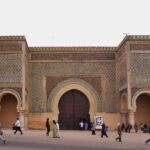
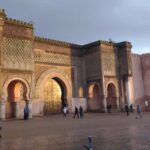
- Bab Mansour gate photos: Meknes’ most famous entrance, built for power and presentation
- Moulay Ismail Mausoleum details: see the scale and craftsmanship tied to Sultan Moulay Ismail
- Heri es-Souani (Royal Stables): massive granaries and horse-stable complex from Moulay Ismail’s reign
- A paced one-day itinerary: convenient, but not made for long wandering
Why This Fes-to-Meknes History Loop Feels Efficient
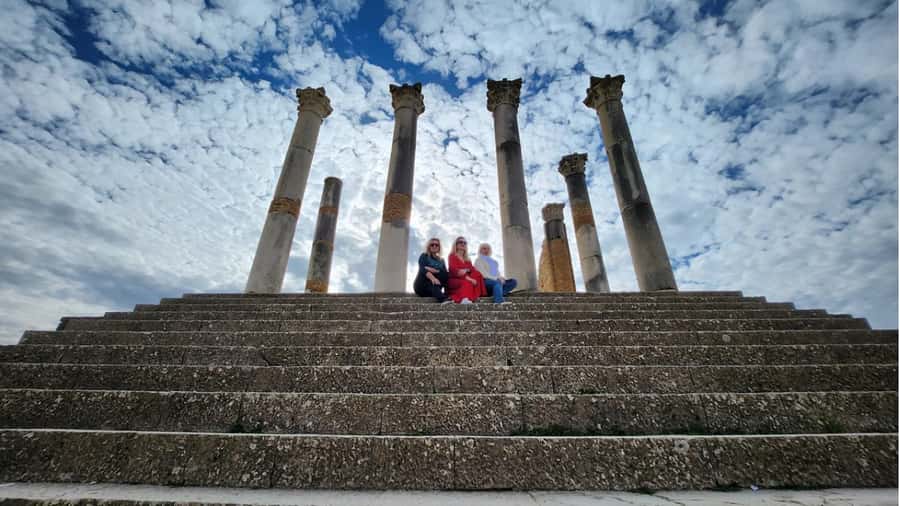
This is the kind of day trip that makes sense if you have limited time in Fes but still want more than one “big ticket” stop. You’re stacking Roman remains and imperial Moroccan architecture into one 8-hour loop, and that’s the real value here. Instead of spending your time figuring out transport between sites, you get a set route with a driver and guidance at the main points.
I also like the balance of “major monument first” plus “time to breathe.” You’ll have a short break at Dam El Shahad, then you get your main deep-sight at Volubilis, and finally you spend your Meknes time on the city’s headline locations: Bab Mansour, the historic Medina area, the Moulay Ismail Mausoleum, and Heri es-Souani.
The route is practical, but it’s not slow travel. Think of it as a well-timed sampler that helps you decide what you’d want to return to later—especially if you end up falling hard for one place and want a second visit.
A few more Meknes tours and experiences worth a look
Getting Out of Fes: 9:30 Start, AC Comfort, and Dam El Shahad
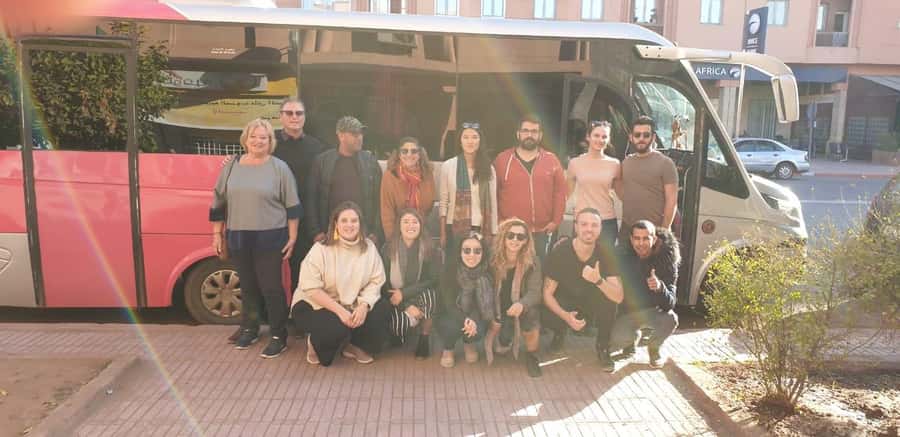
The trip typically starts around 9h30 in the morning from Fes. You’re picked up from your hotel or a close meeting point that’s reachable by car, and the vehicle is comfortable with AC. That matters more than you’d think—this is an all-day outing, and heat plus long roads can turn a good plan sour.
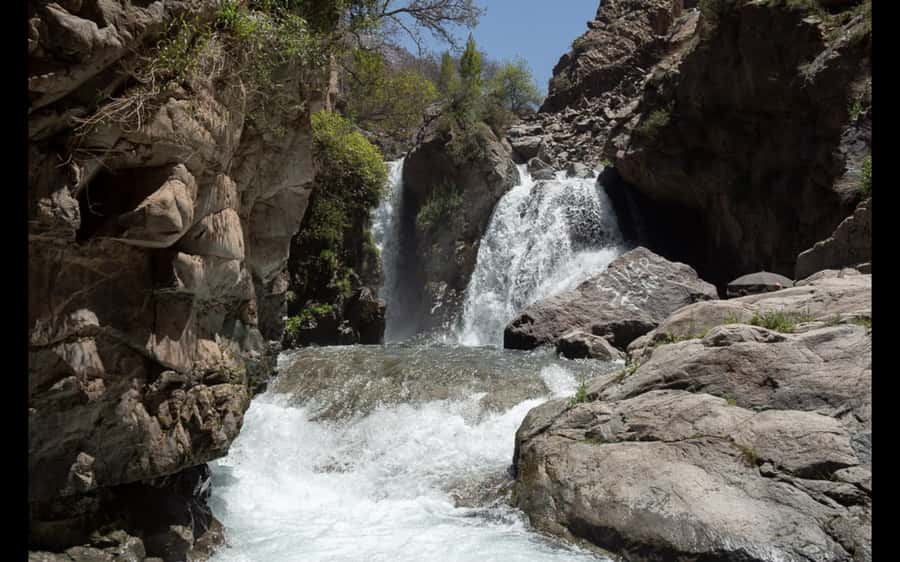
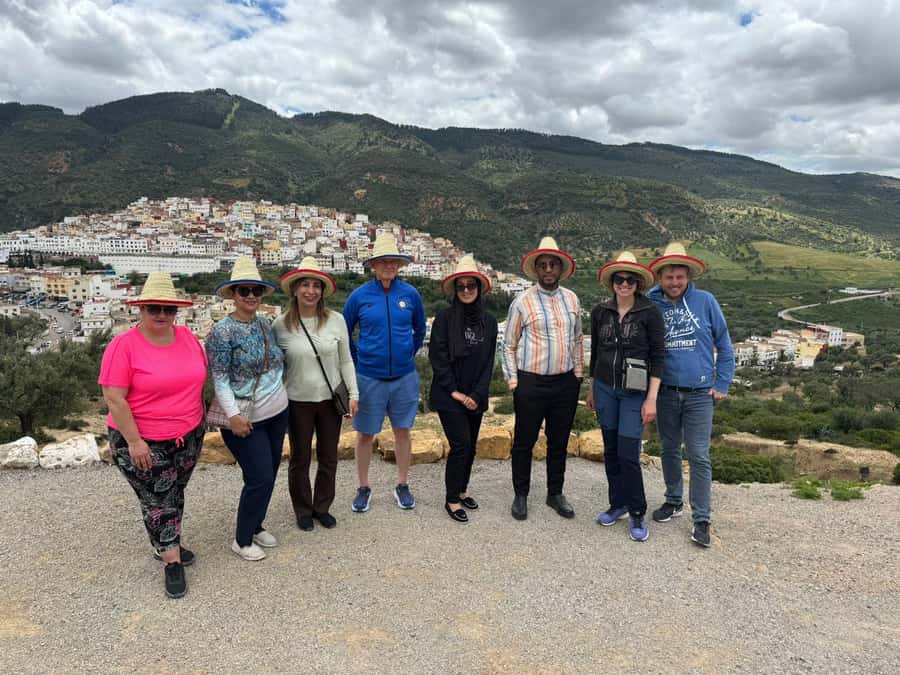
Before you hit the bigger history stops, you’ll make a first stop at Dam El Shahad. It’s scheduled as a short break, mainly for the view and a quick reset. I’d treat this as your chance to:
- grab water and a snack (since food isn’t included)
- use the bathroom if you need it
- take a couple photos before you’re busy later
It also sets expectations. Once you leave that viewpoint, the day becomes a series of stops where you’ll move quickly between “look,” “learn,” and “go.”
Volubilis UNESCO: Roman Ruins and How to Use Your Time
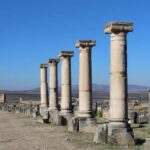
Volubilis is the reason many people book this trip. The UNESCO site is known for well-preserved mosaics, Roman architecture, and its historic significance. And yes—you get a focused visit window: plan on about one hour exploring.
Here’s how I’d use that time if you want your money’s worth:
- Start by finding the mosaics you can actually see clearly (bright light can be tricky).
- Look for the mix of household/urban Roman layouts in the ruins.
- If you’re with a local guide option for Volubilis, listen closely at the key buildings—because the meaning of the layout becomes obvious fast when someone explains what you’re looking at.
The schedule gives you the choice of exploring independently or with a local guide (when arranged). If you don’t have a guide, you can still enjoy it, but you’ll get the most from Volubilis when someone helps connect the ruins to the story behind them.
A practical note: the pace can feel rushed here on some departures. Some visitors have found the Volubilis time window short, and if you’re the type who enjoys slow reading of ruins and details, consider planning a return to Volubilis later in your trip.
The Drive to Meknes: 45 Minutes That Can Help You Recover
After Volubilis, you’ll drive to Meknes, a ride that takes about 45 minutes. This isn’t just transportation. It’s your buffer time, the moment when you can:
- cool off in the AC
- refresh your phone and camera battery
- mentally switch from “Roman street plan” mode to “imperial city” mode
When you arrive, you’ll have time for lunch and a rest, which is a big deal. A lot of day trips shove you straight from the car into sightseeing. Here, they give you a small cushion before you start Meknes’ monuments.
Bab Mansour and Meknes Medina: Gate Power and Street-Level Character
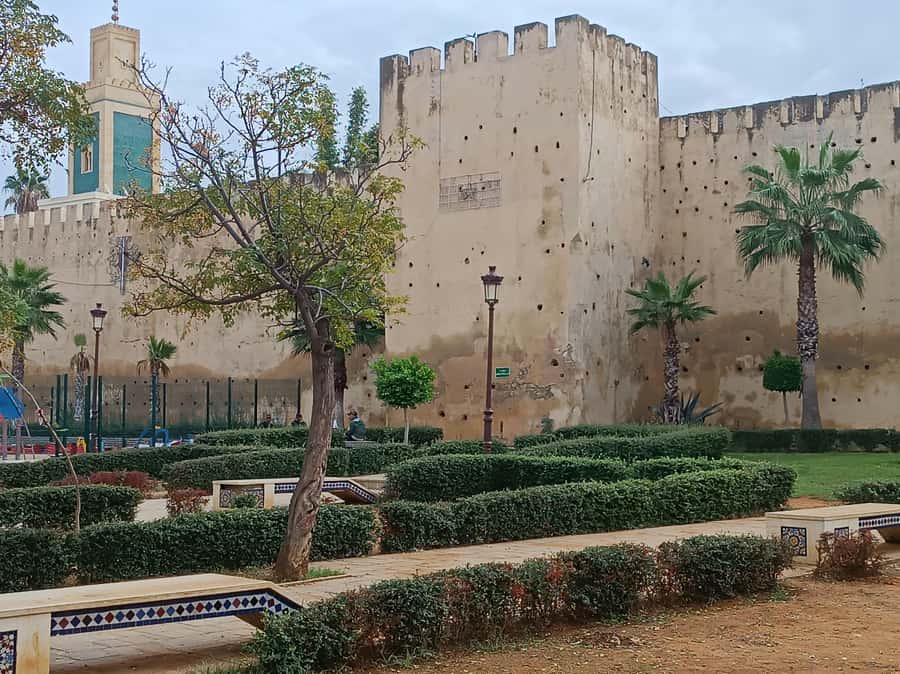
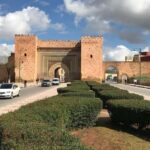
Your Meknes sightseeing starts at Bab Mansour, one of the city’s most significant gates. This is the kind of monument you understand instantly, even if you’re not reading every detail: it’s made to impress. Bab Mansour is also a classic photo stop, but don’t treat it like a quick snapshot and run.
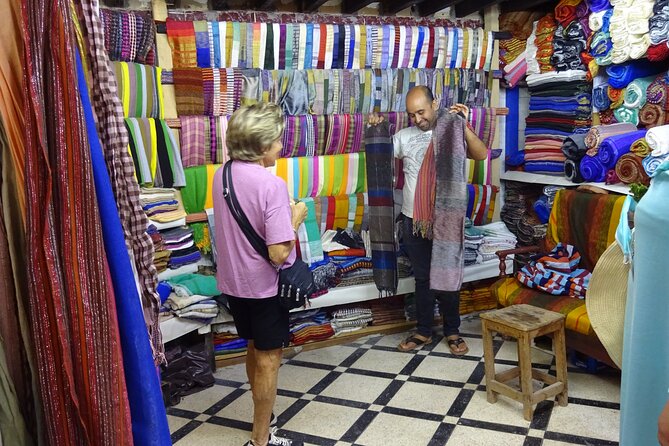
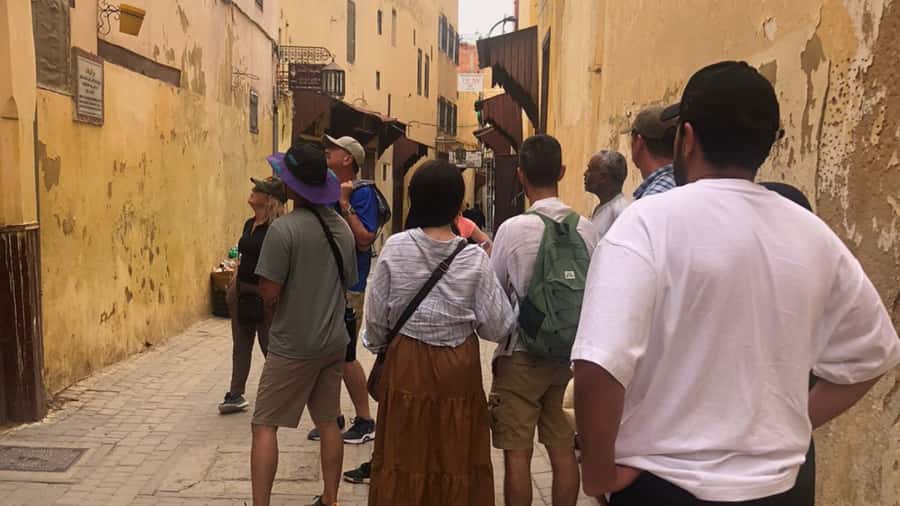
After Bab Mansour, you’ll explore the Medina area—you’re moving through narrow streets, historic landmarks, and the market atmosphere. This is where the day becomes more human and less archaeological. You’ll feel the city’s rhythm: people moving, trade happening, and architecture shaping the street corners.
If you have a guide (through the Meknes local guide option), this is the moment to ask what to look for. Even without a guide, you’ll enjoy the walking, as long as you:
- watch your steps on uneven pavement
- keep a light pace—you’ve got more big monuments later
- don’t overcommit to buying things early in the day unless you truly want them
This portion is a good reminder that Meknes isn’t just about what’s monumental. It’s also about the living city around it.


Moulay Ismail Mausoleum: What You’ll Notice When You Slow Down
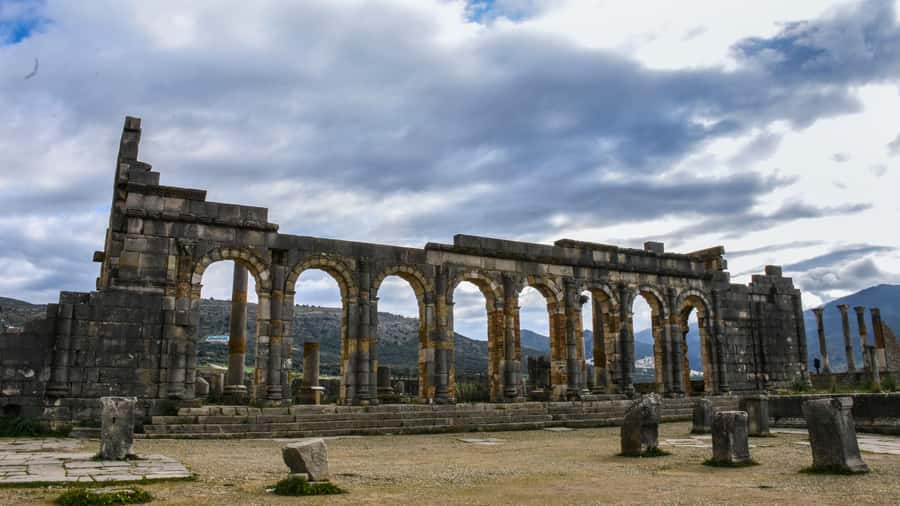
Next comes the Moulay Ismail Mausoleum, the final resting place of Sultan Moulay Ismail. This stop is about scale and fine architectural details. Even in a short visit, you can usually spot why it matters: the structure is built to project authority and permanence.
What I liked here is that it connects to the rest of what you’ll see later in the day. The story of Moulay Ismail is not abstract—you see it in the way Meknes monuments were made to reflect power, order, and control.
Also, if you’re someone who likes “context,” this is the point in the itinerary where it clicks. You’re no longer looking at separate monuments. You’re seeing how an imperial ruler left fingerprints across the city.
There’s one possible consideration from real-world timing: on some outings, the nearby Moulay Idris area may be something you only get from a distance for photos, rather than a dedicated visit. If you want an up-close experience there, keep that in mind and plan accordingly if you’re building your own Meknes route.
Heri es-Souani (Royal Stables): Why This Is More Than a Side Stop
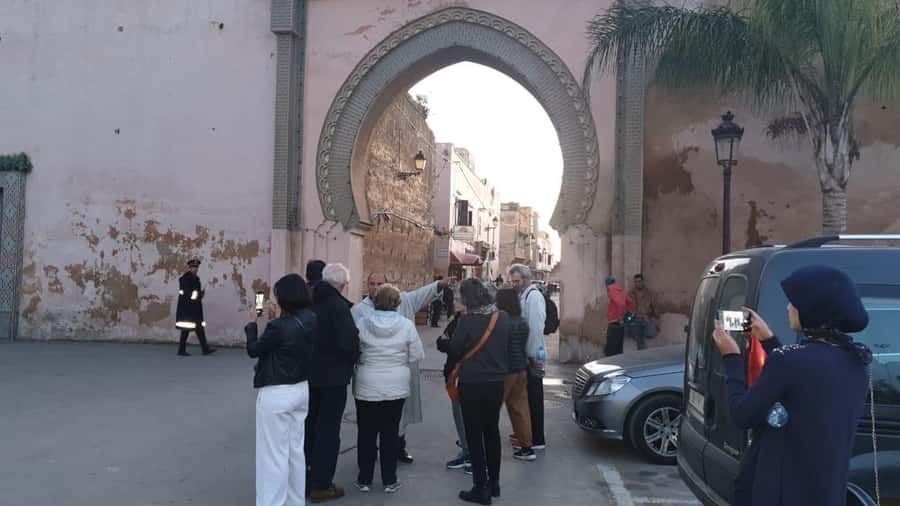
After the mausoleum, you’ll visit the Royal Stables, known as Heri es-Souani. This complex is famous for its massive granaries and horse stables, constructed during the reign of Sultan Moulay Ismail.
This is one of those stops that many people treat as a bonus. But it’s actually key to understanding the city’s imperial machine. It’s not only religious power or ceremonial architecture—it’s practical infrastructure on a grand scale. You’re looking at how the state supported movement, logistics, and food storage.
When you’re standing inside (or near) the complex, take a moment to think about scale. The buildings weren’t made for casual use. They were built to run a system.
If your guide is strong, you’ll get extra value here, because it’s easier to picture the purpose behind the space than it might sound from a simple description.
Price and Logistics: Is $22 Good Value for This Much Sighting?
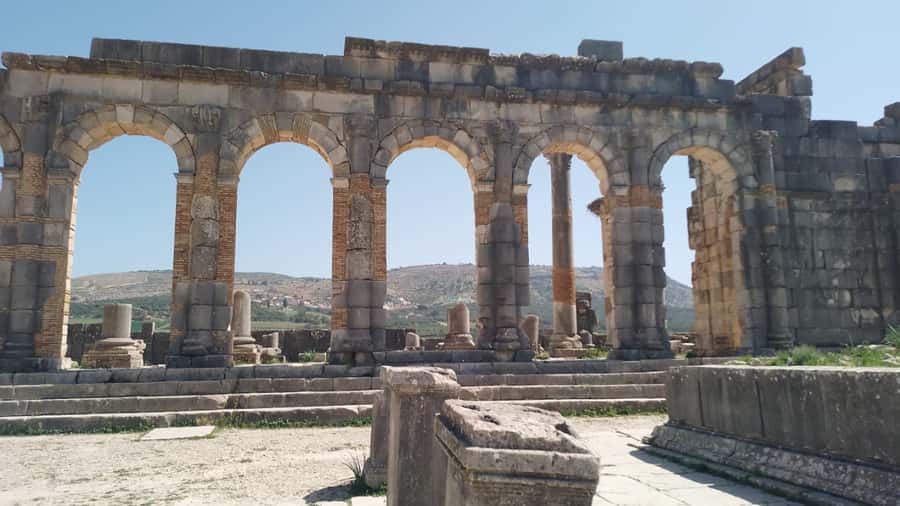
At $22 per person, this tour is aiming at one main thing: efficient transportation plus organized sightseeing across multiple big stops. And in a region where you can easily spend time and effort just getting between cities and monuments, that efficiency is real value.
That said, the price doesn’t include everything. You’ll need to budget for:
- food and drinks
- monument entrance fees
- local guides in places beyond the Meknes local guide option (unless you booked the option that includes it)
So how do you judge whether it’s worth it? I’d say it’s a good deal if you:
- want a one-day overview without planning chaos
- appreciate structure (a set schedule with pickup and a professional driver)
- are happy to trade a bit of time depth for coverage
If you prefer to linger at ruins, or if you want maximum guidance at every single site (including Volubilis), then you may want a guided option with more time at your priority locations—or plan a follow-up day trip later.
Who This Tour Suits Best (and Who Might Want a Different Plan)
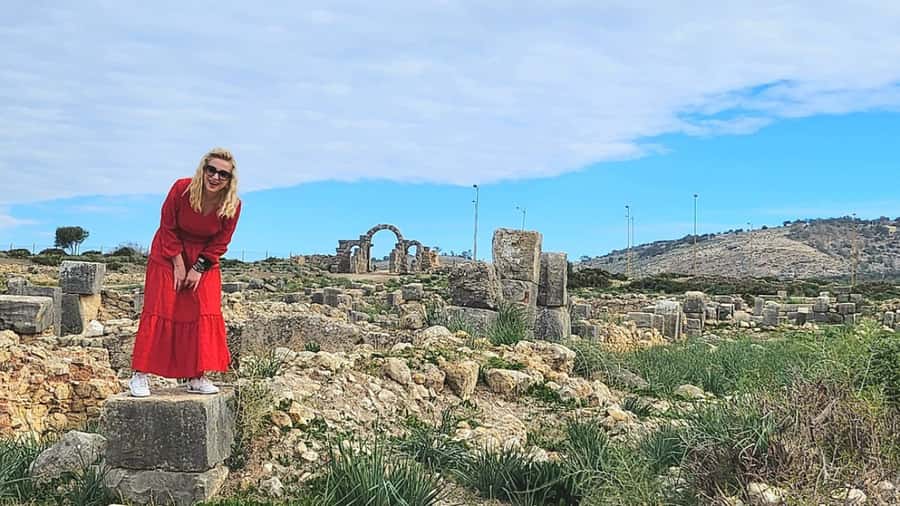
This is a strong choice if you’re:
- short on time in Fes
- excited by Roman ruins plus imperial Moroccan architecture
- the type who likes organized routes that still leave room for quick breaks and lunch
It’s less ideal if you:
- need lots of time for slow museum-style viewing
- expect every stop to be long and unhurried
- want a deep guide-led experience at Volubilis specifically every time (the time window can be tight)
For many people, the best approach is to treat this as your “first look.” You’ll come away with clear impressions of what you loved most—then you can return to your favorites.
Should You Book This One-Day Volubilis and Meknes Tour?
I’d book it if you want a clean, efficient day that hits the biggest hits: Volubilis, Bab Mansour, the Moulay Ismail Mausoleum, and Heri es-Souani—with AC comfort and a professional driver doing the routing.
I’d think twice if Volubilis is your top priority and you’re the type who hates feeling rushed. In that case, you might still book for the convenience, but set your expectations: one hour is enough for key highlights, not enough for a slow, detailed study of every mosaic and wall.
If your idea of a great day is organized history, quick viewpoints, and a solid mix of Roman and imperial Morocco, this itinerary is built for you.
FAQ
What is the duration of the tour?
The tour runs about 8 hours for a full day.
When does the tour start from Fes?
Pickup and departure are approximately at 9h30.
Is hotel pickup and drop-off included?
Yes. Hotel pickup and drop-off are included if needed.
Are monument entrance fees included in the price?
No. Monument entrance fees are not included.
Is a local guide included?
A local guide in Meknes is included if you book the option with a local guide. Local guides are otherwise available at extra cost (and Volubilis may be independent depending on the option you choose).
Can I cancel and get a full refund?
Yes. You can cancel up to 24 hours in advance for a full refund.