REVIEW · ESSAOUIRA
Friend-Guide Essaouira city tour
Book on GetYourGuide →Operated by Local guide to Morocco · Bookable on GetYourGuide
Essaouira feels personal on foot. This Friend-Guide tour links the big sights to everyday life, so you leave with stories, practical tips, and a better sense of what the city is really like.
I love the balance of major landmarks (harbor areas, Scala, fortress and city walls) with the smaller human stops like tea and the beliefs you can spot on doors. I also like how the experience nudges you to question easy stereotypes and learn from someone who knows the place well.
The main trade-off is simple: food and drinks are not included, so you’ll want to budget for lunch at the local fish market and any oysters or tea you choose.
In This Review
- Key things that make this tour worth your time
- A friend-guide plan that stays flexible in 150 minutes
- From the harbor to the fortress mood: oysters and big-city walls
- The medina square and Gnaoua music: culture you can actually connect to
- Romantic alleys and handmade shopping: tailor ideas without the hard sell
- Tea in local style and what you notice on house doors
- Souks and the fish market lunch: learn the market rhythm
- Thuya wood workshop: why this craft is linked to Essaouira
- Ending in the Medina: take your new knowledge and keep going
- Should you book this Friend-Guide Essaouira city tour?
- FAQ
- How long is the Friend-Guide Essaouira city tour?
- Where do I get picked up?
- Is this tour private?
- What languages are offered?
- What’s included in the price?
- Is lunch included?
- Are there entrance fees?
- Is the walking difficult?
- Where does the tour end?
- FAQ
- Can I cancel the tour?
- Do I need to reserve in advance?
- Is there a ticket line to wait in?
- How do I let the guide know my timing?
Key things that make this tour worth your time
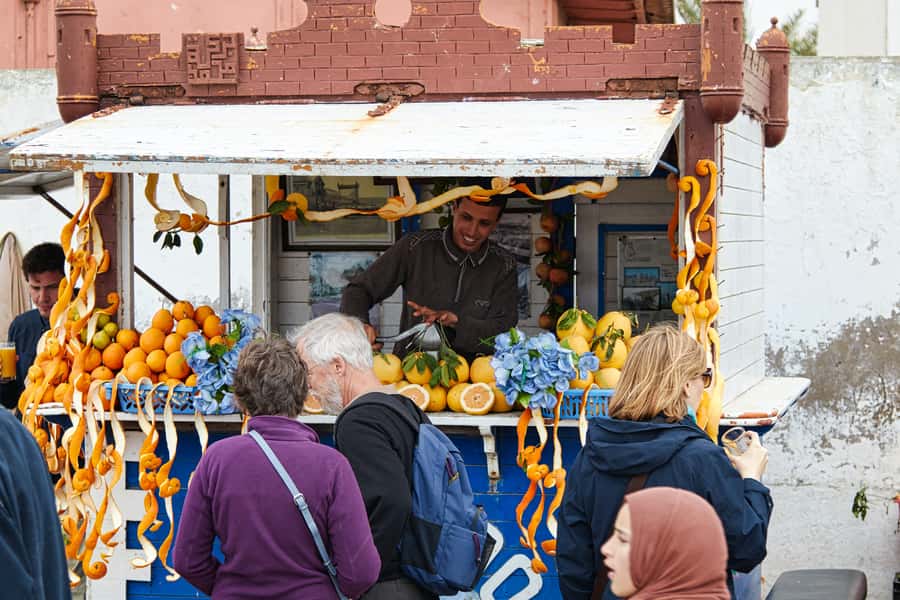
- Harbor start with a chance to enjoy oysters of the day
- Medina square stop tied to the famous international heritage of Gnaoua music
- Scala and city-wall context so the fortress looks less random and more meaningful
- Souks + local fish market with time to shop and a chance to eat lunch where locals do
- Thuya wood workshop featuring one of Essaouira’s best-known crafts
A friend-guide plan that stays flexible in 150 minutes
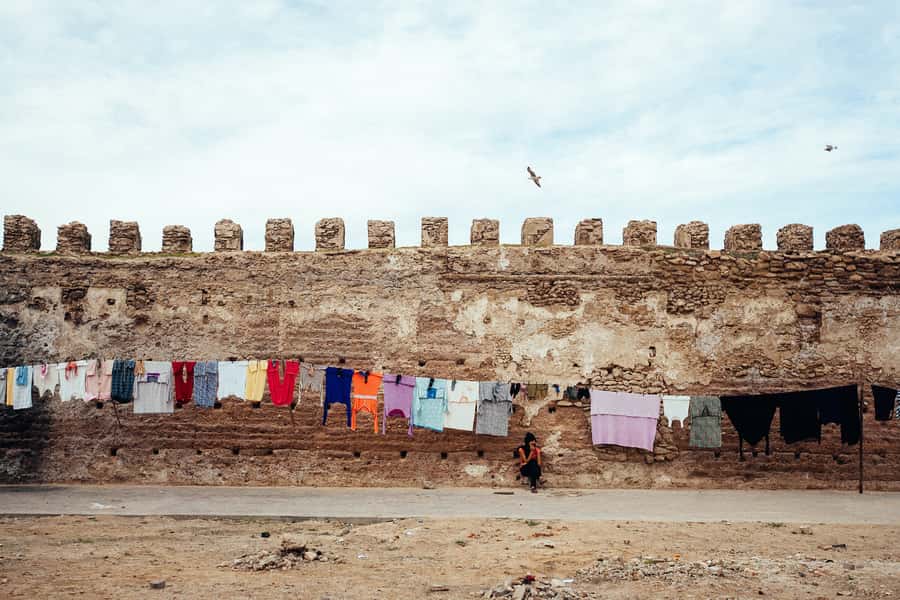
At 150 minutes, this is not a slow museum crawl. It’s a focused walk through the medina and harbor areas, with a private group format that helps you set a comfortable pace and ask questions as you go. You also get hotel pickup from any place in the Medina, which matters in a city where street turns can eat time.
The walk is mostly flat, so you can plan for a lot of steps without feeling like you’re training for a hike. And since the tour is offered in English and French with a live guide, you can expect explanations, not just pointing.
Now, about value: $32 per person is competitive for a 2.5-hour guided loop that includes hotel pickup and entrance fees. You’re mainly paying for time, local know-how, and access to the places you’d otherwise try to figure out on your own. The one cost you’ll still need to manage is lunch and drinks, since those are not part of the price.
You can also read our reviews of more guided tours in Essaouira


From the harbor to the fortress mood: oysters and big-city walls
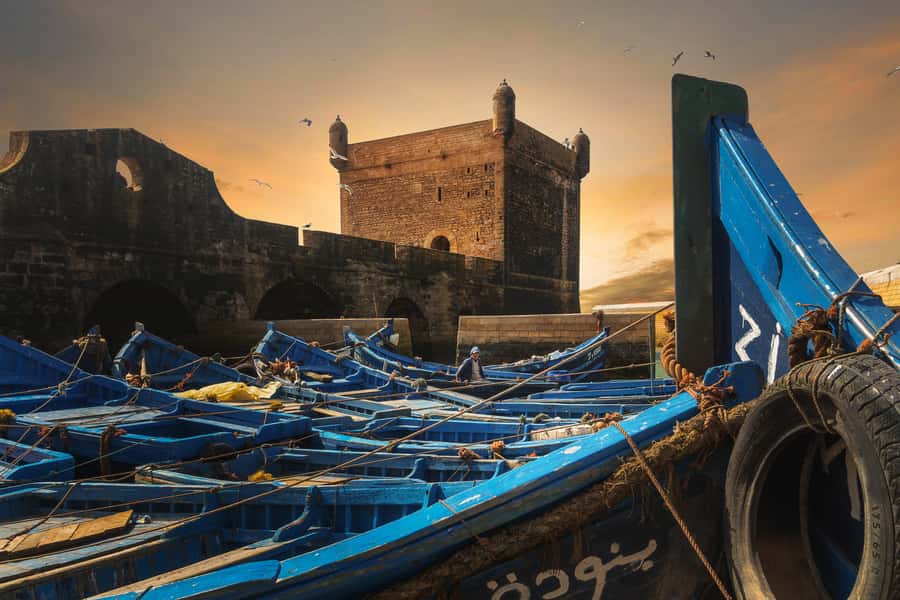
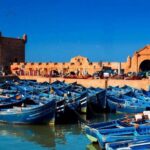
The tour starts by working you through the harbor town first. This is a smart move because it gives you a shoreline sense of place early, before you get swallowed by the medina lanes. If oysters of the day are available, you’ll have the option to try them right here, while the setting still makes sense.
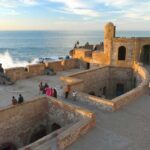
After that, you move toward the fortress zone and the defensive feel of Essaouira. The highlight is the Scala and the surrounding fortress and city wall viewpoints. Without context, these walls can look like just stone and angles. With a guide, you start seeing why the location mattered—how this town used its geography, and how the city’s layout ties back to sea access and defense.
Practical tip: if you’re the type who wants photos, bring your patience. The Scala area gives you strong views, but you’ll be sharing space with other people coming and going through the same limited medina routes.
The medina square and Gnaoua music: culture you can actually connect to
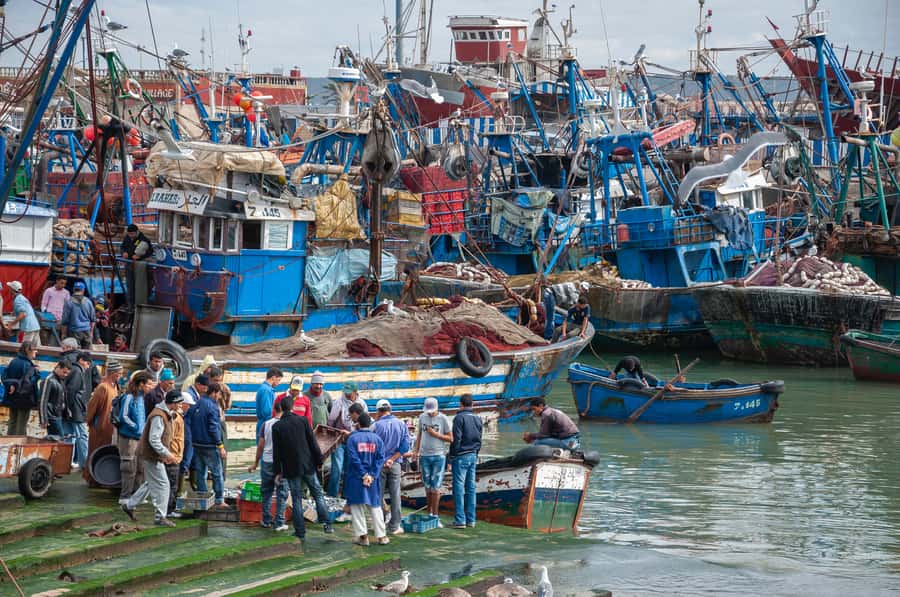
One of the tour’s best ideas is stopping in the Medina square area to talk about the international heritage of Gnaoua music. Even if you’ve heard the name before, you may not have connected it to everyday life in the city. This stop helps you do that.
Here’s what you’re getting: a cultural anchor. Once you understand why Gnaoua matters, the medina starts feeling less like a maze and more like a living cultural space. You’ll also pick up a better way to ask questions about what you’re seeing—especially when you hear people talk about music, identity, and community.
I appreciate this kind of stop because it helps you avoid the classic travel pattern: taking pictures first, learning later, and then realizing the pictures don’t tell the whole story. This tour leans toward learning while you’re still in the right setting.
Romantic alleys and handmade shopping: tailor ideas without the hard sell
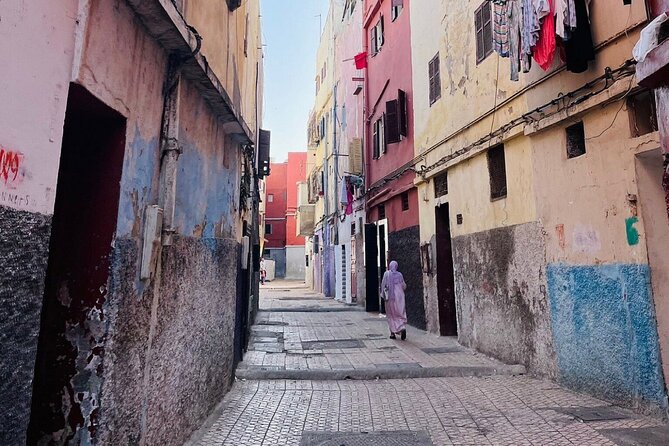
From the square, you continue into the romantic alleys of the medina. The goal is to show you how the city’s craftsmanship shows up in daily life. A standout part here is the chance to browse handmade work, including the idea that you can tailor your own clothes.
That line might sound like a shopping pitch. In practice, it’s more useful than that. A guide can help you compare what you see, explain what’s being made and why it’s valued, and correct the kind of assumptions that can lead to bad buys or misunderstandings. And if you don’t want to buy, you still benefit—you learn how to recognize quality and how to talk about your needs.
One note: medina shopping can move fast visually. If you’re easily overwhelmed, tell your guide early what you’re trying to do: window-shop only, compare prices, or ask about specific materials. A private group makes that part easier.
Tea in local style and what you notice on house doors
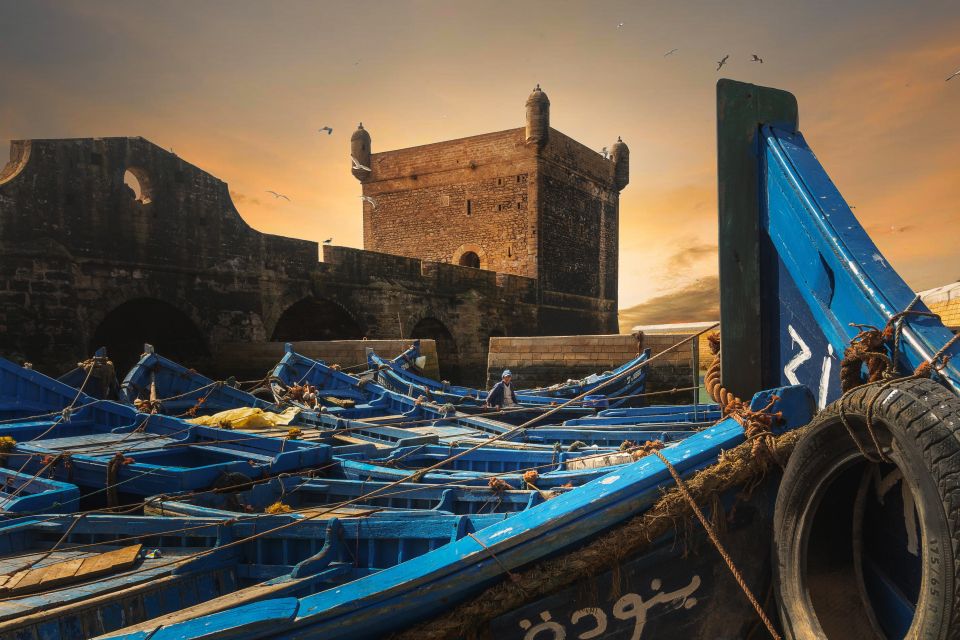
There’s a tea stop built in, done in local style. This is not just a break. It’s a chance to slow down and watch how people interact in the space between sights. Tea is also a social language in Morocco, and a good guide will use the moment to explain what you’re seeing and hearing.
After tea, the tour shifts to something I find often overlooked: facts and beliefs visible right on the doors of houses and homes. These details can be subtle, and if you don’t know what to look for, they pass by like background noise. With a guide, you start noticing patterns and symbols and you get help interpreting what they mean in context.
This is where stereotype-correction really lands. You stop treating the medina like a stage set and start seeing it as a place where people live with meaning.
You can also read our reviews of more city tours in Essaouira


Souks and the fish market lunch: learn the market rhythm
Next you head into the souks and the local fish market area. This is one of those parts where the guide can genuinely change your experience. Markets have a rhythm, and people who navigate them every day pick up cues that outsiders miss.
You’ll have the possibility to enjoy buying fish and cook on place. Even if you choose not to do the cooking, you still get a better understanding of what different fish are used for and how the market works in real time. And since the tour includes lunch at the local fish market, this is the point where the cultural learning turns into actual food and conversation.
A practical thought: because food and drinks aren’t included, you should expect your lunch to have its own choices and costs depending on what you order. If oysters were on your radar earlier, this fish-market moment may be where your appetite decides for you.
Also, keep your questions coming. Guides can help you ask in a way that gets better answers—like how to select what’s freshest, what’s used for specific dishes, and which stalls are known for certain types of seafood.
Thuya wood workshop: why this craft is linked to Essaouira
Later, you visit a workshop featuring thuya wood, one of Essaouira’s most famous crafts. Thuya is often sold as polished, shaped items, but the tour gives you a better chance to understand the craft process rather than only the finished product.
What I like about this stop is that it shifts you from browsing to learning. You see how a material becomes design, and you get context for why it shows up so often in the shops. It’s also a good moment to ask about what makes one item different from another, so your souvenirs feel more like purchases with meaning—not random clutter.
If you do plan to buy something, go slow here. This is where you can compare styles and explain what you want. A local guide can help you communicate clearly and avoid getting steamrolled by sales language.
Ending in the Medina: take your new knowledge and keep going
The tour ends at a place of your choice in the Medina. That’s a quietly smart feature. Instead of being marched back to a fixed drop-off, you can use what you learned—plus where you’re standing—to turn the rest of your day into something personal.
Maybe you want to walk back toward the harbor at a calmer time. Maybe you want to re-check a shop you saw earlier. Or maybe you just want time to wander without needing the guide to translate everything. Either way, you leave with enough context to navigate the medina without feeling lost.
Should you book this Friend-Guide Essaouira city tour?
I’d book it if you want a guided walk that actually explains what you’re looking at: Scala and the fortress mood, the cultural meaning behind Gnaoua heritage, and the everyday reality of tea stops, door symbols, souks, and the fish market. The private group format is a real win here, because you’re not stuck following a pace that doesn’t fit you.
You should think twice if you’re trying to keep meals fully “all-in” for one set price. Since food and drinks aren’t included, you’ll still pay for lunch choices and anything you add along the way, like oysters if you choose to try them.
Also, if you care a lot about craft or shopping, this tour’s timing helps. The thuya wood workshop and the handmade-alley browsing give you a reason to spend money thoughtfully, not just impulse-buy.
Overall: for a $32, 150-minute format that includes pickup and entrance fees, it’s a practical way to experience Essaouira with a human guide who can connect the dots.
FAQ
How long is the Friend-Guide Essaouira city tour?
It lasts 150 minutes.
Where do I get picked up?
Pickup is included from any place in the Medina of Essaouira.
Is this tour private?
Yes. It’s a private group.
What languages are offered?
The live tour guide speaks English and French.
What’s included in the price?
Hotel pickup and entrance fees are included.
Is lunch included?
Lunch at the local fish market is part of the experience, but food and drinks are not included overall, so you’ll need to plan for what you eat.
Are there entrance fees?
Entrance fees are included.
Is the walking difficult?
The walk is mostly flat.
Where does the tour end?
It ends at a place of your choice in the Medina.
FAQ
Can I cancel the tour?
Yes. Free cancellation is available up to 24 hours in advance for a full refund.
Do I need to reserve in advance?
Yes, you should reserve a spot, and you can use the reserve now & pay later option.
Is there a ticket line to wait in?
You get to skip the ticket line.
How do I let the guide know my timing?
Please text the guide 12 hours before the start of your tour.