REVIEW · TANGIER
cooking class with local family from Tangier
Book on Viator →Operated by NORTH TOURS TANGIER · Bookable on Viator
Cooking with a Tangier family feels instantly personal. This 3 to 4 hour class in a local home turns Moroccan food into hands-on skills, led by hosts like Anwar and sometimes Latifa, not a demo behind glass. I like the way you learn the flavors step by step, then sit down and eat what you make, in the same place you cooked.
Two big wins for me: you get practical lessons for classics like tagines and couscous, and the meal can be adjusted for preferences like vegetarian diets. You also get a tour-like sense of culture, from ingredients you see in the souk to the way Moroccan mint tea habits show up in everyday life.
One consideration: this is a home setting in Tangier, and even if the experience is marked easy, you’ll likely do some walking around to reach the market and kitchens. If you have mobility needs or specific comfort questions, ask ahead so you know how it will work for you.
In This Review
- Key Highlights You Should Know
- A Tangier Cooking Class That Actually Feels Like Food, Not a Performance
- Where the Day Starts: Souk Ingredients and Why It Changes the Meal
- The Kitchen Lessons: Tagines, Couscous, and More
- Moroccan Tea: The Little Skill That Makes the Whole Experience Feel Complete
- Eating Together: Portions, Preferences, and Personal Touches
- Timing and Value: Why the Price Makes Sense for a Home-Cooked Meal
- Logistics in Tangier: What to Expect Before You Go
- Who This Class Fits Best (And Who Might Want Something Different)
- Should You Book This Tangier Cooking Class?
- FAQ
- How long is the Tangier cooking class?
- Is pickup available?
- Is this a private experience?
- Can the class accommodate vegetarian diets?
- What’s the cancellation policy?
- Do I receive a mobile ticket?
Key Highlights You Should Know
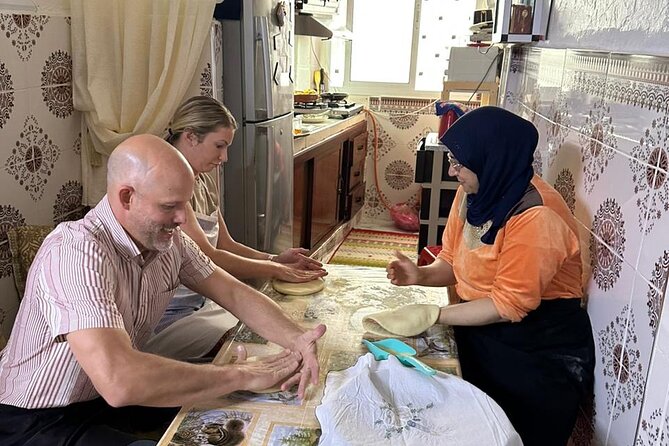
- Learn tagine and couscous methods in a real home kitchen, not a studio
- A souk shopping step for ingredients, which helps you understand Moroccan pantry logic
- Moroccan tea technique, including the little habits that change the taste
- Diet choices can be taken into account, including vegetarian options
- Family-style warmth from Anwar and Latifa, with lots of personal conversation
- Extra touches, like small gifts at the end and the occasional birthday cake surprise
A Tangier Cooking Class That Actually Feels Like Food, Not a Performance

Tangier is a place where cooking makes cultural sense fast. This class leans into that. Instead of lecturing about Moroccan cuisine from far away, you’re guided through the kitchen workflow like you’re helping out in someone’s day-to-day rhythm.
What makes the experience standout is the blend of cooking skills and family hospitality. The hosts are repeatedly described as welcoming and thoughtful, with hosts like Anwar showing a knack for explaining what matters and why it matters. In several visits, Latifa is also part of the teaching, which adds that “everyone has a job” feeling you’ll recognize in many Moroccan homes.
You can expect to cook and then eat a full meal you helped create. And based on how guests talk about the results, the food quality is not an afterthought. It’s the point.
You can also read our reviews of more cooking classes in Tangier

Where the Day Starts: Souk Ingredients and Why It Changes the Meal
Many Tangier cooking experiences stop at recipes. This one often starts with ingredient shopping in the souk, with your host guiding you through what to buy and how to think about it. That market walk is more than a photo moment. It teaches you what spices, produce, and pantry items actually look like locally.
Here’s what you’ll likely notice during that shopping step: Moroccan cooking isn’t only about big flavors. It’s about how flavors get layered. You’ll see how the meal’s structure starts with the ingredients, then carries through to preparation choices later in the kitchen.
If you like the idea of bringing something home you can repeat, this is the part that helps most. After a souk walk, you’re not guessing what “the right spice” is. You start learning how local cooks build taste from what’s available.
Practical tip: wear comfortable shoes. Market streets can be uneven, and you’ll likely move at a casual walking pace that still adds up over a few hours.
The Kitchen Lessons: Tagines, Couscous, and More
The cooking portion centers on Moroccan dishes that show up on menus worldwide, especially tagines. Guests specifically mention making several types of tagines, plus learning what goes into getting them right. In other words, you’re not just chopping once and tasting at the end. You’re part of the process.
Couscous is another highlight. More than one guest notes that the class shows how couscous is made at home and shares tricks that you can use later. That matters because couscous can be intimidating when you only see it served. Learning the method helps you understand texture and timing, not just ingredients.
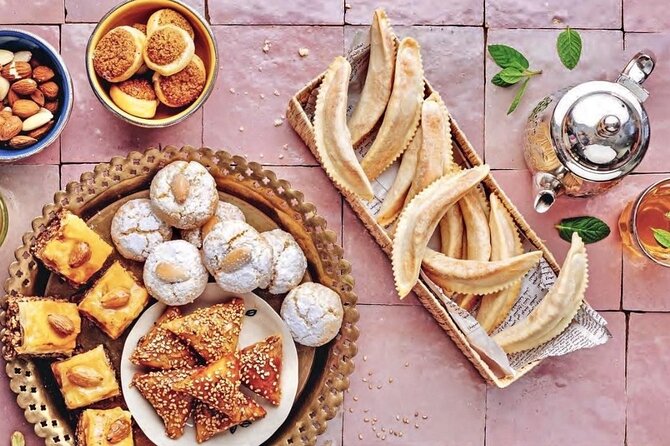
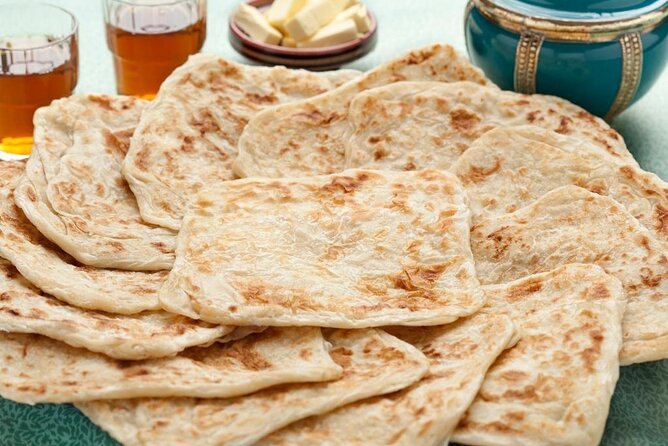
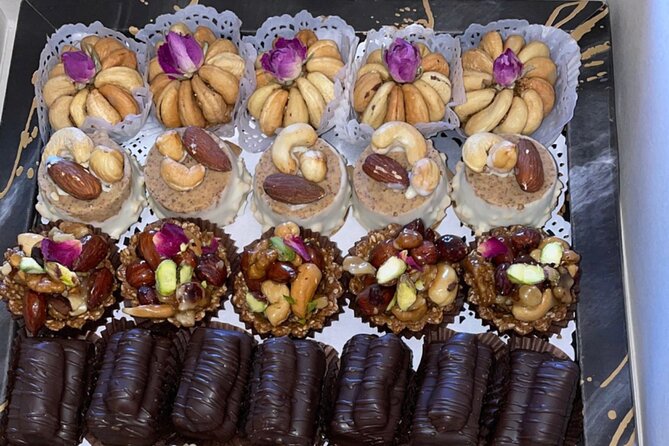
You may also work with pastry elements, since Moroccan pastries often show up in home cooking and are mentioned as part of what this experience aims to cover. Even when the exact menu changes based on the host and your group, the overall goal stays consistent: you leave with real-world understanding of Moroccan kitchen techniques.
Moroccan Tea: The Little Skill That Makes the Whole Experience Feel Complete
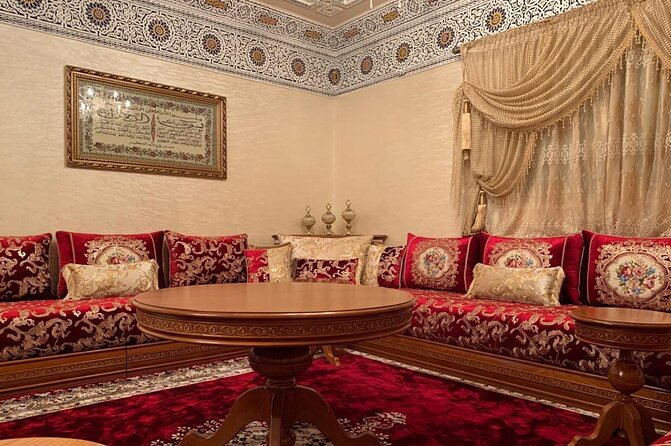
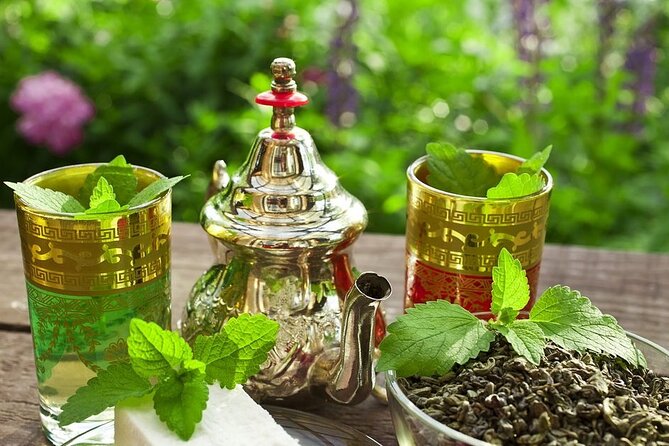
One of the most memorable parts, according to multiple guests, is learning how to make Moroccan tea. This isn’t treated like a side dish. It’s explained as part of Moroccan daily culture, which makes it feel natural instead of staged.
Why you’ll care: Moroccan tea has a balancing act. It’s not just mint plus sugar. The pouring style, the heat, and the way it’s served all affect the final taste and how the tea feels in your mouth. Learning it hands-on gives you a skill you can repeat at home without needing exotic equipment.
If you like food experiences that give you a practical takeaway, this is one of the best “use it next week” skills you can get in Tangier.
Eating Together: Portions, Preferences, and Personal Touches
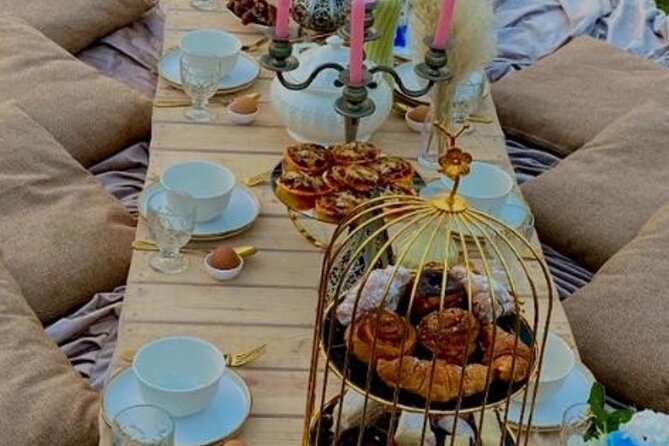
After cooking comes the best part: eating what you made, together with the family. Several guests describe the atmosphere as cozy and warm, with hosts making you feel at home quickly. That matters, because Moroccan home cooking often comes with conversation and comfort built in.
One of the strongest themes across feedback is how much food you get. People repeatedly say it’s more than expected, and that the meal is delicious. That’s a big deal when you’re paying per person. You want value that shows up on the plate, and that’s exactly what guests emphasize.
Dietary fit is another plus. Guests mention that vegetarian diets can be taken into account, and that the class can be customized to preferences. That’s worth paying attention to. In many cooking classes, “vegetarian option” means a separate bowl of plain vegetables. Here, the tone suggests they actually work with your needs rather than treating it as a checkbox.
Then there are the personal touches. Some guests mention small Moroccan gifts at the end. Others mention surprises like a birthday cake. Those aren’t guaranteed in every situation, but they’re a strong sign that the hosts pay attention to the human side of hospitality.
A few more Tangier tours and experiences worth a look
Timing and Value: Why the Price Makes Sense for a Home-Cooked Meal
The cost is $76.66 per person, for about 3 to 4 hours. On paper, that’s not “cheap,” especially if you compare it to a casual restaurant meal. But this is not just dinner. You’re paying for a private, guided, hands-on experience in someone’s home, plus instruction and the ingredients that go into the food you make.
The value also comes from the format. It’s described as private, meaning only your group participates. That’s a difference you’ll feel right away: more time asking questions, less waiting your turn, and a more personal pace that fits dietary needs.
You’ll also see pickup offered and a mobile ticket listed. That helps you avoid the hassle of coordinating everything yourself, especially in a city like Tangier where getting from place to place can be a little unpredictable.
One more detail to consider: booking happens on average about 26 days in advance. If you’re traveling in high season or on a tight schedule, don’t wait until the last week. Popular home-based experiences often have limited slots.
And if you’re deciding late, the experience includes free cancellation up to 24 hours before the start time, which lowers the risk of trying it.
Logistics in Tangier: What to Expect Before You Go
You’ll be working in a local setting, and the experience is marked easy with most travelers able to participate. It also notes that it’s near public transportation and that service animals are allowed, which is good to know if those apply to you.
Because this is a home class, it’s smart to plan for “real life” logistics rather than classroom comfort. Bathrooms, seating, and kitchen setup will follow a family home’s layout, not a hotel standard. Most people won’t mind, especially given how friendly the hosts are. But if you have strong requirements (stairs, seating position, or long standing), ask ahead so nothing catches you off guard.
Bring an appetite, too. Multiple guests mention that there’s a lot of food. This isn’t a snack-and-learn situation.
Who This Class Fits Best (And Who Might Want Something Different)
This cooking class is a great fit if you want:
- Hands-on Moroccan cooking, especially tagines and couscous
- A cultural experience that includes market shopping and Moroccan tea
- A smaller, more personal setting where the hosts can adjust to your needs
- A meal that feels generous, not token
You might want to look at other options if you prefer:
- A fast, “see it, eat it, go” format with less time in a home kitchen
- A strictly restaurant-style experience where the menu is fixed and there’s no interaction with ingredients
Also, if you’re traveling with friends and want everyone to cook together, the private group setup can be a real advantage.
Should You Book This Tangier Cooking Class?
I’d book it if you want Tangier through food, not just food as a background activity. The combination of tagine and couscous instruction, a market ingredient step, and the Moroccan tea lesson creates a full loop you can actually repeat at home. Add in the repeated themes of customization for preferences like vegetarian diets and the family-level warmth from hosts such as Anwar (and Latifa in many sessions), and you’ve got a strong value proposition for the price.
If your top priority is a quiet, hands-off meal with minimal movement, you might not love the home-and-market rhythm. But for most people, the “help cook, then eat as a family” setup is exactly the kind of trip memory that lasts.
FAQ
How long is the Tangier cooking class?
It runs for about 3 to 4 hours.
Is pickup available?
Yes, pickup is offered.
Is this a private experience?
Yes. It’s a private tour/activity, so only your group participates.
Can the class accommodate vegetarian diets?
The experience can be customized to preferences, and vegetarian diets are mentioned as something the host can take into account.
What’s the cancellation policy?
There is free cancellation up to 24 hours before the experience’s start time for a full refund.
Do I receive a mobile ticket?
Yes, it includes a mobile ticket. Confirmation is received at booking time.