REVIEW · CASABLANCA
Casablanca Culinary Experience Henna and Traditional Dress
Book on Viator →Operated by Be in Maghreb · Bookable on Viator
Henna and tagine in one afternoon. This Casablanca experience strings together a market-to-pot cooking lesson, a sit-down meal, and then henna and traditional clothing for photos and hands-on culture.
I especially like the way it’s hosted by a family-style team, with Rafiq guiding the day and Ines helping you feel at home. I also like that you don’t just watch cooking—you shop ingredients and then cook tagine and couscous with local chefs.
One thing to consider: the whole experience is about 4 hours, so it moves at a friendly pace, not a slow, linger-all-day vibe.
In This Review
- Key highlights
- Before You Go: Meeting Point, Group Size, and What’s Actually Included
- A Moroccan Home Setting, Without the Museum Feel
- The Market Tour: Picking What You’ll Cook in Real Time
- Cooking Class With Local Chefs: Tagine and Couscous Step by Step
- The Meal: Sharing a Table Instead of Eating in Silence
- Henna Art on Hands or Arms: More Than a Photo
- Traditional Moroccan Clothing: Try It On and Learn the Story
- If You’re There During Ramadan and Eid: A Chance for Extra Hospitality
- Price and Value: What $91.75 Covers in the Real World
- Who This Casablanca Day Works Best For (and Who Might Prefer Another Plan)
- Should You Book This Casablanca Culinary Experience With Henna and Dress?
- FAQ
- How long is the Casablanca culinary experience?
- Where does the experience start?
- What activities are included during the 4 hours?
- What is the maximum group size?
- What happens during the henna portion?
- Can I get allergen alerts for the food?
- Are service animals allowed?
- What is the cancellation policy?
Key highlights
- Market tour for fresh ingredients and spices: pick what you’ll cook and grab a few goodies to take home
- Hands-on cooking with local chefs: make classic Moroccan dishes like tagine and couscous using spices and technique
- Meal shared with locals and fellow travelers: a real community table moment
- Henna art on hands or arms: an artist explains the tradition while creating intricate designs
- Try on traditional Moroccan attire: photo moment plus cultural context
- Small group size (max 10): easier conversation and more time with your hosts
Before You Go: Meeting Point, Group Size, and What’s Actually Included
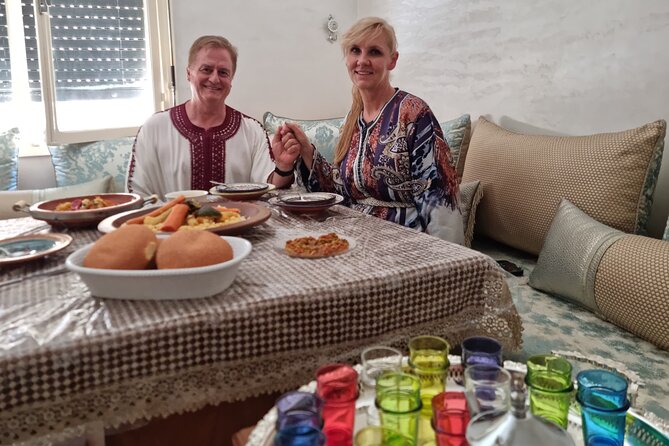
This is a short, focused cultural day in Casablanca, designed around food first and then art and dress. You’ll be with a small crew—up to 10 people—so it doesn’t feel like you’re being herded through a checklist.
You meet at Restaurant Des Fleurs on Av. des FAR in Casablanca (pin: H9WP+J66). The experience runs about 4 hours, and it ends right back at the meeting point. You’ll have a mobile ticket, and you should receive confirmation at booking.
A couple practical notes that matter. The experience allows service animals, and it’s listed as near public transportation, which helps if you’re not driving. If you have allergies, don’t keep it to yourself—notify them in advance so you can get allergen alerts tied to what you’ll be eating and cooking.
You can also read our reviews of more tours and experiences in Casablanca.
A Moroccan Home Setting, Without the Museum Feel
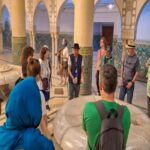
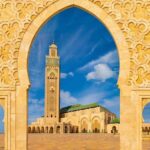
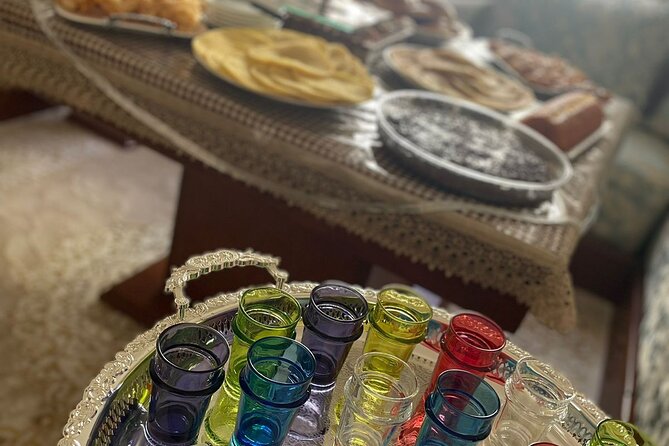
One of the best parts is the setting. You’re not doing this in a sterile classroom or a shiny tourist space. The place is described as feeling like a Moroccan home, with colorful textiles and intricate tile work. That matters because it changes the mood: you’re learning in the atmosphere where the food and traditions belong.
And the family-style hosting shows up in the details. Names like Rafiq come up again and again in the way the day is described—he’s not just pointing out steps, he’s helping you connect the dots between cooking, Casablanca, and everyday Moroccan life. Ines also gets mentioned as a welcoming presence, which helps when you’re doing something hands-on for the first time.
If you like experiences where conversation is part of the activity, this format fits. If you want a quiet, strictly structured class, you might still have fun—but expect people to chat, ask questions, and share stories at the table.
The Market Tour: Picking What You’ll Cook in Real Time
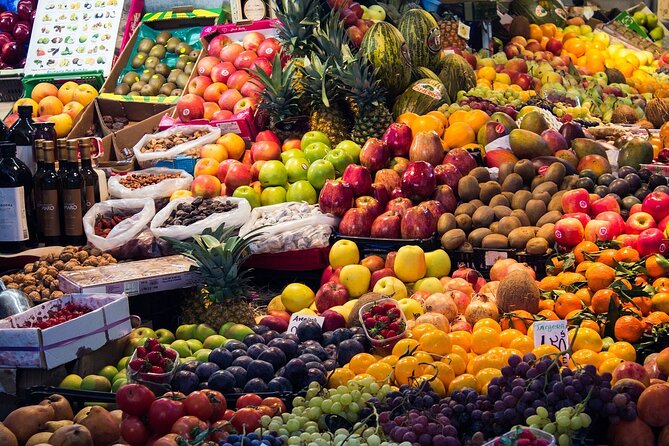
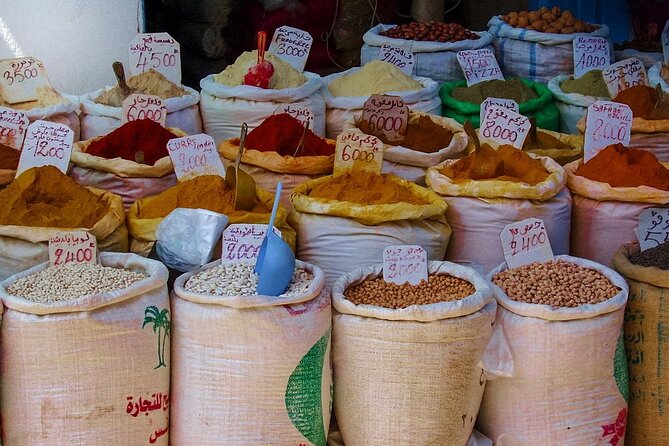
The day typically starts with a market tour. This is where you get a quick but meaningful look at how Moroccan cooking starts: not with a recipe card, but with ingredients and spices that you choose with your own eyes.
You’ll select fresh ingredients for your meal. You’ll also explore unique spices, and you can bring a few market finds home. That “take-home” piece sounds small, but it’s useful—you’re leaving with something you picked yourself, not just a souvenir you walked past.
The payoff here is more than shopping. The market visit helps you understand why Moroccan dishes taste the way they do. When you later cook tagine and couscous, it’s easier to notice how spices show up in the final flavor because you’ve already seen them in the ingredients stage.
Tip: go with curiosity. Ask what you’re seeing—especially the spices. Even if you don’t remember every name, you’ll remember the smells and the choices you made.
Cooking Class With Local Chefs: Tagine and Couscous Step by Step
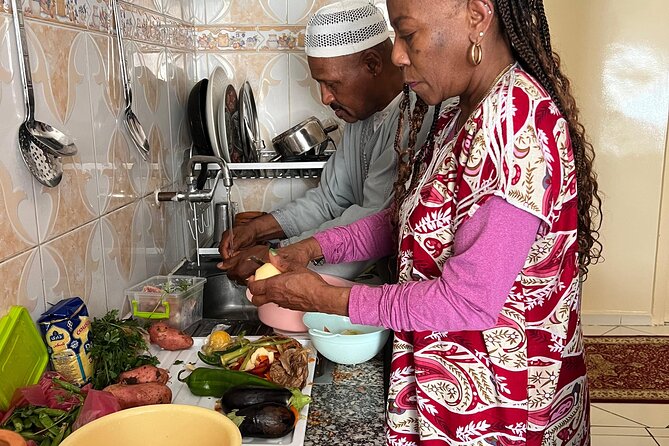
Now for the main event: a hands-on cooking session led by local chefs. This is where the experience earns its keep. You’re not just learning the idea of Moroccan cuisine—you’re learning the classic dishes you came for.
You’ll make tagine and couscous. The class is described as using authentic techniques and spices, which is key. Moroccan cooking is very spice-driven, and technique matters because the method affects the way flavors settle into the dish.
What I like about this kind of class is that your brain gets trained in the right order. First you shop, then you cook, then you eat what you made. That sequence locks the learning in place. It’s also practical: you’ll leave with a better sense of what to look for if you try to recreate the flavors later.
And because the group is capped at 10, it’s easier to get help while you’re actually cooking. You can ask a question while your hands are doing the work—rather than waiting for a big demo and hoping the next batch timing works out.
The Meal: Sharing a Table Instead of Eating in Silence
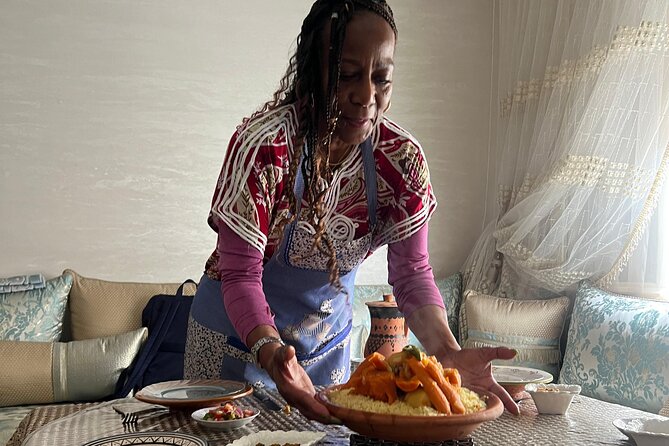
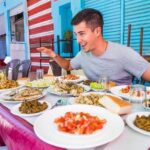
After cooking, you eat together. The meal is served in a warm setting with a community atmosphere, and you share it with fellow travelers and locals. This part can be surprisingly memorable because it’s not just about the food—it’s about the back-and-forth.
This is where you’ll likely compare notes on flavors and techniques. You’ll hear casual stories. You’ll also get a chance to understand what you cooked in plain terms, not in chef-lecture format.
If you tend to travel solo or you’re not big on group tours, this is still a good fit. A shared meal is one of the easiest ways to break the ice without forced games. It also makes the experience feel less like a performance and more like a real moment in someone’s neighborhood life.
Henna Art on Hands or Arms: More Than a Photo
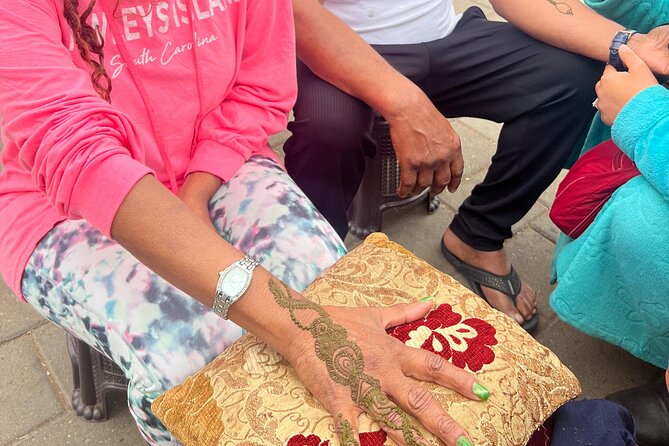
After lunch (or the meal portion), the day turns toward henna art. A skilled henna artist creates intricate designs on your hands or arms and explains the tradition behind the art form as the work happens.
This is the right kind of cultural add-on. It’s not just a quick decoration station to keep you busy. The design time plus the explanation gives you context, so you understand what you’re wearing on your skin and why it matters.
Henna is also one of those activities that feels personal fast. Even if you don’t know the meaning of every element, the act of watching the pattern take shape makes it feel like a real experience, not an accessory.
Plan a little patience here. Henna art takes time for details, so don’t schedule something tight right after the tour end. You’re finishing the day with a lasting visual.
Traditional Moroccan Clothing: Try It On and Learn the Story
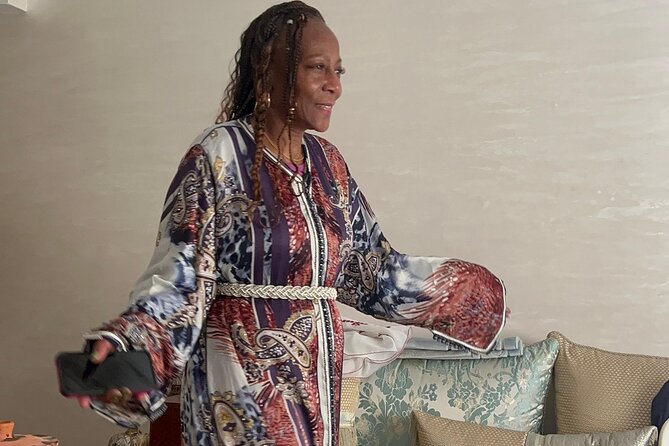
Next comes the chance to try on traditional Moroccan attire and take photos. This is another reason the experience feels more complete than a standard cooking class: you’re pairing food with the look and feel of cultural identity.
You’ll get to try on clothing and capture the moment. The key is that you’re not doing it in a detached, salesy setting. The day frames the dress as part of understanding culture—not just costume-wearing.
The photo part is fun, sure, but it’s also useful. When you can visually connect clothing, patterns, and the colors you saw in the home setting, the whole day clicks together. You walk away with a bigger picture, not just a full stomach.
If You’re There During Ramadan and Eid: A Chance for Extra Hospitality
Casablanca has its own rhythm through the year, and your timing can shape the day. One of the strongest notes from past participants is that if your dates line up around Ramadan and the start of Eid, you might catch a special evening moment connected to Iftar through your host’s family.
That doesn’t mean it’s guaranteed. But it does tell you something important: the hosting feels family-centered, and when local holidays are in play, you may be pulled into the warmth of the moment.
If you’re traveling in that season, bring extra openness. You might get more than food and photos—you might get a window into how daily life shifts during Ramadan.
Price and Value: What $91.75 Covers in the Real World
At $91.75 per person, this isn’t the cheapest activity in Casablanca. But it also isn’t paying for only one thing. You’re paying for a full package:
- a market tour to pick ingredients and spices
- a hands-on cooking class with local chefs
- the meal you made
- henna art on your hands or arms, with explanation
- traditional clothing try-on and photos
- a small group experience (max 10)
When you break it down, the value comes from the variety plus the instruction time. Many cooking classes give you the cooking and maybe a snack. This one adds the market selection step and then includes two culture-focused activities that many people would otherwise do separately.
You also get the social value: the day is set up for conversation at the table. That “people time” is hard to measure, but it’s a real part of why people rate it so highly.
Who This Casablanca Day Works Best For (and Who Might Prefer Another Plan)
This experience is ideal if you want a structured day that still feels personal. You’ll like it if you enjoy food learning, hands-on work, and cultural crafts like henna.
It’s also a strong choice if you want a break from big-city sightseeing. Casablanca can be busy and layered, but this day gives you a slower route through the city—one grounded in everyday taste, not just landmarks.
You might want to look elsewhere if you only want long, in-depth food talk with zero group energy. With four hours, you’ll learn a lot, but it’s still a concentrated session. You’re not going to become a tagine master by day’s end, but you will understand the flow: market → spices → cooking → eating → art → dress.
Should You Book This Casablanca Culinary Experience With Henna and Dress?
I think you should book it if you want a day where food and culture actually connect. The best sign is how the day is described as family-run and welcoming, with hosts like Rafiq and Ines making it feel easy to participate. Add in the market ingredient picking, the tagine and couscous cooking, and the henna plus traditional attire, and you’ve got a lot of payoff for the time.
If you’re on the fence, ask yourself one question: do you want to leave Casablanca with more than photos of buildings? Because this is built to give you a smell, a taste, and a handprint memory—literally.
FAQ
How long is the Casablanca culinary experience?
It lasts about 4 hours.
Where does the experience start?
You meet at Restaurant Des Fleurs on Av. des FAR, Casablanca 20000 (H9WP+J66).
What activities are included during the 4 hours?
You’ll do a market tour, a hands-on cooking class (including tagine and couscous), enjoy the meal you made, get henna art, and try on traditional Moroccan clothing for photos.
What is the maximum group size?
The tour has a maximum of 10 travelers.
What happens during the henna portion?
A henna artist creates intricate henna designs on your hands or arms and explains the tradition behind the art.
Can I get allergen alerts for the food?
Yes. You should notify the provider in advance about any allergen alerts when attending the tour.
Are service animals allowed?
Yes, service animals are allowed.
What is the cancellation policy?
You can cancel for a full refund up to 24 hours before the experience starts. If you cancel less than 24 hours before, you won’t receive a refund. If it’s canceled because a minimum number of travelers isn’t met, you’ll be offered another date/experience or a full refund.