REVIEW · ESSAOUIRA
Group Kitesurfing lesson with a Local in Essaouira Morocco
Book on Viator →Operated by Essaouira Watersports · Bookable on Viator
Kitesurfing starts with tiny, safe steps. In this 2-hour Essaouira lesson, you’re taught the fundamentals in a small group setting, moving from wind basics to kite starts and landings. I like that the structure is practical and gear-focused, not just theory, and the mood is reported as funny and friendly. One thing to keep in mind: like any kite session, your exact board time depends on wind and water conditions.
Two standout wins are how quickly you learn the core sequence (kite control, then water skills, then board time) and how strongly safety is emphasized from the first moment. The experience is set up for beginners, starting with wind directions, wind window, equipment setup, and safety steps before you touch the more advanced stuff. I also appreciate that it’s offered in a small group format (booking info caps it at 4, and the lesson description mentions a group of up to 2), which can make it easier to get hands-on attention.
The main drawback? If the conditions aren’t ideal, you may practice more control and water drills than you expect, rather than rushing into riding. A past participant even noted that when conditions weren’t perfect, safety came first and they were offered an alternate experience (like regular surfing) during the session.
In This Review
- Key Things That Make This Kitesurf Lesson Work
- Entering The Setup Zone: Where Your Lesson Begins in Essaouira
- What You Learn in 2 Hours: The Beginner Sequence That Builds Skill Fast
- Wind Safety and Equipment Setup: The Stuff That Keeps You Calm
- Kite Control Drills: Starting and Landing Without Losing the Plot
- Body Dragging and Relaunching: Building Confidence on the Water
- Board Time: How You Get Your First Riding Experience
- The Instructors and the Vibe: Friendly Coaching, Real Language Skills
- Price and Value: Is $64 a Good Deal for a Beginner Lesson?
- Who Should Book This (and Who Might Want More Time)
- Should You Book This Kitesurf Lesson in Essaouira?
- FAQ
- How long is the kitesurfing lesson?
- Where does the lesson meet in Essaouira?
- How big is the group?
- What will I learn during the 2 hours?
- Is this lesson for beginners?
- Do instructors teach in different languages?
- Can I get a refund if I cancel?
Key Things That Make This Kitesurf Lesson Work
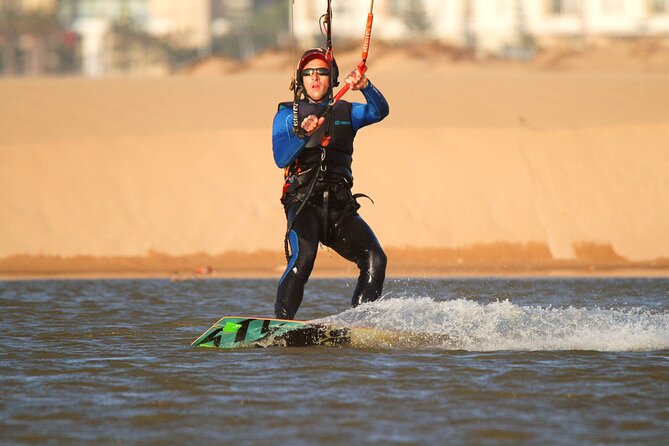
- Wind basics first: wind directions, wind window, and what you need to look for before the kite ever lifts
- Real kite handling: learning how to start and land the kite, not just fly it from far away
- Water relaunch practice: body dragging and relaunching drills that build confidence fast
- Board time at the end: the lesson is paced to give your first riding experience after the basics
- Small-group attention: maximum of 4 travelers, with the lesson described as very close-coached
- Friendly, multi-language coaching: Arabic, French, and English instruction is specifically mentioned in feedback
Entering The Setup Zone: Where Your Lesson Begins in Essaouira
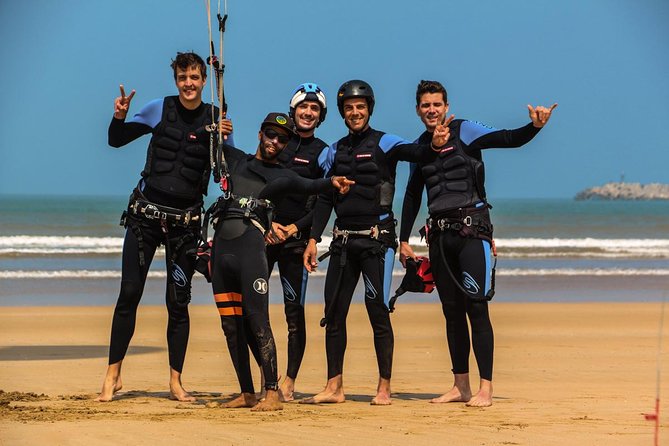
Your lesson starts at Essaouira Watersports: Kitesurf, Surfing and Wing foil Centre on Av. Princesse Lalla Amina (11 Av. Princesse Lalla Amina, Essaouira 44000). It’s also the end point, so you’re not dealing with complicated transfers or moving around town during the session.
For a beginner, that matters. In kitesurfing, the hardest part isn’t just the kite—it’s getting oriented: where to stand, how to hold equipment, what your body should do, and what the wind is doing. A single meeting point also reduces stress. You can focus on learning instead of planning.
Plan to go when the center is open: 9:00 AM to 7:00 PM, Monday through Sunday. If you’re timing this between beach walks, medina wandering, and seafood dinners, that wide window helps you choose a slot that fits your day.
A few more Essaouira tours and experiences worth a look
What You Learn in 2 Hours: The Beginner Sequence That Builds Skill Fast
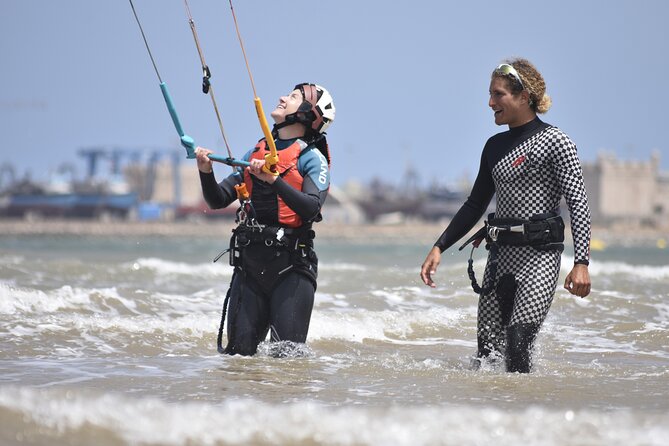
This isn’t a vague introduction. The lesson is built like a step-by-step ladder, and it follows a clear order that makes sense for first-timers:
First, you’ll get an introduction to kitesurfing fundamentals: wind directions, the wind window, equipment setup, and core safety steps. You’re not meant to freestyle here. You’re meant to understand the kite’s behavior and your role in it.
Next comes kite control, where you learn how to manage the kite’s power and position. That includes learning how to start and land the kite. This is huge for beginners because a lot of fear comes from not knowing what will happen when you release or reposition the kite.
Then you move into water practice: body dragging and relaunching. Body dragging teaches you what it feels like when the kite pulls you across the water while you stay in control. Relaunching drills help you restart the kite if it stalls or you lose it in the water—an essential survival skill for later.
Finally, you go to the board and try your first riding experience. Even if you don’t ride for long, the lesson is trying to get you that first taste of gliding with coaching in place.
If you’ve ever tried to learn a sport from videos, you’ll appreciate this pacing. It turns abstract ideas into repeated actions you can actually feel.
Wind Safety and Equipment Setup: The Stuff That Keeps You Calm
Kite lessons rise or fall on safety basics, and this one starts there. You’ll review how to read wind direction and how to understand the wind window—basically, where the kite needs to be so the power works with you instead of against you.
You’ll also cover equipment setup and safety steps before you go further. For beginners, this part is more than paperwork. It’s the difference between feeling prepared and feeling like you’re guessing.
Here’s what I’d pay attention to when you’re learning this stage:
- Ask the instructor to explain what you should watch for when the wind changes.
- Get clear on what your hands and stance should do when you’re controlling the kite.
- Take safety instructions seriously even when everything feels easy. That’s when the small mistakes are most tempting.
One earlier participant specifically said that safety was the priority number one, especially when conditions weren’t perfect. That’s a reassuring sign that the coaching is designed around control, not pushing risk just to hit a milestone.
Kite Control Drills: Starting and Landing Without Losing the Plot
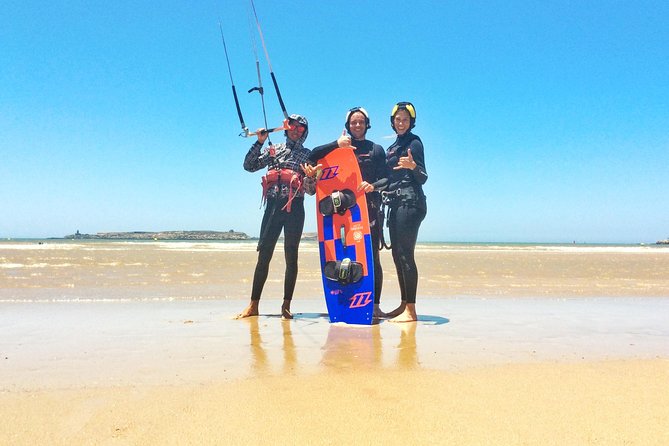
Once you’re past the basics, you’ll move into kite control and learn how to start and land the kite. This is one of the most important sections for your confidence. If you can reliably start and land the kite, you stop fearing the transitions.
In real terms, kite control training helps you learn three things quickly:
- How to reposition the kite relative to the wind
- How power changes as the kite moves
- How to stay coordinated with what the instructor is asking
A common beginner problem is overreacting—tugging at the wrong moment or holding the kite too rigidly. Good instructors help you correct that fast and keep you from repeating the same error.
Feedback for this school repeatedly mentions a supportive, friendly approach and instructors who adjust coaching pace based on your progress. Names that show up in reviews include Medhi, Mehdi, Otman, and Wassim, with multiple mentions of clear communication and helping beginners feel comfortable.
Body Dragging and Relaunching: Building Confidence on the Water
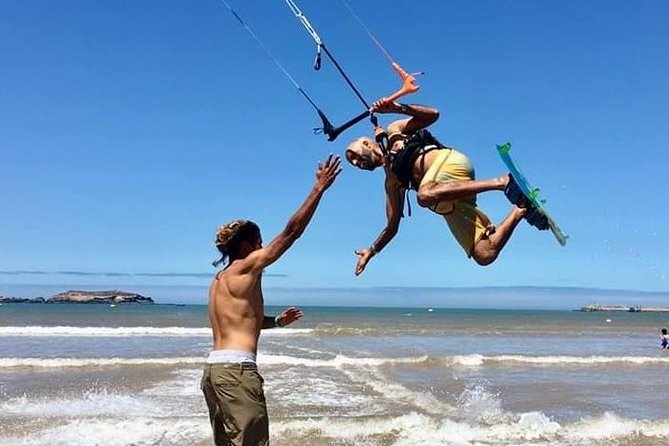
This lesson doesn’t jump straight to riding. It spends time on body dragging and relaunching, which is exactly where skill is built.
Body dragging is where you learn the feeling of being pulled and controlled without standing on a board. It’s often less intimidating than board time, and it teaches balance, kite alignment, and how to respond when the kite’s power shifts.
Then comes relaunching in the water. This is the practice that turns panic into routine. If the kite stops or drops too low, you need to know what to do next—how to work the kite back into position safely.
This part is also where a small group helps. With fewer people, you’re more likely to get direct fixes instead of waiting while the instructor bounces between students. The booking info lists a maximum of 4 travelers, and the lesson description points to a very small-group teaching style—so it’s designed for close coaching rather than a hands-off demo.




Board Time: How You Get Your First Riding Experience
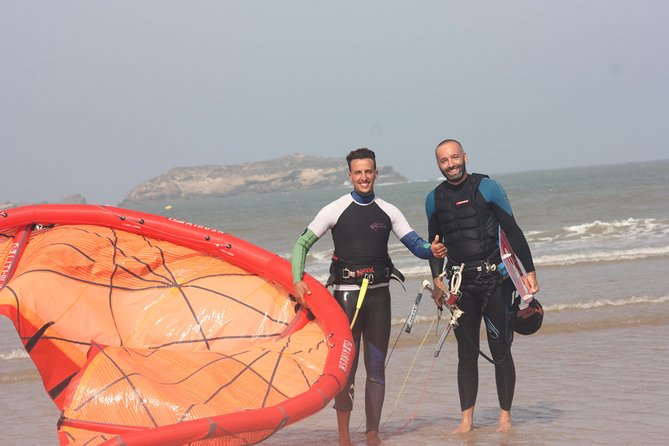
After the water work, you’ll go to the board for your first riding attempt. This is the moment beginners tend to remember, even if the ride is short.
But here’s why the earlier steps matter: your board time is only as good as your kite control. If you learned how to start and land the kite correctly and you practiced water relaunching, your board attempt is more likely to be calm and repeatable.
Also, you’re not being asked to master tricks here. The goal is to help you experience what riding feels like—using the kite in a controlled way so you’re not fighting the setup.
A past participant noted that when conditions weren’t perfect, they prioritized safety and even offered a shift to regular surfing. That tells you the instruction approach is flexible and practical, which is important for wind sports.
The Instructors and the Vibe: Friendly Coaching, Real Language Skills
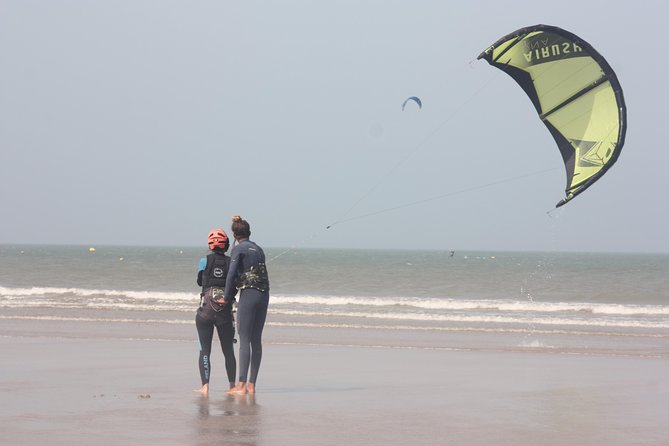
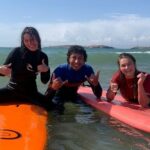
What shows up again and again in the feedback is a warm, welcoming team that helps you feel at home. People describe the school as professional, fun, and supportive, with staff who go out of their way to help.
Communication is also a real factor. Multiple reviews mention instruction in Arabic, French, and English, and that the team can switch languages when needed. For you, this reduces confusion at the exact moment you need clarity: when safety rules are being explained and when kite commands change.
You’ll also hear that instructors use a teaching style that balances guidance with space to practice. One review praised the moment when an instructor knew when to assist and when to let the student try. That balance helps you learn faster because you’re not always being corrected—but you’re also not left alone to figure out dangerous mistakes.
There are even small touches showing up, like celebrations for birthdays (including a cake in at least one story) and a generally upbeat atmosphere. That’s not essential for kitesurfing skill, but it does affect how willing you feel to ask questions and keep going through the learning curve.
Price and Value: Is $64 a Good Deal for a Beginner Lesson?
At $64 for about 2 hours, this price sits in a beginner-friendly range for a structured instruction session in Essaouira. The value comes from the way the lesson is packaged:
- You get guided progression: wind basics → kite control → water skills → board attempt
- The group is small (max 4), which can mean more time coaching per person
- The focus is on getting you functional fast: safety and core kite handling, not just sightseeing
What you should consider is time versus expectations. Two hours is enough to build early competence and confidence, but it isn’t enough to turn you into an independent rider. If your goal is to ride confidently for long sessions, you might want more instruction after your first lesson.
Still, the lesson’s structure is exactly what makes the price feel reasonable. You’re paying for coaching time that targets the biggest beginner hurdles.
Who Should Book This (and Who Might Want More Time)
This lesson is a good fit if:
- You’re a beginner who wants step-by-step guidance
- You want safety coaching from the start
- You prefer a small-group setting where you’re not just watching others learn
- You’d like a first shot at riding, not just stand-and-stare instruction
You might want to plan extra time or additional lessons if:
- You’re aiming to progress quickly beyond first board rides
- You’re easily discouraged by changing conditions (wind sports are never 100% predictable)
- You want more repetition on one stage, like relaunching or water control
Also note: the experience lists that most travelers can participate, and service animals are allowed. It’s near public transportation, which is helpful if you’re not driving.
Should You Book This Kitesurf Lesson in Essaouira?
Yes—if your priority is a structured beginner start with real coaching and safety-first teaching. This lesson is built around the sequence that actually matters: learn the wind and safety steps, practice kite control, drill water relaunching, then get onto the board.
Book it if you want your first kitesurf experience to feel guided and manageable, not random. And given the small-group limits, you’ll likely get the kind of attention that helps you move from confusion to competence without feeling overwhelmed.
If you only book one session and you’re hoping for lots of long riding, you should temper expectations. Wind and water decide the pace. But even then, a well-run beginner lesson should still leave you with useful skills you can carry into your next day on the water.
FAQ
How long is the kitesurfing lesson?
The lesson runs for about 2 hours.
Where does the lesson meet in Essaouira?
You meet at Essaouira Watersports: Kitesurf, Surfing and Wing foil Centre Essaouira Morocco, 11 Av. Princesse Lalla Amina, Essaouira 44000.
How big is the group?
The activity lists a maximum of 4 travelers. The lesson description also mentions very small-group teaching (up to 2), so expect a close coaching setup.
What will I learn during the 2 hours?
You’ll cover wind basics (wind directions and wind window), equipment setup and safety steps, then kite control including starting and landing the kite. After that, you’ll practice body dragging and relaunching in the water, and finish with your first board riding experience.
Is this lesson for beginners?
Yes. The lesson is specifically described as starting with an introduction for beginners and building from there.
Do instructors teach in different languages?
Yes. Reviews mention instruction in Arabic, French, and English, with language switching when needed.
Can I get a refund if I cancel?
You can cancel for a full refund if you cancel at least 24 hours before the start time. If you cancel within 24 hours, the amount paid is not refunded.